We’ve been sold a fake Adam Smith. In our latest Capitalisn’t, Glory Liu reveals that the guy who is most famous for the "invisble hand" was actually a theorist of power who warned against corporate capture.
Full episode here: youtube.com/watch?v=AmmISO…
Thanks @JonahDispatch for having me on @JonahRemnant "to discuss Adam Smith, the Scottish Enlightenment, the social question, shiny shoe buckles, the East India Company, mercantilism, liberalism’s origins, Edmund Burke, and the new right’s rejection of free markets." 🧵1/2⬇️
"If your kids went through puberty on a smartphone … they came out different than human beings before” warns @jonhaidt.
We discuss that and much more in our full interview.
“What’s that you’re reading?”
“Karl Marx”
“So you are a communist?”
“Do I have to be a communist to read Karl Marx?”
This scene is forever gold. The little boy completely destroys capitalism and the American political system.
"The little boy completely destroys "capitalism"?
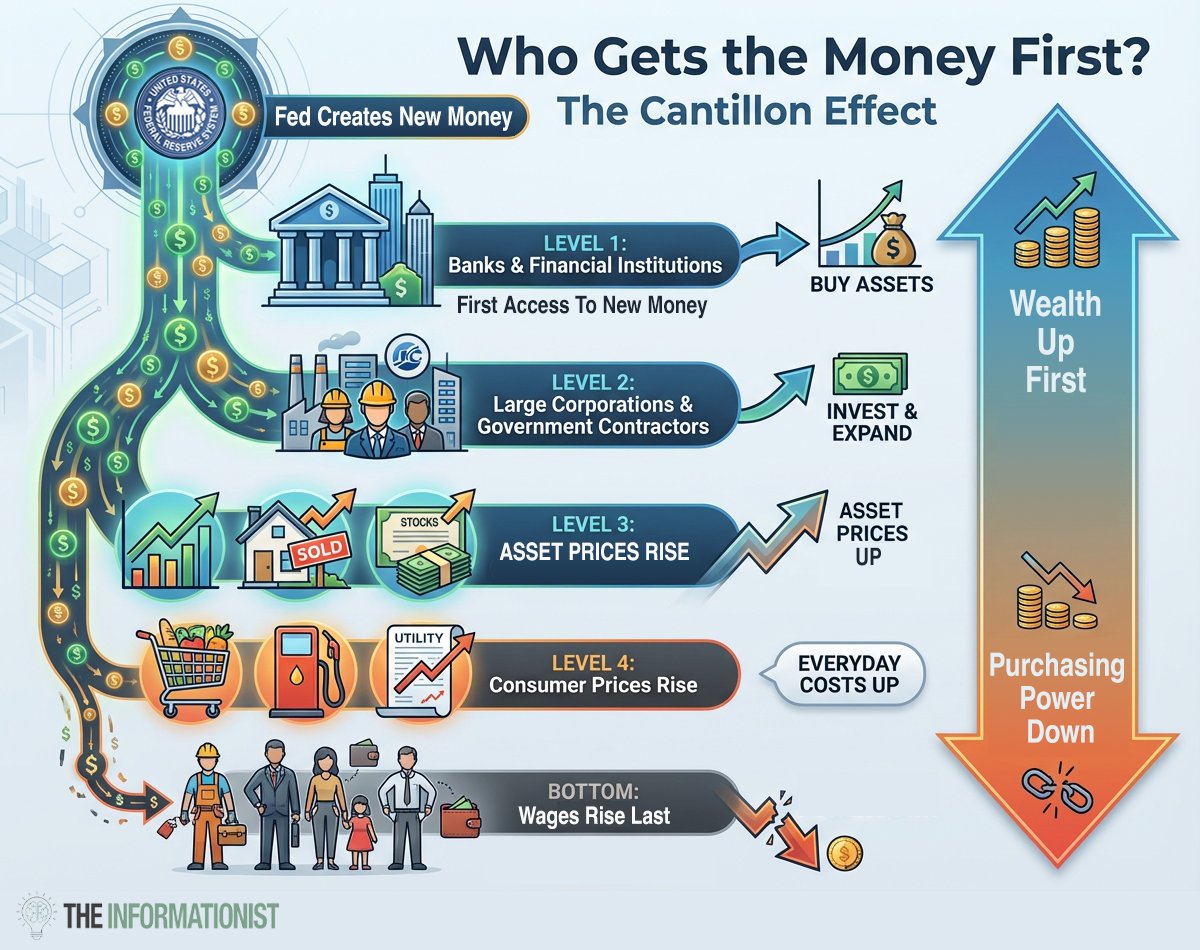
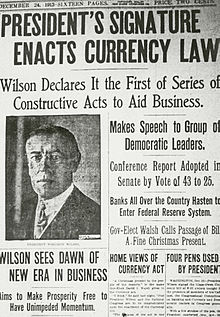
We've had a government created, too-big-to-fail, socialist central bank money-printing monopoly since 1913!
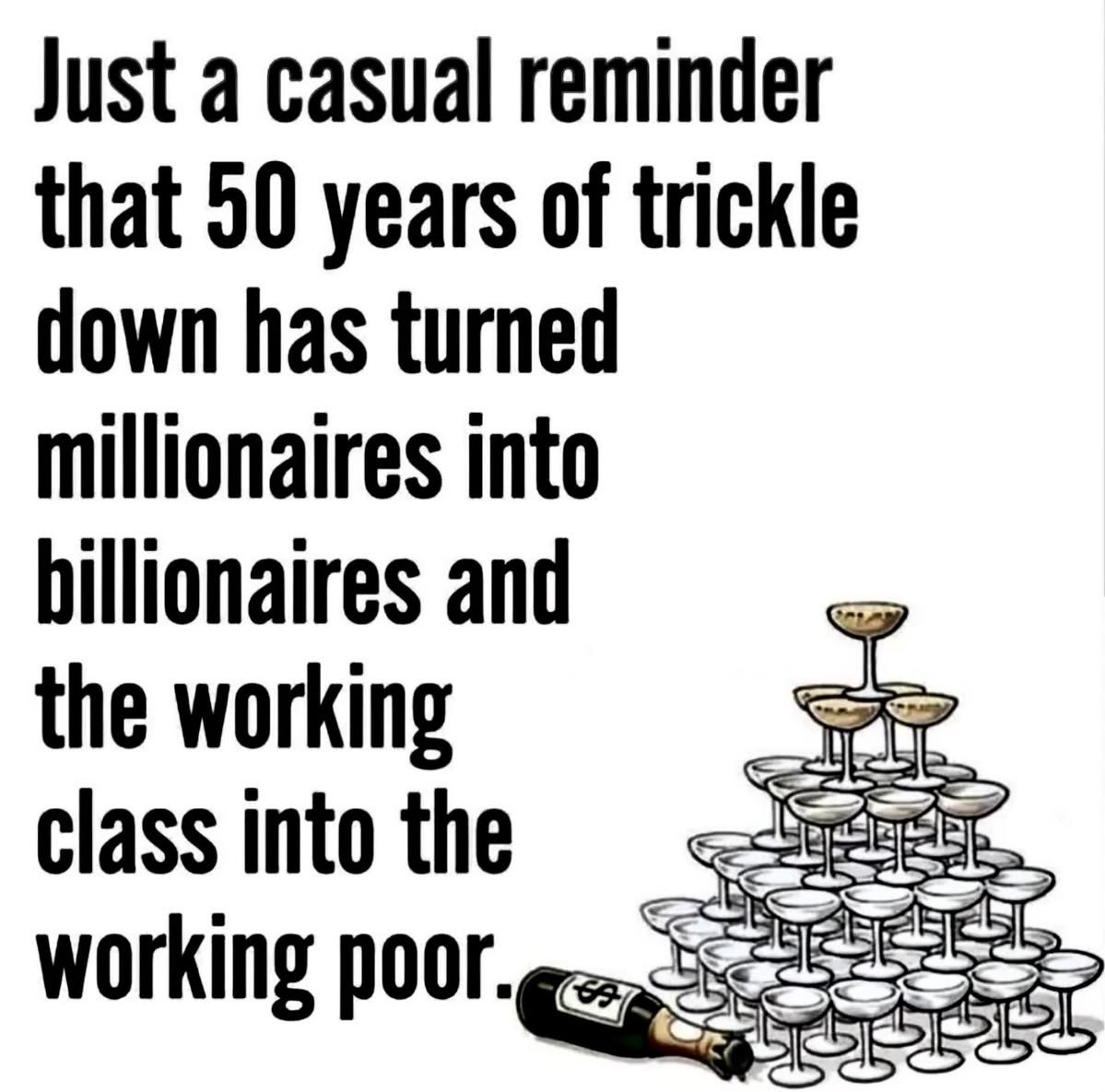
It diminishes your dollars, distorts prices, enriches the entrenched and widens the gap between 'the haves and the have nots'.
The little boy destroys centrally planned socialism in favor of freedom and free-market capitalism!!
In "The Princess Bride," Inigo Montoya says: "You keep using that word. I do not think it means what you think it means."
He might've said this about Trump's (mis)use of socialism!
Here's why: Trump's having government take stakes in companies IS socialist, and bad:
The gold standard worked because it made every government deficit a direct assault on the nation's money supply—and markets punished politicians immediately for their fiscal recklessness.
Under gold, when Congress spent beyond tax revenues, the Treasury had to borrow real money from real savers. No magical money printing. No Federal Reserve buying government bonds with newly created dollars.
Politicians faced the same constraint as every household: you can only spend what someone else saved first. And foreign creditors could demand gold redemption at any time, creating an automatic brake on inflationary spending.
The mechanics were beautifully simple. Britain's pound sterling maintained its gold parity for over 200 years because the Bank of England raised interest rates whenever gold flowed out of the country. Higher rates attracted foreign capital and made domestic credit scarce—forcing the government and private borrowers to compete for the same limited pool of savings. Deficit spending meant crowding out private investment, and voters saw the immediate consequences in higher borrowing costs.
You can see this discipline in action during the Panic of 1893. Cleveland's administration faced massive gold outflows as investors lost confidence in America's fiscal position. Instead of printing money, Cleveland arranged private gold purchases from J.P. Morgan and European bankers—paying market rates for the privilege. The federal budget had to balance because the alternative was national bankruptcy and gold standard abandonment.
Modern economists call this "barbarous" because it prevented their beloved countercyclical spending. Damn right it did. Politicians couldn't promise infinite benefits funded by invisible taxes on savers. Every war, every welfare program, every government expansion required convincing actual people to lend their actual savings.
On the latest #HAPod, @BobMurphyEcon separates Mises’s calculation problem from Hayek’s knowledge problem, and shows why AI won’t make central planning workable.
Capitalism harnesses greed. But did you know it also makes people MORE generous?
@johanknorberg: “People are most generous in capitalist societies.”
Here, in our FULL interview, with other things people get wrong about capitalism: