
Gilgit-Baltistan is not witnessing an isolated law and order issue. It is witnessing the long consequence of a state that has repeatedly chosen control over justice, sectarian management over equal citizenship and coercion over dignity.
Pakistan’s treatment of Shia Muslims in Gilgit-Baltistan is not an accident of history. It is a pattern.
In 1988, one of the darkest chapters in the region’s history saw nearly 400 Shias killed and several Shia villages burned. Decades later, the method has evolved, but the structure remains familiar sectarian pressure, selective policing, weaponised accusations and state responses that deepen, rather than heal, the fracture.
In 2023, even the blasphemy law issue reopened the wound. Amnesty said the proposed amendment specifically targeted Shia Muslims and HRCP documented how the GB government registered an FIR against prominent Shia cleric Agha Baqir Al-Hussaini, triggering a sectarian rift in the region.
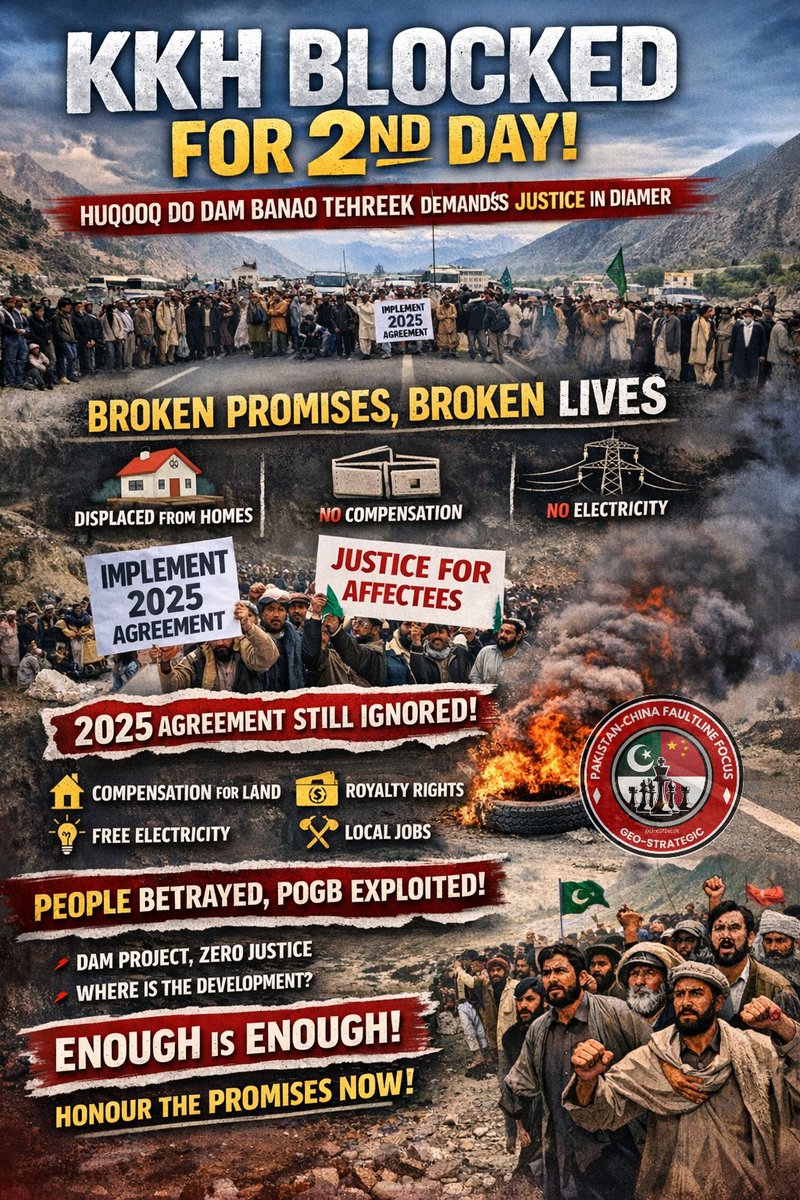
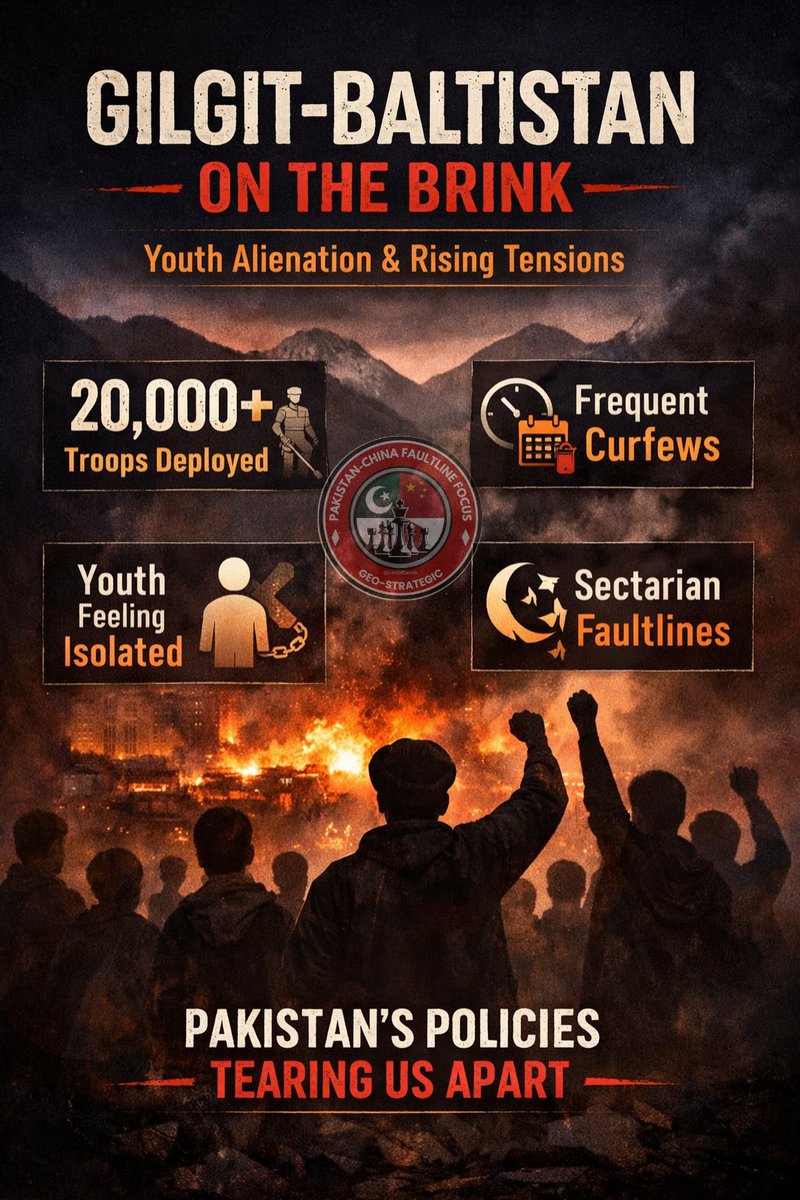
Then came March 2026. Pakistan sent the military into Gilgit-Baltistan, imposed curfews in Gilgit and Skardu, and that 26 people had died in the unrest overall, including 14 in Skardu. Local reporting from Pamir Times identified several of those killed in Gilgit during clashes after security-force firing as Syed Ikram, Munawar, Munir, Hanif, Kaleem Abbas, Manzar Ali and Ajmal Husain.
These are not just names. They are evidence of a truth Pakistan keeps trying to bury. When Shia anger rises in Gilgit-Baltistan, the state’s instinct is not reconciliation, but suppression.
A state that cannot protect the dignity of a community that forms the social core of the region, that allows sectarian targeting to keep resurfacing, and that answers grief with force, has no moral right to lecture anyone on rights or representation.
Pakistan wants loyalty from Gilgit-Baltistan, but keeps offering Shia Muslims suspicion, pressure, and bloodshed in return.
That is not governance.
That is structural betrayal.

English