
Mert İnan

752 posts

Mert İnan banner
Mert İnan

Mert İnan

@Merterm

CS PhD candidate @Northeastern Cognitive-aware MM convAI interdisciplinarity lover @FulbrightPrgrm @SCSatCMU 🦋: @merterm.bsky.social

Boston Inscrit le Nisan 2010
1.8K Abonnements266 Abonnés
Mert İnan retweeté
Muzaffer
Muzaffer@muzafferfth·
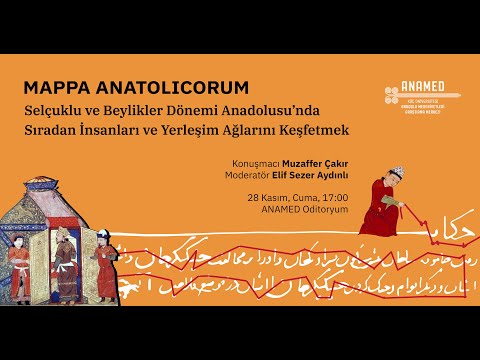
mappa anatolicorum lisansta kesintisiz 2 yılımı verdiğim bir digital humanities projesiydi. şu an bambaşka alanlara yönelmiş de olsam zamanında yaptığımız değerli bir işti ve güzel sonuçlar aldık. merak edenler için anamed sunumu: youtu.be/1rgLRZigS5M?si… mappaanatolicorum.com
YouTube video
YouTube
Muzaffer@muzafferfth

bugün ibn haldun'da günhan börekçi börekçi hoca ile lisansta geliştirdiğim proje @manatolicorum üzerine konuştuk. ibn haldun'un ulaşımı felaket hocaları çok hoşsohbet. konferanslardaki tatlı ikramı işinde çok iyiler. günhan hoca da işinin ehli genius bir hoca.

Türkçe
0
4
37
6.5K
Mert İnan retweeté
Machine Learning Street Talk
Machine Learning Street Talk@MLStreetTalk·
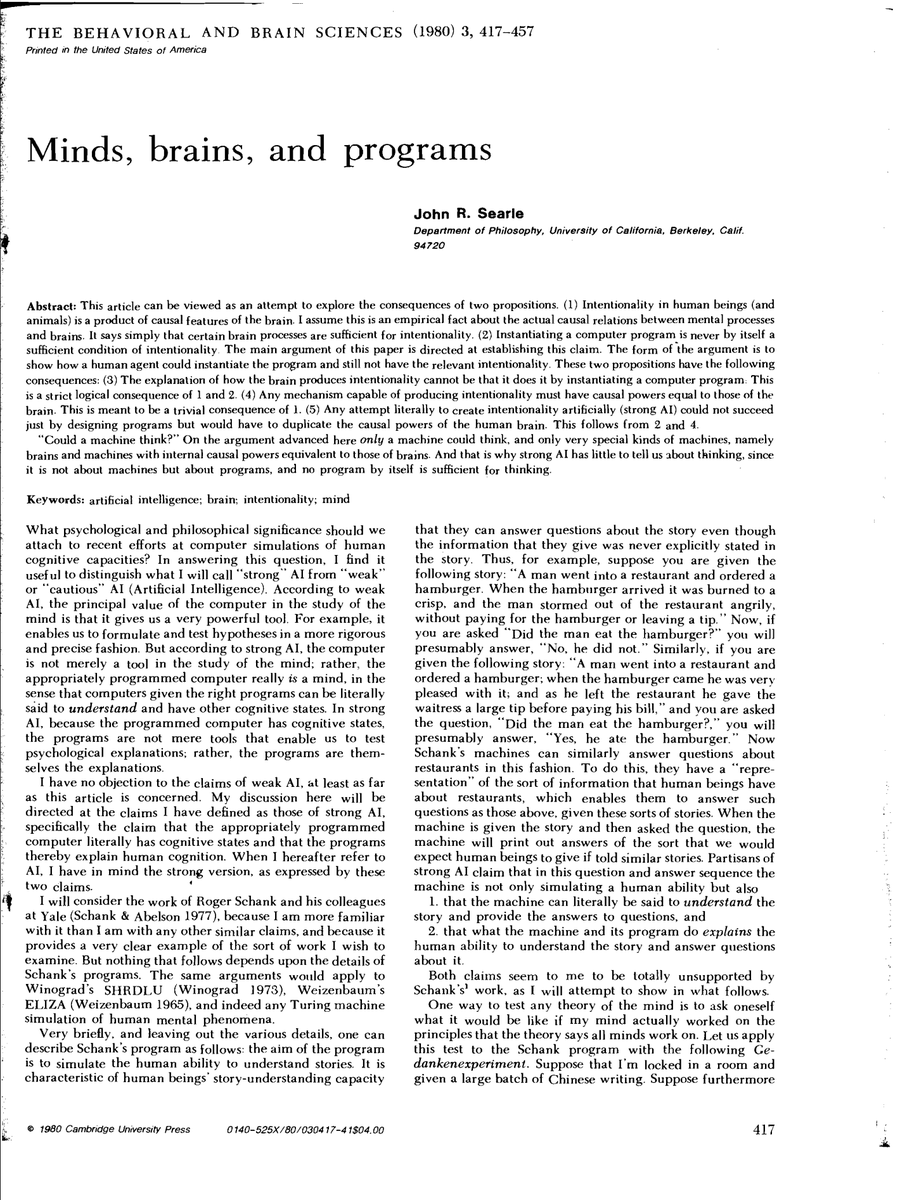
> 1980: John Searle explains why we can't abstract away the causal properties that actually produce mind > 2025: Minds, Brains, and "but what if we scaled the program" > 2026: Twitter still thinks simulated water is wet when argument is rehashed > 2035: Sam Altman: "ok fine it was autocomplete the whole time" > 2045: Chalmers: "the hard problem was, in fact, hard" > 2050: textbooks: "the 2020s functionalism revival is now considered an embarrassing episode, like phrenology"
Machine Learning Street Talk tweet media
ℏεsam@Hesamation

Google DeepMind researcher argues that LLMs can never be conscious, not in 10 years or 100 years. "Expecting an algorithmic description to instantiate the quality it maps is like expecting the mathematical formula of gravity to physically exert weight."

English
57
144
1K
105.4K
Mert İnan retweeté
Gašper Beguš
Gašper Beguš@begusgasper·
New paper out in Proceedings of the Royal Society B: we apply linguistic tools to sperm whale vowels. The result: sperm whale vowels do not just look like human vowels. They also behave like them. We found several parallels. Like in Latin, whales have short and long vowels. Like in Slovenian, some vowels prefer particular tones. Like in human language, there’s a lot of coarticulation (a process when you say “tense” but the word sounds like “tents”). Observing vowels in whales is a matter of timing. Our vowels are fast, whale vowels are slow. Beats become pitch if they’re fast enough. If you slow down human vowels, they start sounding like whale clicks. Applying linguistic tools to whales shows us that we’re much more similar to these wonderful ocean creatures than we previously believed and that their language is much more complex and structured. @projectCETI @UCBerkeley
Gašper Beguš tweet media
English
23
289
1.3K
107.6K
Mert İnan retweeté
Alp Buğdaycı
Alp Buğdaycı@alp_bugdayci·
Erken Cumhuriyet dönemi hakkında ezberleri sarsan çok önemli bir makale yayınlanmış. Makale, yaygın kanaatin aksine, erken Cumhuriyet döneminde dini elitlerin (şeyhler, sûfî liderler vb.) yoğun bir baskı ve zulümle karşılaşmadıklarını; aksine, tek parti iktidarı tarafından çeşitli biçimlerde rejime entegre edilmeye çalışıldıklarını ortaya koyuyor. Diğer bir deyişle, bu aktörlerin farklı derecelerde devletle iş birliği yaparak toplumsal statülerini büyük ölçüde koruyabildikleri ve çoğunlukla devlet kurumlarında istihdam edildikleri gösteriliyor. Bilindiği üzere, 1925 yılında tarikatlar devrim kanunlarıyla kapatılmıştı. Ancak bu kurumların ortadan kaldırılmasının ardından, onları yöneten dini elitlerin akıbetine dair literatürde ciddi bir boşluk bulunuyor. Yaygın İslamcı veya Post Kemalist anlatı, tek parti iktidarının bu kişilere sistematik biçimde zulmettiğini, hatta çoğunu idam ettiğini ileri sürer. Buna karşılık söz konusu makale, bu anlatının önemli ölçüde abartı payı taşıdığını ve gerçeği tam olarak yansıtmadığını gösteriyor. Makale, erken Cumhuriyet dönemi şeyhleri hakkında bir prosopografi çalışması mâhiyetimde aslında. 1925–1950 yılları arasında Türkiye’de öne çıkan 121 dinî elitin hayat hikâyeleri inceleniyor. Bu kapsamda söz konusu kişilerin meslekî dağılımları da tek bir veri setinde birleştiriliyor.(Aşağıdaki görsele bakabilirsiniz bunın için.) Bulgular, bu grubun büyük çoğunluğunun çeşitli devlet kurumlarında istihdam edildiğini ortaya koyuyor. Ayrıca, incelenen 121 kişi arasında yalnızca 6 kişinin kovuşturmaya (hapis veya idam) uğradığı, 6 kişinin ise sürgüne gönderildiği tespit ediliyor. Toplamda herhangi bir cezaya maruz kalanların oranının %10’un altında kalması da oldukça önemli. Dolayısıyla, erken Cumhuriyet döneminde, hem post-Kemalist hem de İslamcı anlatıların iddia ettiği gibi dini elitlere yönelik katı ve tavizsiz bir baskıdan ziyade; siyasal sadakat gösterildiği ölçüde bu aktörleri sisteme entegre etmeye yönelik daha pragmatik ve esnek bir yaklaşımın benimsendiği görülüyor.
Alp Buğdaycı tweet media
M. Brett Wilson@brettirmo

"Sufi Leaders in the Early Turkish Republic: Profession, Privilege, and Persecution (1925–1950)" Open Access cup.org/4dRfgMr What happened to Sufi leaders after prohibition of Sufism by the Turkish state in 1925? Were they persecuted? This article examines their fates

Türkçe
29
284
1.2K
125.1K
Mert İnan retweeté
Hinokami Kagura
Hinokami Kagura@Khuze_Elikhulu·
Guys have yall this seen this AMAZING story of a sperm whale giving birth and TEN (10) other female whales were midwives who assisted her with the birth and helped lift the baby to the surface to take a first breath??? Coz I'm not seeing yall making the requisite noise
The Associated Press@AP

Rare footage of a sperm whale giving birth has offered scientists a window into the behavior of these large, elusive mammals.

English
75
11.3K
74.6K
1.4M
Mert İnan retweeté
御水(みもい)
御水(みもい)@mimoi_sound·
グラフ上で点をグリグリ動かして母音を発音させるやつをp5.jsで作ったことがあります
日本語
41
1.2K
6.1K
307.1K
Mert İnan retweeté
Mete Öztürk
Mete Öztürk@meteecozturk·
Anamed’deki “Bütün Fener Burada” sergisinden, Yunan alfabesiyle Türkçe, Misailidis’in “Tamaşa-yi Dünyâ ve Cefakâr u Cefakeş” adlı kitabı (1871). Sekizinci Bab’ın altında “Tekkeyi bekleyen çorbayı içer” atasözü. Şu iki sayfayı tekrar tekrar okudum.
Mete Öztürk tweet media
Türkçe
0
5
39
1.9K
Mert İnan retweeté
Kaan Çorbacı
Kaan Çorbacı@mimarkaanc·
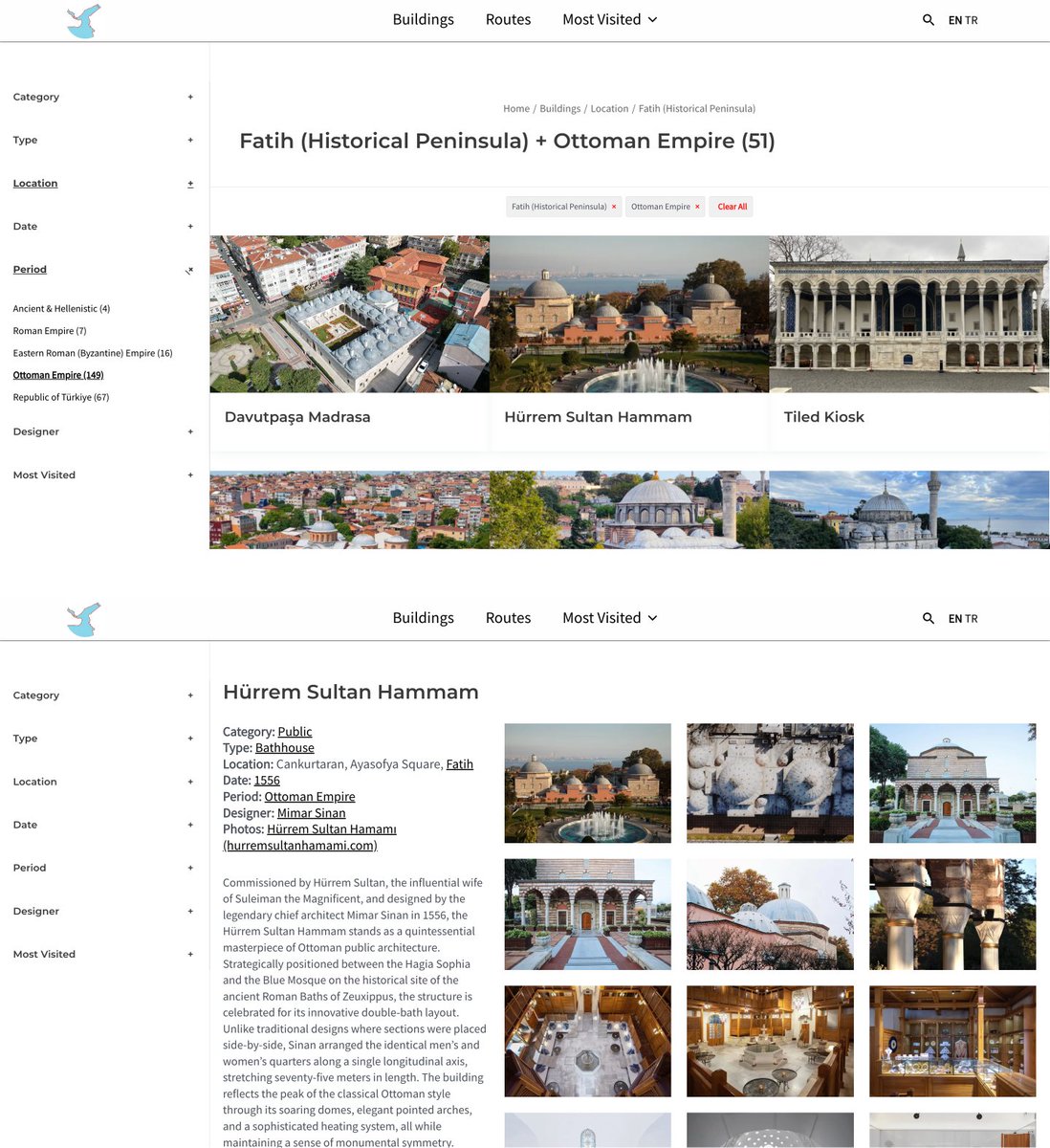
İstanbul mimarisini dünyaya tanıtmak adına Istanbul Architecture (istanbularch.com) websitesini kurdum. Kategorilerde çoklu filtremelerle istediğiniz yapılara ve bunlara tıklayınca yapıların bilgi, fotoğraf ve konumlarına ulaşabiliyorsunuz. Şu an 217 harika yapı yayında.
Kaan Çorbacı tweet media
Türkçe
15
97
613
80.3K
Mert İnan retweeté
Mansur Yavaş
Mansur Yavaş@mansuryavas06·
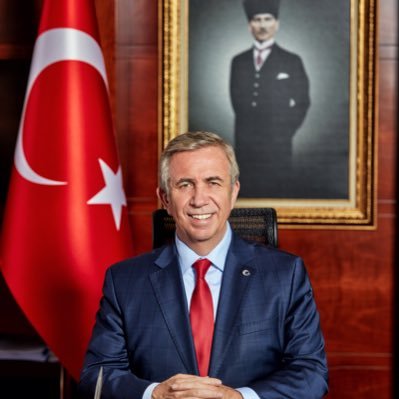
Anafartalar Caddesi’nde 25’i tescilli olmak üzere 121 yapıyı tarihi dokusunu koruyarak yeniledik, dükkânları ve kamusal alanları baştan sona düzenledik. Ulus’un hafızasını koruyarak, daha düzenli, erişilebilir ve güvenli bir kent için çalışmaya devam ediyoruz.
Türkçe
119
483
6.1K
218.1K
Mert İnan retweeté
The Figen
The Figen@TheFigen_·
They are ants solving a geometric problem and it is mind-blowingly colorful.
English
418
2K
27.8K
6.8M
Mert İnan retweeté
A.Benítez-Burraco
A.Benítez-Burraco@abenitezburraco·
Sevgili Twitter arkadaşım, Türkçe morfolojisi üzerine küçük bir çalışma yürütüyoruz. Eğer anadili Türkçe olan biriyseniz, lütfen aşağıdaki ankete katılabilir ve bağlantıyı kişilerinizle paylaşabilir misiniz? Çok teşekkür ederim! #Türkiye docs.google.com/forms/d/e/1FAI…
Türkçe
3
16
26
4K
Mert İnan retweeté
Seren Selvin Korkmaz
Seren Selvin Korkmaz@selvinkorkmaz·
İmamoğlu ve İBB davası, her gün yenisine uyandığımız krizlerin arasında “normal bir süreçmiş” gibi sunulmaya ve bu şekilde devam ettirilmeye çalışılacak. Oysa 19 Mart, Türkiye’de hem önemli bir kırılma hem de on yılı aşkın süredir adım adım ilerleyen, siyasal rekabetin kurumsal koşullarını yeniden şekillendiren daha geniş bir otoriterleşme dinamiğinin parçası. Türkiye’de demokratik gerileme tek seferlik kırılmalarla değil çoğu zaman kademeli ve birbirini besleyen ihlaller üzerinden ilerledi. Önceki ihlallere verilen sınırlı tepkiler, sessizlikler ya da kurumsal tavizler, sonraki müdahalelerin zeminini hazırladı. Böylece siyasal alanın sınırları adım adım daraldı. Bu nedenle burada hatırlanması gereken en temel mesele şu: demokrasinin temel unsurlarından biri olan seçme ve seçilme hakkı fiilen sınırlandırılıyor. 2023 seçimleri ve özellikle 2024 yerel seçimleri sonrasında ortaya çıkan tablo şunu gösteriyordu: Mevcut siyasi zeminde seçmen davranışı değişmeye başlamıştı. Uzun süredir siyaseti belirleyen kimliksel fay hatları kısmen kırılıyor, muhalefet ise özellikle yerel yönetimler üzerinden “iktidar alternatifi” olabileceğini göstermeye başlıyordu. Bu akışın önünde durmak için ya suyun kaynağını kurutmak ya da akacağı yatağı değiştirmek gerekiyordu. Seçimi tamamen ortadan kaldırmıyorsunuz. Ama rakip oyuncuları kırmızı kartla sahadan atıyor, oyunun kurallarını değiştiriyor ve sahayı her gün biraz daha kendinize doğru eğiyorsunuz. Kazanmayı garanti altına alana kadar kuralları bükebilmeniz için de bu olanların hayatın akışının parçasıymış gibi görünmesi lazım. Ya da çok büyük krizlerin arasında hiç görünmemesi…
Türkçe
3
57
247
18.2K
Mert İnan retweeté
chiefofautism
chiefofautism@chiefofautism·
someone connected LIVING BRAIN CELLS to an LLM Cortical Labs grew 200,000 human neurons in a lab and kept them alive on a silicon chip, they taught the neurons to play Pong, then DOOM now someone wired them into a LLM... real brain cells firing electrical impulses to choose every token the AI generates you can see which channels were stimulated, the feedback from the neurons in choosing that letter or word
English
752
1.6K
11.9K
3M
Mert İnan retweeté
Machine Learning Street Talk
Machine Learning Street Talk@MLStreetTalk·
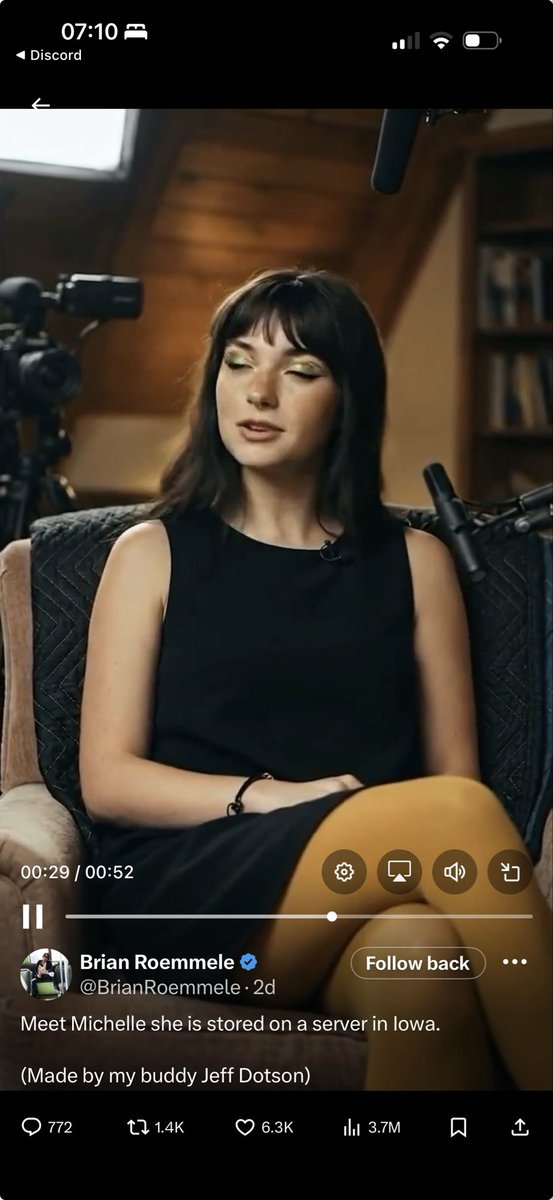
Images are great way to understand AI slop visually, this is a random frame of this popular video. There are three microphones, the two directional microphones aren’t even pointing at her and one seems to be pointing behind her (this is absurd) The camera behind seems to be something from the 1980s with a terrible lense and a camera would never be placed in this position on a shoot. The window doesn’t fit the geometry of the roof behind. Countless more examples in the rest of the video, and as the length increases the probability of an average person spotting it converges to 100% within about 30-60 seconds. Posting stuff like this is playing Russian roulette with your reputation if you are a serious creator producing authentic content. There will always be people out there with more domain knowledge than you who can spot the incoherences. Posting any content is always an adversarial game with the perception of the audience, but in my opinion it needs to be optimised so that only one in 10,000, 100,000 to 1,000,000 people (depending on how serious the content is) can spot the incoherences/glitches. Assume they are always there even if you can't spot them (they always are). Experts will even know which particular model you used to generate it.
Machine Learning Street Talk tweet media
Brian Roemmele@BrianRoemmele

Meet Michelle she is stored on a server in Iowa. (Made by my buddy Jeff Dotson)

English
2
3
38
12K
Mert İnan retweeté
Cameron Witkowski
Cameron Witkowski@witkowski_cam·
To define slop we need to formalize what an “attention economy” really is. When you (or an LLM) reads something, you invest attention. There’s a cost economically and in time. You pay it because you’re hoping to get something out of reading. Some spark of insight, some deeper understanding, or “world model compression” as Karpathy puts it. You might think you’re just reading, but you’re actually investing and hoping for a return. Investing time reading slop content rightfully pisses you off. You feel the same way when you buy a piece of mass-produced junk, or follow careless advice. What distinguishes slop content is a) false promised value, b) carelessness, negligence or disregard for the audience. Both terms are quantifiable in dollars (which can be exchanged for bits or joules) if we treat information as bearing economic utility in a market of actors. Pricing content becomes like pricing securities, consumables— or perhaps events in prediction markets are the closest analogue. The connection between Bayesian inference (world modeling/info-theory) and value/utility is also rich and nuanced, nicely treated in Friston &co’s work on Active Inference which I would recommend for those interested. Since the value of information drops once consumed, the upshot is LLMs inherently lead to slop because they’re static and never generating novel content. Of course humans can generate slop too, but at least they learn. That’s what makes us special. Hence where my research, focus, and attention has been for the last year, and which I am incredibly excited to be pursuing :)
Andrej Karpathy@karpathy

Has anyone encountered a good definition of “slop”. In a quantitative, measurable sense. My brain has an intuitive “slop index” I can ~reliably estimate, but I’m not sure how to define it. I have some bad ideas that involve the use of LLM miniseries and thinking token budgets.

English
2
2
11
2.7K
Mert İnan retweeté
Saki Imai
Saki Imai@saki__imai·
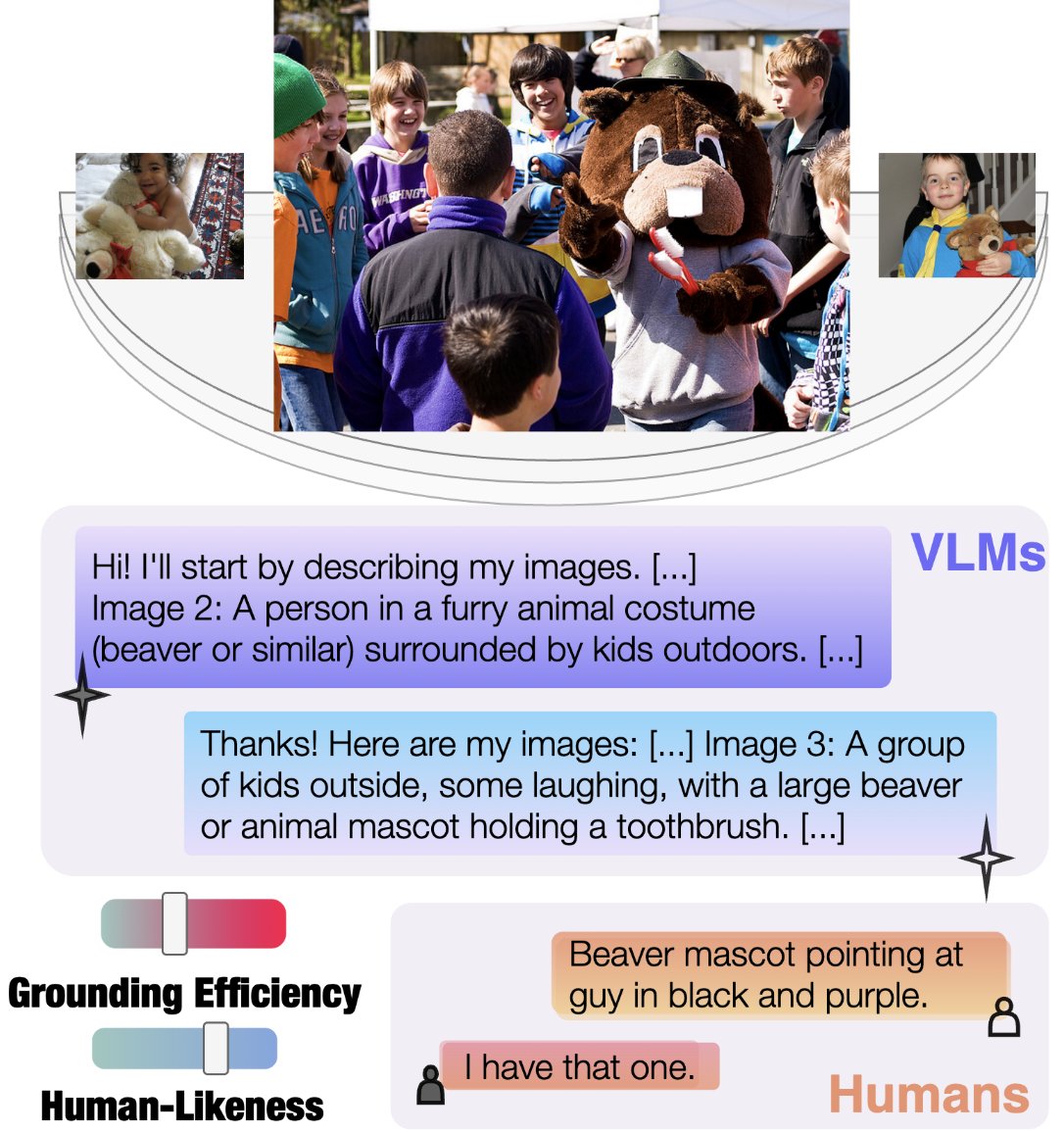
"Measuring How (Not Just Whether) Vision-Language Models Build Common Ground" We propose a new metric suite to evaluate how VLMs build common ground in dialogue, not just describe images. 🧵👇
Saki Imai tweet media
English
1
1
2
133