Seechain

54.6K posts

Seechain banner
Seechain

Seechain

@Seechain

Crónicamente online desde el incidente Bonsai kitten.

Valdivia Inscrit le Nisan 2009
380 Abonnements331 Abonnés
Seechain
Seechain@Seechain·
llevo 5 años esperando esto
Seechain tweet media
Español
0
0
0
19
Seechain
Seechain@Seechain·
@alex_cast65 Es raro, pero gringos relacionan Suzumiya Haruhi y Lucky star con el frutiger aero. 😅
Español
0
0
0
113
Alex♟️🆘
Alex♟️🆘@alex_cast65·
Qué pena la gente que no haya visto esta obra maestra os estáis perdiendo una de las mejores experiencias que tuve nunca viendo anime
Español
52
166
1.8K
63.2K
Seechain
Seechain@Seechain·
Hay conceptos que solo existen en algunos idiomas, adquirir esos conceptos nos permite nuevas formas de pensamiento, si pudiéramos algún día entender las vocalizaciones de los animales eso también nos abriría nuevas formas de entender la realidad.
The Scientific Lens@LensScientific

In the science fiction movie Arrival, the aliens use a language that is not spoken in sequence but expressed all at once. Learning it changes how humans perceive time. What if the symbols and languages we use shape our reality more than we realize?

Español
0
0
0
33
Seechain
Seechain@Seechain·
@santtiagom_ Es buena idea, dismuye bastante la friccion de mantener los famosos “digital garden”
Español
0
0
0
117
santi
santi@santtiagom_·
Me gustó mucho esta idea de Andrej Karpathy: usar LLMs para construir tu propio sistema de conocimiento. En vez de usarlos solo para resolver algo puntual, los usás para ir guardando y ordenando lo que aprendés. Con el tiempo, tenés una base que crece y se conecta sola. ¿Cómo funciona? 1) juntás info (papers, artículos, repos) en una carpeta base 2) el LLM la convierte en una wiki en markdown (resúmenes + conceptos + links) 3) usás Obsidian para explorar todo 4) le hacés preguntas y responde usando esa base 5) lo que genera (notas, slides, gráficos) vuelve a la wiki Cada interacción va mejorando el sistema. Además, el LLM mantiene la calidad detecta inconsistencias, completa datos y sugiere nuevas conexiones.
Andrej Karpathy@karpathy

LLM Knowledge Bases Something I'm finding very useful recently: using LLMs to build personal knowledge bases for various topics of research interest. In this way, a large fraction of my recent token throughput is going less into manipulating code, and more into manipulating knowledge (stored as markdown and images). The latest LLMs are quite good at it. So: Data ingest: I index source documents (articles, papers, repos, datasets, images, etc.) into a raw/ directory, then I use an LLM to incrementally "compile" a wiki, which is just a collection of .md files in a directory structure. The wiki includes summaries of all the data in raw/, backlinks, and then it categorizes data into concepts, writes articles for them, and links them all. To convert web articles into .md files I like to use the Obsidian Web Clipper extension, and then I also use a hotkey to download all the related images to local so that my LLM can easily reference them. IDE: I use Obsidian as the IDE "frontend" where I can view the raw data, the the compiled wiki, and the derived visualizations. Important to note that the LLM writes and maintains all of the data of the wiki, I rarely touch it directly. I've played with a few Obsidian plugins to render and view data in other ways (e.g. Marp for slides). Q&A: Where things get interesting is that once your wiki is big enough (e.g. mine on some recent research is ~100 articles and ~400K words), you can ask your LLM agent all kinds of complex questions against the wiki, and it will go off, research the answers, etc. I thought I had to reach for fancy RAG, but the LLM has been pretty good about auto-maintaining index files and brief summaries of all the documents and it reads all the important related data fairly easily at this ~small scale. Output: Instead of getting answers in text/terminal, I like to have it render markdown files for me, or slide shows (Marp format), or matplotlib images, all of which I then view again in Obsidian. You can imagine many other visual output formats depending on the query. Often, I end up "filing" the outputs back into the wiki to enhance it for further queries. So my own explorations and queries always "add up" in the knowledge base. Linting: I've run some LLM "health checks" over the wiki to e.g. find inconsistent data, impute missing data (with web searchers), find interesting connections for new article candidates, etc., to incrementally clean up the wiki and enhance its overall data integrity. The LLMs are quite good at suggesting further questions to ask and look into. Extra tools: I find myself developing additional tools to process the data, e.g. I vibe coded a small and naive search engine over the wiki, which I both use directly (in a web ui), but more often I want to hand it off to an LLM via CLI as a tool for larger queries. Further explorations: As the repo grows, the natural desire is to also think about synthetic data generation + finetuning to have your LLM "know" the data in its weights instead of just context windows. TLDR: raw data from a given number of sources is collected, then compiled by an LLM into a .md wiki, then operated on by various CLIs by the LLM to do Q&A and to incrementally enhance the wiki, and all of it viewable in Obsidian. You rarely ever write or edit the wiki manually, it's the domain of the LLM. I think there is room here for an incredible new product instead of a hacky collection of scripts.

Español
27
126
1.5K
129.2K
Seechain
Seechain@Seechain·
Un día te despiertas y resulta Suzumiya y Lucky star son series retro. 👴
Español
0
0
1
21
Seechain
Seechain@Seechain·
Me tome una chela y quede chapita... después de mucho tiempo.
Español
0
0
0
24
Seechain
Seechain@Seechain·
Estan entrevistando a los astronautas y cuentan que la astronauta mujer duerme como murciélago. 🤭
Español
0
0
0
29
Seechain
Seechain@Seechain·
@almas_oscuras El contexto es que el internet en esa época era una tecnología nueva y disruptiva que se asociaba a lo prohibido y lo oculto.
Español
0
0
1
56
Almas Oscuras
Almas Oscuras@almas_oscuras·
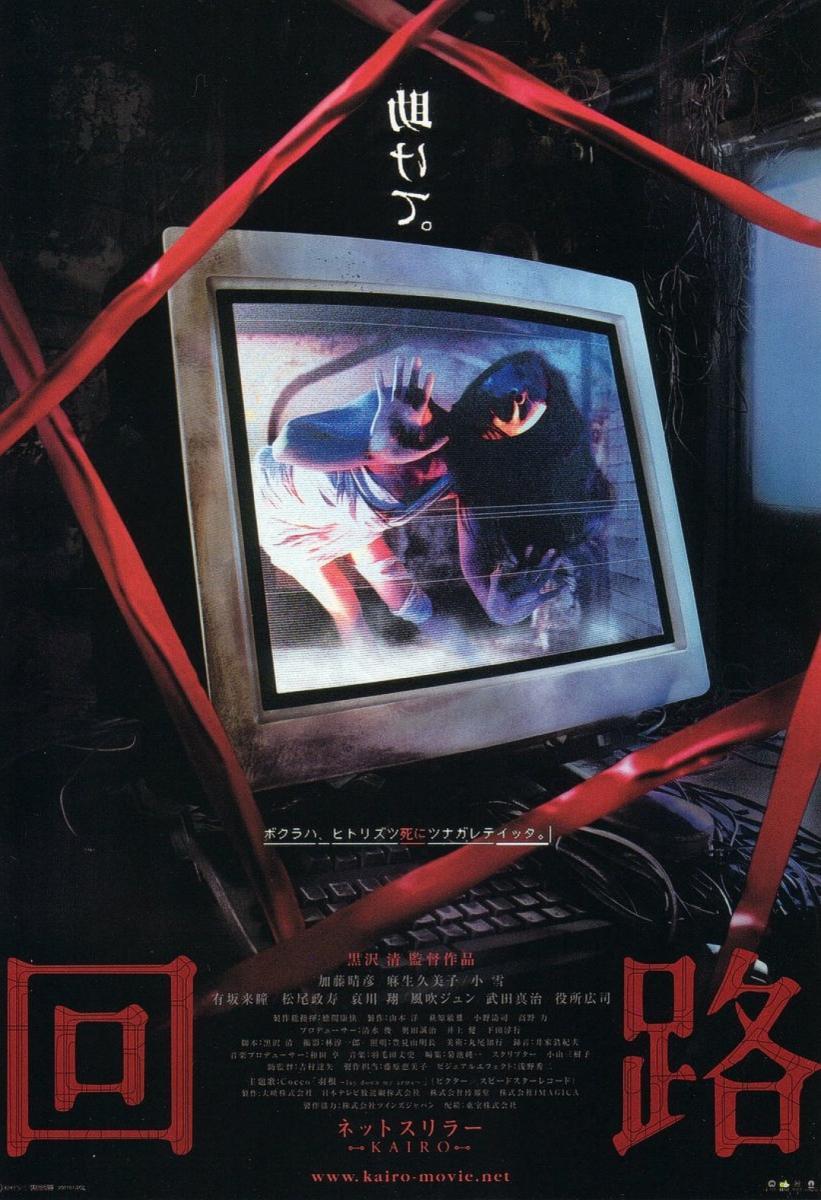
Kairo (2001) ofrece una explicación inusual en el terreno sobrenatural: el reino de los muertos se ha quedado sin espacio. Al no haber más sitio en el "más allá", las almas empiezan a filtrarse al mundo de los vivos a través de los circuitos y las señales de Internet. Sí, algo parecido a lo que decían en Dawn of the Dead (1978), pero con fantasmas en lugar de zombis.
Almas Oscuras tweet media
Almas Oscuras@almas_oscuras

Cuando se habla del J-Horror que explotó entre finales de los 90 y comienzos de los 00s, no se cita lo suficiente a #Kairo (2001). Tiene escenas tan ESPELUZNANTES esta.

Español
9
28
172
5.6K
Seechain
Seechain@Seechain·
Vi la película de la Lofi Girl y nunca estuvo estudiando, lo que realmente estaba haciendo en ese frame es traducir una canción del ingles al japones. Es más se la pichulean por no estudiar y ponerse a escribir una historia. 😂
Seechain tweet media
Español
0
0
1
36
Seechain
Seechain@Seechain·
@Claudiotter Espero que hagan un reloj con el packaging de OSO y el reloj venga dentro de un trigo mote. 🧐
Seechain tweet media
Español
0
0
14
733
Claudio Venegas
Claudio Venegas@Claudiotter·
Amo los relojes y partí a comprarlo. Menos mal estaba agotado, porque costaba 250k. Es que mira los minuteros, el packaging, todo bien 🫶🏻
Claudio Venegas tweet mediaClaudio Venegas tweet mediaClaudio Venegas tweet mediaClaudio Venegas tweet media
Español
80
464
6.9K
280.5K
Seechain
Seechain@Seechain·
@biobio Hay que traer profesores japoneses
Seechain tweet media
Español
0
0
0
130
Seechain
Seechain@Seechain·
@JessLinuxera Me gusta la vuelta de tuerca de pedirle a la I.A un plan de trabajo pero programarlo por uno mismo.
Español
0
0
0
27
Brujita linuxera🧙‍♀️🌸
No necesitas IA para programar algo valioso. De hecho, muchas de las mejores cosas del mundo incluida la IA se construyeron con paciencia😊
Español
5
5
39
1.1K