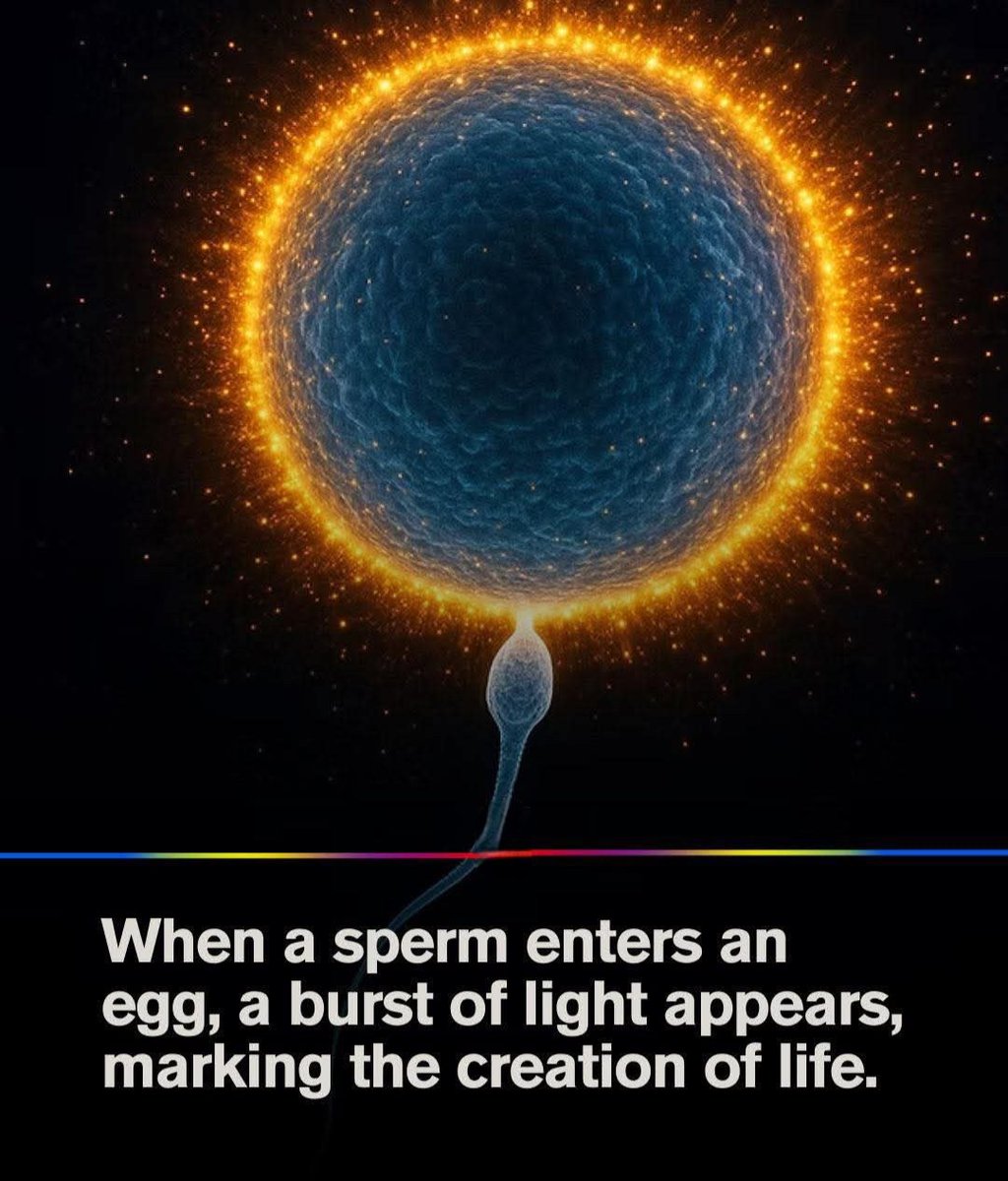

Scientists at the Extreme Light Infrastructure – Nuclear Physics have done something remarkable.
They used two extremely powerful laser beams (10 petawatts each) and focused them into a tiny spot. This created an intensity so high that it affected empty space itself.
At this level, they reached what’s called the Schwinger limit—a point where empty space becomes unstable.
For a tiny moment, energy from the light turned into real particles (an electron and a positron). In simple terms, light created matter.
This shows that “empty” space isn’t truly empty—it has hidden energy.
In the future, this technology could help build much smaller particle accelerators and improve medical imaging and physics research.

English