Tweet épinglé

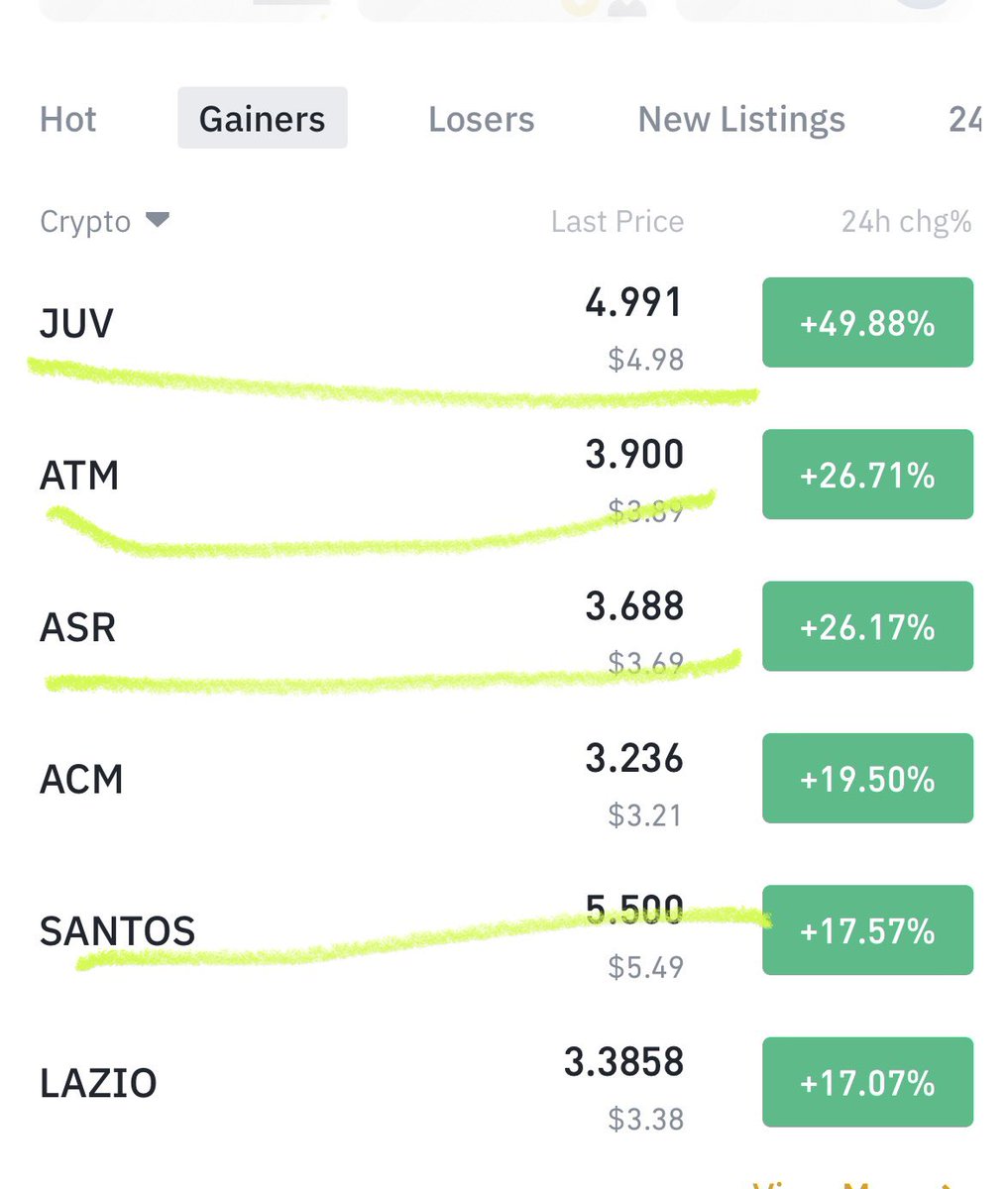
HERE we go $SANTOS enters TOP Gainer list in #Binance ,
Just incredible my 4 calls today all in TOP GAINERS on larges exchange🔥✍🏼
$JUV $ATM $ASR $SANTOS 🔥
English
SPELL 🔥 CRYPTO ✍🏼
2.6K posts

@SpellCrypto5
My Talk Makes Move 🚀💡🕺 My calls mostly at bottom with research and only for patience people. Remember 💰💰moves from panic to patience !!

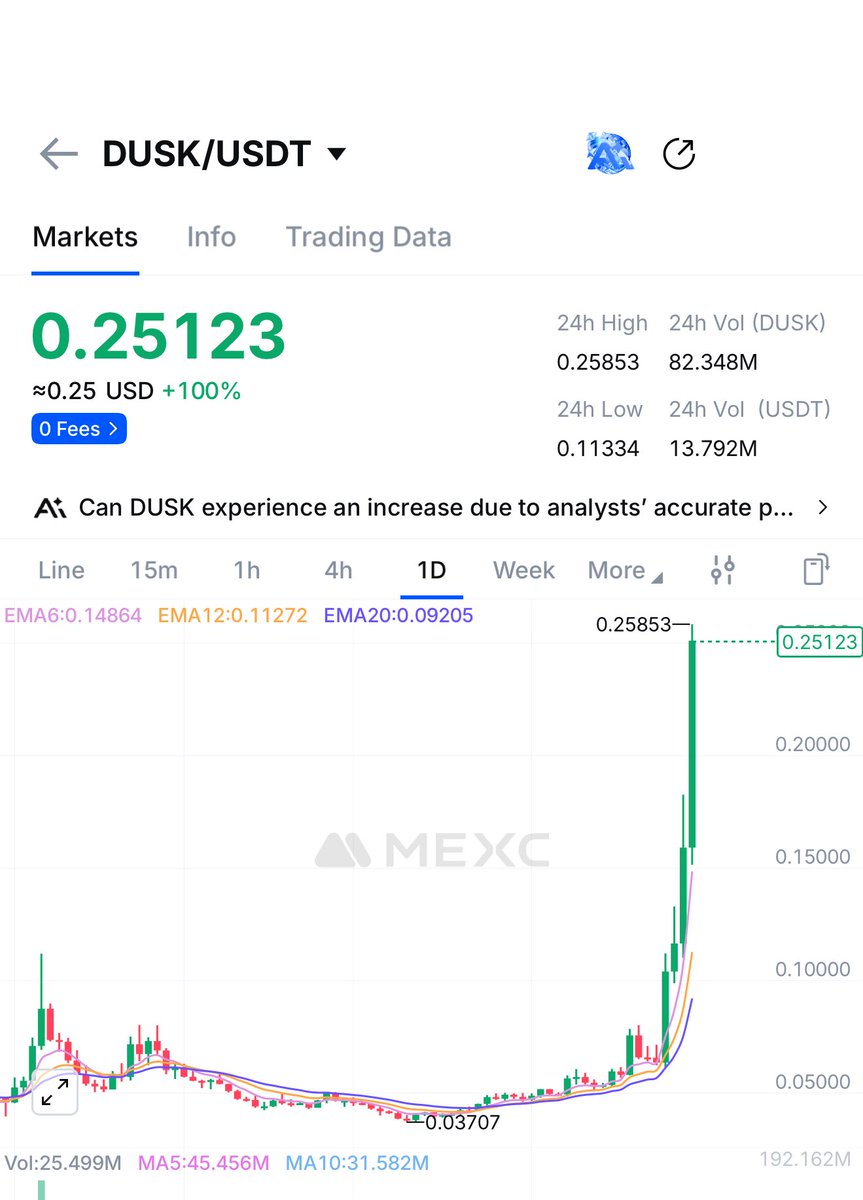
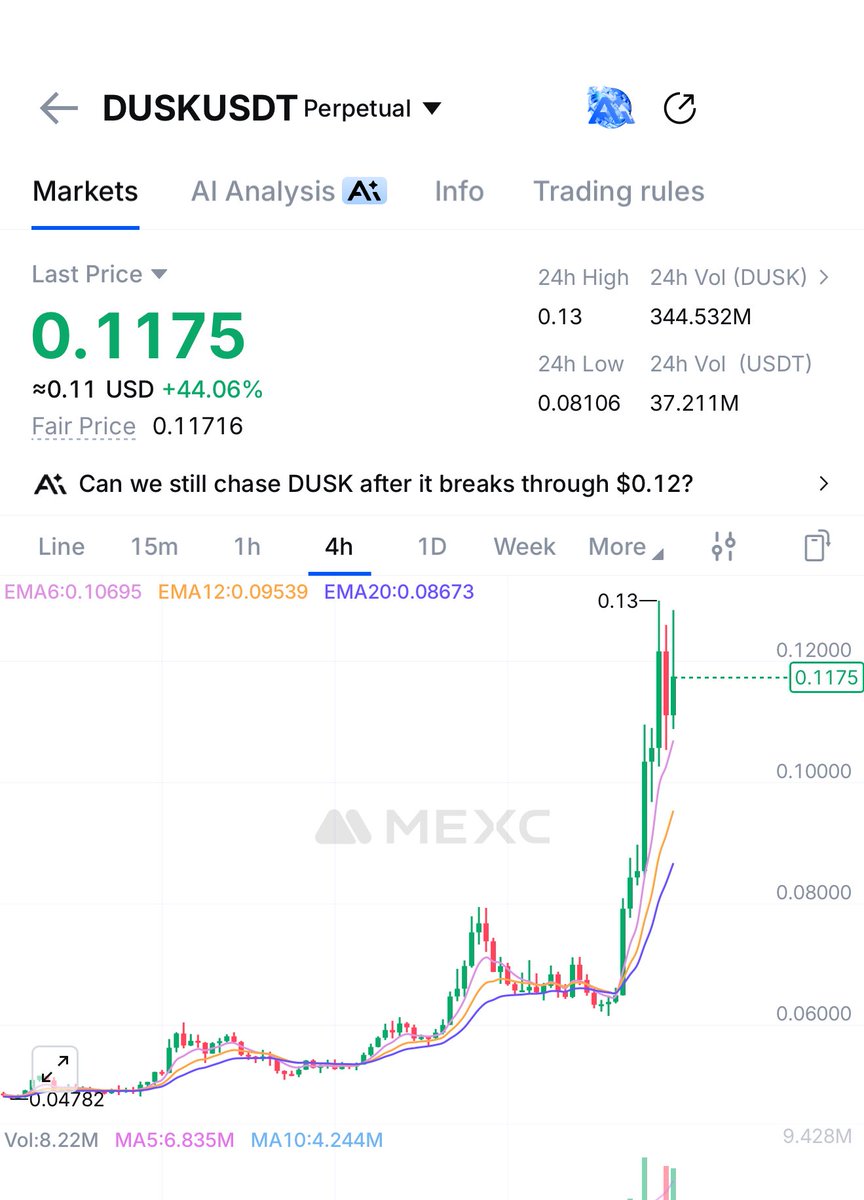
$DUSK @DuskFoundation heading to $0.28 500% from here 🔥





NØNOS Development update, NØNOS boot stack update. The UEFI bootloader (almost) and the zk‑embed provisioning toolchain are production‑ready, and integration with the kernel is in the final mile. The boot path is capsule‑first and security‑led. Capsules are parsed as strict 64‑bit x86_64 ELF, the .nonos.manifest is verified with Ed25519, and integrity is bound with BLAKE3 using explicit domain separation. Program identity is derived with NONOS:ZK:PROGRAM:v1 and capsule commitment with NONOS:CAPSULE:COMMITMENT:v1. Optional zero‑knowledge attestation is feature‑gated and real, using Groth16 over BLS12‑381 via arkworks. Proofs are validated against an embedded verifying‑key registry keyed by the program hash, with points in canonical compressed form and constant‑time comparisons for all 32‑byte identifiers and commitments. Size caps are enforced on proofs and public inputs, and failures are terminal by policy. Current configuration binds the ZK proof to a domain‑separated BLAKE3 commitment over the public inputs; policy can also bind to the manifest if required, and the verifier and capsule format support that convention. The ELF loader is hardened for UEFI. It validates ELF and program headers, loads only PT_LOAD segments, rejects RWX, bounds‑checks all file‑backed ranges, allocates LOADER_DATA pages via Boot Services, copies initialized bytes, zeroes BSS, and zeroizes temporary buffers before free. The loader measures the raw ELF with SHA‑256 for audit and hands back a precise segment map and entry virtual address. Handoff constructs a compact BootInfo containing capsule base and size, the BLAKE3 capsule commitment, 64 bytes of boot entropy, an RTC timestamp snapshot, memory hints, and secure boot flags, then transfers to the kernel entry point. The zk‑embed tool is a host‑side utility for reproducible provisioning. It accepts the program or circuit identifier as UTF‑8, hex, or raw bytes, derives a 32‑byte program hash using BLAKE3 derive_key with NONOS:ZK:PROGRAM:v1, ingests a Groth16 verifying key serialized by arkworks in either compressed or uncompressed form, validates and normalizes it to canonical compressed bytes, and emits paste‑ready Rust constants along with a program_vk_lookup mapping for the bootloader registry. Runtime ZK verification is enabled with the zk‑groth16 feature flag, and the build is guarded by zk‑vk‑provisioned to prevent shipping without explicit VKs embedded. The registry dispatch is keyed strictly by the program hash and uses constant‑time comparison. N0NOS KERNEL v0.2.0 Kernel successfully initialized and running. Production‑ready bare metal kernel. Ready for components deployment. The current build generates only 8 warnings. We are proceeding with the last fixes and the glue with the bootloader. The kernel has already been loaded successfully. Final commits in kernel main.rs and lib.rs will complete BootInfo ingestion polish and early component bring‑up sequencing. The stack is engineered for auditability and clarity end‑to‑end. Trust anchors are explicit, bindings are domain‑separated, measurable artifacts are produced at each stage, and defaults are conservative. Feature flags are explicit and reproducible: zk‑groth16 enables the pairing verifier and registry, zk‑vk‑provisioned asserts that verifying keys are embedded. Once the last kernel changes land, we will tag the integration point and publish the full provisioning workflow and reference artifacts so teams can reproduce the exact build, registry state, and attestation profile. zk-embed: github.com/NON-OS/nonos-b…

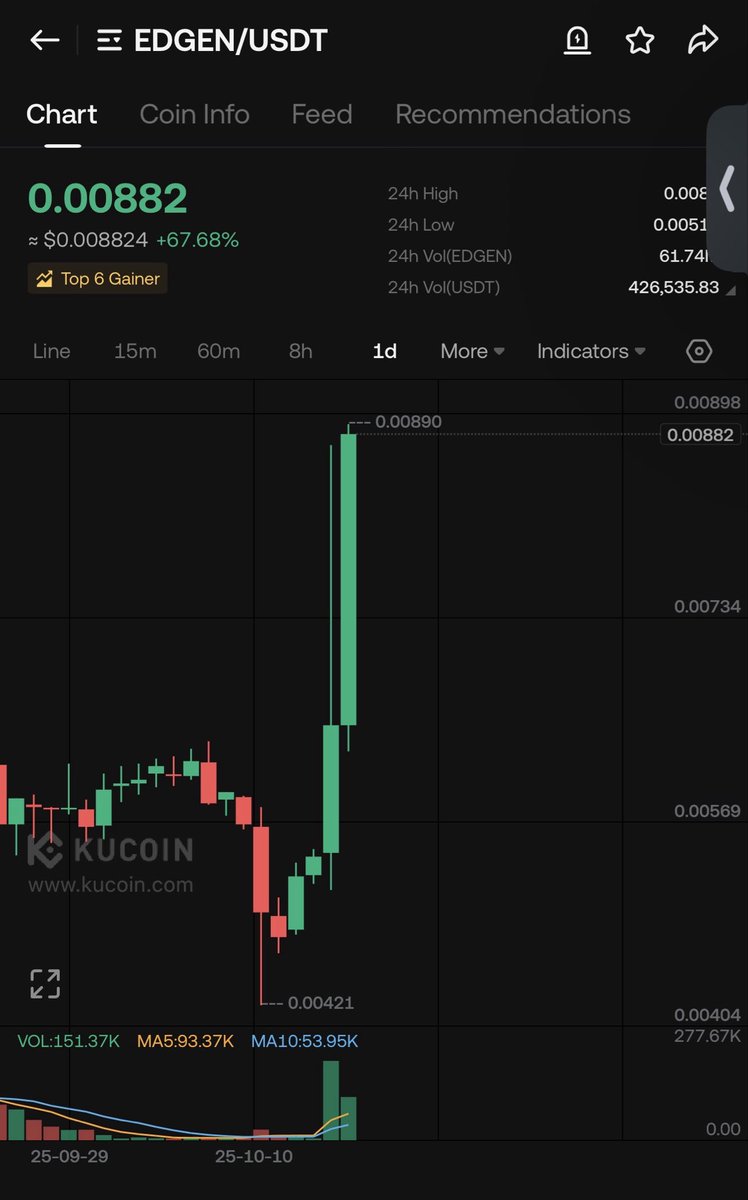
I am adding a nice bag of $EDGEN Here. Since privacy gems are trending & grabbing most liquidity I’ve researched a top tier privacy gem with a relatively low market cap compared to its huge potential with an exquisite bullish chart. @layeredge top tor project with an explosive chart that looks ready to start from here.

Next 3-5x should be $LAUNCHCOIN.


Why don’t you list #BNB then? Stop with the hypocrisy and double standards. Unless BNB (the third largest cryptocurrency by market cap) gets listed on Coinbase, your opinion of how another exchange should list cryptocurrencies is meaningless. Lead by example.