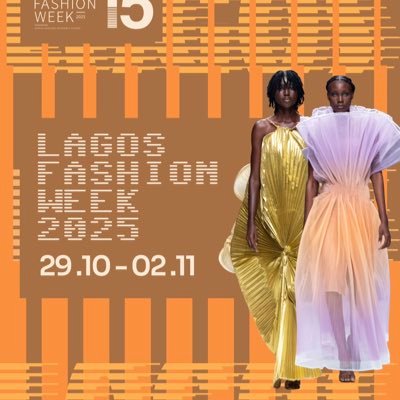
This October, Heineken Lagos Fashion Week turns 15 with the theme IN FULL BLOOM, a season to pause, reflect, and spring forth.
For five days, designers, artisans, and industry leaders come together through runway shows, exhibitions, and talks shaping African fashion’s future.
- Interested in sustainability, youth empowerment, and heritage-based circularity
- Open to collaboration, experimentation, and process transparency.
For more information and to apply, visit link in our bio.
Green Access 2025
APPLICATIONS EXTENDED!
Link in bio.
NEW DATE: Application ends 19th September, 2025.
_
Who should apply to Green Access?
- Emerging designers, makers, or collectives connected to Africa
- Working in apparel, accessories, or material innovation
This approach keeps heritage alive while showing how design can be sustainable without losing its essence.
Through Green Access, practices like these are encouraged and supported, giving designers the tools to turn traditional methods into forward-looking solutions.
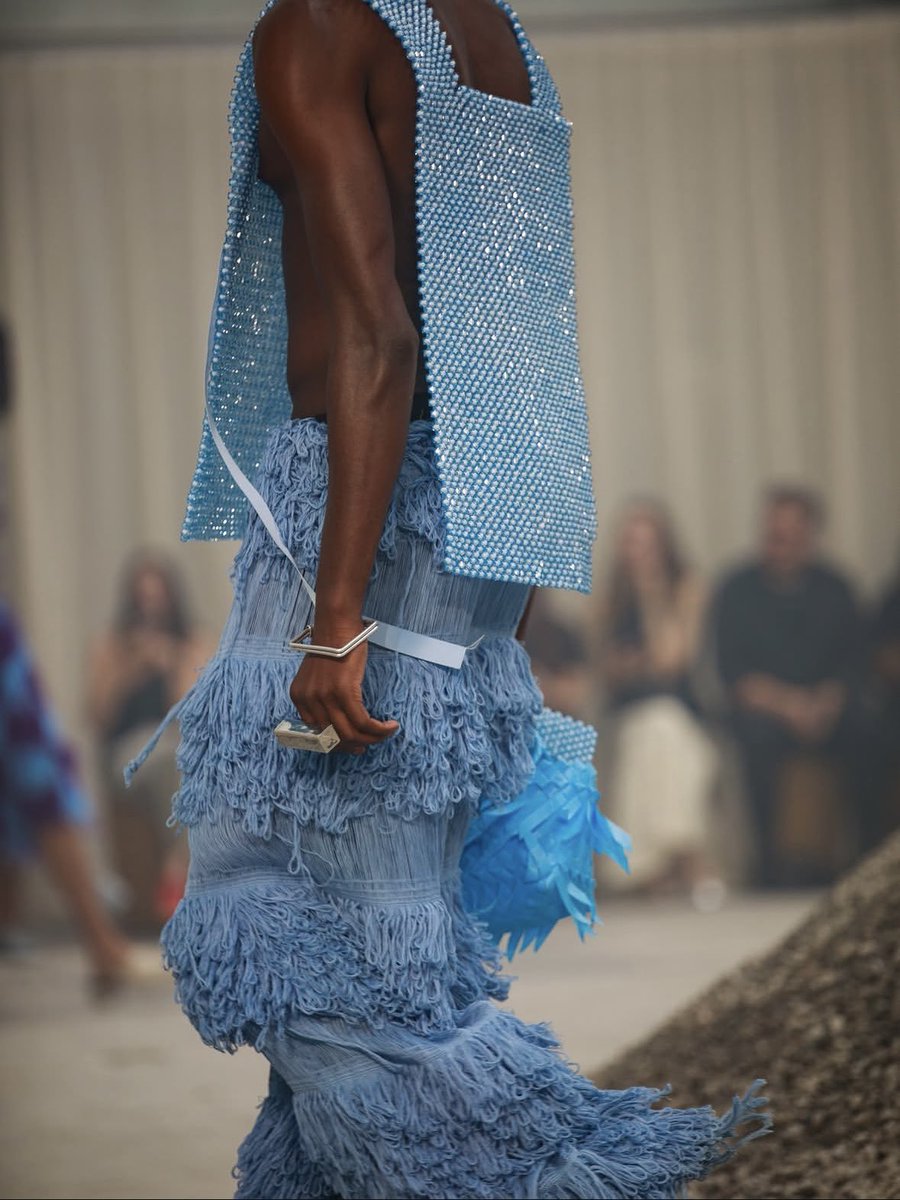
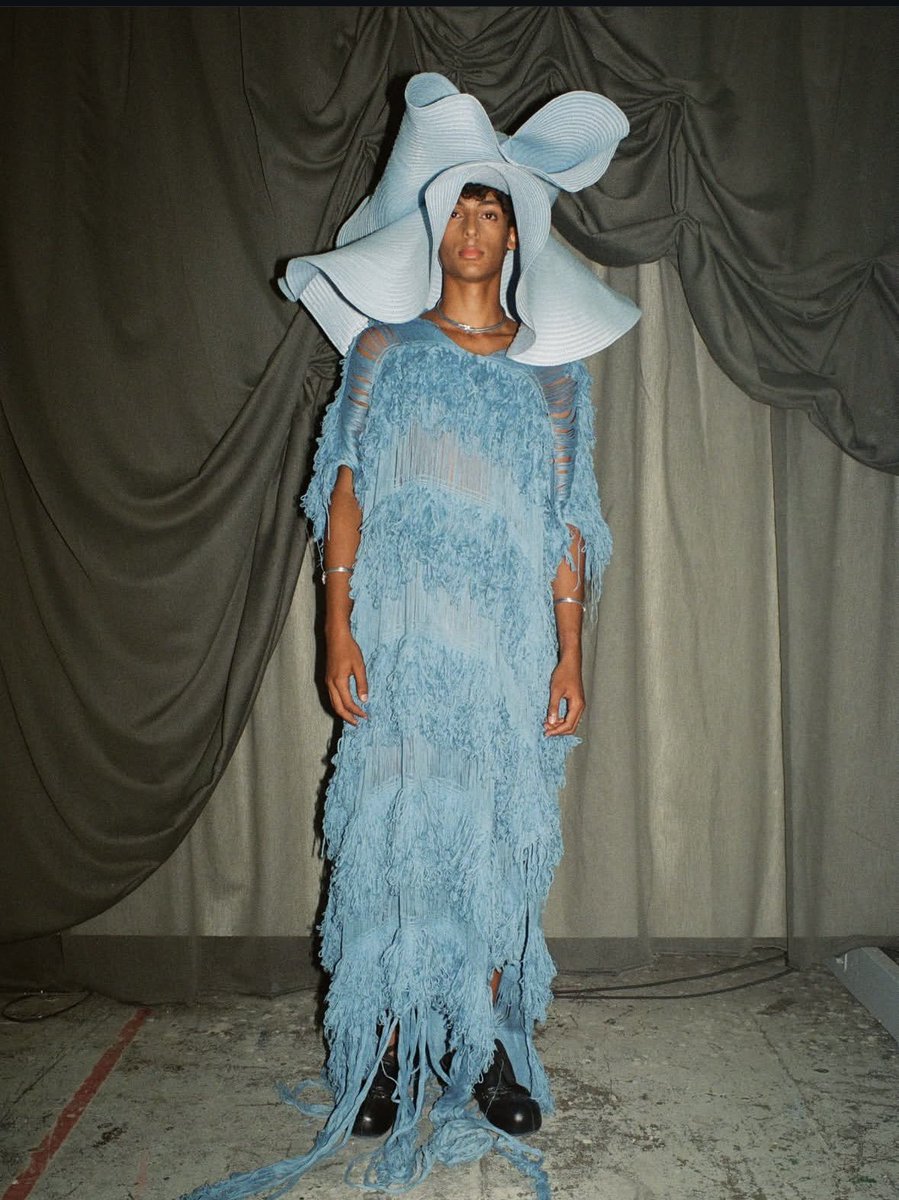
The brand works with local artisans, preserves traditional techniques, and transforms these materials into wearable statements of culture. Beads are sourced with care, wool is reworked to cut waste, and every piece is shaped with responsibility at its core.
Green Access is about building a fashion space rooted in heritage, mindfulness, and circular thinking.
@iamisigo reflects this by centering beads and wool in its design practice.
Each stitch is a testament to regeneration, heritage, and intention.
This kind of innovation is exactly what Green Access champions. By offering mentorship, workshops, and visibility, Green Access helps designers imagine new possibilities.
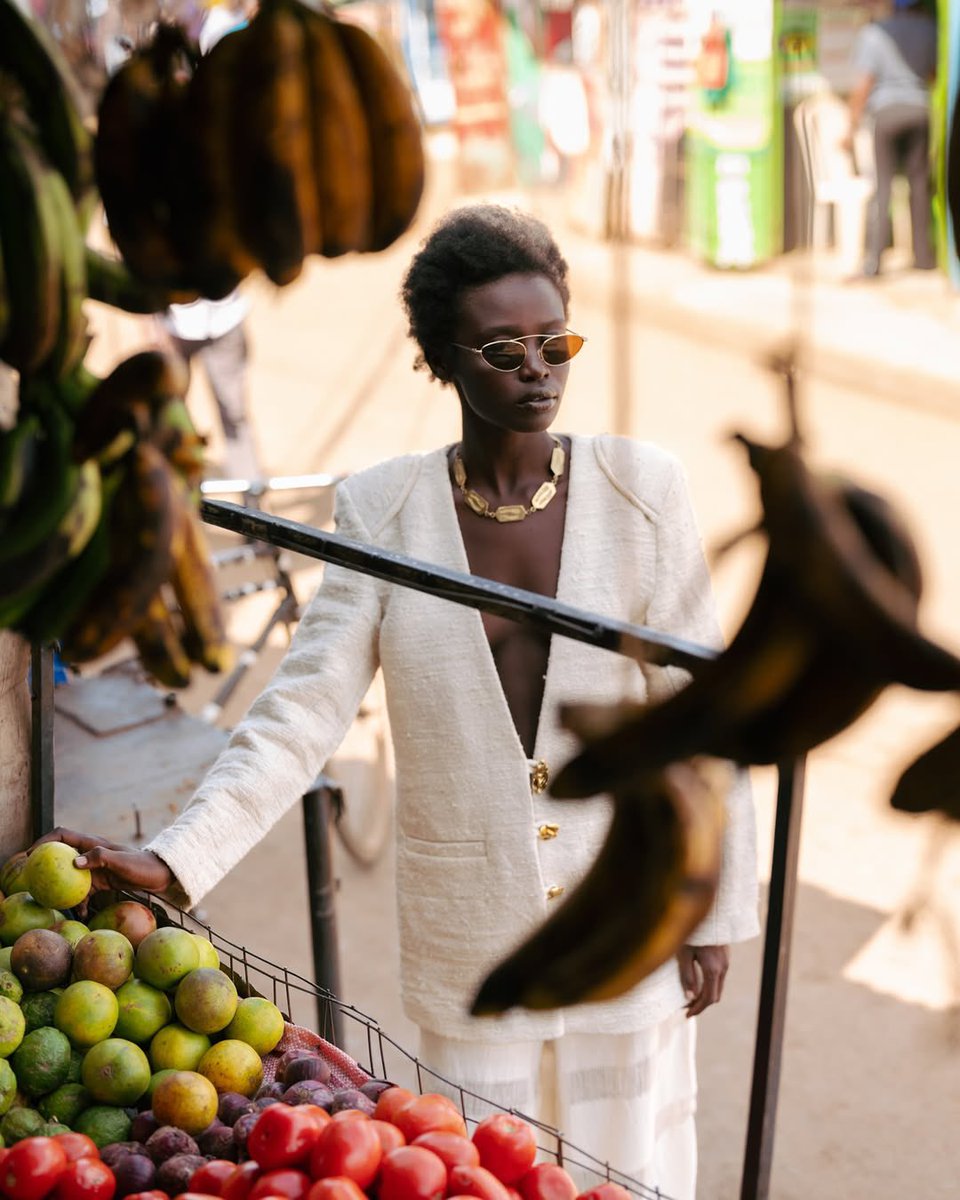
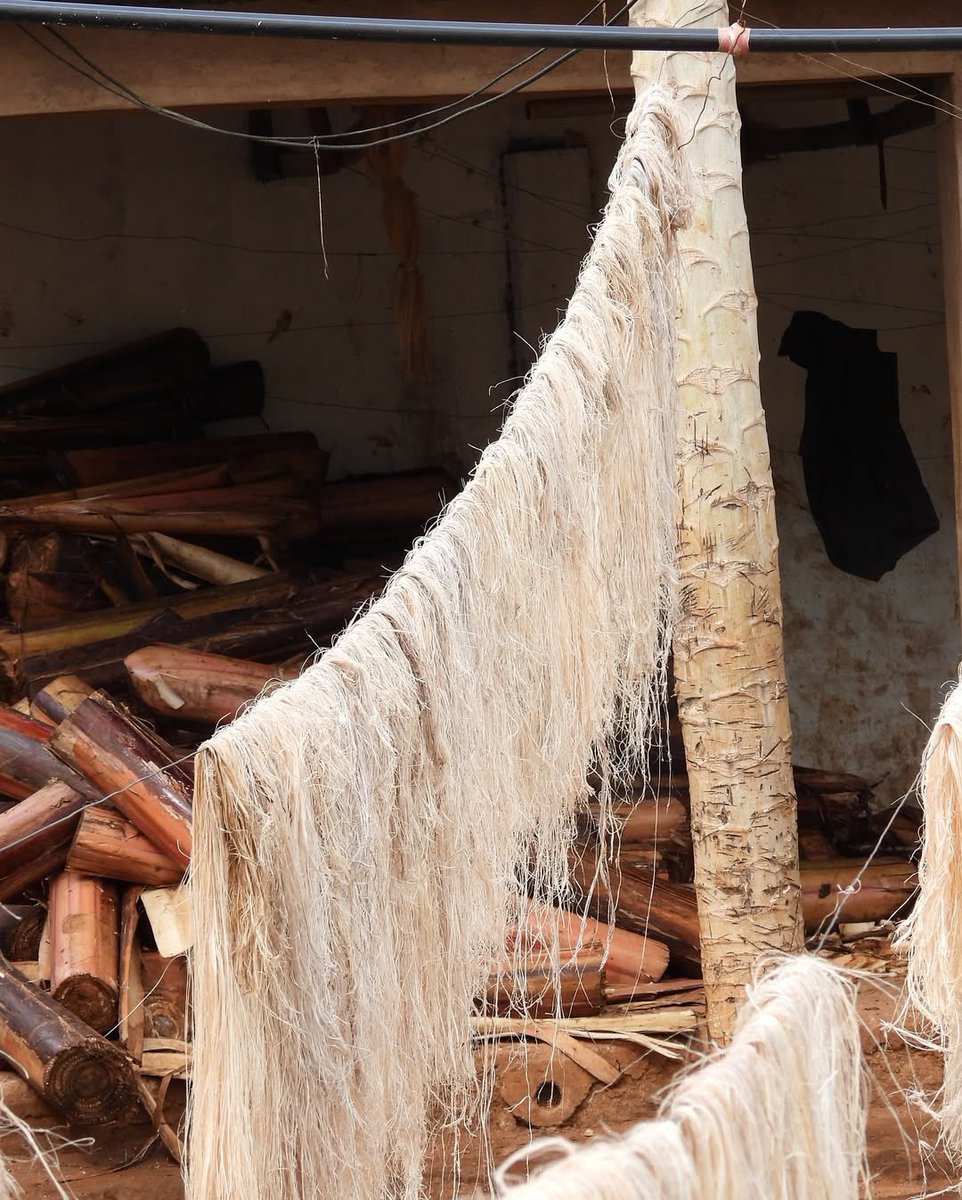
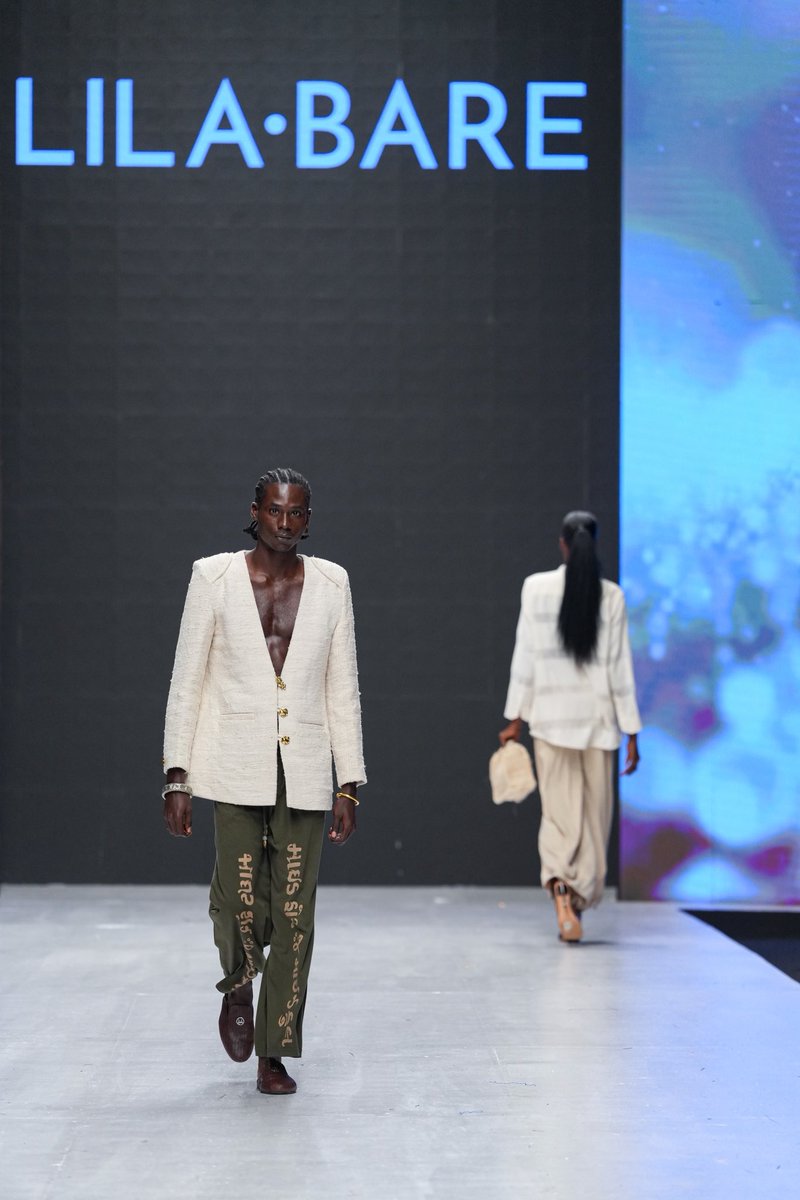
At @lilabare, fashion must tell a story not just through look but through origin. Their banana waste handloom jacket transforms what is usually discarded, banana peel and stalk fibers, into a richly textured breathable textile. Handwoven with thermosensitive fiber.
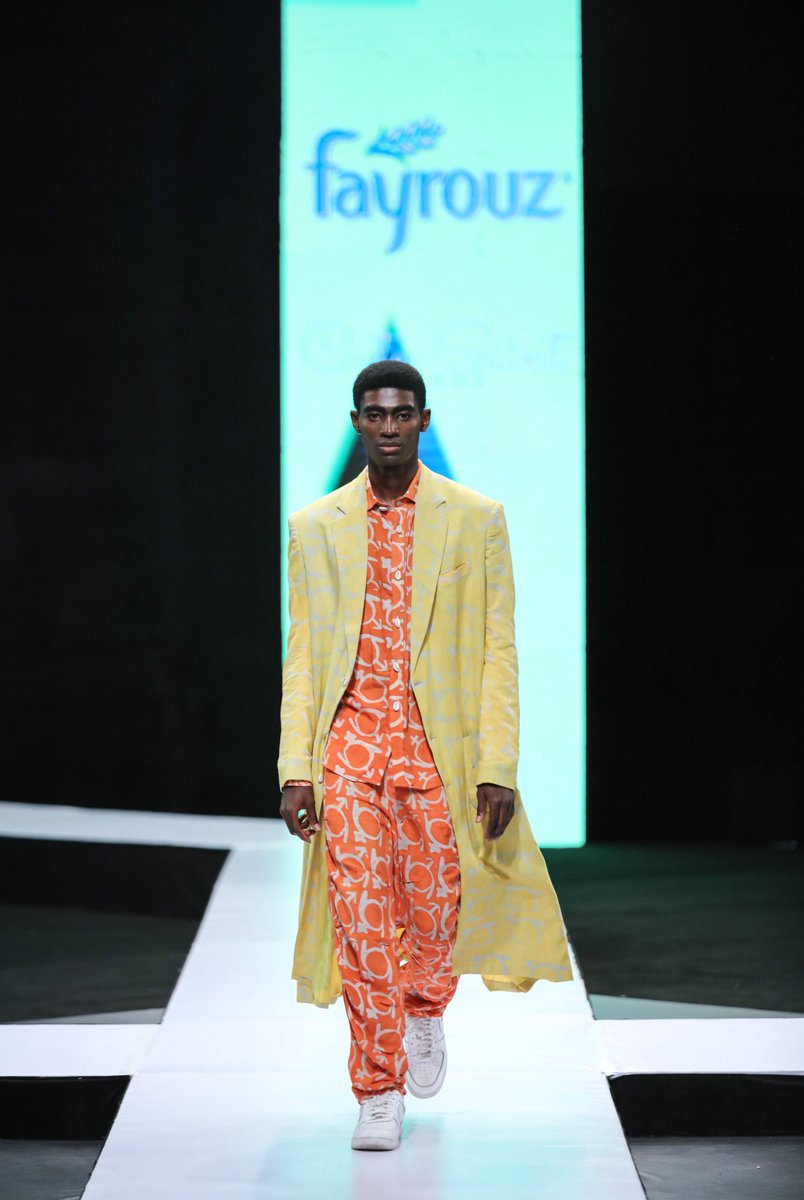
encouraging garment reuse, and working with locally sourced materials that lower its carbon footprint. These values reflect what Green Access stands for—designers shaping the future by merging heritage with sustainable innovation.
Emmy Kasbit has grown into a brand that proves sustainability is more than a trend. The label places culture, community, and responsibility at the heart of its work. By reviving Akwete weaving through women artisans, adopting a zero-waste approach that repurposes offcuts-
The progress reflects how sustainable practices shape identity, create lasting impact, and redefine what African fashion looks like on the global stage.
Click on the link in our bio to register for Green Access 2025!
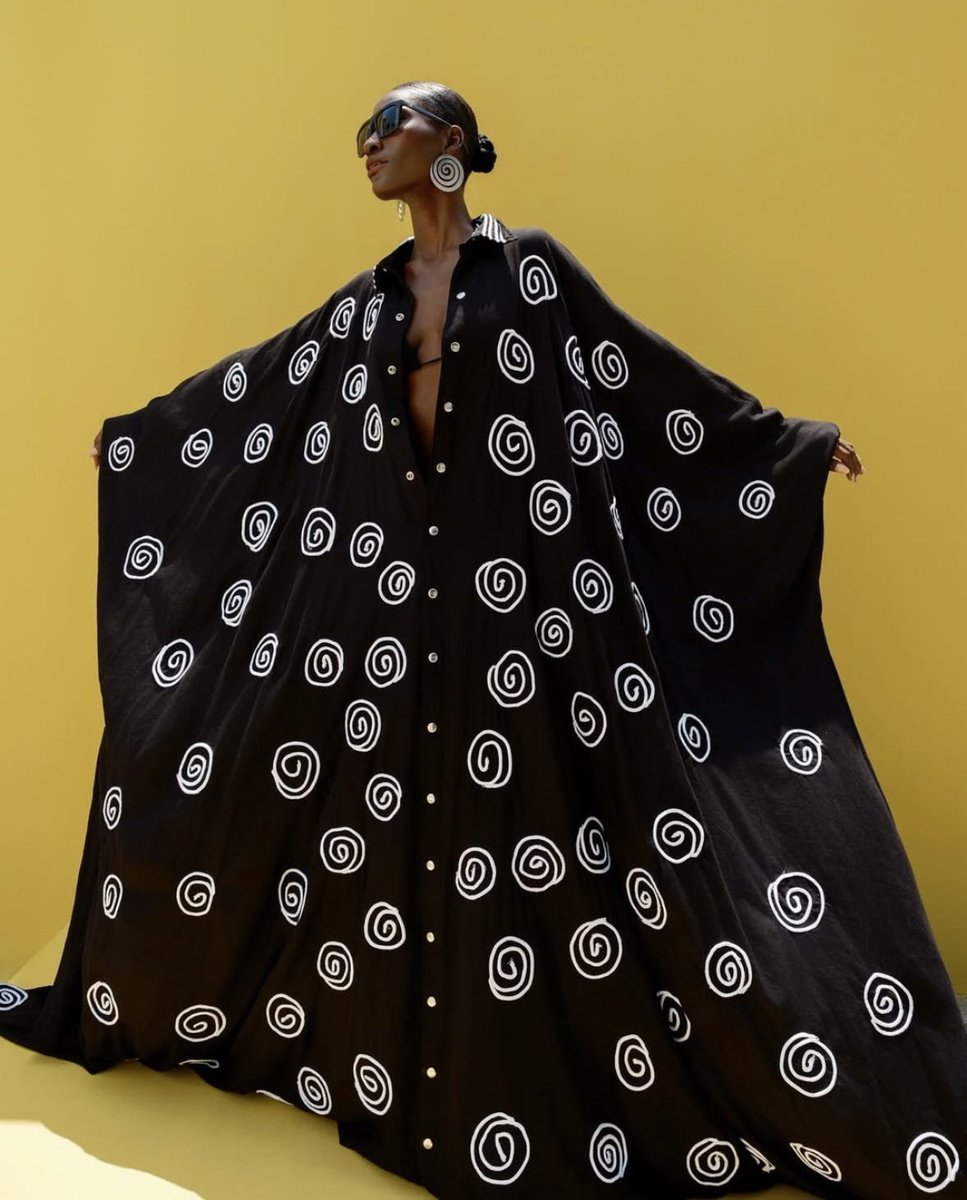
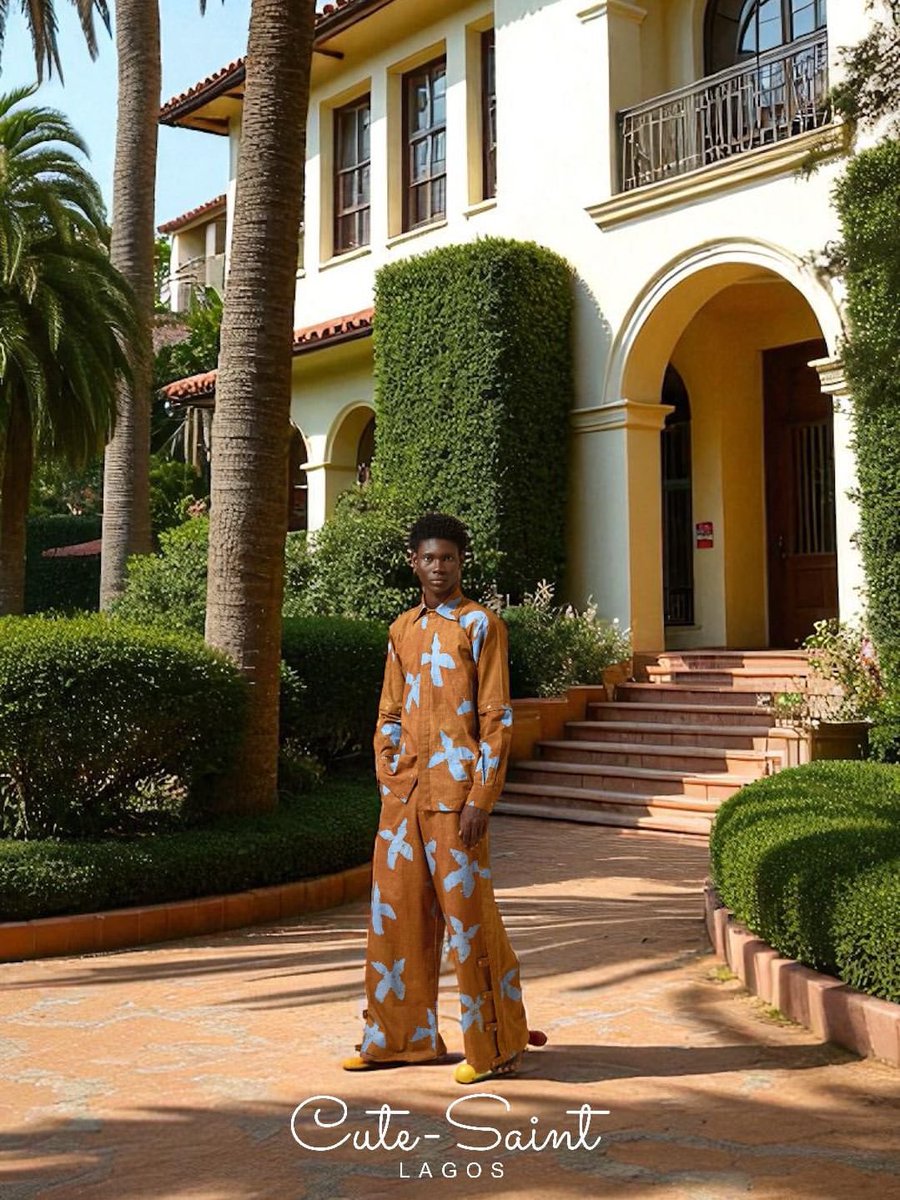
Sustainability has been the thread running through @cutesaint.ng journey. From their Green Access debut, where organic fabrics, handwoven textiles, and ethical production were central, to today, their brand continues to expand while staying committed to conscious design.
Green Access encourages new ways of making that also strengthen community-based economies.
In 2025, our goal is to highlight open systems of reuse where craftsmanship, material movement, and livelihoods intersect.
Green Access 2025
Applications now open!
Link in bio.
Application ends 11th September, 2025.
—
This year, Green Access is focused on rethinking the use of pre- and post-consumer textile waste. We want to move beyond seeing waste only as raw material and instead approach it as-
turning byproducts into something bold and purposeful. Each piece carries a story.
Green Access nurtures such innovation by connecting emerging talents with mentorship, workshops, and a platform that encourages circular values, teaching designers to not just reduce waste,
At Green Access, we are passionate about curating a fashion space rooted in mindfulness, heritage, and circular creativity.
Oshobor reflects this vision. Born from Green Access, the brand transforms waste wool from salons and local knitters into cardigans and structured pieces-