TechBio Transformers

636 posts

TechBio Transformers banner
TechBio Transformers

TechBio Transformers

@TechBi0

Global Bio x AI Community. A third place for scientists, product managers, computational biologists, engineers and academics working in AI & Software for Bio

Global Inscrit le Ağustos 2024
62 Abonnements1.5K Abonnés
TechBio Transformers retweeté
Jorge Bravo Abad
Jorge Bravo Abad@bravo_abad·
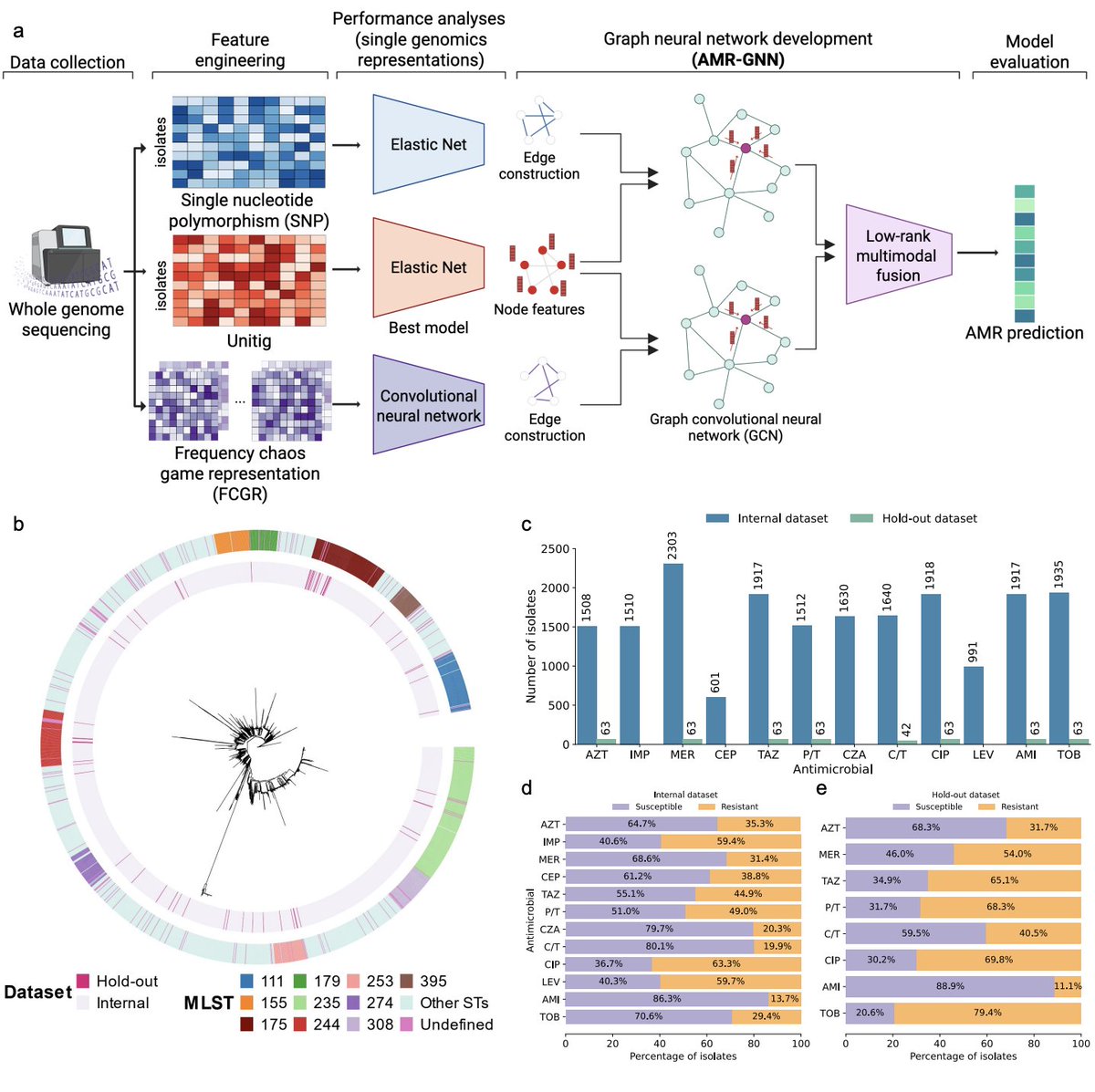
Graph neural networks that read bacterial genomes to predict antibiotic resistance Antimicrobial resistance kills over a million people every year. When a patient arrives with a severe bacterial infection, clinicians need to know which antibiotics will work—fast. Culture-based susceptibility testing takes 2 to 5 days. Whole-genome sequencing offers a shortcut, but translating raw bacterial DNA into reliable resistance predictions is far from trivial. Bacterial genomes can be represented in many ways—SNPs, reference-free unitigs, image-like frequency chaos game representations (FCGR)—and there is no consensus on which works best. Worse, bacteria reproduce clonally, so standard ML models often learn to recognise high-risk lineages rather than the actual resistance mechanisms. Nguyen and coauthors tackle both problems with AMR-GNN, a graph neural network that integrates multiple genomic representations simultaneously. Unitig features serve as node features; SNP- and FCGR-derived pairwise distances define the graph edges. Two parallel GCN modules learn from the same nodes but different connectivity structures, and their embeddings are fused before a final resistance/susceptibility classification. Tested on 2,515 Pseudomonas aeruginosa isolates across 12 antibiotics, AMR-GNN significantly outperforms single-representation models in 11/12 drugs—with AUROC gains of 28.8% for cefepime and 18.9% for aztreonam, precisely where prediction is hardest. A structural fix for clonal confounding—removing edges between isolates of the same sequence type, forcing the model to learn from genetically distinct neighbours—improves performance further across all tested antibiotics. Validated on 23,000+ genomes spanning E. coli, K. pneumoniae, S. aureus, and E. faecium, mean AUROCs exceed 0.90 in nearly every species-drug combination. The model also recovers known resistance genes (gyrA, gyrB, parC for levofloxacin; fusA1 for tobramycin) through integrated gradient analysis—without any prior AMR knowledge encoded in the architecture. Multi-representation learning, graph-based relational structure, and built-in interpretability. Three historically separate challenges, addressed in a single unified framework. Paper: nature.com/articles/s4146…
Jorge Bravo Abad tweet media
English
1
53
197
10.9K
TechBio Transformers retweeté
Johnny Yu
Johnny Yu@iamjohnnyyu·
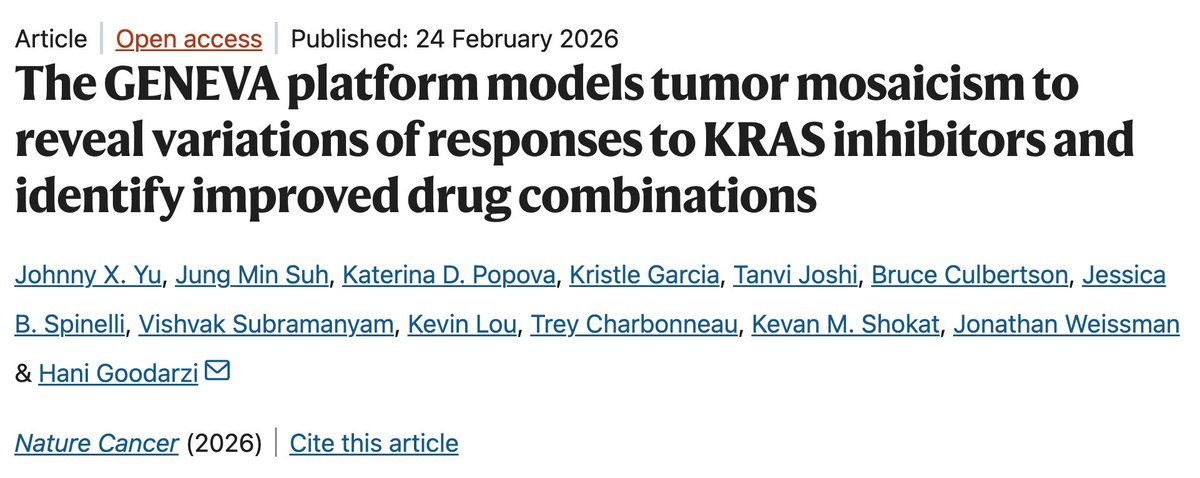
1/ The technology behind @Tahoe_ai is now published in Nature Cancer. GENEVA: pool diverse disease models into one mosaic tumor → treat → deconvolve response at single-cell resolution. The architecture that had to exist before datasets like Tahoe-100M were possible.
Johnny Yu tweet media
English
2
18
74
9.4K
TechBio Transformers retweeté
Biology+AI Daily
Biology+AI Daily@BiologyAIDaily·
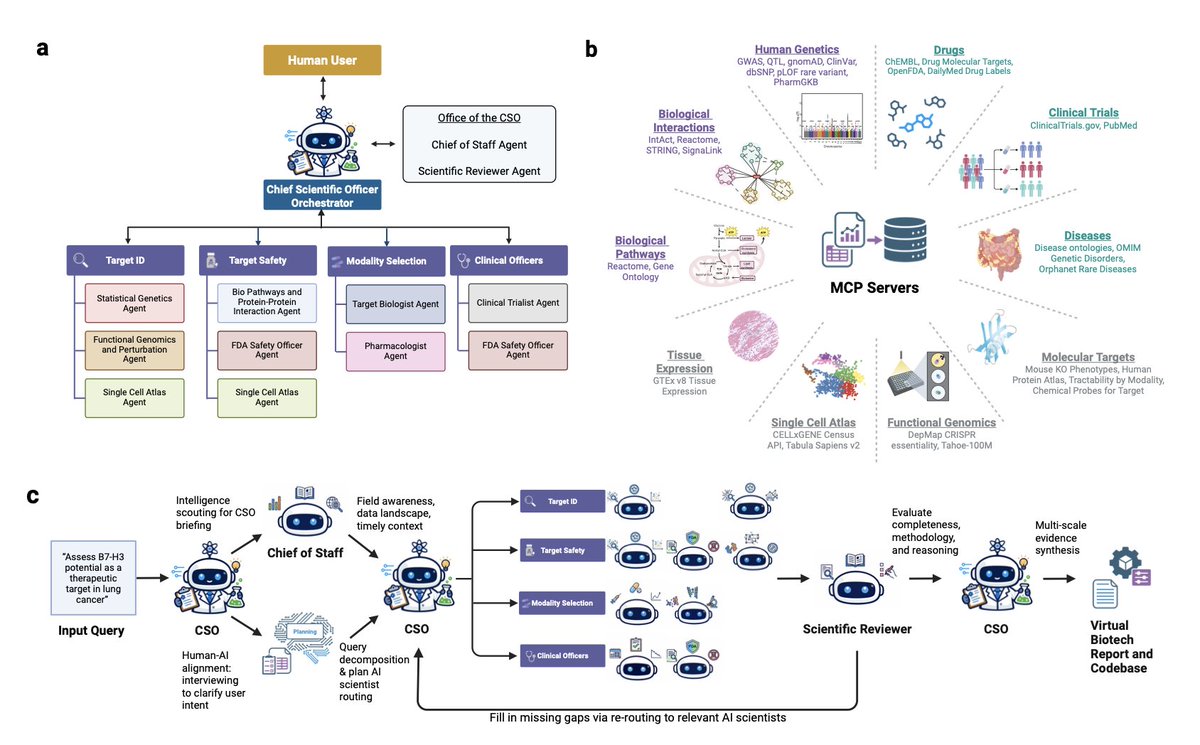
The Virtual Biotech: A Multi-Agent AI Framework for Therapeutic Discovery and Development 1. The Virtual Biotech introduces a multi-agent AI system that mirrors the organizational structure of human biotech companies, with a virtual Chief Scientific Officer orchestrating domain-specialized scientist agents across four R&D divisions. 2. The platform integrates over 100 customized tools and MCP servers spanning 78,726 targets, 39,530 diseases, 14.5 million protein-protein interactions, and more than 100 million single-cell profiles to enable comprehensive therapeutic analysis. 3. In a large-scale demonstration, 37,075 clinical trialist agents autonomously curated outcomes from 55,984 clinical trials, discovering that drugs targeting cell-type-specific genes were 40% more likely to progress from Phase I to Phase II and 48% more likely to reach market. 4. The system identified novel associations between single-cell transcriptomic features and trial success, showing that cell-type-specific targets had 32% lower adverse event rates across multiple organ systems, independent of genetic evidence. 5. For B7-H3 in lung cancer, the Virtual Biotech integrated genetics, single-cell atlases, spatial transcriptomics, and survival data to propose an antibody-drug conjugate strategy, completed in under one day for $46 in API costs. 6. In analyzing a terminated Phase II ulcerative colitis trial targeting OSMRβ, the system identified biomarker-guided enrollment as a potential path forward, detecting elevated baseline OSMR in non-responders across five independent trials. 7. The multi-agent architecture enables parallel processing that achieved approximately 184-fold speedup compared to single-agent approaches, reducing months of manual curation to overnight analysis. 8. A scientific reviewer agent provides quality control by evaluating methodology, evidence strength, and reasoning completeness, enabling iterative refinement before final synthesis. 9. The framework demonstrates how AI agents can maintain transparent, auditable reasoning chains while integrating diverse biological evidence across scales from molecular perturbations to clinical outcomes. 📜Paper: biorxiv.org/content/10.648… #VirtualBiotech #AIAgents #DrugDiscovery #ComputationalBiology #MultiAgentSystems #ClinicalTrials #SingleCell #SpatialTranscriptomics #TherapeuticDiscovery #Bioinformatics
Biology+AI Daily tweet media
English
1
19
86
6.7K
TechBio Transformers retweeté
Chris Hayduk
Chris Hayduk@ChrisHayduk·
I'm rebuilding AlphaFold2 from scratch in pure PyTorch. No frameworks on top of PyTorch. No copy-paste from DeepMind's repo. Just nn.Linear, einsum, and the 60-page supplementary paper. The project is called minAlphaFold2, inspired by Karpathy's minGPT. The idea is simple: AlphaFold2 is one of the most important neural networks ever built, and there should be a version of it that a single person can sit down and read end-to-end in an afternoon. Where it stands today: - ~3,500 lines across 9 modules - Full forward pass works: input embedding → Evoformer → Structure Module → all-atom 3D coordinates - Every loss function from the paper (FAPE, torsion angles, pLDDT, distogram, structural violations) - Recycling, templates, extra MSA stack, ensemble averaging — all implemented - 50 tests passing - Every module maps 1-to-1 to a numbered algorithm in the AF2 supplement The Structure Module was the most satisfying part to build. Invariant Point Attention is genuinely beautiful — it does attention in 3D space using local reference frames so the whole thing is SE(3)-equivariant, and the math fits in about 150 lines of PyTorch. What's next: - Build the data pipeline (PDB structures + MSA features) - Write the training loop - Train on a small set of proteins and see what happens The repo is public. If you've ever wanted to understand how AlphaFold2 actually works at the level of individual tensor operations, this is meant for you. Repo: github.com/ChrisHayduk/mi…
Chris Hayduk tweet media
English
60
261
2.3K
81.9K
TechBio Transformers retweeté
nature
nature@Nature·
“It’s a major advance, on the scale of an AlphaFold4. The problem, of course, is that we know nothing of the details.” Isomorphic Lab’s proprietary drug-discovery model is a major advance go.nature.com/4artDoz
English
15
86
484
44.8K
TechBio Transformers retweeté
Patrick Hsu
Patrick Hsu@pdhsu·
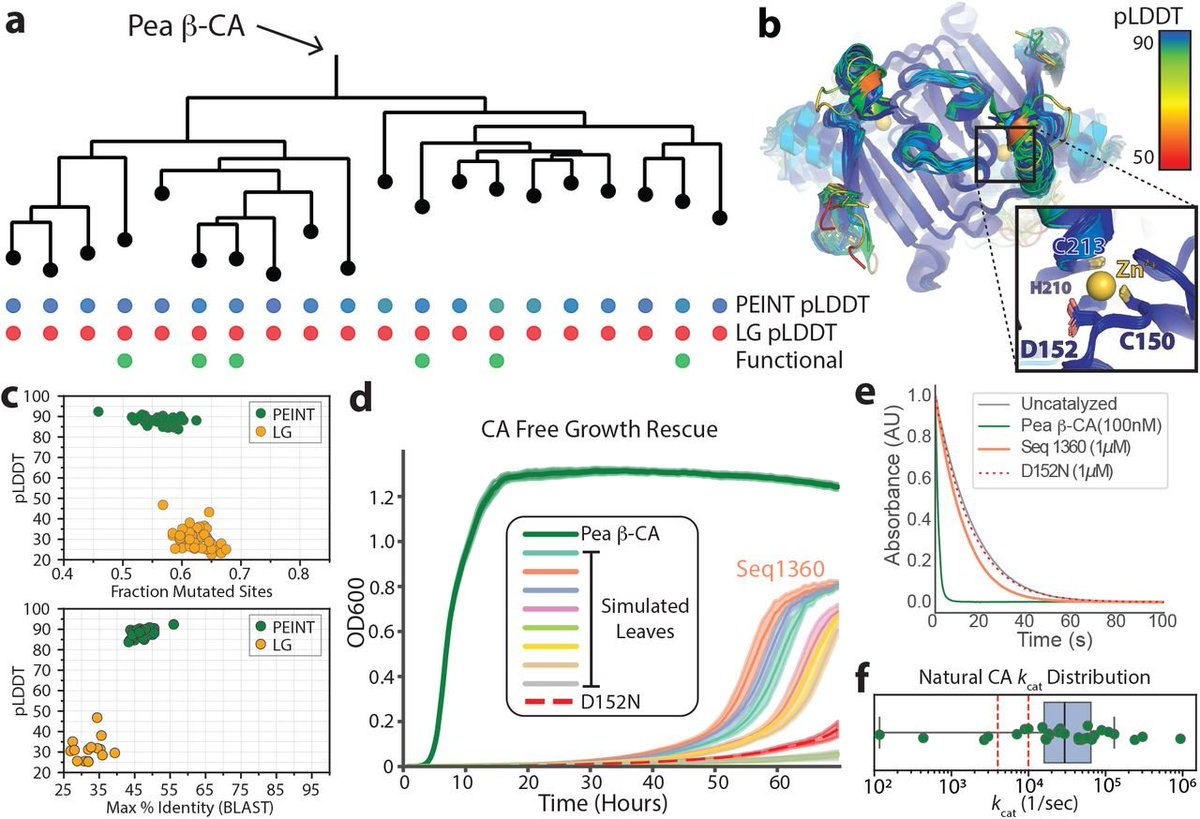
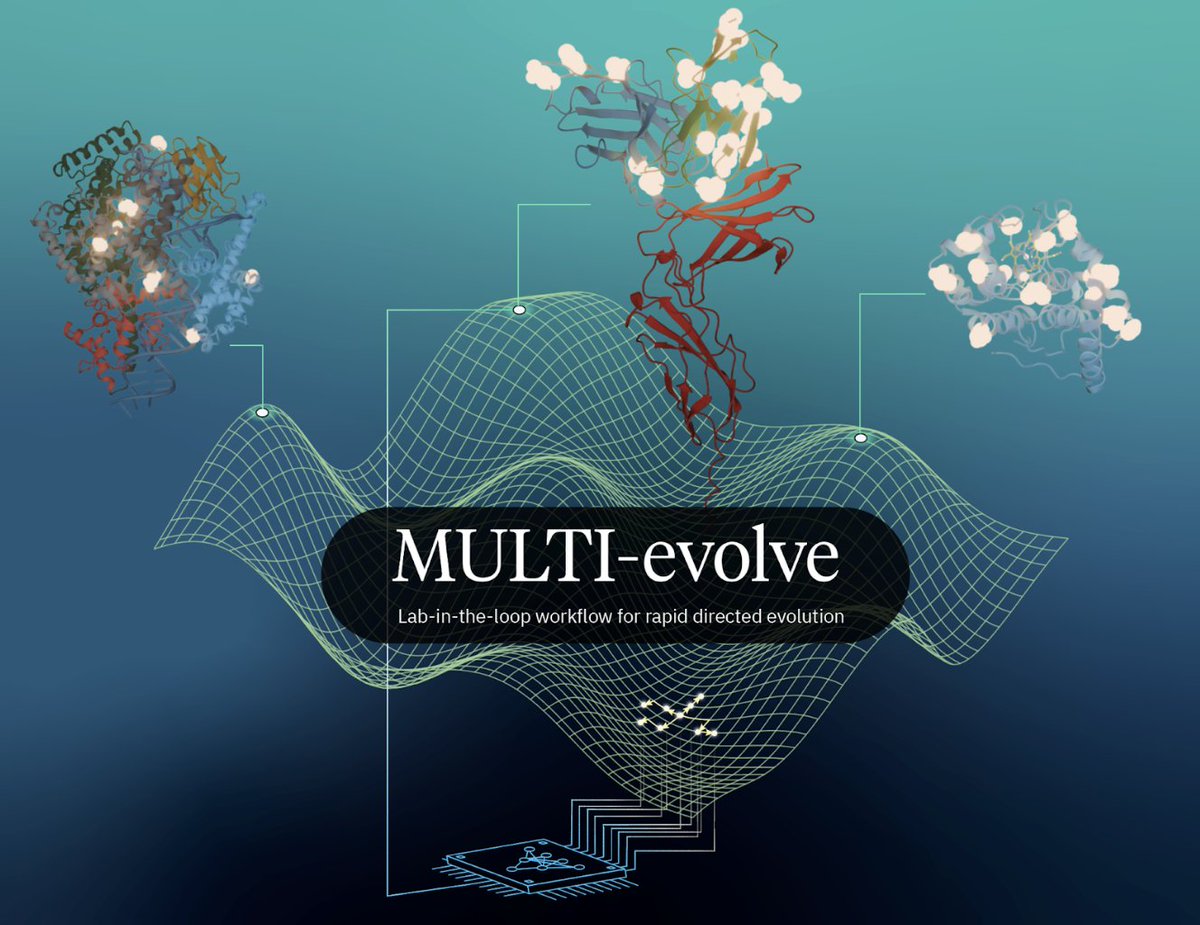
Delighted to share new @arcinstitute work from our group on AI-accelerated lab-in-the-loop, in @ScienceMagazine today One of the most remarkable things about biology is that it's digital. DNA, RNA, proteins: these are all sequences, and their function is directly encoded in their sequence of letters. But a protein of length N has 20^N possible variants and the vast majority are non-functional. Evolution spent billions of years finding the functional needles in this haystack through random exploration and natural selection. For modern biomedicine, we need to solve this in days to weeks.
Patrick Hsu tweet media
English
18
135
699
90.8K
TechBio Transformers retweeté
Vega Shah
Vega Shah@dr_alphalyrae·
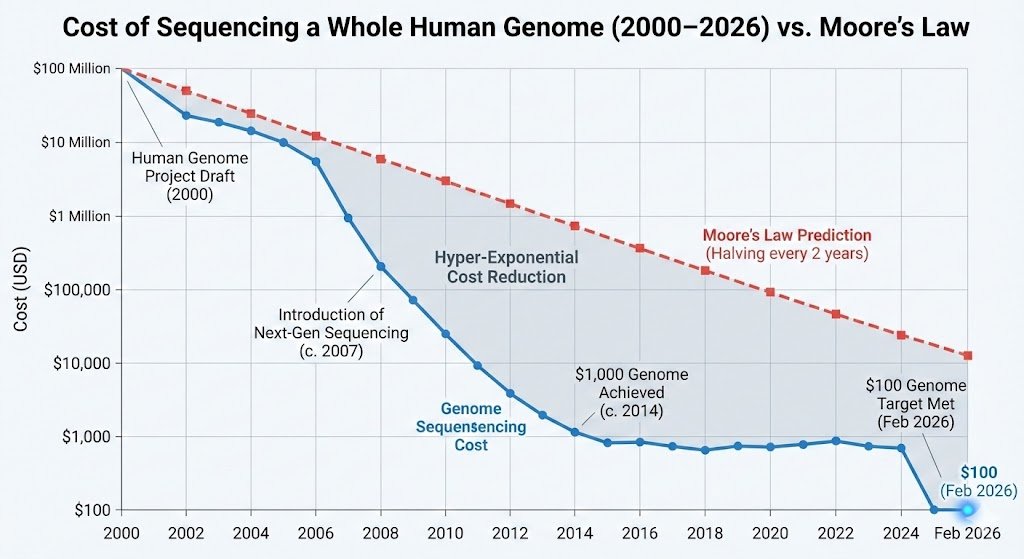
With human whole genome sequencing outpacing Moore's law, are we going to see more services that provide WGS as a service? Or are we still behind in predicting a large part of physiology from DNA alone? Still feels like 'data wealthy, insight poor' era
Vega Shah tweet media
English
7
7
30
2.7K
TechBio Transformers retweeté
🧬Jacob L Steenwyk
🧬Jacob L Steenwyk@jlsteenwyk·
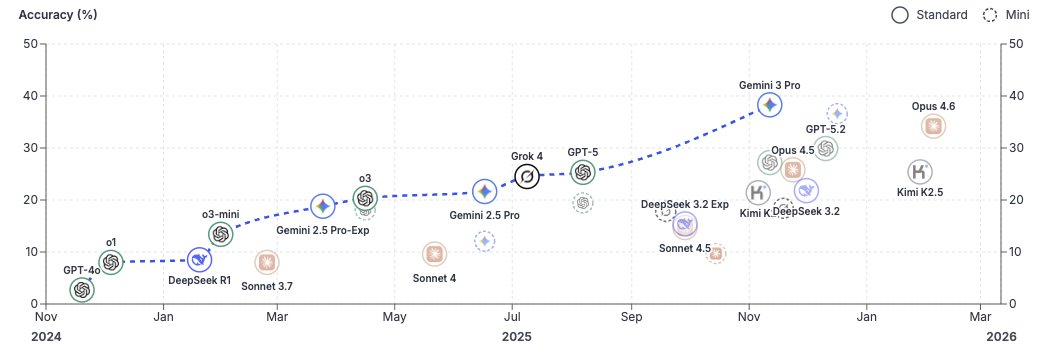
Humanity's Last Exam. 2,500 expert-level questions across dozens of subjects, created by ~1,000 specialists from 500+ institutions worldwide. Frontier LLMs still score low, with calibration errors above 70%. (1/2)
🧬Jacob L Steenwyk tweet media
English
1
1
2
578
TechBio Transformers retweeté
Adam Marblestone
Adam Marblestone@AdamMarblestone·
The Asterisk piece is out x.com/steve47285/sta… DO NOT FORGET ABOUT THE STEERING SUBSYSTEM
Adam Marblestone@AdamMarblestone

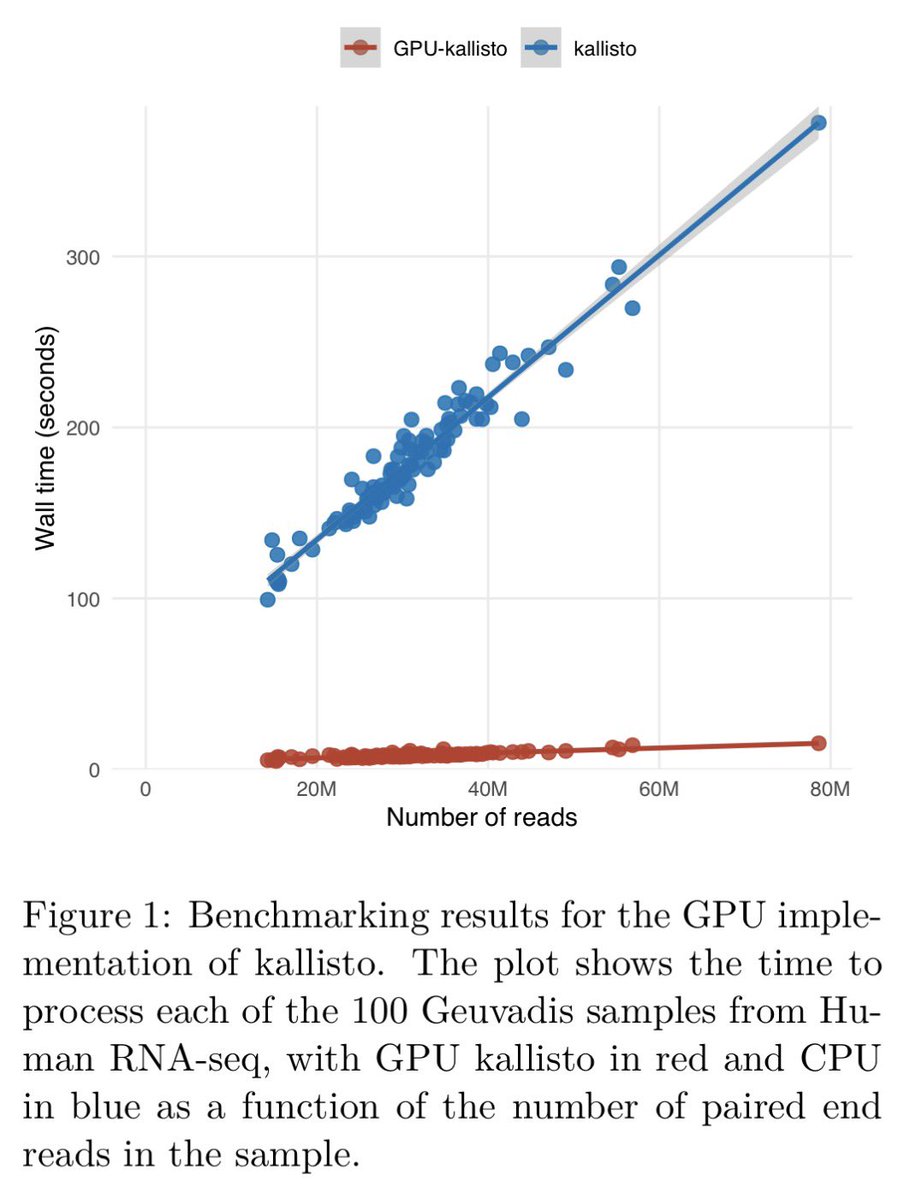
Hard to believe it but this actually took place. And there is more in threads like this one x.com/AdamMarbleston… as well as an upcoming essay I’m writing for Asterisk Magazine about a related topic based on @steve47285’s theories. Now let’s map the actual brain and find out.

English
0
5
22
2.9K
TechBio Transformers retweeté
LiteFold
LiteFold@try_litefold·
Announcing Rosalind, the most versatile AI Co-Scientist for computational biology and therapeutics research. Giving every biologist their own frontier research lab. Make every experiment count. It's live. Links in the comments.
English
23
81
662
51.8K
TechBio Transformers retweeté
Prachee Avasthi
Prachee Avasthi@PracheeAC·
Let’s go! This from @allen_ai is the coolest thing I’ve seen in a while. Instead of automating the human scientist approach to hypothesize the glaring thing prior information points to, this is an automated discovery tool that measures how much an LLM’s prior belief about a hypothesis shifts after incorporating evidence from a structured dataset, prioritizing surprise. This Bayesian approach provides a way to explore the vast hypothesis space more efficiently based on information gain. The approach and tool are the perfect example of how automated systems can improve upon rather than simply recapitulate the biases, redundancies, and consensus-washing of human discovery. At the risk of generating moral panic, I see many applications including balancing funding portfolios by incorporating principled dataset and hypothesis generation through approaches like this. There’s an opportunity to dramatically increase the knowledge-return on research investment. And dramatically accelerate novel discoveries. Kudos to the team that developed this aggressively sensible approach and made it more broadly available. I think the impact will be huge allenai.org/blog/autodisco…
English
0
12
96
23.8K
TechBio Transformers retweeté
Vega Shah
Vega Shah@dr_alphalyrae·
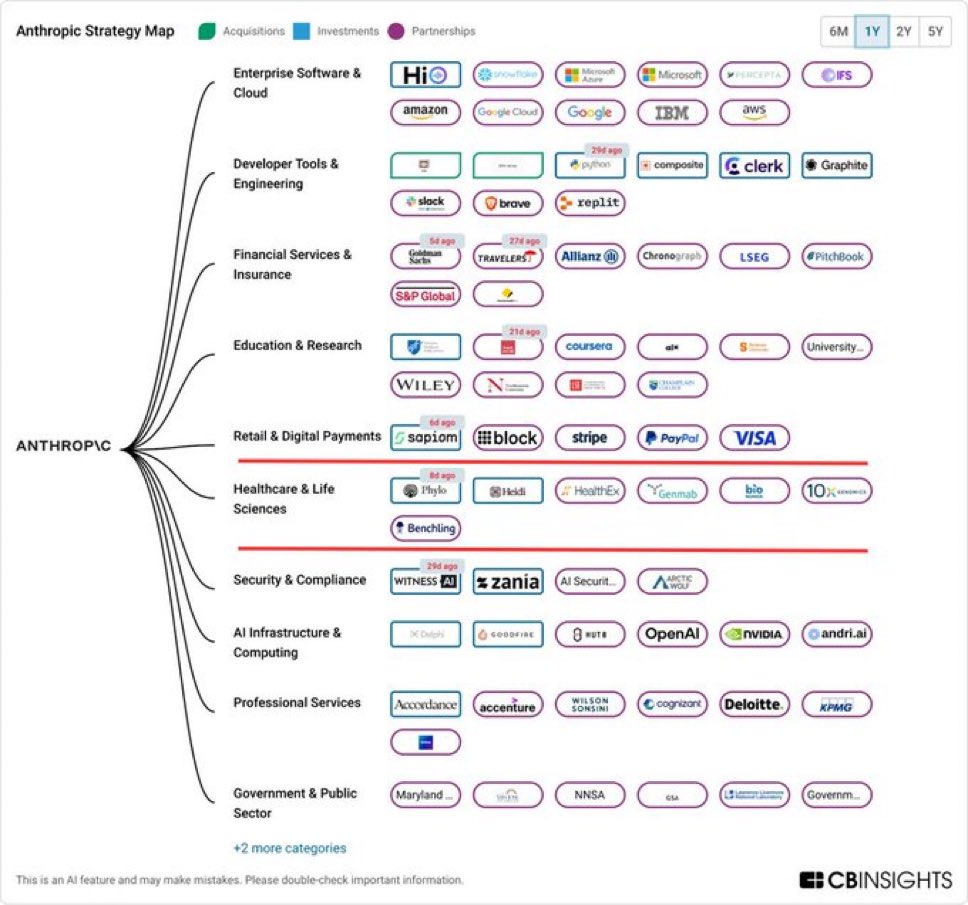
Anthropic’s acquisitions, investments and partnerships across multiple verticals including healthcare & life sciences
Vega Shah tweet media
English
5
3
25
1.6K