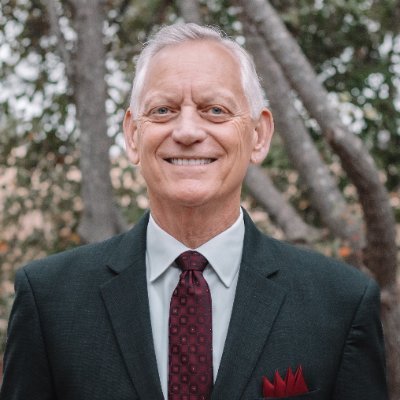
Pastor Rich Bitterman@w_bitterman
Thank You for the Disruption of the Church Service in Minnesota
The doors were already open when the voices came. A pastor paused mid-sentence.
It happened on a Sunday morning in Minnesota, during a service that looked ordinary until it wasn’t. Shoes scuffed. A few people stood. Others stayed seated, hands still folded, unsure whether to look down or look up. The sanctuary, designed for praise, became contested ground.
Arguments will swirl around that moment. They already have as motives are weighed and causes defended. Lines drawn and redrawn. Yet beneath the debate lies a simpler truth that should sober the church more than any headline. A boundary was tested, and it held only because people inside the room chose how to respond.
That is why this moment matters.
History teaches that pressure on the church rarely arrives dressed as persecution. It arrives first as intrusion. A disruption here. A rule there. An insistence that worship yield to urgency. In the last century, movements shaped by rigid ideology often treated the church as a rival authority.
Not because hymns threatened tanks, but because prayer forms allegiance that does not bend easily. The earliest signals were seldom dramatic. They were interruptions tolerated, boundaries blurred, and sanctuaries repurposed for political theater. Only later did pressure harden into policy.
The disruption does not prove a grand scheme. One event cannot bear that weight. Yet it serves as a warning flare. It shows how easily a worship service can be seized and turned into a tool for pressure.
Warnings like this are gifts if they are received while there is still time to prepare. Daniel knew the value of early preparation.
By the time we meet him in the sixth chapter of his book, Daniel has outlived empires. He entered Babylon as a teenager and he now stands as an old man beneath a new banner. Babylon has fallen. Medo-Persian administrators fill the halls. Fresh laws carry fresh seals, yet Daniel remains.
He remains because his life has been shaped by habit.
The new king needs order, so one hundred and twenty officials are appointed. Three presidents oversee them. Daniel rises above the rest, not through ambition, but through trust earned the slow way. His accounts balance. His word carries weight, as his hands stay clean. Corruption finds no foothold in him, and that becomes the problem.
Integrity obstructs those who want easy gain. Daniel’s presence blocks the channel where stolen wealth should flow. His enemies study him and find no weakness in his work. So they look elsewhere. They notice his prayers.
They understand something crucial. Daniel’s faithfulness to the king grows out of his faithfulness to God. His kneeling shapes his standing. Remove the kneeling, and the standing collapses.
The plan takes form with smooth words. A decree that lasts thirty days. A small window. Requests directed through royal authority. Worship is allowed, provided it bends. The law settles into place, unchangeable by custom.
Daniel hears the decree. He walks home and he climbs the stairs. The windows remain open toward Jerusalem. Light spills across the floor. Dust hangs in the air. Knees meet wood. Words rise. He prays as he did before.
Morning prayer passes. Midday prayer follows. Evening prayer returns. Each time the same temptation whispers. Adjust. Delay. Close the window. Preserve the position. Extend the influence. Daniel answers with silence and obedience. The courage seen in the lion’s den grows from these ordinary refusals.
The danger in Minnesota was not lions. It was interruption. A demand that worship yield its moment. The test was quieter than Daniel’s, yet it asked a similar question. Would the gathered people allow prayer to be reshaped by pressure, or would they remain steady?
History shows how much hinges on moments like that. When churches learn to brace for intrusion, they often learn to edit themselves. Hymns shorten and sermons soften. Prayers become cautious. The change happens gradually, justified each step of the way. That pattern has appeared before, in places where ideology sought to reorder allegiance.
Daniel refused to edit his prayers.
Guards escorted him away as officials watched with satisfaction. The king winced, trapped by his own signature. Daniel descended into darkness. Straw rustled. Breath steamed. Muscles shifted. An angel arrived with authority and the night passed.
At dawn, Daniel rose unmarked. His deliverance was real, yet it was not the point. The miracle grew from the ordinary….prayers spoken when prayers became costly.
This is where the St. Paul moment presses the church toward clarity. The positive hidden inside disruption is alertness. It wakes us while there is still room to choose our habits deliberately.
The call is not to outrage. Outrage burns energy without building endurance. The call is not to retreat. Retreat shrinks worship into something private and fragile. The call is preparation shaped by faithfulness.
Preparation often looks unremarkable. It’s Scripture spoken aloud at a service. It knees meeting the floor when no one is watching. These practices train believers to stand when standing costs something.
Daniel did not discover courage under pressure. Courage found him ready because he had practiced obedience when the cost felt small. The habit formed at fourteen held at eighty.
The church today stands at a similar threshold. The warning has sounded softly. A sanctuary was interrupted and a service was paused. The question now rests with us. How will we respond before pressure hardens?
The answer requires resolve.
Gathering matters. Public prayer matters. Scripture read aloud matters. Singing without embarrassment matters. These acts declare allegiance without shouting. They shape souls that do not bend easily.
Daniel faced his windows toward Jerusalem because promise oriented his prayers. The church must decide where its windows face. Toward convenience, or toward the kingdom that outlasts empires.
The course of action emerges from Daniel’s example and the moment we inhabit.
Pray at set times, not only when emotion swells. Habit steadies the heart. Teach children obedience in small things, because large trials grow from small refusals practiced over time. Keep worship central and visible, even when visibility invites scrutiny. Prepare calmly for disruption by agreeing in advance that prayer will continue, voices will lower rather than rise, and worship will not surrender its purpose.
These actions do not shout. They endure.
The protestor’s interruption reminds us that the church does not control the world’s response. It controls its own faithfulness. That faithfulness carries weight precisely because it refuses to perform.
Daniel’s story ends with kings passing from the stage and empires shifting like sand. Daniel continues. The remnant remains. That remains true today.
Pressure will come in many forms. Some will roar. Others will whisper. The response must be the same. Knees on wood. Windows open. Prayers steady. Courage quiet.
A warning received early becomes a mercy. It sharpens vision. It strips illusions. It invites the church to remember who it is before the test grows heavier.
The doors opened that Sunday morning as they always had. Hinges groaned. Sunlight fell across familiar faces. The interruption revealed something that had been there all along. Worship still matters enough to be contested.
That knowledge carries responsibility.
The time to pray as before has arrived.