@BrainComms

2.7K posts

@BrainComms banner
@BrainComms

@BrainComms

@braincomms

Brain Communications is the #OA sister journal to @Brain1878. We aim to publish robust translational neuroscience studies.

Inscrit le Mart 2019
916 Abonnements5.3K Abonnés
@BrainComms
@BrainComms@braincomms·
Taylor et al. report that children and adolescents with greater peripheral inflammation, as measured from saliva, show significant aberrations in multispectral neural dynamics supporting attention processing. 👉 buff.ly/etWpyEy
@BrainComms tweet media
English
0
1
2
83
@BrainComms
@BrainComms@braincomms·
Tomlin et al. examined the temporal changes in synapses and glial cells in a mouse model of Alzheimer’s disease. They found that inhibitory synapses are the earliest change in NL-G-F mice with concomitant molecular changes in glial cells 👉 buff.ly/m1YEnil
@BrainComms tweet media
English
1
1
2
271
@BrainComms
@BrainComms@braincomms·
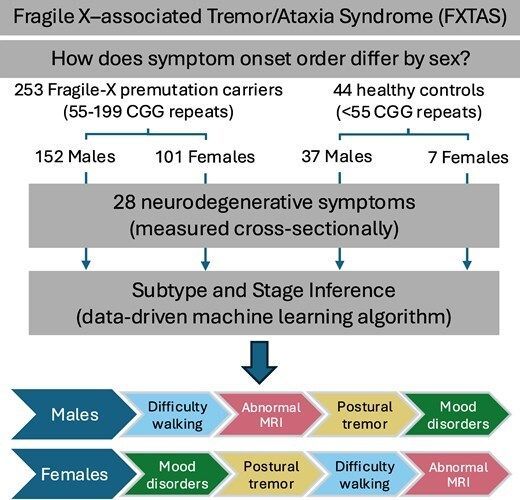
Fragile X-associated tremor/ataxia syndrome (FXTAS) is an adult-onset neurodegenerative disorder affecting fragile X gene premutation carriers. Symptoms include tremors, balance issues and dementia. 👉 buff.ly/1k9Fotu
@BrainComms tweet media
English
0
1
2
204
@BrainComms
@BrainComms@braincomms·
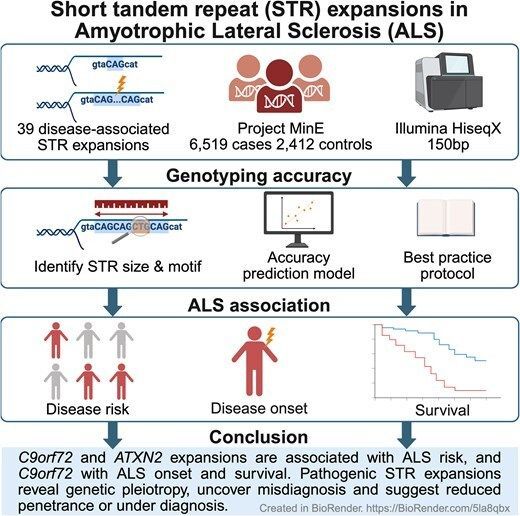
Van Vugt et al. report that genotyping 39 disease-associated short tandem repeats (STRs) in 8531 Project MinE samples revealed pathogenic C9orf72 and ATXN2 expansions significantly associated with amyotrophic lateral sclerosis 👉 buff.ly/UjYrc1w
@BrainComms tweet media
English
0
1
1
222
@BrainComms
@BrainComms@braincomms·
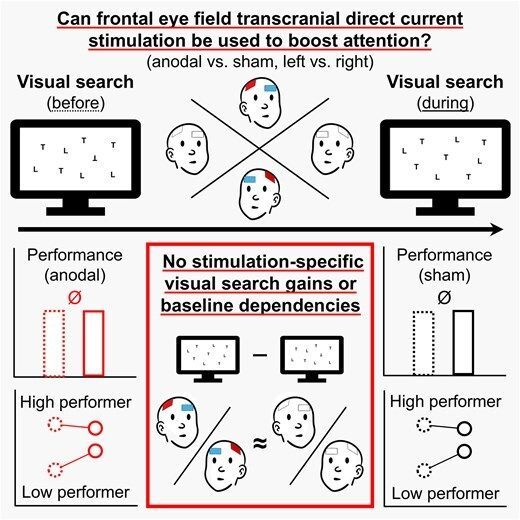
Peylo et al. (2025) report a series of experiments which probed visual search improvements through transcranial direct current stimulation over the frontal eye fields. Their results provide no evidence for stimulation-specific visual search improvement 👉 buff.ly/TB2vMOn
@BrainComms tweet media
English
0
1
2
217
@BrainComms
@BrainComms@braincomms·
Parker et al. find that accelerated long-term forgetting in familial Alzheimer’s disease is mediated by neurodegeneration in the prefrontal cortex and not medial temporal structures or white matter connections 👉 buff.ly/XTngTUP
@BrainComms tweet media
English
1
1
12
532
@BrainComms
@BrainComms@braincomms·
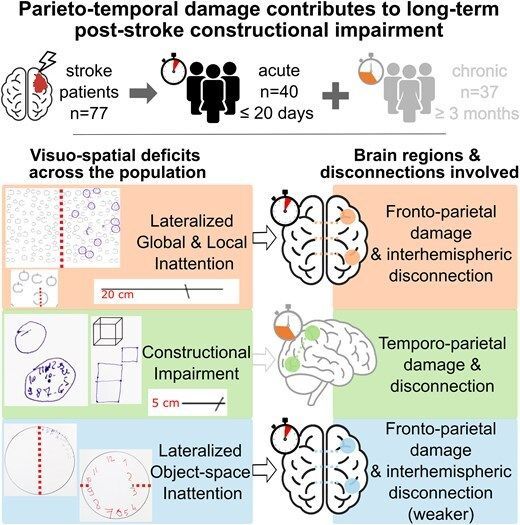
Song et al. show that visuospatial impairments after stroke follow distinct anatomo-behavioural patterns across recovery phases. Acute symptoms primarily reflect lateralized attention deficits to frontoparietal damage and interhemispheric disconnections👉buff.ly/7XnwLTm
@BrainComms tweet media
English
0
2
11
548
@BrainComms
@BrainComms@braincomms·
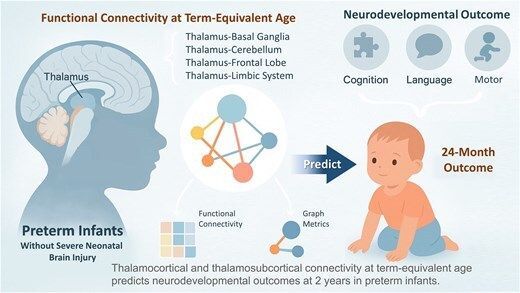
Li et al. report that functional connections between the thalamus and cortical and subcortical regions at term-equivalent age predict severity of neurodevelopmental impairment outcomes at two years in preterm infants 👉 buff.ly/jtIBDfT
@BrainComms tweet media
English
0
1
3
253
@BrainComms
@BrainComms@braincomms·
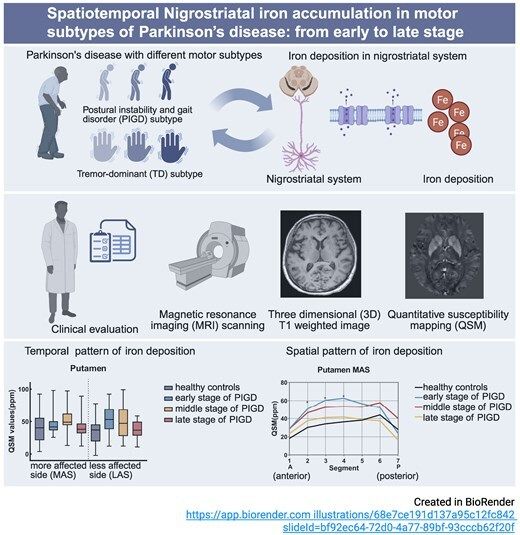
Bu et al. reported distinct spatiotemporal iron accumulation patterns in Parkinson’s disease motor subtypes: an inverted U-shape in postural instability and gait difficulty subtype and an S-shape in tremor-dominant subtype as disease progressed 👉 buff.ly/vwRxQti
@BrainComms tweet media
English
0
1
1
225
@BrainComms
@BrainComms@braincomms·
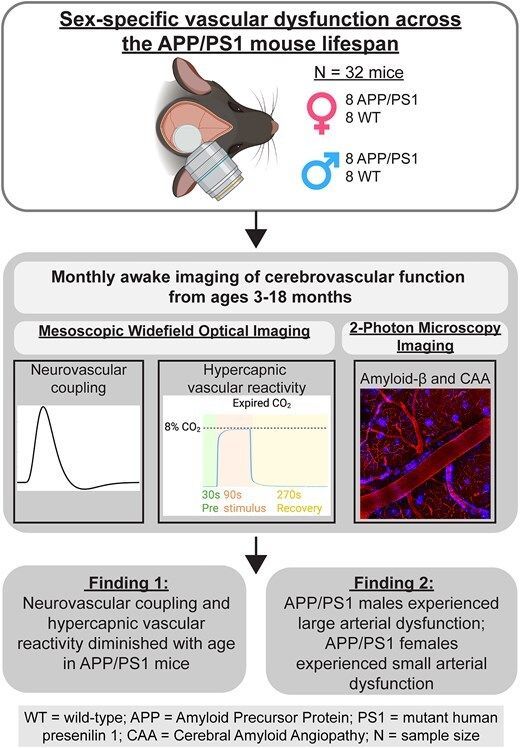
Schweitzer et al. examined how age and sex influence cerebrovascular dysfunction across the lifespan in an Alzheimer’s disease mouse model. Read at 👉 buff.ly/pQRT6M7
@BrainComms tweet media
English
0
1
1
245
@BrainComms
@BrainComms@braincomms·
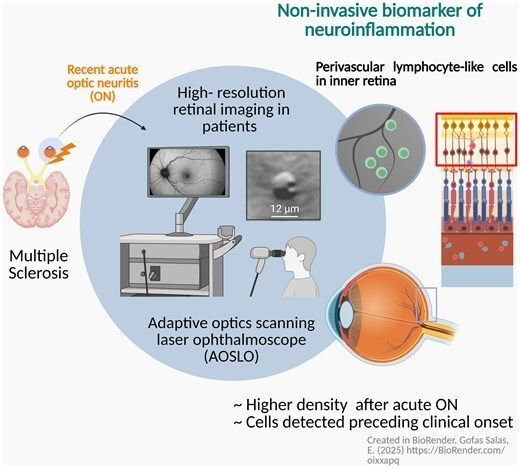
High-resolution retinal imaging reveals immune cell infiltrates in the inner retina of MS patients, particularly after optic neuritis. These cells may serve as early, non-invasive biomarkers of neuroinflammation 👉 buff.ly/QH2t3yh #MS #OpticNeuritis #Biomarker
@BrainComms tweet media
English
0
1
4
270
@BrainComms
@BrainComms@braincomms·
Read our final editorial from our founding editor-in-chief Tara Spires-Jones introduces the new editor-in-chief, Professor David Belin from University of Cambridge, UK. 👉 buff.ly/LOMji5V
English
0
0
0
145
@BrainComms
@BrainComms@braincomms·
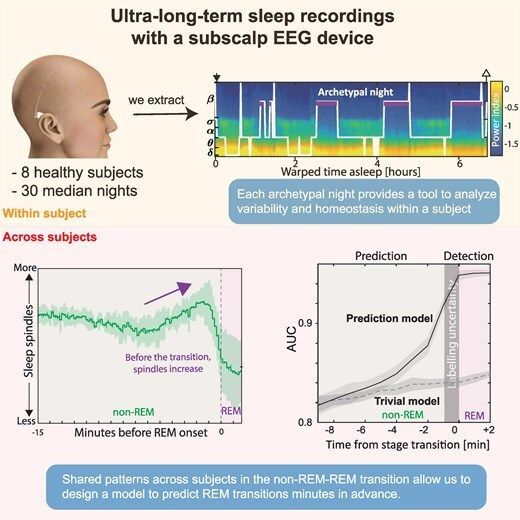
Leguia et al. characterize sleep cycles repeating over a month in eight participants wearing a sub-scalp EEG recording device. Although the symphony of sleep waves varied across participants, shared dynamics at sleep stage transitions were found 👉 buff.ly/E7rKJBj
@BrainComms tweet media
English
0
2
7
387
@BrainComms
@BrainComms@braincomms·
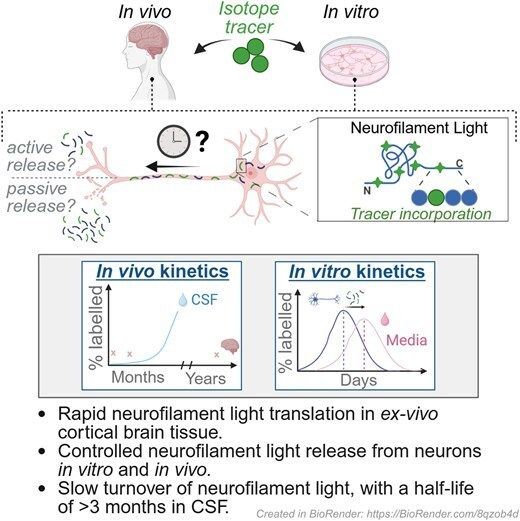
Leckey et al. report novel measures of neurofilament light chain kinetics in the human central nervous system using stable isotope labelling. Translation occurs within hours, but appearance in cerebrospinal fluid takes ∼100 days 👉 buff.ly/NppPWZw
@BrainComms tweet media
English
0
2
8
460
@BrainComms
@BrainComms@braincomms·
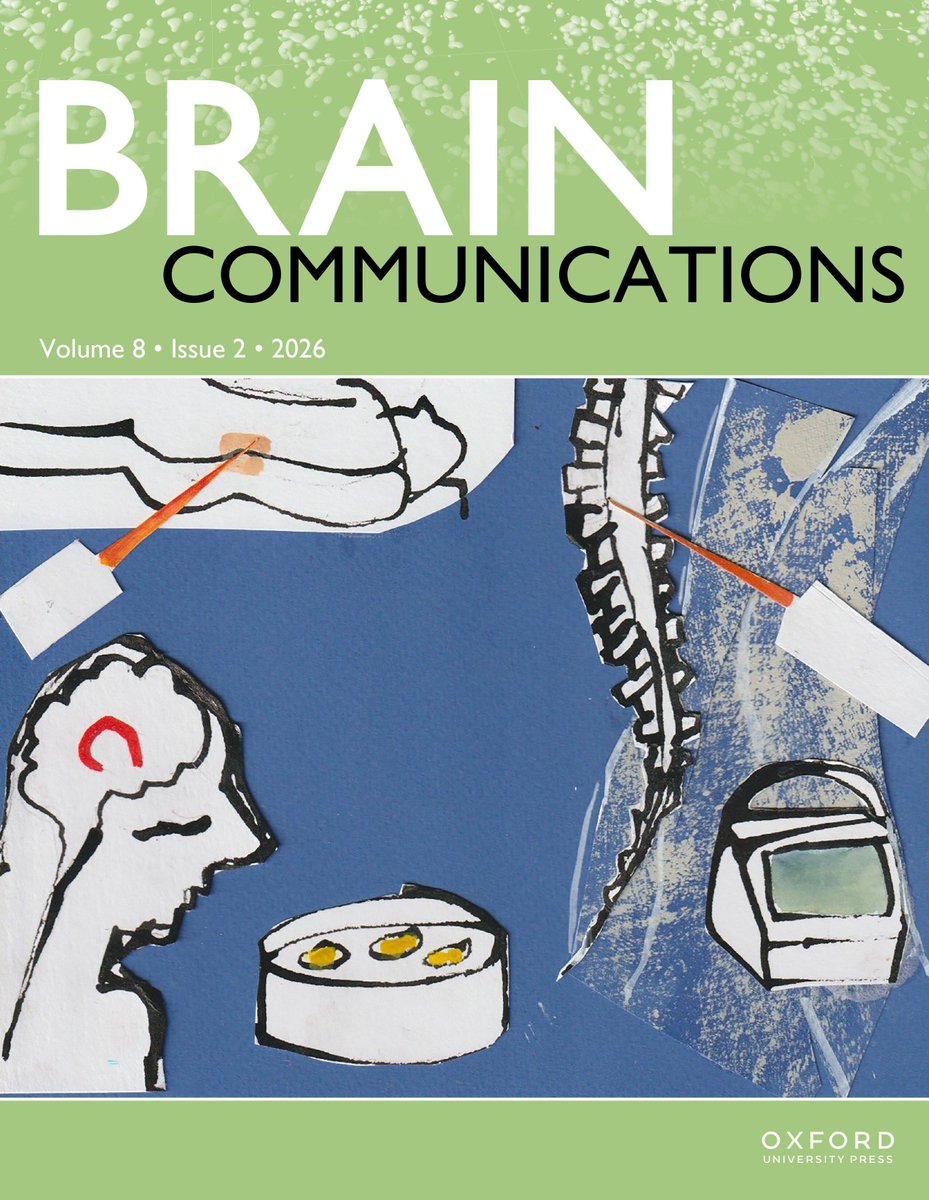
Our newest issue is live with a shiny new cover image! The image created by Janis Malcomson is based on work by Leckey, Giovannucci et al., who developed an assay to measure proteins and their clearance from cerebrospinal fluid. buff.ly/H8HNMGU
@BrainComms tweet media
English
0
1
5
278
@BrainComms
@BrainComms@braincomms·
Shapiro et al. report that inflammation PET signals in subcortical regions and plasma neurofilament light levels are complementary prognostic biomarkers in progressive supranuclear palsy, demonstrating greater sensitivity than other measures. Read at 👉 buff.ly/MXQKI3H
@BrainComms tweet media
English
0
0
1
240
@BrainComms
@BrainComms@braincomms·
Berntsen et al. investigated the relationship between delirium and the protein YKL-40 in cerebrospinal fluid. They found that concentrations of YKL-40 were increased in delirious hip fracture patients without dementia 👉 buff.ly/PDmGc6D
@BrainComms tweet media
English
0
0
0
256
@BrainComms
@BrainComms@braincomms·
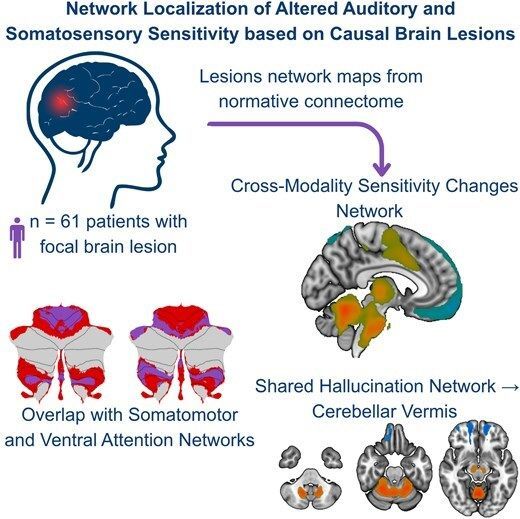
A new study maps how brain lesions disrupt sensory processing, revealing a cross-modality network linking the substantia nigra, and cerebellum. The cerebellar vermis sensory is a convergence point for sensory processing and hallucinations 👉 buff.ly/CX9aIhw
@BrainComms tweet media
English
0
9
35
1.4K
@BrainComms
@BrainComms@braincomms·
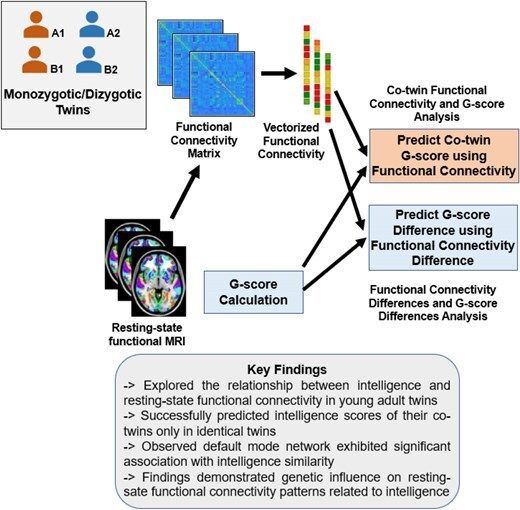
Guragai et al. report that identical twins show stronger similarity in brain connectivity linked to intelligence than fraternal twins. Using resting-state functional imaging, they demonstrate that genetic factors shape intelligence-related connectivity 👉 buff.ly/R7zvYjR
@BrainComms tweet media
English
1
4
14
709
@BrainComms
@BrainComms@braincomms·
Sirolimus, an mTORC1 inhibitor, was tested as adjunctive treatment in a mouse model of pneumococcal meningitis. Sirolimus worsened clinical severity and increased inflammation, elevating IL-6 and IL-12 levels. Read at 👉 buff.ly/uiVhwGq
@BrainComms tweet media
English
0
1
2
240