Caleb
783 posts

Caleb
@calebcrypto0
Trader


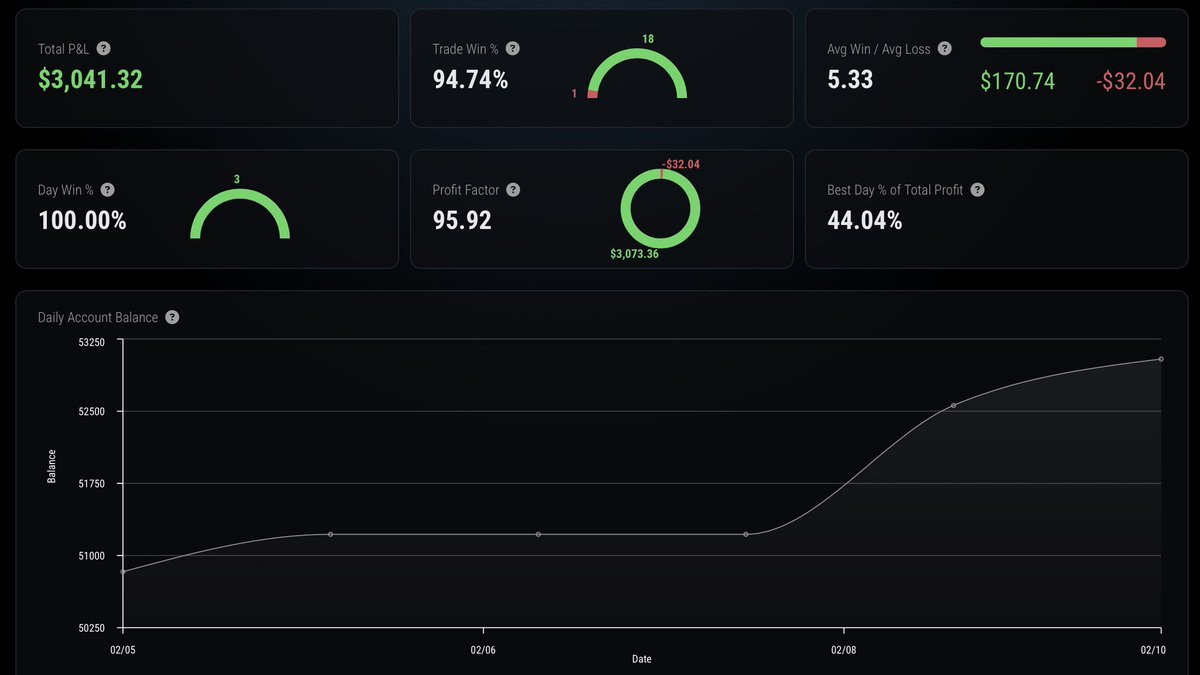
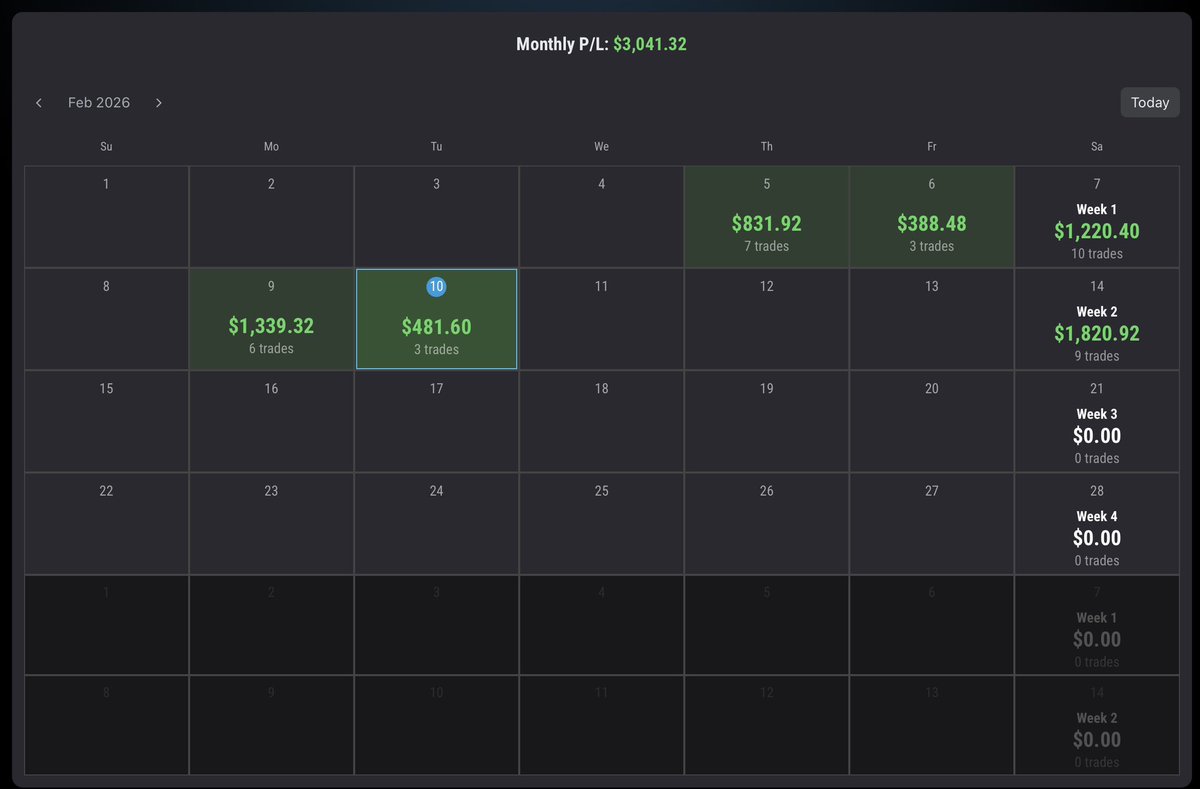
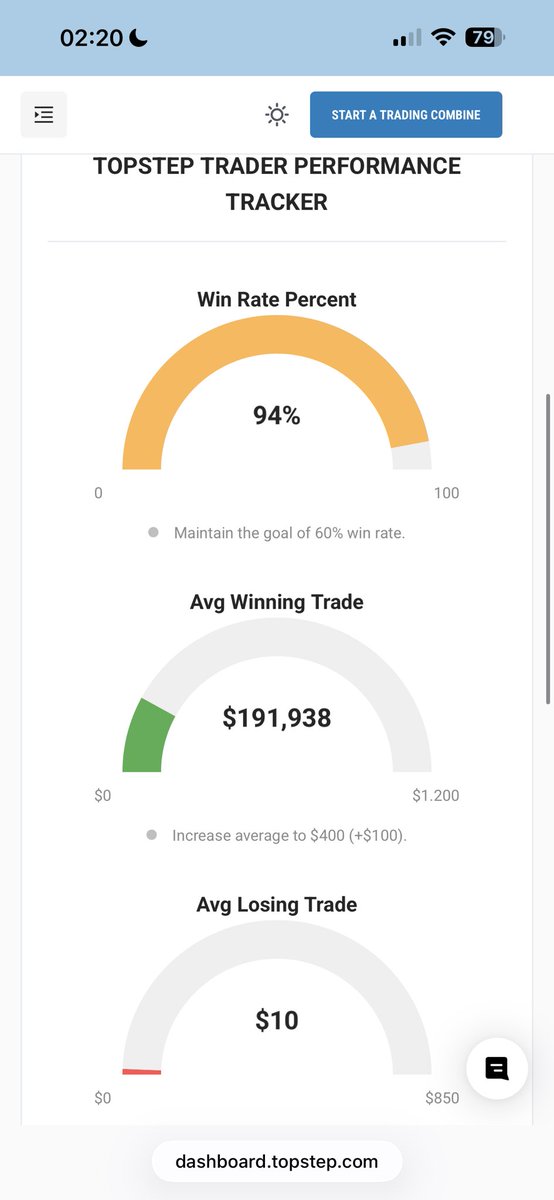
I will also publish the statistics for you 🥷🏻


As for the $ETH trade, I’ve updated it and adjusted the TP levels.


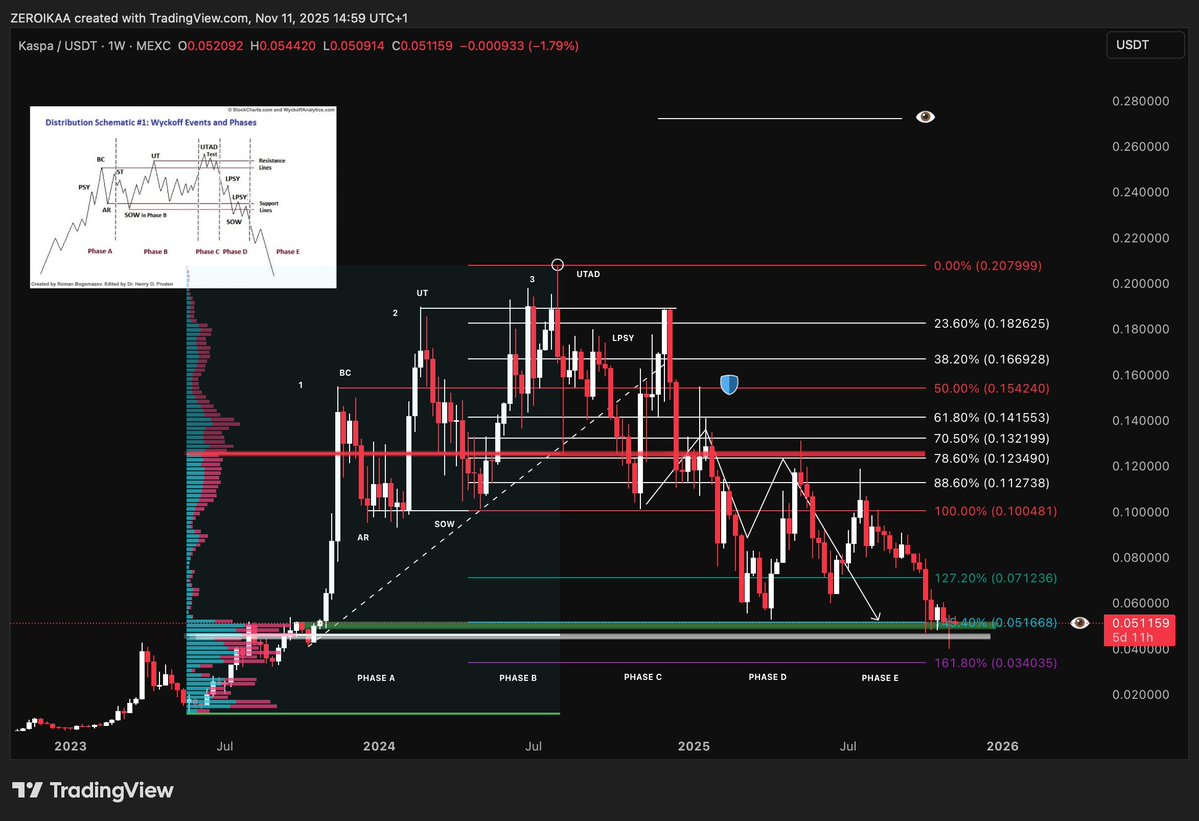
I never talk about altcoins, but today I'm gonna make an exception using $KAS as educational example. (if you're sensitive or a fanboy, this post is definitely not for you) On the 15th of August I shared a potential Wyckoff distribution schematic as the price was at its LPSY point in the scheme. At that moment in fact, KAS was creating a daily BOS below the 2 EQLs at 0.1544$ + below the 19 November 2023 high + below the uptrend trendline. These signs, mixed with the 3 drives bearish pattern were highlighting a lot of weakness which has been completely ignored by the fact that fundamentals were all pointing "up only". Cult members and fanboys pushed the "hashrate is going up", "KAS is BTC with better technology" and all of these fairytales that serve nothing but forcing retails to buy this coin at extreme premium levels. And almost 2 months later, this is the situation: The price has broken below the 0.15$ confirming the thesis. "Does this mean that KAS is cooked? Macro top?" Unlikely, especially if BTC will reach new highs as we expect but this weakness is costing time (and money) since the HTF trend is bearish. Apart from the classic laws of price action to determine further downside (therefore level by level) I'm quite sure that, sooner or later, Kaspa will see 0.050$. Not now, it has still room in the overall cycle, but this is a warning to take profits once the harvest time will come. Respect the patterns. Respect the price action. Respect the blessing of experiencing huge profits. For the rest that will prefer to believe in Kaspa fundamentals..good luck, you'll need it.


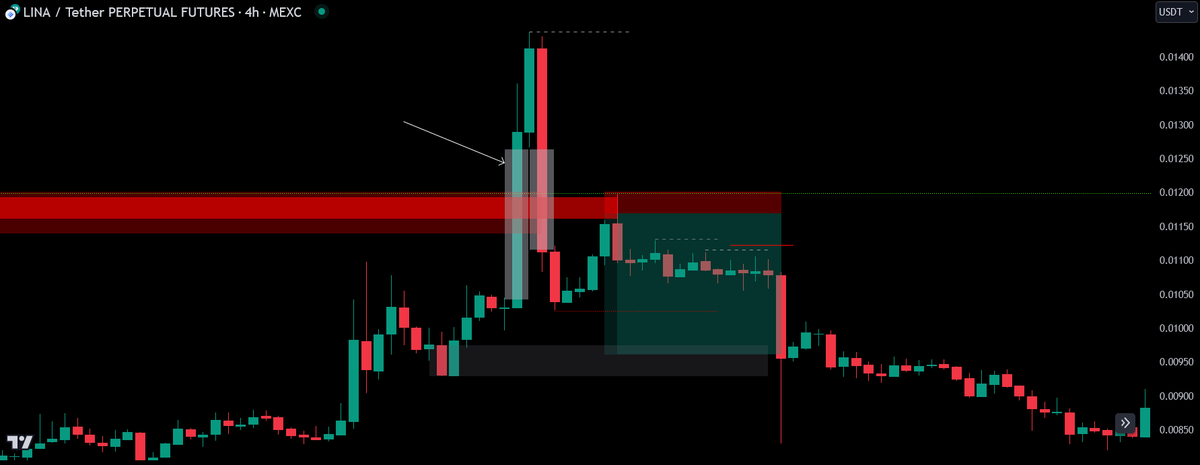
A good BOS is validated not simply by price trading momentarily beyond a swing high or swing low, but by the portion of the candle body that closes past that structural reference. The body of the candle is the clearest expression of market acceptance, since it reflects where the majority of transactions occurred rather than where price briefly probed. For my criteria, when at least 1/3 of the body closes beyond the swing point, the market demonstrates that it is willing to sustain a presence outside the prior structure. This degree of confirmation is enough to suggest that the move is more than just a shallow test or liquidity probe, though it can still leave room for uncertainty because a significant part of the candle remains anchored within the old range. When 1/2 or more of the candle body establishes itself beyond the swing point, the break becomes much more technically reliable. In this case, the majority of the candle’s traded range lies outside of the prior structural boundary, showing that liquidity has been absorbed and the market is in the process of repricing. This kind of close reflects displacement rather than inducement, since the flow of orders behind the move is strong enough to define a new area of value rather than just sweep resting liquidity. The distinction between 1/3 and 1/2 lies in the balance between speed and confirmation. 1/3 allows for earlier recognition of structure shifts but carries higher susceptibility to false breaks, while 1/2 represents stronger conviction at the cost of a slightly later signal. The 1/2 close therefore provides the most robust signal that a BOS is genuine, because it confirms that the new price level is being accepted as structural rather than temporary.