

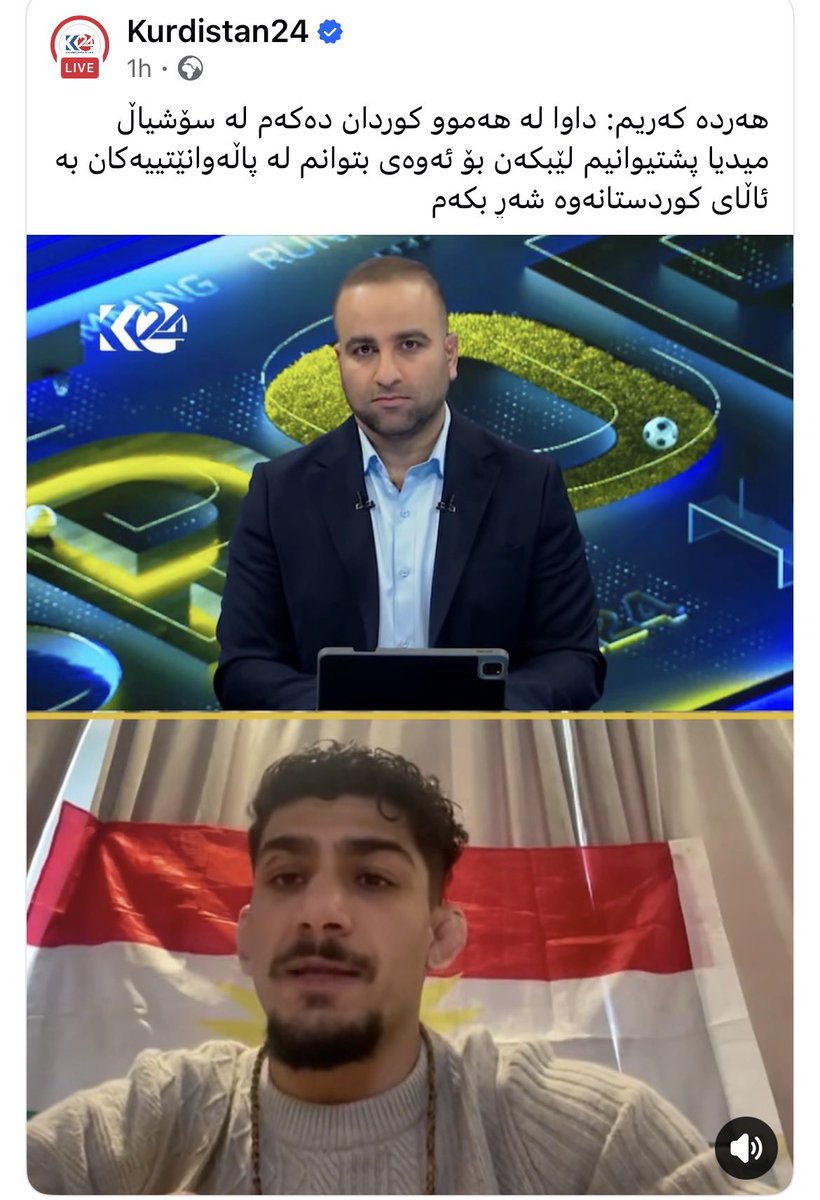
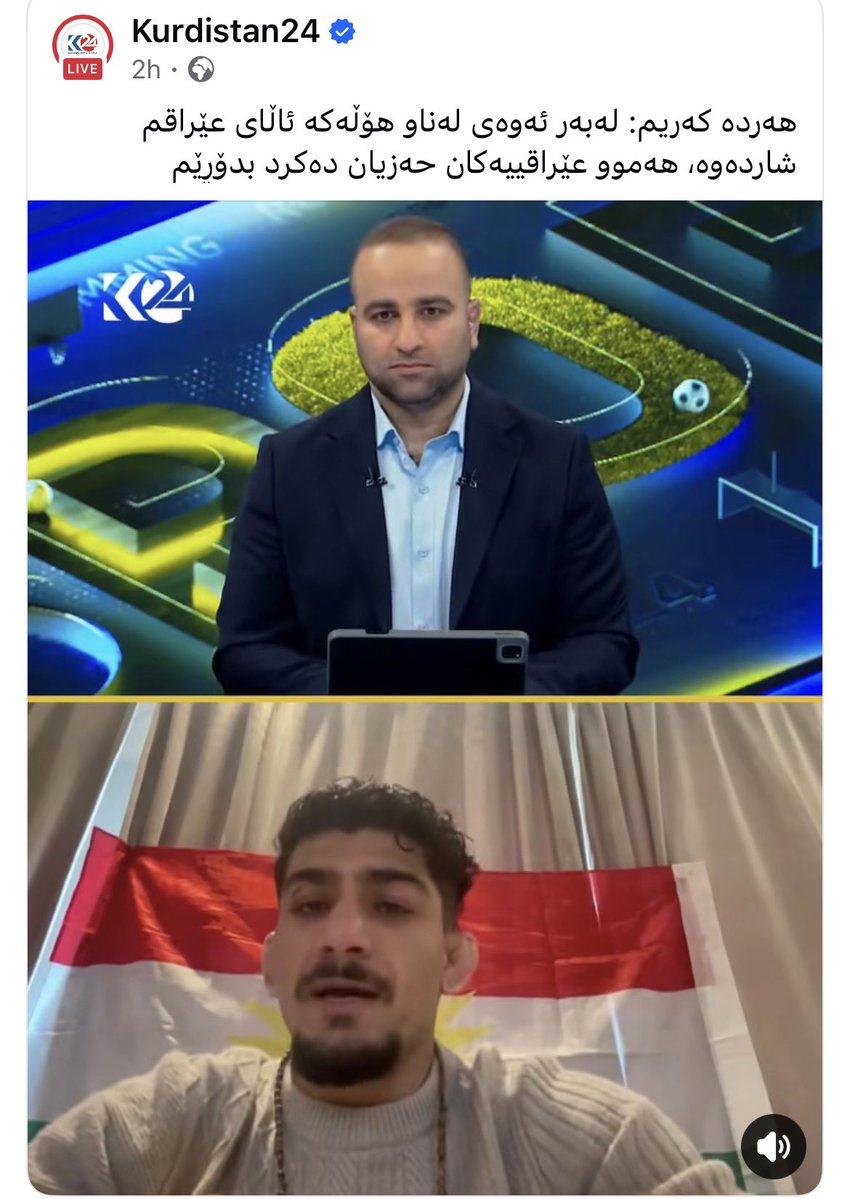
An Iraqi Kurdish fighter’s appearance at the PFL MENA 9: Pride of Arabia tournament in Dubai has sparked controversy after he appeared to conceal the Iraqi flag on his shorts and then raised only the Kurdistan flag. The fighter, Harda Karim, was competing in an event framed around Arab and regional soft power. Many Iraqis view the act as disrespect toward the flag of the country he was meant to represent. In symbolic politics, perception matters. The deeper issue is that this conduct is both wrong and increasingly normalised in Kurdistan, where much of the Kurdish media ecosystem often openly celebrates such incidents. Had Karim raised the Kurdistan flag alongside the Iraqi flag, the gesture would have been easy to defend. It would have expressed Kurdish pride without affronting a symbol that millions of Iraqis hold sacred. Sport can be a potent vehicle of soft power. A Kurdish fighter from Iraq competing in Dubai could have improved how Kurds are perceived by Arab audiences. Instead, the story became one of a Kurdish athlete appearing to not just reject the Iraqi flag on an Arab stage but disrespect it. The symbolism worsened after Karim lost to Egyptian fighter Ahmed El Sisy, who then raised the Iraqi flag himself. Whether one approves of that gesture or not, its narrative effect was obvious. It allowed the controversy to be framed as an Egyptian showing more respect for Iraq than an Iraqi Kurd. For Kurdish public image, that is a very damaging optic. This is where the deeper problem lies. Parts of the Kurdish media and social-media ecosystem increasingly promote a performative nationalism that mistakes provocation for strength. In that worldview, disrespecting the Iraqi flag is treated as an act of courage. In practice, it achieves the opposite. It does not strengthen Kurdistan; it deepens many Iraqis’ suspicion of Kurdish intentions. This matters because popular culture often shapes public attitudes more quickly than politics does. A sporting moment can become a political symbol within hours. Once an image spreads, it shapes how communities view one another.