
पिन किया गया ट्वीट
GAC
826 posts


GAC
@GlobalAutoChain
Transforming the car trading industry with Web3 technology — transparent, secure, and borderless. https://t.co/M6YgUPes4k
शामिल हुए Ağustos 2024
254 फ़ॉलोइंग2.2K फ़ॉलोवर्स
✨ 𝗛𝗮𝗽𝗽𝘆 𝗡𝗲𝘄 𝗬𝗲𝗮𝗿 𝗳𝗿𝗼𝗺 𝗚𝗔𝗖 𝘁𝗲𝗮𝗺!
Wishing you a year with more calm days, more good news, and more reasons to smile.
More time with the people you love, more moments you actually remember, and fewer things that drain your energy.
May you have health, steady strength, and a lot of simple happiness.
𝗧𝗵𝗮𝗻𝗸 𝘆𝗼𝘂 𝗳𝗼𝗿 𝗯𝗲𝗶𝗻𝗴 𝘄𝗶𝘁𝗵 𝘂𝘀 — 𝗮𝗻𝗱 𝗳𝗼𝗿 𝘁𝗵𝗲 𝘁𝗿𝘂𝘀𝘁.

English
🎤 We’re pitching today at VCC Demo Day
Online • Dec 25 • 6:00 – 7:00 PM GMT +3
GAC will share what we’re building for cross-border auto trade infrastructure and meet VCs/investors.
Hosted by @pcventure
RSVP: luma.com/okxq3o4d

English

📄 𝗧𝗵𝗲 𝘀𝗶𝗺𝗽𝗹𝗲 𝗱𝗼𝗰 𝗽𝗮𝗰𝗸 𝗳𝗼𝗿 𝗮 𝗰𝗮𝗿 𝗺𝗼𝘃𝗶𝗻𝗴 𝘁𝗼 𝗮𝗻𝗼𝘁𝗵𝗲𝗿 𝗰𝗼𝘂𝗻𝘁𝗿𝘆
Remote deals stall when the paperwork doesn’t match. Think of this as a checklist pack: if these 5 parts are clean, the deal keeps moving.
👤 𝗪𝗵𝗼 𝗼𝘄𝗻𝘀 𝗶𝘁
Title/registration + bill of sale + the seller’s identity matching the papers. If ownership is unclear, everything else becomes “maybe”.
✅ 𝗪𝗵𝘆 𝗶𝘁’𝘀 𝗮𝗹𝗹𝗼𝘄𝗲𝗱
A short, clear basis for compliance: what rules this car fits under in the destination country. No vague “it’s fine” — make it explicit.
🧪 𝗦𝗮𝗳𝗲𝘁𝘆 + 𝗲𝗺𝗶𝘀𝘀𝗶𝗼𝗻𝘀 𝗽𝗿𝗼𝗼𝗳
Proof the car meets the required standards. For example, in the U.S., you’ll often see EPA Form 3520-1 and DOT Form HS-7 referenced as part of that pathway.
📸 𝗣𝗿𝗼𝗼𝗳 𝘁𝗵𝗮𝘁 𝗺𝗮𝘁𝗰𝗵𝗲𝘀 𝘁𝗵𝗲 𝗳𝗼𝗿𝗺𝘀
Photos of VIN plate, labels/stickers, odometer, and any required markings — so the “paper story” matches the “car story”.
🔐 𝗥𝗲𝗮𝗱𝘆-𝘁𝗼-𝗿𝗲𝗹𝗲𝗮𝘀𝗲 𝗻𝗼𝘁𝗲
One clear confirmation: who checked the pack, what was checked, and when it was confirmed. So the last step doesn’t turn into a new argument.

English
📰 𝗘𝘂𝗿𝗼𝗽𝗲 𝗶𝘀 𝗹𝗼𝗼𝗸𝗶𝗻𝗴 𝗮𝘁 “𝗸𝗲𝗶-𝘀𝘁𝘆𝗹𝗲” 𝗘𝗩𝘀
The Nissan Sakura was recently tested in Japan as EU regulators and some manufacturers discuss a new class of low-cost electric vehicles called “E-Regulation,” using the Sakura as a benchmark.
Kei cars follow strict size rules in Japan (around 3.4m long and 1.48m wide). The idea is simple: small footprint, simpler packaging, lower cost, city-first driving.
🔧 𝗦𝗮𝗸𝘂𝗿𝗮 𝘀𝗽𝗲𝗰𝘀 𝘀𝗵𝗮𝗿𝗲𝗱 𝗶𝗻 𝘁𝗵𝗲 𝗿𝗲𝘃𝗶𝗲𝘄:
- 20 kWh battery, 1x e-motor
- 63 bhp / 195 Nm
- Up to 112 miles range
- 10–80% in ~40 mins (100 kW)
- 0–62 mph: 9.8s, top speed: 70 mph
- Size: 3,395mm / 1,475mm / 1,655mm
- On sale now (Japan only)
If Europe formalizes a similar class, it can reshape “entry-level EV” expectations — and later, what shows up in cross-border used inventory.
🎯 Result: New vehicle classes can rewrite market lanes quickly.

English
📰 @Nissan upgrades Sunderland for EV + hybrid mix
Nissan launched production of the third-generation Leaf at Sunderland after £450m of upgrades, adding EV-ready steps like a new battery “marriage station” on the line.
The same kilometre-long line also builds hybrid Qashqai and Juke models, keeping output flexible as regulation timelines and market demand evolve.
📊 𝗖𝗮𝗽𝗮𝗰𝗶𝘁𝘆 𝘃𝘀 𝗿𝗲𝗮𝗹𝗶𝘁𝘆 𝗶𝘀 𝘁𝗵𝗲 𝗸𝗲𝘆 𝘀𝗶𝗴𝗻𝗮𝗹:
The plant can make up to 600,000 cars a year, while 2024 output was 282,000 (down 14% year-on-year).
🔋 𝗕𝗮𝘁𝘁𝗲𝗿𝗶𝗲𝘀 𝗮𝗿𝗲 𝗺𝗮𝗱𝗲 𝗻𝗲𝘅𝘁 𝗱𝗼𝗼𝗿 𝗯𝘆 𝗔𝗘𝗦𝗖.
The finished facility is described as capable of 15.8GWh annually — roughly enough for ~300,000 EVs with 50kWh packs.
GAC take: EV scale needs synchronized parts, plants, and lanes.

English
🛣 𝗧𝗿𝗮𝗱𝗲 𝗟𝗮𝗻𝗲 𝗦𝗽𝗼𝘁𝗹𝗶𝗴𝗵𝘁: 𝗘𝗽𝗶𝘀𝗼𝗱𝗲 𝟭
👋 In this series, we break down real car trade routes in plain language: what moves fast, what slows down, and what details decide the timeline. GAC is building onchain rails to make these cross-border deals more predictable.
Netherlands → Poland looks like an “easy” lane.
Same EU market, short distance, constant supply.
But most delays don’t happen on the road.
They happen in the paperwork right after you buy the car.
🧾 𝗧𝗵𝗲 𝘁𝘄𝗼 𝘁𝗵𝗶𝗻𝗴𝘀 𝘁𝗵𝗮𝘁 𝗱𝗲𝗰𝗶𝗱𝗲 𝘁𝗵𝗲 𝘁𝗶𝗺𝗲𝗹𝗶𝗻𝗲
- VAT type on the invoice (margin vs VAT-deductible)
- Poland’s excise step before registration
📌 𝗤𝘂𝗶𝗰𝗸 𝗻𝘂𝗺𝗯𝗲𝗿𝘀 𝘁𝗼 𝗿𝗲𝗺𝗲𝗺𝗯𝗲𝗿 (𝗣𝗟 𝗲𝘅𝗰𝗶𝘀𝗲)
- 3.1% up to 2,000 cm³
- 18.6% above 2,000 cm³
⏱️ 𝗪𝗵𝗮𝘁 𝗮 𝘀𝗺𝗼𝗼𝘁𝗵 𝗱𝗲𝗮𝗹 𝗹𝗼𝗼𝗸𝘀 𝗹𝗶𝗸𝗲
Invoice matches the VAT type, excise is filed on time, and the car is released without back-and-forth edits.
GAC take: The fastest lane is the one with clean documents.
English
📰 @Ford ends $6.5B EU battery deal
LG Energy Solution said Ford terminated an EV battery supply deal worth about 9.6 trillion won ($6.5B), according to a regulatory filing.
🏭 The contracts were signed last October and were set to supply batteries to Ford in Europe starting in 2026 and 2027.
📉 LGES said the notice followed Ford’s decision to halt production of some EV models amid policy changes and a weaker outlook for EV demand.
🔎 What this changes for cross-border lanes
Battery supply plans shape build slots, lead times, and pricing. When a supply agreement resets, the ripple hits dealer allocation, delivery promises, and total landed cost math.

English
@undisclosednuts Through a leniency disclosure. One participant (Clarios) reported the cartel to the Commission, triggering the investigation, data reviews, and coordinated inspections that led to the fines.
English
📰 𝗘𝗨 𝗳𝗶𝗻𝗲𝘀 𝗰𝗮𝗿 𝘀𝘁𝗮𝗿𝘁𝗲𝗿 𝗯𝗮𝘁𝘁𝗲𝗿𝘆 𝗰𝗮𝗿𝘁𝗲𝗹
🧾 The European Commission fined three makers of car starter batteries and an industry association around €72m ($84.5m) for a long-running cartel in the European Economic Area. The EU said it may have pushed up costs for car and truck manufacturing.
🏷 𝗡𝗮𝗺𝗲𝗱 𝗶𝗻 𝘁𝗵𝗲 𝗱𝗲𝗰𝗶𝘀𝗶𝗼𝗻
Exide, FET, Rombat, and the trade association EUROBAT. Clarios was not fined because it disclosed the cartel to the Commission. Exide received the largest fine (€30m).
🔎 𝗪𝗵𝘆 𝘁𝗵𝗶𝘀 𝗺𝗮𝘁𝘁𝗲𝗿𝘀 𝗳𝗼𝗿 𝗰𝗿𝗼𝘀𝘀-𝗯𝗼𝗿𝗱𝗲𝗿 𝗮𝘂𝘁𝗼 𝘁𝗿𝗮𝗱𝗲
Starter batteries sit in every ICE supply chain — OEM builds, replacements, fleets. When a component market is distorted for years, pricing and availability ripple into repair invoices, refurb budgets, and total landed cost calculations.
𝗚𝗔𝗖 𝘁𝗮𝗸𝗲: Component costs belong in the trade packet, not in surprises.

English
📊 𝗠𝗮𝗿𝗸𝗲𝘁 𝗠𝗶𝗰𝗿𝗼-𝗟𝗲𝗻𝘀 — 𝗽𝗿𝗲-𝗮𝗽𝗽𝗿𝗼𝘃𝗲𝗱 𝗳𝗶𝗻𝗮𝗻𝗰𝗲 𝗰𝘂𝘁𝘀 𝗻𝗼-𝘀𝗵𝗼𝘄𝘀
Dealers and SaaS vendors keep circling back to the same pattern: when buyers arrive with finance already pre-approved, fewer of them disappear between “I’m interested” and “I’ll come in next week”. Pre-approval links now sit directly in lead forms, chat flows, and QR codes on listings.
🧭 𝗪𝗵𝗮𝘁’𝘀 𝗰𝗵𝗮𝗻𝗴𝗶𝗻𝗴
Instead of asking buyers to chase bank approvals on their own, more operators push instant decision routes: soft credit checks, clear ranges, and “good for X days” offers surfaced before the test drive is booked. That shifts the real decision point earlier, while price and stock are still aligned. Case studies from dealership playbooks in 2025 repeatedly highlight stronger show-up and conversion rates when pre-approval is baked into the first contact.
📏 𝗪𝗵𝗮𝘁 𝘁𝗼 𝘁𝗿𝗮𝗰𝗸
• Share of leads that complete pre-approval before visit
• Chat → showroom conversion with and without pre-approval in the flow
• Share of deals where finance terms change late and trigger a dropped sale
If the “pre-approved” cohort consistently shows fewer no-shows and cleaner handovers, pre-approval isn’t just a finance widget; it becomes a core part of your lead qualification and inventory planning.

English
🚚 𝗜𝗻𝗰𝗼𝘁𝗲𝗿𝗺𝘀 𝗳𝗼𝗿 𝘃𝗲𝗵𝗶𝗰𝗹𝗲 𝗱𝗲𝗮𝗹𝘀 — 𝗘𝗫𝗪 𝘁𝗼 𝗗𝗗𝗣 𝗶𝗻 𝗽𝗹𝗮𝗶𝗻 𝗘𝗻𝗴𝗹𝗶𝘀𝗵
Here’s what the common terms mean when you’re moving vehicles:
1️⃣ 𝗘𝗫𝗪 — 𝗘𝘅 𝗪𝗼𝗿𝗸𝘀
Seller makes the vehicle available at their premises. Buyer handles pickup, export, freight, import, and most risk from the start.
2️⃣ 𝗙𝗖𝗔 — 𝗙𝗿𝗲𝗲 𝗖𝗮𝗿𝗿𝗶𝗲𝗿
Seller delivers the vehicle to a named place or carrier (often a terminal). After that point, buyer handles main transport and onward steps.
3️⃣ 𝗖𝗣𝗧 — 𝗖𝗮𝗿𝗿𝗶𝗮𝗴𝗲 𝗣𝗮𝗶𝗱 𝗧𝗼
Seller pays for transport to the named destination, but risk transfers earlier — when the vehicle is handed to the first carrier.
4️⃣ 𝗖𝗜𝗣 — 𝗖𝗮𝗿𝗿𝗶𝗮𝗴𝗲 𝗮𝗻𝗱 𝗜𝗻𝘀𝘂𝗿𝗮𝗻𝗰𝗲 𝗣𝗮𝗶𝗱 𝗧𝗼
Same logic as CPT, plus seller provides insurance to the named destination. Risk still transfers at handover to the first carrier.
5️⃣ 𝗗𝗔𝗣 — 𝗗𝗲𝗹𝗶𝘃𝗲𝗿𝗲𝗱 𝗔𝘁 𝗣𝗹𝗮𝗰𝗲
Seller delivers to the named place (often buyer’s city/yard). Seller carries risk up to arrival. Buyer typically handles import duties and taxes.
6️⃣ 𝗗𝗗𝗣 — 𝗗𝗲𝗹𝗶𝘃𝗲𝗿𝗲𝗱 𝗗𝘂𝘁𝘆 𝗣𝗮𝗶𝗱
Seller delivers to the named place and handles import clearance, duties, and taxes. Maximum seller responsibility.

English

🕒 𝗦𝘁𝗿𝗮𝘁𝗲𝗴𝘆 𝗟𝗼𝗴 — 𝟬𝟱: 𝗠𝗮𝗸𝗲 𝘁𝗶𝗺𝗲 𝘃𝗶𝘀𝗶𝗯𝗹𝗲 𝗶𝗻 𝗲𝘃𝗲𝗿𝘆 𝗱𝗲𝗮𝗹
Price gets attention, but time often decides whether a deal happens. We decided to treat deadlines, lead times and delivery windows as first-class data, not fine print.
⏳ 𝗧𝗵𝗲 𝗽𝗿𝗼𝗯𝗹𝗲𝗺 𝘄𝗲 𝘀𝗮𝘄
“Roughly two weeks” can mean ten different things. Unclear timelines create stress, cancellations and last-minute renegotiations — especially across borders.
⚙️ 𝗧𝗵𝗲 𝗰𝗵𝗼𝗶𝗰𝗲 𝘄𝗲 𝗺𝗮𝗱𝗲
We attach explicit time markers to key steps: how long the quote is valid, when inspection must be completed, when logistics should pick up, what the expected handover window is.
📈 𝗪𝗵𝗮𝘁 𝘄𝗲 𝘄𝗮𝘁𝗰𝗵
If fewer deals collapse due to timing surprises and more deposits reach handover on the first planned date, the time layer is doing its work.

English
📰 𝗘𝗨 𝗰𝗮𝗿𝗯𝗼𝗻 𝗯𝗼𝗿𝗱𝗲𝗿 𝗹𝗲𝘃𝘆 𝗲𝘅𝗽𝗮𝗻𝗱𝘀
1️⃣ 𝗪𝗵𝗮𝘁’𝘀 𝗶𝗻 𝘁𝗵𝗲 𝗱𝗿𝗮𝗳𝘁
The EU is set to widen its Carbon Border Adjustment Mechanism (CBAM) to include imported car parts and washing machines, and expand coverage to more “downstream” goods with a high share of steel and aluminium.
2️⃣ 𝗪𝗼𝗿𝗸𝗮𝗿𝗼𝘂𝗻𝗱𝘀 𝗴𝗲𝘁 𝘁𝗶𝗴𝗵𝘁𝗲𝗿
Draft plans also target evasion: if emissions are under-reported, the EU can apply “default” emissions values — increasing the CBAM bill.
3️⃣ 𝗧𝗶𝗺𝗲𝗹𝗶𝗻𝗲 𝘁𝗼 𝗽𝗹𝗮𝗻 𝗮𝗿𝗼𝘂𝗻𝗱
CBAM is currently in a pilot phase and is expected to start imposing CO2 costs from January. Importers will be charged for embedded emissions from 2026, with compliance via certificates due by September 2027.
4️⃣ 𝗪𝗵𝗮𝘁 𝘁𝗵𝗶𝘀 𝗰𝗵𝗮𝗻𝗴𝗲𝘀 𝗳𝗼𝗿 𝗰𝗿𝗼𝘀𝘀-𝗯𝗼𝗿𝗱𝗲𝗿 𝗮𝘂𝘁𝗼 𝘁𝗿𝗮𝗱𝗲
Parts move through the same lanes as used cars: refurb, repair, re-export. Expect more checks on document completeness and CO2-linked data in the import packet.
𝗚𝗔𝗖 𝘁𝗮𝗸𝗲: CO2 data becomes part of the deal paperwork.
English
GAC रीट्वीट किया

A quiet decision can change months of execution.
Recently we adjusted the plan: we’ll be adding a Solidity-based core to the MVP foundation and making the architecture cross-chain friendly from day one.
Solidity is simply a widely used “smart contract language” across multiple ecosystems. For us, it means the business logic can stay consistent while rails can expand over time.
What we’re building right now is practical:
- an MVP flow that can run end-to-end on Solidity rails
- dual-chain support in the product design (so the system can operate across more than one network)
- USDC payments, with the kind of predictability ops teams expect: clear amounts, clean records, fewer surprises.
The goal is boring in the best way: a deal flow that behaves the same every time, regardless of where the settlement happens.
More updates soon — I will share milestones as they become real.

English
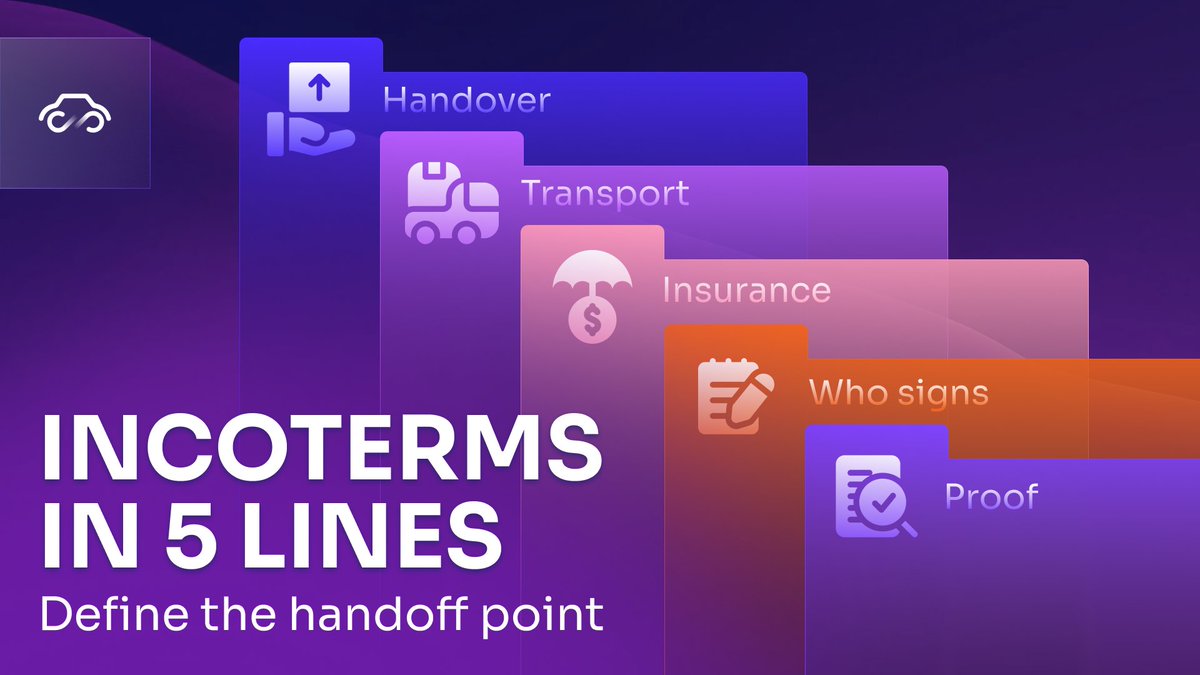
🚚 𝗜𝗻𝗰𝗼𝘁𝗲𝗿𝗺𝘀 𝗳𝗼𝗿 𝘃𝗲𝗵𝗶𝗰𝗹𝗲 𝗱𝗲𝗮𝗹𝘀 𝗶𝗻 𝟱 𝗹𝗶𝗻𝗲𝘀
Most deal friction comes from one ambiguity: who carries cost, risk, and paperwork at each handoff.
📍 𝗢𝗻𝗲 𝗾𝘂𝗲𝘀𝘁𝗶𝗼𝗻 𝗜𝗻𝗰𝗼𝘁𝗲𝗿𝗺𝘀 𝗮𝗻𝘀𝘄𝗲𝗿
At what point does responsibility switch from seller to buyer? If you can’t point to a location, you’ll argue later.
🚚 𝗣𝗮𝗶𝗿 𝘁𝗵𝗲 𝘁𝗲𝗿𝗺 𝘄𝗶𝘁𝗵 𝗲𝘅𝗲𝗰𝘂𝘁𝗶𝗼𝗻
Who books the carrier, who insures the leg, and who signs the delivery receipt? Incoterms work only when roles are named.
🧾 𝗪𝗿𝗶𝘁𝗲 𝗶𝘀 𝗮𝘀 𝟱 𝗹𝗶𝗻𝗲𝘀
Term + handover point + logistics owner + insurance owner + required proof. Infrastructure can turn that checklist into auditable steps. Clear terms reduce disputes before they start.
English
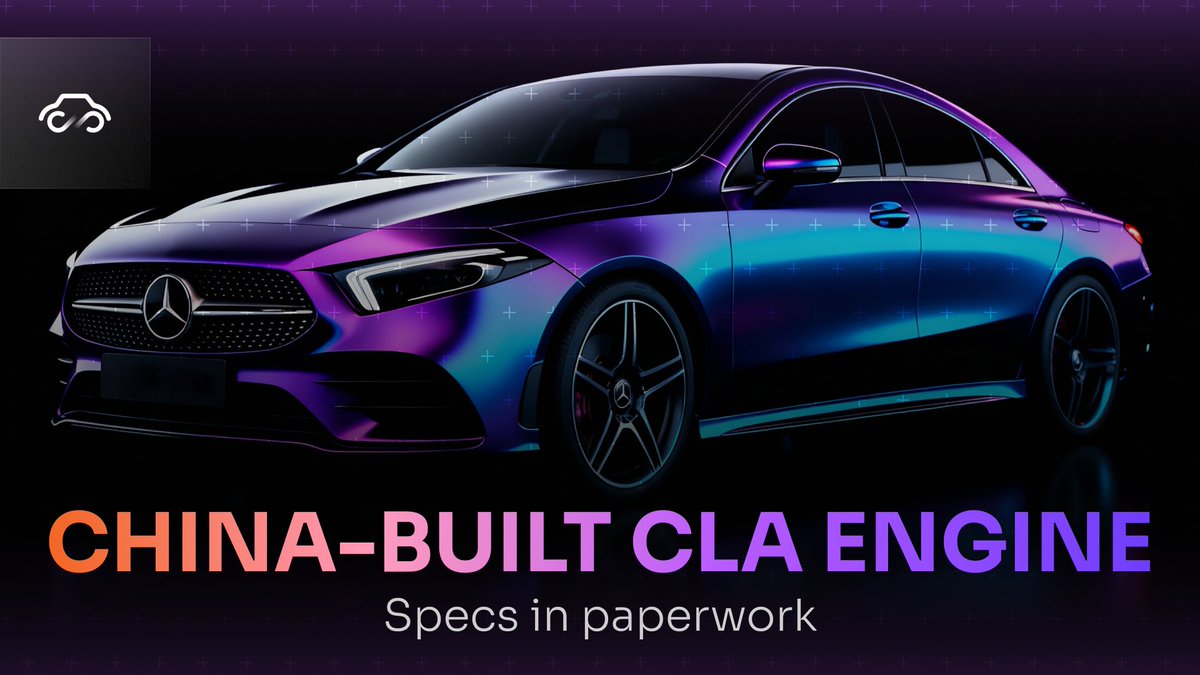
📰 𝗠𝗲𝗿𝗰𝗲𝗱𝗲𝘀 𝗖𝗟𝗔 𝟮𝟮𝟬 𝗵𝘆𝗯𝗿𝗶𝗱 — 𝗠𝟮𝟱𝟮 𝟭.𝟱𝗧 𝗰𝗼-𝗱𝗲𝘃𝗲𝗹𝗼𝗽𝗲𝗱 𝘄𝗶𝘁𝗵 𝗚𝗲𝗲𝗹𝘆
A new report says Mercedes-Benz has clarified powertrain details for the production-spec 2026 CLA 220 hybrid, building on technical info that surfaced earlier in 2025.
🏭 The M252 1.5L turbo is described as co-developed by Mercedes-Benz and Geely:
Mercedes provides the engine architecture and design standards, while Geely contributes engineering development and manufacturing in China (reported via IT-home).
⚡ 𝗧𝗵𝗲 𝟰𝟴𝗩 𝗵𝘆𝗯𝗿𝗶𝗱 𝘀𝗲𝘁𝘂𝗽 𝗱𝗲𝘁𝗮𝗶𝗹𝘀 (𝗿𝗲𝗽𝗼𝗿𝘁𝗲𝗱):
30 hp / 200 Nm e-motor inside an 8F-eDCT transmission
1.3 kWh compact battery
Pure-electric operation below 27 hp demand, coasting up to 97 km/h
Energy recovery across all 8 gears, up to 25 kW max
📊 𝗢𝘂𝘁𝗽𝘂𝘁 & 𝗽𝗲𝗿𝗳𝗼𝗿𝗺𝗮𝗻𝗰𝗲 𝗳𝗶𝗴𝘂𝗿𝗲𝘀 (𝗿𝗲𝗽𝗼𝗿𝘁𝗲𝗱):
188 hp from the ICE, 208 hp combined
380 Nm peak torque, top speed 210 km/h
~1,630 kg, 0–60 mph in 7.1s
🔎 𝗪𝗵𝗮𝘁 𝘁𝗵𝗶𝘀 𝗰𝗵𝗮𝗻𝗴𝗲𝘀 𝗳𝗼𝗿 𝗰𝗿𝗼𝘀𝘀-𝗯𝗼𝗿𝗱𝗲𝗿 𝗱𝗲𝗮𝗹𝘀
When the same model ties together multi-country engineering + manufacturing, variant-level specs become part of the trade packet: exact powertrain code, origin references, and emissions-related fields need to match the delivered unit.
English