पिन किया गया ट्वीट
Yowela
11.9K posts




@Yowela_Chomba I swear. Using my government names in full but no ka sumthing.
English
I always tease my Granny about this. Only way I get to keep her quiet. 🤣🤣
Mwanamukazhi@kasubasikamo_
@DavidKa07247477 Ignorance.
English
Yowela रीट्वीट किया

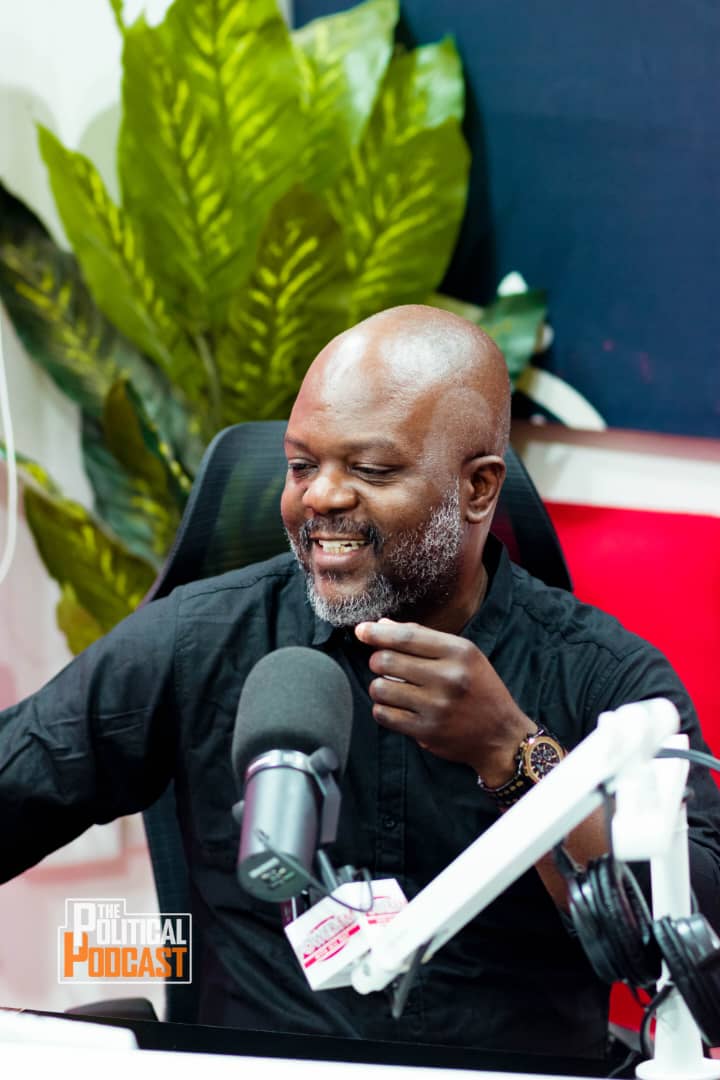
Tune into the kenny T Podcast thursday 11 a.m. it will be a proper #ThrowbackThursday

Zambia 🇿🇲 English
Yowela रीट्वीट किया

Dear Zambians,
Pick a team from the Zambian League and support it.
Almost every town in Zambia has a club you can relate to.
Buy match tickets and attend games at the stadium to help grow local football.
Be part of the solution instead of only criticizing the national team.
English

Yowela रीट्वीट किया

2026 Budget Speech Through the Lens of an Ordinary Zambian
The 2026 budget has been tabled and while the headline (K 253.1 billion) is big, what matters to most of us is how the numbers filter down to our kitchens, schools, clinics, and jobs.
These are some key allocations in the 2026 budget and what they could mean in real life:
🏫 Education – K 33.04 billion (13.0 % of total)
Of that, K 2.43 billion goes to school operations; K 2.29 billion for infrastructure; K 1.36 billion for student loans & scholarships.
More resources for classrooms, repairs, teacher support, and possibly fewer out-of-pocket costs for students. In rural areas, this could help bridge gaps in school facilities and reduce the burden on parents.
🏥 Health – K 26.17 billion (10.3 %)
K 6.40 billion for drugs and medical supplies; K 1.70 billion for health infrastructure; K 953 million for equipment; K 1.15 billion for hospital operations.
Better-equipped hospitals and clinics, fewer drug stockouts, improved access especially for rural communities. The addition of medical staff and infrastructure could cut waiting times and reduce travel distances for serious care.
🌾 Agriculture & Economic Affairs – K 58.65 billion (≈ 23.2 %)
Within this:
• K 15.54 billion to Agriculture, Fisheries & Livestock
• K 9.15 billion specifically for the Farmer Input Support Programme (FISP)
• K 14.5 billion for road construction and rehabilitation
Subsidized inputs (maize seed, fertilizer) could help farmers reduce costs and increase yield — which may help moderate staple food prices (mealie meal, etc.). Better roads reduce transport costs, making it cheaper to move goods from rural to urban markets and cut losses from spoilage.
💸 Debt Servicing – K 52 billion domestic interest + K 21.6658 billion external debt (interest & principal)
Combined, this is a heavy load.
Because a large chunk of revenue goes to servicing debt, less is available for frontline services. It also explains why taxes and borrowing remain significant pressures. It’s a reminder that macro-stability is essential for everyday costs like fuel and imports.
🛡 Social Protection – K 15.67 billion (6.2 %)
Includes K 7.65 billion for Social Cash Transfers, K 1.03 billion for Cash-for-Work, K 1.51 billion for the Food Security Pack.
Households under strain may receive direct support. For families struggling to buy food or meet basic needs, this could be a lifeline. The Food Security Pack also supports smallholder farmers in input access.
Putting It Together: What to Watch For
Food costs: If FISP and agriculture support are delivered well, they might cushion staple prices.
School & health quality: The allocations are higher than previously, but delivery (timing, oversight) will determine whether kids actually benefit in classrooms and patients in clinics.
Job prospects: Investment in roads, agriculture, and value-chain support can open up opportunities, especially in rural zones.
Currency and inflation: The heavy debt burden and external obligations mean that shocks (like fuel price swings or external demand drops) may still feed through to inflation and exchange rate pressures.
Disclaimer: The views expressed here are my personal opinions and not those of my employer or any affiliated organization.
@mofnpzambia
@MrsHichilema
@HHichilema
#natashalloyd #economy #nationalbudget2026 #NationalBudget #Zambia

English