
Eva J. Koulouriotis | إيفا كولوريوتي

8.1K posts

Eva J. Koulouriotis | إيفا كولوريوتي banner
Eva J. Koulouriotis | إيفا كولوريوتي

Eva J. Koulouriotis | إيفا كولوريوتي

@evacool_

Middle East Expert | Jihadist groups. Bylines @AFP @AJArabic @AlQudsAlarabi, @The_NewArab, @Syriawise, @Arabnews. For enquiries: [email protected]

Greece शामिल हुए Haziran 2009
384 फ़ॉलोइंग12.4K फ़ॉलोवर्स
Eva J. Koulouriotis | إيفا كولوريوتي
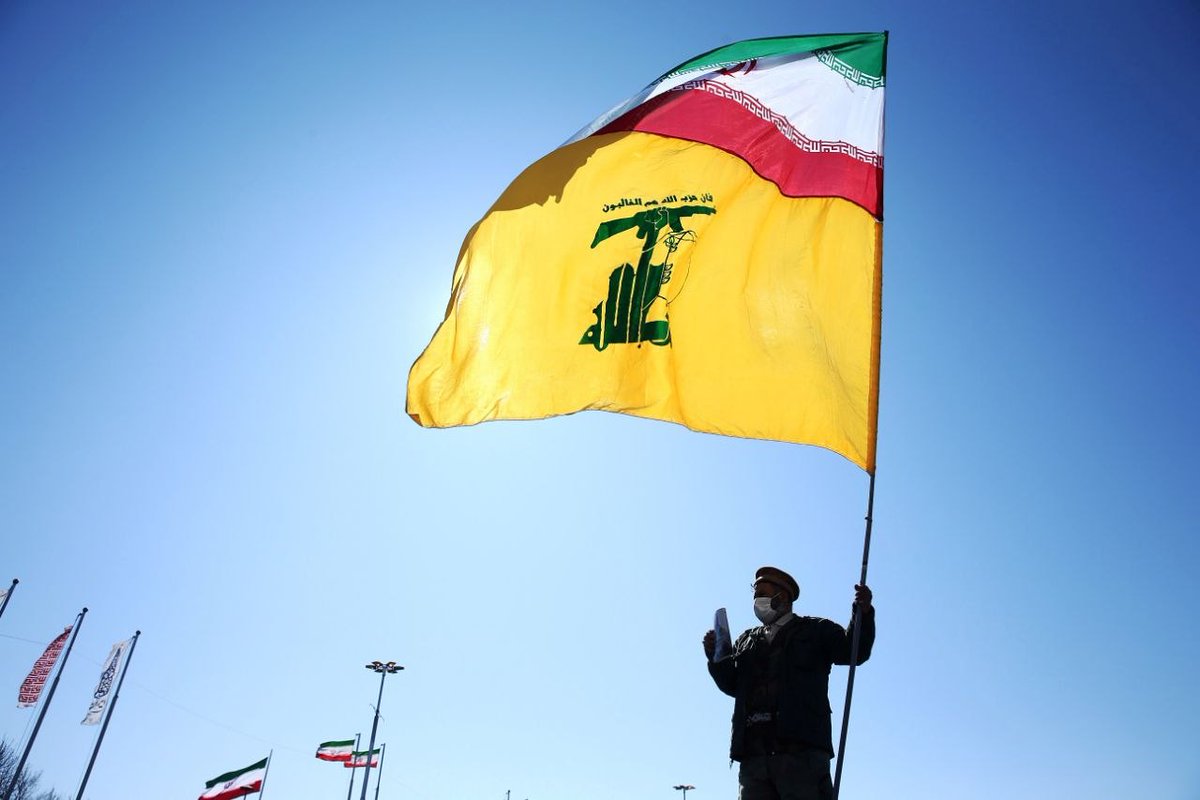
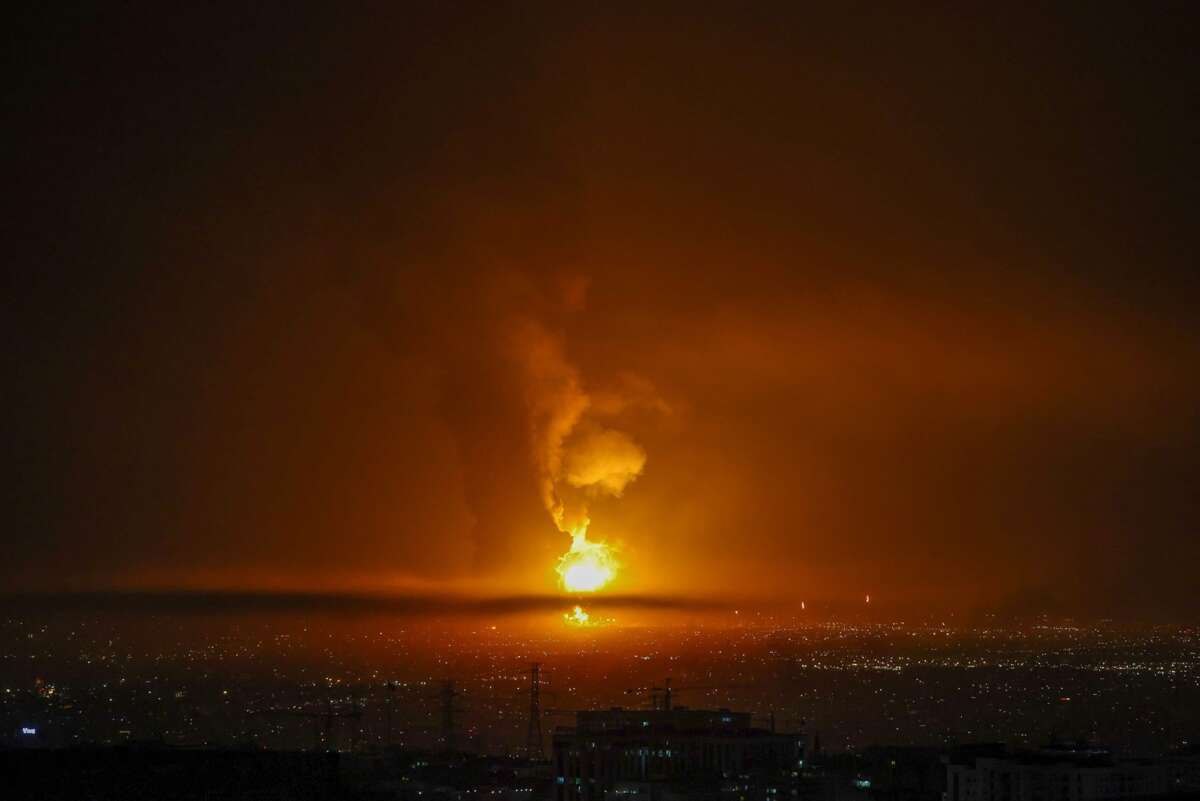
🧵Thread More than three weeks after the start of the American-Israeli war on Iran, the sound of mutual bombardment still dominates the scene. Despite assurances of the possibility of diplomatic talks in Pakistan, it is too early to take these negotiations seriously. While Iranian territory remains in focus, three other arenas linked to the conflict will be affected by the changes that will come with the end of this war. A military and political analysis of the Lebanese, Iraqi, and Yemeni arenas, before, during, and after the war. 1/
Eva J. Koulouriotis | إيفا كولوريوتي tweet media
English
2
7
20
3.6K
Eva J. Koulouriotis | إيفا كولوريوتي
The bottom line: Despite Trump's optimistic statements regarding the end of the war and the negotiations, what is being reported about Iran's conditions for ending the war and about the Israeli and American demands makes it unlikely that the two sides will reach a common ground to end the war at the current time. Moreover, the arrival of additional American ground special forces to the region indicates that an escalation of the American-Israeli military campaign is the reality, which will likely target two islands: the first is Qeshm Island to secure the Strait of Hormuz, and the second is the strategic Kharg Island to control the export of Iranian oil and gas. Returning to the militias in the region, Hezbollah is fighting on the southern Litani River front while keeping a watchful eye on the Syrian border and the eastern Mediterranean. In Iraq, the increase in airstrikes and assassinations in recent days is, in my opinion, the beginning of something bigger. As for the Houthis, the coming days are decisive. Either the militia will participate in the war after the US and Israel direct strikes against energy sources in Iran, or we are indeed facing a fateful decision for the militia leadership to break free from Iranian protection. The war is still full of potential surprises, and the list of countries involved may yet expand.🧵
English
1
0
8
530
Eva J. Koulouriotis | إيفا كولوريوتي
Here, as observers, we find ourselves facing two possibilities: The first is that the Houthis are waiting for orders from the IRGC leadership to intervene at the appropriate time. Based on my reading of the militia's vision, it would be tasked with managing three fronts: first, by reimposing a blockade on the Bab al-Mandab Strait; second, by launching missile and drone attacks against Israeli territory to exhaust Israeli air defenses; and third, by targeting American bases in Saudi Arabia and the United Arab Emirates, as well as striking Saudi Aramco facilities and oil fields in Saudi Arabia. However, if this is indeed an Iranian decision, it is an illogical one. Tehran today is in urgent need of raising the cost of war on Washington, Israel, and the Gulf states. Any delay may work against its interests and would give Israel and the US more operational freedom in their war on Iranian territory, while the focus of the IDF remains on the Lebanese and Iranian fronts. The second possibility is that the Houthi militia leadership has made an internal decision not to engage in the current war despite Iranian pressures. This decision may be considered a betrayal of Tehran. The justification for this step is that the Houthi leadership believes that Tehran, having acted as a bystander during the "support war" for Gaza, will also remain as a bystander if the Houthis face a new military campaign. Therefore, the militia may prefer to preserve its military capabilities and shield itself from the repercussions of the current war. From a practical standpoint, this is a logical decision. However, the militia's past positions and its military, political, and ideological ties with Iran and the IRGC make it difficult for them to remain neutral in this war, which, as described in a statement by the Kataib Hezbollah militia in Iraq two days ago, is a decisive one. The statement called on all anti-Washington militias worldwide to join the fight. Therefore, this statement may be directed specifically at the Houthi militia. So, if the Houthis continue to stay out of the conflict, it could indicate a deliberate attempt to distance themselves from Iran, effectively signaling a break that can be interpreted as a betrayal of Tehran. 9/
English
2
0
7
596
Eva J. Koulouriotis | إيفا كولوريوتي
🧵Thead About two weeks after the start of the American-Israeli war against the Iranian regime, the scene remains unclear. Despite the killing of its Supreme Leader, It does not appear that the Islamic Republic's system is close to collapse, nor does it seem that the two allies in Washington and Jerusalem have finished delivering blows on the military, security, and economic levels. A calm analysis of the unfolding events in Tehran, Jerusalem, and Washington, and the prospects for both military and diplomatic solution. 1/
Eva J. Koulouriotis | إيفا كولوريوتي tweet mediaEva J. Koulouriotis | إيفا كولوريوتي tweet media
English
4
16
50
35.8K
Eva J. Koulouriotis | إيفا كولوريوتي
In his first message, delivered in written, Mojtaba Khamenei revealed what we, as observers, already knew: a hardline, religious-military mindset. The statement contained no indication of peace or diplomacy; rather, it reiterated the IRGC leadership's threatening rhetoric against America, Israel, and the Gulf states. Amidst doubts about whether Mojtaba is alive or dead, the conclusion is the same: Tehran today is no longer the same pragmatist and patient Tehran it once was. It has reverted to the mentality of the early days of the Islamic Revolution. Victory, in their view, is no longer about preserving interests and achieving gains, but about striking enemies, creating pain, and inflicting the greatest possible losses upon them. With such a mindset, the diplomatic path becomes almost invisible. Meanwhile, in Israel, Netanyahu awaits a whisper from the Mossad and military intelligence leadership to reinvigorate the war effort, while his eyes are fixed on areas north of the Litani River in Lebanon and Sana'a. In Washington, Trump is looking toward his generals with anticipation. The file of a ground operation, which he does not want, has now moved closer to his desk. In his other hand holds the file of ending the ninth war since the start of his second term. In the language of America it is called "The Epic War of Fury", in the language of Israel “The Roar of the Lion,” and in the language of Iran “True Promise 4.” Yet, in my view, it is "The Great Middle East war", one that will change the face of the entire region. 🧵
English
2
2
16
1.3K
Eva J. Koulouriotis | إيفا كولوريوتي
Today the fronts have become clearer. Yes, Netanyahu's administration was expecting Iranian missile and drone attacks similar to the 12-day war. Netanyahu also knew that Hezbollah would participate in this war, and therefore Israel would have to fight on several fronts. However, the situation in Tehran does not appear sufficient for Netanyahu's aspirations. Regime change there remains an Israeli objective, even if it means more days and weeks of war. Therefore, Netanyahu must put a new card on the table that gives the Israeli-American offensive a new positive momentum as soon as possible. He knows that the growing scepticism in Washington may push Trump to end the war, so the new card may buy him more time and keep morale high within the Israeli society, which has begun to grow tired of the atmosphere of alert. 10/
English
1
2
8
1.4K