Guillaume Gouges

6.8K posts

Guillaume Gouges banner
Guillaume Gouges

Guillaume Gouges

@guillaumegouges

Editor in Chief l Author l Indian Ocean geopolitics & strategic affairs analysis. #Mauritius

Mauritius शामिल हुए Kasım 2008
847 फ़ॉलोइंग1.6K फ़ॉलोवर्स
Guillaume Gouges
Guillaume Gouges@guillaumegouges·
· On the night of March 19–20, 2026, Iran launched two ballistic missiles towards Diego Garcia, in the Chagos Archipelago. A major escalation… that has largely flown under the radar. · The Mauritian government reacted by publishing an official communiqué, expressing its “utmost concern” and condemning what it described as a “grave violation of international law.” · Port Louis also called for an immediate de-escalation, stressing that rising tensions threaten peace, security, and stability in the Indian Ocean. · Why is Diego Garcia so strategic? Because it hosts a key U.S. military base, used for operations in the Middle East and Asia. A critical node in Western military power projection. · By targeting Diego Garcia—even symbolically—Tehran is sending a clear message: no U.S. strategic asset is out of reach and tensions are no longer confined to the Middle East · For Mauritius, the situation is complex. The country claims sovereignty over the Chagos Archipelago, yet the base remains under U.S.-U.K. control. This incident revives a sensitive question: who controls—and protects—what? · Middle East tensions are now spilling over far beyond the region. The Indian Ocean is increasingly becoming a theatre of indirect confrontation. · Another key signal: Iran is testing red lines without triggering full-scale war. A strategy of “peripheral pressure” — projecting power while avoiding direct confrontation. · Immediate risks: - Increased militarisation of the Indian Ocean - Strengthening of military alliances - Growing diplomatic pressure on regional states, including Mauritius · Medium-term implications: - Intensifying great power rivalry (U.S., China, India) - Strategic reshaping of maritime routes - Expansion of military presence across the region · Mauritius calls for dialogue and respect for sovereignty. But one question remains: can neutrality survive in an increasingly strategic battleground? · What we are witnessing may go far beyond an isolated incident. It could signal a deeper shift:the Indian Ocean emerging as a new global geopolitical front.
Guillaume Gouges tweet media
English
0
0
0
38
Guillaume Gouges
Guillaume Gouges@guillaumegouges·
· Séisme politique à Maurice : Paul Bérenger démissionne de son poste de Vice-Premier ministre. Une décision lourde de conséquences pour l’équilibre au sommet de l’État. · Le Premier ministre Navin Ramgoolam s’est dit “triste”. Il affirme avoir multiplié les efforts depuis novembre 2024 pour préserver l’alliance. Des désaccords… pourtant jugés “non graves”. · Alors pourquoi cette rupture ? Ramgoolam évoque des tensions liées au fonctionnement interne. Critiques publiques de ministres, manquements à la discipline collective, et fuites présumées. · Point essentiel : il ne s’agit pas d’un désaccord idéologique majeur. La crise semble avant tout institutionnelle et relationnelle. · Mi-mars marque le tournant. Les échanges se tendent, les critiques s’accumulent en interne. Certains estiment même que Bérenger “embarrassait” le gouvernement. · Fait révélateur : Ramgoolam dit avoir conseillé à Bérenger de ne pas démissionner. Mais la décision était déjà prise. La rupture était inévitable. · Côté communication, l’exécutif rassure. :“l’Alliance du changement reste intacte”. Le Mouvement militant mauricien reste au gouvernement. · Mais en réalité, l’équilibre est fragilisé. L’absence de remplaçant immédiat interroge. Ramgoolam affirme ne pas être pressé de nommer un nouveau Deputy PM. · Le contexte rend la situation encore plus sensible. Maurice évolue dans un environnement international instable. Entre tensions économiques et crises géopolitiques. · En toile de fond : la stabilité politique reste clé pour la crédibilité du pays. Investissements, confiance, gouvernance… tout est lié.
Français
0
1
1
65
Guillaume Gouges
Guillaume Gouges@guillaumegouges·
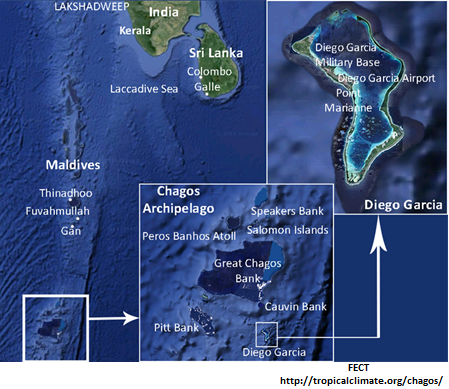
· A new twist in the Chagos Islands saga: reports suggest Donald Trumpcould consider buying the archipelago if the UK–Mauritius deal collapses. Far-fetched? Maybe. But not impossible—and geopolitically revealing. · At the heart of the issue: the Chagos Islands, a remote archipelago in the Indian Ocean. Strategically vital, they host the Diego Garcia base—one of the most important US military hubs globally. · In 2024, the UK agreed in principle to transfer sovereignty to Mauritius, following a 2019 advisory opinion by the International Court of Justice backing Mauritian claims. · The deal is complex: Mauritius gains sovereignty, the UK/US lease back Diego Garcia for ~99 years and significant financial compensation involved. It’s a legal fix… but also a geopolitical balancing act. · Enter Trump. He has publicly slammed the plan, calling it a strategic mistake and questioning why the UK would “give away” such a critical military asset. · Now, according to reports, some US officials say a more radical option isn’t off the table: The US purchasing the islands outright if negotiations fail. Unlikely—but telling. · For Mauritius, this is about long-standing sovereignty and decolonization. For the UK: legal pressure + alliance management. For the US: pure strategy—Diego Garcia is too valuable to lose influence over. · Bottom line: a US “purchase” of the Chagos Islands may never happen. But the fact it’s even being discussed shows how high the stakes are—and how fragile the current deal really is.
English
0
0
0
42
Guillaume Gouges
Guillaume Gouges@guillaumegouges·
@thomas_guenole Vous avez la capacité de raisonnement d’un mollusque… mais sans la coquille pour vous protéger.
Français
0
0
0
12
Dr Thomas Guénolé
Dr Thomas Guénolé@thomas_guenole·
#Israel "Si vous me dites que c'est très bien d'avoir tué l'ayatollah Khamenei, chef d'Etat de l'#Iran, parce qu'il a fait des milliers de morts, dans ce cas-là vous êtes en train de m'expliquer qu'on peut légitimement tuer #Netanyahu, parce qu'il a fait des milliers de morts à Gaza ?" @sashaelbaz @ftapiro
Français
1K
3K
11.2K
374.9K
Guillaume Gouges
Guillaume Gouges@guillaumegouges·
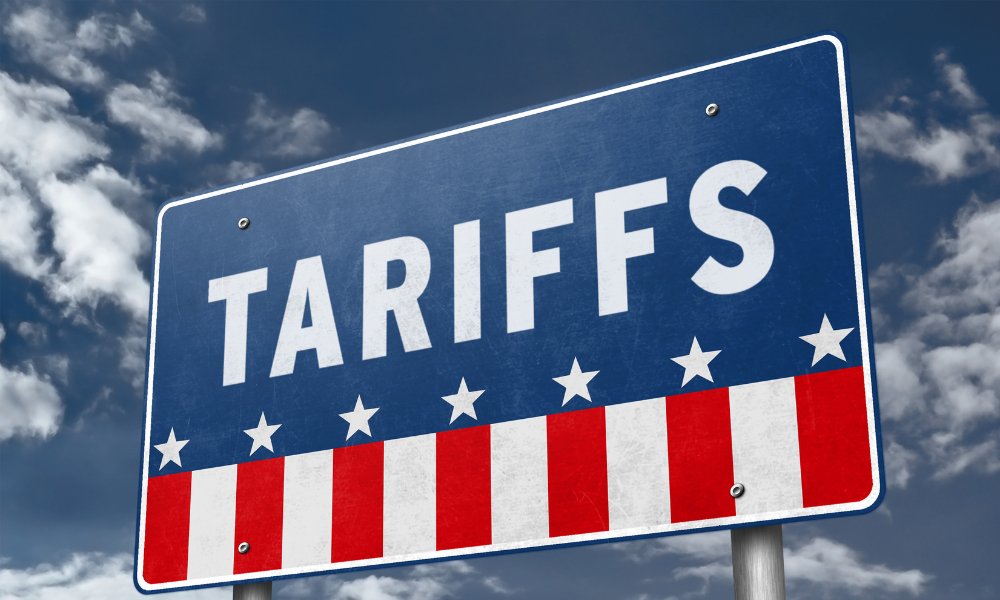
· Starting May 1st, China will scrap all tariffs on imports from 53 African countries. That’s practically the entire continent. This is not just trade policy. It’s geopolitics. · Countries included: South Africa, Nigeria, Kenya, Egypt, Morocco, Mauritius, Ghana, Ethiopia, Tanzania… 53 out of 54 African nations. A sweeping, continent-wide economic signal from Beijing. · This move didn’t happen in a vacuum. The US is moving in the opposite direction: imposing tariffs on some African goods and leaving the future of AGOA uncertain. A 25-year trade framework is now hanging by a thread. · China saw the opening — and moved fast. Trade between China and Africa hit nearly $350 billion last year. A record. · But here’s the imbalance: Africa runs a $102 billion trade deficit with China. The continent imports far more than it exports. · So why remove tariffs? Beijing is betting on: boosting African exports to China, deepening economic dependence and locking in long-term influence. · This is soft power through trade. Lower barriers today = stronger political and economic alignment tomorrow. · For African countries, this is both: an opportunity (market access) and a risk (structural dependency). · The bigger picture: a silent shift is underway. As the US hesitates, China is positioning itself as Africa’s primary economic partner. · Trade policy is no longer just about economics. It’s about shaping the future balance of power — and Africa is right at the center of it. #ChinaAfrica #Geopolitics #GlobalTrade #Africa #USChina #GeoEconomics #AfricanEconomy #TradePolicy #AGOA
Guillaume Gouges tweet media
English
0
0
0
50
Guillaume Gouges
Guillaume Gouges@guillaumegouges·
Madame Dati, Paris est plus grand que les clivages. Quand l’histoire s’accélère, les responsables politiques doivent savoir dépasser les lignes partisanes. Paris mérite une ambition, une vision et du courage. Allez au bout de ce combat. Faites alliance avec Knafo pour offrir un véritable choix aux Parisiens.
Français
5
1
4
391
Rachida Dati ن
Rachida Dati ن@datirachida·
Nous n’avons jamais été aussi proches de l’alternance à Paris. Chacun doit prendre ses responsabilités. J’y suis prête. J’ai parlé ce soir à @pybournazel pour lui proposer une liste d’union et l’emporter ensemble au second tour. Le temps est compté.
Français
949
428
2.4K
299.1K
Guillaume Gouges
Guillaume Gouges@guillaumegouges·
· The UK High Court has rejected a legal challenge against the UK–Mauritius agreement on the Chagos Archipelago — a key development in one of the longest-running decolonization disputes in the Indian Ocean. · The agreement would see the UK transfer sovereignty of the Chagos Islands to Mauritius while leasing back the strategic Diego Garcia base to the UK and US for 99 years. · Opponents of the deal, including Chagossian claimant Bertrice Pompe, argued that the agreement was reached without proper consultation with the Chagossian community. · However, Justice Mary Stacey ruled that the legal arguments raised had already been considered and rejected in previous English court cases. · In short: the High Court found no new legal basis to reopen the issue. · The decision removes, for now, a potential legal obstacle to the implementation of the UK–Mauritius deal. · The controversy is far from over. Critics in the UK and the US — including former US President Donald Trump — have questioned the agreement and its implications for the strategic Diego Garcia base. · But legally speaking, London’s courts have once again reaffirmed the UK government's authority to proceed with the arrangement. · For Mauritius, this ruling strengthens the path toward restoring sovereignty over the Chagos Archipelago after decades of dispute. · Yet the broader geopolitical and humanitarian debates around Chagos — sovereignty, military strategy, and the rights of displaced Chagossians — are unlikely to disappear anytime soon.
Guillaume Gouges tweet media
English
0
1
1
91
Guillaume Gouges
Guillaume Gouges@guillaumegouges·
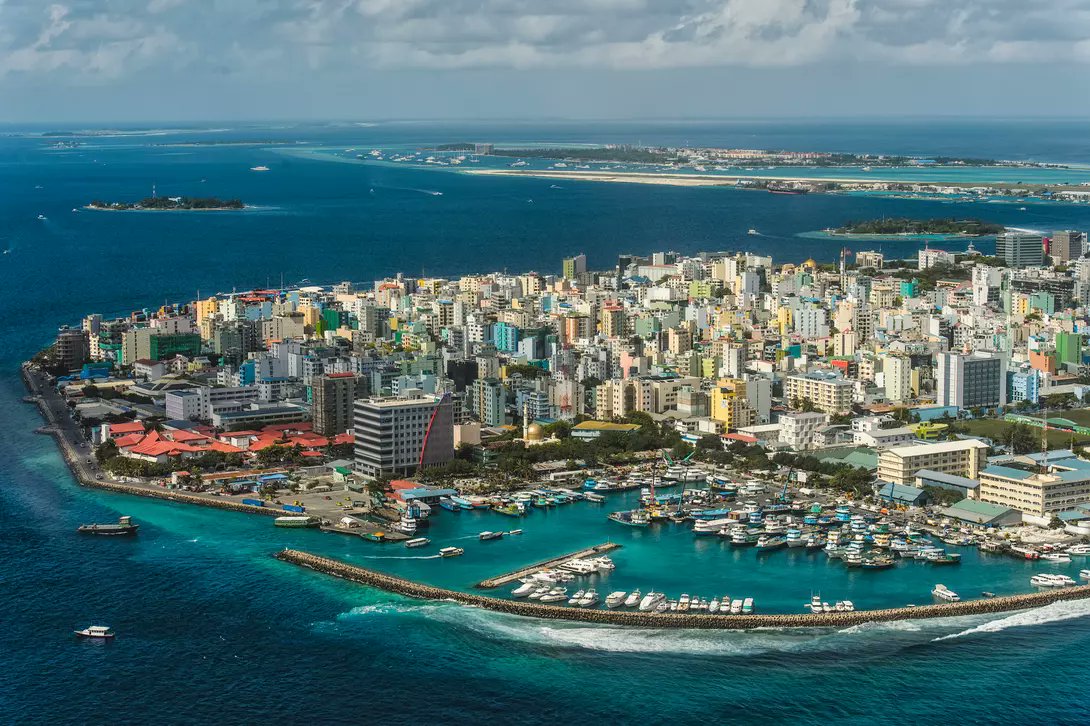
· On Feb 27, 2026, Mauritius suspended diplomatic relations with the Maldives after Male refused to recognize Mauritian sovereignty over the Chagos Archipelago. · The dispute stems from the 2025 UK–Mauritius agreement: London agreed to transfer sovereignty of the Chagos Archipelago to Mauritius while leasing back the strategic Diego Garcia base to the UK and US for 99 years. · This deal was supposed to close a long colonial chapter. Instead, it has opened a new geopolitical front in the Indian Ocean. · The turning point came when Maldivian President Mohamed Muizzu reversed the policy of his predecessor and withdrew recognition of Mauritian sovereignty over Chagos. · Muizzu argues the UK–Mauritius deal ignores Maldivian interests and overlaps with maritime zones that the Maldives considers part of its Exclusive Economic Zone (EEZ). · The dispute is not only political — it is maritime and strategic. Control of EEZ boundaries means access to fisheries, seabed resources, and influence over major sea lanes. · Ironically, earlier legal developments appeared to favor Mauritius. Between 2021 and 2023, international maritime rulings used Mauritius as the relevant coastal state when delimiting boundaries near Chagos. · The Maldives now rejects those interpretations and is preparing legal options that could include challenging the Chagos settlement before international courts. · On the ground, tensions are rising. Reports indicate the Maldives has increased coast guard patrols and drone surveillance in waters linked to the disputed maritime zones. · Mauritius responded forcefully. By suspending diplomatic relations, Port Louis signaled that the Maldivian position — denying Mauritian sovereignty over Chagos — is unacceptable. · This diplomatic rupture adds new uncertainty to a deal already under scrutiny internationally. The stakes are bigger than a bilateral dispute. The Chagos Archipelago hosts Diego Garcia, one of the most important US military bases in the Indo-Pacific. · Regional actors are watching closely. India, which supports Mauritian sovereignty over Chagos, is concerned about rising tensions in its maritime neighborhood. · Whether such a challenge materializes remains uncertain. But the diplomatic clash has clearly complicated the final settlement of the Chagos question. For Mauritius, the issue is about decolonization and sovereignty. For the Maldives, it is about maritime rights and regional influence.
Guillaume Gouges tweet media
English
0
0
1
79
Guillaume Gouges
Guillaume Gouges@guillaumegouges·
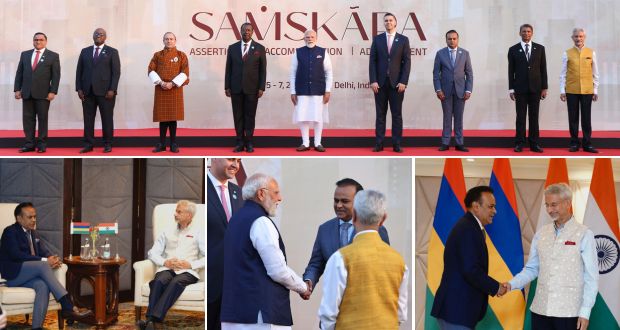
· The Raisina Dialoguewrapped up its 2026 edition in New Delhi this week. Often called India’s Davos of geopolitics, the forum brings together ministers, strategists and security officials from across the world. But one theme stood out this year: the future of the Indian Ocean. · The Indian Ocean is rapidly becoming one of the most strategic regions on Earth. It’s because it connects the world’s most critical trade corridors: Middle East energy exports, Asian manufacturing supply chains and European and African markets. In fact, nearly 80% of global seaborne oil trade passes through this ocean. · For India, the stakes are existential. About 90% of India’s trade by volume moves by sea. Control and stability in the Indian Ocean are therefore central to India’s security, economy, and geopolitical strategy. · At Raisina 2026, leaders from India, Australia, Sri Lanka, Mauritius and Seychelles discussed a central question: Can the Indian Ocean remain open, rules-based, and stable in an era of intensifying great power competition? The answer is far from certain. · Over the past decade, the region has seen a steady militarization. Major powers are expanding their presence: the US maintains bases such as Diego Garcia, China is expanding port access and naval reach and India is increasing maritime surveillance and partnerships. · Much of the debate focused on international maritime law, particularly the United Nations Convention on the Law of the Sea. UNCLOS remains the legal backbone governing navigation, maritime boundaries and resource rights. Smaller states see it as their primary protection against great power coercion. · Another major theme was the “Blue Economy.” Countries in the region want to develop sustainable fisheries, marine energy, seabed resources and maritime tourism. But doing so requires stable sea lanes and cooperative governance. · That is why regional frameworks were repeatedly highlighted: the Indian Ocean Rim Association (IORA), the Bay of Bengal Initiative for Multi‑Sectoral Technical and Economic Cooperation (BIMSTEC) and the Colombo Security Conclave. These mechanisms aim to coordinate security, trade, and maritime governance. · But the deeper strategic question remains: Will the Indian Ocean become a zone of cooperation or another arena of great power rivalry? The region sits directly between two major geopolitical theaters: the Middle East and the Indo-Pacific. · China’s growing maritime footprint is one of the central concerns. Through its “string of pearls” network of ports and logistics hubs, Beijing is steadily increasing its presence across the Indian Ocean. For India, this is both an economic and strategic challenge. · At the same time, the Indian Ocean is increasingly exposed to global shocks: disruptions in the Red Sea, tensions around the Strait of Hormuz, piracy and maritime security threats and climate risks affecting coastal economies. These pressures make regional cooperation more urgent. · One positive signal discussed at Raisina: connectivity recovery and trade resilience after years of pandemic and supply chain disruptions. Many regional states are diversifying trade routes and strengthening port infrastructure. The goal: make supply chains harder to disrupt. · For smaller island states like Mauritiusand Seychelles, the stakes are particularly high. Their economies depend on: maritime trade, fisheries, tourism, stable sea lanes. They are also increasingly active diplomatic players in regional security debates. · The bigger takeaway from Raisina Dialogue 2026: The Indian Ocean is no longer a quiet strategic backwater. It is becoming one of the central arenas of 21st-century geopolitics. Energy routes, naval power, trade flows and international law all converge here. · If the 20th century was shaped by the Atlantic and and the early 21st century by the Pacific, the next geopolitical frontier may well be the Indian Ocean. And the debates at Raisina suggest the competition for its future has already begun.
Guillaume Gouges tweet media
English
0
0
0
56
Guillaume Gouges
Guillaume Gouges@guillaumegouges·
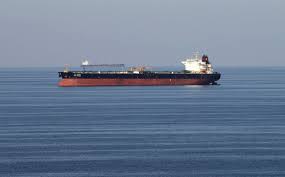
· The US just announced a $20B insurance backstop for oil tankers crossing the Strait of Hormuz. At first glance, it looks like a technical financial move. In reality, it reveals something deeper about how global trade and geopolitics actually work. · The Strait of Hormuz is the most important energy chokepoint on Earth.Every day, roughly: 20% of global oil consumption and 20% of global LNG exports pass through this narrow corridor between Iran and the Gulf. If Hormuz stops, the global economy feels it immediately. · Right now, tanker traffic has nearly collapsed. Normally around 100+ ships cross the strait daily. Last week: only about 19 vessels made the passage. That’s an 80%+ drop in maritime traffic. But here’s the key point: Iran didn’t formally close the Strait. · The shutdown came from risk markets. When war risk surged after US and Israeli strikes on Iran, maritime insurers withdrew coverage. And in global shipping there is a simple rule: No insurance → no sailing. · A modern oil tanker can be worth $100M–$200M. No shipping company will send that vessel into a war zone without coverage. So when insurers and reinsurers pull out, trade stops even if the waterway remains physically open. In practice, insurance markets can close a strait without firing a shot. · This is why the Trump administration launched a $20B reinsurance program through the U.S. International Development Finance Corporation. The goal is simple: Restore confidence so tankers return to Hormuz. The US is effectively becoming the insurer of last resort for global energy shipping. · But analysts warn that insurance is not the only problem. As shipping expert Matt Wright told CNBC, shipowners are primarily worried about physical security. Several tankers have already been attacked since the escalation with Iran. Insurance can offset financial risk. It cannot stop missiles or drones. · The geopolitical consequences are enormous. If Hormuz traffic remains disrupted, three players are immediately affected: Iran, China, and the Gulf oil producers. Each for different reasons. · For Iran, the situation is paradoxical. Almost all Iranian oil exports pass through Hormuz. If shipping collapses, Iran’s own oil revenue disappears. The “oil weapon” risks hurting Tehran as much as its rivals. · For China, the exposure is even larger. Beijing relies heavily on Gulf energy: ~40% of Chinese crude imports transit Hormuz and most Iranian oil exports ultimately go to China. A prolonged disruption would shake China’s energy security. · Then there are the Gulf states: Saudi Arabia, UAE, Qatar, Kuwait and Iraq. Together they export millions of barrels per day through Hormuz. There are very few alternative routes. If the strait freezes, the global energy system tightens overnight. · But the most interesting lesson here is structural. We tend to think geopolitics is controlled by: presidents, navies and missiles. Yet sometimes the real gatekeepers are financial systems. · About 90% of global shipping is insured through a handful of maritime insurance clubs, backed by reinsurance markets largely concentrated in London. When those markets decide the risk is too high: Ships stop moving. No blockade required. · That’s why the US had to intervene. Without insurance coverage, global energy trade simply halts, regardless of naval power. The Strait of Hormuz wasn’t closed by warships. It was closed by risk models. · The deeper lesson of this crisis: Modern geopolitics is not controlled only by states. It is shaped by systems : Energy systems, Insurance systems and Financial systems. Missiles create headlines. But sometimes, actuaries decide what actually moves across the world’s oceans. #IranWar
Guillaume Gouges tweet media
English
0
0
0
75
Guillaume Gouges
Guillaume Gouges@guillaumegouges·
· Mauritius is considering legal action against the UK over delays in the Chagos Islands agreement. This could turn a diplomatic negotiation into a major geopolitical dispute in the Indian Ocean. · The deal signed in 2025 was supposed to settle a decades-long dispute. Under the agreement, the UK would transfer sovereignty of the Chagos Islands to Mauritius and Britain and the US would continue operating the military base on Diego Garcia under a long-term lease. · For Mauritius, the agreement is not only symbolic. It also has major financial implications. Under the proposed treaty, the UK would pay around £170 million per year, potentially totaling £35 billion over a century. For a small island economy, this is a significant strategic resource. · But the ratification process in the UK has stalled, creating frustration in Port-Louis. Mauritian officials say there is “no visibility” on when the treaty will finally be approved by the British Parliament. Now the government is consulting international law firms. · Why the delay? Because the Chagos deal is not just a bilateral issue. It sits at the intersection of three strategic actors: the UK, the US and Mauritius. And Diego Garcia is one of the most important military bases in the world. · The situation became even more complicated after criticism from Donald Trump, who accused the UK government of limiting US military operations from Diego Garcia during recent strikes against Iran. This turned the Chagos deal into a domestic political issue in the US and the UK. · There is also another player entering the scene: the Maldives. Malé has signaled it may challenge the agreement legally, claiming that it has competing territorial rights over the archipelago. If that happens, the dispute could move to international courts again. · Mauritius already won a major legal victory in 2019 at the International Court of Justice, which ruled that the UK should end its administration of the islands. That ruling strengthened Mauritius’ position under international law. But enforcement has always depended on political negotiations. · So the key question now is simple: If the treaty collapses or continues to stall, will Mauritius return to international courts to force the issue? For small states, international law is often their main geopolitical leverage. · What happens next will determine the future of one of the most strategically important territories in the Indian Ocean. The Chagos issue is no longer just a colonial legacy dispute. It is now tied to great-power strategy, military access, and global security.
Guillaume Gouges tweet media
English
1
1
0
96
Guillaume Gouges
Guillaume Gouges@guillaumegouges·
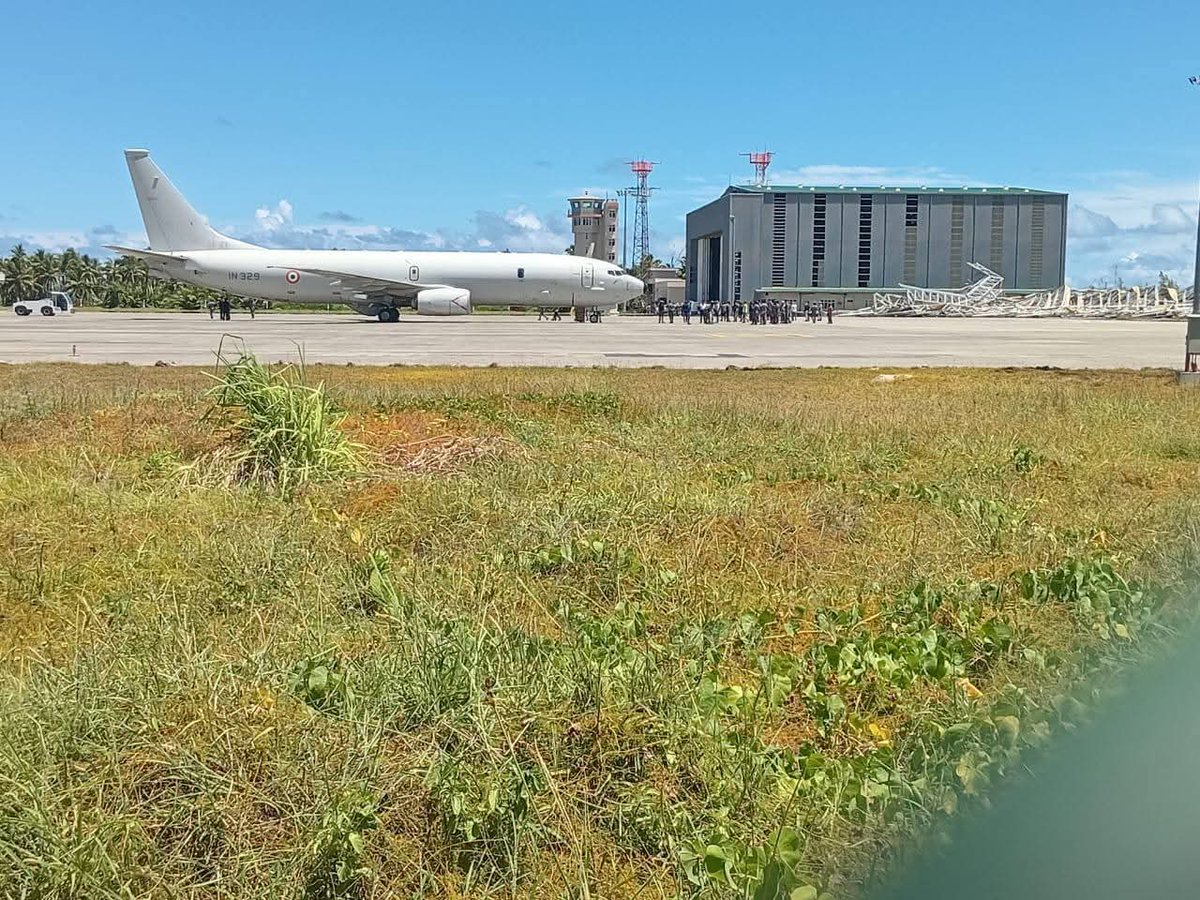
• Recent satellite imagery and defence reporting suggest the India-funded infrastructure on Agalega island is now largely operational. Quietly, this small Mauritian island is emerging as a new strategic node in the southwest Indian Ocean. • On 25 February 2026, an Indian Navy P-8I Poseidon maritime surveillance aircraft (callsign IN329) reportedly landed in Agaléga. For analysts, this is significant: it suggests the 3,000-metre runway is now operational for major military aircraft. • The P-8I Poseidon is not just another patrol aircraft. It is one of the world’s most advanced platforms for: anti-submarine warfare, maritime surveillance, intelligence gathering and long-range naval coordination. Operating it from Agaléga greatly expands India’s surveillance reach. • Alongside the runway, the island now has new jetty infrastructure capable of receiving naval vessels. Together, the airstrip and port effectively turn Agaléga into a forward operating site for Indian naval operations in the western Indian Ocean. • Officially, Mauritius insists Agaléga is not a military base. Authorities describe the project as dual-use infrastructure supporting: disaster relief, maritime security, medical evacuations and local economic development. But strategically, the implications are obvious. • Agalega sits close to key shipping lanes linking: the Persian Gulf, East Africa and South Asia. These routes carry a large share of the world’s oil and container traffic. Monitoring them is a strategic priority. • For India, the island helps close a critical surveillance gap. The southwest Indian Ocean has historically been outside India’s immediate monitoring range. With P-8I patrols from Agaléga, India can now track activity across: the Mozambique Channel, the western Indian Ocean and maritime traffic moving toward Africa. • The project fits India’s broader maritime doctrine: SAGAR — Security and Growth for All in the Region. The goal is to position India as the primary security provider across the Indian Ocean. • It also responds directly to China’s growing presence.Through the Belt and Road Initiative, Beijing has invested heavily in ports such as: Hambantota in Sri Lanka, Gwadar in Pakistan and its military base in Djibouti. India sees these developments as part of the “String of Pearls” strategy. • Agaléga also sits within a broader strategic geography. About 870 miles to the east lies Diego Garcia, the major US-UK military base in the Indian Ocean. Together, the two locations could provide overlapping surveillance across the central Indian Ocean. • The Indian Ocean is rapidly becoming a theatre of great-power competition. US-China rivalry, India’s regional ambitions, and tensions involving Iran are all increasing military activity across the region. • For Mauritius, this brings both opportunity and risk. The partnership with India strengthens maritime security — but it also places the country closer to the fault lines of Indo-Pacific geopolitics.
Guillaume Gouges tweet media
English
0
0
0
76
Guillaume Gouges
Guillaume Gouges@guillaumegouges·
The sinking of an Iranian warship by a U.S. submarine near Sri Lanka may mark a turning point for the strategic balance in the Indian Ocean. Here’s why: · On 4 March 2026, a U.S. submarine torpedoed the Iranian frigate IRIS Dena roughly 40 nautical miles south of Sri Lanka, killing dozens of sailors. This is the first time in decadesa submarine has sunk a surface warship in active conflict. · Until now, the confrontation between the U.S. and Iran had largely been confined to the Persian Gulf and the wider Middle East. This strike effectively extends the conflict into the Indian Ocean. · The waters around Sri Lanka sit close to one of the busiest sea lanes on Earth. Roughly two-thirds of global oil shipments and a huge share of Asia–Europe trade pass through the wider Indian Ocean maritime corridor. Any militarisation of this zone raises serious risks for global shipping. · There is also a great-power dimension. The Indian Ocean is already crowded with strategic actors: United States, India, China, France and Iran. This incident shows the region is no longer just a transit route — it is becoming an active theatre of military competition. · Worth noting: the Iranian warship had reportedly just taken part in a naval exercise in India before being struck while returning home. That means the incident occurred inside what India considers its strategic backyard. Expect Delhi to watch this closely. · Strategically, the message from Washington is clear: The U.S. Navy can strike Iranian forces far beyond the Gulf, anywhere across the wider Indo-Pacific maritime space. This demonstrates global reach and submarine dominance. · But the escalation risk is real. If the conflict continues expanding geographically, the Indian Ocean — long considered relatively stable — could become the next major maritime flashpoint. · The torpedoing of the IRIS Dena may be remembered as the moment when the U.S.–Iran conflict officially entered the Indian Ocean theatre. And that could reshape the region’s strategic landscape.
English
0
1
0
151
Guillaume Gouges
Guillaume Gouges@guillaumegouges·
@BFMTV D'où le qualiticatif "secret".
Republic of Mauritius 🇲🇺 Français
0
0
0
405
BFM
BFM@BFMTV·
Centre nucléaire secret en Iran: "Je n'ai jamais vu ce centre dans les dossiers de l’AIEA", déclare Emmanuelle Galichet, enseignante-chercheuse en physique nucléaire
Français
29
28
175
65.7K
Guillaume Gouges
Guillaume Gouges@guillaumegouges·
The islands also host Diego Garcia, a strategically critical U.S. military base. So any discussion about “giving it away” is tied directly to global security architecture and Western strategic interests.
English
0
0
1
52
Guillaume Gouges
Guillaume Gouges@guillaumegouges·
The UK separated the Chagos Islands from Mauritius in 1965, prior to Mauritian independence. Since then, the sovereignty of the territory has been contested, including at the UN and the International Court of Justice.
English
1
0
0
68
Guillaume Gouges
Guillaume Gouges@guillaumegouges·
Today, during a press conference with German Chancellor Friedrich Merz, Donald Trump reportedly referred to the Chagos Islands as the “stupid island that the UK gave away.”
English
1
0
0
148