dinda²⁷

480 posts

dinda²⁷ banner
dinda²⁷

dinda²⁷

@psyqool

Not really #studytwt account | Kode promo SoulMath: 273FDF

dream शामिल हुए Mart 2025
466 फ़ॉलोइंग497 फ़ॉलोवर्स
dinda²⁷ रीट्वीट किया
Adhin
Adhin@adnardn·
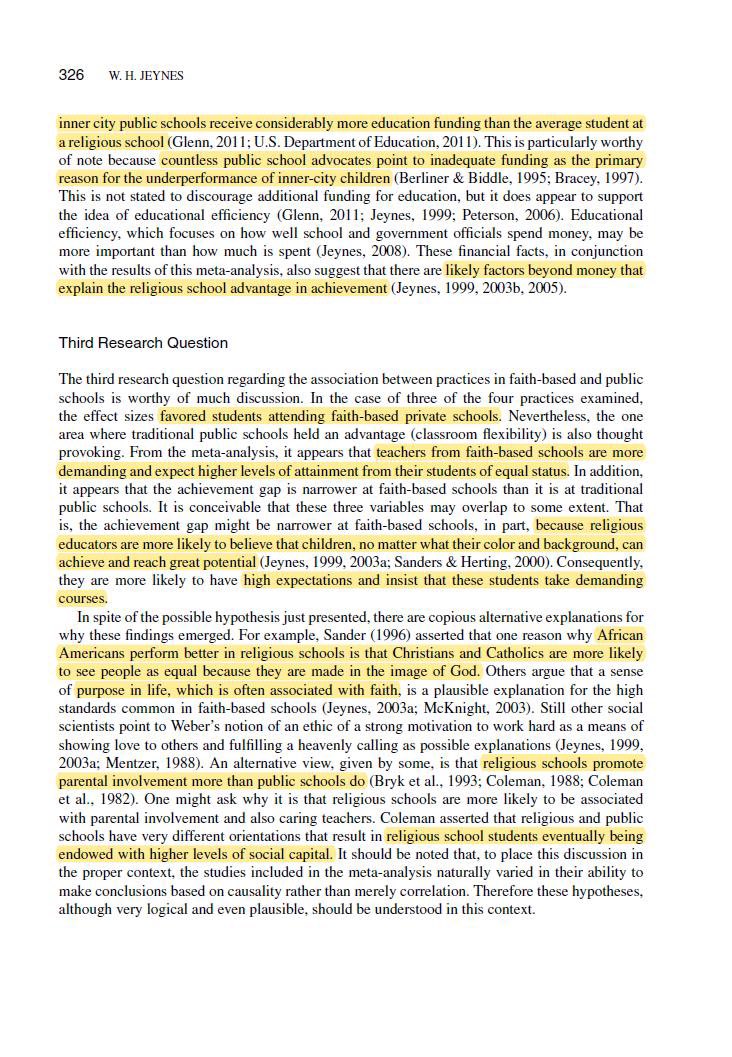
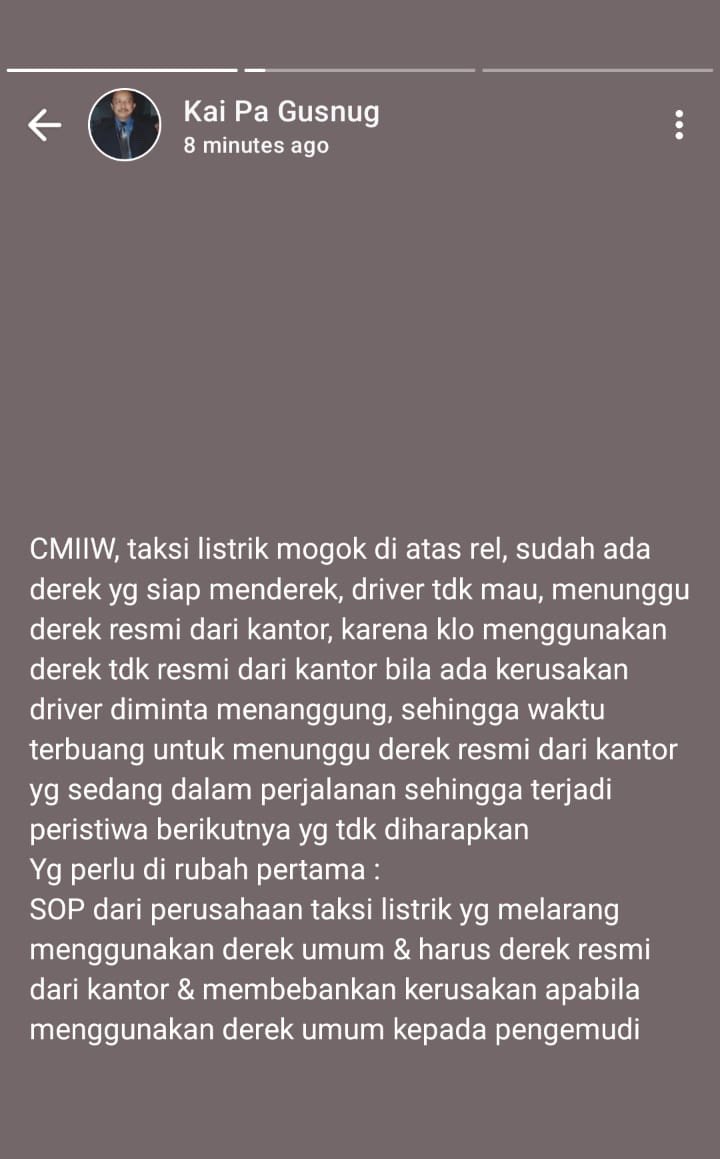
WA story salah satu pegawai KAI. Ini beneran?😮
Adhin tweet media
Indonesia
341
3.1K
17.4K
1.3M
dinda²⁷
dinda²⁷@psyqool·
Kemaren2 masi bisa all in belajar utbk karena online & selang seling masuk sekolah, skrg udah fullday sampe jam 5.30, mudahan Allah izinkan aku utk punya kapasitas belajar utbk😔
dinda²⁷ tweet media
Indonesia
1
0
3
53
dinda²⁷ रीट्वीट किया
Raden Muhammad Hadi
Raden Muhammad Hadi@hadimaster65555·
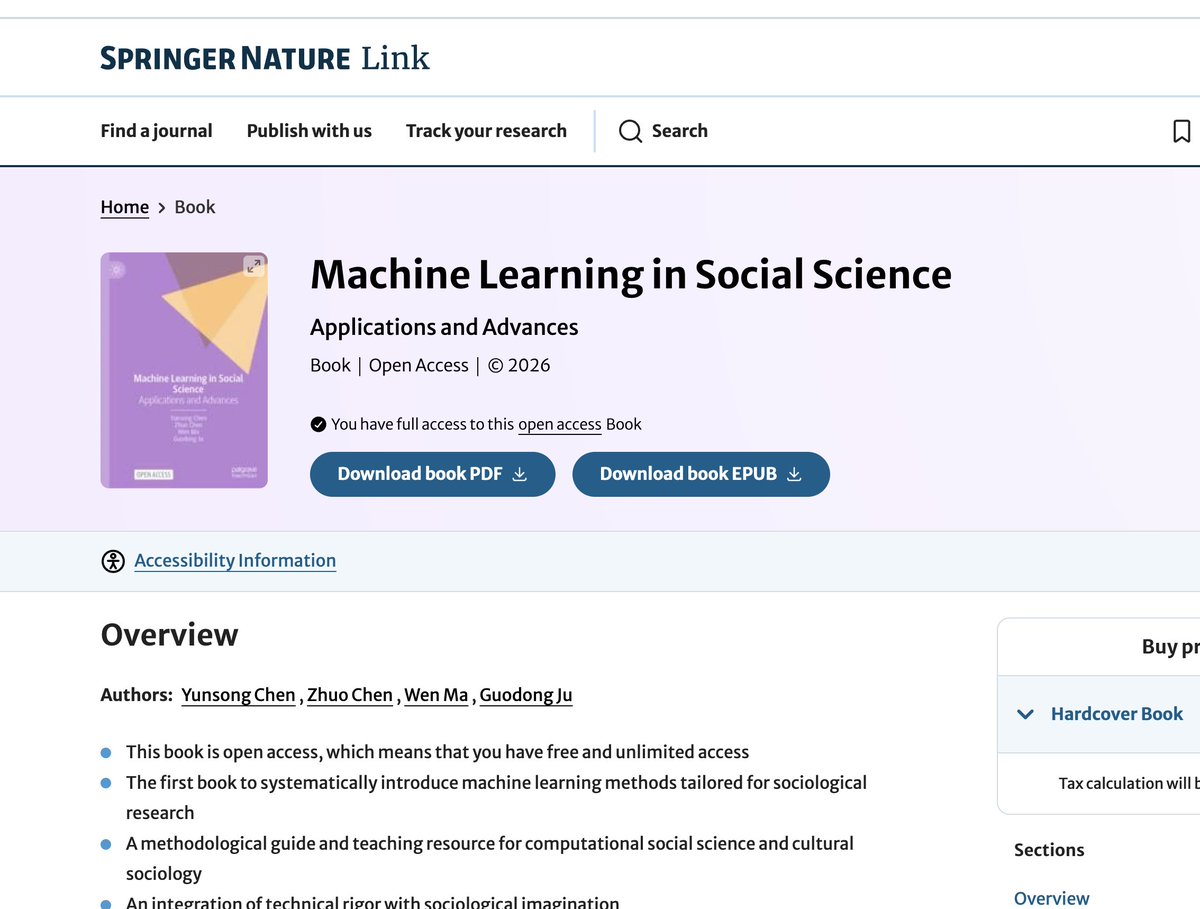
Buku sebagus ini dibagi cuma-cuma di Springer
Raden Muhammad Hadi tweet media
Indonesia
16
739
5.6K
101.4K
dinda²⁷
dinda²⁷@psyqool·
YG NOMOR 4😭 bru kali ini soal isian salah krn ganti jwbn, lebih kit heart drpd salah krn ganti jwbn pilgan😭
dinda²⁷ tweet media
Indonesia
0
0
0
29
dinda²⁷
dinda²⁷@psyqool·
Coba aja aku ga ganti jwbn pasti cuma salah 2 doang😭 (salah 4) 😭😭😭😭
Indonesia
1
0
0
81
dinda²⁷ रीट्वीट किया
Яizal do
Яizal do@afrkml·
Ada TUJUH tips nih kak biar ga ngantukan lagiii 1. Konsisten turu 7–8 jam semalem 2. Tidur & bangun di jam yg sama tiap hari 3. Berjemur sekitar pukul 7–9 pagi selama 10–20 menit aja 4. Olahraga 5. Jgn sarapan/makan siang tinggi karbo sederhana. Banyakin protein dan seratnya ajaa 6. Banyakin jalan kaki cepet & naik-turun tangga 7. Power Nap 20–30 menit pas jam istirahat Bisa ga yaa kira2 dilakuin rutin? Hehehe
ra ᡣ𐭩@matychayou

ini gimana ngilangin penyakit ngantukan

Indonesia
24
508
2.9K
63.8K
dinda²⁷ रीट्वीट किया
Knowledge Of Old📌
Knowledge Of Old📌@KnowledgeOfOld·
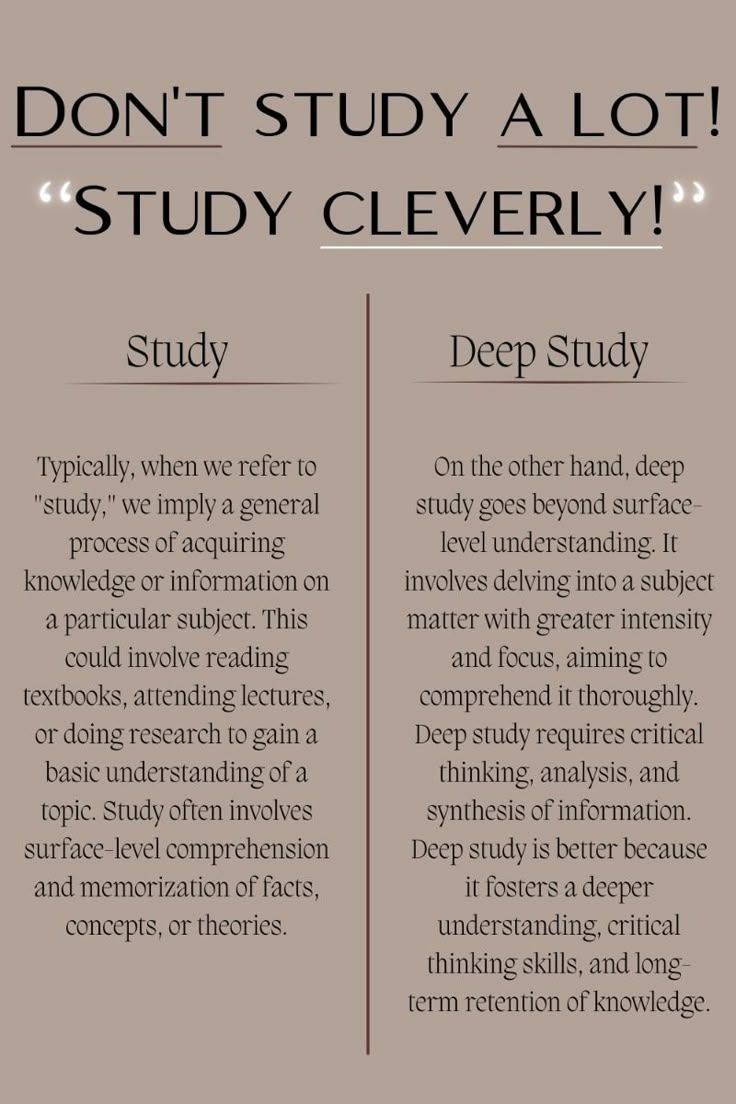
How to study cleverly 📌
Knowledge Of Old📌 tweet media
English
2
175
802
16.6K
dinda²⁷ रीट्वीट किया
BookNote
BookNote@BookNoteApp·
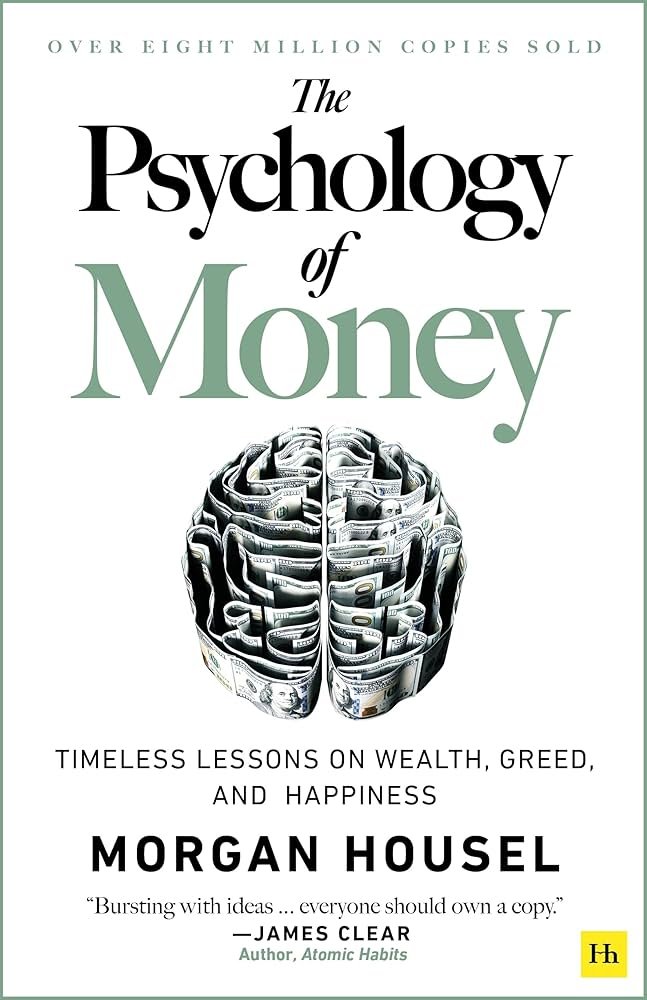
12 books to master 12 skills: 1) Personal Finance The Psychology of Money by Morgan Housel
BookNote tweet media
English
7
39
303
21.7K
dinda²⁷ रीट्वीट किया
Curious Minds
Curious Minds@CuriousMindsHub·
Watch these 7 Ted Talks in 7 Days to Change Your Life Forever
Curious Minds tweet media
English
4
375
1.4K
36K
aish²⁶
aish²⁶@psychologiq·
@psyqool KNP JADI GINI, MAKSUSNYA KNP TBTB SEMAK SEMAK
Indonesia
1
0
0
499
aish²⁶
aish²⁶@psychologiq·
jurusan another life ver gw 1. kriminologi ui 2. fttm, ga dibolehin teknik 💔 3. teknik geologi upnvj/ugm, sama kaya yg 2 4. geografi lingkungan ugm, bingung sbnrnya ini soshum apa saintek
rai@unregnik

jurusan another life ver gw 1. fk trs ambil forensik, tp kls 10 realize ak benci bio. SAMA BGT KAYA DIZA 2. psikoui, MY MIMPI BASAH 3. FTI-SP 4. FTMD 5. FTSL 6. Promed ui (lowkey naksir ini jurusan karena projek film di skolah)

Indonesia
127
560
8.8K
478.5K
kakuy²⁷ adkuy²⁷
kakuy²⁷ adkuy²⁷@nikmatibiru·
🦕 semangatin kitaa plss timan timun, besok ak && kakuyy ulangan kimiaa. semogaa nilainya 100 dan bisa membantai semua soal KIMIA 😈😈
Indonesia
9
0
5
227
dinda²⁷ रीट्वीट किया
Dr. Filippo Cademartiri
Dr. Filippo Cademartiri@FCademartiri·
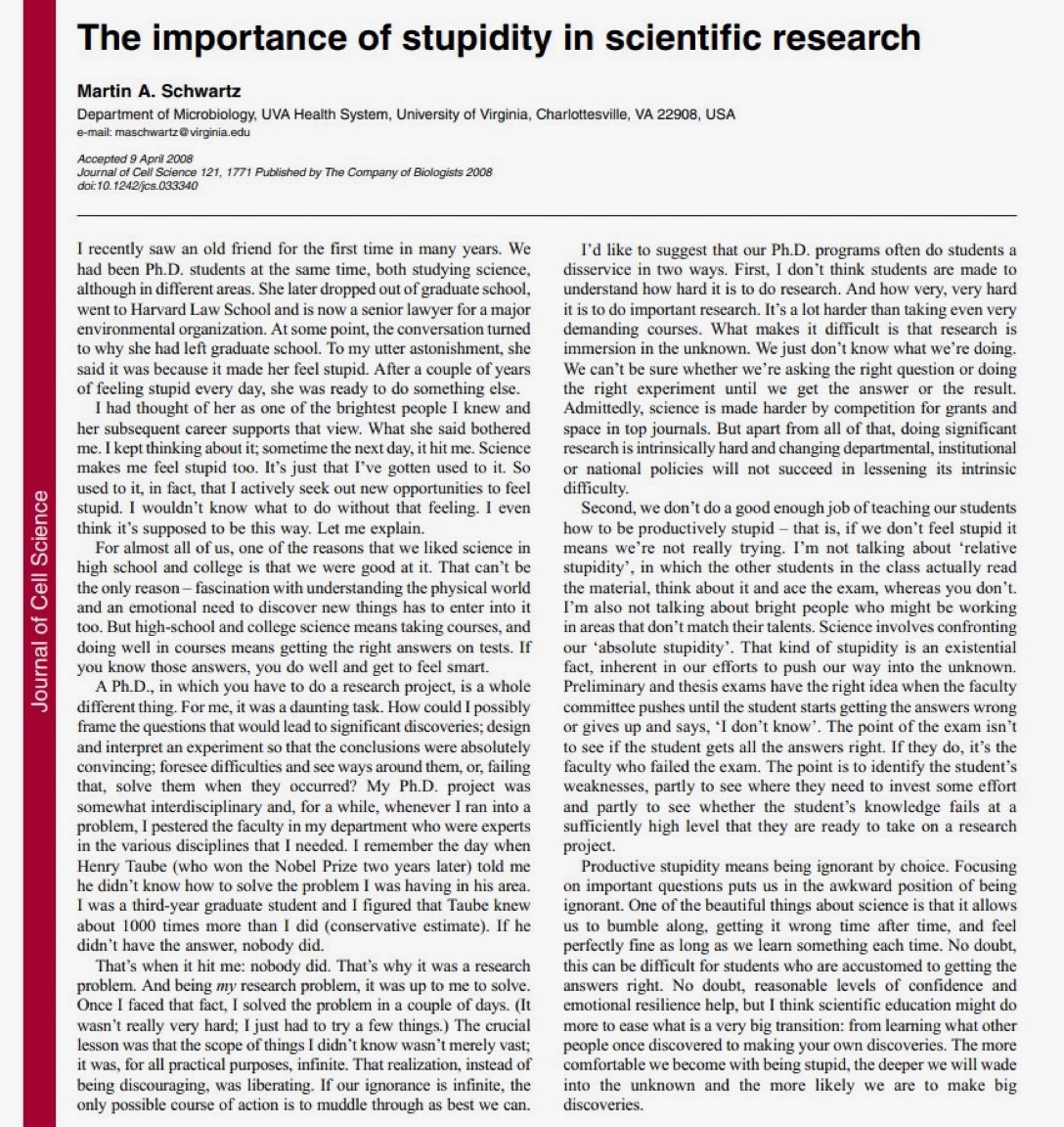
This article should be mandatory reading for every medical student, PhD candidate, researcher—and honestly, for anyone who mistakes expertise for certainty. “The importance of stupidity in scientific research” sounds provocative, almost offensive. But Martin Schwartz is not glorifying incompetence. He is describing the real operating system of discovery. Science is not built on knowing. Science is built on tolerating not knowing. That distinction matters. Most of education rewards correctness. School teaches us to answer. Exams reward speed, certainty, and precision. You feel intelligent when you get things right. Research is the opposite. Real research begins exactly where competence ends—at the frontier where nobody knows the answer, including the people you thought must know. That moment is psychologically brutal. You ask the expert. The expert shrugs. You assume you’re missing something. Then you realize: no—this is the work. You are not failing. You are standing at the actual boundary of knowledge. That feeling—“I must be stupid”—is often not a sign of inadequacy. It is often the first sign that you are finally asking an important question. Medicine struggles with this. We train doctors to avoid uncertainty, to fear being wrong, to perform confidence. But the best clinicians and the best scientists know how to sit inside ambiguity without collapsing into fake certainty. This is why AI in medicine also deserves caution. Systems trained only to reproduce established answers may become extraordinarily good at passing exams while being terrible at discovering what matters next. Guideline intelligence is not the same as scientific intelligence. Discovery requires productive stupidity: the willingness to stay with the uncomfortable, to look ignorant, to ask naïve questions, to be wrong repeatedly without protecting your ego. Most people want the authority of expertise. Very few want the humiliation required to earn it. But progress lives there. Not in certainty. Not in performance. Not in sounding smart. In the quiet discipline of saying: “I don’t know… yet.” And continuing anyway.
Dr. Filippo Cademartiri tweet media
English
34
535
1.4K
172.3K
dinda²⁷ रीट्वीट किया
liminal
liminal@Liminal1988·
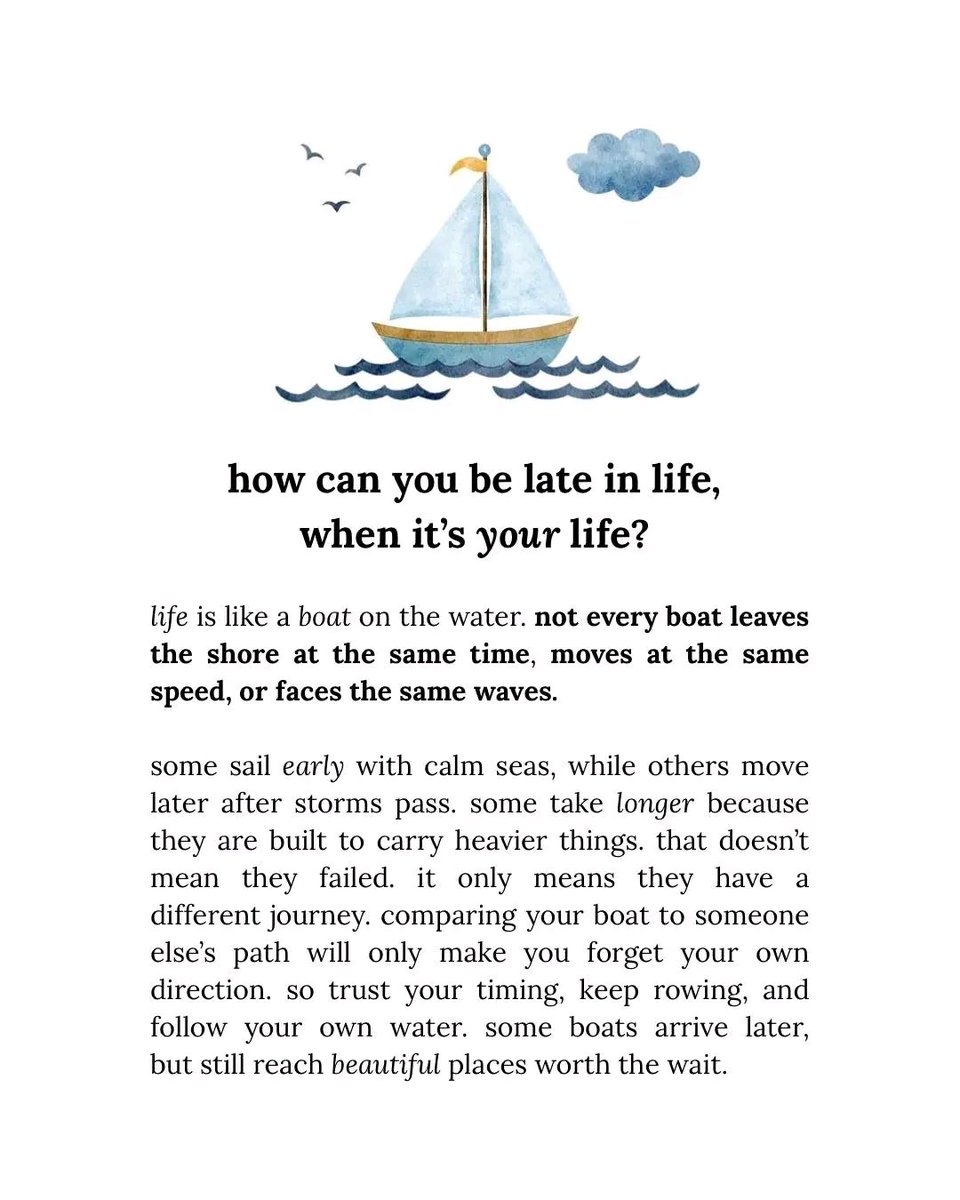
How can you be late in life, when it’s your life?
liminal tweet media
English
30
9.1K
20.8K
394.8K
dinda²⁷
dinda²⁷@psyqool·
Aku ganti usn psikologi kul
dinda²⁷ tweet media
Indonesia
0
0
1
54
dinda²⁷ रीट्वीट किया
YAPPINGFESS
YAPPINGFESS@yappingfess·
yap! gue tau gue fomoan, tp barusan gue buat dan enak bgt bjir 😭😭😔☝🏻
YAPPINGFESS tweet media
Indonesia
239
1.9K
31.3K
2M