basili

6.4K posts

basili banner
basili

basili

@Basilibas

Bergabung Eylül 2012
844 Mengikuti105 Pengikut
basili me-retweet
Ferran Otif
Ferran Otif@FerranOtif·
Soc metge. Avui no faré la vaga. Avui tinc un quiròfan pediàtric. Ha pesat molt no perjudicar a les famílies. Amb això juga l'escòria política que governa la conselleria que ni tan sols vol seure a negociar. Amb la nostra responsabilitat i empatia cap els pacients. #VagaMetges
Català
49
819
2.2K
25K
basili me-retweet
Gustavo Martínez
Gustavo Martínez@GustavoBolsa·
¿Sabía que en España, al vender una vivienda, la ganancia patrimonial se calcula restando del valor nominal de venta, el valor nominal de compra, sin tener en cuenta la inflación? Aunque el dinero se haya devaluado y no exista una ganancia real, el Estado considera que sí la hay y exige que pagues impuestos por ella. Primero te roban genrando inflación y después te roban aplicando otro impuesto a la inflación.
Español
181
1.2K
3.3K
89.5K
basili me-retweet
a320cat
a320cat@a320cat·
Ep! Si em seguiu, avui us demano 3’ del vostre temps! Com que això està creixent força, m’agradaria que em contestéssiu una breu enquesta per fer aquest canal millor! Moltes gràcies! forms.gle/m26wroBZEMgfTC…
Català
39
15
60
4K
basili me-retweet
Peter Clack
Peter Clack@PeterDClack·
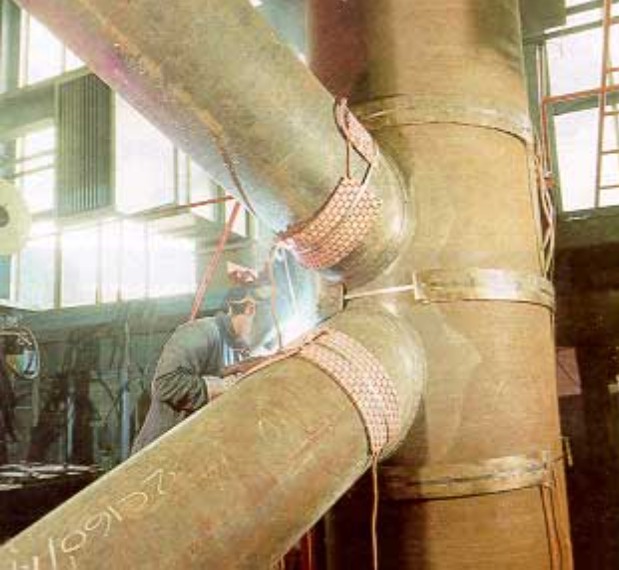
The first major barrier to adopting hydrogen power is the 'physics wall'. Hydrogen cannot be contained by normal pipes and cylinders at everyday temperatures. It loses energy at every step, from electrolysis to compression, transport and reconversion. Abundant water is an almost insurmountable roadblock, because green hydrogen requires massive amounts of purified fresh water. This is a resource Australia isn't swimming in. Australia is the world's dryest continent after Antarctica. The infrastructure gap is immediately obvious. Hydrogen embrittles existing steel pipes, meaning an entirely new gas network will have to be built from scratch. We are told to follow 'the science,' yet we are being asked to ignore the laws of physics.
Peter Clack tweet media
Bega, New South Wales 🇦🇺 English
110
338
1.3K
30.5K
basili me-retweet
Dustin
Dustin@r0ck3t23·
Cathie Wood just named the contradiction nobody wants to touch. She compared Elon Musk to Thomas Edison. Not as praise. As a pattern. Wood: “I think he’s the Thomas Edison of our age… he wants to do the right thing to transform the lot of most of humanity.” The media sees a reckless billionaire setting fires. Wood sees the only person in the room building anything at all. The gap between those two readings tells you everything about who controls the narrative. Start with Tesla. Wood: “Tesla was an environmental move, which I think a lot of people attacking his cars… they’ve forgotten.” He built the exact machine environmentalists spent thirty years begging for. Didn’t lobby for it. Didn’t write a whitepaper. Built it. Forced every major automaker on Earth to abandon the combustion engine. Then the second he won, the same movement made him the enemy. Because the establishment never wanted the problem solved. They wanted the problem funded. And those are two very different things. A solved problem kills the committee. Kills the nonprofit. Kills the careers built on managing the crisis instead of ending it. Musk ended it. And they have never forgiven him. SpaceX looks like an escape hatch if you never read past the headline. Which is exactly what the press counts on. Wood: “What we learn about material science and technologies… is going to help us here on Earth as well.” Mars was never the exit. It is the lab. Build under conditions so brutal that every breakthrough changes what is possible back home. You learn to keep a human alive in a frozen irradiated vacuum. Fixing an energy grid on a temperate planet becomes arithmetic. He is not running from the cradle. He is stress-testing the technology that preserves it. But that story doesn’t sell ads. Doesn’t move polling numbers. So they bury it under hit pieces and congressional theater and call it journalism. Most people who reach his level stop building and start protecting what they have. They buy senators. They buy newspapers. They buy silence. Musk keeps picking the hardest unsolved problems on the planet and running straight at them. That is what terrifies the establishment. Not that he might fail. That he might succeed without them. Without their funding. Without their approval. Without anything they can hold over his head. A man they cannot buy is a man they cannot control. So they do the only thing they have left. They send the media after him. Every legacy outlet runs the same playbook. Strip the context. Clip the quote. Frame the motive. Let the algorithm do the rest. It has worked on every builder before him. It will not work on this one. They will spend their careers trying to tear him down. He will spend his building the thing that saves them anyway. The stones always come from inside the walls.
English
374
2.6K
9.2K
341.3K
basili me-retweet
Aakash Gupta
Aakash Gupta@aakashgupta·
Your brain has a circuit that doesn't know you live in a city. Its only job is to monitor whether birds are still singing. Right now, in this room, it is on. The circuit predates primates. Mammals have been using ambient soundscape continuity as a predator-detection system for roughly 200 million years. Birds stop singing when something larger moves through their territory. For most of mammalian history, a forest full of song meant no large predator was nearby, and the cessation of sound was the warning. Your nervous system never updated this software. The Max Planck Institute tested the inverse in 2022 with 295 participants. Six minutes of birdsong dropped anxiety with a medium effect size. Six minutes of traffic noise raised depression with the same. The effect worked on subjects who lived in dense urban environments and had no regular contact with nature. The brain still ran the check. Birdsong sits in the 1,000 to 8,000 Hz range. Your brainstem reads continuous patterns in that band as a signal that nothing dangerous is currently moving through the environment. EEG data shows birdsong at 45 to 50 decibels boosts alpha wave activity by 14.1% relative to silence. Alpha is the brainwave signature of relaxed alertness. Push the same birdsong above 60 decibels and the response flips. Stress markers rise 29%. The circuit only trusts the signal at the volume of quiet conversation, which is exactly the volume birds sing at from a typical distance. Three things happen simultaneously when the brain registers ambient safety. The amygdala downregulates. The parasympathetic nervous system takes over from the sympathetic. Heart rate variability rises, cortisol drops. The posterior cingulate cortex, which sits at the center of the rumination circuit, quiets down. King's College London tracked this through a smartphone study with over 1,200 participants and found the mood lift lasted hours after the sound stopped. People diagnosed with depression got the same response as healthy controls. Most of what gets labeled mental fatigue is hypervigilance running in the background. Birdsong tells the circuit it can stand down, and the brain reallocates the freed compute everywhere else. A quiet park feels different from a quiet office because the parks have sentinels.
Aakash Gupta tweet media
English
421
3.4K
19.5K
1.5M
basili me-retweet
Pau Llonch Méndez
Pau Llonch Méndez@paullonch·
Una mica cansat: 1/ No deflactar l'IRPF és una pujada d'impostos que ningú ha votat. Si la inflació empeny salaris a trams superiors sense guany de poder adquisitiu real, Hisenda recapta més sense que cap parlament hagi aprovat res. Això no és progressisme, és opacitat fiscal.
Català
1
134
402
26.6K
basili me-retweet
PEDRO CASTAÑO GARCÍA
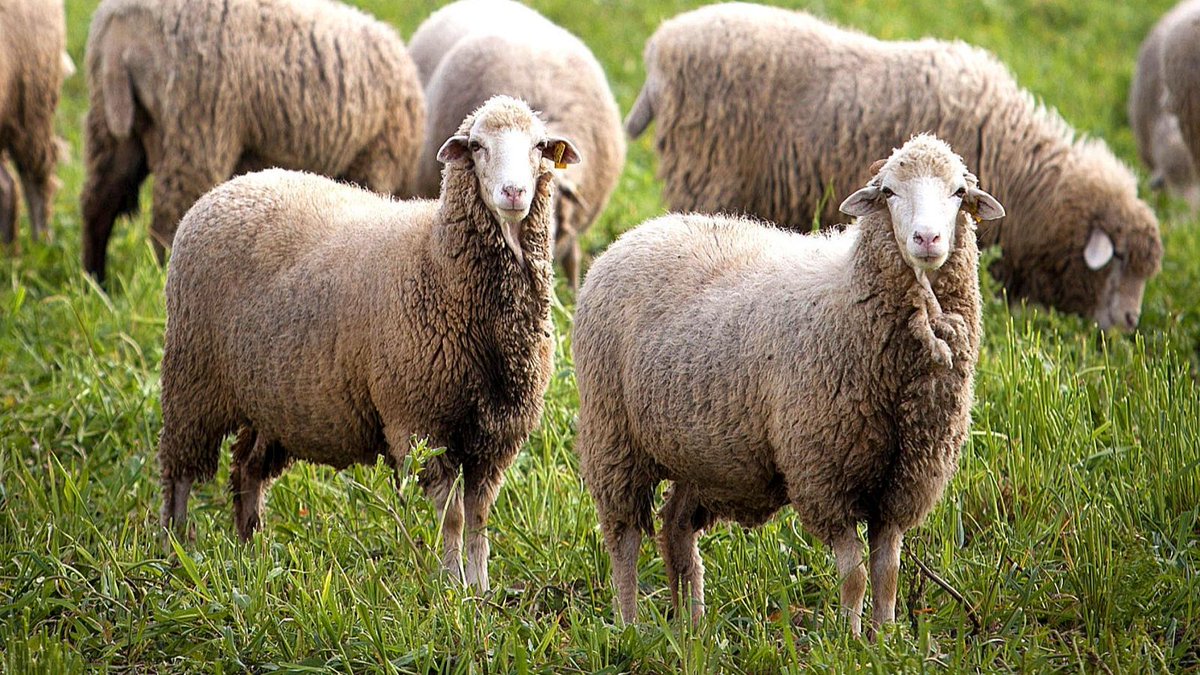
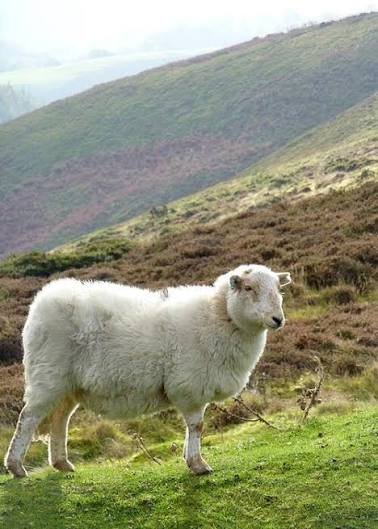
Hace 40 años, con la llegada del calor, esquilaban las ovejas para hacer ropa de lana, biodegradable, que duraba y abrigaba más. Hoy el jersey es de poliester, procede de las refinerías de petroleo, dura menos y en cada lavado, libera microplásticos a los ríos 📷Ovejas Merinas
PEDRO CASTAÑO GARCÍA tweet media
Español
12
258
568
6.6K
basili me-retweet
Guillem Dels Comptesclars
Guillem Dels Comptesclars@Comptesclares·
14/ Calcula el que t'han robat (o agafat en préstec) a tu: 👉 menjometre.cat/calculadora Fes-ho. Comparteix la xifra. Que la vegi tothom. Sense resposta, seguirem mirant. 👁️ Fi del fil.
Català
4
122
197
3.4K
basili me-retweet
Students For Liberty
Students For Liberty@sfliberty·
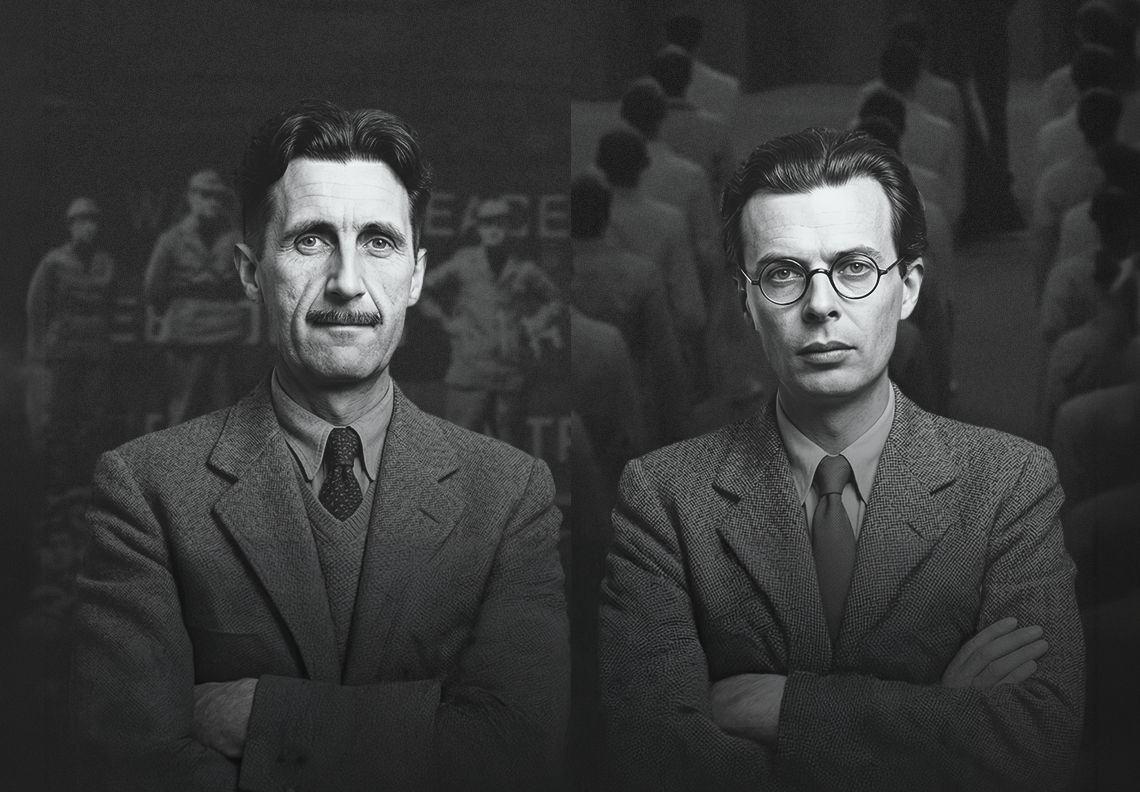
Four months after George Orwell published 1984, his former teacher sent him a letter. Aldous Huxley had one message: you described the wrong dystopia. 🧵
Students For Liberty tweet media
English
121
912
3.3K
420.1K
basili me-retweet
Jan Rosenow
Jan Rosenow@janrosenow·
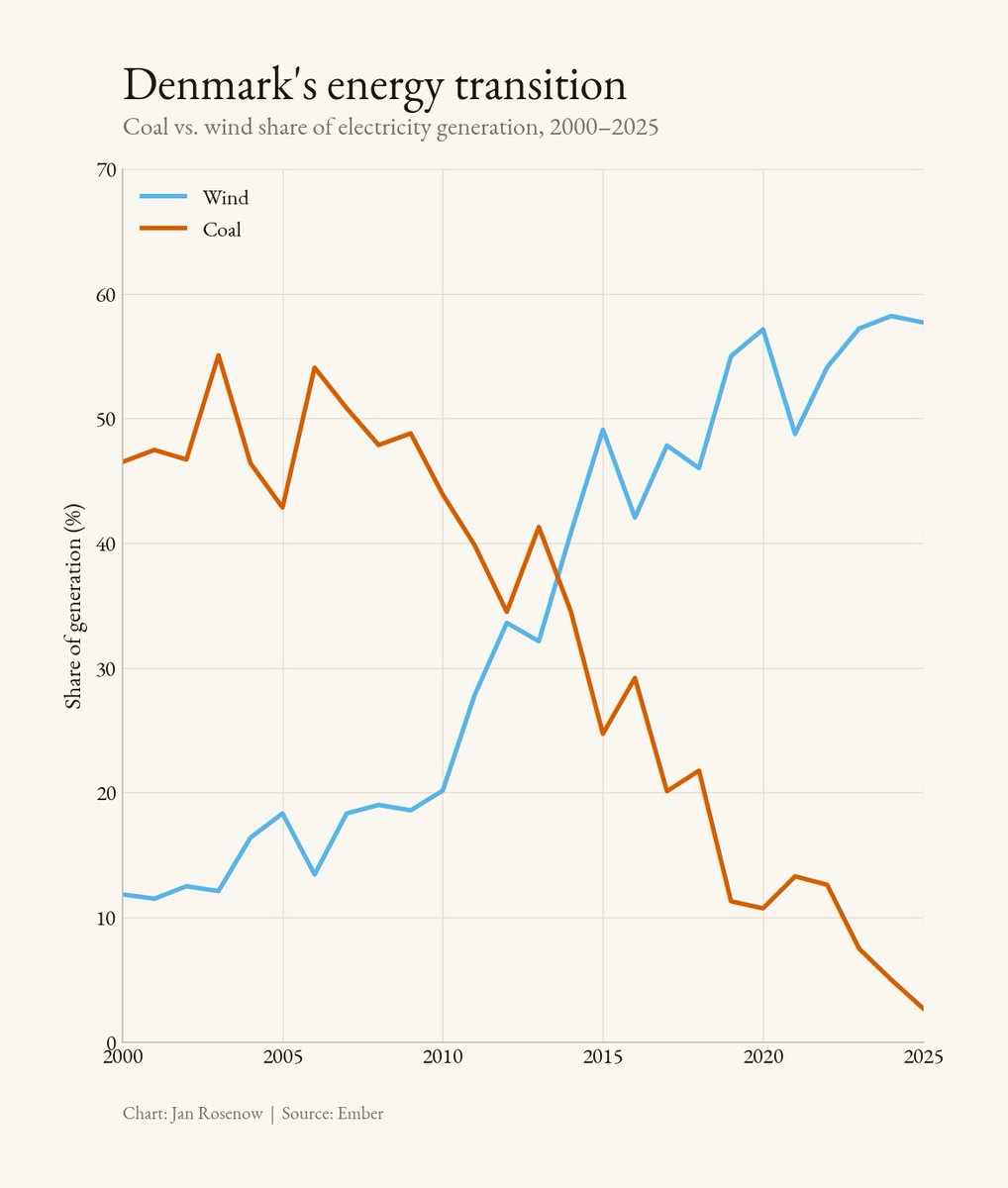
Denmark's coal-to-wind transition is one of the most dramatic energy transformations of the past three decades. In 1990, coal provided 90% of Danish electricity. Today it is under 3%. Wind now covers roughly 60% of electricity generation.
Jan Rosenow tweet media
English
131
892
2.5K
132.6K
basili me-retweet
Juan López de Uralde
Pues parece que las nucleares si son un problema para la estabilidad de la red eléctrica. 👉🏽 La CNMC abre un expediente muy grave a la central de Almaraz por incumplir sus obligaciones de disponibilidad eleconomista.es/energia/notici…
Español
6
417
598
20K
basili me-retweet
Sama Hoole
Sama Hoole@SamaHoole·
A wool jumper, made in 1985, washed in cold water once a month, worn through three decades of British winters, would currently be sitting in someone's wardrobe doing fine. A polyester fleece, made in 2026, machine-washed weekly, will start to lose its structural integrity within three to five years, shed an estimated 700,000 microfibres per wash into the water system, and end its life in landfill where it will persist for approximately 200 years. The wool jumper: - Came from a sheep - Required grass and rain - Will biodegrade entirely within three years of being buried - Will keep you warm when wet - Will not melt if exposed to a flame - Will probably outlive you - Cost £80 in 1985, which is £230 today, and represents the entire jumper budget for the next forty years The polyester fleece: - Came from an oil refinery in Texas - Required hexane extraction, polymerisation and dyeing in three different factories on three different continents - Will not biodegrade in any human timeframe - Will get cold and clammy when wet - Will melt against your skin if exposed to a flame - Will be in landfill within five years - Cost £40 in 2026, which means you'll buy ten of them across the next forty years for a total of £400, and the planet will still be eating the residue in the year 2226 But yes. The sheep is the problem. The sheep, standing in a field in mid-Wales, growing a renewable fibre from grass and rain. The sheep is the problem.
Sama Hoole tweet media
English
449
5.5K
18.6K
288.6K
basili me-retweet
Josep Sala i Cullell
Josep Sala i Cullell@SalaiCullell·
@NoelHuguet El debat és ben fàcil. Qui vulgui la Catalunya dels 10 milions que la porti al programa electoral, i els ciutadans ho podran votar, o no. Imposar-ho sense debat és feixista.
Català
16
290
678
12.3K
basili me-retweet
Antonio Ortiz
Antonio Ortiz@antonello·
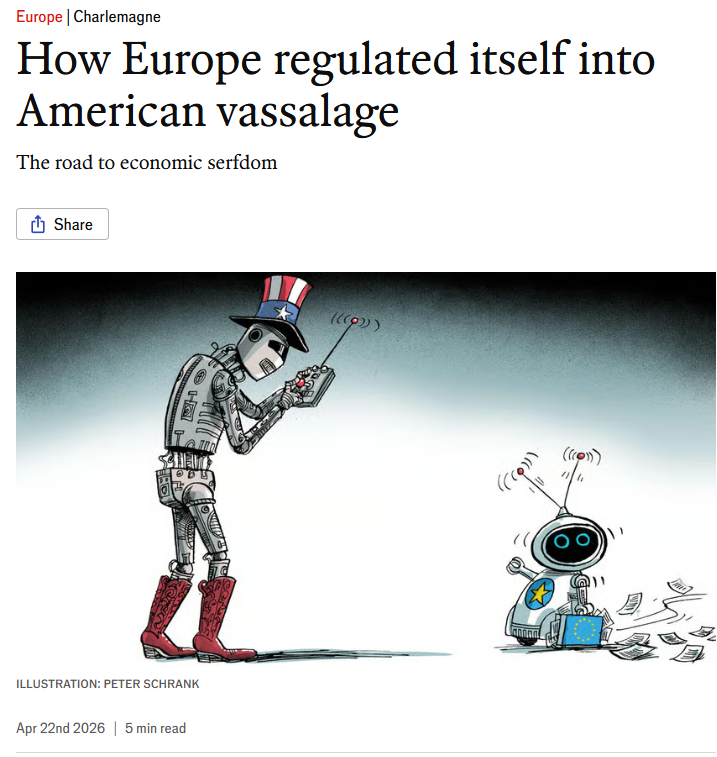
Este artículo de The Economist es brutal en su exposición de algo que vengo sosteniendo desde hace años: la sobrerregulación tecnológica europea eleva tanto la barrera de entrada (costes burocráticos, sanciones enormes) que sólo pueden afrontar empresas grandes. Es un golpe autoinflingido, que ha beneficiado a las estadounidenses y perjudicado a las europeas (que por nuestro mercado fragmentado tienden a ser más pequeñas) Cito del artículo: "Sí, las normas de la UE a menudo se aplicaban a las empresas estadounidenses, siempre que quisieran ofrecer sus productos en el bloque. Sin embargo, en la práctica, la regulación afectó más a las empresas europeas. Los costes de administrar normas complejas de protección de datos, por ejemplo, podían absorberse fácilmente para Google o OpenAI, gracias a sus ejércitos de personal de cumplimiento. No ocurre lo mismo con sus rivales europeos, que generalmente carecían de escala (en parte porque el mercado único fragmentado de la UE dificultaba su crecimiento más allá de su país de origen). Así, la UE generó barreras de entrada que a menudo terminaron protegiendo a los gigantes estadounidenses" Y sigo diciendo que con la inteligencia artificial hemos hecho lo mismo. Campeones de la regulación, incentivamos la concentración en grandes empresas que por músculo financiero, tamaño de mercado y mucho más capital de inversión resultan ser de EEUU. economist.com/europe/2026/04…
Antonio Ortiz tweet media
Español
21
140
327
21.8K
basili me-retweet
Xavier Casanovas Combalia
Ahir al Poblenou tothom patint pel pol·len dels plataners, però això dura dos dies, i després a l'estiu tots a buscar refugi a la Rambla a l'ombra d'aquests arbres magnifics. Abandoneu la campanya contra els plataners o us n'arrepentireu.
Català
50
198
901
21.8K
basili me-retweet
Brivael
Brivael@brivael·
La power law est partout. Vraiment partout. 90% de tout ce qui existe c’est de la merde. Et dans les 10% restant, 1% écrase tellement le reste que c’est presque injuste. Cuisine : 90% des restaurants sont médiocres, 9% sont bons, 1% te marque à vie. Startup : 90% meurent, 9% survivent, 1% définissent des décennies entières. Art : 90% du contenu produit chaque jour s’efface instantanément, 9% trouve un public, 1% traverse les siècles. Métier intellectuel : 90% des papers ne sont jamais cités, 9% circulent dans leur niche, 1% change la façon dont on pense. Cette distribution n’est pas un bug du système, c’est la forme fondamentale de toute production humaine dès qu’il y a un minimum de complexité et de feedback. Le truc fou c’est que ce 1% n’est pas réservé à une élite génétique. Il est accessible à quiconque accepte de passer 10 000 heures à chercher son angle singulier sur quelque chose. Les japonais ont codifié ça mieux que quiconque avec le craft et l’ikigai. Le sushi chef qui a passé 40 ans à perfectionner le riz. Le menuisier qui sait ajuster un assemblage au dixième de millimètre sans outil de mesure. La power law appliquée à une vie entière sur un geste. Le but de la vie devrait être ça. Trouver son 1% personnel. Pas le 1% mondial, pas le sommet absolu. Son 1%, le truc où sur ta trajectoire unique tu atteins un niveau que personne d’autre avec ton background exact ne pourrait atteindre. Ça peut être à n’importe quelle échelle. Le meilleur pâtissier de ton quartier. Le dev qui a compris un sous-domaine que personne ne maîtrise. Le prof qui fait cliquer un concept comme personne. Et là où ça devient intéressant avec l’IA. Jusqu’à maintenant, trouver son 1% demandait une combinaison quasi impossible d’accès, de chance, de mentors, de temps libre, de capital initial. 90% des gens qui auraient pu atteindre leur 1% ont été bloqués par la logistique de la vie. Ils faisaient de la compta chez un cabinet alors qu’ils auraient pu être des bouchers d’exception. Ils faisaient du marketing b2b alors qu’ils auraient pu devenir les meilleurs historiens amateurs de leur région. L’IA écrase cette friction. Elle commoditise toute la couche basse de la production (le 90%), elle rend le 9% accessible à tous en quelques prompts, et elle libère un temps et une énergie cognitive dingues pour la vraie question : qu’est-ce que TU apportes que la machine n’apportera jamais ? La réponse c’est le craft. L’obsession. Le goût. La trajectoire personnelle qui donne à ta production un angle que personne d’autre n’a. L’IA va forcer l’humanité à construire des systèmes où chacun peut chercher son 1%. Parce que le 90% et le 9% vont être faits par les machines de toute façon. Ce qui restera de valeur chez l’humain, c’est précisément la partie power law. Le truc qu’on ne peut pas moyenner, qu’on ne peut pas interpoler, qu’on ne peut qu’atteindre après des années d’obsession personnelle. On entre dans une civilisation où trouver son ikigai n’est plus un luxe de cadre burn out qui lit des livres de développement perso. C’est la condition de survie économique et existentielle du siècle à venir. La bonne nouvelle : les outils pour y arriver n’ont jamais été aussi puissants.
Français
12
30
157
10.4K
basili me-retweet
Donald
Donald@catalacatala·
El gran èxit del globalisme ha estat convertir el desarrelament en normalitat i presentar l’arrelament com una sospita. Fer-nos creure que voler continuar sent el poble propi a la terra pròpia és tancament, mentre que dissoldre pobles sencers en una massa mòbil, barata i administrable és progrés. No ho és. És despersonalització del món. Cada cultura necessita una terra on ser centre. I quan es nega això, no s’està defensant la llibertat de ningú. S’està preparant un planeta sense pobles, sense cases i sense rostres. Només individus movibles damunt terres convertides en superfície. Ho veieu, o no?
Català
25
194
371
5.3K