Broad Institute

15.1K posts

Broad Institute banner
Broad Institute

Broad Institute

@broadinstitute

A multidisciplinary community of researchers on a mission to improve human health.

Cambridge, MA, USA Bergabung Nisan 2009
3.5K Mengikuti99.6K Pengikut
Broad Institute
Broad Institute@broadinstitute·
New study shows the promise of Cell Painting, an AI-powered, scalable cell-imaging method, to make drug toxicity testing faster, cheaper, and more information-rich in human cells—potentially reducing failed clinical trials and animal testing. broad.io/CP-DrugSafety
Broad Institute tweet media
English
2
10
42
6.5K
Broad Institute me-retweet
Min Seo Kim, MD, MSDH
Min Seo Kim, MD, MSDH@MinSeoKim_MD·
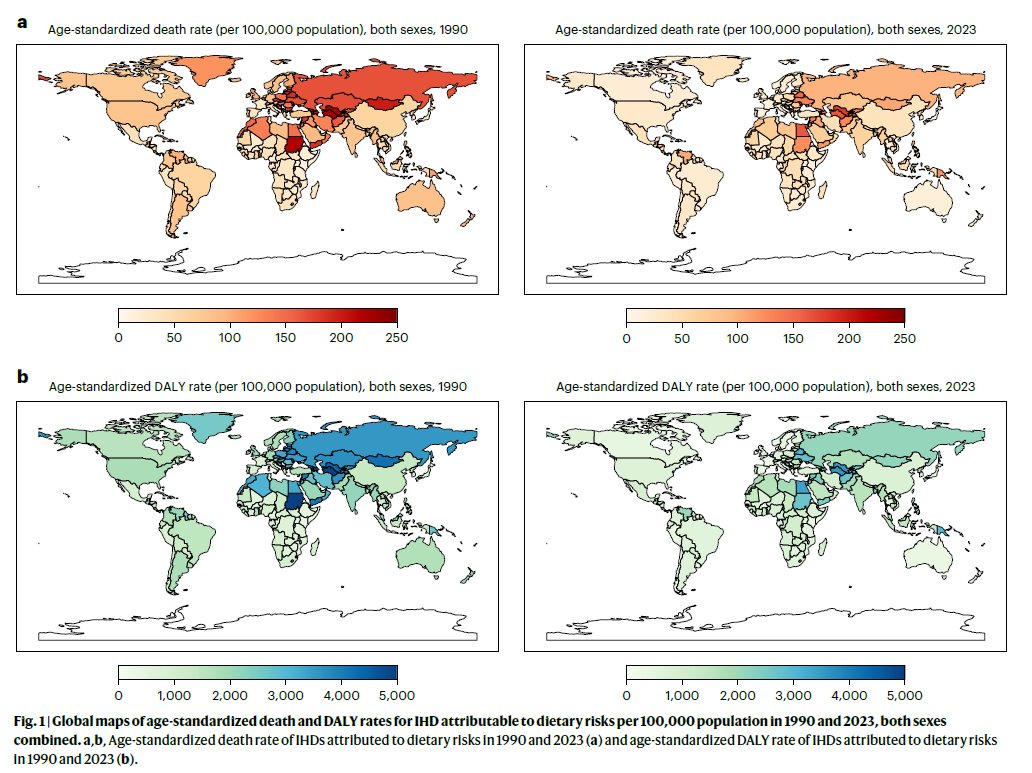
🫀Excited to share research that I supervised as senior author, now published in @NatureMedicine: the largest global analysis of ischemic heart disease burden attributable to suboptimal diet to date. As a researcher in cardiovascular epidemiology, I've always believed that what we eat is one of the most powerful levers we have for preventing heart disease. Our data now quantify just how large that lever is, and the findings are both sobering and actionable. We assessed 13 dietary risk factors across 204 countries from 1990 to 2023. In 2023 alone, suboptimal diet was responsible for an estimated 4.06 million ischemic heart disease deaths worldwide. Key takeaways: 1️⃣ The patterns of suboptimal diet vary substantially across the globe. While developing countries most often face ischemic heart disease burden related to undernutrition and limited access to protective foods (ie, whole grains, fruits, vegetables, omega-3 fatty acids), developed countries are more commonly burdened by overconsumption of harmful dietary components (ie, processed meats, sugar-sweetened beverages). 2️⃣Global efforts have historically targeted sodium, sugar, and fat reduction. Our data suggest that promoting the intake of whole grains, nuts, fruits, and legumes deserves equal, if not greater, priority. Special thanks to the @IHME_UW for enabling this work and to the remarkable #GBD collaborators worldwide. It has been a privilege to supervise and work closely with Sooji Lee, Hayeon Lee, Yejun Son, Jae Il Shin, alongside Prof. Dong Keon Yon. Paper: nature.com/articles/s4159… #CardiovascularHealth #Diet #Nutrition #IHD #CAD #GBD #GlobalHealth #PublicHealth #HeartDisease #FoodIsMedicine @broadinstitute | @MGBResearchNews | @MassGenBrigham | @kh_univ
Min Seo Kim, MD, MSDH tweet mediaMin Seo Kim, MD, MSDH tweet media
English
0
21
52
16.4K
Broad Institute me-retweet
Min Seo Kim, MD, MSDH
Min Seo Kim, MD, MSDH@MinSeoKim_MD·
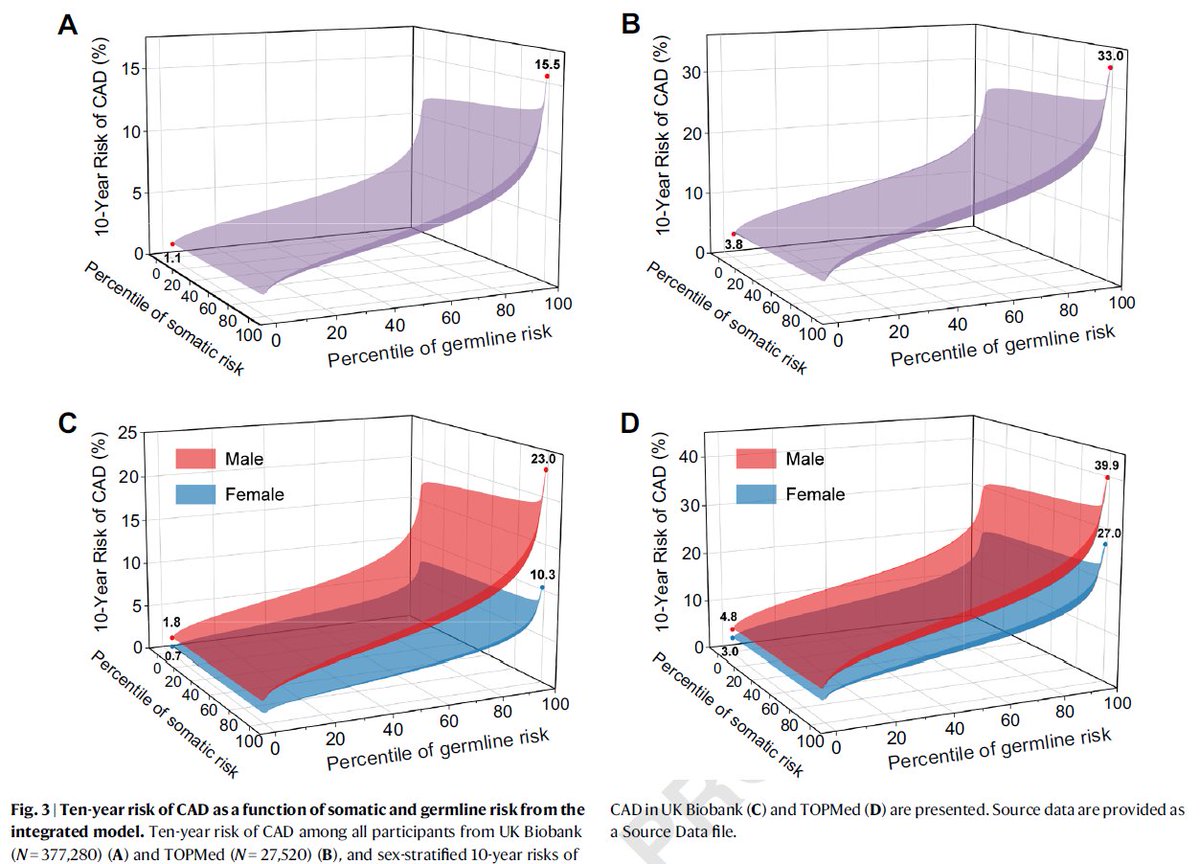
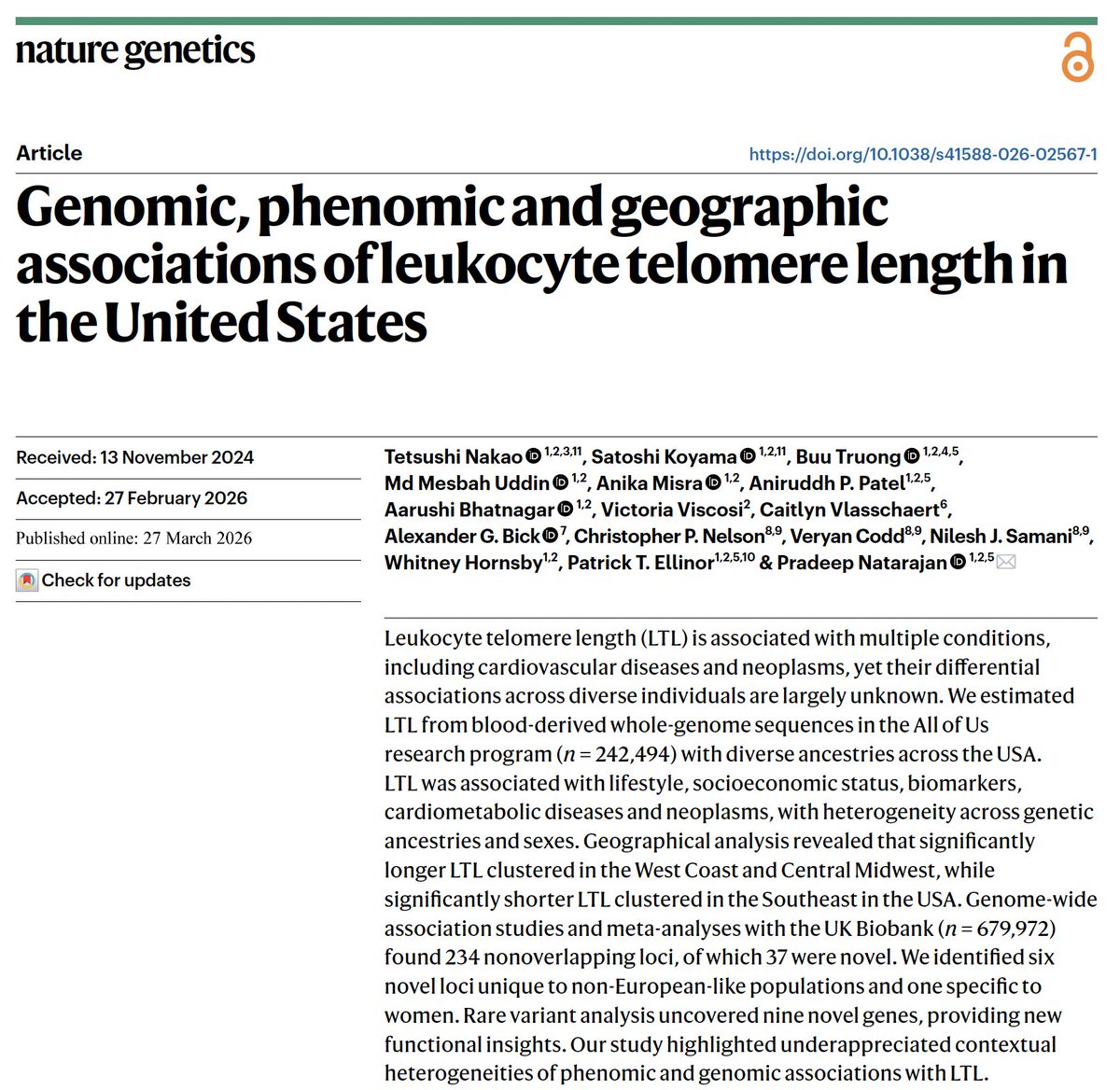
Excited to have one day, two posts on coronary artery diseases😄 🫀Our research on genomics of CAD was published in @NatureComms: An integrated germline and somatic genomic model for coronary artery disease As genomic medicine moves closer to routine clinical use, mixed signals from different genetic tests risk confusing patients and clinicians alike. Our goal was to consolidate all available genomic information into a single, interpretable risk estimate, much like how clinical risk calculators integrate blood pressure, cholesterol, and diabetes into one clinically actionable estimate. We developed an integrated genomic model (IGM) that combines six germline and somatic genetic drivers of coronary artery disease (CAD) into a single risk estimate derived from one DNA sample. Key takeaways: 1️⃣ With integrated genomic model, we identified about 13% of CAD high-risk individuals who would have been missed by polygenic risk score alone. These are people whose risk stems from combinations of familial hypercholesterolemia variants, clonal hematopoiesis, or shortened telomere length. 2️⃣ The IGM captures individuals at high risk who lack any single obvious high-risk genetic factor. Their elevated risk comes from the accumulation of multiple moderate genetic signals across different biological pathways. Conversely, some individuals carrying known high-risk variants (like FH variants) are protected by favorable profiles elsewhere in their genome. 3️⃣When combined with the clinical risk scores (PCE, the guideline-recommended clinical calculator), the IGM provided the strongest risk stratification, reclassifying individuals across every clinical risk category. This work would not have been possible without the @broadinstitute, @MGBResearchNews, @MassGenBrigham , and the @CAS__Science. I am grateful to have co-led this project with Xiong Yang, guided by the exceptional mentorship of @pnatarajanmd, @MinxianWang, and @aklfahed. Special thanks to @hongheeW, @patrick_ellinor, @NakaoTetsushi, @somijemmacho, @skoyamamd (to mention few), and the entire NHLBI TOPMed Consortium for their contributions.
Min Seo Kim, MD, MSDH tweet mediaMin Seo Kim, MD, MSDH tweet mediaMin Seo Kim, MD, MSDH tweet media
Min Seo Kim, MD, MSDH@MinSeoKim_MD

🫀Excited to share research that I supervised as senior author, now published in @NatureMedicine: the largest global analysis of ischemic heart disease burden attributable to suboptimal diet to date. As a researcher in cardiovascular epidemiology, I've always believed that what we eat is one of the most powerful levers we have for preventing heart disease. Our data now quantify just how large that lever is, and the findings are both sobering and actionable. We assessed 13 dietary risk factors across 204 countries from 1990 to 2023. In 2023 alone, suboptimal diet was responsible for an estimated 4.06 million ischemic heart disease deaths worldwide. Key takeaways: 1️⃣ The patterns of suboptimal diet vary substantially across the globe. While developing countries most often face ischemic heart disease burden related to undernutrition and limited access to protective foods (ie, whole grains, fruits, vegetables, omega-3 fatty acids), developed countries are more commonly burdened by overconsumption of harmful dietary components (ie, processed meats, sugar-sweetened beverages). 2️⃣Global efforts have historically targeted sodium, sugar, and fat reduction. Our data suggest that promoting the intake of whole grains, nuts, fruits, and legumes deserves equal, if not greater, priority. Special thanks to the @IHME_UW for enabling this work and to the remarkable #GBD collaborators worldwide. It has been a privilege to supervise and work closely with Sooji Lee, Hayeon Lee, Yejun Son, Jae Il Shin, alongside Prof. Dong Keon Yon. Paper: nature.com/articles/s4159… #CardiovascularHealth #Diet #Nutrition #IHD #CAD #GBD #GlobalHealth #PublicHealth #HeartDisease #FoodIsMedicine @broadinstitute | @MGBResearchNews | @MassGenBrigham | @kh_univ

English
4
14
45
9.5K
Broad Institute me-retweet
Surya Nagaraja
Surya Nagaraja@snaga13·
Excited to share my postdoc work with @JD_Buenrostro now out in @Nature! "Epigenetic memory of colitis promotes tumour growth" nature.com/articles/s4158… We wanted to understand how transient inflammation can create a long-lived increase in cancer risk, even after full recovery 🧵
English
11
76
357
37.8K
Broad Institute me-retweet
Jason Buenrostro
Jason Buenrostro@JD_Buenrostro·
It’s well known that inflammation increases cancer risk, but how? The answer: the epigenome "remembers" inflammation and primes stem cells for cancer. Here is our paper: nature.com/articles/s4158… And a special shoutout to the lead author @snaga13 A 🧵
English
15
130
567
40.9K
Broad Institute
Broad Institute@broadinstitute·
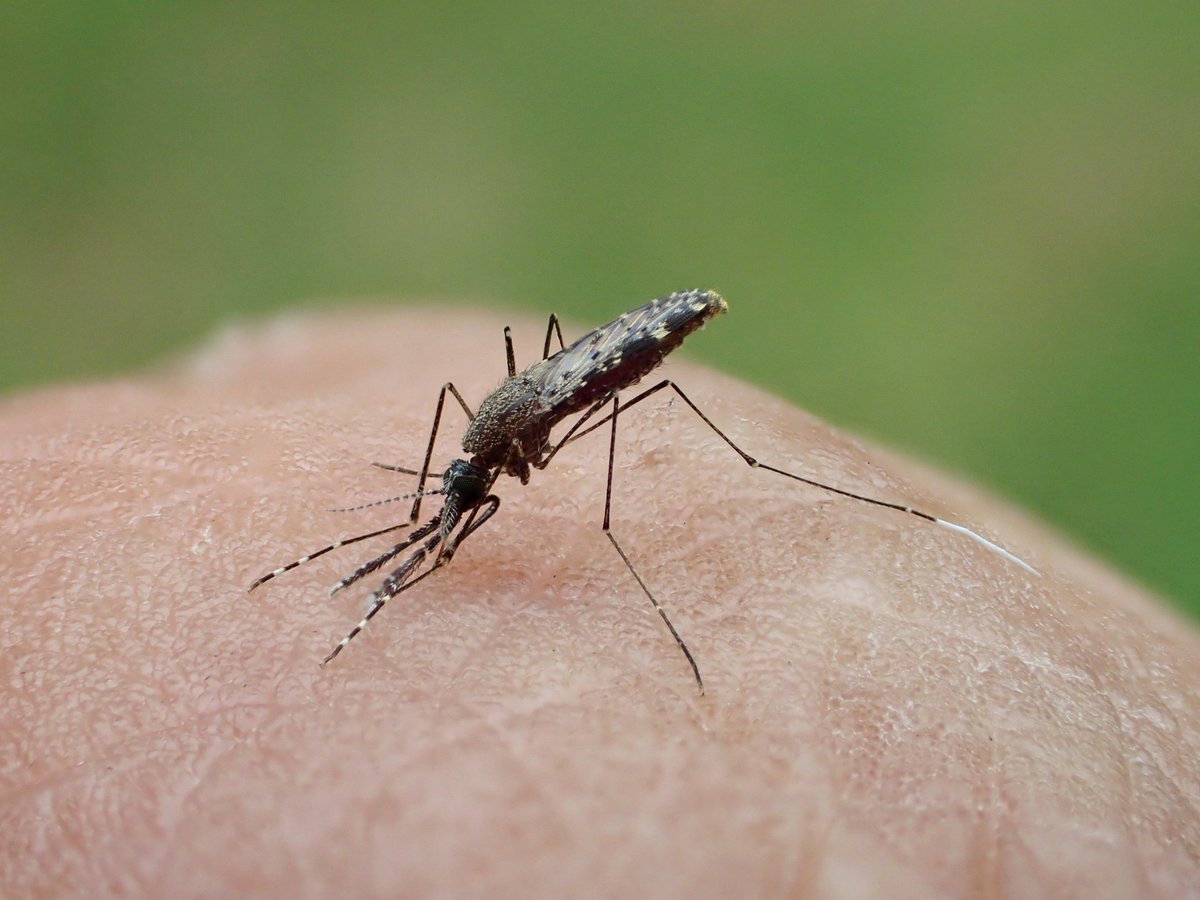
The first ever large scale study of whole genomes from Anopheles darlingi -- a key malaria vector in the Americas -- reveals signs of emerging insecticide resistance. broad.io/Anopheles-darl…
Broad Institute tweet media
English
3
5
15
1.7K
Broad Institute me-retweet
Cancer Grand Challenges
Cancer Grand Challenges@CancerGrand·
New research published today in @naturemagazine could reshape our understanding of how #ColorectalCancer develops in people under the age of 50. Team #PROSPECT, tackling the early-onset cancers challenge, has revealed how the epigenome “remembers” inflammation, priming cells for cancer risk in mice. We spoke with @snaga13 and @JD_Buenrostro about what these findings mean for patients & next steps in combatting and preventing this disease. Learn more via the link below👇 🔗 cancergrandchallenges.org/news/the-epige…
English
0
12
36
6.7K
Broad Institute
Broad Institute@broadinstitute·
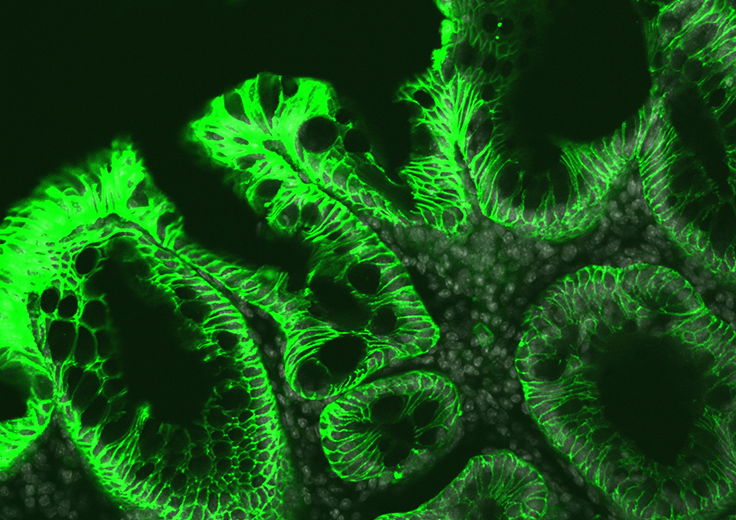
Chronic gut inflammation leaves behind “molecular scars” that may raise the risk for developing cancer, according to a new study showing that epigenetic memory of colitis, along with a cancer-promoting mutation, can accelerate tumor growth in mice. broad.io/colitis-news
Broad Institute tweet media
English
1
11
35
3.2K
Broad Institute
Broad Institute@broadinstitute·
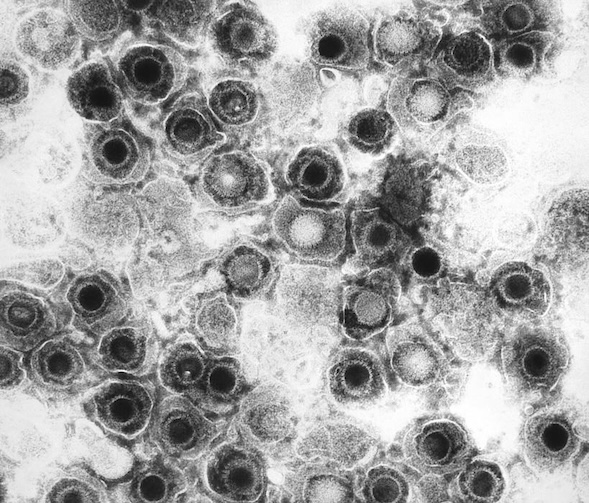
By analyzing DNA data from over 900,000 people, a new study found that some of the most common viruses hiding in the body vary with age, sex, and the seasons — and that genes influence the long-term effects these viruses have on our health. broad.io/virome-news
Broad Institute tweet media
English
4
24
69
7.1K
Broad Institute me-retweet
Shaan Khurshid
Shaan Khurshid@shaan_khurshid·
Your patient develops transient #afib in the setting of physiologic stress ("stressor-associated AF"). Do they "really" have AF? Will it come back? How to treat? NEW analysis @JAHA_AHA led by 🌟 fellow @MGHHeartHealth @JHaimovichMD shows ECG-based #AI is here to help! Thread ⬇️
Shaan Khurshid tweet media
English
3
24
84
24.5K
Broad Institute me-retweet
Eric and Wendy Schmidt Center
Eric and Wendy Schmidt Center@Schmidt_Center·
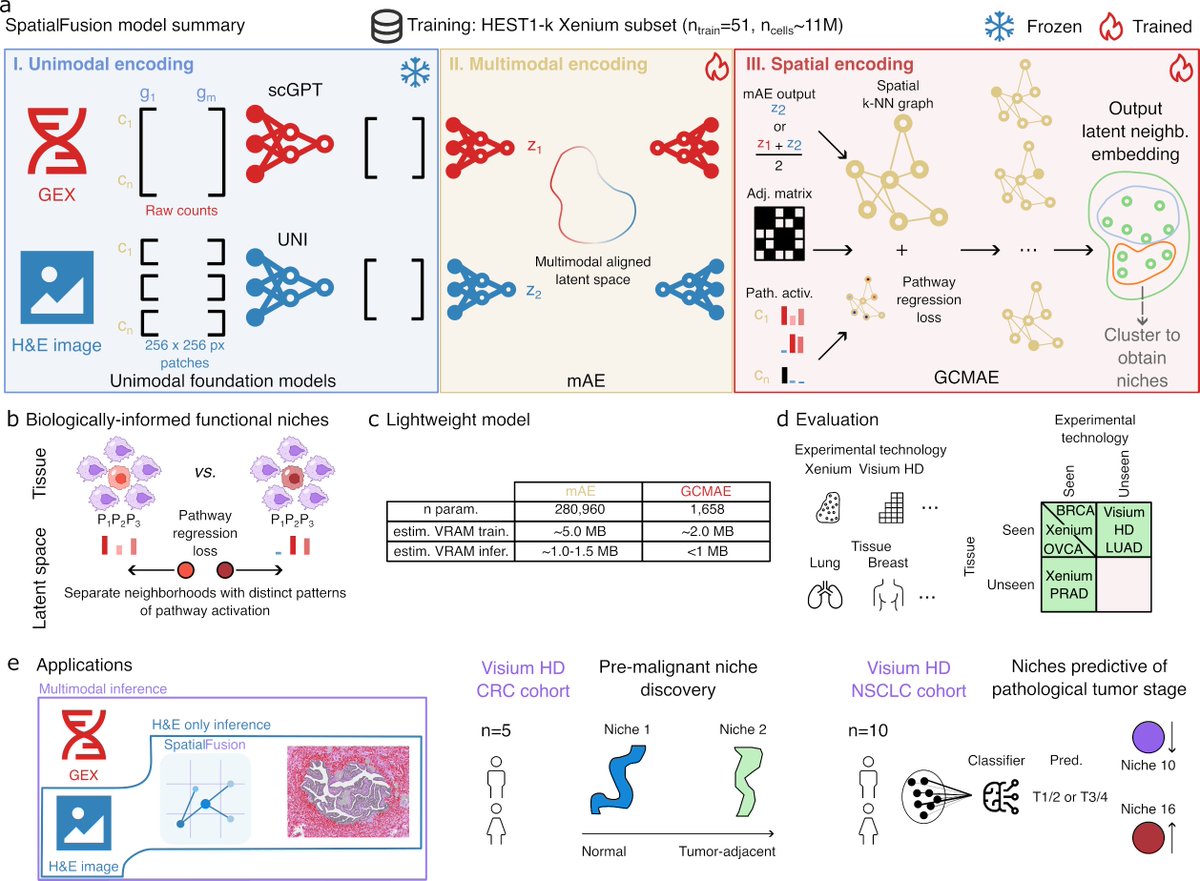
🎉 We are excited to share new work led by @Schmidt_Center postdoctoral fellow @JoYatesResearch: SpatialFusion, a multimodal foundation model that identifies tissue niches based on pathway activity—not just spatial proximity. Learn more ⬇️ @broadinstitute
Josephine Yates@JoYatesResearch

🧵 Introducing SpatialFusion: a lightweight #multimodal #FoundationModel for pathway-informed spatial #niche mapping. 📄 doi.org/10.64898/2026.… It combines #histopathology and #SpatialTranscriptomics to identify functional microenvironments in tissue. Here’s what we found 👇

English
0
8
12
4.1K
Broad Institute me-retweet
The Boston Globe
The Boston Globe@BostonGlobe·
After a harrowing mental health crisis, a family’s giving to the Broad Institute’s research tops $1 billion trib.al/A5KSnaB
English
0
3
13
4.1K