Matthew Slater

260 posts

Matthew Slater banner
Matthew Slater

Matthew Slater

@Buildthebase

2.33 marathoner, healthcare scientist and sports science PhD student.

Bergabung Mayıs 2021
258 Mengikuti109 Pengikut
Matthew Slater me-retweet

Sebastian Sitko
Sebastian Sitko@SitkoSebastian·
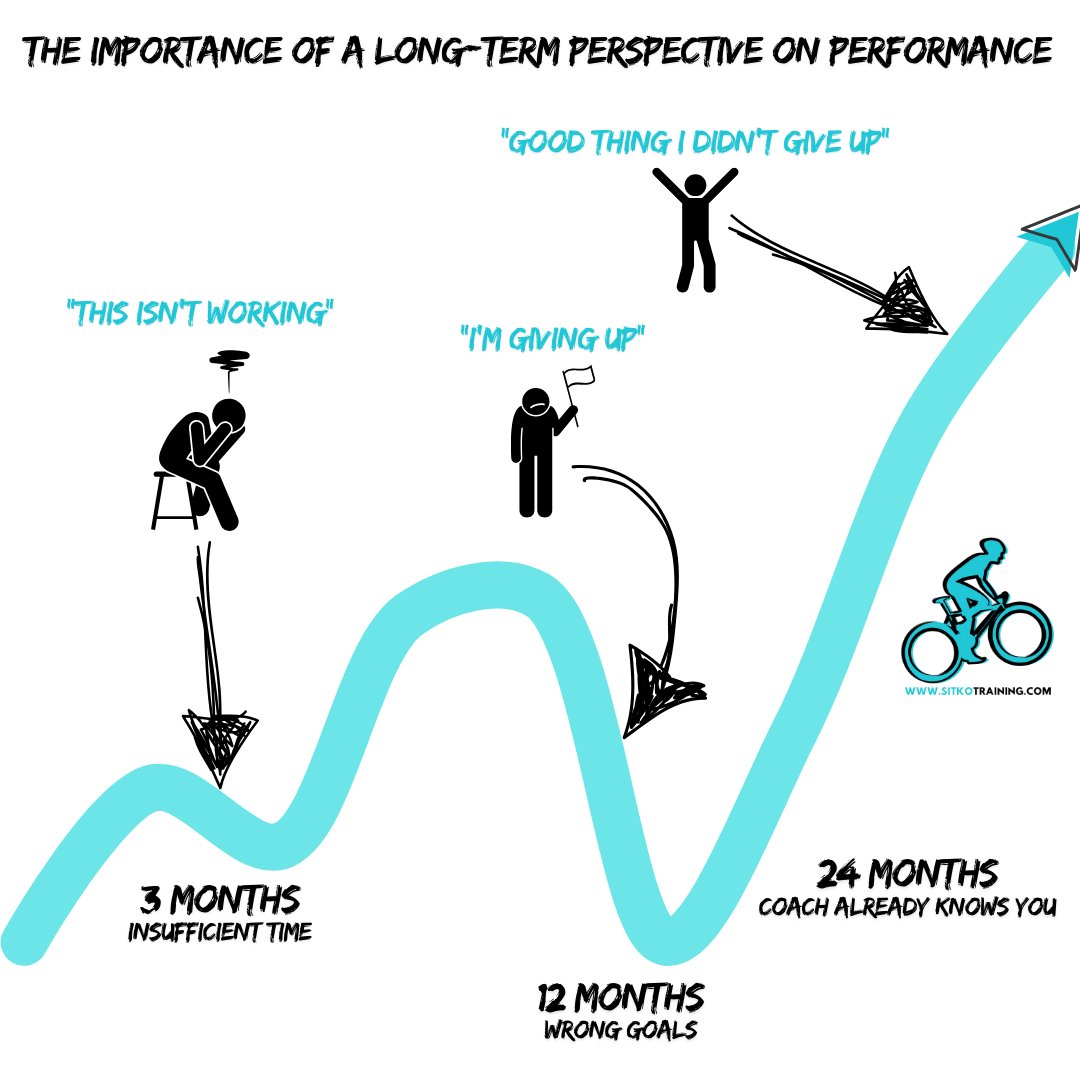
Why you can’t judge a new training program (or coach) after just 2-3 months Let's go with a brief thread on the importance of a long term perspective on performance. 🧵👇
Sebastian Sitko tweet media
English
1
9
46
4.7K
Sebastian Sitko
Sebastian Sitko@SitkoSebastian·
🚨 Which endurance sport has the highest injury risk? 🚨 Our latest study analyzed over 10,000 endurance athletes across various sports to determine how many experienced injuries (>2 months off training) during a competitive season. The results? Fascinating. 🧵👇
Sebastian Sitko tweet media
English
15
46
177
33.9K
Matthew Slater me-retweet
The Endurance Physio
The Endurance Physio@theEndurancePT·
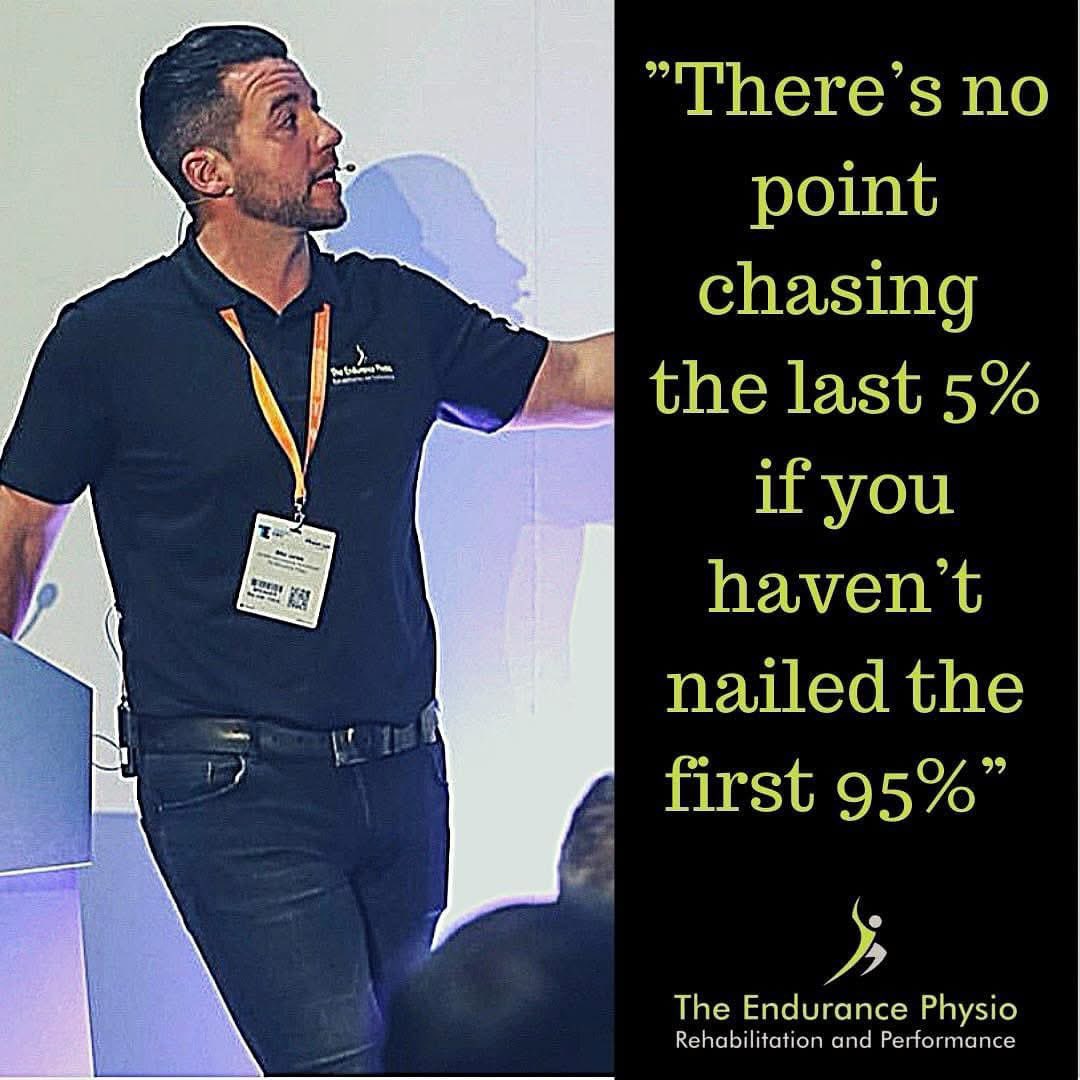
Here’s something I see constantly. Athletes worrying & focusing on the “sexy” bits of perf. or rehab without doing the basics well 1st. You don’t put the roof on the 🏠 before building firm foundations. Marginal gains matter, but only when maximal gains have been achieved.
The Endurance Physio tweet media
English
0
1
5
810
Matthew Slater me-retweet
Jason Fitzgerald
Jason Fitzgerald@JasonFitz1·
We're always presented with extreme options: 1/ Parker Valby's low mileage, high cross-training approach vs Kelvin Kiptum's 170+ mpw 2/ The intensity of Crossfit Endurance vs. the conservatism of the Maffetone Method 3/ The mostly bodybuilding approach of "hybrid athletes" vs. runners who do no strength training Truthfully, the answer is always somewhere in the middle. Beware of training extremes. Most of the time, they'll lead you to poor performances or injury.
English
5
11
98
11.2K
Matthew Slater me-retweet
Phil Hayes
Phil Hayes@phil_hayes_13·
We have a PhD post starting in Sept 2025 looking at how endurance athletes learn pace judgement - is it innate or a skill to be learnt? Pls RT .findaphd.com/phds/project/c…
English
0
5
7
889
Matthew Slater
Matthew Slater@Buildthebase·
@sociable_weaver I suspect somewhat it does depend on the individual athlete. But with the right taper and no overtraining, the pure aerobic development from the marathon training probably just trumps the more hybrid, speed or speed endurance adaptations from 10km training.
English
0
1
1
323
Dale
Dale@sociable_weaver·
@Buildthebase Thanks Matthew Should have elaborated but I meant for well trained amateur or professional athletes. Not social or entirely recreational runners :) I deleted my first response to this as I forgot which way around I had them 😅 Personally and from my own experience - I think 1 🙏
English
1
0
0
89
Dale
Dale@sociable_weaver·
Question for the distance runners: In which situation do you believe an athlete would perform better - 1. Trained for his best 10km and he races a marathon? or 2. Trained for his best Marathon and he races a 10km? 🤔🤔
English
6
0
0
704
Matthew Slater me-retweet
Charles Brenner, PhD
Charles Brenner, PhD@CharlesMBrenner·
not planning to leave twitter science needs disagreements--state your case and defend it. change your mind when that's what the data say be honest
English
42
57
787
92K
Matthew Slater
Matthew Slater@Buildthebase·
@JDruns Also part of me wonders if day to day variation on how we feel is often due to more or less central fatigue, just a theory!
English
0
0
1
118
Matthew Slater
Matthew Slater@Buildthebase·
@JDruns Excellent article as usual. Check out Davies and Thompson 1986 and Nicol 1991 too!
English
0
0
0
112
Matthew Slater
Matthew Slater@Buildthebase·
@andykirkland71 Lots of discussion around durability though, and id suggest there is likely interplay with pacing here, All is not lost!😂
English
1
0
0
126
Andy Kirkland Ph.D.
Andy Kirkland Ph.D.@andykirkland71·
Abbiss & Laursen (2005) presented this complex representation of fatigue. In addition, attenuation of fatigue through pacing and tactics is very important. Yet in 2024, training to enhance VO2max & limited talk of efficiency/economy, continue to dominate discussions. DAFT!
Andy Kirkland Ph.D. tweet media
English
1
3
30
4.3K
Matthew Slater
Matthew Slater@Buildthebase·
@runliftrunlift Not saying this is an absolute, and it depends on the athlete and phase but under optimal conditions. I often struggle to hit paces with less rest in full training, just because of fatigue. This really helps me hit them and accumulate work at that intensity.
English
0
0
1
26
Matthew Slater
Matthew Slater@Buildthebase·
@runliftrunlift Not necessarily faster, 3-5km pace is what you are after anyway and you might achieve that with less rest. It just might allow you to do more intervals and accumulate more work at that duration. 2:1 is a good ratio for similar reasons on "threshold" intervals of longer length.
English
2
0
1
100
David Abbott
David Abbott@runliftrunlift·
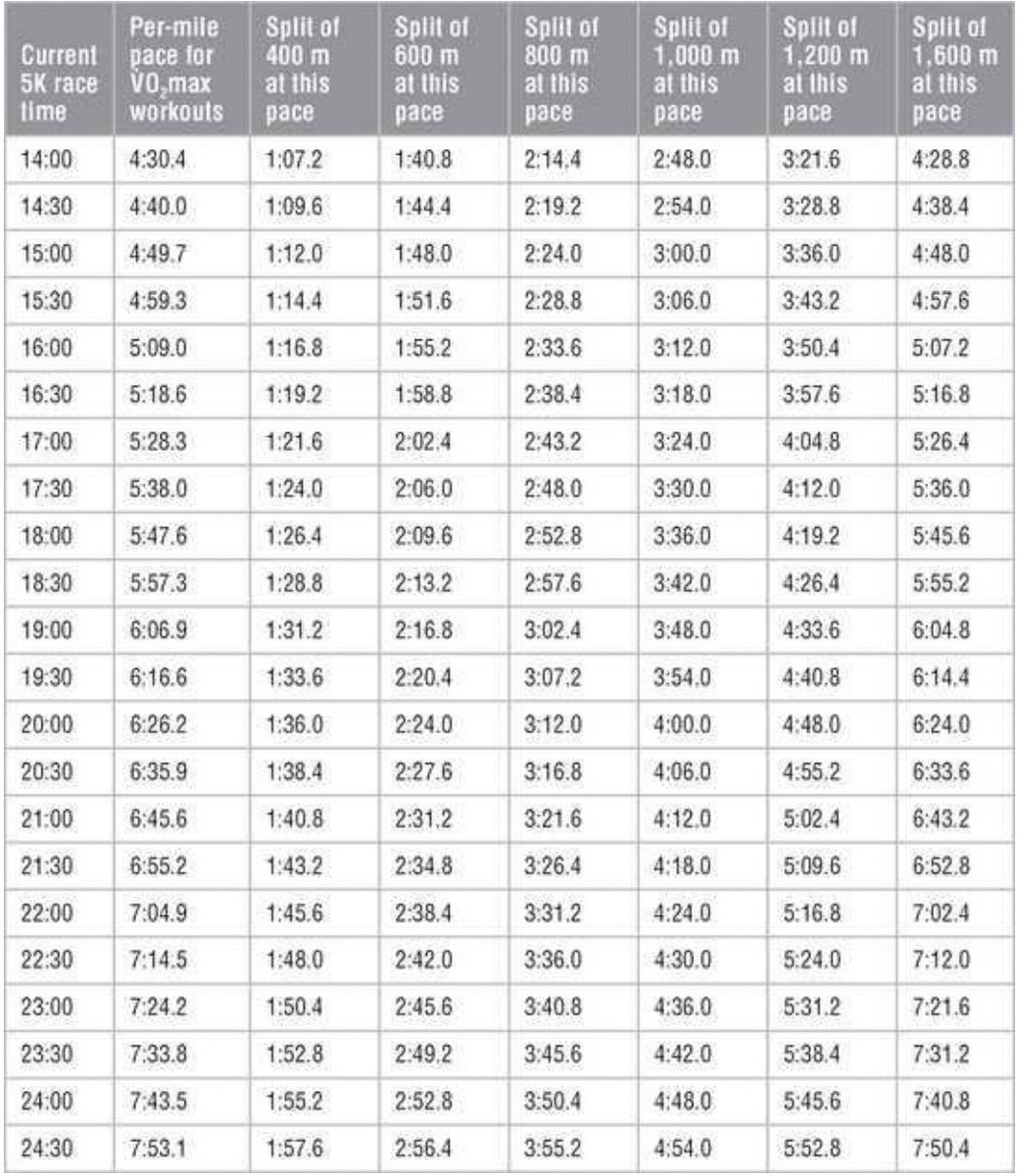
Handy chart from Pfitzinger’s Advanced Marathoning Interval splits based on your current 5k time. This is perfect for a track workout. Work:rest varies per athlete. Could be 1:2 1:1 2:1 and depends on passive (walk) vs active (jog) Do a workout and find out for yourself 🎯
David Abbott tweet media
English
4
0
53
5.4K