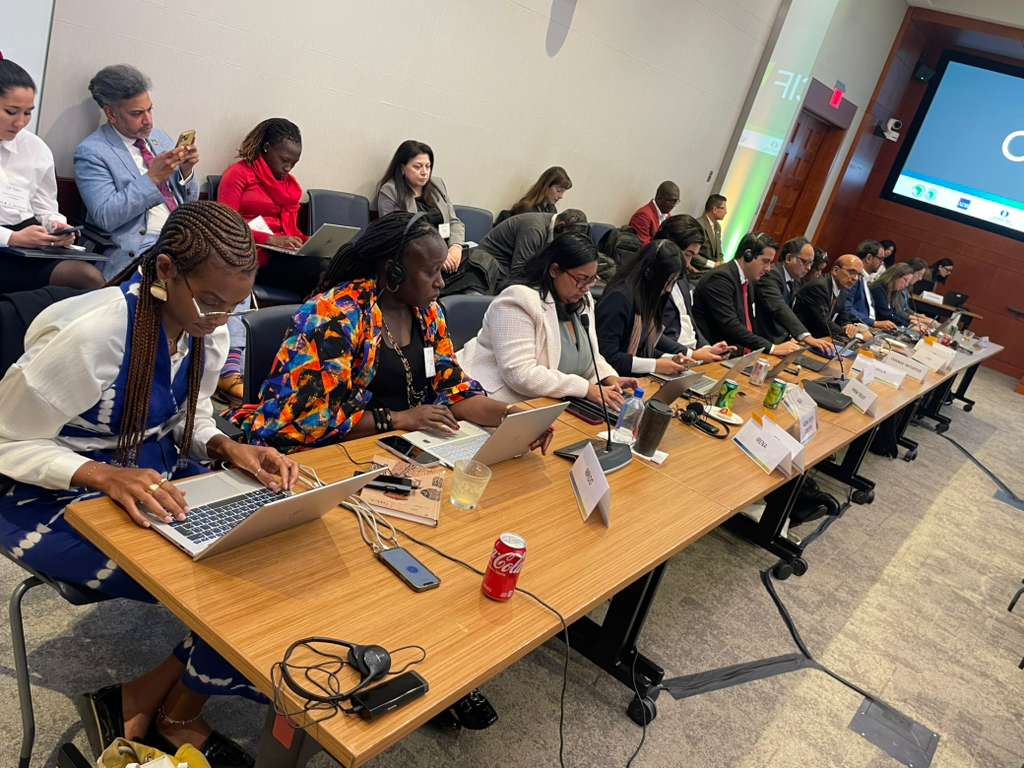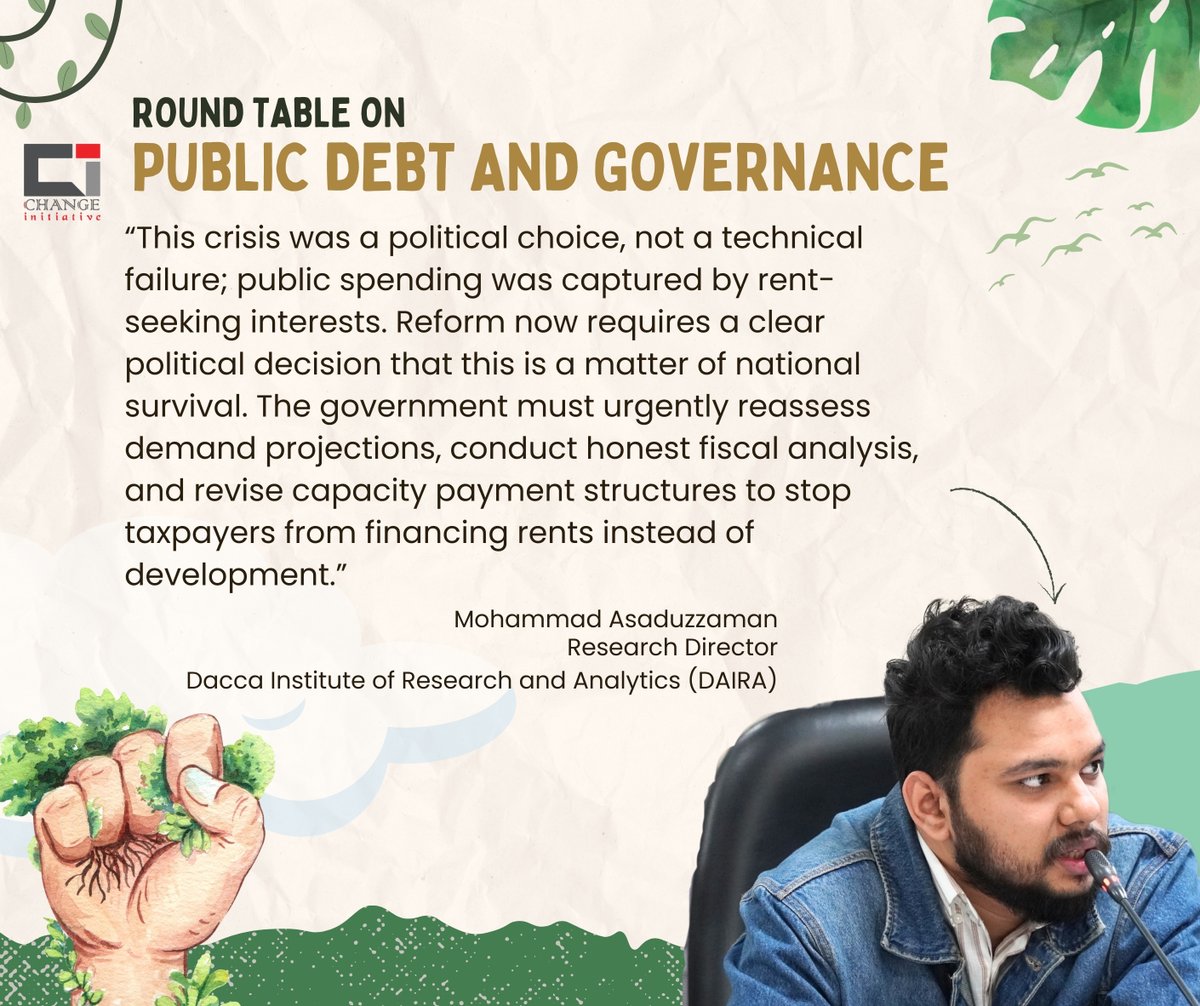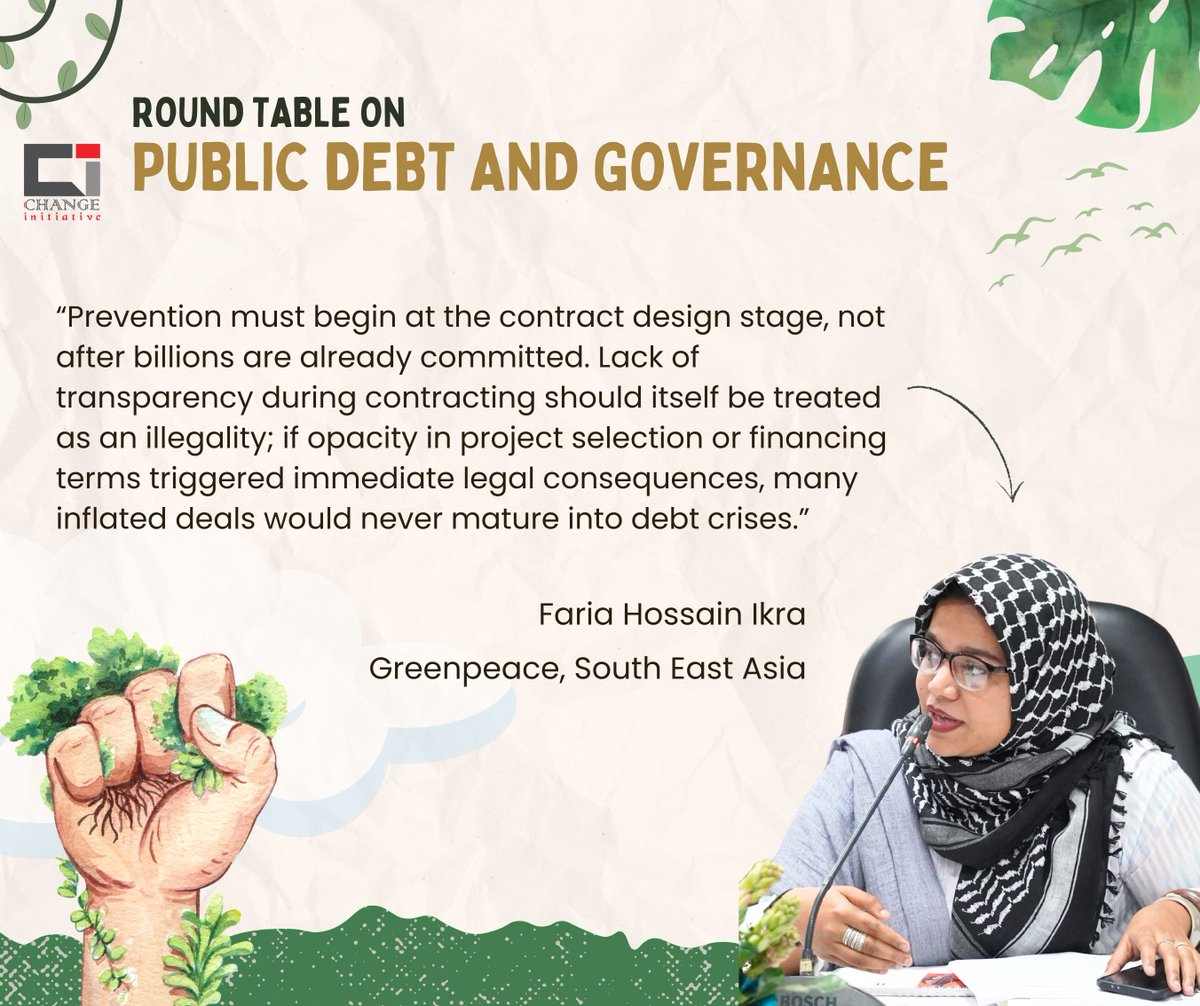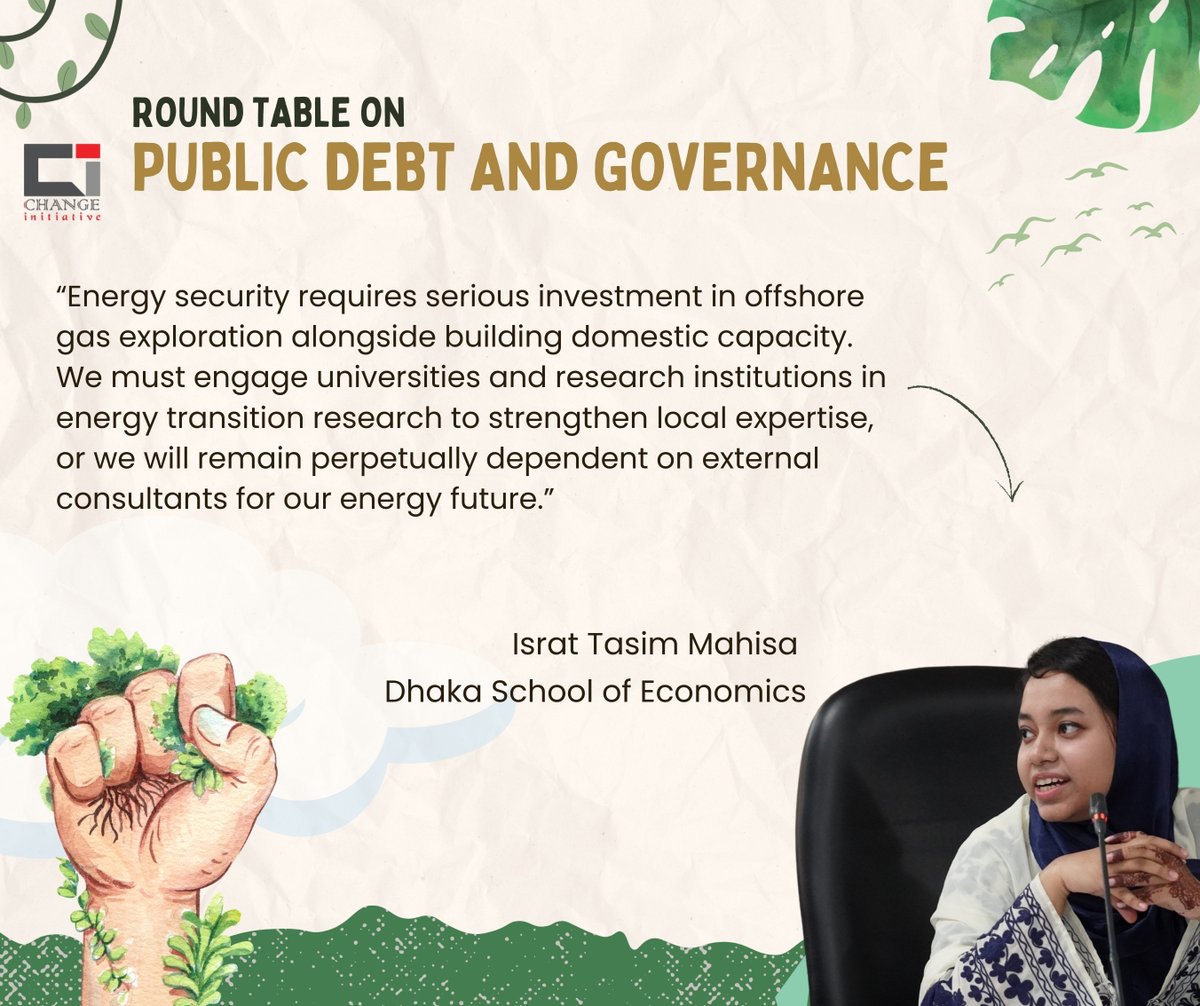
Change Initiative

419 posts

Change Initiative banner
Change Initiative

Change Initiative

@ChangeInit

Bergabung Ağustos 2023
41 Mengikuti29 Pengikut
Change Initiative
Change Initiative@ChangeInit·
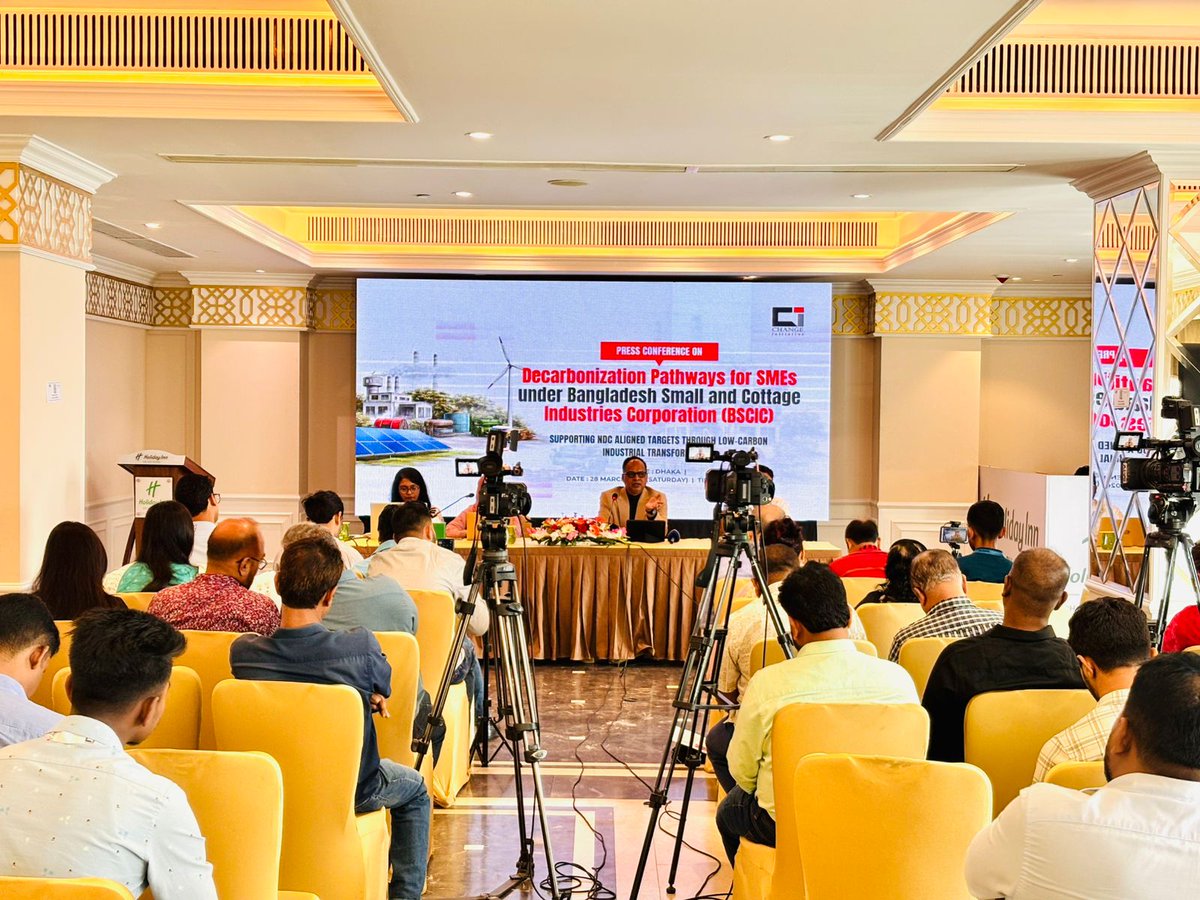
Press Conference | Decarbonizing Bangladesh’s SME Future Today in Dhaka, Change Initiative presented a strategic roadmap to transition BSCIC industries toward a low-carbon, renewable-led energy-sovereign future. SMEs are driving 85% of industrial employment and 25-30% of GDP, which must move beyond import-dependent fossil-based energy system to ensure economic resilience. Key Insights: - 14 million tons of annual carbon emission (CO₂e) reduction potential - 57–114 MW solar energy generation from industrial rooftop - Up to USD 0.40 million in carbon credit revenue - 30–50% energy cost reduction through renewables Sectoral Emission Reduction Potential: Plastic (33-49%), Tannery (19-33%), Light Engineering (19-31%), Packaging (15-28%) The Shift: From import-dependent fossil fuel to decentralized, nature-smart energy systems, ensuring zero initial investment and immediate gains through OPEX models. A just transition is no longer optional, it is the foundation of Bangladesh’s economic sovereignty. #Decarbonization #EnergySovereignty #SME #Bangladesh #RenewableEnergy #BSCIC #ChangeInitiative
Change Initiative tweet mediaChange Initiative tweet mediaChange Initiative tweet media
English
0
0
0
5
Change Initiative
Change Initiative@ChangeInit·
Can Artificial Intelligence replace human wisdom in governance? This Latest paper by M. Zakir Hossain Khan argues that while AI can process data and optimize systems, it lacks conscience, ethics, and moral judgment. The future of AI governance and public policy depends on keeping human wisdom at the center of decision-making. Machines may become more intelligent than humans but only humans can be wiser. 🔗 Full paper link in the comment section. #ArtificialIntelligence #AIGovernance #AIethics #PublicPolicy #FutureOfGovernance
Change Initiative tweet media
English
0
0
0
9
Change Initiative
Change Initiative@ChangeInit·
Water is not a commodity it is a fundamental right of nature and people. Under Natural Rights-Led Governance (NRLG), water must be protected as a living system that sustains all life. The crisis we face reflects a failure of governance, not merely scarcity. This is the moment for convergence ensuring justice, stewardship, and resilience for present and future generations.
Change Initiative tweet media
English
0
0
0
3
Change Initiative
Change Initiative@ChangeInit·
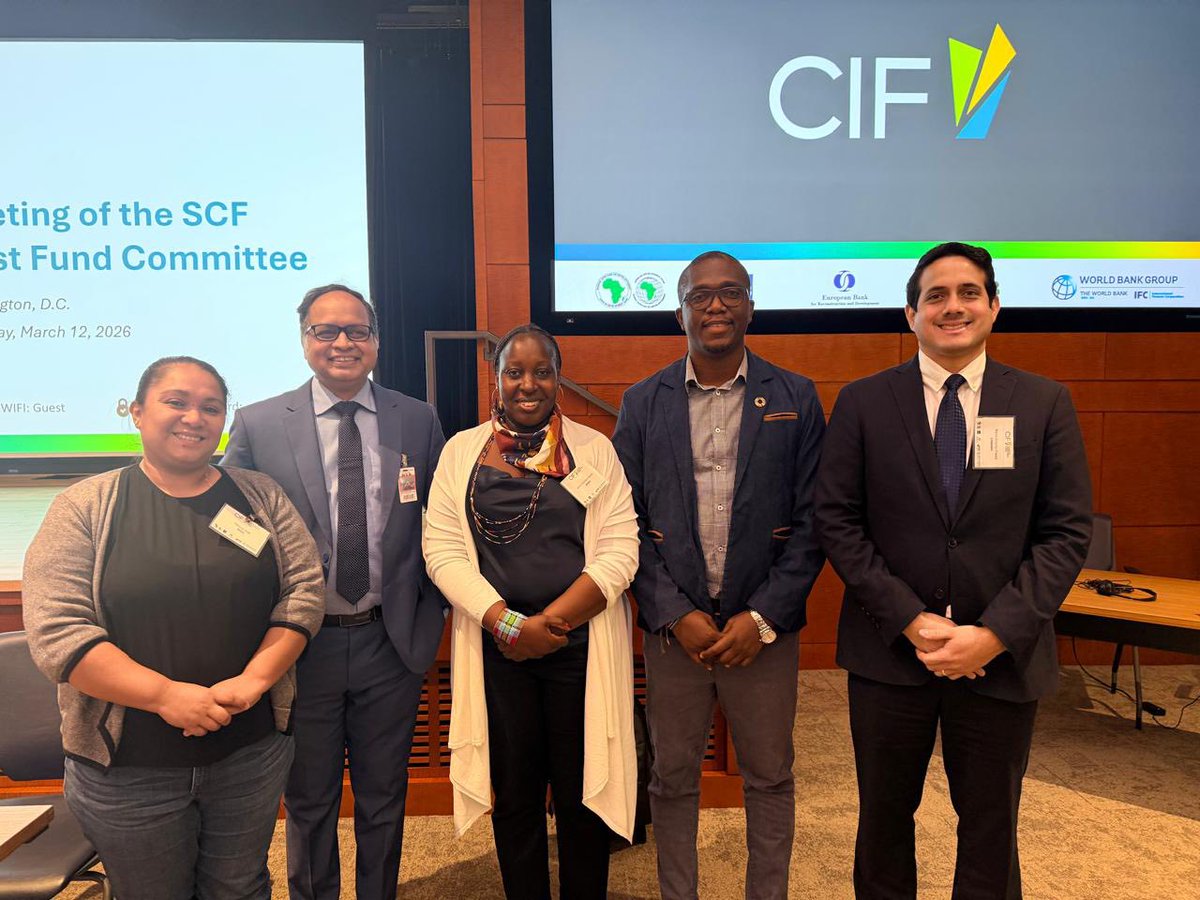
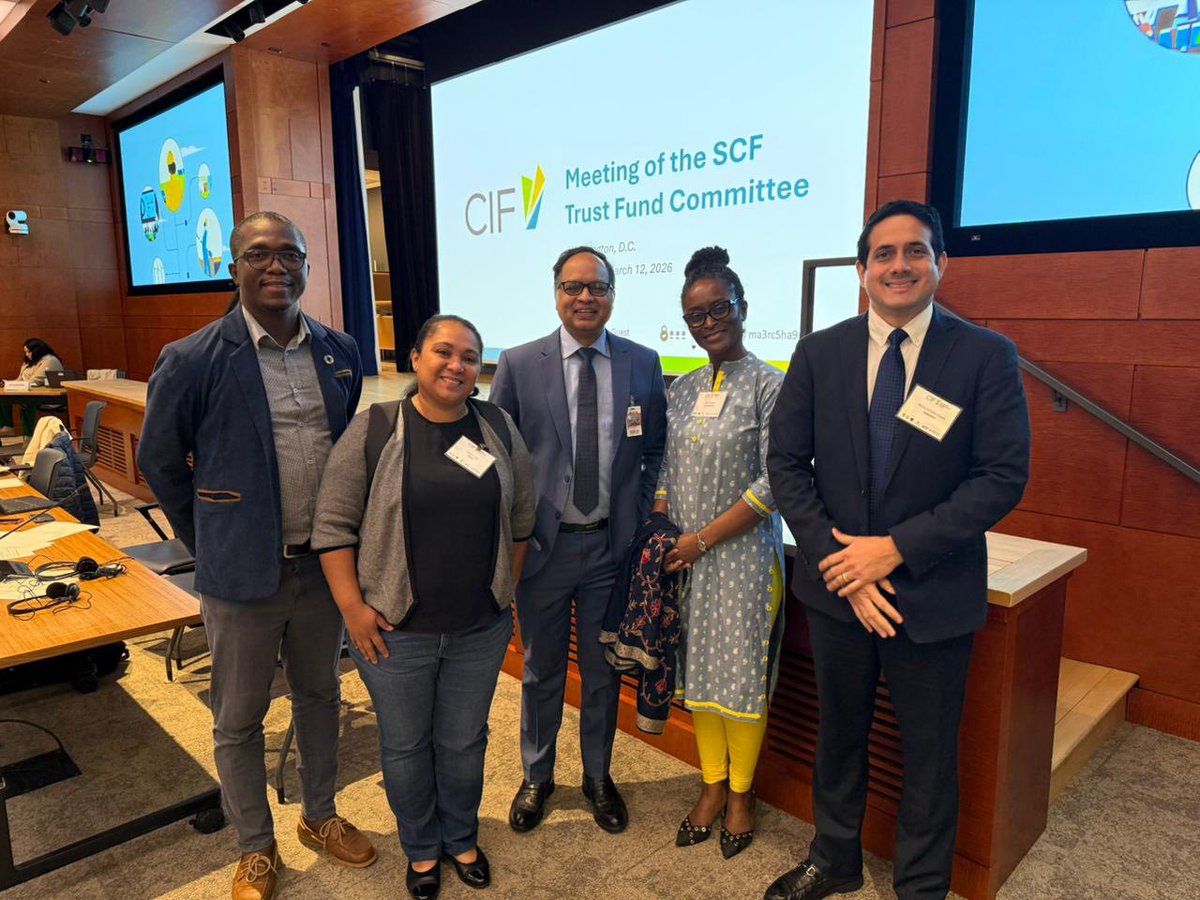
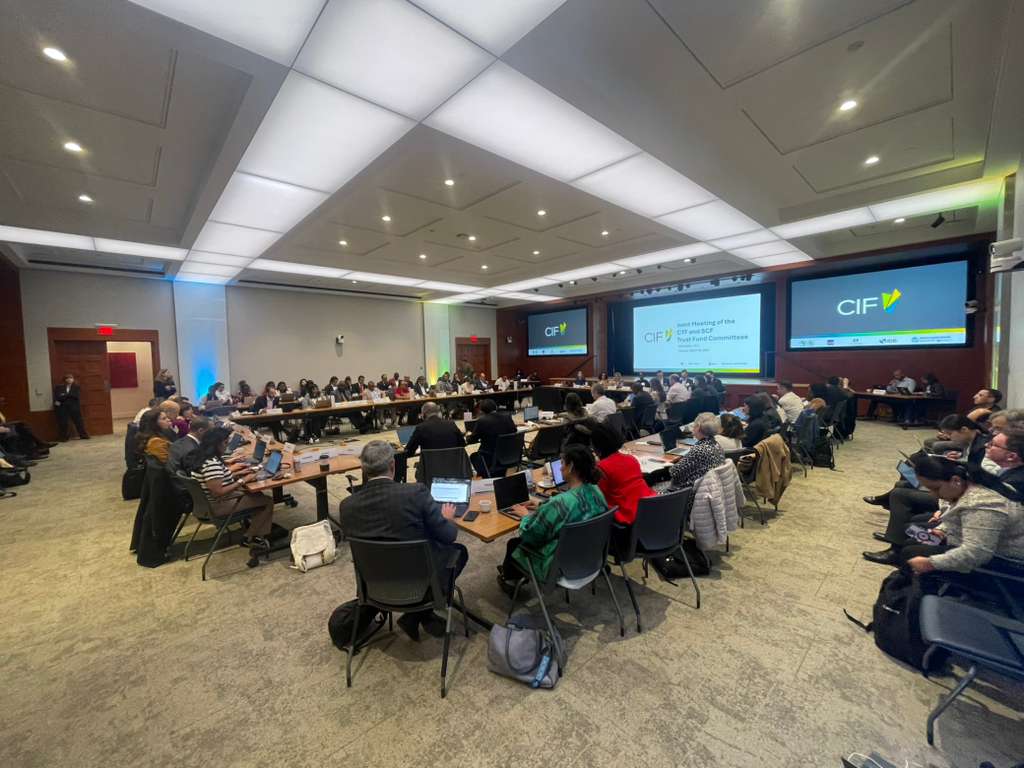
A billion-dollar international climate finance portfolio may appear significant, but it remains very small compared to the scale of vulnerabilities countries are facing now and will face in the near future. If the global community is serious about protecting vulnerable communities and ecosystems, direct delivery of the grantbased climate finance must expand soon, at least doubling the current level. Through the lens of Natural Rights-Led Governance (NRLG), climate finance must move beyond treating nature merely as an economic resource. It must safeguard life, ecosystems, and future generations together. The Strategic Climate Fund (SCF) under the Climate Investment Funds has a unique opportunity to support transformative pathways through: • Consolidate legacy reflows (from FIP, PPCR, and SREP) into a collective "Futures Window." This creates a High Leverage Mechanism that prioritizes the Nature, People, and Climate (NPC) continuum, moving us beyond small, fragmented funding pools toward scalable impac - Adopting flexible financing approaches that can reach areas where rigid compliance-driven mechanisms often cannot. Unlike other funds restricted by UNFCCC conventions, the SCF must leverage its unique flexibility to bridge the gap between climate action and national economic prosperity. - Expanding employments and adopting programa focusing on protecting "Natural Rights" e.g. community led cross-border river basins management. By prioritizing inclusive workforce strategies and social protection for women and youth-led enterprises, we ensure that a "Just Transition" is a sovereign reality, not just a policy goal • Applying Innovative financial instruments, including non-sovereign contributions and non-burden financing tools considering ntional fiscal conditions. • Promote country-specific financial solutions, recognizing that climate risks and development contexts differ across nations Programs like ARAISE, which can accelerate resilience investments while enabling continuous learning and adaptation as well. Ultimately, climate finance must move beyond the size of portfolios to the quality and purpose of financing, protecting both people and nature together.”
Change Initiative tweet mediaChange Initiative tweet mediaChange Initiative tweet mediaChange Initiative tweet media
English
0
1
0
4
Change Initiative
Change Initiative@ChangeInit·
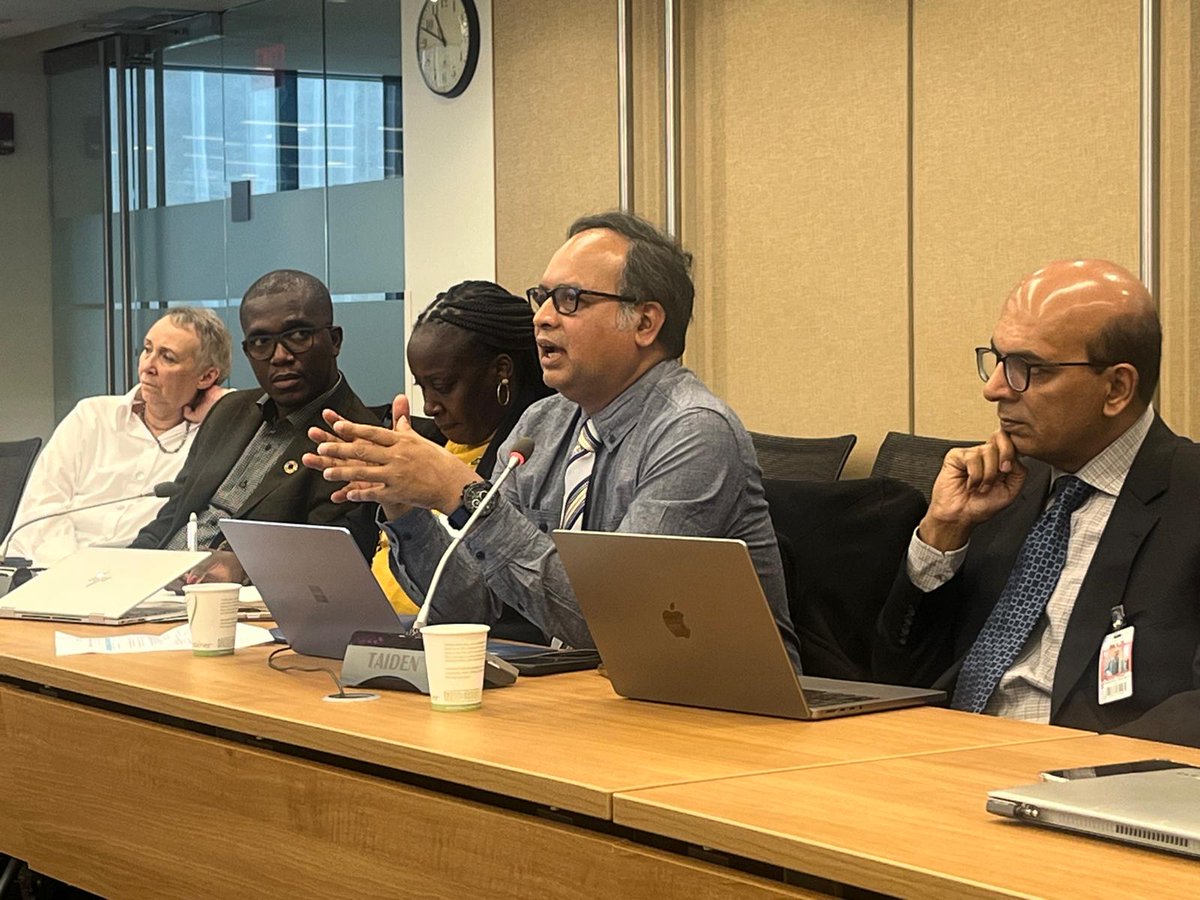
“This is the time for convergence, not divergence,” stated M. Zakir Hossain Khan, Co-Founder and Chief Executive of Change Initiative, during a high-level week of engagements in Washington, D.C. Sharing insights from South Asia consultations on the Climate Investment Funds (CIF), Mr. Khan emphasized that protecting future generations requires safeguarding the rights and well-being of women, children, and persons with disabilities. He presented a strong case for prioritizing Bangladesh in global climate finance, noting that civil society must work collectively to ensure that climate funding mechanisms remain transparent, inclusive, and responsive to the needs of the world’s most vulnerable communities. Mr. Khan further argued that Bangladesh and other Least Developed Countries (LDCs) deserve priority access to grant-based climate finance, warning that additional debt burdens risk deepening poverty and undermining the natural rights of people and ecosystems. He concluded by calling for greater global convergence to protect the planet, cautioning that continued divergence in international cooperation will accelerate climate catastrophe and ultimately leave no society immune to its consequences.
Change Initiative tweet mediaChange Initiative tweet mediaChange Initiative tweet mediaChange Initiative tweet media
English
0
0
0
9
Change Initiative
Change Initiative@ChangeInit·
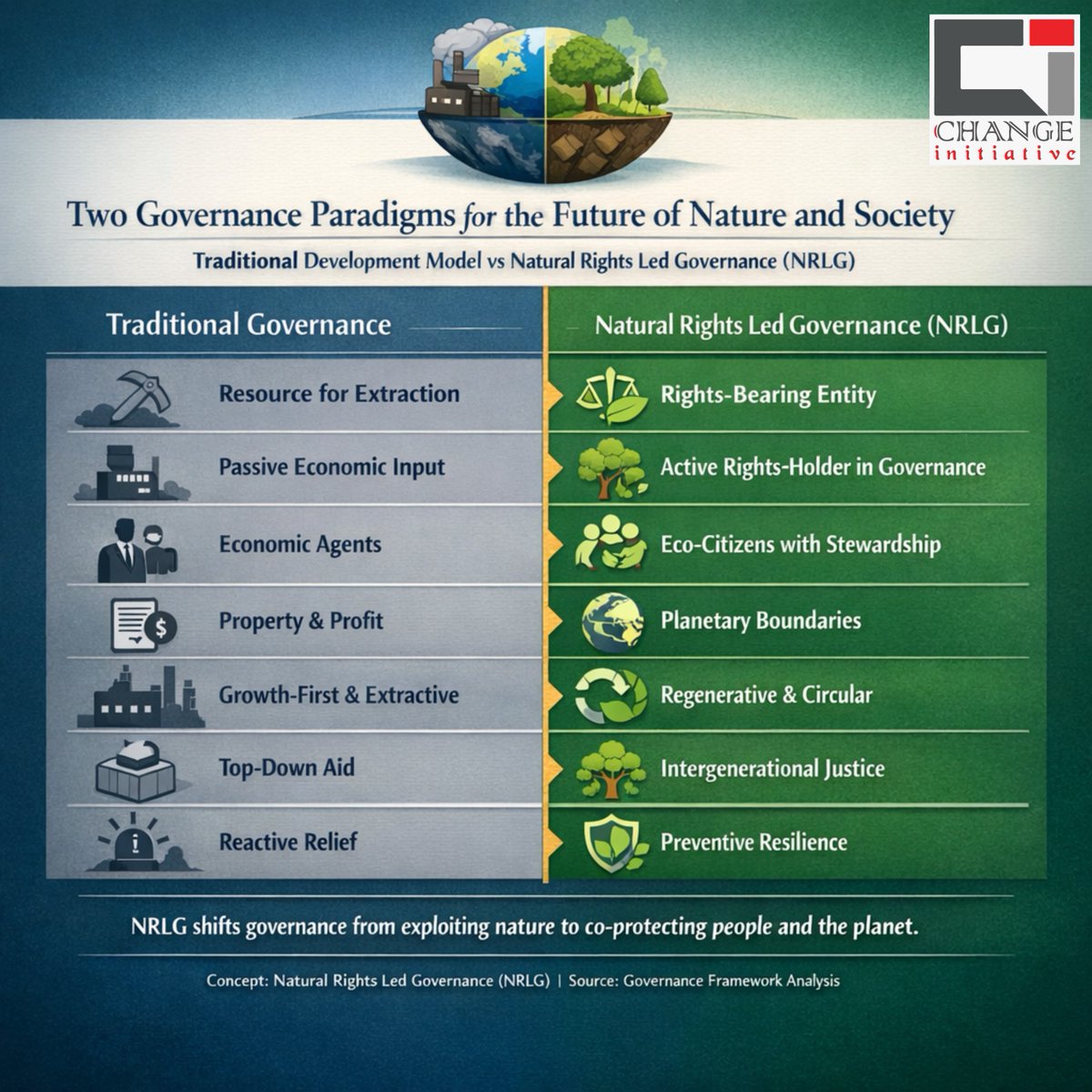
The central question of our time is not only how we develop, but how we govern our relationship with nature, the lifelines of the planet as well as universe. For decades, consumerist development models have treated nature as a resource to be exploited, and self imposed sovereignty of states over nature. Natural Rights Led Governance (NRLG) offers a transformative path recognizing nature as a rights-bearing entity and placing ecological justice at the heart of evolving the global governance. In an age of climate disruption and ecological risk, the future depends on protecting both people and the living systems that sustain them. #NatureJustice #NRLG #Governance #ClimateFuture
Change Initiative tweet media
English
0
1
1
18
Change Initiative
Change Initiative@ChangeInit·
On this International Women’s Day, we celebrate the leadership, courage, and vision of women advancing nature justice and climate resilience across the world. From local communities to global policy spaces, women continue to shape solutions that protect ecosystems, strengthen societies, and secure the future of our planet. A resilient future demands inclusive leadership and equal participation. Empowering women is not only a matter of equity it is fundamental to effective climate and environmental governance.
Change Initiative tweet media
English
0
0
0
4
Change Initiative
Change Initiative@ChangeInit·
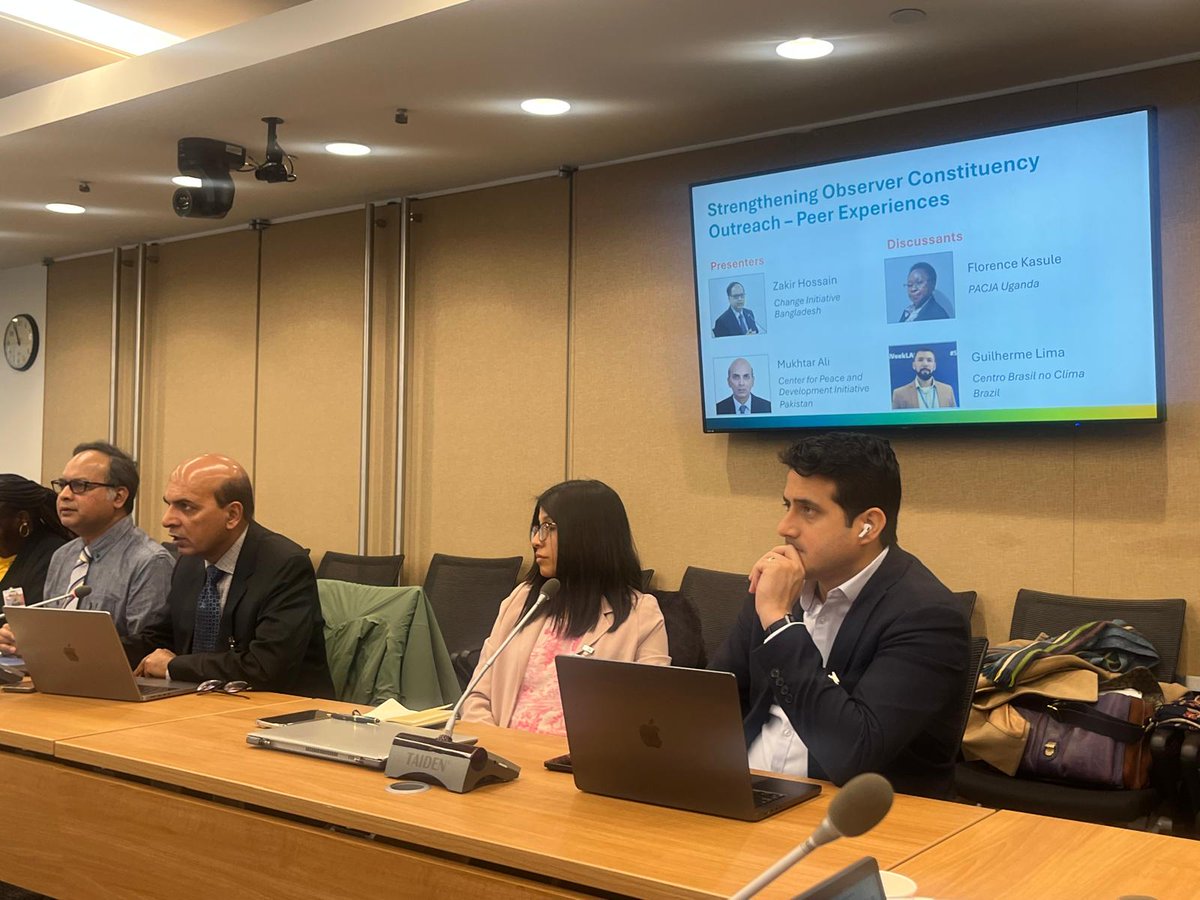
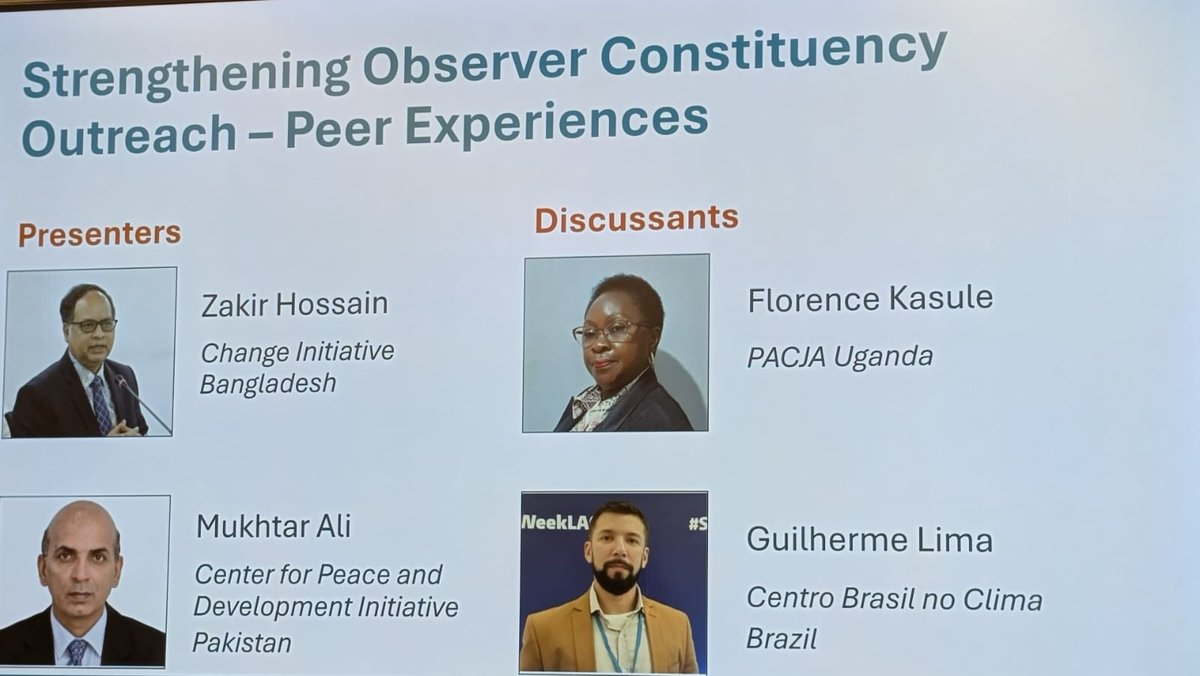
Starting an intense week in Washington, D.C., M. Zakir Hossain Khan, Co-Founder and Managing Director of Change Initiative, contributed key lessons and stakeholder insights from recent consultations on the Climate Investment Funds (CIF). Speaking on strengthening observer constituency outreach, he emphasized the importance of stronger collaboration among civil society observers to ensure climate finance mechanisms remain transparent, inclusive, and responsive to the needs of vulnerable countries.
Change Initiative tweet mediaChange Initiative tweet mediaChange Initiative tweet media
English
0
1
0
16
Change Initiative
Change Initiative@ChangeInit·
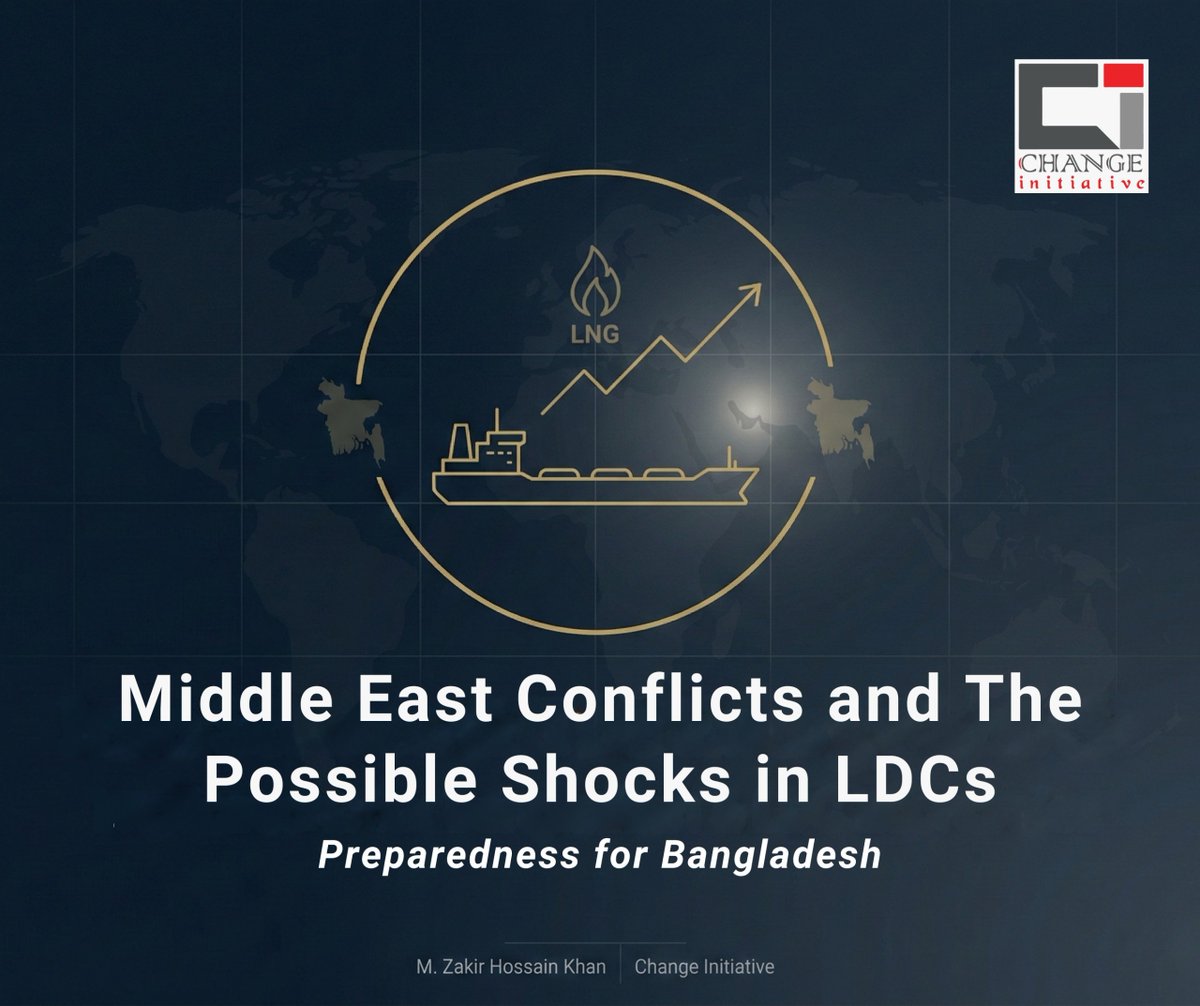
The February 28 strikes on Iran have triggered a new wave of energy market volatility, with potential oil price surges and LNG disruptions that could severely impact Least Developed Countries. For Bangladesh and other LDCs, rising import bills, fiscal strain, currency pressure, and inflation risks demand immediate policy attention and structural energy resilience. @Zhkhaneco , Co-Founder and Managing Director, Change Initiative, an independent think and do tank; Observer, Climate Investment Funds (CIF) 🔗 Full analysis available in the comment section. #EnergySecurity #ClimateFinance #LDCs #Bangladesh #GlobalEconomy #ChangeInitiative
Change Initiative tweet media
English
1
1
1
106
Change Initiative
Change Initiative@ChangeInit·
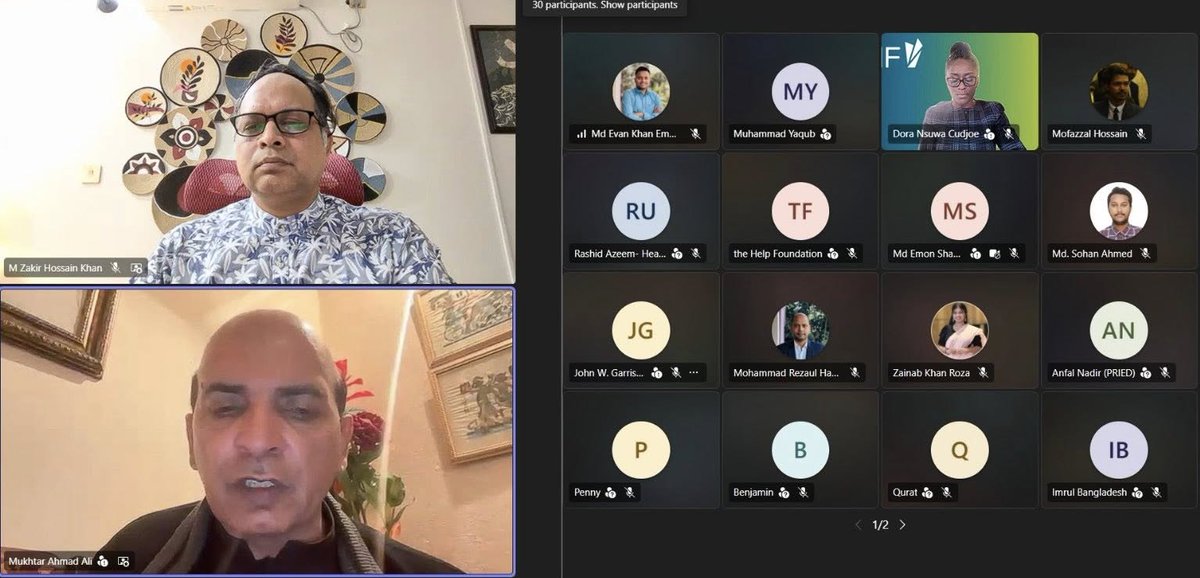
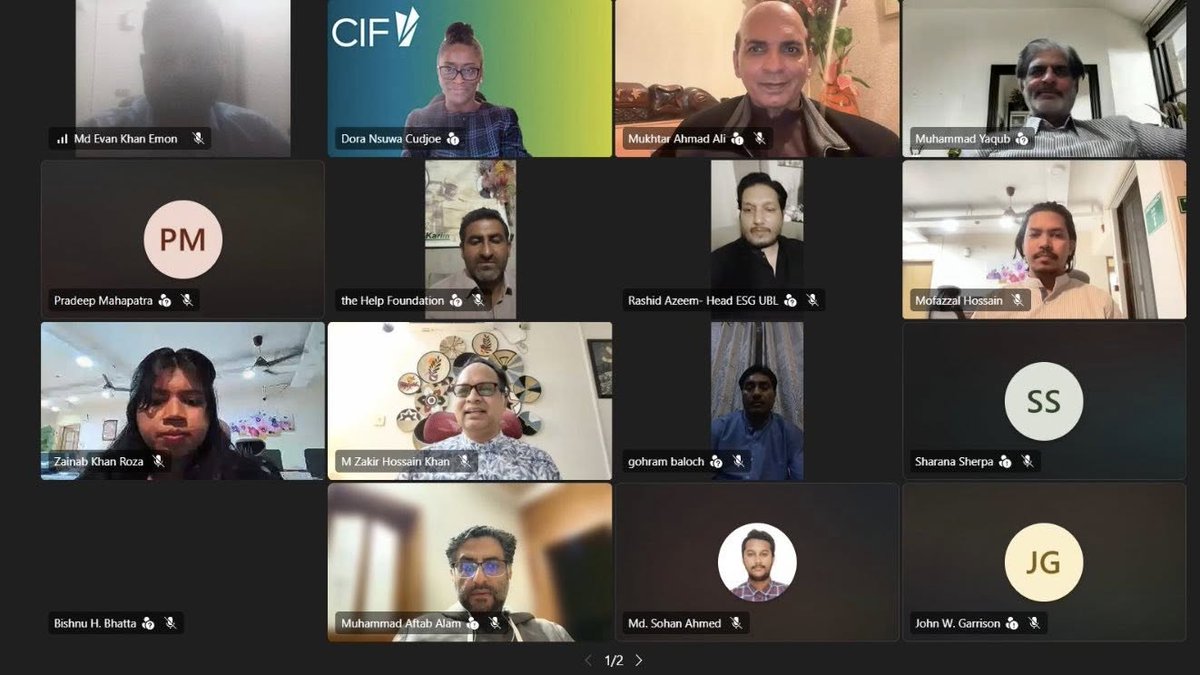
South Asia Stakeholder Consultation on Climate Investment Funds (CIF) Lessons, Gaps, and Regional Priorities | 24 February 2026 Stakeholders from Bangladesh, India, Nepal, and Pakistan convened to share practical experiences and regional priorities on the Climate Investment Funds. The consultation featured remarks from Dora Cudjoe, Lead, Stakeholder Engagement, CIF, alongside observer representatives and regional CSOs. Key messages included: -Streamlining procedures and accelerating disbursement -Expanding direct access for national CSOs and strengthening youth & gender inclusion -Enhancing decentralized consultation and country ownership -Addressing regional risks such as glacial melt and transboundary water -Advancing nature-smart, NDC-aligned Just Transition investments Organized by Change Initiative in partnership with the Centre for Peace and Development Initiatives (CPDI), the consolidated recommendations will inform upcoming Trust Fund Committee engagements. Regional voices must shape global climate finance decisions. #CIF #ClimateFinance #SouthAsia #Governance #JustTransition #ChangeInitiative
Change Initiative tweet mediaChange Initiative tweet mediaChange Initiative tweet media
English
0
0
0
10
Change Initiative
Change Initiative@ChangeInit·
M Zakir Hossain Khan, Chief Executive of Change Initiative, said Bangladesh must clearly define "negotiable" and "non-negotiable" energy needs, describing safe and clean indoor cooking energy as non-negotiable for women's health. He added, "We need Bangladesh-driven renewable guidelines, decentralised funding, community grids and regular public reporting, including quarterly publication of a Gender JET Dashboard," Read more: tbsnews.net/bangladesh/cle…
Change Initiative tweet media
English
0
1
0
22
Change Initiative
Change Initiative@ChangeInit·
Prompt examination by Change Initiative warns that Bangladesh’s draft Energy & Power Sector Master Plan 2025 (EPSMP) is set to institutionalize a cycle of compounding debt and economic destruction. While the plan acknowledges past failures- such as overstated demand and mounting subsidies, it fails to offer momentary focus to energy sovereignty. Instead, it risks locking the nation into a permanent "debt trap" that threatens future economic wellbeing. Explore the position paper: changei.earth/post/review-of…
Change Initiative tweet media
English
0
1
1
19
Change Initiative
Change Initiative@ChangeInit·
Bangladesh’s draft Energy & Power Sector Master Plan 2025 (EPSMP) is set to institutionalize a cycle of compounding debt and economic destruction, according to a prompt examination by the think-and-do tank, Change Initiative. While the plan acknowledges past failures like overstated demand and mounting subsidies, it fails to priorities energy sovereignty, potentially locking the nation into a permanent “debt trap”. The $45 Billion Import Burden: The analysis by Change Initiative reveals that the draft EPSMP normalizes a long-term reliance on imported fuels. Although the plan aims to reduce import dependence by 20% by 2050, Bangladesh remains energy output dependent for the next quarter-century. This persistent reliance is projected to cause a massive foreign exchange drain of USD 30 to 45 billion between 2026 and 2050. By prioritizing LNG terminals and refineries over domestic alternatives, the plan sustains exposure to global price shocks and currency depreciation.
Change Initiative tweet media
English
1
0
0
5
Change Initiative
Change Initiative@ChangeInit·
Prompt examination by Change Initiative warns that Bangladesh’s draft Energy & Power Sector Master Plan 2025 (EPSMP) is set to institutionalize a cycle of compounding debt and economic destruction. While the plan acknowledges past failures- such as overstated demand and mounting subsidies, it fails to offer momentary focus to energy sovereignty. Instead, it risks locking the nation into a permanent "debt trap" that threatens future economic wellbeing. The $45 Billion Import Trap upto 2050 The Change Initiative analysis finds that the draft EPSMP effectively normalizes long-term reliance on imported fuels. The plan reduces import dependence by 20% upto 2050, leaving Bangladesh energy output dependent upto 2050. • This persistent reliance is projected to cause a massive foreign exchange drain from USD 30 to 45 billion from 2026 to 2050. • By prioritizing LNG terminals and refineries over domestic alternatives, the plan sustains exposure to global price shocks and currency depreciation.
Change Initiative tweet media
English
1
0
1
8