DI
128 posts

DI
@Deep_Intel_
Intelligence-level analysis. Hidden strategy | Deep insights | No noise | Support →https://t.co/zhRktBvPZO


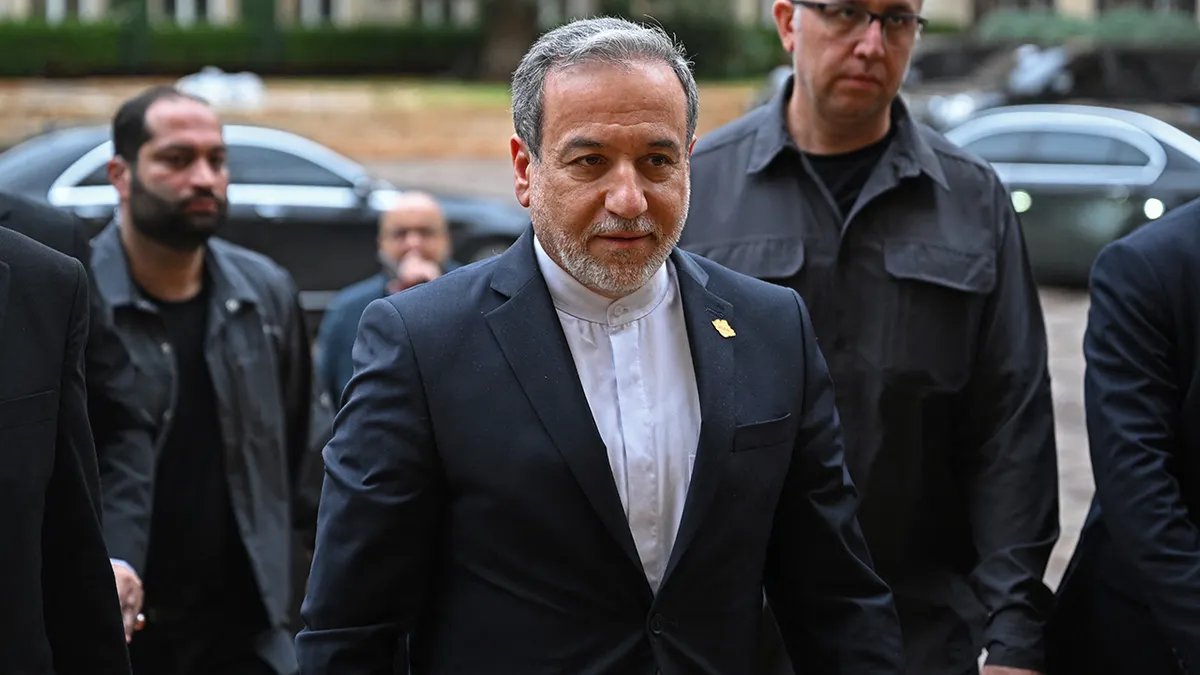
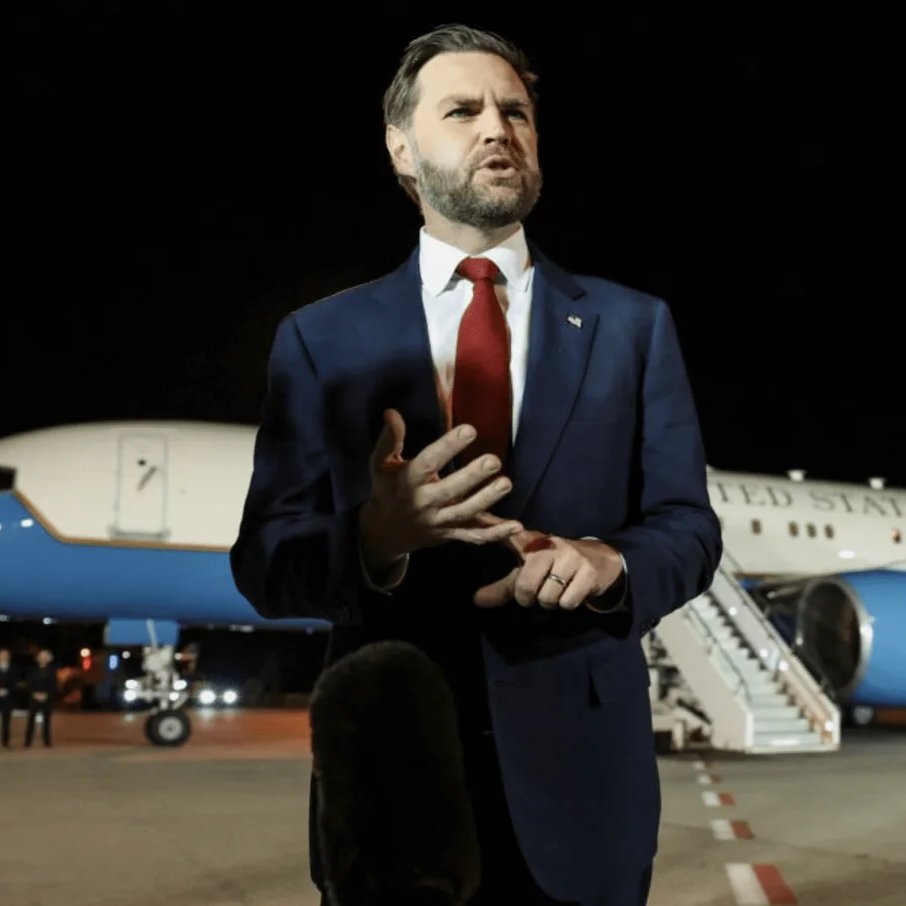
🚨🇺🇸🇮🇷 The man who didn't want this war is now the one who has to end it... Vance heading into Islamabad reveals the impossible position he's in. He opposed the war. He told Trump to his face it was a bad idea. He cautioned against striking the Houthis in leaked Signal chats. He kept quiet during the early weeks, staying as far from the "debacle" as possible. Then Trump handed him the negotiating table. A close friend says Vance described feeling like he was "walking on eggshells" around Trump because of his antiwar views. Across the table sits Araghchi, who literally wrote a book called "Negotiations: The Power of Diplomacy" vowing Iran would never surrender its nuclear capacity. And Ghalibaf, the parliament speaker who mocked America's "no-strategy war" when the F-15 was shot down. A former Trump official put the stakes bluntly: Vance will have his fingerprints all over the fallout if the U.S. ends up on the losing side of a bad deal. But here's the thing nobody is saying out loud. Vance's opposition to the war is exactly what makes him credible to Iran. Tehran requested him. They trust that the man who tried to prevent the bombing is more likely to negotiate honestly than the people who championed it. If he walks out of Islamabad with a deal, it's the most significant diplomatic achievement by a Vice President in modern history. If he doesn't, the war he never wanted becomes the war he couldn't end. Source: WSJ


@BRICSinfo Intelligence now indicates the US is not ready for ground war, with gaps in air defense and troop positioning requiring at least two more weeks, meaning this extension is not de-escalation but covert operational buildup disguised as diplomacy.