Mark ๐Ÿถ

4K posts

Mark ๐Ÿถ banner
Mark ๐Ÿถ

Mark ๐Ÿถ

@GrumpyOldMuppet

A gentleman with a paradoxical twitter handle ๐ŸŒž Dog & animal lover ๐Ÿถ WoSo โšฝ CovidConscious ๐Ÿ˜ท๐Ÿ’‰ pro LBGTQ+ rights ๐Ÿณ๏ธโ€๐ŸŒˆ Stand w/ ๐Ÿ‡บ๐Ÿ‡ฆ ๐Ÿ‡ฌ๐Ÿ‡ฑ Trust Science โš›๏ธ

Bergabung Mayฤฑs 2015
647 Mengikuti146 Pengikut
Mark ๐Ÿถ
Mark ๐Ÿถ@GrumpyOldMuppetยท
@ChrisAlvino ๐Ÿ’ฏ But it is nice to at least have the best of humanity tweets to help keep our sanity... and give us some hope.
English
1
0
1
4
Chris Alvino
Chris Alvino@ChrisAlvinoยท
The juxtaposition of seeing the absolute BEST of humanity on the timeline, going further than any human being has ever gone before, next to the absolute WORST of humanity threatening genocide and worse, is giving me psychic whiplash
English
2
3
6
67
Mark ๐Ÿถ me-retweet
Miss Ally
Miss Ally@MissAlly_01ยท
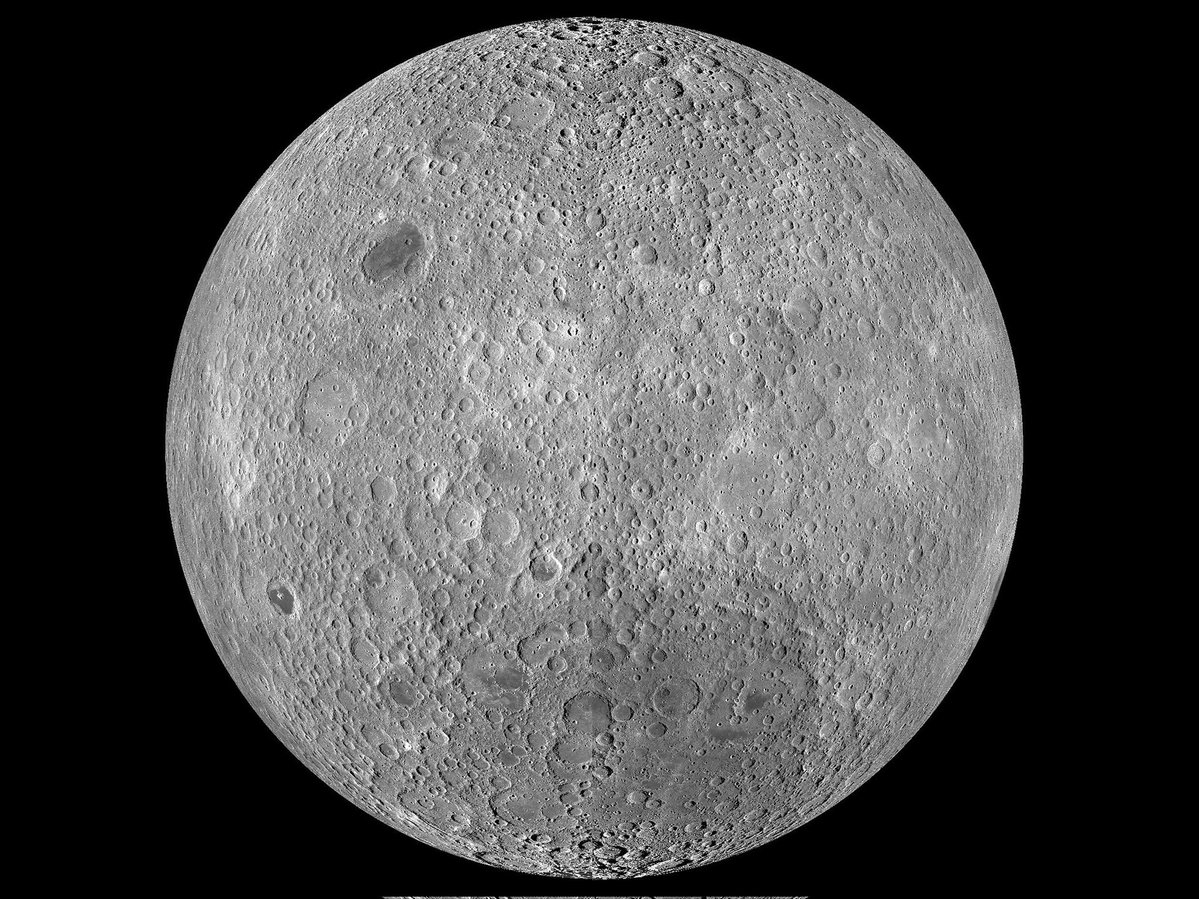
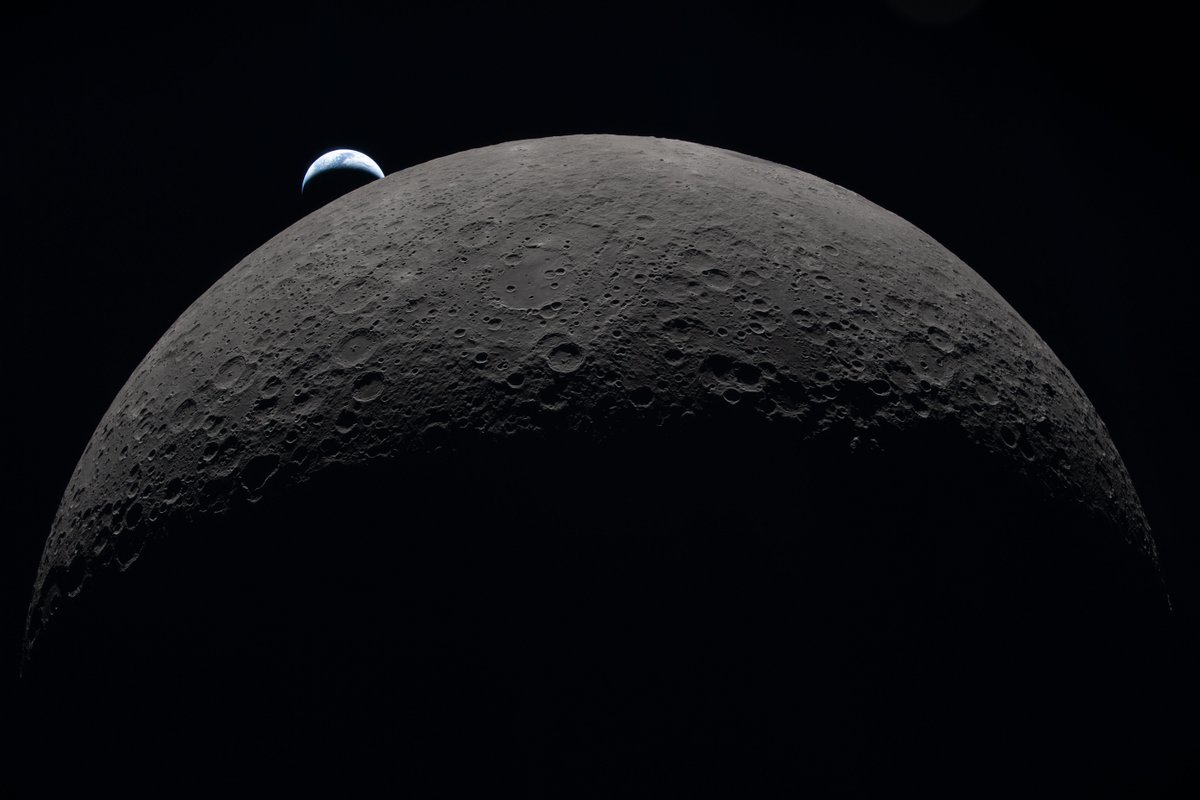
NASA's Artemis II just released the first photo of the far side
Miss Ally tweet media
English
276
2K
13K
167.3K
Mark ๐Ÿถ me-retweet
Erika ๎จ€
Erika ๎จ€@ExploreCosmos_ยท
The term โ€œdark side of the Moonโ€ is one of those persistent misnomers: nothing on the Moon is permanently dark. The hemisphere we donโ€™t see from Earth, the far side, receives sunlight just as regularly as the near side, with roughly two weeks of daylight followed by two weeks of night at any given location. The reason we never see that far side is not about lighting, but dynamics. The Moon is tidally locked to Earth, which means its rotational period and orbital period are the same. In practical terms, it rotates exactly once on its axis in the same time it takes to orbit Earth once, so the same hemisphere always faces us. Itโ€™s not perfectly fixed, libration lets us glimpse about 18% beyond the edge over time, but the bulk of the far side remains permanently out of direct view. Geologically, the far side really is a different world. It is much more heavily cratered and has far fewer maria, the large, dark basaltic plains formed by ancient volcanic eruptions. On the near side, those maria cover about a third of the surface; on the far side, barely about 1%. The underlying reason is still an active research topic, but the dominant explanation involves asymmetries in crust thickness and heat-producing elements early in lunar history. The near side had conditions that favored widespread basalt flooding, while the far side remained more rigid and preserved its impact scars. Thatโ€™s why, visually, the far side looks brighter, rougher, and more โ€œprimordial.โ€ For decades, this hemisphere was effectively invisible to human eyes. Even during the Apollo missions, astronauts only saw it briefly and under limited lighting conditions. That has just changed in a meaningful way with the Artemis II mission. Now, for the first time since Apollo, humans traveled back to lunar distance and executed a flyby that carried them around the far side. During that phase, the Moon physically blocked all radio communication, producing a ~40-minute blackout, an immediate, practical demonstration of what โ€œfar sideโ€ really means. While behind the Moon, the crew observed terrain that is rarely described from direct human perception: a landscape dominated by dense cratering, subtle color variations, and large basins like Orientale. They were also farther from Earth than any humans in history, following a free-return trajectory that loops around the Moon and naturally brings the spacecraft back home. When they emerged from behind the Moon, they witnessed Earthrise, one of those moments that tends to reframe the entire Earthโ€“Moon system in a single image. So the โ€œdark sideโ€ is not dark, and not mysterious in the literal sense anymore, but it remains scientifically distinct and observationally special. It is the hemisphere shaped by a different thermal and geological history, hidden from Earth not by shadow but by orbital mechanics, and now, thanks to missions like #Artemis II, finally being seen again not just by instruments, but directly by human eyes. ยฉ @NASA Lunar Reconnaissance Orbiter (November 2009 & February 2011)
Erika ๎จ€ tweet media
English
60
215
1.2K
66.7K
Mark ๐Ÿถ me-retweet
No filter Skin
No filter Skin@NoFilterSkinยท
Itโ€™s not a coincidence that the astronauts whoโ€™ve traveled further than any human donโ€™t talk like they know everything. They talk like students and explorers. Their wonder and curiosity are on full display. Thatโ€™s what science does to you. It dissolves your ego and forces you to confront the vastness of the unknown. It makes you more careful with your words, more open to being wrong and more in awe of the questions than obsessed with the answers. It softens you in the best way possible.
English
17
755
5K
52.9K
Mark ๐Ÿถ me-retweet
Kristy Tillman
Kristy Tillman@KristyTยท
A private space company just can't engender the goodwill and sentimental vibe of the public the same way NASA can.
English
58
867
15.5K
141.6K
Mark ๐Ÿถ me-retweet
Merriam-Webster
Merriam-Webster@MerriamWebsterยท
This might be the first time in history that a question asked by a dictionary has been answered in zero gravity. Thank you and Godspeed to @NASA and the @NASAArtemis crew!
English
72
769
6.6K
391K
NASA
NASA@NASAยท
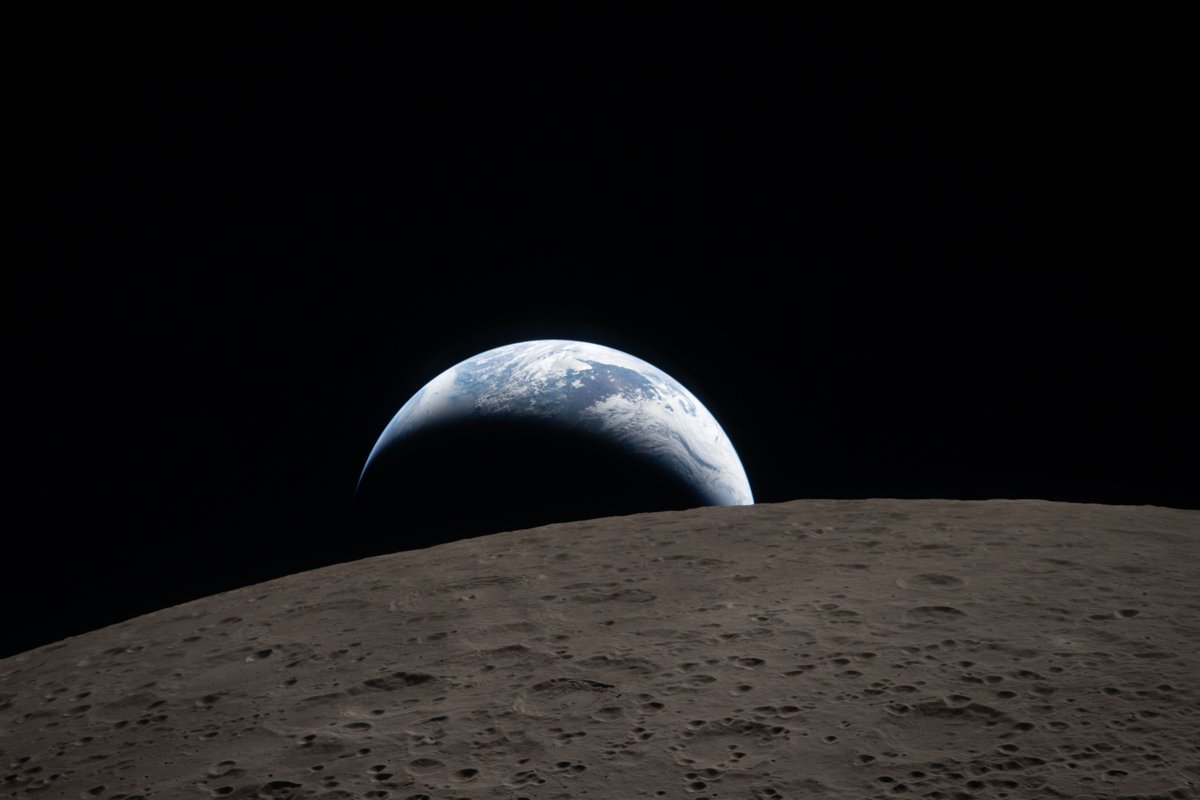
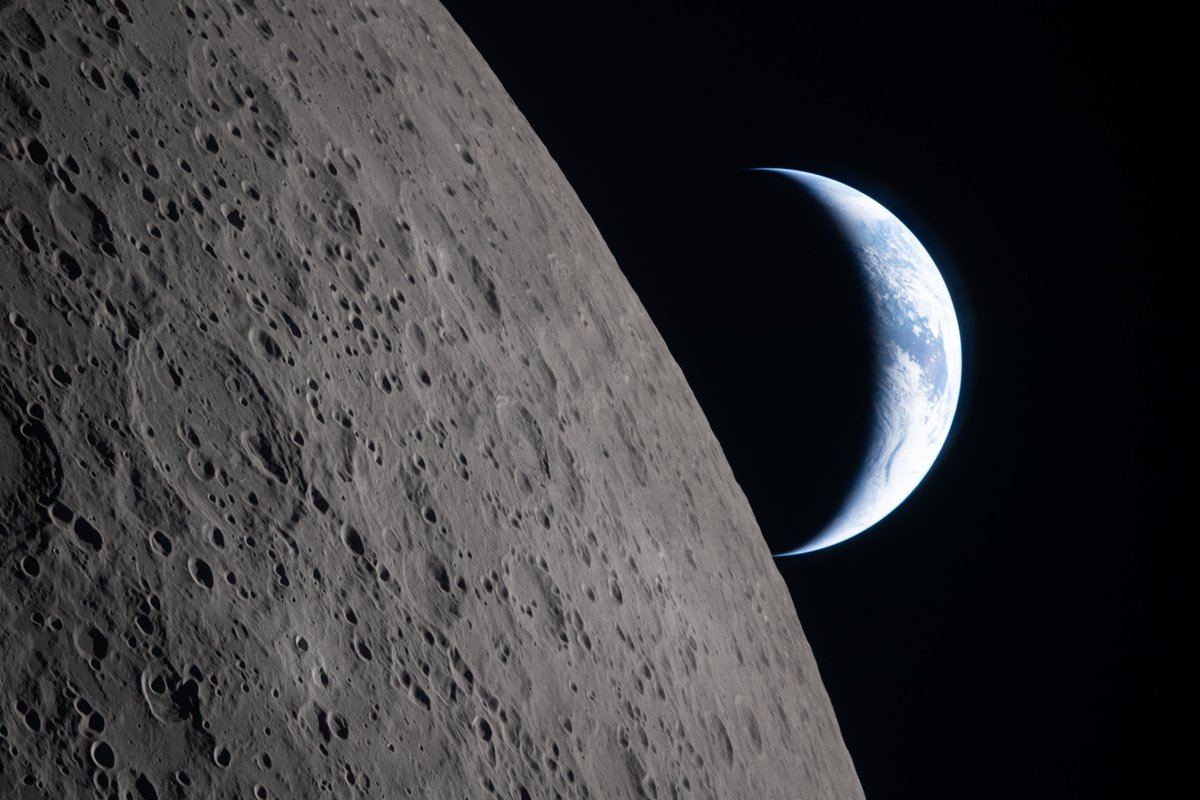
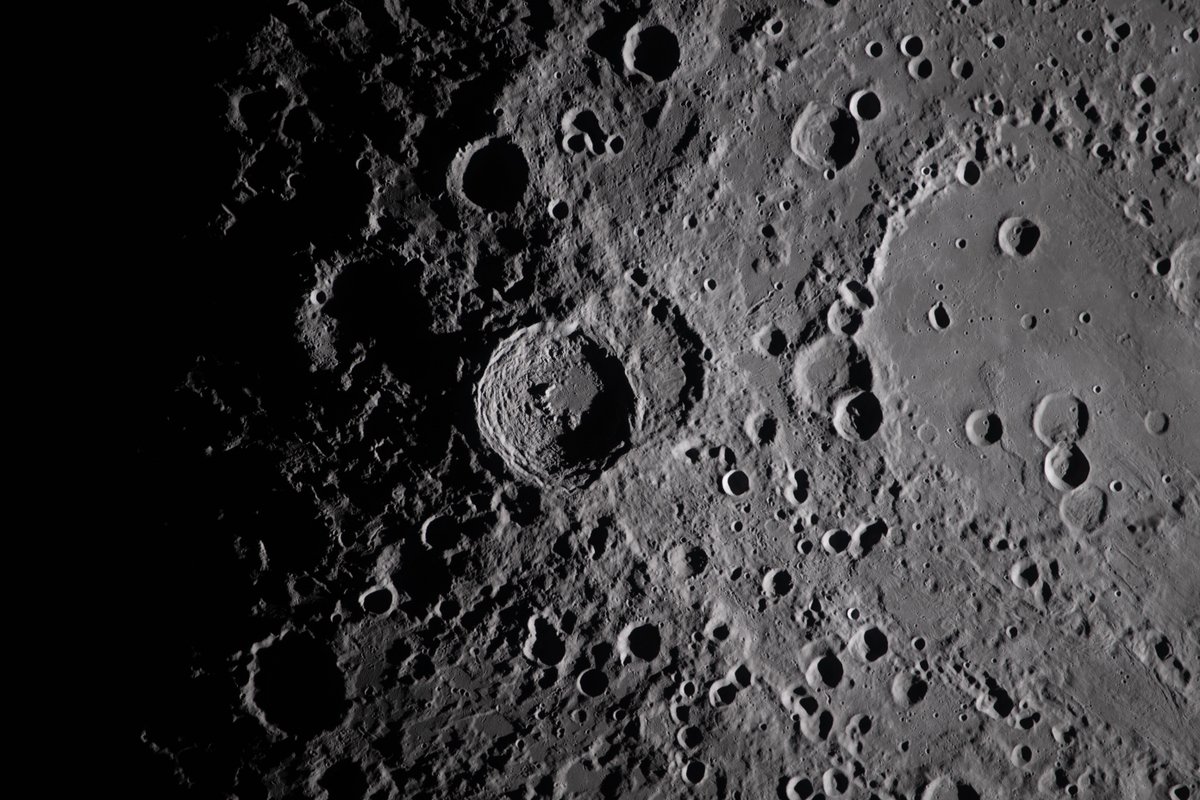
Hello, Moon. Itโ€™s great to be back. Hereโ€™s a taste of what the Artemis II astronauts photographed during their flight around the Moon. Check out more photos from the mission: nasa.gov/artemis-ii-mulโ€ฆ
NASA tweet mediaNASA tweet mediaNASA tweet mediaNASA tweet media
English
6.8K
125.2K
570.7K
14.1M
Mark ๐Ÿถ
Mark ๐Ÿถ@GrumpyOldMuppetยท
@NWSL Not to mention Gigi's reaction at seeing mom.
English
0
0
1
96
Mark ๐Ÿถ me-retweet
project hail dado โšข
project hail dado โšข@astrasdoctorยท
Christina Koch vs Rise The Plushie
English
100
2.4K
27.5K
1.1M
Nikunj
Nikunj@kunjTalkyยท
@astrasdoctor What's actually the deal with that plushie? Was wondering throughout why she keeps on playing with it.
English
10
0
15
15.3K
Mark ๐Ÿถ
Mark ๐Ÿถ@GrumpyOldMuppetยท
@iambri_97 Slower reading speeds can be an indication of higher reading comprehension. You read more slowly as your brain interprets, correlates, and expands upon the information, and forms mental images of what you are reading.
English
0
0
0
14
B ๐Ÿงก
B ๐Ÿงก@iambri_97ยท
why is there actually, legitimately, discourse around reading speed right now โ€œ8 hours to read a book is slowโ€ โ€œyou should be able to read a book in 3-5 hoursโ€ bro we are in a literacy CRISIS, i do not care how fast or slow you read a book, just pick one up and read it
English
473
21.4K
140.1K
981.2K
Mark ๐Ÿถ me-retweet
Javier de la Cuadra
Javier de la Cuadra@JavierDlacuadraยท
Ahora sรญ hablemos en serio de la foto. Este es un trino para interesados en fotografรญa, astrofotografรญa y el que quiera ยฟPor quรฉ esta foto es increรญble? Algรบn conspiranรณico, dรกndoselas de suspicaz, preguntรณ que por quรฉ esta foto tomada por el comandante del Artemis II se veรญa mรกs opaca que la foto tomada por la tripulaciรณn del Apolo 17 en 1972. Bueno. Acรก viene lo emocionante. Esta fotografรญa hubiera sido imposible tomarla con una cรกmara anรกloga; y no cualquier cรกmara digital puede tomarla. El archivo original de esta foto estรก disponible para su descarga en la pรกgina de la NASA. En las propiedades del archivo se puede ver con quรฉ cรกmara fue tomada y los ajustes de exposiciรณn que se usaron. Hasta el serial de la cรกmara. Esto, primero que todo, garantiza que la foto que estamos viendo no fue creada digitalmente, ni con IA, sino capturada por una cรกmara real por un humano. Sรฉ que no es suficiente argumento para los conspiranรณicos, pero ni modos. Esa que estรก ahรญ es la Tierra. Ahora sรญ lo interesante. ยฟPor quรฉ se ve como mรกs opaca que la del 72? porque resulta que en la cara de la tierra que vemos en esa foto, estรก de noche; si hacen zoom pueden ver el brillo de la iluminaciรณn nocturna. Pero ยฟcรณmo, si es de noche, puede verse como si fuera de dรญa? Porque la foto se hizo con un altรญsimo ISO de 51200! El ISO es la sensibilidad del sensor a la luz. Con la mayorรญa de cรกmaras digitales, con ISOs de mรกs de 6400, el ruido es tanto que la foto se ve prรกcticamente ilegible. Pero la cรกmara que tiene el comandante Reid Wiseman es una NIKON D5, que no es una cรกmara muy nueva; tiene 10 aรฑos de haber sido lanzada. Pero su sensor es reconocido por garantizar una calidad decente de imagen con ISOs altos. Y eso, para los que siempre preguntan cรณmo se hace una buena foto del cielo, es fundamental ยฟPor quรฉ? Pues para poder tomar fotos de los astros sin tener que bajar mucho la velocidad de exposiciรณn. Porque si bajas mucho la exposiciรณn apra que entre mรกs luz, queda capturado el movimiento de los astros y de la rotaciรณn de la Tierra, cuando estรกs en la Tierra. Asรญ que un iSO tan alto hizo posible que Wiserman pudiera disparar a una velocidad de 1/4 de segundo. Que es baja, pero no tanto. Es digamos, el lรญmite para la astrofotografรญa. Por eso esta foto tiene ruido, porque de todas formas es un ISO altรญsimo. Pero lo que mรกs me emociona a mรญ, es que la tomรณ con un lente 14 -24mm F2.8. Es decir, en terminos coloquiales, que esta foto no tiene zoom. Para que lo dimensionen: cuando uno quiere tomar una foto de la Luna desde la Tierra que salga asรญ de "cerca" tiene que usar un lente de unos 400mm de distancia focal. Wiserman usรณ un ยกgran angular de 22mm! Es decir que รฉl estaba viendo la Tierra asi de grande frente a sus ojos. Porque la foto no fue recortada en ediciรณn y eso lo sabemos porque en las propiedades del archivo siempre aparece cuando una foto fue editada. El archivo estรก limpio, tiene la resoluciรณn original de la cรกmara. La tierra era inmensa frente a su mirada. Hermoso. Pero para mรญ lo mรกs mรกgico de esta foto, incluso mรกs que las auroras boreales, es que se ve como la luz de sol, que estรก del otro lado de la tierra, ilumina nuestra atmosfera. Y eso es magia pura, porque esa atmosfera tiene una composiciรณn milimรฉtricamente perfecta para permitir que la vida, tal y como la conocemos, sea posible. Esta foto, es un regalo precioso para la humanidad. Les dejo al link para que descarguen la foto en alta resoluciรณn y el pantallazo de las propuedades del archivo.
Javier de la Cuadra tweet media
Espaรฑol
719
8K
31.2K
1.7M
Mark ๐Ÿถ me-retweet
Chris Combs (iterative design enjoyer)
ARTEMIS II AS SEEN BY THE OFFICIAL NASA CESSNA THIS IS THE BEST LAUNCH VIDEO AND IT ISN'T CLOSE
English
268
10.1K
69K
2.2M
Mark ๐Ÿถ me-retweet
Spaceballs The X Account
Spaceballs The X Account@Grunt2Aยท
Now that Artemis II has launched we have 10 days to get everyone on Earth a Planet of the Apes costume so we can do something hilarious when the astronauts return ๐Ÿ˜
Spaceballs The X Account tweet media
English
2.2K
17.7K
92.2K
2.5M
Mark ๐Ÿถ me-retweet
jay plemons
jay plemons@jayplemonsยท
Visual representation of the distance between Earth and the Moon
English
62
1K
5.1K
308.7K
Mark ๐Ÿถ me-retweet
Joshua Reed Eakle ๐Ÿ—ฝ
Something last night reminded me what the old America felt like. PBS coverage of Artemis II. Young families from across the country gathered to watch a launch. An American flag next to the Artemis flag on the pad. A diverse crew of experts from across the world who spent their lives preparing for this. No Trump. No Vance. No Mike Johnson. No demagogues calling the astronauts DEI hires or blaming the other party for something. Just people being patriotic, happy, together, inspired. Gathered to watch America do something historic yet again. It reminded me of America before this moment. A snapshot of America at its best. And it reminded me that despite the moral ugliness we wade through every day, we're still that country underneath it all. We're just being led by people who want us to forget it.
Joshua Reed Eakle ๐Ÿ—ฝ tweet media
English
79
641
3.2K
54.5K
Mark ๐Ÿถ me-retweet
Climate Dad
Climate Dad@ClimateDad77ยท
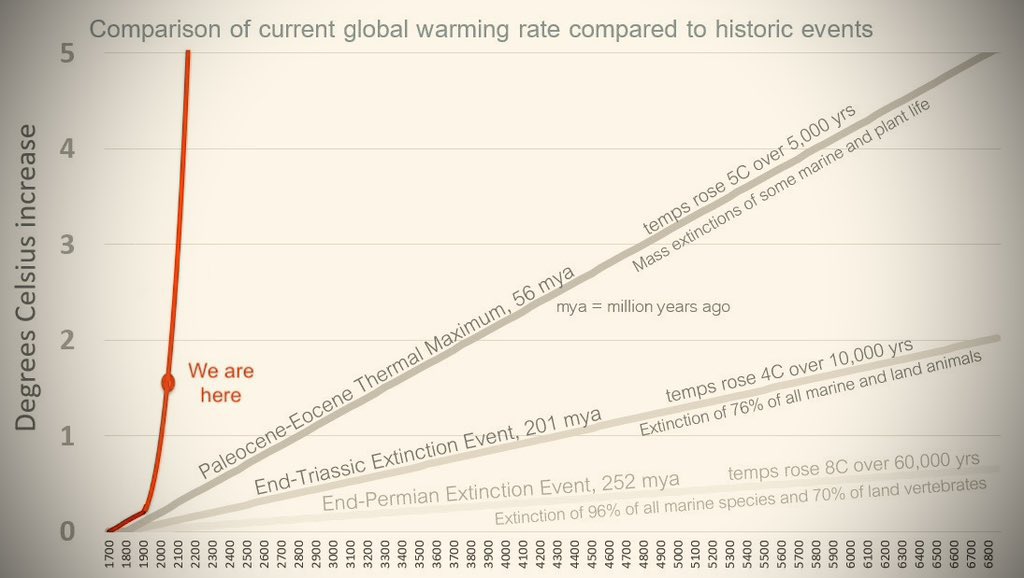
The gently sloping line at the bottom is our world 252 million years ago, when temperatures increased by 8C across 60,000 years killing 90% of all species. It is a period known as The Great Dying. That vertical red line is the world our children live in.
Climate Dad tweet media
English
73
836
2.9K
95.4K
Mark ๐Ÿถ me-retweet
NASA
NASA@NASAยท
@elmo Okay Elmo, weโ€™ve got some good news and some bad news. The good news: Today, weโ€™re launching to fly around the Moon! The bad news: The Moon is absolutely covered in rocks.
English
85
629
18.3K
307.9K
Mark ๐Ÿถ me-retweet
Elmo
Elmo@elmoยท
Elmo heard that @NASAโ€™s Artemis II crew is going to space! ๐Ÿš€ Tell Mr. Moon that Elmo says hi! ๐ŸŒ•โค๏ธ
English
256
4.1K
43K
989.8K