Tweet Disematkan
Health Edit Pro
4.8K posts

Health Edit Pro
@HealthEditPro
No DM || Health, Nature, Fitness Health Tips Health Care Healthy Life Style
Bergabung Aralık 2024
212 Mengikuti278 Pengikut

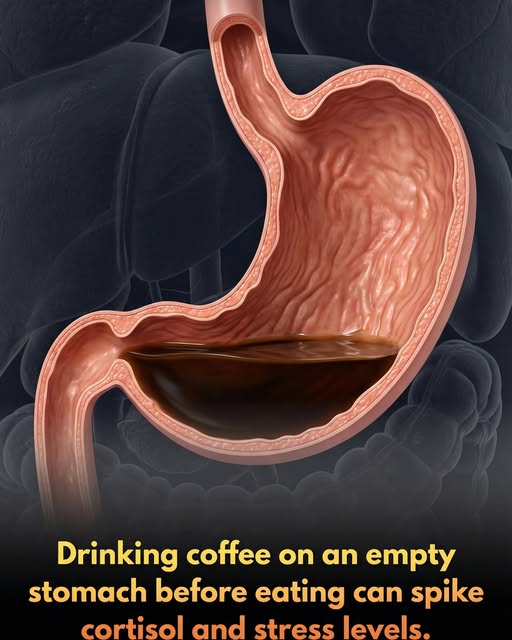
Coffee before breakfast spikes your stress hormones and sets you up for a crash.
Many people kick off their day with a strong cup of coffee for that instant energy boost, but sipping it on an empty stomach—especially right after waking—might be counterproductive and even counterproductive to your body's natural rhythms.
Upon waking, cortisol (your primary stress hormone) naturally surges to help you feel alert and mobilize energy. Adding caffeine during this peak window, without any food to buffer it, can amplify this response more intensely than necessary.
While some popular claims link this to dramatic cortisol spikes leading to anxiety or crashes, the key evidence from the University of Bath's research focuses on metabolic effects: consuming strong black coffee before breakfast (particularly after a disrupted night's sleep) impairs blood glucose control, raising post-meal blood sugar responses by about 50% compared to eating first.
This creates unnecessary metabolic strain, contributing to energy volatility, potential jitters, heightened stress sensations, and that familiar mid-morning slump.
The University of Bath study (published in the British Journal of Nutrition, 2020) didn't directly measure cortisol but highlighted how this coffee-first routine disrupts glucose/insulin dynamics—effects that align with broader reports of caffeine interacting with stress pathways and exacerbating morning hormonal fluctuations in some individuals.
A simple tweak makes a big difference: eat something small first (even a handful of nuts, yogurt, or fruit) to provide a biological cushion. Food slows caffeine absorption, moderates any amplified hormonal or metabolic response, stabilizes blood sugar, and lets the caffeine deliver clean focus and alertness without the unwanted side effects like jitteriness or crashes.
In short, timing your coffee after a bite turns it from a potential stressor into a reliable ally for a smoother, more balanced start to the day.
[Betts, J. A., Richardson, J. D., Chowdhury, E. A., Holman, G. D., Tsintzas, K., & Thompson, D. (2020). Glucose control upon waking is unaffected by coffee consumption prior to a disrupted night’s sleep. British Journal of Nutrition]

English

Q: Why do I wake up tired… even after 8 hours of sleep?
A: Let me guess:
→ You didn’t stay up late working.
→ You weren’t up all night crying.
→ You weren’t even mekwe-ing.
But you still woke up feeling like a trailer jammed you, right?
Here’s the harsh truth:
→ It’s NOT the sleep hours.
→ It’s NOT your pillow.
→ It’s NOT your mattress.
Q: So what’s the problem?
A: It’s the food you ate last night.
→ You ate heavy.
→ You ate late.
→ You went to bed with your belly looking like a loaded cooler.
Q: But I thought food makes me sleep?
A: No love. While you were snoring, your body was busy:
→ Digesting all that food.
→ Liver working overtime.
→ Pancreas running night shift.
→ Insulin staying sky-high.
Instead of repairing, your body was digesting.
Instead of healing, it was processing.
Q: And that’s why I wake up bloated and tired?
A: Exactly. That’s why:
→ You’re dragging yourself out of bed.
→ You’re craving sugar by 10am.
→ You’re bloated and cranky in the morning.
It’s the food.
It’s the timing.
It’s the overload.
Q: What’s the solution?
A: Simple:
→ Stop eating heavy at night.
→ Close the kitchen early.
→ Give your body time to finish its work before bedtime.
Q: But what if I sleep early and still feel tired?
A: Sleeping early can’t fix it if you’re sleeping on a full stomach.
You’re not waking up tired because you “slept wrong.”
You’re waking up tired because you ate wrong.
P.S. The later you eat, the earlier your energy dies the next day.
Don’t forget to reach out for a well structured meal plan.

English

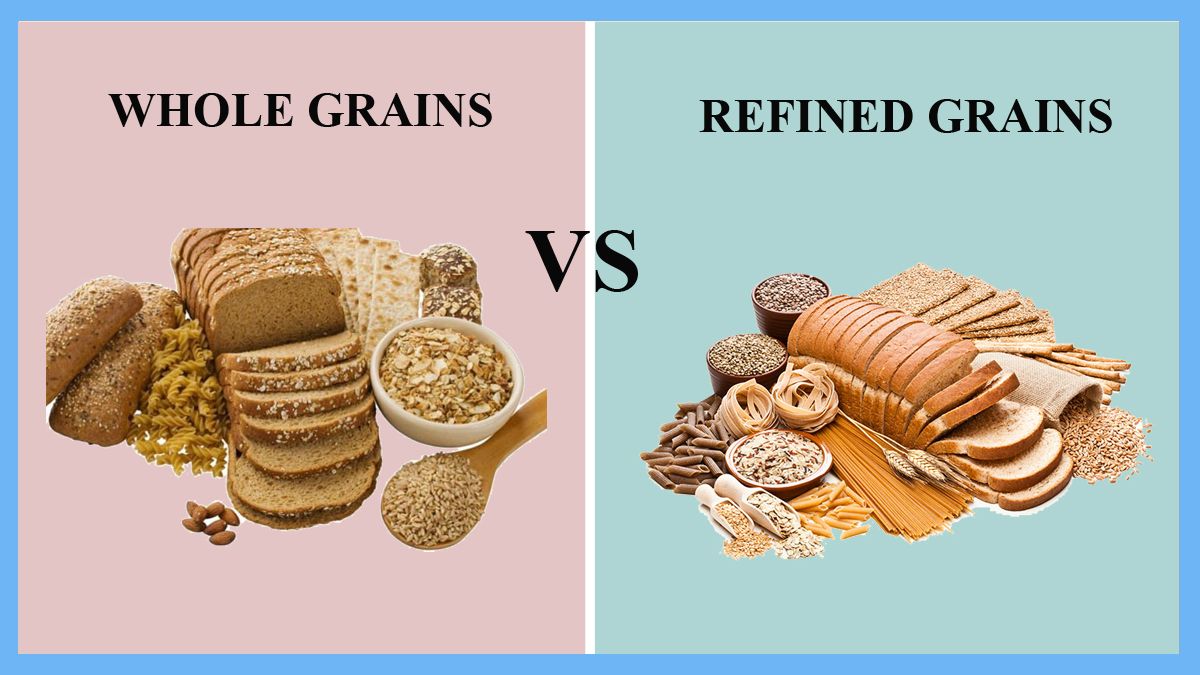
"Eat whole grains instead of refined grains for better health!"
Both spike your blood sugar. Both are primarily carbohydrate. Both lack complete nutrition.
The difference: Whole grains include the bran, which contains:
- Phytic acid (blocks mineral absorption)
- Lectins (damage intestinal lining)
- More fiber (irritates digestion)
Refined grains had the bran removed because traditional populations discovered through trial and error that removing it made people healthier.
We called this "processing" and decided it was bad.
Then we added the inflammatory bits back in and called it "whole grain" and decided it was good.
Traditional Asian cultures spent significant labor polishing rice to remove the bran. They weren't idiots. They were removing the parts that made people sick.
Modern nutritionists looked at this and concluded Asians had been wrong for 10,000 years.
Whole grains aren't healthier than refined grains. They're just worse in a different way.
You're choosing between being punched in the face or punched in the stomach. Both still hurt.

English

Taking intentional screen breaks can have a profoundly positive impact on your mind and mood. 🌸 Even 15–20 minutes of phone-free time, whether it’s painting, cooking, or a calming skincare ritual, can reset your energy and creativity. Your brain deserves a little offline TLC! 🌿
Kristen Jakobitz@KristenJakobitz
Feeling burnt out? It might be time for a screen break. From painting to cooking together, there are so many ways to find joy outside of your devices. 🌿 Try a slow, phone-free skincare ritual tonight to wind down. #HealthyHabits #DigitalWellness #BurnoutSolution

English


Let's bust a myth. Spinach is not the iron powerhouse people claim that it is.
Spinach contains about 2.7 mg of iron per 100 grams, higher than other leafy vegetables like broccoli or Brussels sprouts, though spinach’s iron is less bioavailable.
Why the bioavailability issue? Spinach is rich in oxalates, which interfere with your gut’s ability to absorb non-heme iron, the type in plants. So, Popeye was wrong!
#HealthMyths
#FoodasMedicine
.
English

Hand #therapy is a specialized #rehabilitation field focused on restoring function and strength to the hand, wrist, and upper extremities after injury or surgery.
#StarAcademy #TasacakBuDeniz #healthcare #StarAcademy
English

Did you know your minerals talk to each other? Magnesium and potassium work together to support healthy blood pressure.
Magnesium helps keep potassium inside cells and stabilizes the electrical balance that relaxes your blood vessels. When magnesium is low, potassium regulation falters, especially under stress.
With both minerals in good supply, the cardiovascular system runs more smoothly, supporting fluid balance, vascular tone, and steady heart rhythm.
#HeartHealth
#MagnesiumMatters
English


Did you know? Studies show sunlight can penetrate your body and enhance cellular mitochondrial function. This light exposure supports cellular energy production.
So, when the world feels dim, remember: your mitochondria are still dancing. There is light in you that science can’t measure.
#CellularHealth
#MentalHealth
References:
NEW STUDY: Sunlight Penetrates the Human Body, Improving Mitochondrial Function and Vision - Science, Public Health Policy and the Law. Science, Public Health Policy and the Law. Published July 14, 2025.
English