

Hitining 🇧🇷
305 posts
Hitining 🇧🇷
@Hitining
@helium and @hivemapper deployers. First to map in LATAM
Brasília, Brasil Bergabung Mart 2022
485 Mengikuti352 Pengikut

Just-in-time manufacturing transformed inventory. Stablecoins enable just-in-time money.
The opportunity isn't consumer payments. It's the $25T in B2B volume losing 3-4% to wire fees, FX spreads, and settlement delays.
open.substack.com/pub/obviously/…
English
Hitining 🇧🇷 me-retweet

Why Helium's $0.50/GB pricing might be holding the network back, questions from a potential builder
I've spent the last few days diving deep into Helium's HIPs and debating with the community on Discord. I'm not here to FUD — I hold HNT and I'm actively exploring building an MVNE in Brazil on Helium infrastructure. I need this to work.
But I have questions that I can't resolve.
━━━━━━━━━━━━━━━━━━━━
THE STRUCTURE
━━━━━━━━━━━━━━━━━━━━
HIP 53 (2022) set $0.50/GB as the initial data price and created the SP rewards bucket. HIP 82 (2023) introduced Nova Labs as the first Service Provider, with the stated goal to "pave the way for other Service Providers to join."
Two years later, Nova remains the only SP. Why?
━━━━━━━━━━━━━━━━━━━━
THE ECONOMICS
━━━━━━━━━━━━━━━━━━━━
For a new SP to enter today:
→ Stake 100,000 HNT (~$150k)
→ Build carrier relationships and infrastructure
→ Pay $0.50/GB to the network in real cash
→ Only then start earning proportional SP rewards
Meanwhile, Nova Labs has accumulated advantages: existing carrier contracts, years of emissions, established infrastructure, and the ability to subsidize the $0.50 rate with VC cash and HNT emissions they receive as the network's primary operator.
A new SP would burn money on every GB sold until reaching meaningful scale — while competing against someone whose effective cost is significantly lower.
The rules are equal on paper. But is the game fair?
━━━━━━━━━━━━━━━━━━━━
THE MARKET REALITY
━━━━━━━━━━━━━━━━━━━━
Wholesale WiFi offload rates are a fraction of $0.50/GB. In Brazil, retail mobile plans offer around $0.60/GB to end consumers. Wholesale has to be much lower than that.
At $0.50/GB, Helium isn't competing for wholesale business — it's pricing itself out of most markets. The only reason it works today is Nova subsidizing the gap with HNT emissions and VC cash.
Carriers doing due diligence will ask: "This company pays more than they charge us, funded by token emissions and VC cash. How long can that last?"
━━━━━━━━━━━━━━━━━━━━
THE DEPLOYER PROBLEM
━━━━━━━━━━━━━━━━━━━━
Many deployers built expectations on $0.50/GB without understanding the tokenomics. As one community member put it: "deployers that can't make that price fit their model will quit and deployment will stagnate."
We saw this with IoT. Deployers built on reward expectations that didn't hold up. Frustration followed. Are we repeating the cycle?
━━━━━━━━━━━━━━━━━━━━
THE REAL COMPETITION
━━━━━━━━━━━━━━━━━━━━
Helium's competition isn't other crypto projects. It's Boingo, iPass, carrier-owned WiFi networks — traditional providers offering offload at market rates.
And markets evolve. In Brazil, there was hype about crypto "disrupting" finance. Meanwhile, our traditional banking system already offers instant transfers, 24/7, zero fees. Nubank was born here. PIX moves billions daily for free.
Helium's advantages — no spectrum costs, decentralized deployment, access to hard-to-reach locations — should make it the cheapest option. Instead, it's one of the most expensive.
━━━━━━━━━━━━━━━━━━━━
THE QUESTION
━━━━━━━━━━━━━━━━━━━━
Is this structure intentional or emergent?
I understand Nova Labs built this network and took early risk. Someone had to be the first SP. But if Helium is meant to be a "wholesale data marketplace," shouldn't the path for new SPs be viable by now?
━━━━━━━━━━━━━━━━━━━━
A DIFFERENT APPROACH
━━━━━━━━━━━━━━━━━━━━
What if the network had 100 SPs trying different approaches in different markets, instead of putting all expectations on one company?
Aggressive pricing could enable that experimentation. Right now the design concentrates all the pressure — and all the blame when things don't meet expectations — on Nova alone.
Realistic pricing would benefit everyone:
→ Nova: less subsidy to burn, healthier margins
→ Deployers: sustainable expectations from the start
→ New SPs: viable economics to enter
→ Network: diversified growth, less single-point-of-failure risk
━━━━━━━━━━━━━━━━━━━━
I WANT TO BE WRONG
━━━━━━━━━━━━━━━━━━━━
I'm not trying to tear down Helium. I'm trying to understand if I can build on it.
If there's something I'm missing about how this becomes sustainable at scale, I genuinely want to know. The community on Discord engaged seriously with these questions — thanks to those who did.
But if the answer is "just trust the process" or "token price will fix it" — that's not a foundation I can build a business on.
Nova has enough competitive advantages at this stage that real competition shouldn't be threatening. More SPs would validate the model and grow the pie. Nova would still have the biggest slice.
The network has a choice: become competitive and attract more builders, or accept that this is what it is.
I'd prefer the first option.
English
Patiently waiting to deploy my @helium hotspots like...
Wholesome Side of 𝕏@itsme_urstruly
Just a normal day in Brazil
English



QME


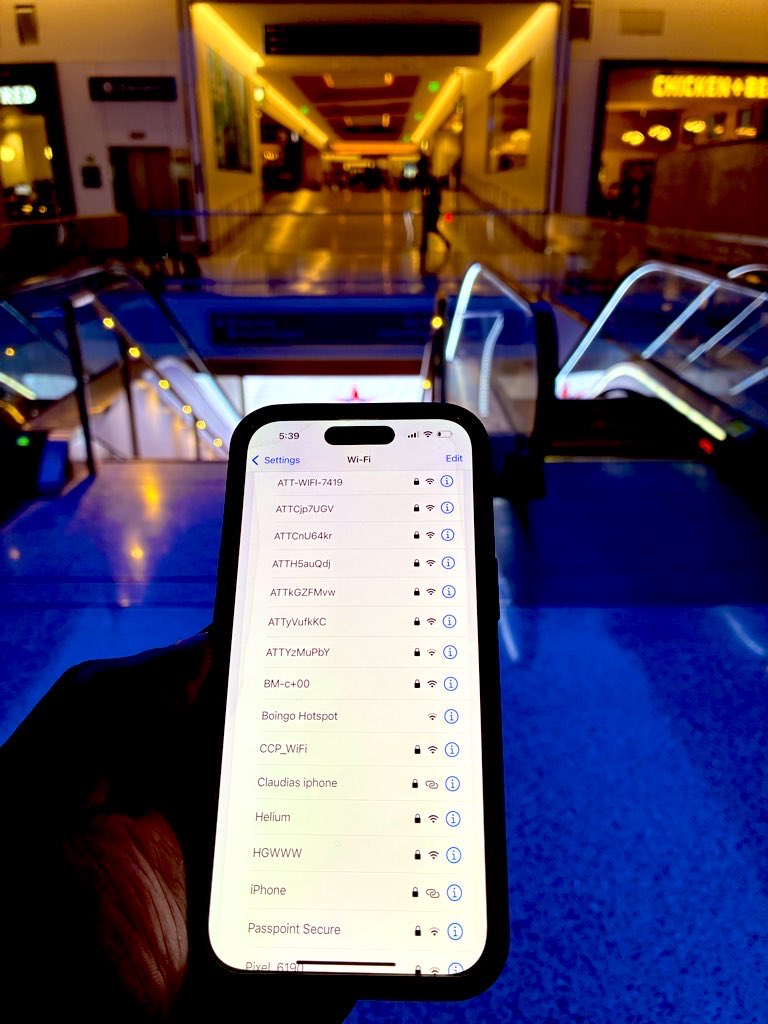

Wifi passwords should disappear everywhere (hotels, homes, airports, restaurants/coffee shops).
We probably waste over 100m person hours a year collectively typing in wifi passwords. Your phone should just auto-connect wherever you are, like cell towers.
And no, none of those dumb captive portals either (ads) - businesses should be shamed for using these.
Hotels don't charge you for electricity when you charge your phone - it's too cheap the meter. Wifi is now the same.
Stop treating wifi like some scarce resource that needs to be rationed. If people are treating your coffee shop like an office, and not buying anything, there must be some other solution.
Ryan Petersen@typesfast
Shooting my shot cold texting the CEO of Starbucks (never met him) to convince him to remove the password on the WiFi in their stores. If this works I’m gonna run for President.
English

the telecom industry is in the middle of a massive shift
for macro (outdoor) coverage, Starlink is coming with DTD/DTC (direct to device/cell). telco's are not yet sure what to make of it. does it actually work? how's the performance? telco neckbeards are skeptical, but I would generally not bet against Elon given how well Starlink works in general. possible that the model of building celltowers is dead forever if Starlink DTD works well
for indoor coverage, the state of the art used to be something called DAS (distributed antenna system). basically a network of fiber-connected cellular antennas connected to one or more base stations. many arenas, casinos, conference centers, airports, etc are outfitted with DAS. typical deployment costs are in the millions or tens of millions of $. you've probably noticed the phenomenon when you're at a conference or busy event that you have full bars of service, but zero data flowing. that is almost certainly a DAS system with the base station over capacity
venues who are looking to upgrade or replace their DAS systems are now looking at WiFi options instead. particularly WiFi 7. why? now that Passpoint is ubiquitous, allowing phones to automatically connect without a separate authentication system/portal, and the majority of WiFi congestion issues are solved via massive amounts of 6GHz spectrum, you get the same or better performance as a DAS system for a fraction of the cost
"but everywhere already has WiFi" you say - this is exactly the point. most indoor locations already have WiFi systems of some kind, but there is still no federation of credentials and authentication that allows people to automagically connect. I don't want to see a list of 50 WiFi networks that are password protected, or pay $10 to access some shitty portal system
@helium is sitting perfectly at the intersection of both of these major shifts. satellite/dtd/dtc will never work well indoors; like celltowers, only worse. and DAS systems are being ripped and replaced with much more efficient WiFi systems. we have spent years building the groundwork for a global unified layer of connectivity and now is the time. customers wander in to these locations and their phones connect to the WiFi network via our Passpoint-enabled systems. connected customers = happy customers = more time spent in the venue = more $ spent in the venue
you are going to see more and more large scale venues move to Helium over the coming months
the ticker is $HNT
English
the telecom industry is undergoing a huge transition. but satellites also need better indoor coverage and still has outdoor dead spots around trees, buildings, and other obstacles
the network is @helium and the ticker is $HNT
Shanaka Anslem Perera ⚡@shanaka86
Apple Just Killed the Telecom Industry — And Nobody Noticed Until Now The 140-year tower monopoly ends the moment a single toggle appears in iPhone Settings. WHAT’S ALREADY LIVE (Verified, Not Speculation): iPhone 14+ Emergency SOS operates via Globalstar satellites. Apple funded $340M … 85% of Globalstar’s entire infrastructure upgrade … and controls exclusive capacity rights through 2037. SpaceX has deployed 5,847 Direct-to-Cell Starlink satellites engineered for standard LTE handsets. Zero hardware modifications required. 3GPP Release-17 NTN protocol is ratified and shipping in Qualcomm X75/MediaTek M80 modems today. THE CAPACITY CRISIS FORCING APPLE’S HAND: Globalstar maxes at 300,000 simultaneous connections. Apple ships 235 million iPhones annually. The infrastructure can’t scale. Starlink DTC offers 10,000x bandwidth density and 7,500+ satellite constellation vs. Globalstar’s 24 aging birds. WHEN THE TOGGLE ACTIVATES — The Infrastructure Inversion: 2.3 billion active Apple devices gain universal satellite fallback instantly. Traditional carriers become optional outside metro zones. Messaging, wallet authentication, SOS function across oceans, disasters, authoritarian network shutdowns. New iCloud+ satellite tier: $8-15/month ARPU boost = $22-41 billion annual services revenue unlock from 180M subscribers. Latency: 25-40ms Starlink Gen2. Throughput: 7-25 Mbps initially, 50+ Mbps roadmap by 2026. This isn’t emergency backup … this is second-primary infrastructure. THE SOVEREIGNTY FRACTURE: Governments lose kill-switch authority over communications. The iPhone becomes the first jurisdiction-independent network terminal owned by 32% of Earth’s connected population. Protests in authoritarian states. Natural disasters. Conflict zones. The control architecture collapses. THE $625 BILLION WEALTH TRANSFER: Verizon: $172B market cap. AT&T: $168B. T-Mobile: $285B. Combined $625 billion rests on tower monopolies that evaporate when satellite becomes standard infrastructure. Apple’s $3.66T valuation suddenly commands dual-network dominance … terrestrial AND orbital. Every competitor remains single-layer. The asymmetry is civilizational. TRACKING ACTIVATION (Next 60 Days): ✓ iOS 19 beta firmware: NTN/satellite-roaming flags in CommCenter logs ✓ Starlink DTC public beta (FCC Special Temporary Authority granted Sept 2024) ✓ Globalstar 10-K Q4 amendments: capacity reallocation clause ✓ Apple Q1 2026 event: “One more thing…” The era of mandatory ground infrastructure ended when Apple bought the sky. The toggle is already written. We’re just waiting for the switch.
English

If you are attending @NetworkXEvent , stop by the Wi-Fi Networks and Services stages to hear about @helium's work on next gen Wi-Fi!

English

🚗⚡ A Day in the Life of an EV Driver
Owning an EV has been a game changer but charging is still a big part of my daily routine. Here’s how I keep my battery happy, and an idea to make it even better. 🧵👇
English
Mapping in front of one of Brazil’s most iconic landmarks the Brasília Cathedral. 🇧🇷🐝
Fully passive, real-time uploads over LTE, expanding the decentralized map one city at a time.
@Hivemapper @TryBeeMaps

English

I can’t say why, but I need you to like & reply to this post with 00
English

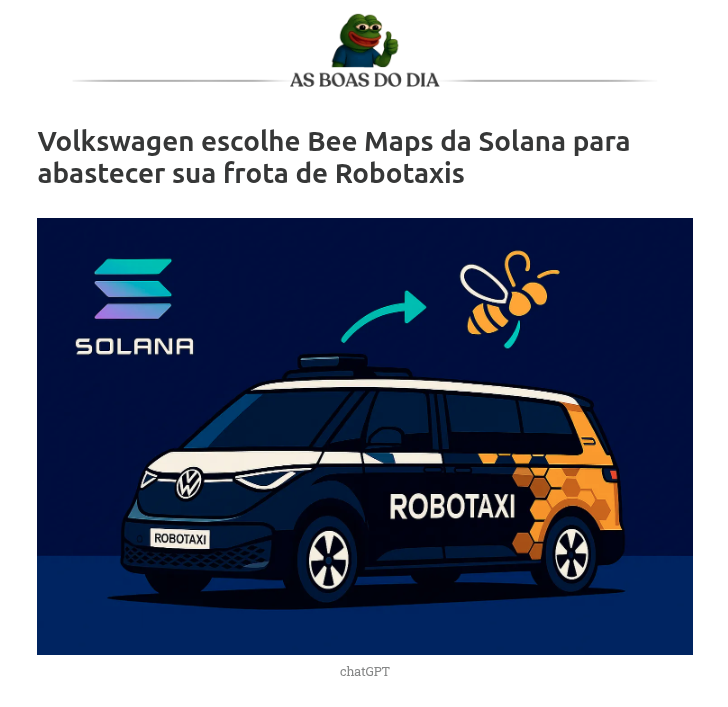


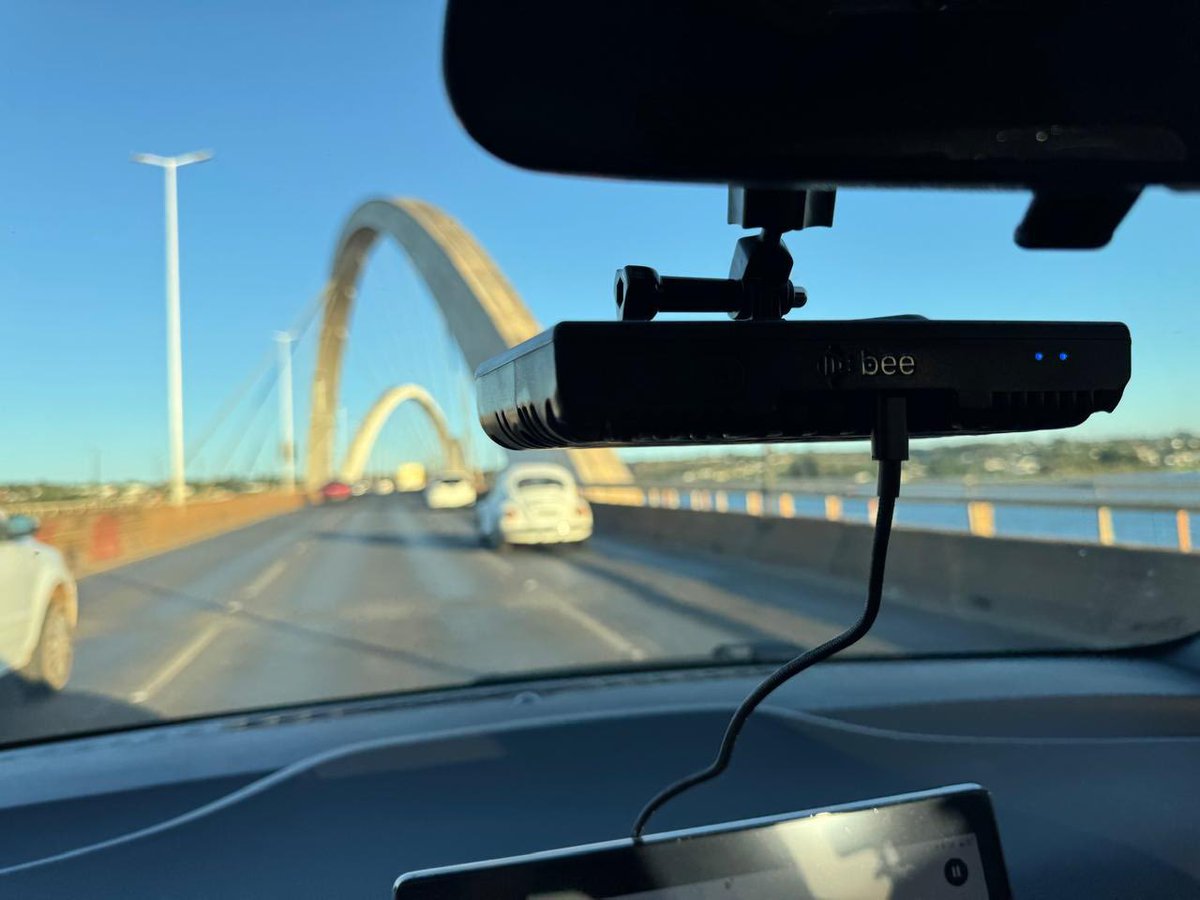
Crossing the iconic JK Bridge with the Bee in action 🐝🌉
Mapping with style, streaming over LTE, fully passive — that’s how we roll in Brasília.
@Hivemapper @TryBeeMaps
English
Fleet mode: activated. 🐝🧢
Boxes are in, Bees are ready, and we’re scaling fast.
Next stop: more data, more rewards, more maps — all powered by @Hivemapper and @TryBeeMaps.
Let’s go!

English