Labvanced - Psychology Experiment Builder
1.1K posts

@LabVanced
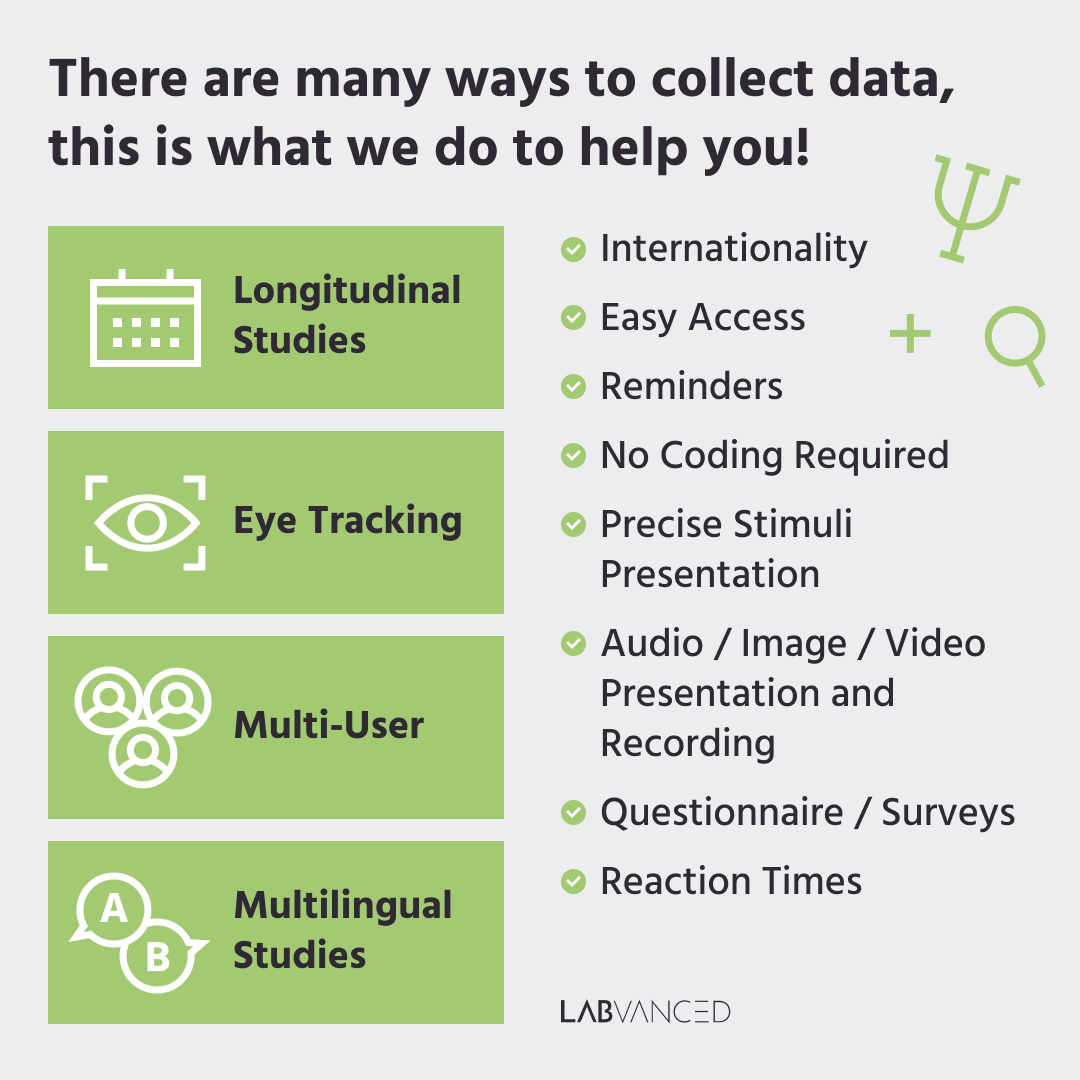
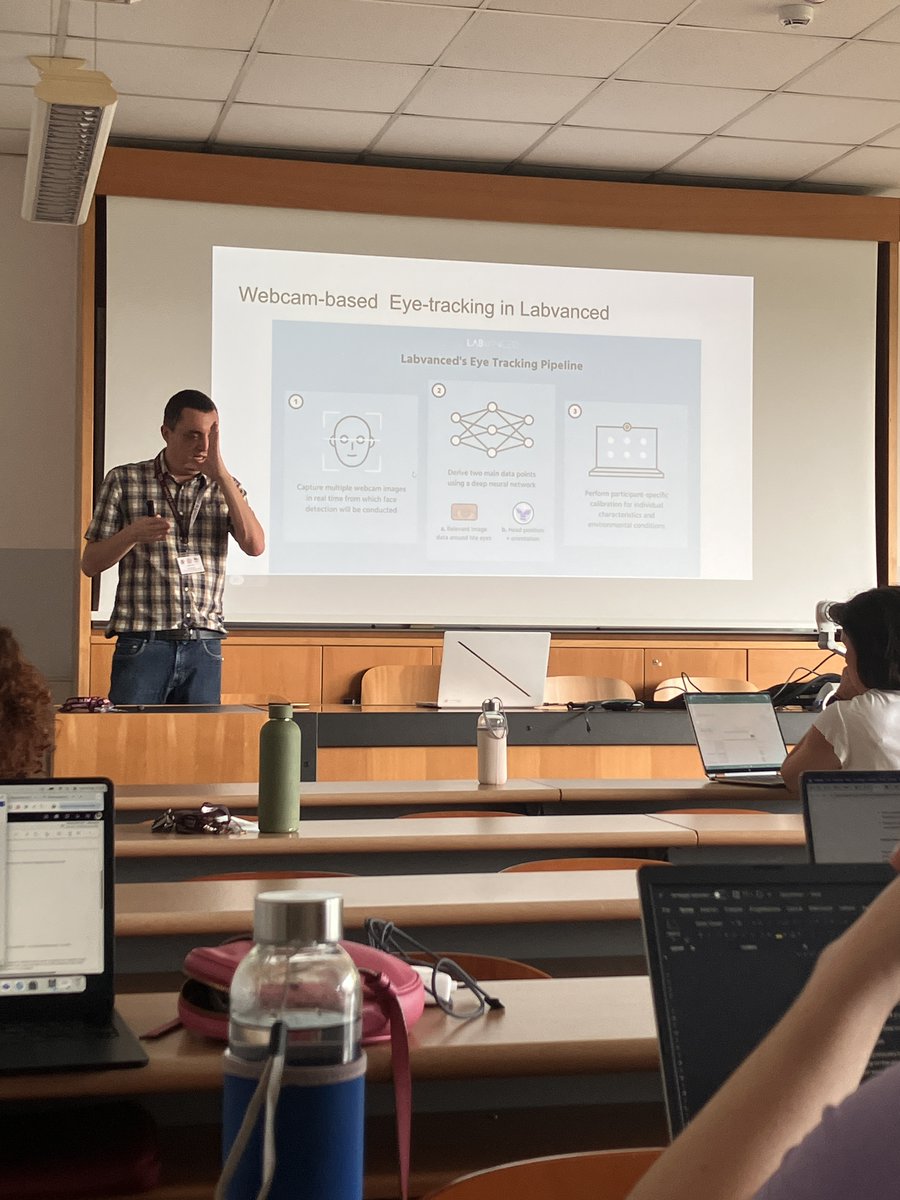
Build online psychology experiments (no coding required) with advanced features like webcam-based eye tracking, longitudinal studies, multi-user studies & more!


Cool paper out tonight on uncertainty estimation in generative AI [1]. You can use generative AI in medical imaging to flag anomalies, and enhance images - but wouldn't you like it to tell you how confident it is in its prediction? 💡The paper enhances a VAE (variational auto encoder) with a SLU layer (Stochastic Laplace Uncertainty) - after the VAE makes a prediction (like generating an image or flagging an anomaly), SLU uses a Laplace approximation to figure out how confident the model is about that prediction 💡The Laplace approximation looks at the curvature of the model’s loss function (how the error changes as you alter the parameters). If the loss function is flat (low curvature), the model is less confident, and if it's steep (high curvature), the model is more confident. By calculating this, SLU figures out how confident the model is in its prediction. Bonus Q: can you see a connection to 2nd-order Tweedie's formula? **answer below in comments, +link to the paper