WorkSafe New Zealand

2.6K posts

WorkSafe New Zealand banner
WorkSafe New Zealand

WorkSafe New Zealand

@WorkSafeNZ

New Zealand’s primary health and safety at work regulator.
New Zealand Bergabung Mayıs 2013
594 Mengikuti3.9K Pengikut
WorkSafe New Zealand
WorkSafe New Zealand@WorkSafeNZ·
@cyncharron Kia ora, thanks for reaching out. We’ll be in touch via DM to get your contact details to pass on to our OIA team so they're able to acknowledge, clarify, and respond to your request.
English
0
0
0
33
WorkSafe New Zealand
WorkSafe New Zealand@WorkSafeNZ·
Our CE Phil Parkes spoke to @radionz about the need to look after young workers who have a higher risk of being injured or becoming unwell at work. They're the future generation & companies need to recognise they have a responsibility to look after them. rnz.co.nz/programmes/the…
English
4
1
0
679
WorkSafe New Zealand
WorkSafe New Zealand@WorkSafeNZ·
This International Workers’ Memorial Day, we remember those who never made it home from work. Good work will never make you sick, hurt you, or put you at risk, and even one death caused by work is too many. Find out more: bit.ly/424itPA #IWMD2023 #WorkersMemorialDay
WorkSafe New Zealand tweet media
English
0
1
1
444
WorkSafe New Zealand
WorkSafe New Zealand@WorkSafeNZ·
(4/4) ⚡ If plugs, sockets, and charging equipment have been wet an electrician needs to check that they’re safe to use. ⚡ If you need to use electrical equipment in a wet area, remember to use an RCD safety switch. Find more ways to stay safe at worksafe.govt.nz/cyclone
English
0
0
0
215
WorkSafe New Zealand
WorkSafe New Zealand@WorkSafeNZ·
(3/4) ⚡ If your house or workplace has been affected by water, turn the power off at the mains and get an electrician to check things are safe before turning the power back on.
English
1
0
0
272
WorkSafe New Zealand
WorkSafe New Zealand@WorkSafeNZ·
(1/4) We know there’s a lot going on right now and our thoughts are with everyone affected by the extreme weather. Electricity and water are a dangerous combination. Here are some tips to help keep you and your whānau safe:
English
1
1
0
503
WorkSafe New Zealand me-retweet
National Emergency Management Agency
National Emergency Management Agency@NZcivildefence·
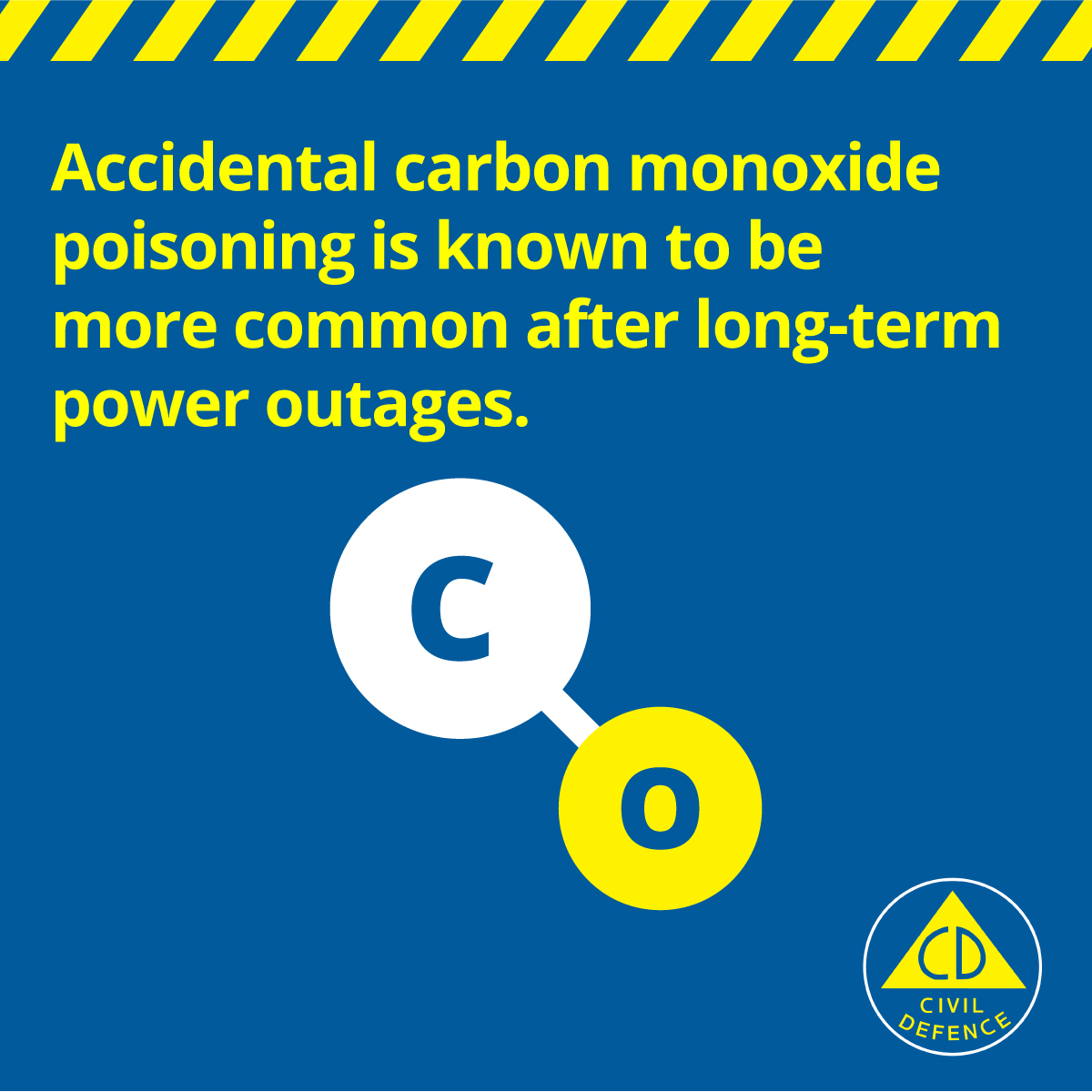
1/5 ⚠ Accidental carbon monoxide poisoning kills several people a year in NZ. It is known to be more common after long-term power outages. ⚠
National Emergency Management Agency tweet media
English
3
26
58
26.3K
WorkSafe New Zealand
WorkSafe New Zealand@WorkSafeNZ·
@AFeministAction @lisametofox Like you, we also want to know they were kept healthy and safe within the legal requirements. Government agencies are looking into it, and we will support in that work if issues are found which fall under WorkSafe’s legislation.
English
0
0
0
23
WorkSafe New Zealand me-retweet
National Emergency Management Agency
National Emergency Management Agency@NZcivildefence·
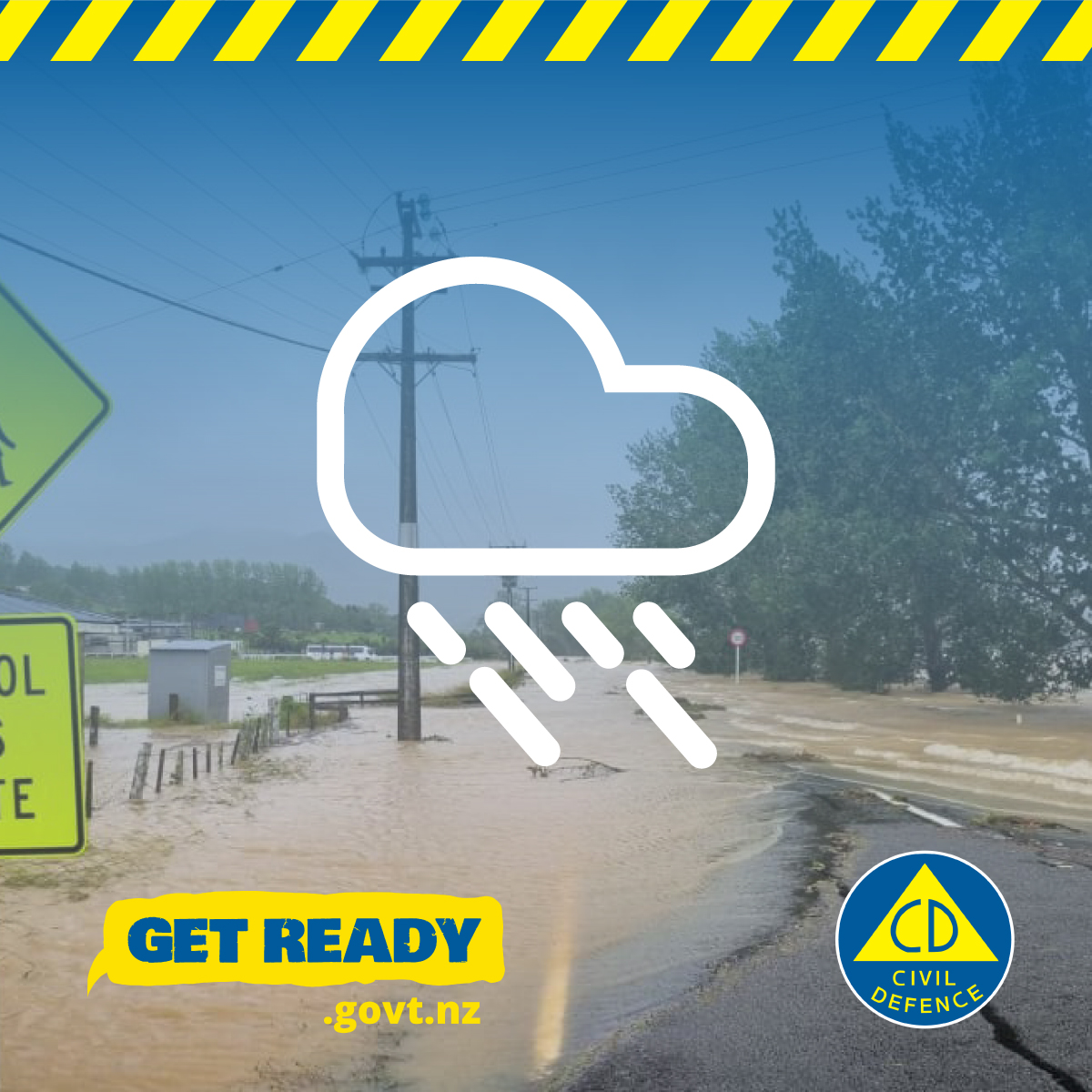
1/4 Many rivers are flooded, and water levels are high around the country. Stay safe - stay out of and away from all floodwaters, and if you have evacuated, please stay where you are until you are given the all-clear to go home.
National Emergency Management Agency tweet media
English
1
10
23
10.6K
WorkSafe New Zealand me-retweet
MetService NZ
MetService NZ@MetService·
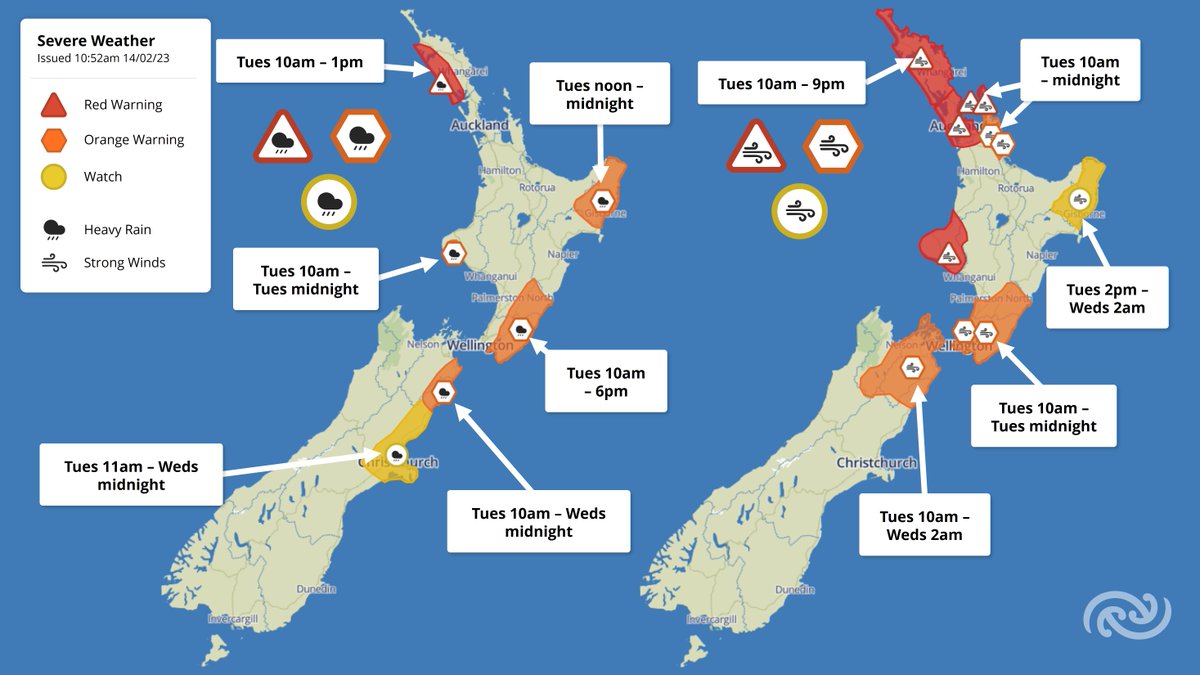
🔴🟠🟡 Our 11am issue of the Severe Weather Watches and Warnings is below. 🟡🟠🔴 Head over to bit.ly/AllWarnings to get the full details.
MetService NZ tweet media
English
0
31
68
25K
WorkSafe New Zealand
WorkSafe New Zealand@WorkSafeNZ·
2/3 You have the right to stop working if you believe it’s a risk to your health and safety. Let your employer know as soon as possible if you think it’s not safe to continue or return to work. Once the cyclone has passed, they can work with you to make things safe again.
English
1
0
0
347
WorkSafe New Zealand
WorkSafe New Zealand@WorkSafeNZ·
1/3 As Cyclone Gabrielle moves across the country, please put the safety of you & your whānau first. High winds, heavy rain, flooding, & slips may cause your home or workplace to become unsafe, & any electrical equipment or outlets that have got wet can be especially dangerous.
English
2
1
1
784
WorkSafe New Zealand me-retweet
National Emergency Management Agency
National Emergency Management Agency@NZcivildefence·
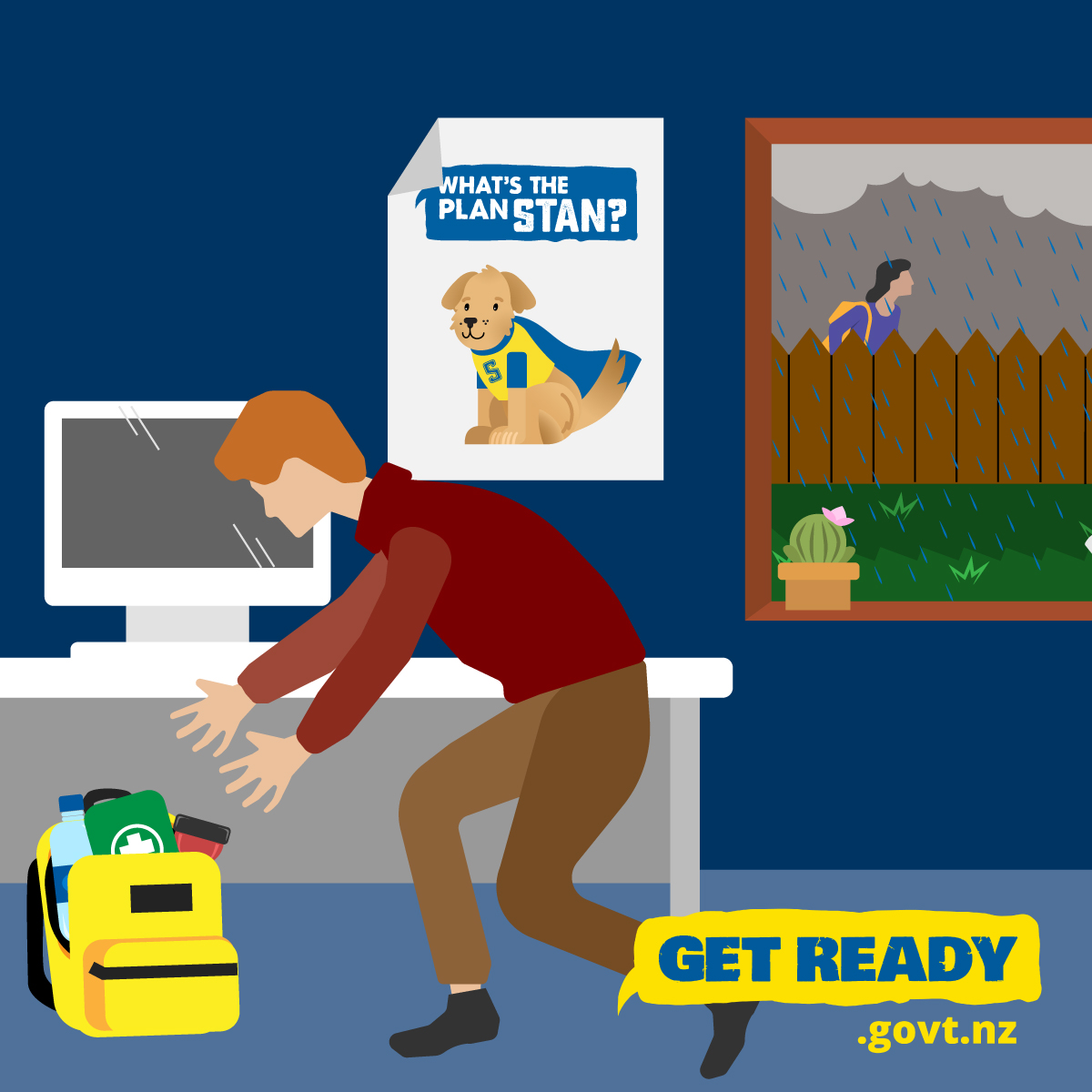
1/4 With even more rain on the way for much of the North Island, now is the time to make sure you’re prepared. You may need to evacuate in hurry, so make sure you and your family know where your meeting place is and how you’ll get there.
National Emergency Management Agency tweet media
English
2
10
30
16.9K
WorkSafe New Zealand
WorkSafe New Zealand@WorkSafeNZ·
(2/3) Flooding, landslides or slips might have caused your home or workplace to become unsafe, and any electrical equipment or outlets that have got wet can be especially dangerous. You have the right to stop working if you believe it’s a risk to your health and safety.
English
1
0
0
213
WorkSafe New Zealand
WorkSafe New Zealand@WorkSafeNZ·
(1/3) 💧 Staying safe at work and home after a flood💧 As the upper North Island cleans up following the recent flooding, it’s important to understand that just because the water has receded, that doesn’t mean the hazards are gone.
English
1
0
1
447
WorkSafe New Zealand
WorkSafe New Zealand@WorkSafeNZ·
(2/3) Remember, you have the right to stop working if you believe it’s a risk to your health or safety. If you do stop work for safety reasons, you need to let your employer know as soon as you can, so they can work with you to make things safe again.
English
1
1
1
263
WorkSafe New Zealand
WorkSafe New Zealand@WorkSafeNZ·
(1/3) If you’re in Tāmaki Makaurau/Auckland, or any area affected by the ongoing heavy rain and flooding, it might not be safe for you to go to work. Flood waters or slips could have made your workplace unsafe, especially if electrical equipment has got wet.
WorkSafe New Zealand tweet media
English
1
1
0
454