Alejandra Gómez Céspedes, (PhD, MSc. Econ.)

5.8K posts
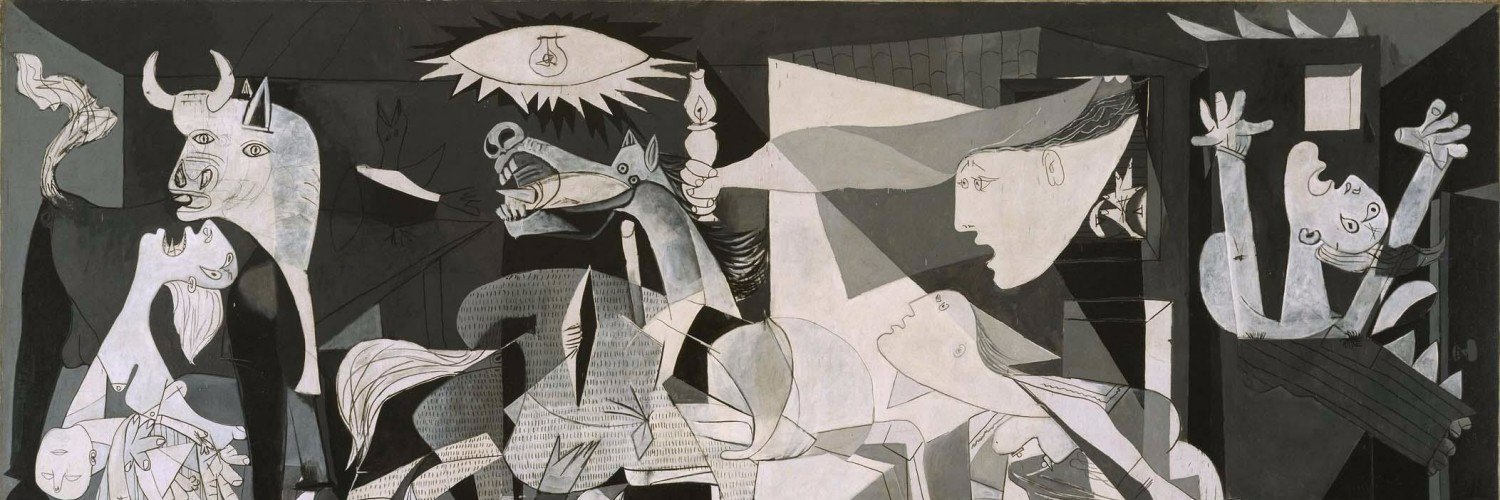
Alejandra Gómez Céspedes, (PhD, MSc. Econ.) banner
Alejandra Gómez Céspedes, (PhD, MSc. Econ.)

Alejandra Gómez Céspedes, (PhD, MSc. Econ.)

@alegomces

International Security, serious Organized Crime, Anti-Corruption & Economic Crime, Rule of Law, Crime Stats, Human Rights & SDGs

Bergabung Mayıs 2016
3.8K Mengikuti524 Pengikut
Alejandra Gómez Céspedes, (PhD, MSc. Econ.)
¡Brava!
EJÉRCITO, FUERZA AÉREA Y GUARDIA NACIONAL México@EJTO_FAM_GN

¡HISTÓRICO! Una mujer rompe una barrera dentro del Ejército Mexicano Por primera vez en la historia del Ejército Mexicano, una mujer ha alcanzado el grado de General de Brigada. Su nombre es Olga Lidia Juárez Patiño, quien actualmente dirige el Hospital Militar de Especialidades de la Mujer y Neonatología. Este nombramiento marca un momento histórico dentro de la Secretaría de la @Defensamx1 Nacional, ya que durante décadas los rangos más altos dentro de las Fuerzas Armadas de México habían sido ocupados casi exclusivamente por hombres. Hoy la historia comienza a cambiar. El ascenso de Juárez Patiño no solo representa un logro personal, sino también un símbolo del avance de las mujeres en instituciones que durante muchos años parecían inaccesibles. Su trabajo en el área de medicina militar y su liderazgo en un hospital especializado en atención a mujeres y recién nacidos han sido clave en su trayectoria. Ahora su nombre queda registrado como la primera mujer en alcanzar este rango, abriendo camino para nuevas generaciones dentro del Ejército.

0
0
0
11
Alejandra Gómez Céspedes, (PhD, MSc. Econ.) me-retweet
Rubén Pueyo | EAW
Rubén Pueyo | EAW@Aqui_mi_casa·
Nuestra infancia terminó. No olvidemos con quién la pasamos.
Español
14
248
1.1K
31.1K
Archaeo - Histories
Archaeo - Histories@archeohistories·
In 1970, if a woman arrived at an emergency room after being raped, the staff moved fast. They cut away her clothing. They washed blood from her skin. They cleaned her wounds, combed debris from her hair, sutured, swabbed, stabilized. They saved her life. And in the same efficient hour, they destroyed the case. The clothing that held fibers and semen was bagged with hospital trash. The fingernails that might have carried skin cells were scrubbed clean. The bruises were documented only as injuries, not as patterns of violence. By the time police arrived, there was often nothing left but a shaken woman and a report that would quietly die in a file. No one intended harm. Nurses were trained to heal, not to think like investigators. Emergency medicine focused on stopping bleeding and preventing infection. Justice was considered someone else’s department. Except it wasn’t. It was the survivor’s. Virginia Lynch was a nurse who noticed what others had normalized. Born in 1941, she grew up in a culture that treated sexual violence as something shameful, private, better left unexamined. In the ER, she saw the same pattern repeat. A woman would arrive assaulted. Staff would do what they were taught. Hours later, police would ask for evidence that no longer existed. Prosecutors declined cases. Defense attorneys dismantled what little documentation there was. Survivors were left with a quiet, corrosive message: if it can’t be proven, maybe it didn’t really happen. Lynch understood something radical for her time — hospitals were not neutral spaces. They were the first crossroads between trauma and accountability. If evidence vanished there, justice rarely followed. When she began asking why nurses weren’t trained to preserve forensic evidence, the resistance was immediate. Doctors said nursing was about care, not crime. Law enforcement questioned whether nurses could handle chain of custody. Administrators worried about lawsuits and reputation. Beneath all of it was a deeper discomfort: taking sexual assault seriously would require admitting how common it was. But Lynch kept pushing. She began designing protocols that did not force a false choice between healing and documentation. Clothing could be preserved without delaying treatment. Injuries could be photographed respectfully. Swabs could be taken with consent. Detailed notes could be written in language that held up in court. Evidence could be secured without turning a survivor into an object. She saw nurses differently than others did. They were already there first. They saw injuries before they faded. They heard the story before it hardened into a deposition. They had the trust of patients in moments when uniformed officers might not. If nurses were trained properly, they could protect both the body and the truth of what happened to it. Out of that insistence came a new field: forensic nursing. Eventually, the role of the Sexual Assault Nurse Examiner — SANE — was formalized. These nurses learned evidence collection, trauma-informed interviewing, courtroom testimony, and meticulous documentation. They became the bridge between medicine and the legal system. Hospitals that adopted these programs saw measurable change. Evidence was preserved correctly. Cases were stronger. Convictions increased. Survivors reported feeling believed instead of processed. The difference was not dramatic technology. It was intention, structure, and training. By the 1990s, forensic nursing was recognized as a legitimate specialty. Courts accepted forensic nurses as expert witnesses. Nursing schools began offering training programs. What had once been dismissed as unnecessary interference became the standard of care. © Women In World History #archaeohistories
Archaeo - Histories tweet media
English
125
4.6K
22.9K
1.4M
Alejandra Gómez Céspedes, (PhD, MSc. Econ.) me-retweet
Libro Negro
Libro Negro@Libro_negro_·
Parece que se encontró una Mega Fosa en Sinaloa y la SEMAR la quiere ocultar, porque inhibieron la señal de red.
Noroeste@noroestemx

Denuncian rastreadoras que elementos de la Marina inhiben la señal telefónica en inmediaciones de fosa clandestina en El Verde, #Concordia, dejando incomunicadas a buscadoras, periodistas y a elementos de Fuerzas Federales que trabajan en el área. 👉url.noroeste.com.mx/jrx6c

Español
66
4K
9K
140.8K
elDiario.es
elDiario.es@eldiarioes·
"Querido lector, lectora: exprime la vida, sé feliz, valora lo que de verdad importa, huye de lo tóxico y practica la empatía… Os deseo lo mejor y disfrutad porque, sí, la vida es un enorme privilegio" La carta de despedida de Carlos Hernández eldiario.es/sociedad/carta…
Español
65
1.1K
3.6K
152.8K
Niyetsel
Niyetsel@niyetsel·
DO NOT SKIP. IT’S A SIGN. 🌙 Your finances are rebalancing now. Type '888' to claim it!
Niyetsel tweet media
English
3.6K
3.7K
40.4K
470K
Agustina 🩷
Agustina 🩷@sosagustina·
Necesito un gimnasio donde las coreografías sean con temas de los 80s y las mujeres usen ropa oversize 🙏
Argentina 🇦🇷 Español
518
3.6K
37.5K
919.2K
Alejandra Gómez Céspedes, (PhD, MSc. Econ.)
Casi 2 toneladas de cocaína pertenecientes al CJNG incautadas en España. Gran operación de la @policia en colaboración con @Politie y @DEAHQ Esa cantidad de droga supone una red de colaboración y protección que seguro no terminarán en esta operación.
Policía Nacional@policia

🚩Desarticulada la “oficina” del Cártel de Jalisco Nueva Generación 🔹20 detenidos 🔹1.870 kilos de cocaína, 375 kilos de anfetamina, 275.000 euros en efectivo, criptomonedas por valor de 15.000 USDT, 3 armas cortas de fuego, 15 vehículos y 14 kilos de plata @DEAHQ

Español
0
0
1
107
This station is Exeter St. de!vi ≷
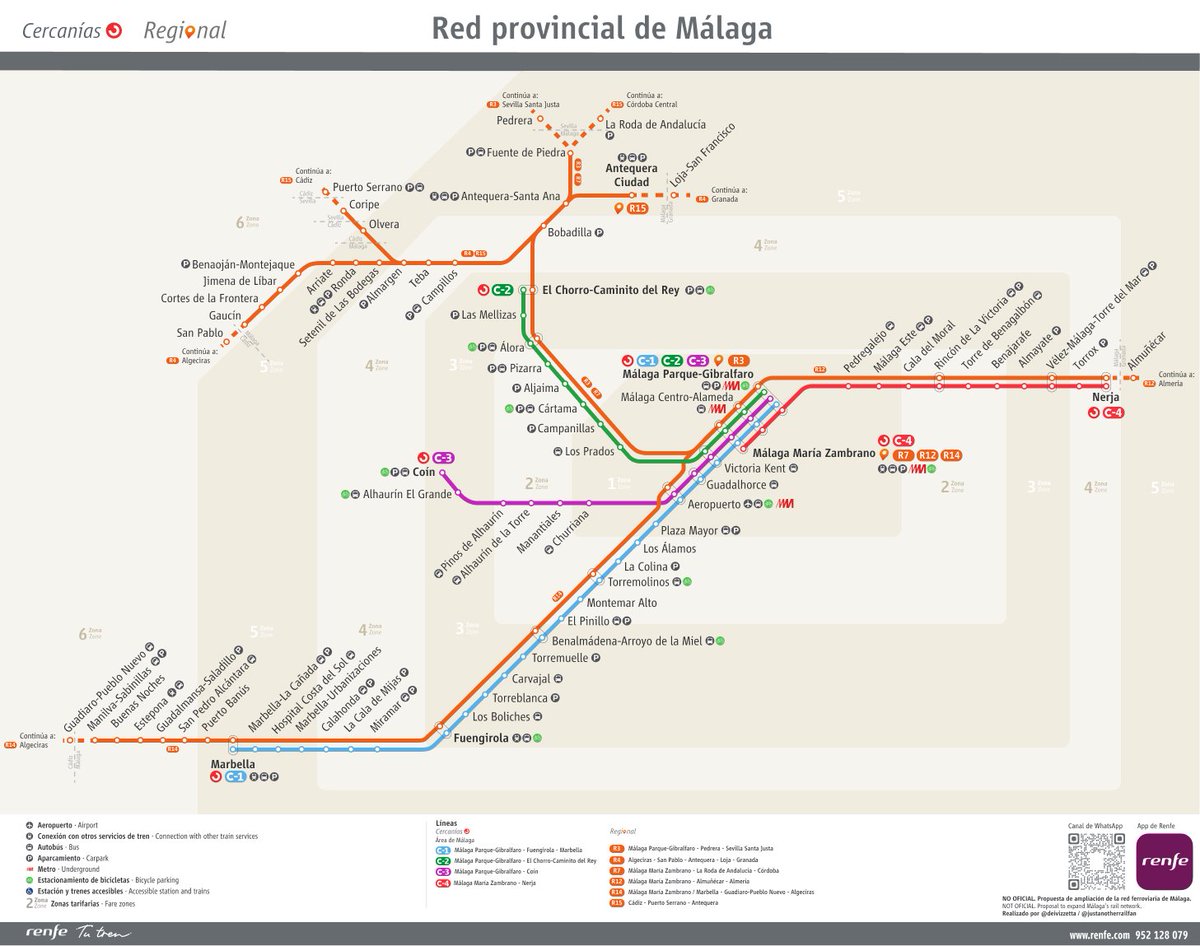
Propuesta de ampliación de la red ferroviaria de Málaga. Como en el anterior plano, os explico a continuación punto por punto las novedades 🧵
This station is Exeter St. de!vi ≷ tweet media
Español
61
108
553
95.8K
Paloma Carmen Castillo González
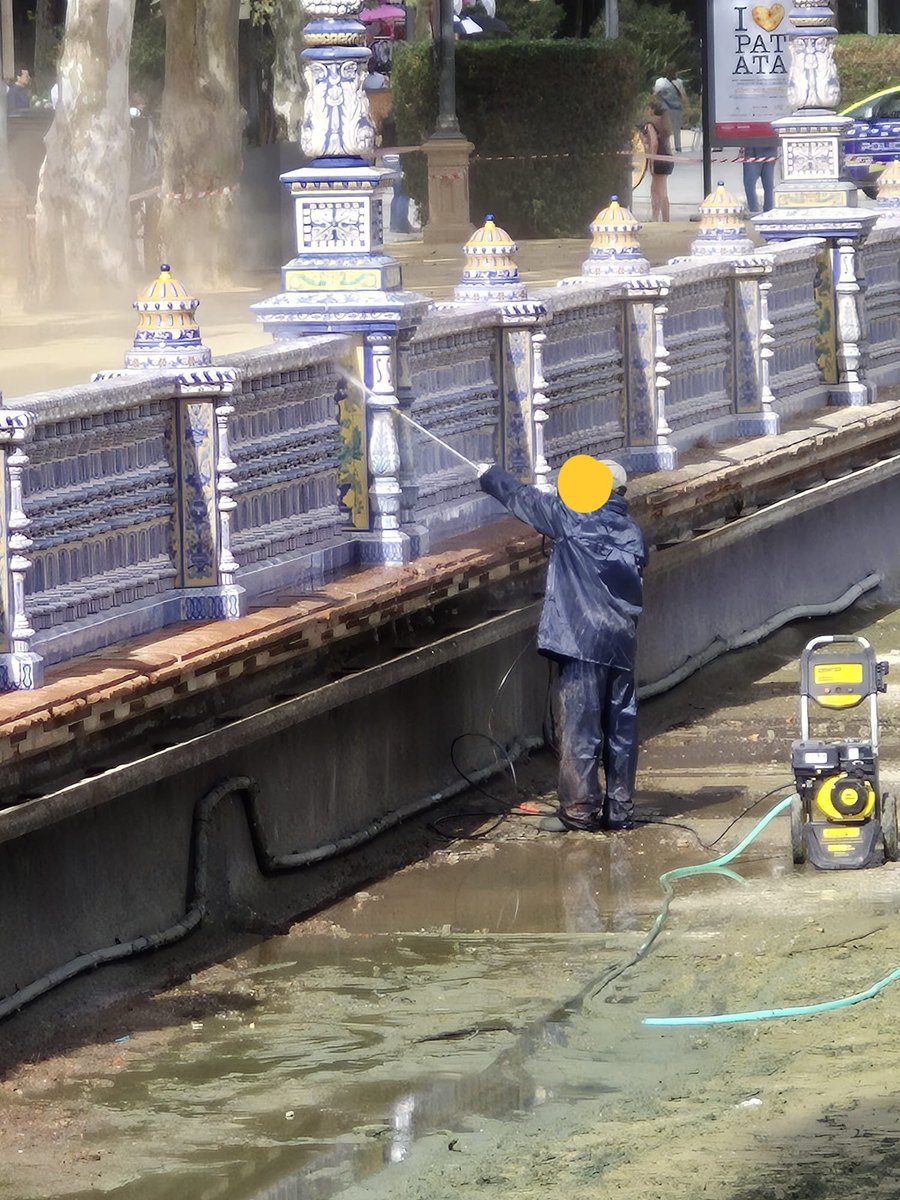
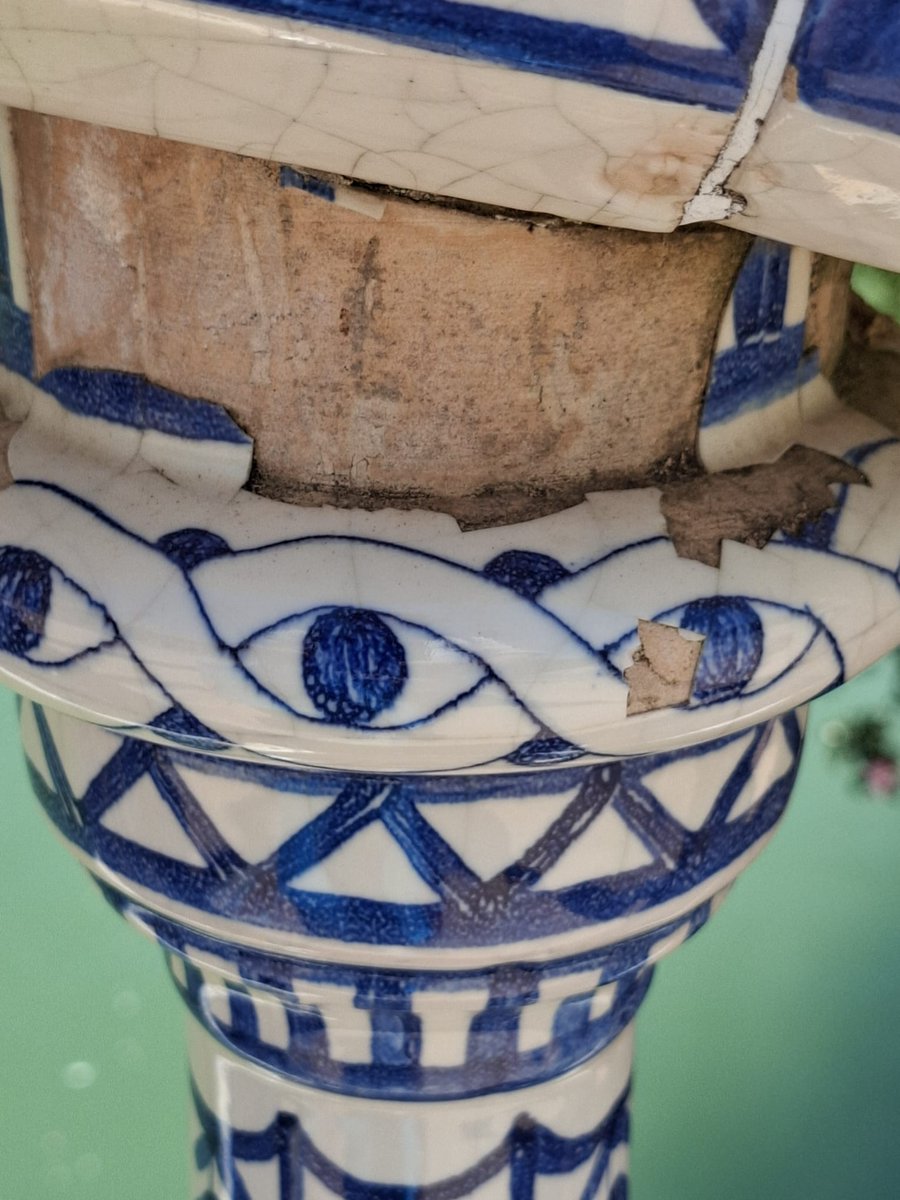
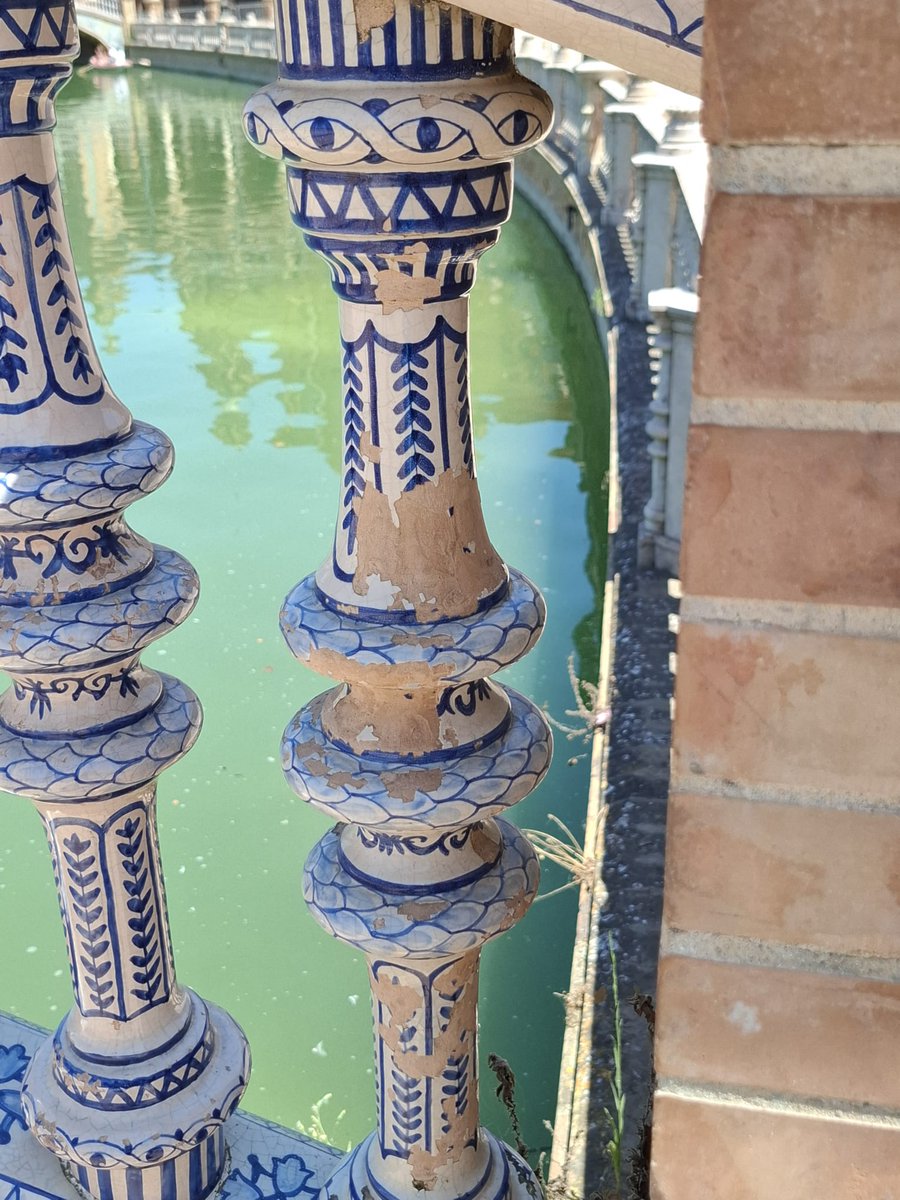
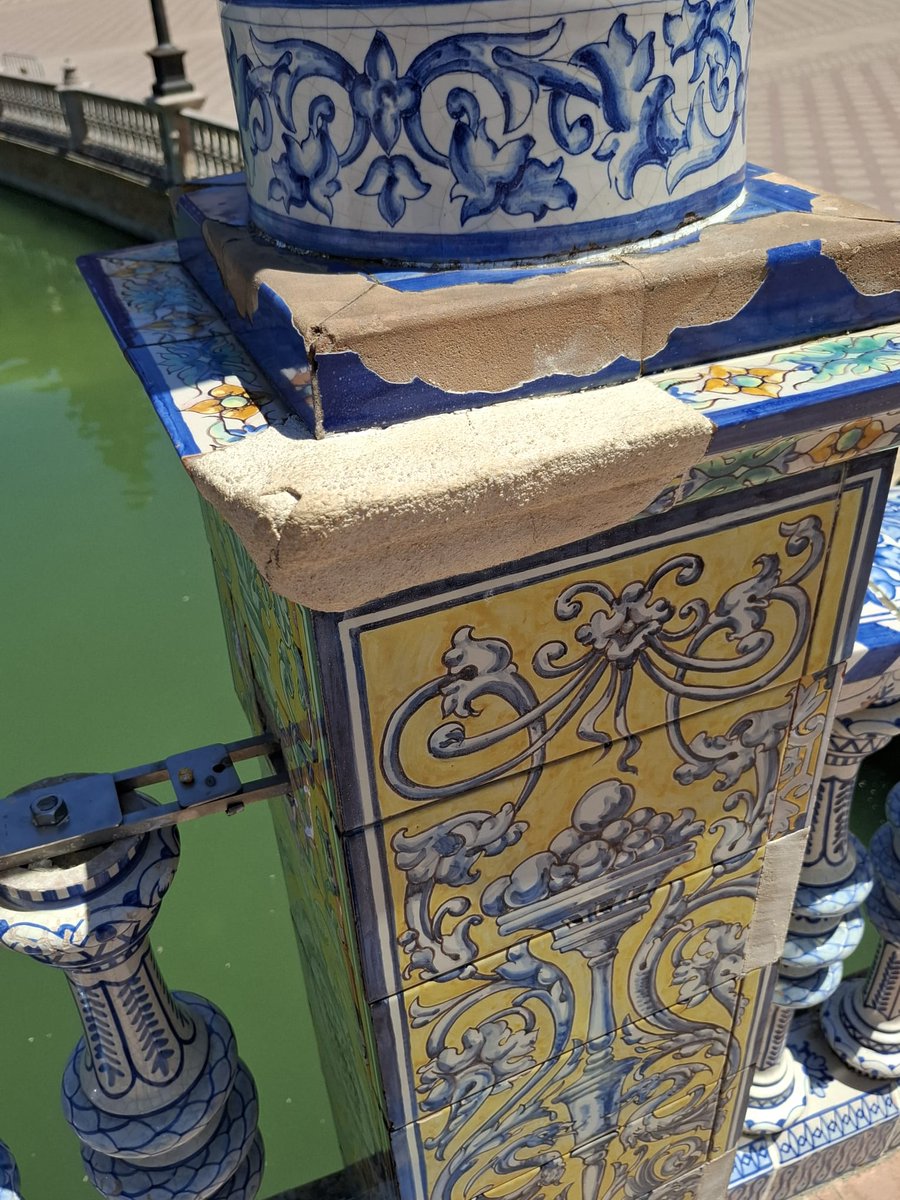
Imaginad lo que es para mí, que me dedico al estudio y catalogación del patrimonio cerámico arquitectónico de Sevilla, ver esta aberración. Patrimonio de todos los sevillanos en manos de ineptos. La cerámica lascada, saltada, NO puede limpiarse con una karcher.
Paloma Carmen Castillo González tweet mediaPaloma Carmen Castillo González tweet mediaPaloma Carmen Castillo González tweet mediaPaloma Carmen Castillo González tweet media
Español
196
2.8K
12.6K
413.6K