Connecting Threads

76 posts

Connecting Threads banner
Connecting Threads

Connecting Threads

@connectthreads

A digital public humanities project exploring use of lesser-known Indian & Indian-imitation textiles by African diasporic communities in the Americas.

Bergabung Haziran 2022
164 Mengikuti310 Pengikut
Tweet Disematkan
Connecting Threads
Connecting Threads@connectthreads·
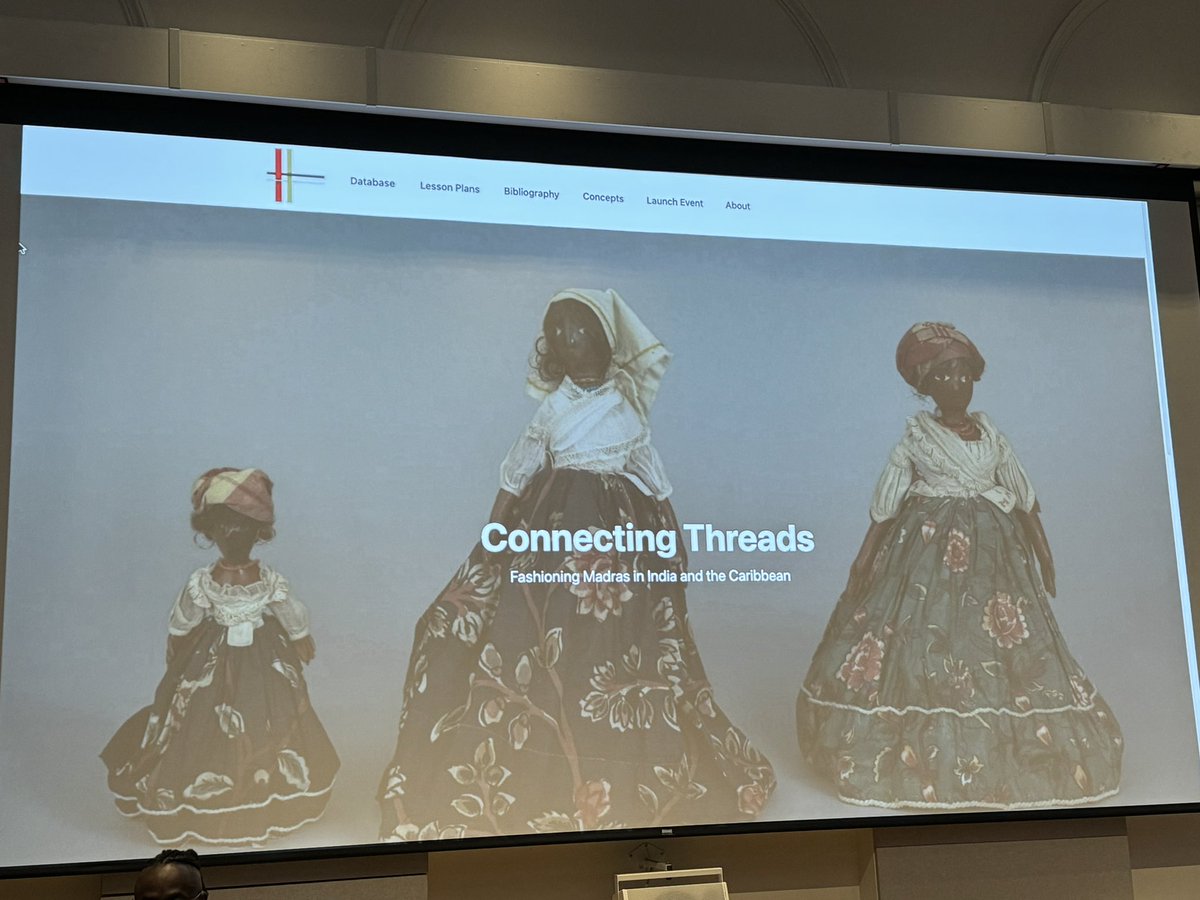
Hello! Welcome to the Connecting Threads project. This is a born digital project that explores the use of lesser-known Indian & Indian-imitation textiles by Afro-Caribbean and African-American communities in the 18th & 19th centuries.
English

2
26
81
0
Connecting Threads me-retweet
Fashioning the Self in Slavery and Freedom
In a few hours, I will begin my talk at the V&A with an analysis of this silk tartan turban. This turban is a representation of the romanticization and appropriation of Scottish dress at the turn of the eighteenth into the nineteenth century. George IV's 1822 visit to Edinburgh popularized tartans, leading to a broader European fascination with Highland culture. This trend not only manifested in fashion, but also coincided with the systemic displacement of Scots and the appropriation of their ancestral lands during the Highland Clearances. The turban connects this cultural fetishization with larger patterns of appropriation and the use of turbans and headwear by elite white women, demonstrating a recurring pattern of fascination and marginalization. It might be simply called cultural appropriation today, but during that period, elite white women borrowed liberally from newly encountered peoples—whether it was Scotsmen from the Highlands, Turks in the so-called “Orient,” or women of color in West Africa and the Americas. @connectthreads
Fashioning the Self in Slavery and Freedom tweet media
English
0
6
12
831
Connecting Threads me-retweet
Dr Alka Raman
Dr Alka Raman@alka_raman·
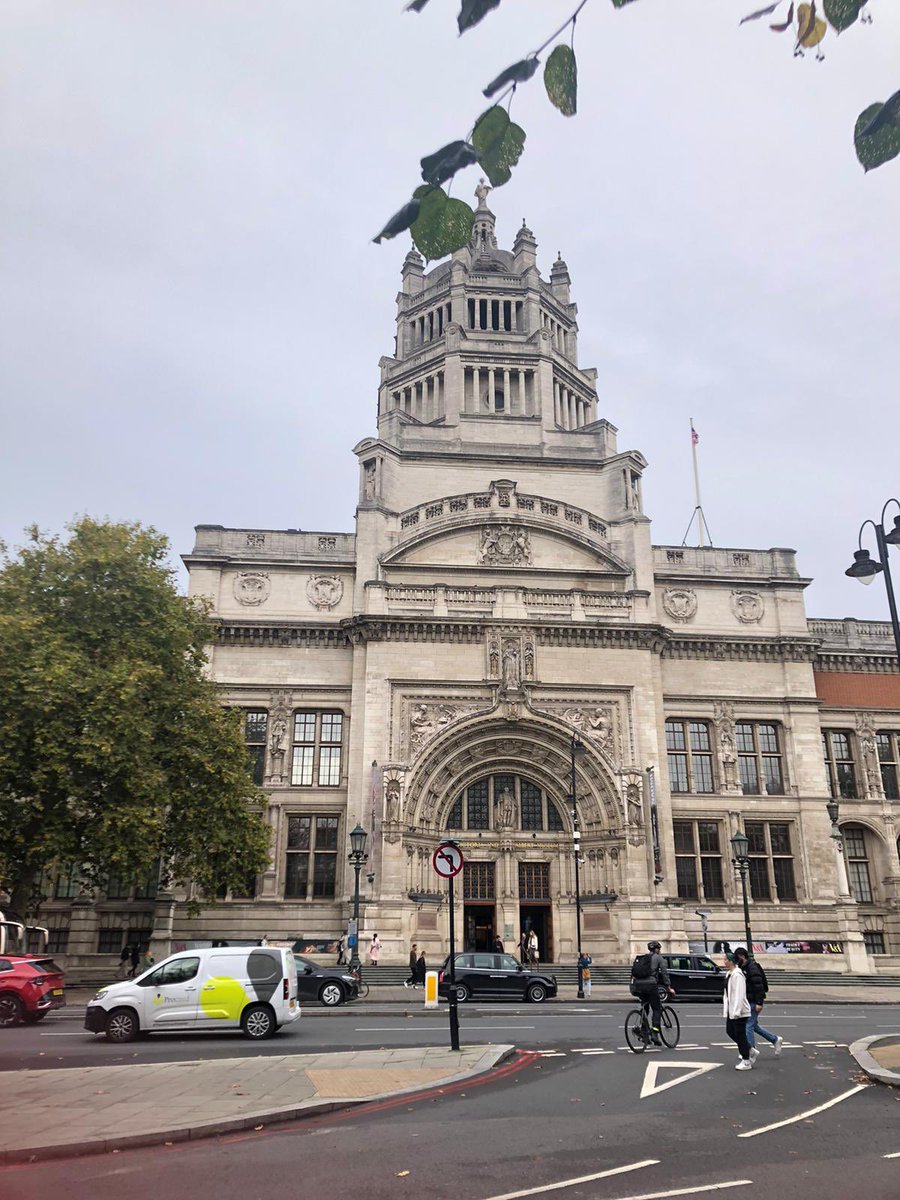
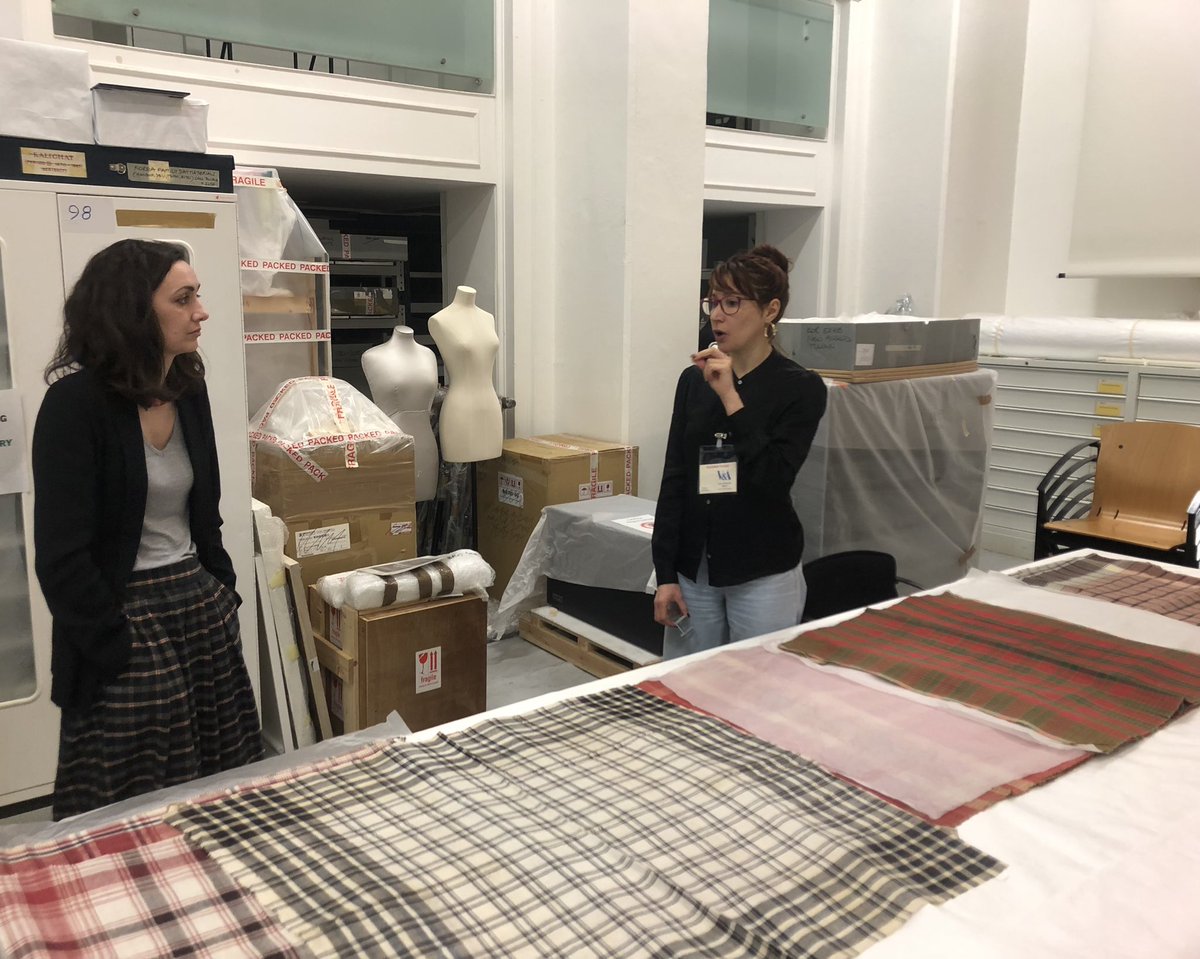
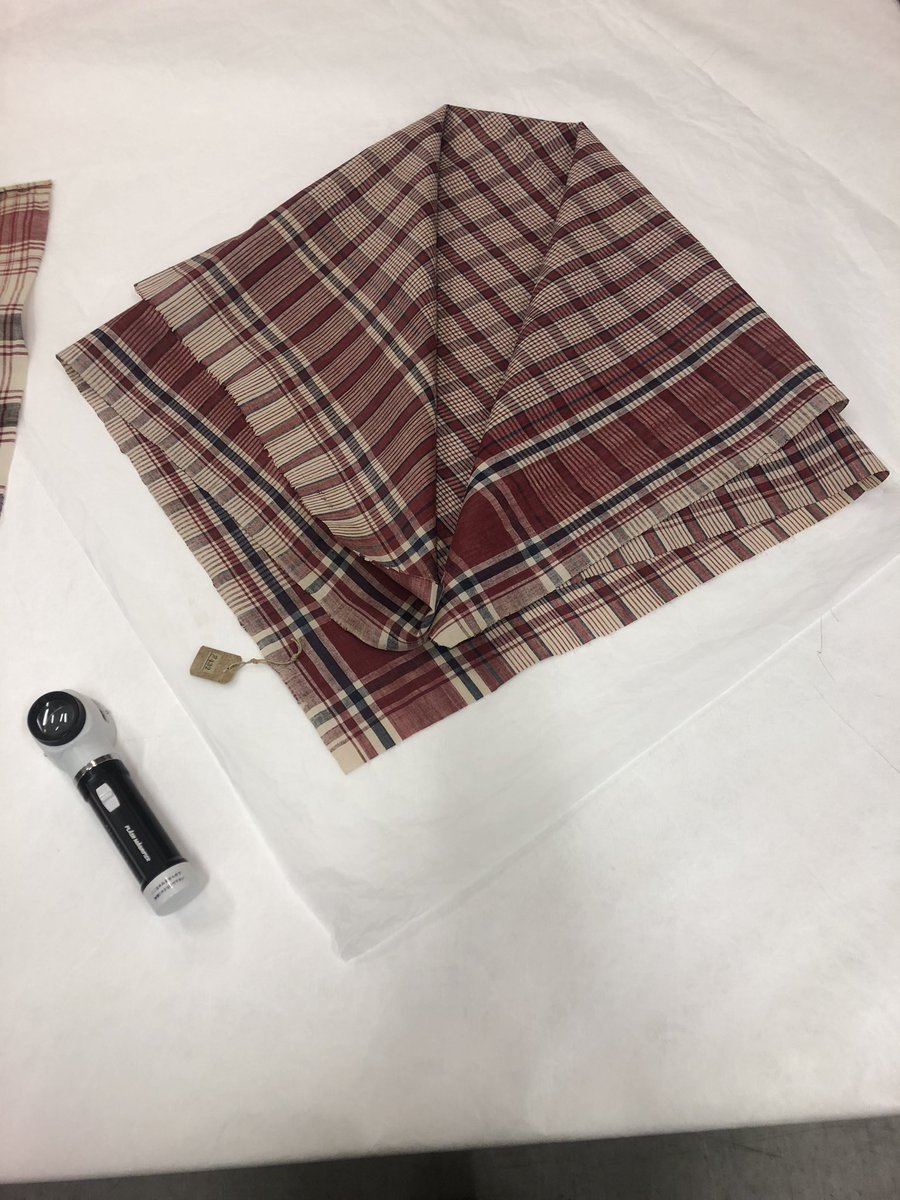
So good to be back @V_and_A for the @connectthreads event on Madras Textiles in the Caribbean! A great programme promised a great day of global textiles connections!
Dr Alka Raman tweet mediaDr Alka Raman tweet mediaDr Alka Raman tweet media
English
1
2
26
610
Connecting Threads
Connecting Threads@connectthreads·
Our launch event and symposium is happening here tomorrow at the @V_and_A Learning Centre!
Connecting Threads tweet media
English
1
0
6
143
Connecting Threads me-retweet
Meha Priyadarshini
Meha Priyadarshini@mehapri·
Jonathan Square @FashioningSelf will be one of the speakers for @connectthreads launch event next month! Please join us online or in London!
Fashioning the Self in Slavery and Freedom@FashioningSelf

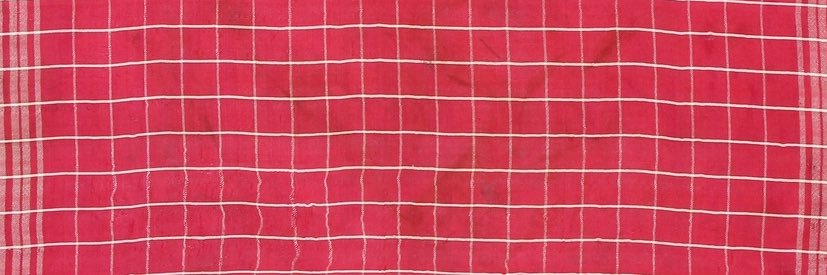
This madras headwrap, now housed in the permanent collection of @LaStateMuseum, was worn by Mary Franklin, an enslaved woman referred to as "Pinkie" by the donor's grandmother Marion Hoey Stem. Following the Civil War, Franklin remained with the donor's grandmother, and the headwrap was preserved, ostensibly as a memento of her imagined loyalty. Crafted from red, yellow, and green woven madras, the headwrap features two selvedge ends and two machine-stitched ends. I will explore the history of this headwrap anf similar objects in my upcoming talk on madras at the @connectthreads symposium at the V&A on October 11: vam.ac.uk/.../connecting…...

English
0
6
9
1.2K
Connecting Threads me-retweet
Fashioning the Self in Slavery and Freedom
This madras headwrap, now housed in the permanent collection of @LaStateMuseum, was worn by Mary Franklin, an enslaved woman referred to as "Pinkie" by the donor's grandmother Marion Hoey Stem. Following the Civil War, Franklin remained with the donor's grandmother, and the headwrap was preserved, ostensibly as a memento of her imagined loyalty. Crafted from red, yellow, and green woven madras, the headwrap features two selvedge ends and two machine-stitched ends. I will explore the history of this headwrap anf similar objects in my upcoming talk on madras at the @connectthreads symposium at the V&A on October 11: vam.ac.uk/.../connecting…...
Fashioning the Self in Slavery and Freedom tweet mediaFashioning the Self in Slavery and Freedom tweet mediaFashioning the Self in Slavery and Freedom tweet mediaFashioning the Self in Slavery and Freedom tweet media
English
0
3
14
2K
Connecting Threads me-retweet
Mehreen Chida-Razvi PhD (@mchidarazvi.bsky.social)
Calling all #Indian #textile enthusiasts! This fabulous event will be at the @V_and_A on Oct 11. Hope to see you there! @connectthreads
Meha Priyadarshini@mehapri

Join us for an event on the history of Madras textiles in India and the Caribbean at the @V_and_A on October 11th! We will be launching @connectthreads project website with a great line-up of speakers. Join us in London or online: vam.ac.uk/event/YGVBDZm3… vam.ac.uk/event/8dwdoL5w…

English
0
1
8
406
Dr Kate Strasdin
Dr Kate Strasdin@kateStrasdin·
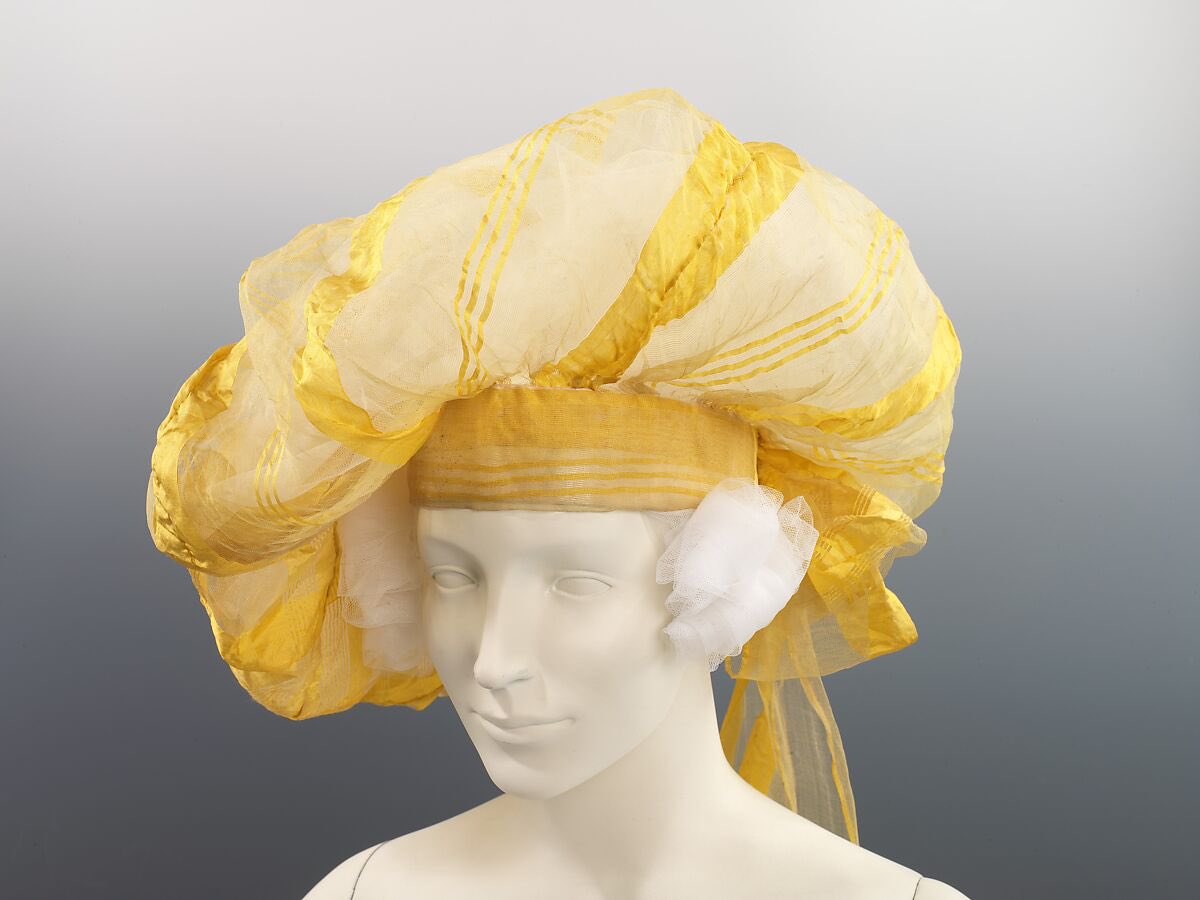
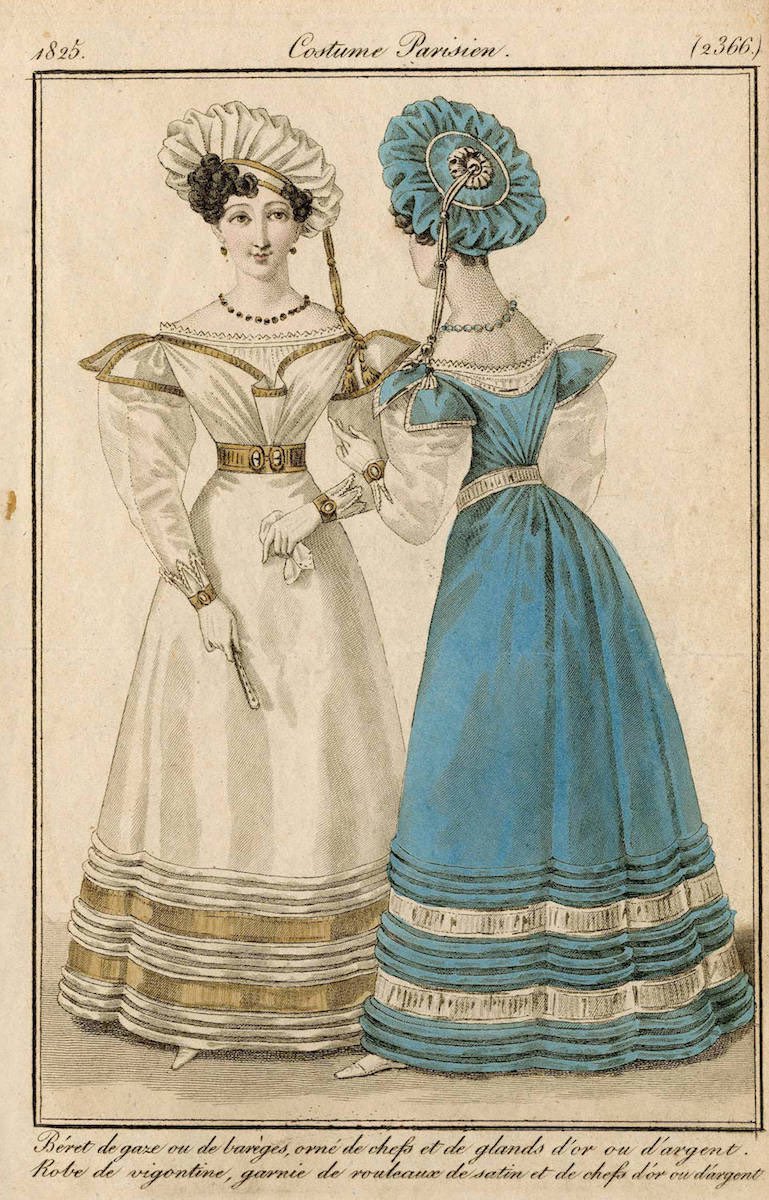
The #1820s saw a brief craze in distinctive headwear in the form of hats worn ‘a la turque’. These turban style objects reflected contemporary interest in Eastern cultures although this gauzy survival is particularly large. A form of one-up-man-ship but make it hats @metmuseum
Dr Kate Strasdin tweet mediaDr Kate Strasdin tweet media
English
7
64
397
15.5K
Connecting Threads me-retweet
Royal Historical Society
Royal Historical Society@RoyalHistSoc·
What's the role of empathy in studying & teaching history, & for research? How might we categorise empathy in historical practice? What is history without empathy? @sarahfoxhistory's article, 'Archival Intimacies', now available in 'Transactions @RoyalHistSoc' #twitterstorians
Royal Historical Society tweet media
English
3
92
298
38.2K
Fashioning the Self in Slavery and Freedom
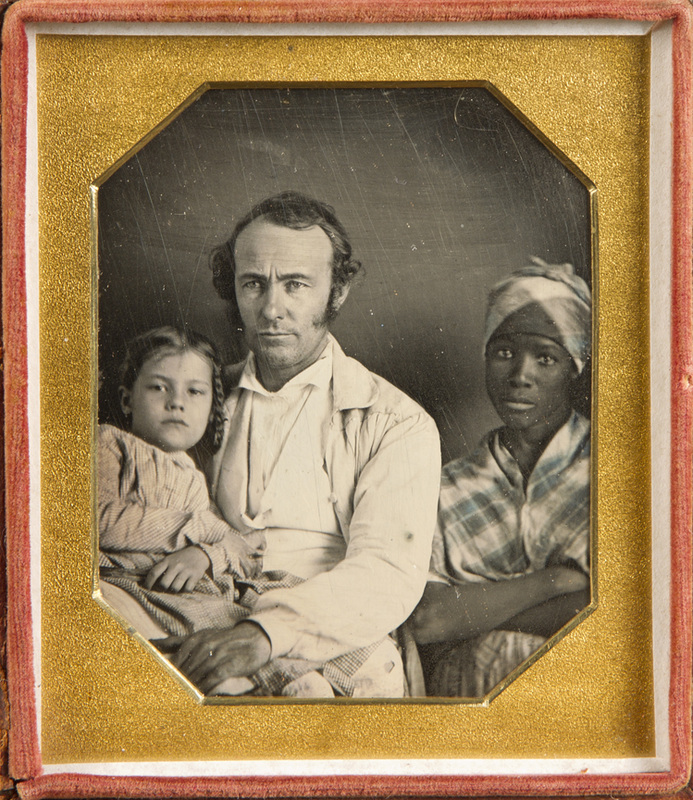
Though I could focus my analysis on the young woman's madras headwrap or pelerine, since I more often focus on the dress of enslaved people in archival photos. What captivates my attention the most is her intense gaze, searing with a mixture of anger and disgust. In the early days of photographic technology, it was not unusual for enslavers to commission photos that included enslaved people under the pretense of affective bonds. There are innumerable examples of photographs of enslaved women posed alongside or holding their white charges. However, this daguerreotype in particular lays bare the intimate violence that slavery, particularly domestic slavery, depended on.
Fashioning the Self in Slavery and Freedom tweet media
English
68
272
1.6K
321.9K
Connecting Threads me-retweet
American Historical Association
American Historical Association@AHAhistorians·
Submit nominations by May 15 for the Roy Rosenzweig Prize for Creativity in Digital History, joint with the AHA and @chnm. This prize is awarded annually to honor and support work on a creative and freely available new media project. historians.org/awards-and-gra…
English
0
6
8
2.2K
Connecting Threads me-retweet
Fashioning the Self in Slavery and Freedom
Today I visited the @MANNapoli and saw this fresco of the the baker Terentius Neo and his wife (who is not identified) that was excavated from the archaeological site at Pompeii. His wife is in the foreground, which is unusual and shows her potentially equal status in the marriage. She holds a stylus and wax tablet, emphasizing her education and literacy. It is also a sign that she handled the accounting for the bakery and household. Terentius Neo wears a toga, a signifier of Roman citizenship, and holds a rotulus, suggesting he is also involved in local public and/or cultural events. For many, this fresco is also evidence that Pompeii (and, by extension, ancient Rome) lied at a crossroads of many cultures. Terentius Neo's olive complexion is believed to represent a multiracial Roman Empire, in which people of diverse phenotypes and ethnicities coexisted.
Fashioning the Self in Slavery and Freedom tweet media
English
1
4
20
2K