

krypticFunk
695 posts



Team USA lost the game. America won something bigger.
Millions of Europeans, Asians, and Africans just discovered American food, American hospitality, and air conditioning.
They will never recover.
English
@linmeitalks The diaspora new this, this is informative to white people. Who will choose to ignore this message? Why won't the @BBCBreaking document this on their news channel!!! Here is some diversity for you
English
krypticFunk me-retweet

So the original historical Egyptians were dark skinned
“Physical Appearance: Genetic markers indicate he had brown eyes, brown hair, and dark to black skin pigmentation. He stood around 5'2" (157–160 cm) tall.”
We can finally put that - “they were white” story to rest and was purely a strategy to attach the history & cultural richness and success of the region to a Eurocentric ideology which was reinforced in Hollywood.
Historic Vids@historyinmemes
For the first time, scientists have sequenced the entire genome of an ancient Egyptian from the Pyramid Age. The results surprised researchers. 40 years after Nobel laureate Svante Pääbo’s first attempts, researchers have finally sequenced a full genome of a 4,500-year-old Egyptian man (NUE001) found in a ceramic pot. His DNA shatters the myth of isolation, showing 80% North African and 20% Mesopotamian/Fertile Crescent ancestry long before the later famous dynasties. The 3D facial reconstruction on the right shows the face of an ordinary man who lived between 2855–2570 BCE, during the transition between Egypt's Early Dynastic and Old Kingdom periods. Why is this a massive scientific breakthrough? Egypt’s extreme heat, humidity, and the chemical treatments used in mummification are notoriously brutal on ancient DNA, quickly degrading it. While partial sequencing has been done before on more recent remains, mapping an entire genome from the dawn of the Pyramid Age was deemed nearly impossible. The breakthrough came from an individual excavated in Nuwayrat (south of Cairo). He was buried in a sealed ceramic pot inside a rock-cut tomb. This unique environment perfectly preserved the DNA inside the cementum of his teeth, allowing a team led by Dr. Adeline Morez Jacobs to perform whole-genome "shotgun sequencing." What the DNA and bones revealed: The Ancestry Mix: He wasn't completely isolated. While 80% of his DNA traces back to ancient North African populations, a substantial 20% directly links him to the Fertile Crescent and Mesopotamia (modern-day Iraq, Iran, Jordan). This is the first definitive genetic proof of early human migration and deep cultural mixing at the very beginning of Egyptian civilization. Physical Appearance: Genetic markers indicate he had brown eyes, brown hair, and dark to black skin pigmentation. He stood around 5'2" (157–160 cm) tall. A Life of Extreme Hard Labor: He lived to a matuzalem age for his time—between 44 and 64 years old. His skeleton shows severe osteoarthritis in almost all joints and vertebrae. Muscle markings on his skull and bones reveal that he spent his entire life leaning forward, looking down, and carrying crushing loads, despite being buried in a high-status ceremonial ceramic vessel. The full study was published in the journal Nature
English
For the first time, scientists have sequenced the entire genome of an ancient Egyptian from the Pyramid Age. The results surprised researchers.
40 years after Nobel laureate Svante Pääbo’s first attempts, researchers have finally sequenced a full genome of a 4,500-year-old Egyptian man (NUE001) found in a ceramic pot. His DNA shatters the myth of isolation, showing 80% North African and 20% Mesopotamian/Fertile Crescent ancestry long before the later famous dynasties.
The 3D facial reconstruction on the right shows the face of an ordinary man who lived between 2855–2570 BCE, during the transition between Egypt's Early Dynastic and Old Kingdom periods.
Why is this a massive scientific breakthrough?
Egypt’s extreme heat, humidity, and the chemical treatments used in mummification are notoriously brutal on ancient DNA, quickly degrading it. While partial sequencing has been done before on more recent remains, mapping an entire genome from the dawn of the Pyramid Age was deemed nearly impossible.
The breakthrough came from an individual excavated in Nuwayrat (south of Cairo). He was buried in a sealed ceramic pot inside a rock-cut tomb. This unique environment perfectly preserved the DNA inside the cementum of his teeth, allowing a team led by Dr. Adeline Morez Jacobs to perform whole-genome "shotgun sequencing."
What the DNA and bones revealed:
The Ancestry Mix: He wasn't completely isolated. While 80% of his DNA traces back to ancient North African populations, a substantial 20% directly links him to the Fertile Crescent and Mesopotamia (modern-day Iraq, Iran, Jordan). This is the first definitive genetic proof of early human migration and deep cultural mixing at the very beginning of Egyptian civilization.
Physical Appearance: Genetic markers indicate he had brown eyes, brown hair, and dark to black skin pigmentation. He stood around 5'2" (157–160 cm) tall.
A Life of Extreme Hard Labor: He lived to a matuzalem age for his time—between 44 and 64 years old. His skeleton shows severe osteoarthritis in almost all joints and vertebrae. Muscle markings on his skull and bones reveal that he spent his entire life leaning forward, looking down, and carrying crushing loads, despite being buried in a high-status ceremonial ceramic vessel.
The full study was published in the journal Nature

English
@linmeitalks Wtf... I swear we are living in a new world order!
I need to read up on the UK liberation laws
English

Do yall have the stamina to read a 20,000 word piece im writing on the history of R&B. Or should I shortin this blog and dumb it down?
English
krypticFunk me-retweet

Parents: I don’t have a favorite child.
Also Parents:
🇫🇷🍁@cIairefontaine
the way deschamps greets olise vs theo hernandez 😭😭😭😭
English

Hispanics really be so full of shit when it comes to race “I didn’t say anything about your skin color i just called you a filthy monkey that drinks coconuts thats not racist”
Madrid Xtra@MadridXtra
🚨 BREAKING: Celeste Amarilla sends an OPEN LETTER to Kylian Mbappé.
English
krypticFunk me-retweet

Lmao Belgium team trolling Trump with his stupid dance
English

Our World Cup journey comes to an end.

English
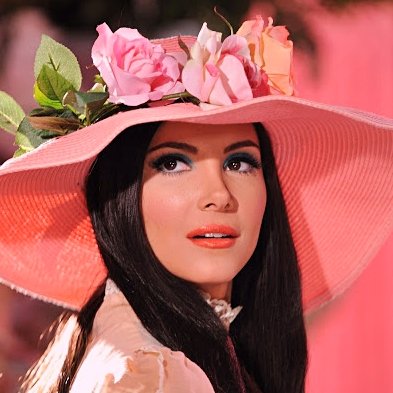
แม่เกาหลีมี ‘ตาสีฟ้า’ แต่กำเนิด ลูกสาวก็ตาสีฟ้า แม่โดนบูลลี่มา 33 ปีว่าเป็นตาปีศาจ ตอนวัยรุ่นต้องใส่คอนแทคสีดำ ลูกโดนเรียกว่าตาหมา คนรังเกียจ พ่อคิดจะส่งลูกไปเรียนตปท เพราะเกาหลีบูลลี่หนักจริงๆ
แม่เลยมาออกรายการขอว่าอย่าบูลลี่ลูกฉันเลย เราไม่ใช่สัตว์ประหลาด ขอให้มองเราเป็นคนด้วย
ตั้งเด็กแม่โดนล้อคนว่าเป็นแมว ผี ปีศาจ เกิดมาเป็นแบบนี้แต่ไม่มีใครยอมรับ เลยกลายเป็นคนเก็บตัว ตอนเรียนประถมครูเรียกผู้ปกครองไปพบ บอกให้จับลูกสาวใส่แว่นปิดตาสีฟ้าปกปิดซะ ทั้งที่ตาปกติ พอวัยรุ่นก็ต้องใส่คอนแทค ตาอักเสบก็ทนเพราะดีกว่าโดนบูลลี่
ครอบครัวแม่มีพี่น้อง 9 คน มีพี่คนนึงก็ตาสีฟ้า น้ำตาลข้าง ฟ้าข้าง หมอบอกเป็นภาวะขาดเม็ดสีเมลานิน เป็นภาวะทางพันธุกรรมที่หาได้ยากมากในคนเอเชีย เจอ 1 ใน 10,000 คน แต่ไม่ได้ผิดปกติหรือพิการ
สิ่งที่ทำให้แม่ตัดสินใจมาออกรายการคือวันนึงลูกสาวอายุ 5 ขวบ ‘โซอึน’ เดินร้องไห้มาถามว่า “แม่คะ ทำไมตาหนูถึงเป็นสีฟ้า” น้องไม่ชอบตัวเอง เพราะเด็กคนอื่นไม่ชอบ กลัวน้อง เห็นหน้าน้องก็วิ่งหนี ผู้ใหญ่ก็อุ้มลูกหนีเหมือนกลัวติดโรค แม่เลยไม่อยากให้ลูกต้องเจออะไรแบบที่ตัวเองเคยเจอ
พ่อน้องตกหลุมรักแม่น้องเพราะตาสีฟ้า ทั้งที่คนรอบตัวบอกว่าอย่าไปจ้องตาเธอนะ แต่ตอนพาลูกสาวไปเที่ยว พ่อสังเกตเห็นคนซุบซิบ นินทาลูกสาวตัวเอง พ่อเครียด พ่อเลยคิดจะส่งน้องไปเรียนตปท เพราะโรงเรียนเกาหลีก็ขึ้นชื่อเรื่องบูลลี่ ไม่อยากให้ลูกโดนคนอื่นแกล้ง
เวลาคนต่างชาติมีตาสีฟ้า คนเกาหลีมองว่าสวย แต่กับน้องและแม่ทำไมบางคนมองว่าน่ากลัว ทั้งที่ก็เรื่องธรรมชาติเหมือนกัน แม่เลยฝากว่าช่วยมองเราเป็นคนปกติด้วย ส่วนตัวนี่ว่าดวงตาของแม่และน้องสวยเหมือนทะเลเลย
ไทย
@PolymarketSport Why is he getting the fine... Clearly his overload deserves it... Fine then 1billion
English

🚨JUST IN: FIFA fined Folarin Balogun $40,000 along with overturned red card suspension


English

krypticFunk me-retweet


What a save by the Spanish goalie. Ronaldo thought he had a goal. Keeper like nah.
English
krypticFunk me-retweet

BREAKING: The English FA are considering an appeal against Jarrel Quansah's red card against Mexico 🚨
Tuchel said after the game he was furious at the officials who took charge of the game and the two VAR decisions which saw Quansah sent off and Mexico awarded a penalty.
English
krypticFunk me-retweet

Look how embarrassing the Mexicans were last night😂😂😂
English