
Michelle A Murphy

1.1K posts

Michelle A Murphy banner
Michelle A Murphy

Michelle A Murphy

@mabbottmurphy

Teacher of History, TY Holocaust Studies, TY Politics & Society, CSPE, SPHE, Spanish. Love animals🐾 music🎵 ( Stevie Nicks & FM) and film🎥

Dublin, Ireland Bergabung Mart 2018
667 Mengikuti492 Pengikut
Michelle A Murphy me-retweet

Dr Helen Fry | WWII Historian
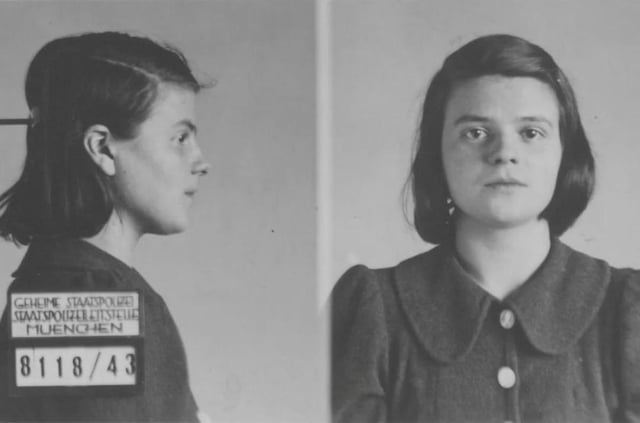
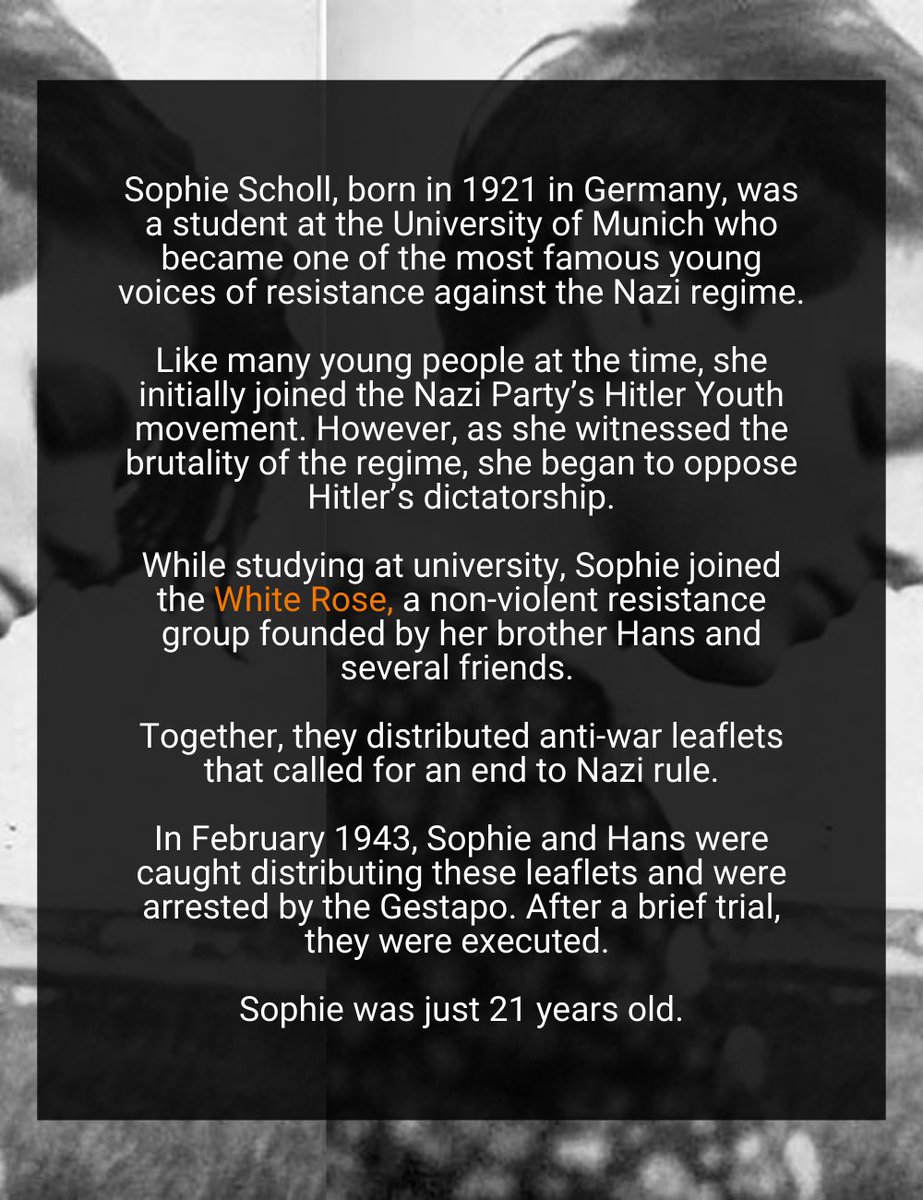
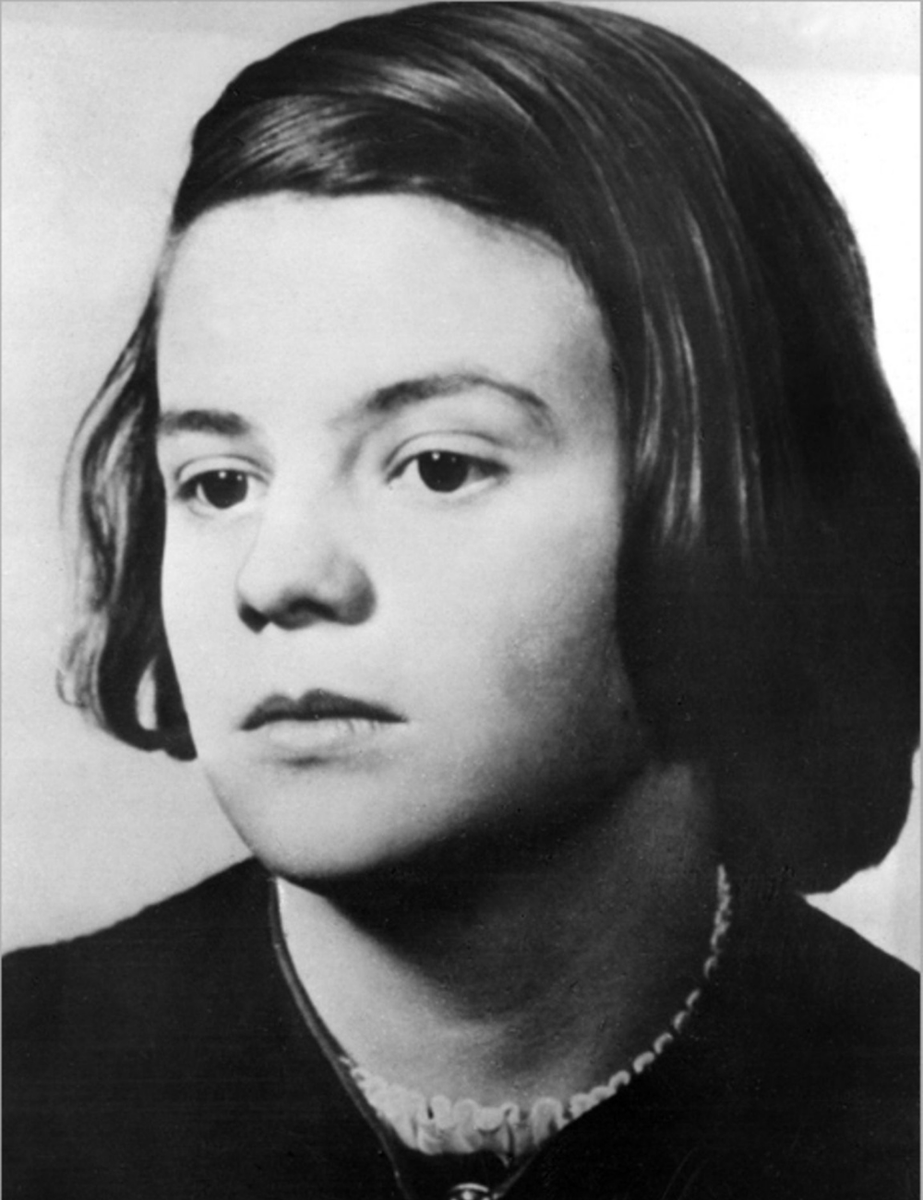
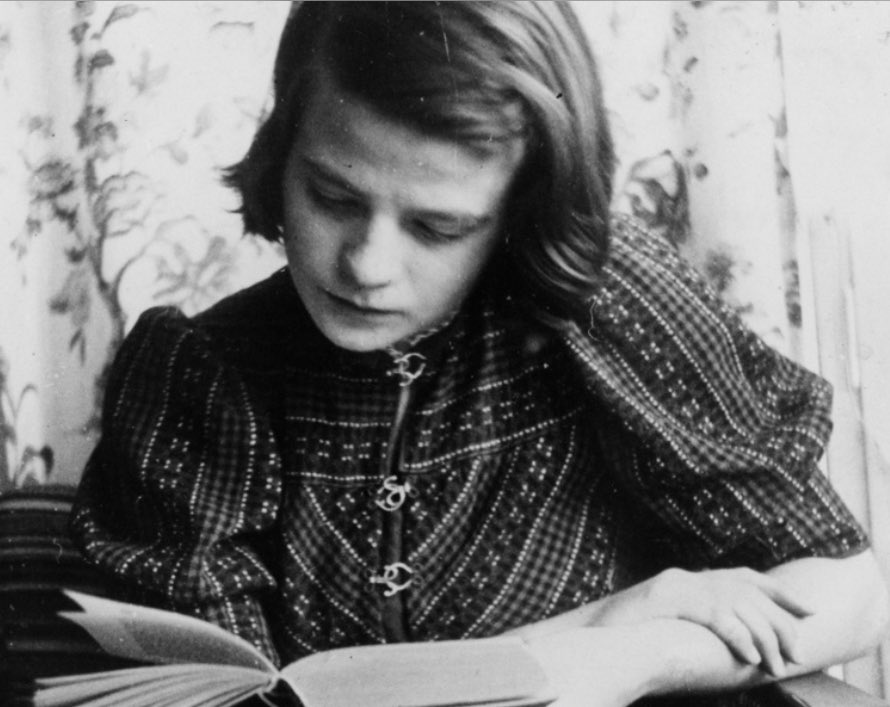
Sophie Scholl, a young German student, became one of the bravest heroines of WW2. She risked everything to distribute anti-Nazi leaflets calling for freedom and an end to tyranny. Arrested by the Gestapo, she was tried and executed by guillotine on 22 February 1943, just 21 years old.
Dr Helen Fry | WWII Historian tweet media
English
27
215
867
6.7K
Michelle A Murphy me-retweet
Today In History
Today In History@historigins·
The moment a rescued chimpanzee thanked Dr. Jane Goodall in a way no one expected
English
511
7.2K
106.6K
4.1M
Michelle A Murphy me-retweet
Prof. Frank McDonough
Prof. Frank McDonough@FXMC1957·
19 April 1943. Warsaw Ghetto Uprising against Nazi rule began when residents of the Jewish ghetto in German Nazi-occupied Warsaw staged an armed revolt to prevent deportations to German-run extermination camps. The Jewish defenders held out until 16 May 1943.
Prof. Frank McDonough tweet media
English
3
28
79
2.1K
Michelle A Murphy
Michelle A Murphy@mabbottmurphy·
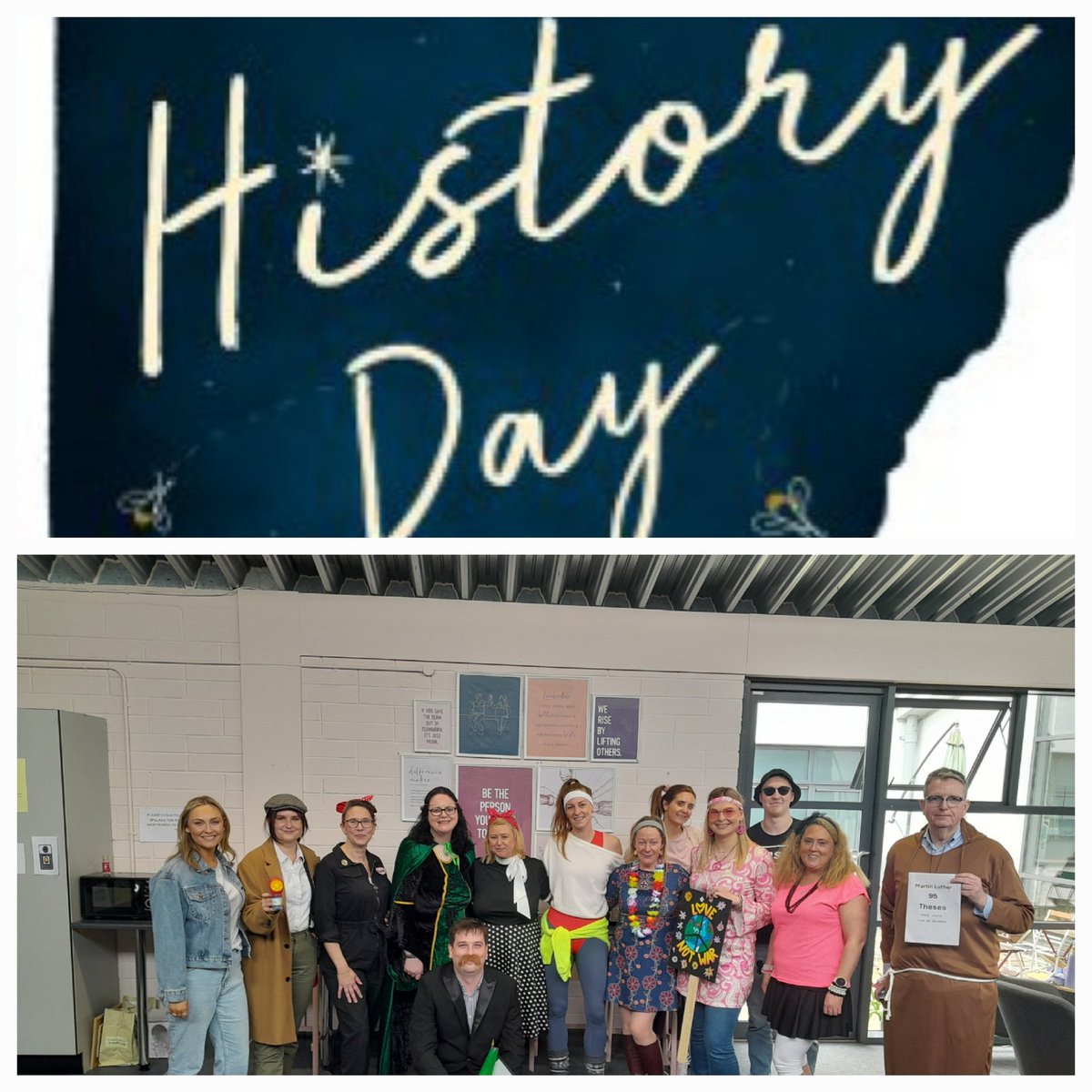
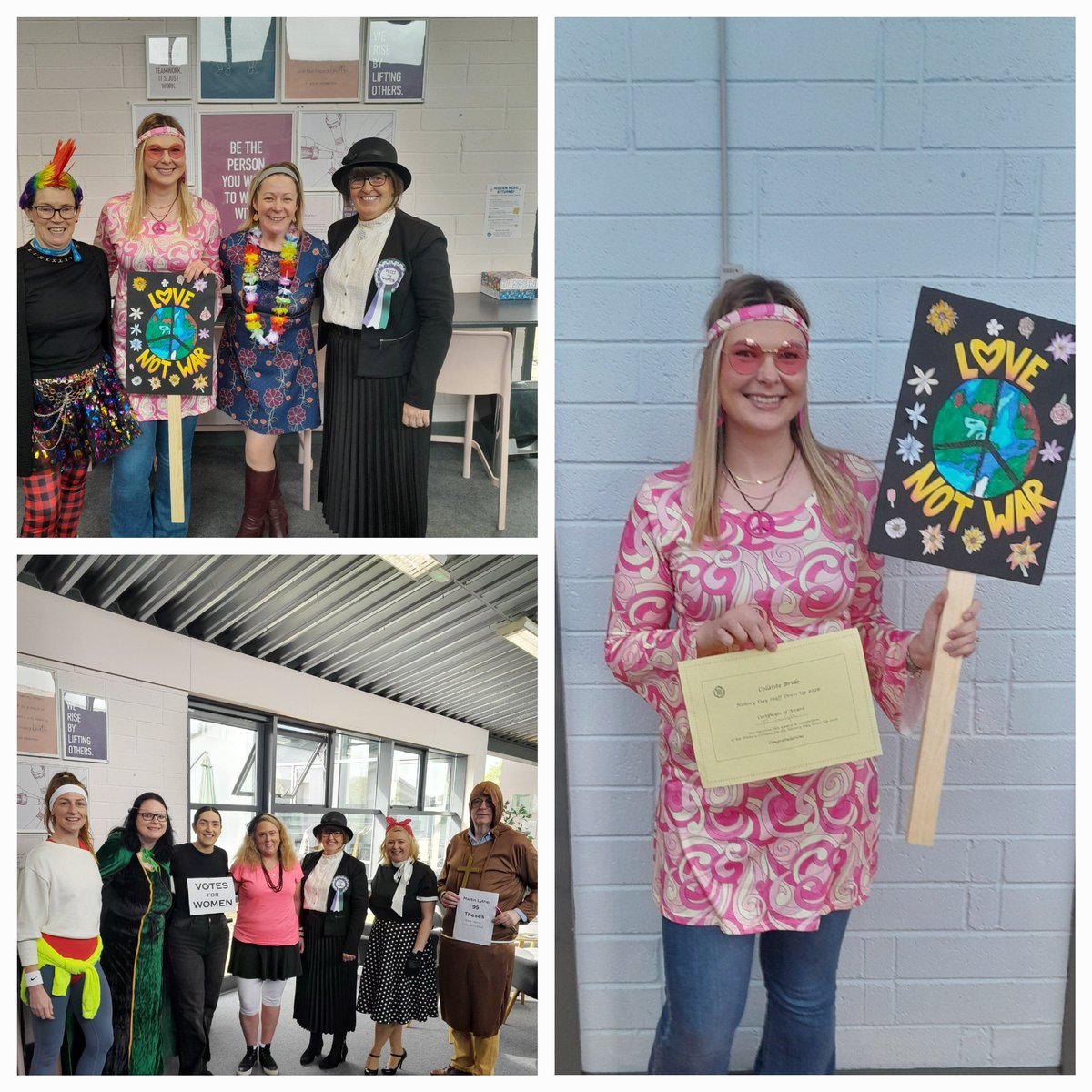
It was #History Day @Colaistebride today and with staff dress up, many students were intrigued by the costumes. Well done to everyone who dressed up👏 and in particular to Ms. Gontyte who won the prize✨️ for best historical dress👏as judged by our History Prefects. @ggontyte
Michelle A Murphy tweet mediaMichelle A Murphy tweet media
English
1
1
6
527
Michelle A Murphy me-retweet
Archaeo - Histories
Archaeo - Histories@archeohistories·
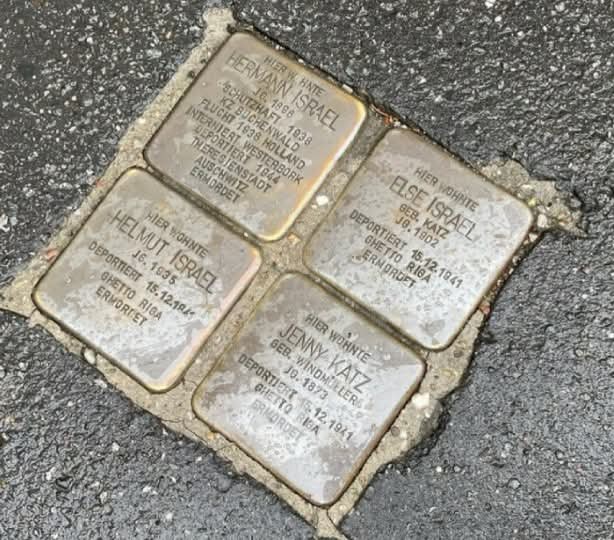
"Stumbling blocks" in front of countless front doors in Germany. A reminder of those who once lived there and were victims of the Nazi regime.... Known as Stolpersteine (“stumbling stones”), these small brass plaques are embedded in sidewalks across Europe to mark the last known residence of victims of Nazi persecution. Each stone lists a name, year of birth, and fate, often including deportation and place of death. The project was initiated in 1992 by German artist Gunter Demnig and has since expanded to more than 75,000 stones in over 20 countries, making it the largest decentralized memorial in the world. They commemorate not only Jewish victims, but also Romani people, political prisoners, LGBTQ individuals, and others targeted by the regime. Placement directly outside former homes is intentional, connecting individuals to specific addresses rather than abstract memorials. Each Stolperstein is installed by hand and polished regularly, often by local residents or volunteers who maintain the memory of those named. © Reddit #archaeohistories
Archaeo - Histories tweet media
English
25
266
962
24.5K
Michelle A Murphy me-retweet
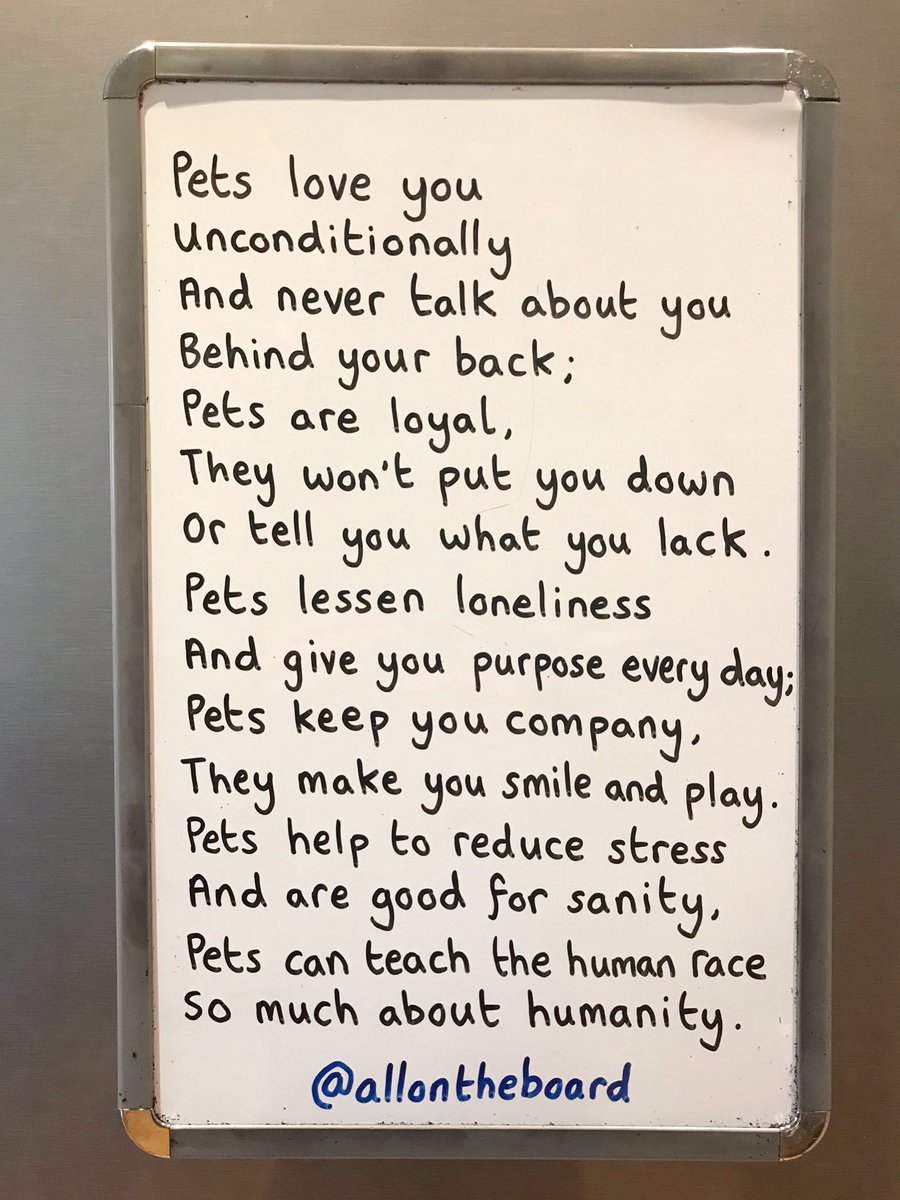
All On The Board
All On The Board@allontheboard·
Pets can teach the human race so much about humanity. #NationalPetDay
All On The Board tweet media
English
17
414
1.3K
25.9K
Michelle A Murphy me-retweet
Prof. Frank McDonough
Prof. Frank McDonough@FXMC1957·
PHOTO OF THE DAY. Last known photo of RMS Titanic while it was afloat. It was taken shortly after the ship departed Queenstown (now Cobh), Ireland (1912). 📷 Francis Browne
Prof. Frank McDonough tweet media
English
2
46
285
5K
Michelle A Murphy me-retweet
Archaeo - Histories
Archaeo - Histories@archeohistories·
On February 22, 1943, Munich - a university student stands before a guillotine, moments from death. She's 21 years old. Her crime? Throwing pamphlets from a balcony. Her name is Sophie Scholl, and she's about to speak words that will haunt Nazi Germany and inspire generations. But six years earlier, Sophie believed every word Hitler told her. At twelve, she eagerly joined the League of German Girls, the female wing of Hitler Youth. Her brother Hans joined too. They marched. They sang. They trusted. Their father, an anti-Nazi politician, begged them to see the truth. They argued back, convinced he was wrong. Then in 1937, Gestapo arrested Hans for joining an unauthorized camping group. Sophie watched stormtroopers drag away her brother for something as innocent as a scouting trip. Everything she believed began to crumble. By 1942, Sophie enrolled at Munich University to study biology and philosophy. Hans was there studying medicine, quietly gathering friends who whispered about resistance. Then their friend Fritz came back from the Eastern Front and told them what he'd witnessed. Mass shootings. Jewish families executed. The machinery of genocide. They formed the White Rose. They wrote pamphlets calling Germans to wake up, to resist, to remember their humanity. "We will not be silent," their writings declared. "We are your bad conscience." Sophie bought an illegal typewriter. She helped write their message. And because Gestapo agents rarely suspected young women, she distributed the pamphlets across Munich. Five successful operations. Then the sixth. February 18, 1943. Sophie and Hans placed pamphlets throughout the university. Nearly done, Sophie saw leftover leaflets in her suitcase. A split-second choice. She climbed to the top floor and threw them over the railing. They cascaded down like falling snow. A janitor spotted her. Minutes later, the Gestapo arrived. Four days later, after a trial that was pure theater, Sophie received her death sentence. Hours until execution. Prison guards later reported her strange calmness. No tears. No pleading. Just quiet conviction. Her final words, spoken on that sunny February afternoon: "Such a fine day, and I have to go. But what does my death matter if through us thousands are awakened and stirred to action?" The Nazis killed her at 5 PM. They thought they'd silenced her voice. Instead, the Allies found her pamphlet, renamed it "The Manifesto of the Students of Munich," and dropped millions across Germany. Her words, which they tried to bury, rained down on every German city. In 2003, Germans under forty voted Sophie Scholl the greatest German who ever lived. Above Einstein. Above Beethoven. A 21-year-old with a typewriter and an unbreakable conscience became the symbol of moral courage for an entire nation. What the Nazis never anticipated was how completely their plan would backfire. That sixth pamphlet Sophie threw over the university railing was smuggled out of Germany and reached Allied intelligence. They reproduced it by the millions and air-dropped it across German cities. The voice they tried to silence with a guillotine blade became amplified beyond anything the White Rose could have achieved on their own. After the war, University of Munich placed a memorial at the exact spot where Sophie threw those pamphlets. Students still leave white roses there today. The square in front of university was renamed Geschwister-Scholl-Platz (Scholl Siblings Square) in honor of Sophie and Hans. In 2005, a German film about Sophie's final days, "Sophie Scholl: The Final Days," was nominated for an Academy Award and introduced her story to millions worldwide. #archaeohistories
Archaeo - Histories tweet media
English
65
1.4K
4.2K
247.8K
Michelle A Murphy
Michelle A Murphy@mabbottmurphy·
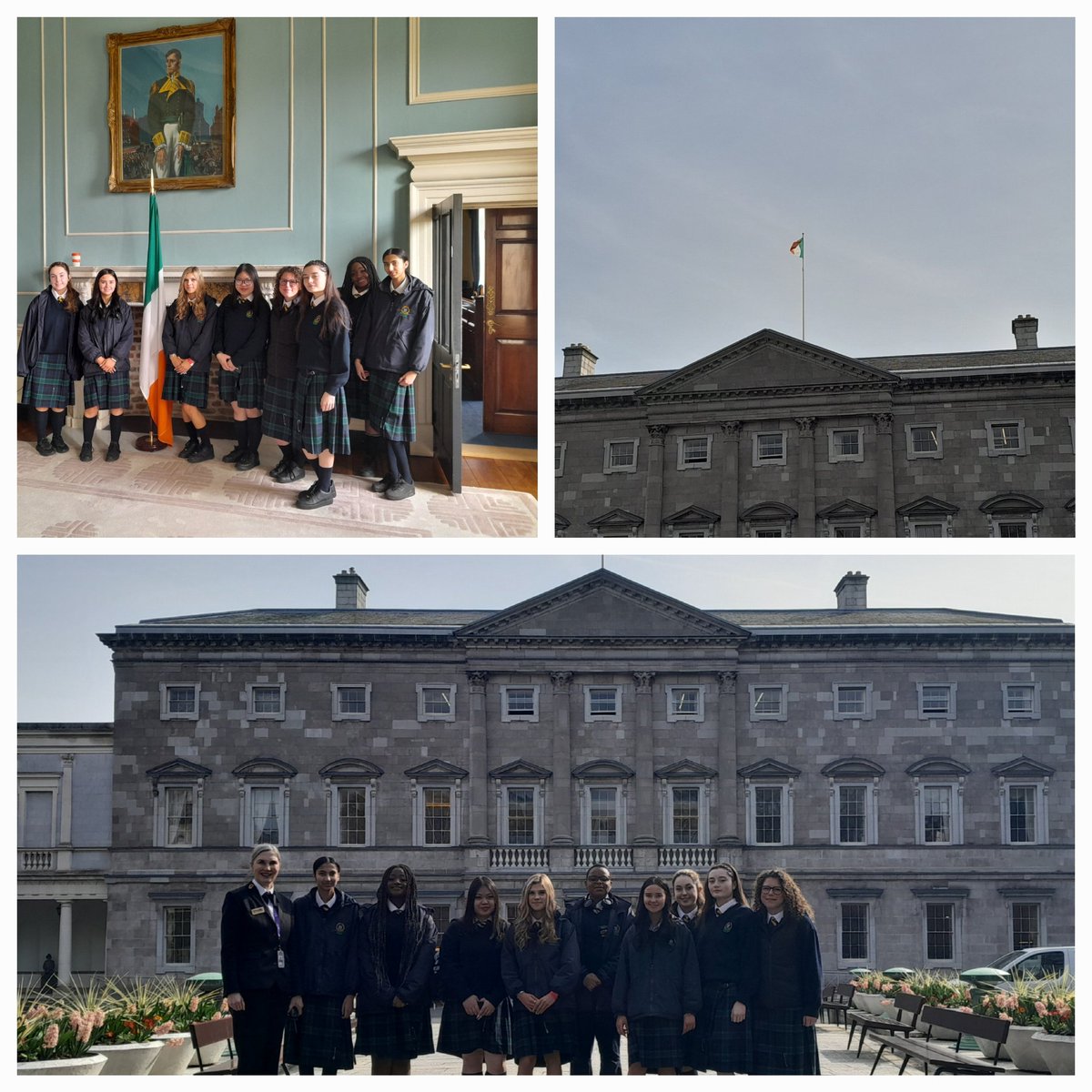
Today students from TY Politics & Society @Colaistebride had the opportunity to visit Dail Éireann and received an informative guided tour from our guide, Gemma. An educational morning enjoyed by all. @TYColaisteBride
Michelle A Murphy tweet media
English
0
1
5
445
Michelle A Murphy
Michelle A Murphy@mabbottmurphy·
An engaging ceremony this morning @Colaistebride for the raising of our national flag as part of the annual Thomas F Meagher #FlagDay2026 Well done to the History Prefects and to Mr. Conlon for organising event and also to the other teachers students who participated @tfmf1848
Michelle A Murphy tweet media
English
0
2
5
445
Michelle A Murphy me-retweet
H.E.T.
H.E.T.@HolocaustUK·
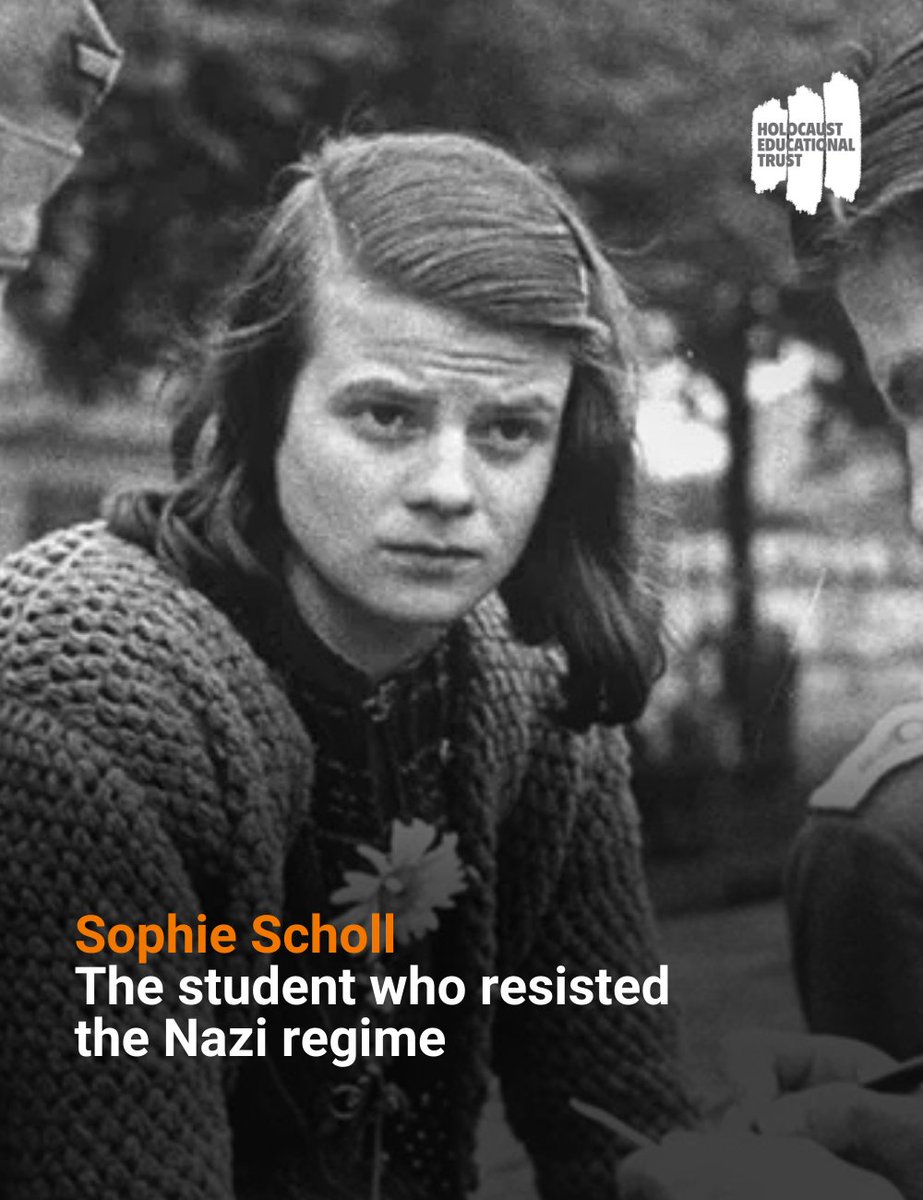
On International Women's Day we also remember Sophie Scoll, a German student who joined the White Rose non-violent resistance group, which would regularly distribute anti-war leaflets and called for the toppling of the Nazi regime.
H.E.T. tweet mediaH.E.T. tweet mediaH.E.T. tweet media
English
4
83
291
3.9K
Michelle A Murphy me-retweet
Military History Now
Military History Now@MilHistNow·
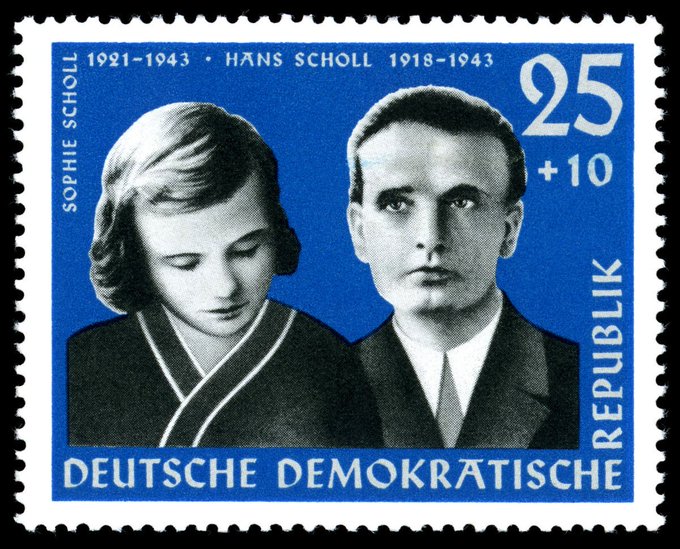
On this day in 1943, Munich university students Sophie and Hans Scholl are executed for non-violent resistance to the Nazis. "What does my death matter, if through us, thousands of people are awakened and stirred to action?" Sophie reportedly tells her killers
Military History Now tweet media
English
24
249
867
22.1K
Michelle A Murphy me-retweet
dominic dyer
dominic dyer@domdyer70·
So true
dominic dyer tweet media
English
10
174
901
5.5K
Michelle A Murphy me-retweet
B&S
B&S@_B___S·
That's our Christmas wish, too
B&S tweet media
English
145
2.4K
17.5K
153.6K
Michelle A Murphy me-retweet
Massimo
Massimo@Rainmaker1973·
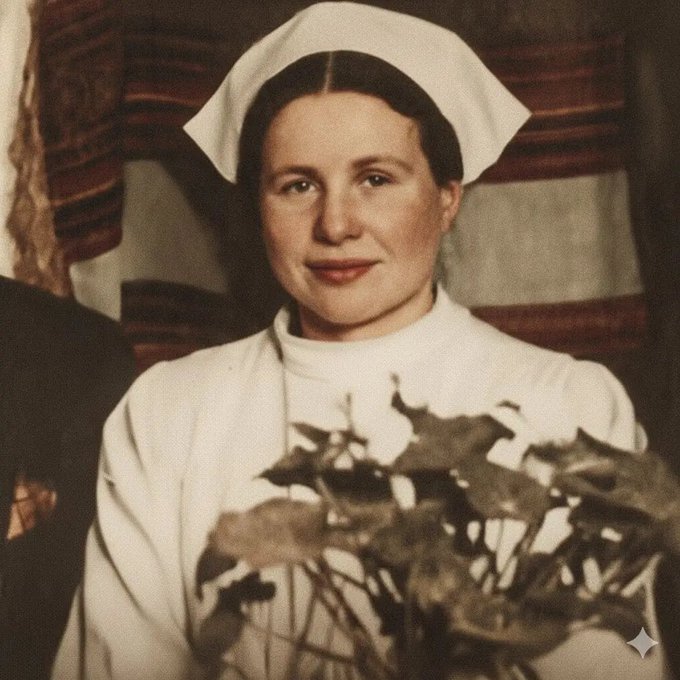
In the autumn of 1942, a slight, 32-year-old Polish social worker named Irena Sendler passed through the gates of the Warsaw Ghetto with a carpenter’s toolbox in her arms. Beneath the hammers and nails lay a drugged six-month-old infant, breathing softly, utterly silent. One cry would have meant instant death for both of them. Irena smiled at the guards; they waved her through. They never suspected that this quiet woman would repeat the journey 2,499 more times. The ghetto was a slow-motion extermination. Starvation, disease, and random murder stalked every street. Jewish parents faced a choice no human being should ever have to make: keep their child and watch them waste away, or hand them to a stranger who promised a chance—however thin—at life. Irena came officially to inspect for typhus. In reality, she came to steal children from death. Babies left in toolboxes or ambulances under false bottoms. Toddlers sedated and tucked into potato sacks. Older children led by the hand through the stinking, lightless sewers while German boots marched overhead. “Not a sound,” she whispered as rats scurried past their feet. She knew that the rescued children would be given new names, new religions, new families. Their pasts would vanish unless someone remembered. So, on fragile scraps of tissue paper, Irena wrote each child’s real name, their parents’ names, and their new hiding place. She rolled the papers tight, slipped them into glass jars, and buried them beneath an apple tree in a neighbor’s garden. If she were caught and killed, the truth might still survive. She was caught. On October 20, 1943, the Gestapo kicked in her door. They took her to Pawiak Prison and demanded the list. When she refused, they smashed both her legs with iron bars. Then her feet. Then her arms. For weeks the beatings continued. She never spoke. They scheduled her execution. On the appointed morning, guards dragged the broken woman from her cell. Instead of a firing squad, she found herself outside the prison walls—alive. The Polish underground council Żegota had bribed a guard to mark her file “shot while trying to escape.” Officially dead, Irena Sendler limped back into the shadows to keep working.When the war finally ended, the first thing she did was dig up the jars under the apple tree. She spent years trying to return the children—now scattered across convents, farms, and foster homes—to whatever family might remain. Almost no parents had survived. But the children had. Because of her, 2,500 Jewish boys and girls lived to grow up, to marry, to have children and grandchildren of their own—an entire secret branch of the human family tree that the Nazis never managed to cut down.For decades her story stayed buried deeper than the jars themselves. Then, in 1999, four high-school girls in rural Kansas stumbled across a brief mention of her name. They found the old woman still living quietly in Warsaw and brought her courage back into the light. Journalists called her the greatest rescuer of the Holocaust. Irena only shook her head.“I could have saved more,” she said. “That regret follows me to the grave.”Irena Sendler—armed with nothing but a ghetto work permit, a toolbox, and a refusal to look away—proved that even in the heart of the worst evil humanity has ever devised, one determined person can still keep the darkness from winning completely.
Massimo tweet media
English
328
3.7K
18.1K
547.3K
Michelle A Murphy me-retweet
FLEETWOOD MAC NEWS
FLEETWOOD MAC NEWS@Nickslive·
Christine McVie, gone three years today but still everywhere in the choruses we sing, the records we wear out, and the feelings we can’t quite put into words. Thank you, Christine.
FLEETWOOD MAC NEWS tweet media
English
68
339
3.3K
49.8K
Michelle A Murphy me-retweet
Dr Helen Fry | WWII Historian
Sophie Scholl was a German student and anti-Nazi activist in the White Rose non-violent resistance group. She, her brother Hans, and friends distributed anti-Nazi leaflets and were arrested by the Gestapo. In 1943, they were executed for their resistance efforts. Sophie was 21.
Dr Helen Fry | WWII Historian tweet media
English
68
257
1.4K
16.9K
Michelle A Murphy
Michelle A Murphy@mabbottmurphy·
Thank you to @TescoIrl in Clondalkin Village for facilitating 6th Yr students @Colaistebride today to complete their #LCA key assignment as part of their module Office Admin & Customer Care. Well done to students for completing the assignment👏
Michelle A Murphy tweet media
English
0
1
4
792
Michelle A Murphy me-retweet
Today in History
Today in History@TodayinHistory·
November 1, 1512: The ceiling of the Sistine Chapel, painted by Michelangelo, was exhibited to the public for the first time.
English
198
3.8K
22.2K
1M
Michelle A Murphy me-retweet
The Dalbo Dog
The Dalbo Dog@Dalbodog·
Be kind with all animals !!
The Dalbo Dog tweet media
English
132
1.7K
12.1K
140.4K