Malinda Just
22.2K posts
Malinda Just
@malindadjust
Christian. Writer. Wife. Mom. Assistant track coach. Librarian. Kansas girl. Home design/DIY. https://t.co/8GlwSV4Hr7
Bergabung Ekim 2017
472 Mengikuti848 Pengikut
Something I love about swim meets... it's such a positive, yet competitive, environment. It's so refreshing after the loud crowd negativity during basketball!
English
My senior had her first swim meet of the season this afternoon. It was so good to be back poolside -- and fun that I actually got to be there instead missing it for another sport. Bonus...her 2 relays already qualified for state! Tomorrow my soph will have her debut diving meet!
English
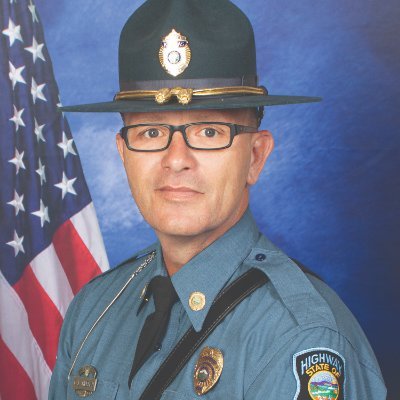
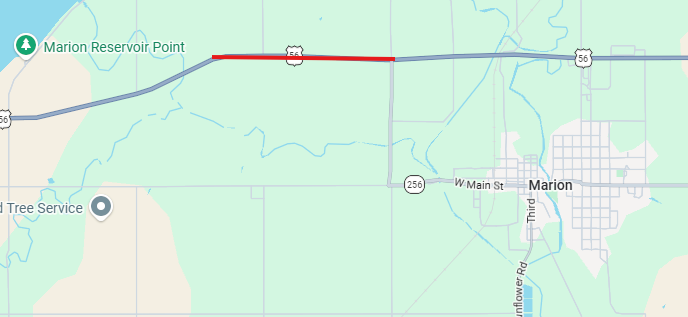
US 56 Hwy west of Marion will be shut down for several hours due to a fatality crash. The crash occurred around mile post 300/301. Our Critical Highway Accident Response Team has been called to the scene.
Please use an alternate route if traveling through the area!
English
It's distressing to read continuously in the OT, lines like this: "He also did what was evil in the sight of the LORD. He did not depart from all the sins of Jeroboam the son of Nebat, which he made Israel to sin, but he walked in them." (2 Kings 13:11)
English
@gcnewsman In the whole scheme of things, it would've been a disappointment that would eventually fade, but I'm so, so glad we don't have to work through it as such!
English
We've been praying for a situation that was a big deal to our family. God would still be good and worthy of praise no matter the outcome - we've experienced a lot of no's too - but I'm so thankful for a yes this time!
English
My night included a nightmare. It was horrible and something I hope I never experience. The awful part is... some people do 😭
English
One day at a time is such a nice philosophy that I wish actually worked in this scenario. I'm feeling really overwhelmed if I think about it too much.
English
Even without coaching I have so much going this spring. Multiple events and big projects at work, milestone birthdays for my girls, senior mom duties including a cheer banquet, the usual school activities, and finally hs graduation and an 8th grade promotion.
English
Thinking about driving the extra nine hours from New Mexico to the Grand Canyon this summer. Any tips on which part to go to/where to stay?
English
Grandbaby number three is hopefully making her appearance today would appreciate prayers!
English
@karalu79 I panicked right away but the techs pulled me out, helped me calm down, readjusted some strategies, and then when I went back in, I made it through! Phew!
English
Appreciate your prayers as I get my shoulder MRI this morning (8 am Central)!
English
@crbrendemuehl It will be interesting to see what the MRI shows for me. I know there's something off... still very weak.
English

@malindadjust The MRI isn’t that bad. It’s recovering from the rotator cuff surgery. That takes oh, so long. I just had my right shoulder done but six years ago had the left done. About a year to get back to full strength.
English
I did it. Panicked right away, had to come out to catch my breath and then tried again. Hopefully it won't be a regular occurrence but at least I have an experience to prepare if so.
Malinda Just@malindadjust
Appreciate your prayers as I get my shoulder MRI this morning (8 am Central)!
English
@debi_derrick I panicked right away, but the techs were kind, pulled me back out and helped me calm down, readjusted some of the strategies and then tried again. It was successful on round two!
English

I have an MRI scheduled for my shoulder on Saturday morning. I'm so afraid of having a panic attack in the tube.
GIF
English
@JoanBandy I'm glad I didn't try to tough out the initial panic. It was much better on the second try...not something I really want to do repeatedly but at least it was manageable!
English