Prior to measurement, observables such as the position or momentum of a particle are not definite but are represented by a distribution of possible values. Measurement entails an interaction with the system that perturbs its state, thereby influencing the observed outcome
The Big Bang theory does not explain what caused the Universe to begin or what, if anything, existed before it. Instead, it describes how the Universe has evolved from its earliest observable moment onward
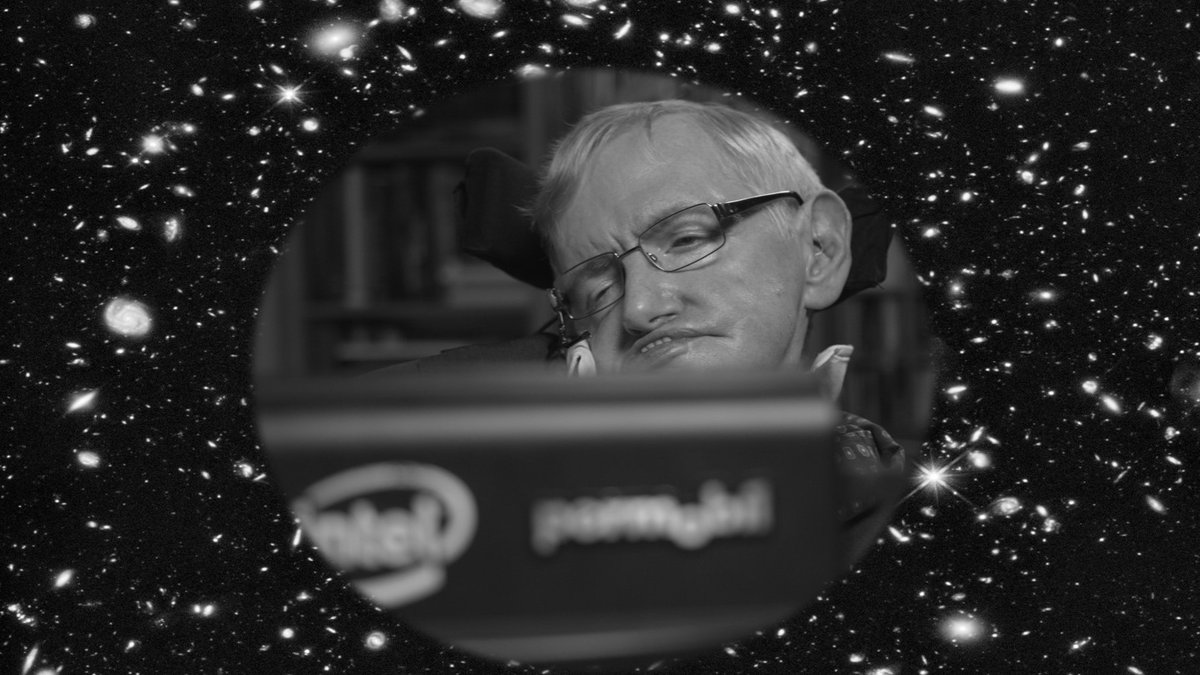
Stephen Hawking proposed that the past of the Universe is not fixed independently of observations. Each history has a certain probability, and what we observe is the result of adding up all those possibilities
Quantum theory implies a deep link between measurement and physical properties, which doesn't mean that reality depends on human observation. Instead, it suggests that at a fundamental level, what we call “properties” emerge through interactions with the measuring device
The Weak Nuclear Force is responsible for processes like radioactive decay. Its fine-tuning ensures the right balance of hydrogen to helium in the universe. An imbalance would have profound effects on star formation and the synthesis of elements necessary for life
There are approximately 10 octillion (10²⁸) protons in your body, each of which has a radius of 0.83 femtometres (10ˉ¹⁵ metres) and is made of 3 quarks held together by the strong force, each quark being no bigger than 0.001 times the size of a proton, so you are mainly empty space
The two heaviest elementary particles of the Standard Model are the top quark and the Higgs boson, both short-lived particles. None of them are contained in ordinary atoms, which are made of lighter particles: up quarks, down quarks, gluons, and electrons
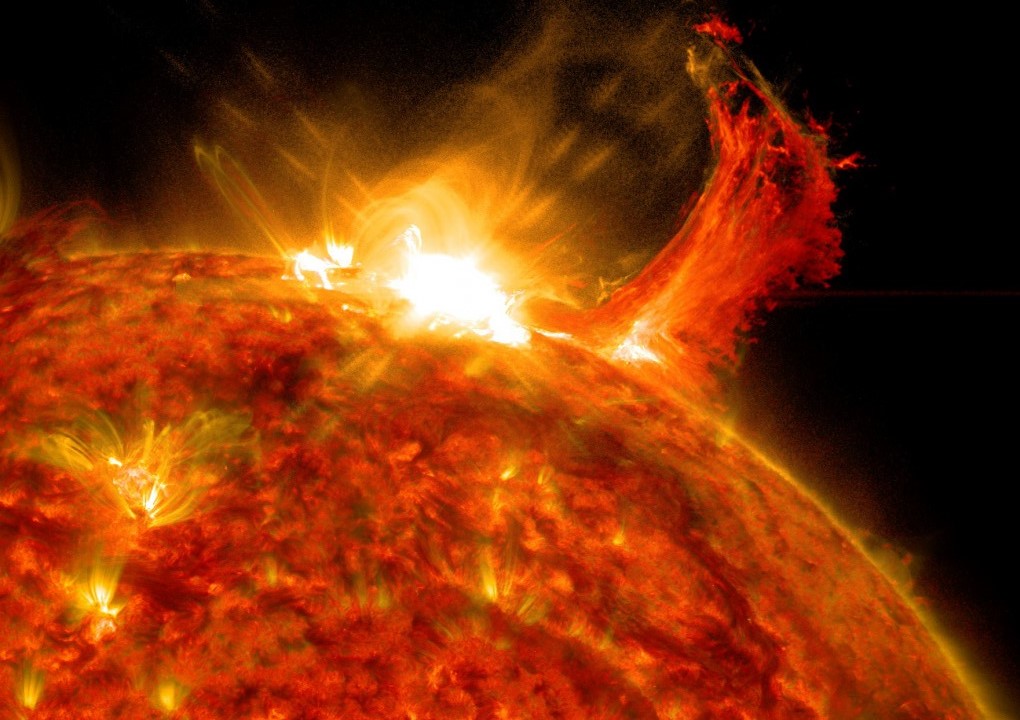
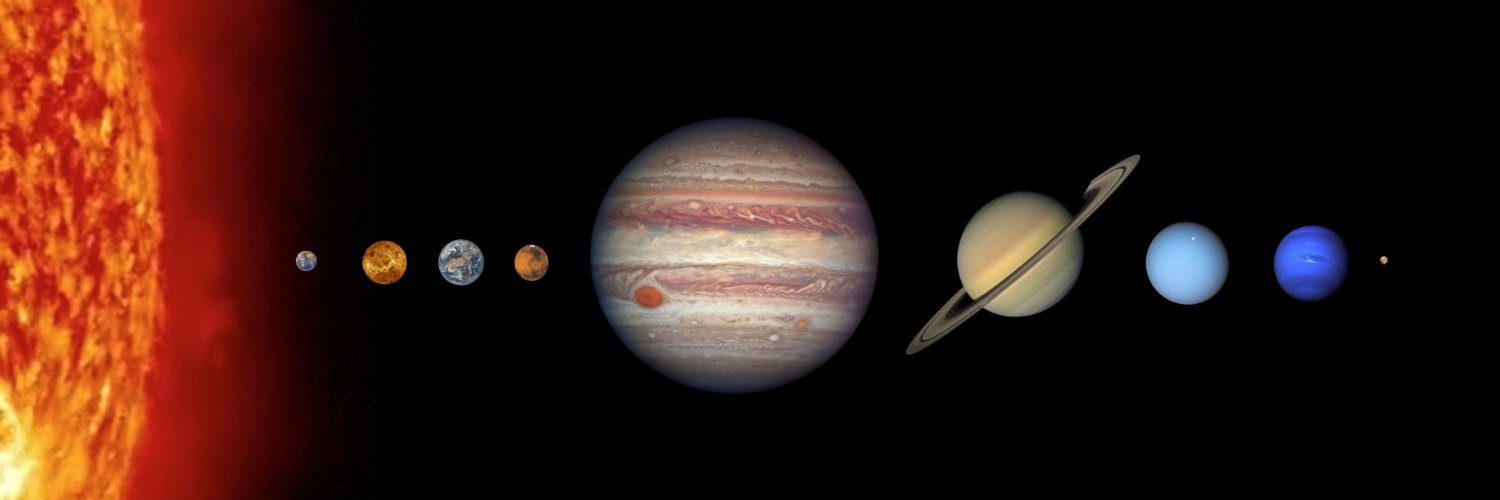
Solids, liquids, and gases make up most of the world around us, but plasma, the state of matter that stars are made of, is by far the most abundant state of normal matter in the Universe
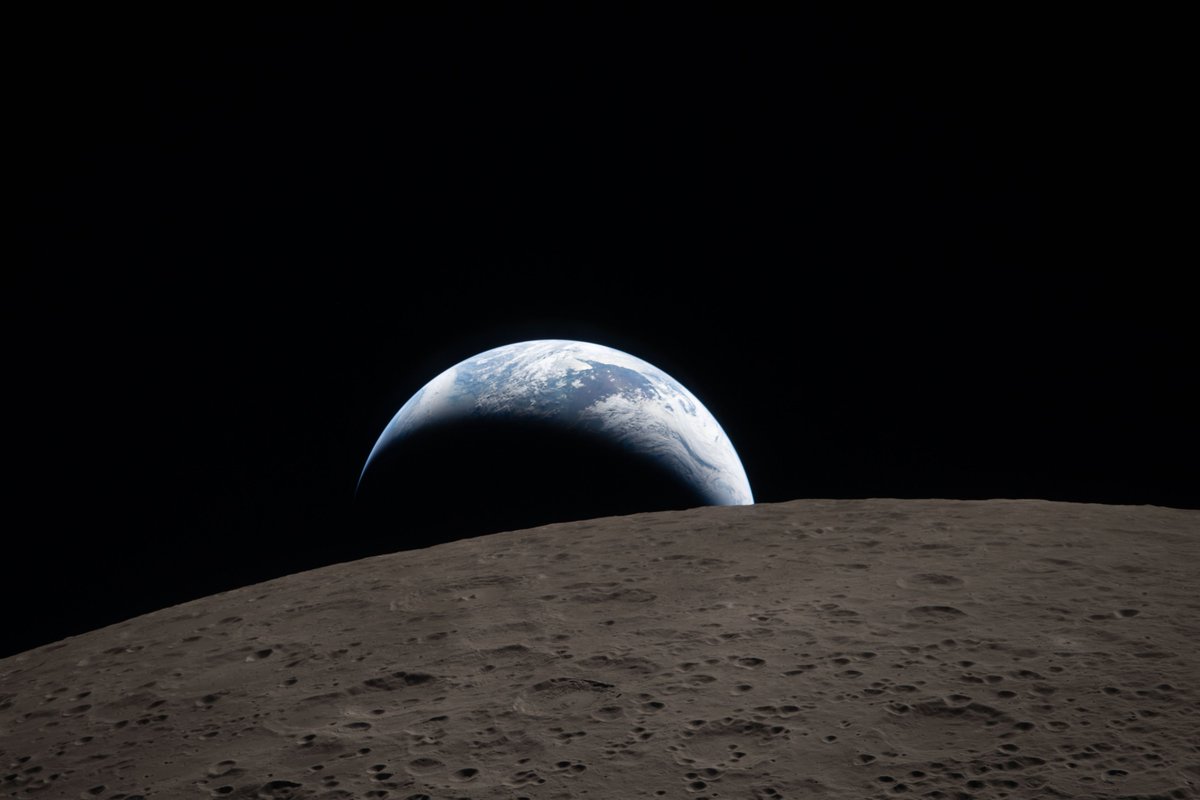
The record for human spaceflight’s farthest distance was set in April 2026 by the four astronauts aboard NASA’s Artemis II flight around the Moon, when they were 400,171 km from the Earth
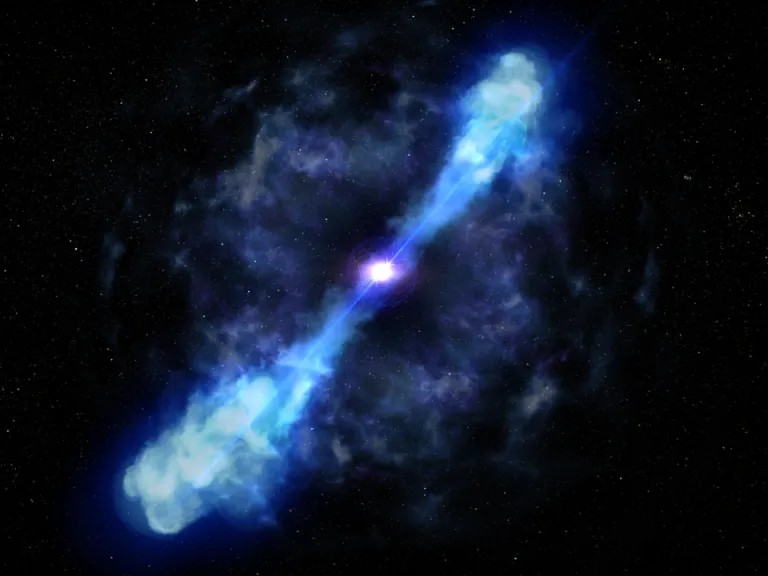
A kilonova is a powerful cosmic explosion that happens when two extremely dense stellar remnants, such as two neutron stars, or a neutron star and a black hole, collide and merge
Three of the four fundamental forces in nature have at least one associated force-carrying particle: The electromagnetic force has the photon; the strong force has the gluon; and the weak force has the W and Z bosons, but so far, no particle has been found to carry gravity
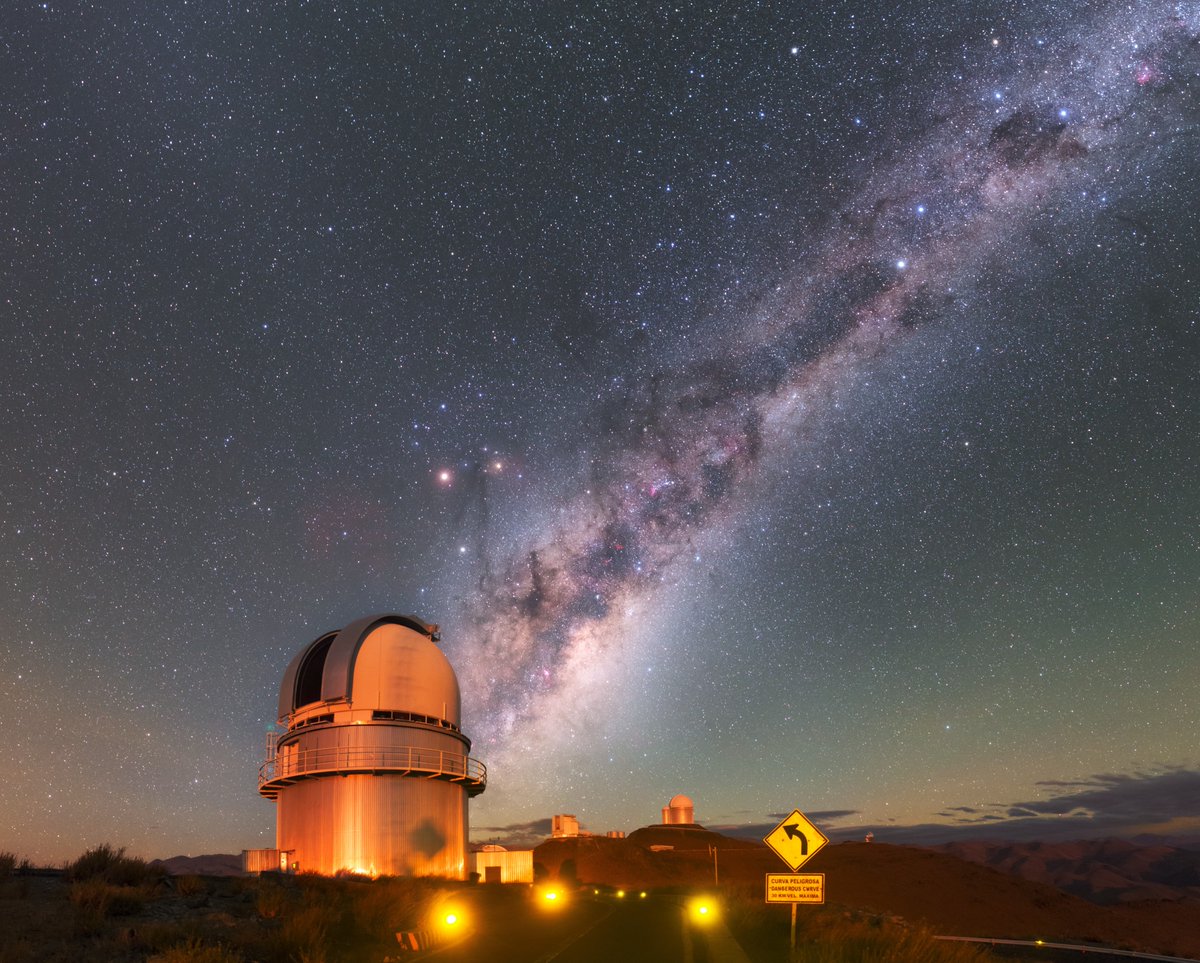
The Milky Way began forming nearly 2 billion years after the Big Bang, and is part of a group of about 50 galaxies called the Local Group, which is approximately 10 million light-years across, and has a gravitational centre somewhere between the Milky Way and Andromeda
Plasma is a superheated gas where atoms are broken into charged particles. It forms when a gas gets so hot that its atoms lose their electrons. The Sun is made of it because it’s hot enough to keep matter in that state continuously
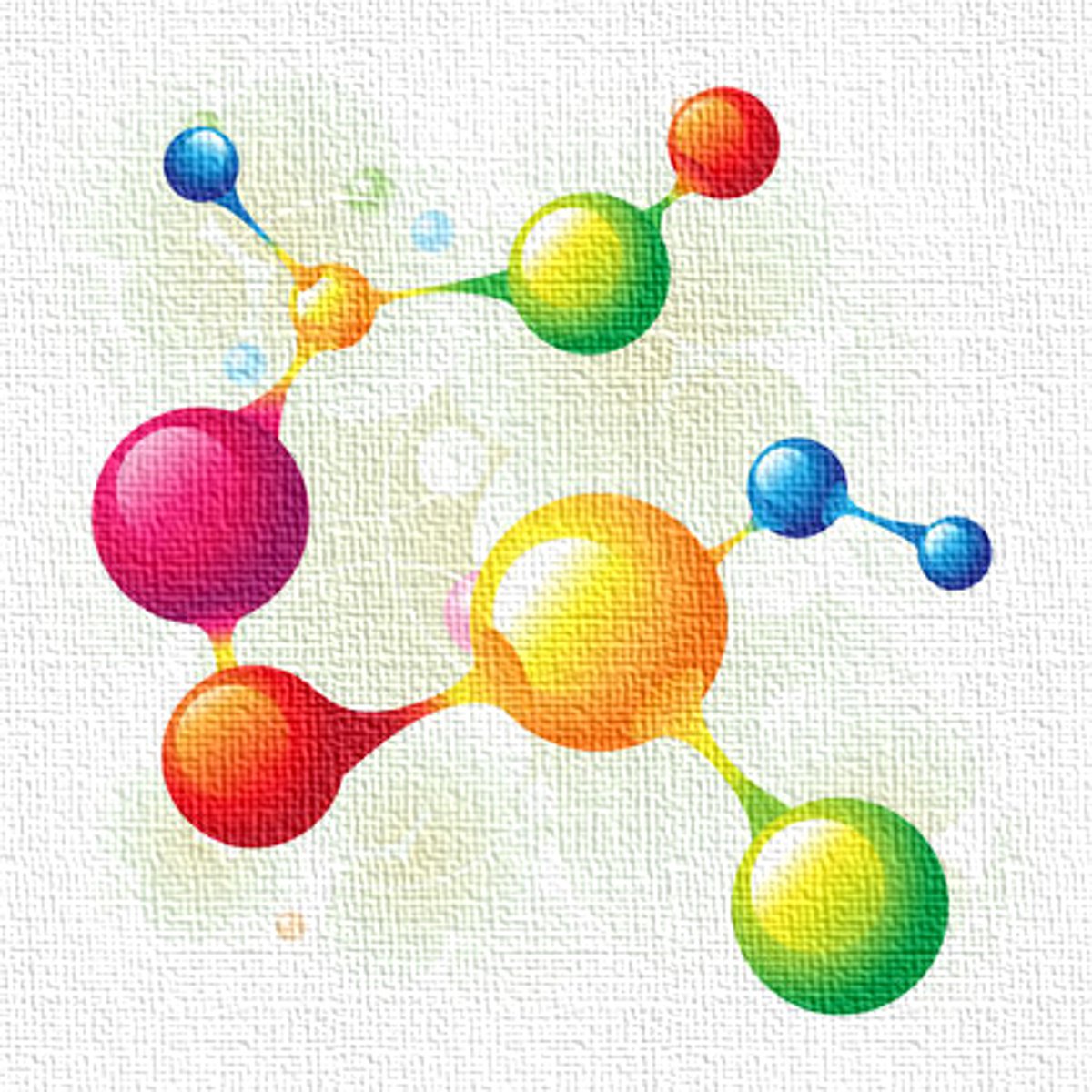
Chemical bonds that hold atoms together in a molecule arise from electromagnetic forces between their subatomic particles, such as the sharing of electrons between atoms or the attraction between positively and negatively charged ions
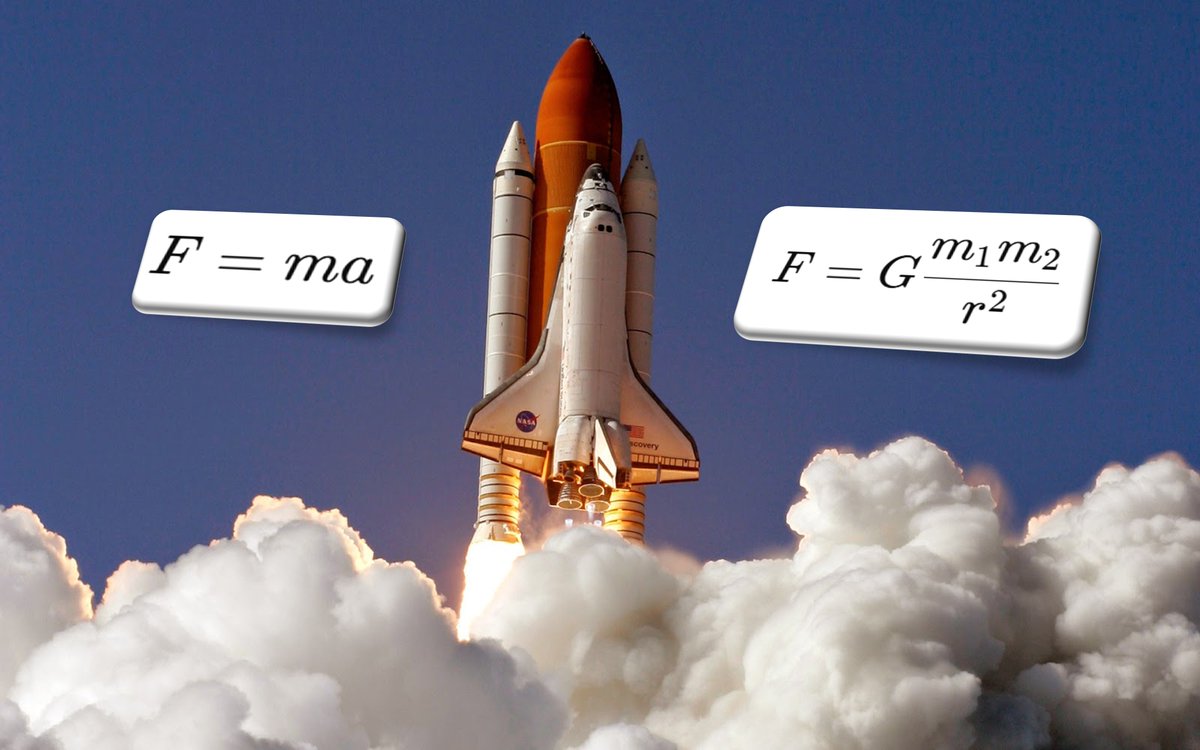
According to Newton’s third law of motion, a rocket doesn’t need something external to push against. By ejecting exhaust gases backward, it generates an equal and opposite reaction force that propels it forward, even in a vacuum
The heat generated by the Sun comes from nuclear fusion of hydrogen atoms, whereas the heat from a chemical reaction comes from the total bonding energy of the resulting molecules being less than the bonding energy of the original molecules
The strong nuclear force that binds together quarks to form protons and neutrons, and also keeps together protons and neutrons in the atom’s nucleus, is carried by an exchange of massless gluons between these particles