固定されたツイート
Centre for Policy Alternatives Sri Lanka
6.8K posts
Centre for Policy Alternatives Sri Lanka
@CPASL
The Centre for Policy Alternatives (CPA) is a leading public policy research and advocacy think tank in Sri Lanka.
Colombo, Sri Lanka 参加日 Ocak 2012
0 フォロー中11.1K フォロワー

In May 2012, rugby player Wasim Thajudeen, 27, was found dead in a burning vehicle in Colombo. It was ruled an accident. It was not.
Forensic evidence confirmed he was beaten and his death staged. Records pointed to the Presidential Secretariat. Evidence disappeared. Officials obstructed the investigation.
Thirteen years later, no one has been convicted.
The current government promised to solve this case. It is an emblematic case testing the state's commitment to the rule of law. Citizens are waiting.
How much more time does the government need to deliver justice for Wasim Thajudeen?
Go to reconciliationtrackercpalanka.org to read about other emblematic cases in Sri Lanka.
#WasimThajudeen #JusticeForWasim #SriLanka

English

The Centre for Policy Alternatives (CPA) has learnt of the untimely demise of Nicholas ‘Fink’ Haysom in New York on 17 March 2026 with the greatest sadness and regret. Mr Haysom was one of CPA’s most wholehearted and longstanding supporters, beginning his association with us in 2002 as a consultant to our Track 1.5 role in the Sri Lankan peace process. Fink was a warmly cherished personal friend to many at CPA and a transformative mentor to others. An unswerving patriot, he played a significant role in the struggle against apartheid, and a pivotal one in South Africa’s democratic transition, as a gifted public lawyer and trusted aide to President Nelson Mandela. He exemplified the best of his generation of South African constitutionalists in terms of intellect, competence, courage, level-headedness, humaneness, and conviviality. History will record the major roles he played first as a constitution-maker and then as a crisis diplomat all across the Global South in the course of his productive and inspiring life. Mr Haysom will be remembered by all who came into contact with him as one of those rare people who had an unerring ability to project faith, hope, and love in the direst of situations. By his originality, morality, intrepidity, and geniality, he enlarged the possibilities of right thought and action in any situation, when everyone else only saw danger, decay, and despair. At this difficult time, CPA extends its deepest condolences to Mr Haysom’s family. In due time, we will find a more permanent form of tribute to Fink’s esteemed contribution to CPA’s work, and his unsung role in the quest for peace and constitutional democracy in Sri Lanka. Fink was no admirer of Thomas Carlyle, but in our profound sadness, we take refuge in Carlyle’s dictum that, “If a man was great while living, he becomes tenfold greater when dead.”

English


Current legal drafts often define terrorism using broad language. This vagueness assists government operations but fails to prioritize the protection of citizens.
A clear international standard exists, yet recent legislative proposals do not capture its essence. When laws remain imprecise, they serve the interests of the state rather than the safety of the individual. The fundamental question remains: how must we define terrorism to ensure it protects the public without compromising legal clarity
English

youtu.be/BMkqIt4jOkA
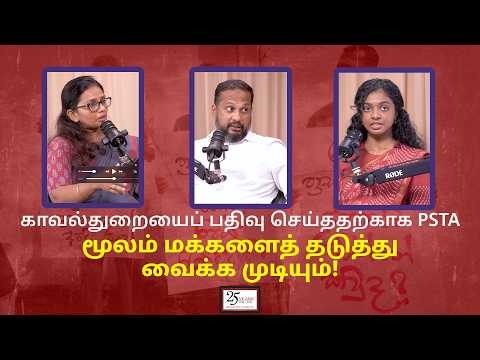
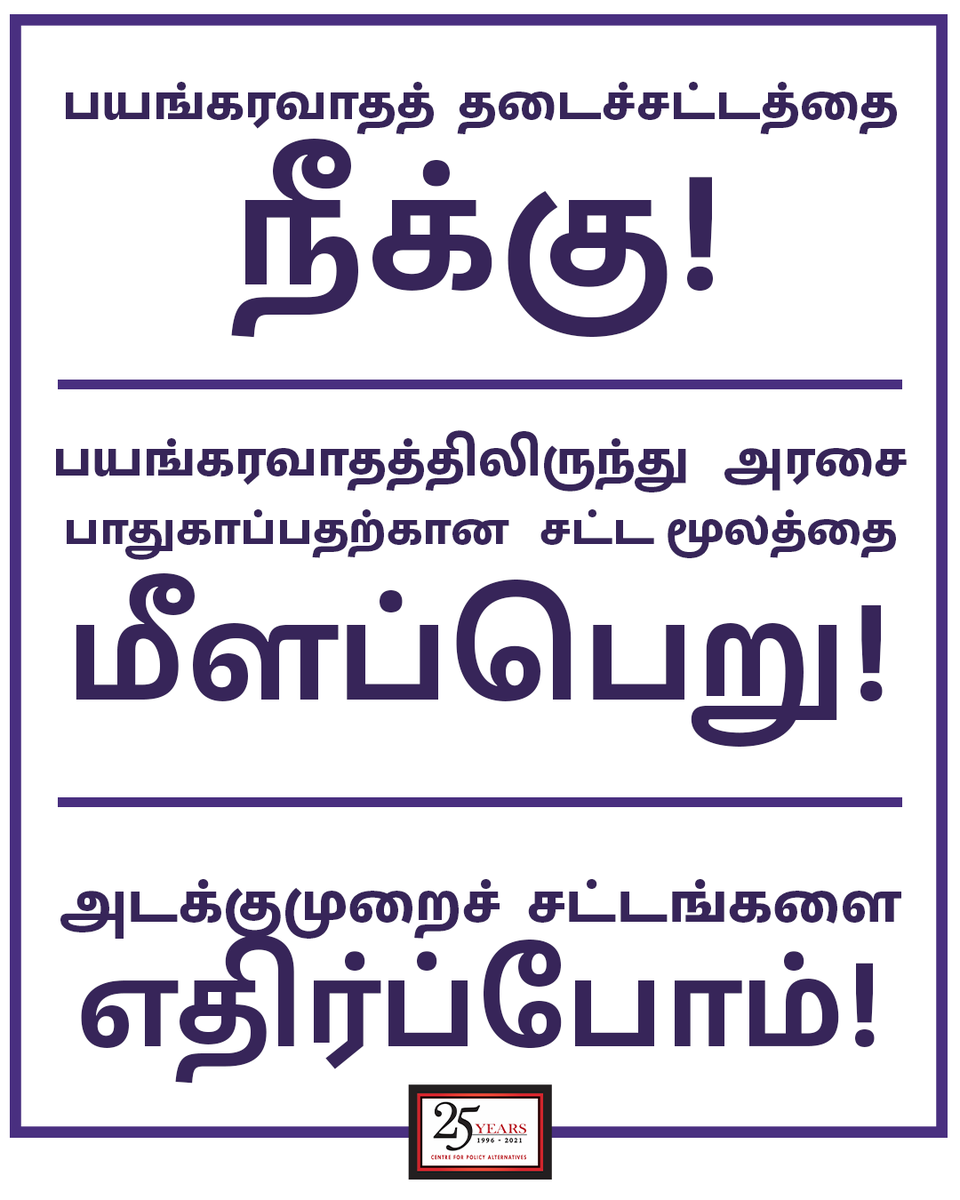
“பயங்கரவாதத்திலிருந்து அரசைப் பாதுகாப்பதற்கான” வரைவுச் சட்டமூலம் தற்போது நீதி அமைச்சின் இணையத்தளத்தில் வெளியிடப்பட்டுள்ளதுடன் இச்சட்டமூலத்தின் மீதான பொதுமக்களின் கருத்துக்கள்/பின்னூட்டங்களுக்கும் அரசாங்கம் அழைப்பு விடுத்துள்ளது. 1979 ஆம் ஆண்டிலிருந்து நடைமுறையில் உள்ள தற்போதைய பயங்கரவாதத் தடுப்புச் சட்டத்தை (‘PTA’) நீக்குவதற்காக இந்தச் சட்டமூலம் வடிவமைக்கப்பட்டுள்ளது
அதிருப்திக்கு அச்சுறுத்தல் விடுக்கின்ற மற்றும் பிரசைகளின் நாளாந்த வாழ்வைப் பாதிக்கின்ற பல ஆபத்தான ஏற்பாடுகளைப் பயங்கரவாதத்திலிருந்து அரசைப் பாதுகாப்பதற்கான சட்டமூலம் கொண்டுள்ளது.
அடக்குமுறைச் சட்டங்களை நீக்குதல் என்பது ஆட்சிக்குத் தேர்ந்தெடுக்கப்படுவதற்கு முன்னர் இந்த அரசாங்கத்தினால் வழங்கப்பட்ட பிரதான வாக்குறுதிகளில் ஒன்றாகும். ஆயினும், அரசாங்கம் தனது வாக்குறுதியிலிருந்து பின்வாங்கியுள்ளதுடன் கடுமையான சட்டங்களையும் அறிமுகம் செய்துள்ளது.

YouTube
தமிழ்

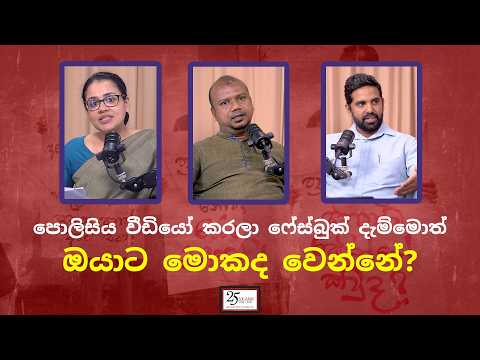
විරෝධතාවයක් අවසන් කරන්න මේ වගේ නීති පහසුවෙන් යොදා ගන්න පුළුවන්. ජනතාවට ඉල්ලීමක් ඉටුකරගන්න, තහවුරු කරගන්න සිදු කරන ක්රියාවලීන් වල ප්රධාන දෙයක් තමයි උද්ඝෝෂණ පැවැත්වීම. අරගලය වගේ උද්ඝෝෂණ මාලාවන් ඇති වෙන්නේ රටේ පුරවැසියන් තමන්ගේ අයිතීන් දිනාගන්න. රජය අකමැති ඕනෑම, උද්ඝෝෂණයක් විරෝධතාවයක් එම ජනතාව ත්රස්තවාදීන් ලෙස සලකා මැඩ පවත්වන්න මේ පනතට පුළුවන්.
SI

youtu.be/hLMAIOvBkic
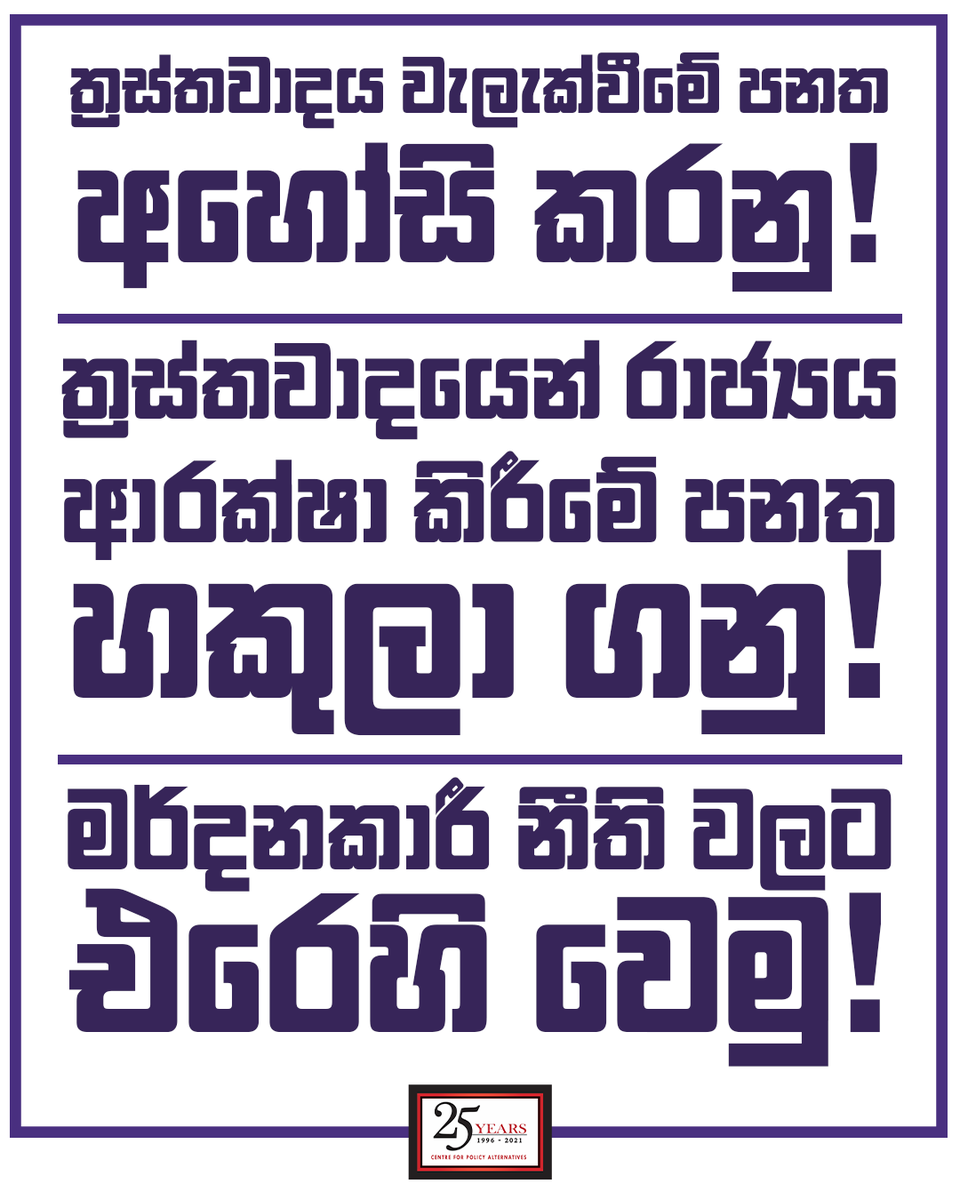
"ත්රස්තවාදයෙන් රාජ්යය ආරක්ෂා කිරීම" පිළිබඳ පනත් කෙටුම්පත මේ වන විට අධිකරණ අමාත්යාංශයේ වෙබ් අඩවියේ පළ කර තිබෙන අතර, රජය එම කෙටුම්පත සම්බන්ධයෙන් මහජන අදහස් සහ ප්රතිචාර කැඳවා තිබේ . මෙම පනත් කෙටුම්පත නිර්මාණය කර ඇත්තේ 1979 පටන් බල පවත්නා දැනට පවතින ත්රස්තවාදය වැළැක්වීමේ පනත අහෝසි කිරීම සඳහාය.
ත්රස්තවාදයෙන් රාජ්යය ආරක්ෂා කිරීමේ පනත් කෙටුම්පතෙන් , විසම්මුතියට (විරුද්ධ මත පළ කිරීමට) තර්ජනාත්මක වන සහ රට වැසියන්ගේ එදිනෙදා ජීවිතයට බලපෑම් කරන භයානක ප්රතිපාදන රාශියක් ගෙන එනු ලබයි. පීඩාකාරී නීති ඉවත් කර ගන්නේය යන්න මෙම රජය බලයට පත් වීමට පෙර දුන් එක් පොරොන්දුවක් විය. කෙසේ වුවද මෙම රජය තමන් විසින්ම දුන් පොරොන්දු සම්බන්ධයෙන් සිය මතය වෙනස් කොට පසුගාමී වෙමින් මෙම කෲරතර නීති හඳුන්වා දී තිබේ.

YouTube
SI

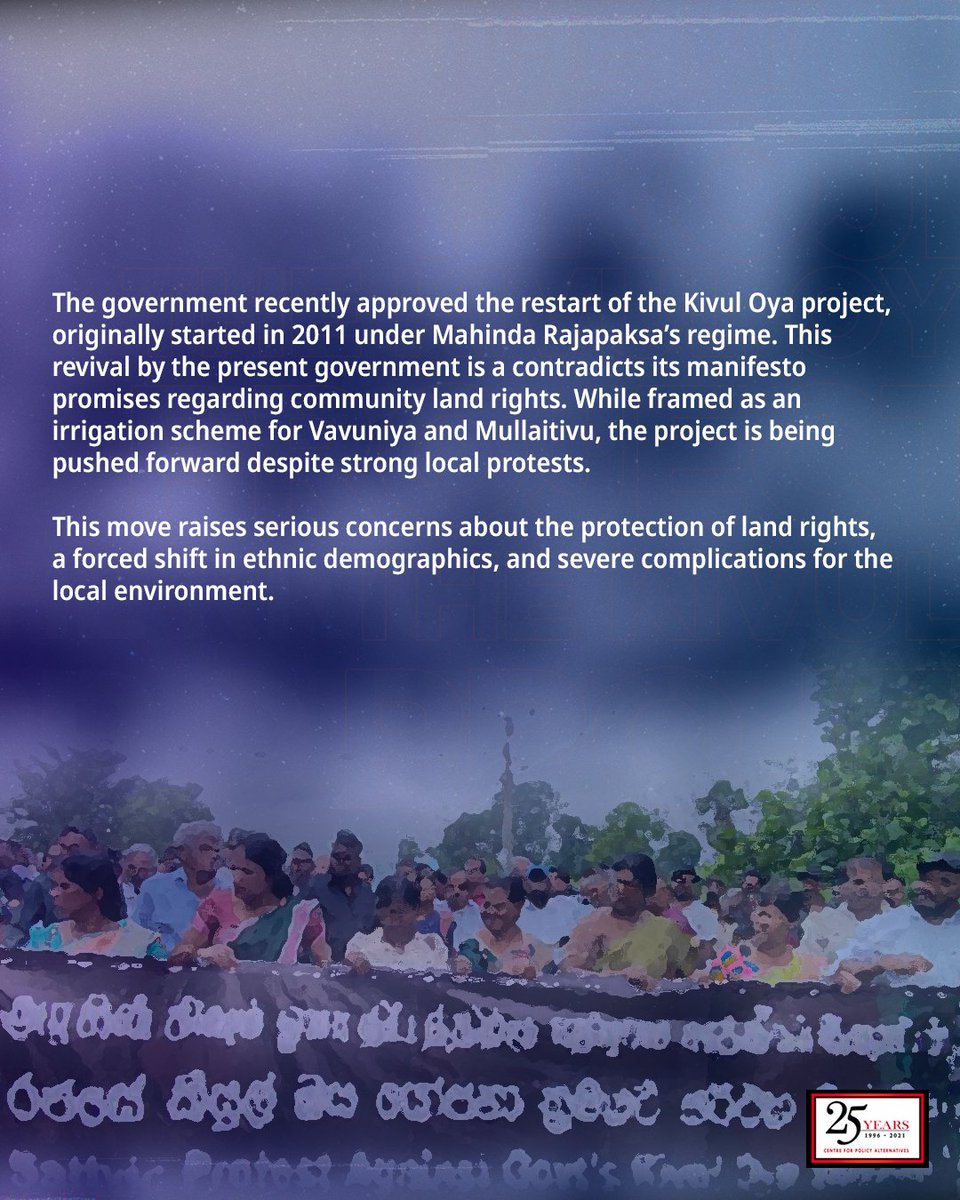
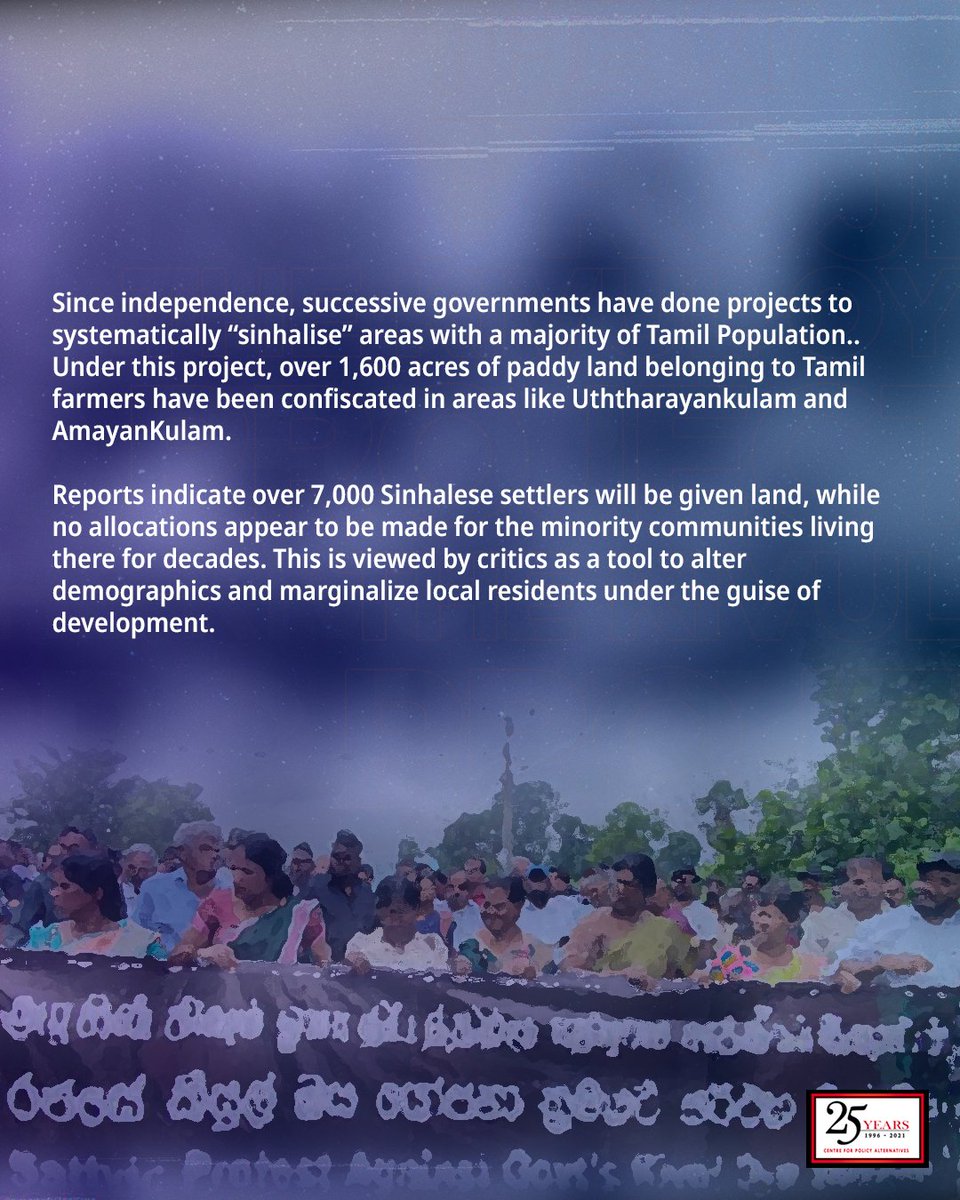
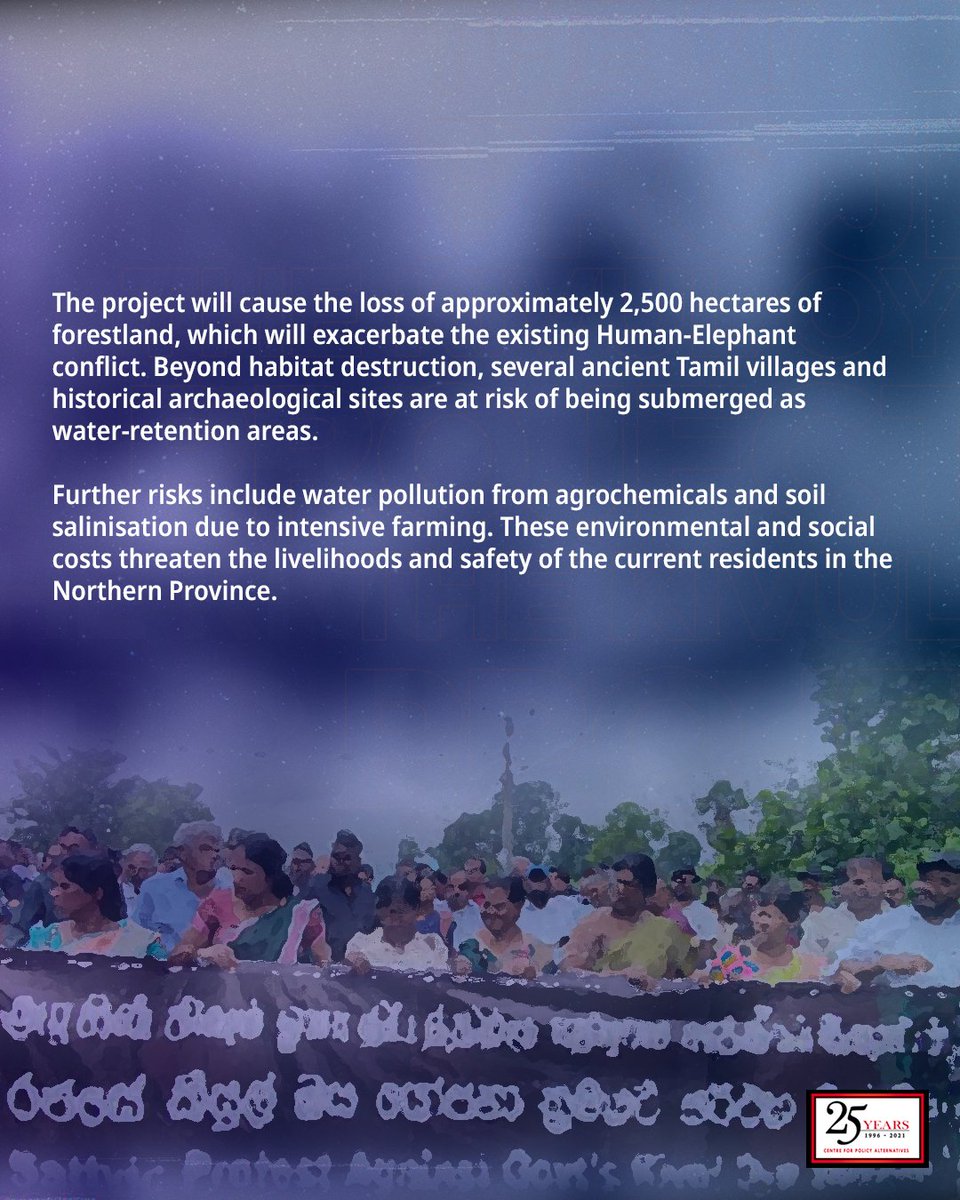
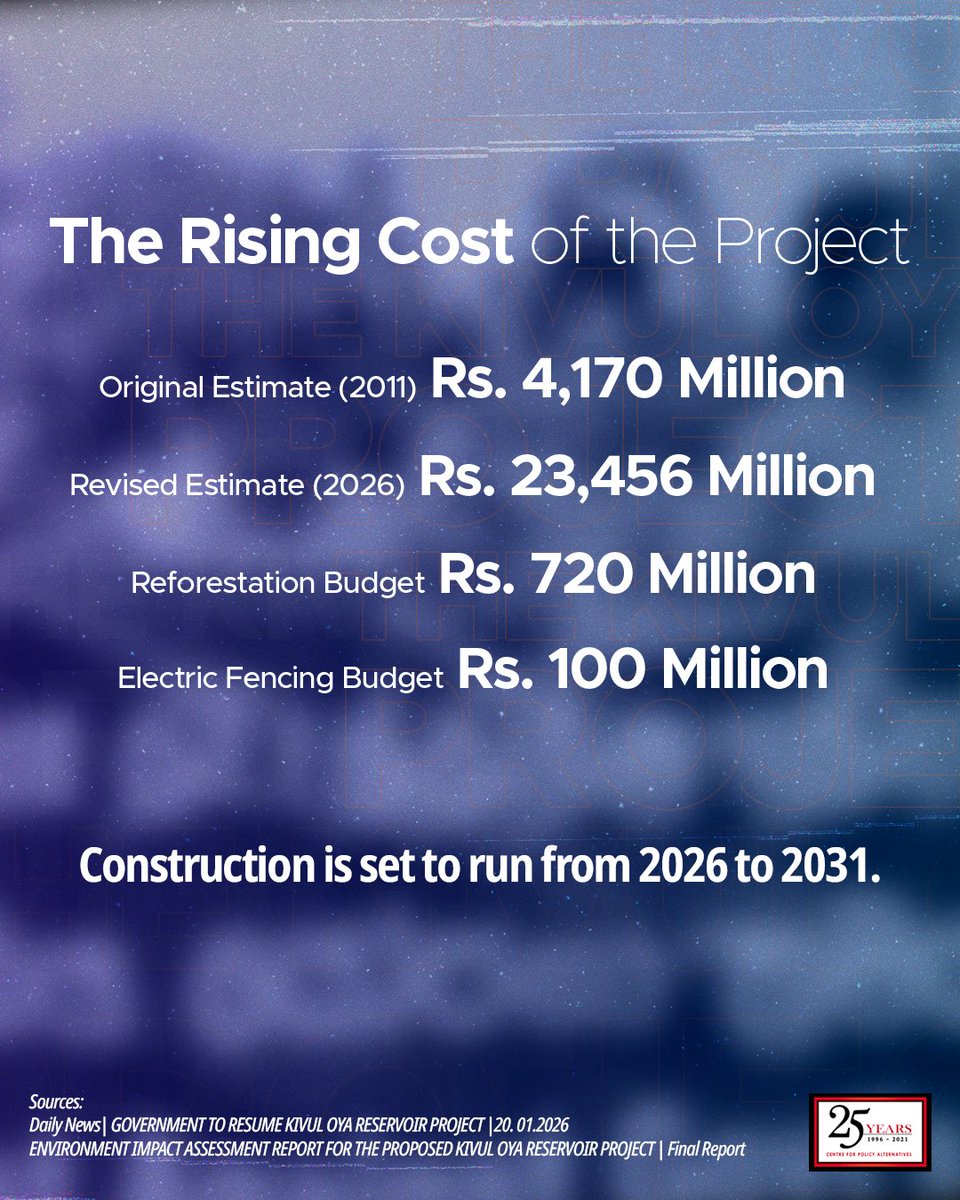
The government recently approved the revival of the Kivul Oya project. This irrigation scheme was originally initiated in 2011 and is now moving forward despite previous promises to protect community land rights.
The project involves the confiscation of over 1,600 acres of paddy land belonging to Tamil farmers. Reports indicate that thousands of settlers from the majority community will be relocated to the area, while no land is allocated for minority communities who have lived there for decades.
This systematic encroachment damages reconciliation efforts. Large-scale state projects that alter ethnic demographics under the guise of development create long-term instability. Development must be sustainable and inclusive. It should not cause unjustifiable harm to the environment or the people living on the land.
Read the full report by the Centre for Policy Alternatives at cpalanka.org to understand the impact on land ownership and minority rights in the Northern Province.


English

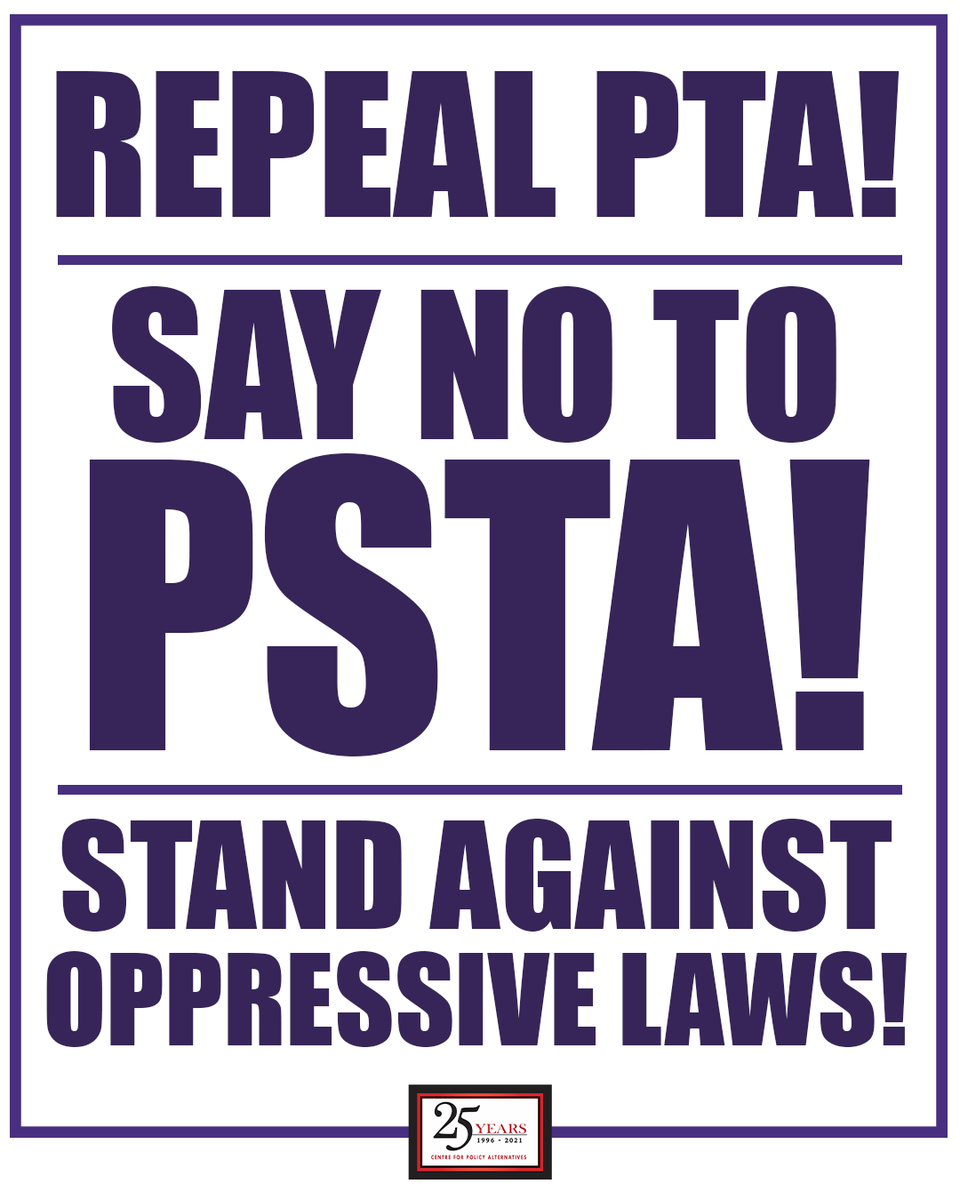
The Prevention of Terrorism Act (PTA) was enacted in 1978 as a temporary measure (initially only for 3 years) but was made permanent in 1982. It introduced offences previously not present in the ordinary law which were and are being abused with serious human rights implications for the nearly half century in which it has been in operation.
Click the link below to read a brief history of the Prevention of Terrorism Act👇
cpalanka.org/a-brief-histor…
English

The draft Protection of the State from Terrorism Bill was published on the website of the Ministry of Justice, and public comments on the Bill have been called for, on or before the 28th of February 2026. This Bill seeks to repeal and replace the Prevention of Terrorism Act, which was a key campaign promise made by the present government.
Read the commentary by CPA on concerns of the proposed bill
cpalanka.org/analysis-of-th…
English

youtu.be/eKjuy-Ls9tI
දිට්වා ව්යසනයෙන් පසුව මලයග දමිල ජනතාව වෙසෙන ප්රදේශ රැසකට තවමත් රජය විසින් ලබාදෙන රුපියල් 25,000ක මුදලවත් ලැබී නැත. මලයග ජනතාව වෙසෙන ප්රදේශ බොහොමයක පෙනී යන ප්රධාන ගැටළුවක් වන්නේ, ඔවුන් ජීවත් වන වතු ප්රදේශවල (estate)පරිපාලනය මුළුමනින්ම පෞද්ගලික සමාගම්වලට බාර දී රාජ්යය අත පිස දමාගැනීමට කරන උත්සහයයි. මේ නිසාම ඔවුන් වෙත රජයෙන් හෝ පෞද්ගලික සමාගම් හරහා හෝ ලැබිය යුතු ආධාර කිසිවක් ලැබී නැත. මෙමගින් පෙනී යන්නේ රාජ්ය යාන්ත්රනය හරහා මෙම ප්රජාව ක්රමානුකූලව නොසලකා හැර ඇති බවයි.
මලයග ජනතාව ඉල්ලා සිටින්නේ තමන්ට අභිමානයෙන් යුතුව ජීවත්වීමේ අයිතියයි. තමන්ගේම ඉඩමක්, නිවසක් මෙන්ම සිය අනන්යතාව, සංස්කෘතිය හා මුහු වෙමින් ජීවත් වීම සඳහා ද ඔවුනට අයිතියක් ඇත. දිට්වා කුණාටුව හමුවේ මලයග දමිල ජනතාව මුහුණ දී ඇති ගැටළුවලට ලබාගත හැකි ප්රභලම විසඳුම වන්නේ ඔවුන්ගේ මෙම අයිතීන් තහවුරු කිරීමයි.

YouTube
SI

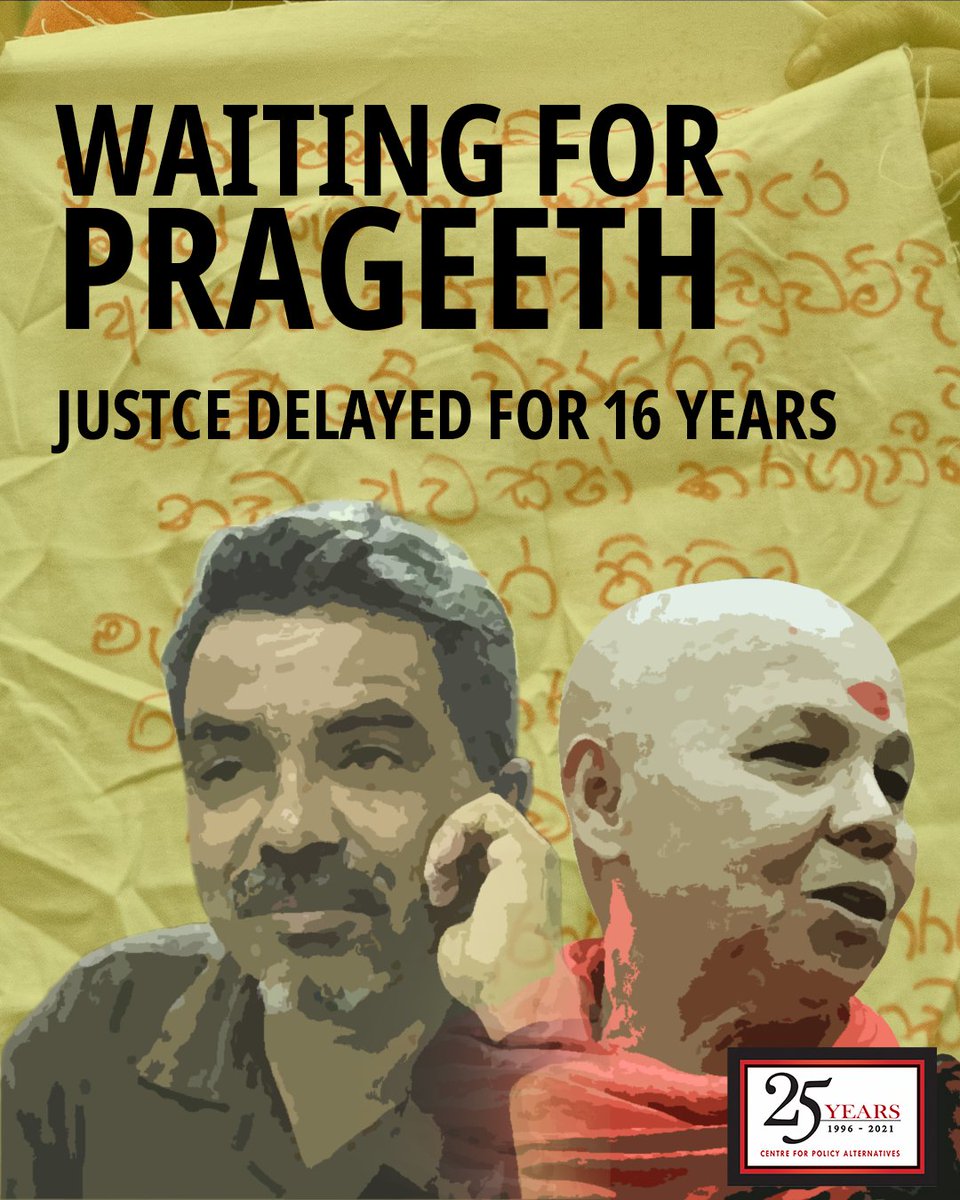
Journalist and cartoonist Prageeth Ekneligoda disappeared on January 24, 2010, just two days prior to the presidential election. A vocal critic of the Rajapaksa regime, he had already survived a brief abduction in August 2009. When he failed to return home from a meeting, his wife, Sandhya Ekneligoda, attempted to alert the Homagama Police, but they refused to file a report. An official investigation only commenced two weeks later following significant public pressure.
Criminal Investigation Department (CID) findings later revealed a premeditated military operation. Evidence indicates that an army informant lured Ekneligoda to a meeting under orders from Giritale Army Camp officials. Investigators traced his movement from the camp to Akkaraipattu, where he was allegedly murdered. Phone records and testimonies suggest the operation occurred with the knowledge of senior defense officials.
While the case was reopened in 2015, leading to the indictment of nine military intelligence officers by 2019, the trial has faced significant delays and political interference. Sixteen years later, Ekneligoda’s whereabouts remain unknown, serving as a prominent symbol of state impunity and the risks faced by Sri Lankan journalists.


English

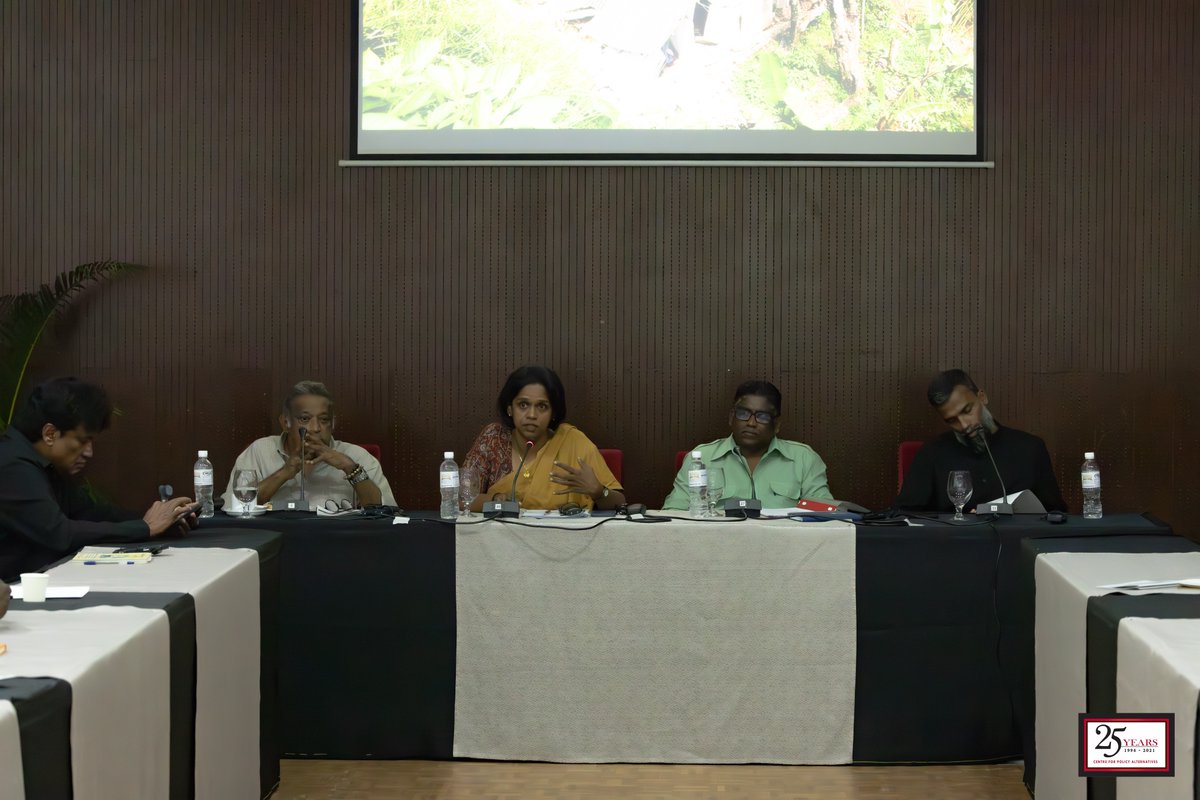
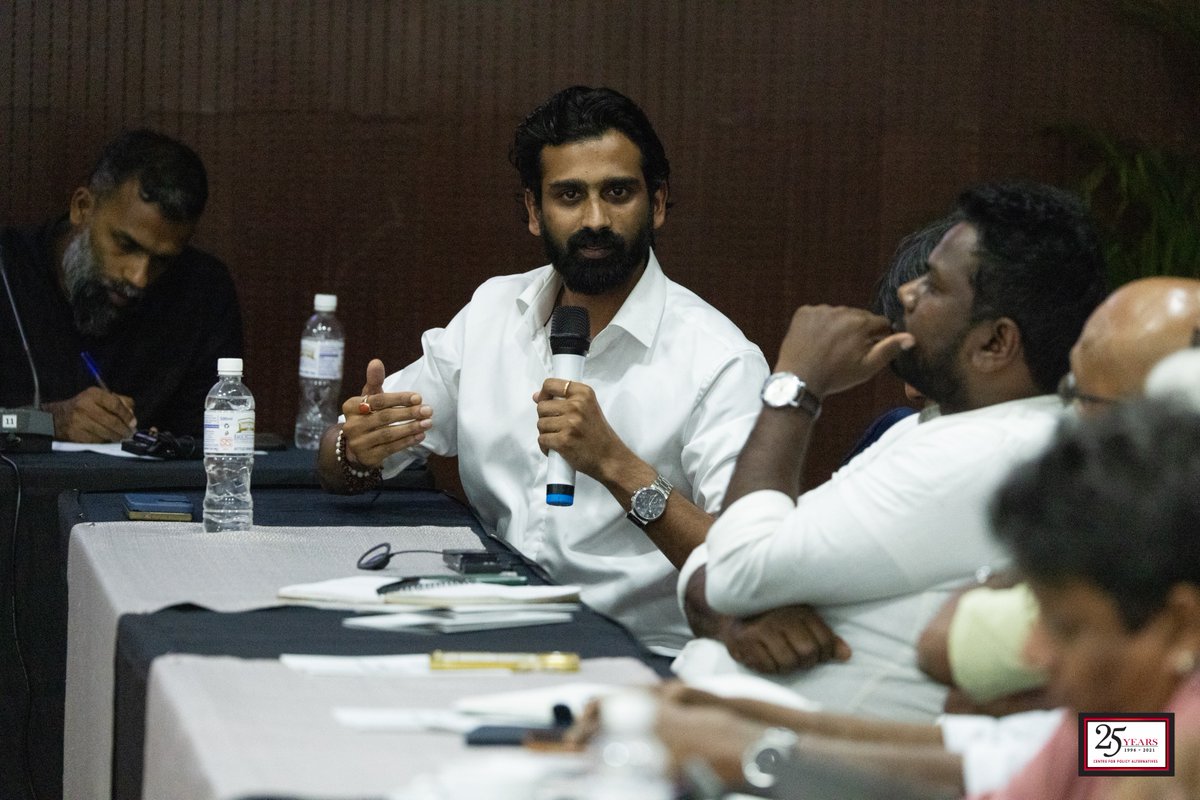
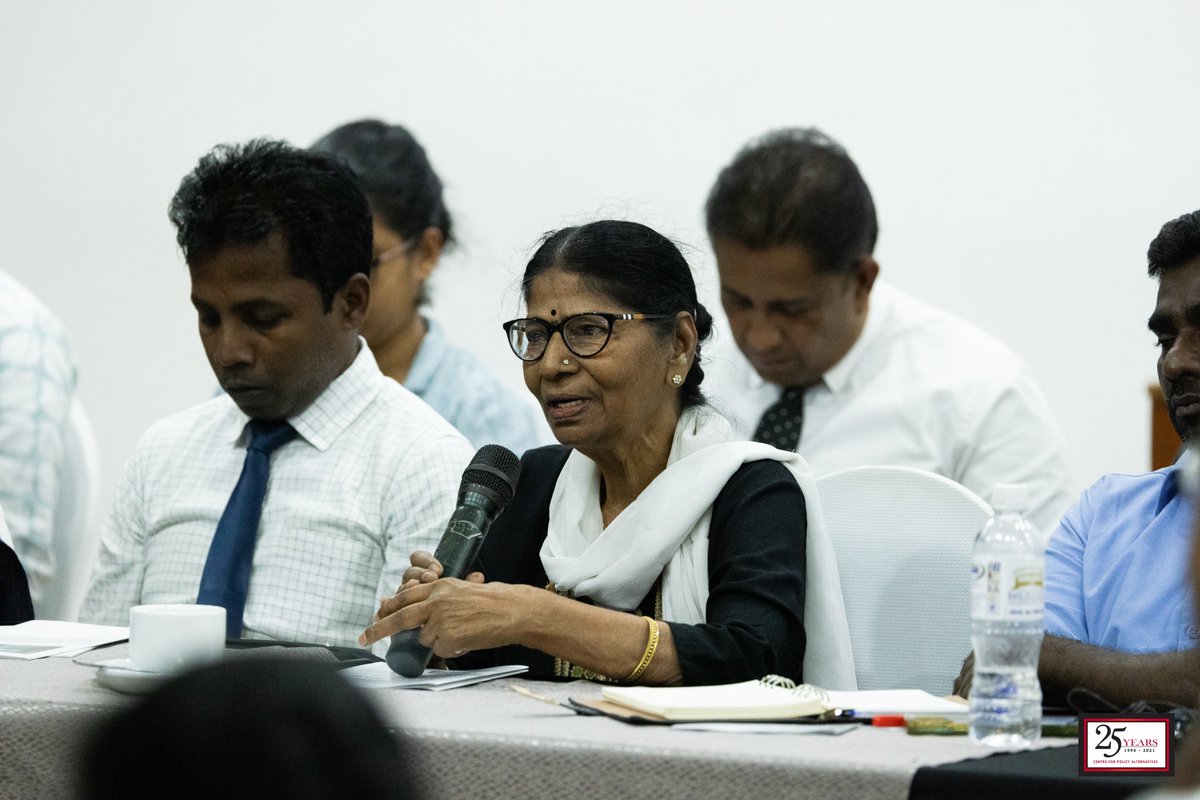
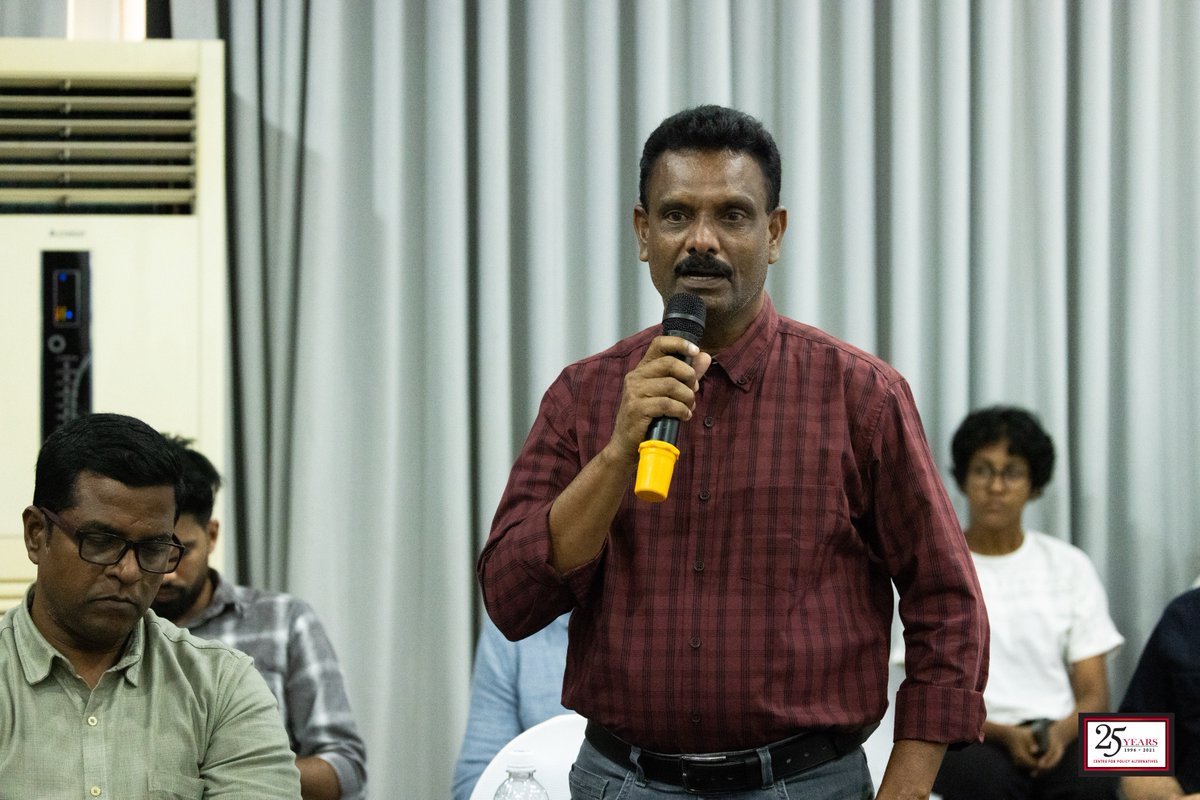
Centre for Policy Alternatives (CPA) hosted a discussion regarding Cyclone Ditwah and the challenges facing the Malaiyaha Tamil community. The event included community members, activists, and Members of Parliament.
A primary concern raised was the urgent need for land and housing security. Most areas hit by Cyclone Ditwah are places where the Malaiyaha Tamil community lives. Many residents work on estates and live in line rooms that have been neglected for a long time. These aging structures provided little cover during the cyclone, leaving many families in difficult conditions.
Participants emphasised that providing relief is not enough. The discussion focused on the importance of granting land rights and building proper homes to replace the line rooms. Securing these rights is essential to ensure the community is protected from future disasters. Moving forward, the focus remains on long-term solutions for housing and safety.


English

We observed gaps in assistance in certain areas, particularly in estates where the Malaiyaha Tamil community lives, while surrounding areas received support. During the disaster, responsibility was deflected by suggesting that estate residents should be cared for by plantation management. This raises the question of whether they are being treated as citizens affected by the cyclone in the same manner as others.
@bfonseka | @NewsfirstSL
English
Centre for Policy Alternatives Sri Lanka がリツイート

wp.me/p36loV-24u 👈 FULL STATEMENT HERE
.
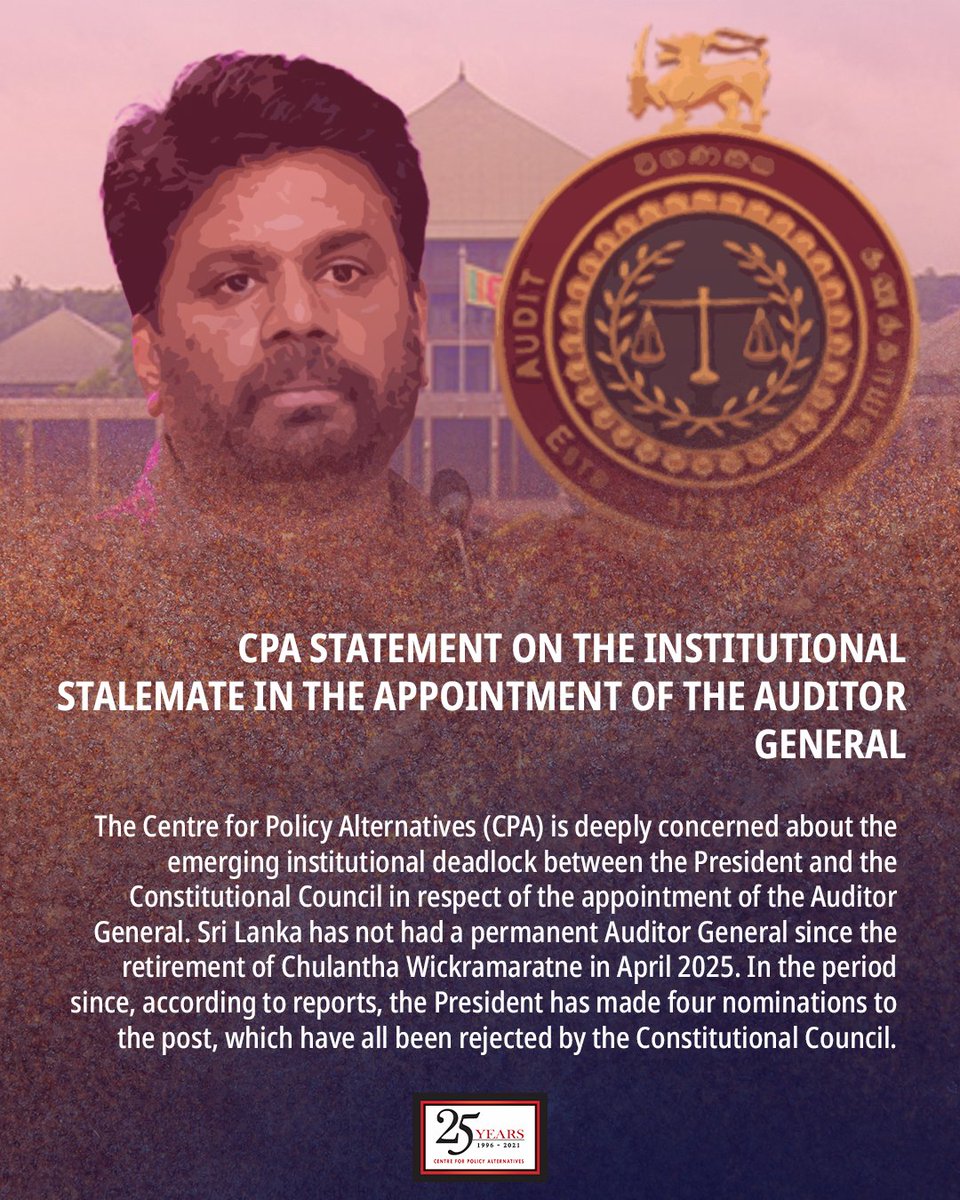
Sri Lanka faces a critical governance crisis as the office of the Auditor General remains vacant nine months after the retirement of Chulantha Wickramaratne. Despite four separate nominations by the President, the Constitutional Councilhas consistently rejected the candidates, citing a failure to meet the rigorous standards of independence and professional competence required by the National Audit Act.
This deadlock severely undermines public financial accountability. Without a permanent Auditor General, parliamentary oversight through committees like COPA and COPE is weakened—a danger exacerbated by the urgent need for transparent expenditure tracking following Cyclone Ditwah.

English

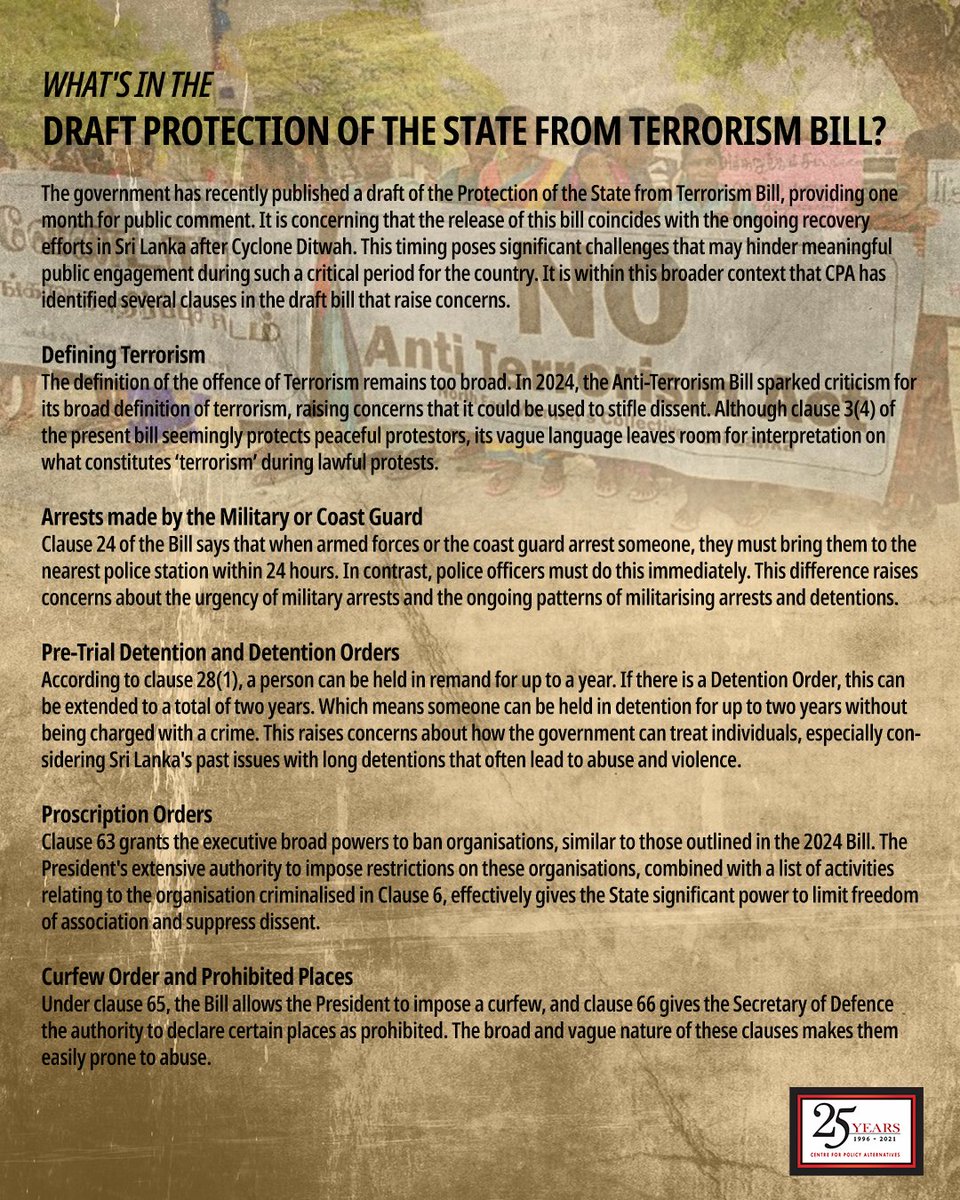
The Centre for Policy Alternatives (CPA) has been alerted to the draft Protection of the State from Terrorism Bill (Bill) published on the website of the Ministry of Justice, which invited public comments within a month of its publication. Whilst the government publicly announced in August its intention to publish a draft Bill for public comments, the publication at the present moment, when Sri Lanka is confronted with multiple challenges in the aftermath of Cyclone Ditwah, raises serious concerns. Such a context limits meaningful public engagement of any proposed legislation, and the limited time further impedes an inclusive and transparent law reform process. Whilst CPA appreciates the decision of the government to place the Bill in the public domain for comment, we urge for further time for comments and discussion.
With the hope that more time is provided for a fuller comment on the Bill, CPA shares these initial comments with the view of constructive engagement and public awareness of key areas requiring attention. At the outset, CPA emphasises that the benchmark against which this Bill must be assessed is not merely whether it represents an improvement over the Prevention of Terrorism Act (PTA), but whether the Bill, in and of itself, complies with the Fundamental Rights guaranteed under the Constitution of Sri Lanka and with Sri Lanka’s international human rights obligations. It must be borne in mind that the PTA was never constitutional, nor did its drafters claim that it was. No meaningful effort was made to ensure compliance with fundamental rights standards and due process safeguards, as it was taken as granted that the legislation could be enacted with a special two-thirds majority in Parliament. The result has been a draconian law that has been used for decades to target and suppress the rights of citizens, with limited debate as to what is meant by terrorism and the need for extremely broad terror laws in a post war context.
It is within this broader context that CPA sets out these initial observations on the draft Protection of the State from Terrorism Bill. The following are several clauses that raises concerns:
The Offence of Terrorism and Other Offences
The definition of the offence of Terrorism remains broad, seemingly designed in a manner that can be used to suppress dissent, rather than being limited to actual acts of terrorism. One of the main criticisms of the Anti-Terrorism Bill of 2024 was that it may have been used against those who protest against the Government, and while the present Bill contains a provision that seems to exclude protestors in clause 3(4), this clause is vague as to what will and will not be defined as terrorism in the course of a lawful protest.
Arrests made by Members of the Armed Forces or Coast Guard
Clause 24 of the Bill provides that when a suspect is arrested by the armed forces or the coast guard, then they shall ‘without unnecessary delay, and in any event within a period not exceeding twenty-four hours’ be produced before the Officer – in – Charge of the nearest police station. When contrasted with clause 23, which requires a police officer making an arrest to produce the suspect before the OIC ‘forthwith’, it raises the question as to why the same urgency is not seen with the armed forces. This perpetuates the norm of militarising the powers of arrest and detention.
Pre-Trial Detention and Detention Orders
As per clause 28(1), a person can be held in remand for up to a year. As per clause 28(2), if there is a Detention Order made against the person, then in combination, the period of remand and detention can extend up to two years. This means that a person can languish in detention for up to two years without being charged with a crime. Such a long period again raises questions of the power of the State to target individuals, exacerbated by Sri Lanka’s history of long periods of remand and detention, which has contributed to abuse and violence.
Proscription Orders
Clause 63 gives sweeping powers to the executive to proscribe an organisation, similar to what was seen in the 2024 Bill. Coupled with the wide power of the President to impose restrictions on such an organisation, the criminalisation of acts related to the organisation in terms of clause 6 gives the State a wide power to use this law to restrict freedom of association and crackdown on dissent.
Curfew Order and Prohibited Places
The Bill provides power under clause 65 for the President to issue a curfew order and under clause 66 for the Secretary to the Ministry of Defence to issue a direction that a place is a prohibited place. These clauses are broad and vague, thus making them susceptible to abuse.
The above are some clauses that raise concerns, though CPA notes that a fuller and in-depth study of the Bill is required for a comprehensive review and comment, which we hope to do in 2026. In the spirit of constructive engagement, CPA urges the authorities to provide greater time for public comments and consultation, enabling the citizens to be aware of proposed laws and facilitate a law-making process that is transparent, inclusive and contributes to upholding the rule of law and democracy in Sri Lanka.
cpalanka.org/initial-commen…

English