
Mónica
2.4K posts



@virus_tropical Hola, si, es transferencia digital por Ticketmaster 🙌🏽
Español
Pásele, llévele.
Vendo un boleto para Tyler, The Creator el 25 de marzo en la CDMX, es en pista, lo estoy dejando sin cargos por servicio.
¡Anímense!
@ticketelhamster @ailoviutl
Me ayudan a repostear 🙏🏽
Español
Mónica がリツイート

¿Te lanzas a ver a The Whitest Boy Alive en el Teatro Estudio Cavaret? ⚡🎶
🎟️ Regalamos PASE DOBLE.
Para participar:
✔️ Dale like
✔️ Repostea este post
📣 Ganadores: 🗓️ Martes 10 de marzo | 🕑 2:00 PM | Feed
⚠️ Perfil público indispensable.
Español
Mónica がリツイート

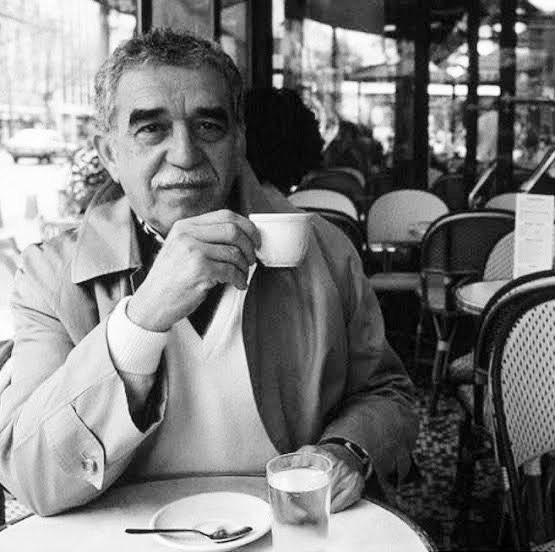
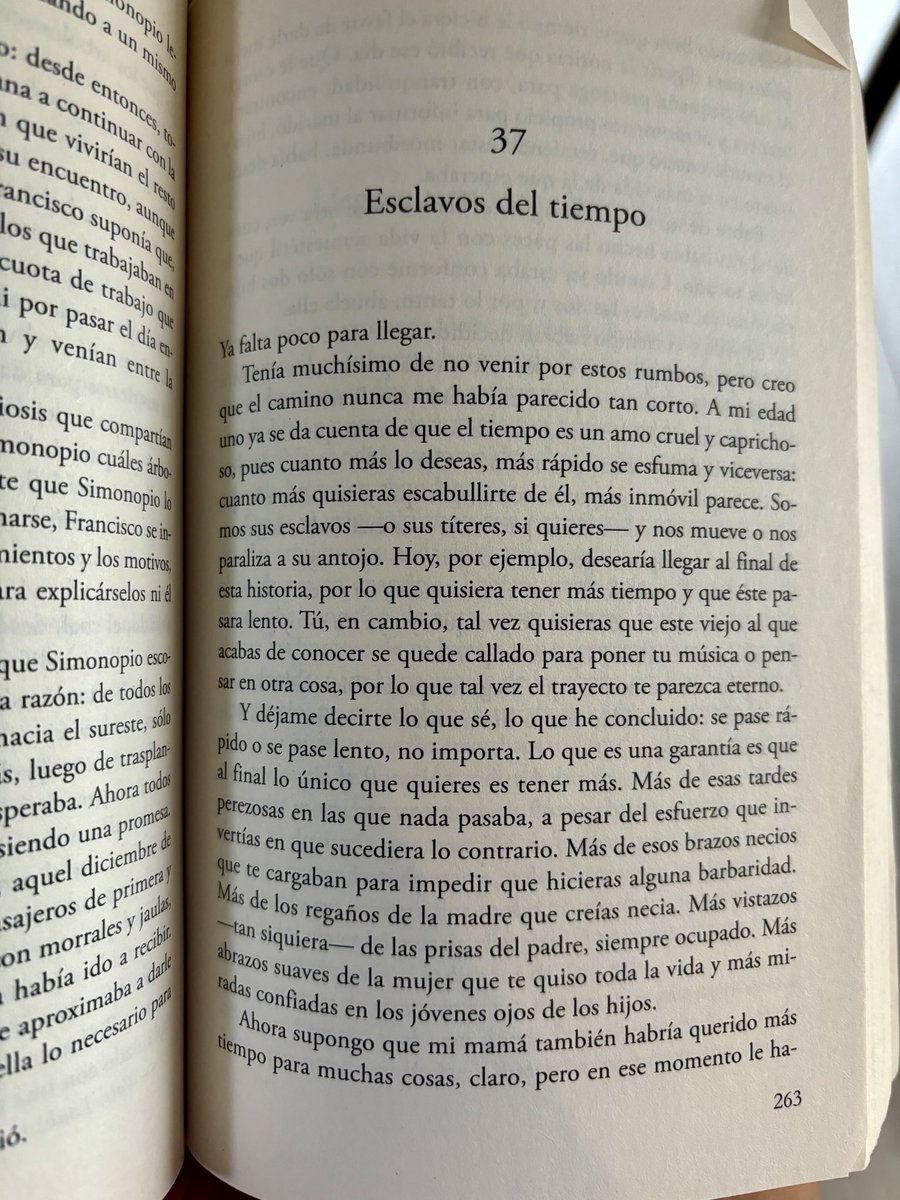
“Los domingos huelen a casa, a café recién hecho y a recuerdos que se niegan a irse.”
Gabriel García Márquez.
Español
Mónica がリツイート

Mónica がリツイート

Mónica がリツイート

Mónica がリツイート

Mónica がリツイート


Vendo boleto para Tyler, The Creator en CDMX para el miércoles 25 de marzo.
Lo compré en pista, dejo el precio sin cargos por servicio.
#TylerTheCreatorCdmx #TylerTheCreatorMx #TylerTheCreator
Español
Mónica がリツイート
Cada vez más convencida de que los momentos surgen pero, sobre todo, los momentos se crean. Poner el mantel, elegir la música, comprar las flores, abrir las ventanas, no dar por hecho nada.
Español
Mónica がリツイート
Our immune system is an evolutionary masterpiece. Every day it protects us from the thousands of different viruses, bacteria and other microbes that attempt to invade our bodies. Without a functioning immune system, we would not survive.
One of the immune system’s marvels is its ability to identify pathogens and differentiate them from the body’s own cells. The microbes that threaten our health do not wear a uniform – they all have different appearances. Many have also developed similarities to human cells, as a form of camouflage. So how does the immune system keep track of what to attack and what to protect? Why doesn’t the immune system attack our bodies more frequently?
Researchers long believed they knew the answer to these questions: that immune cells mature through a process called central immune tolerance (see image). However, our immune system turned out to be more complex than they believed. Mary Brunkow, Fred Ramsdell and Shimon Sakaguchi have been awarded the 2025 Nobel Prize in Physiology or Medicine for their discoveries concerning peripheral immune tolerance.

English