
固定されたツイート
MSforA
5.7K posts

MSforA がリツイート

@Osint613 People don’t understand Iran took over southern Lebanon via Hezbollah…
Lebanon does NOT have sovereignty over there anymore
English

@MSforA1 @SayahCharbel1 Well I don’t have 1 that’s US dollars but the others I have in abundance.
English
MSforA がリツイート

Soon the best nightlife is going to be between Beirut and Tel Aviv
🇺🇸♥️🇱🇧🕊️🇮🇱♥️🇺🇸

English
MSforA がリツイート
Iran’s stocks of enriched uranium are more than just the 60 percent stocks. Iran also has enriched uranium of up to 5 percent and 20 percent enriched uranium, totaling 9000 kilograms in the chemical form of uranium hexafluoride (UF6) (see table) and another approximately 1000 kilograms of enriched uranium in other chemical forms (not in table)
If only 60 percent removed, and Iran can enrich, it can simply enrich other stocks back to 60 percent. Really need to end enrichment program to end Iran building nuclear weapons.

English
@rfpalestine There is also the role of those "good souls" (mostly Jewish and Evangelical Christians) who do whatever they can to help the extremists in Israel thwart the 2SS. A long lasting solution has to block them too.
English
MSforA がリツイート

For decades, the Israeli and Palestine conflict has been treated as a closed system, something that can be solved between the two parties. But it isn’t and it can’t.
The Islamic Republic of Iran has been a consistent external force dictating the trajectory of this conflict. For decades, it has funded and supported groups like Hamas and Palestinian Islamic Jihad, actively working to undermine opportunities for a negotiated settlement.
That pattern hasn’t changed. As long as Iranian regime interference persists - backing for armed groups, sustained rejectionism, investments in perpetual confrontation - the conditions for peace remain structurally undermined.
English
@SayahCharbel1 I so hope you get paid in US dollars. Also what is the current going rate for ones dignity,conscience & soul?
English
MSforA がリツイート

A ceasefire that freezes the conflicts in Lebanon and Iran, just as it did in the Gaza Strip, without addressing the perpetual and catastrophic risk that Hezbollah, the Iranian regime, and Hamas pose to their people, neighbors, and the entire world, is a tried-and-tested formula for more war, future destruction, and stagnation in the Middle East. Kicking the can down the road and failing to turn ceasefires into new and transformative beginnings cast serious doubt on claims of total victory or grand proclamations of success and achievement.
Most are interested in sparing lives and preventing further uncalculated escalations that can destroy the global economy and cause serious harm to US interests and those of its allies. However, those who scream for ceasefires are the first to move on once conflicts are no longer in headlines or impacting them personally, allowing for conflicts to be frozen, transitions to be paralyzed, and for terror agents of chaos to continue posing a threat and preparing for the next round of fighting. Caring about Lebanese, Iranian, and Gazans means being concerned with Hezbollah, the regime, and Hamas, and how these three have caused unimaginable levels of harm and devastation to their populations and nations.
English
MSforA がリツイート

Yata in the occupied West Bank. A settler tries to torch a Palestinian vehicle and fails. An Israeli soldier comes then, not to arrest the criminal, but to torch the car.
מסתכלים לכיבוש בעיניים@Mistaclim
תסתכלו על הסרטון מיטא. זה לא "קומץ" ואלו לא "נערי הגבעות" – זו המדינה וזה פרצופה. מתנחל מנסה להבעיר רכב פלסטיני אבל לא מצליח. ואז מגיע גיבוי - חייל / מתנחל במדים / איש הגנה מרחבית ניגש בקור רוח, מצית את הרכב, ומוודא שהאש בוערת. ככה נראה פשע שנאה בחסות המדינה ובשליחות הדרג המדיני. אנו כבר מזמן לא בתהליכים או ב"מדרון חלקלק". כיבוש.
English
MSforA がリツイート

@HAlhlal11689 @AlArabiya إيران تروغ كما يروغ الثعلب
وستفشل المفاوضات الثالثة
يلعبون على عامل الزمن :
انتخابات مجلس الشيوخ
ضغط الناتو
نهاية عهد ترامب
العربية
MSforA がリツイート
Hezbollah public discourse is highly focused on threatening the Lebanese state. Hezbollah has a whole unit for carrying out assassinations - Unit 121. Hezbollah has assassinated multiple Lebanese politicians, chief among them former PM Rafiq al-Hariri.
Alex Rowell@alexjrowell
Pro-Hizbullah writer threatens Lebanon's president after reports he will speak to Netanyahu today: "If you do it, it means your presidency is finished ... if you do it, you will have committed all the forbidden sins ... and there will no longer be anything forbidden in response"
English

@AvichayAdraee أفترسكم الحرس الثوري في بنت جبيل
لكم شهر تسحبون فطايسكم
العربية
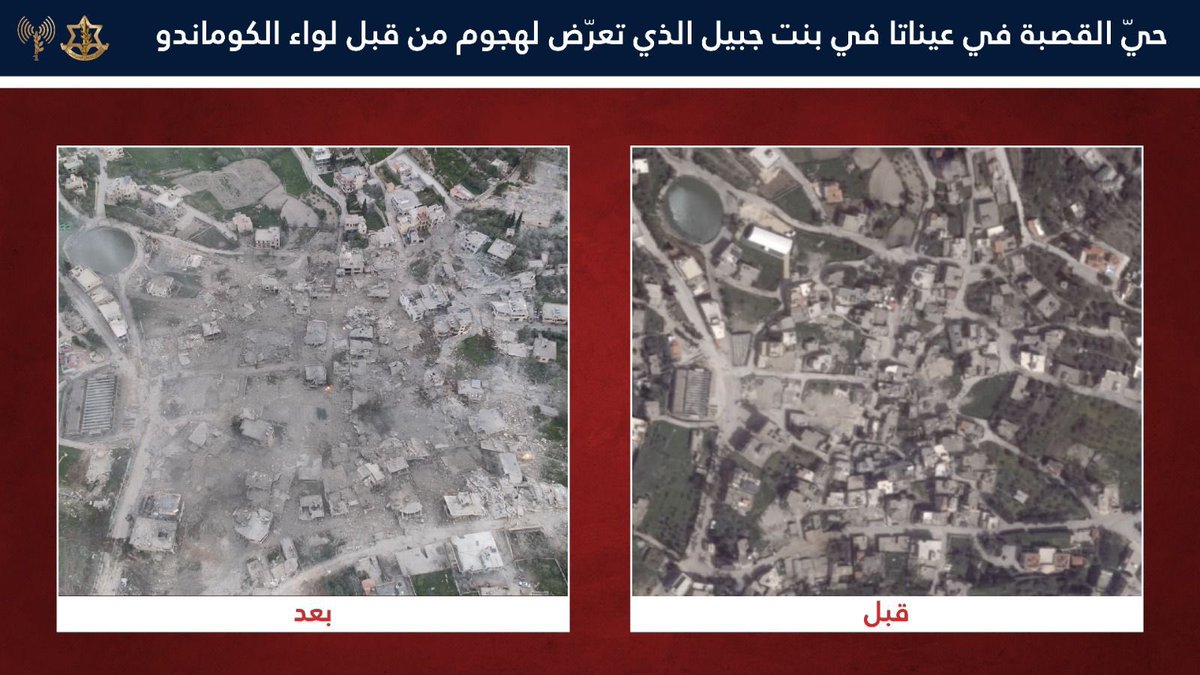
#عاجل قوات وحدة ايغوز دمرت نحو 70 بنية تحتية لحزب الله الإرهابي في بنت جبيل خلال دقيقة واحدة فقط
🔸تعمل قوات لواء الكوماندوز تحت قيادة الفرقة 98 على تعميق العملية البرية المركزة وتدمير البنى التحتية الإرهابية في جنوب لبنان.
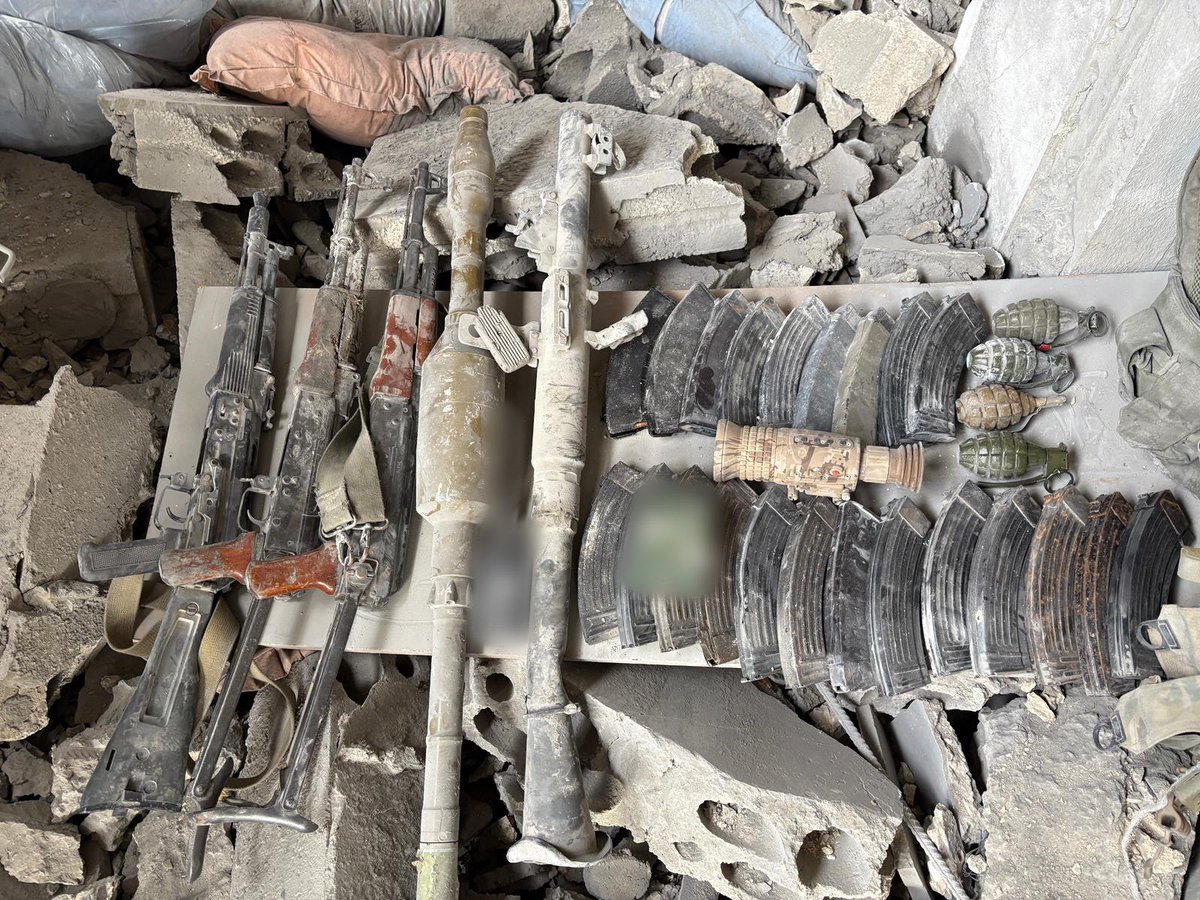
🔸في إطار نشاط عملياتي في منطقة قصبة عيناتا في منطقة بنت جبيل، قامت قوات وحدة إيغوز أمس بمداهمة منطقة قتالية استخدمها حزب الله الإرهابي حيث عثرت القوات على عشرات الوسائل القتالية التي تم استخدامها من قبل عناصر حزب الله بغية تنفيذ عمليات إرهابية من داخل منطقة مدنية.
🔸ومن بين الوسائل القتالية التي تم العثور عليها صواريخ RPG وبنادق كلاشنيكوف وذخائر وقنابل بدوية وصاروخ مضاد للطائرات وأجهزة مراقبة ومعدات قتالية.
🔸بالتوازي تمكنت قوات وحدة مغلان من القضاء على عدد كبير من المخربين الذين عملوا من داخل تلك المنطقة ضد قواتنا.
🔸بعد استكمال عمليات التمشيط قامت القوات بتدمير نحو 70 بنية تحتية خلال دقيقة واحدة فقط.
🔸سيواصل جيش الدفاع أعماله الحازمة والقوية ضد حزب الله الإرهابي.

العربية
MSforA がリツイート
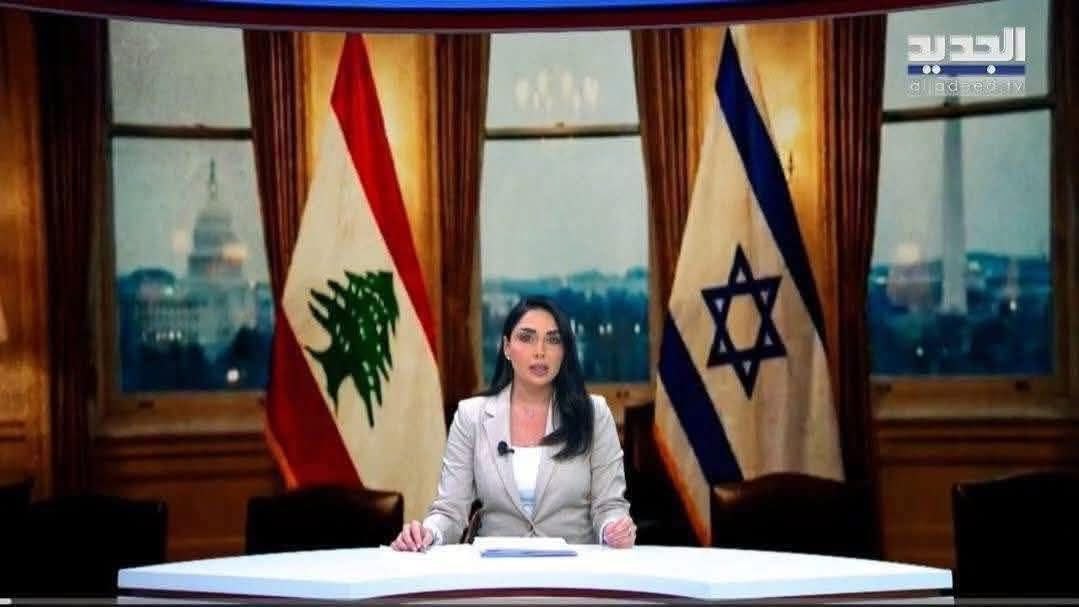
🇱🇧 Historical Scene on Lebanese TV: Cedar of Hiram Alongside the Star of David
English
MSforA がリツイート
KURDISH WOMEN DON'T JUST SUPPORT THE FIGHT. THEY LEAD IT
While most of the Middle East keeps women off the battlefield, Kurdish forces across Iraq, Syria, and Iran have built entire battalions of female fighters. Hayvi, Dan, Suzan Quitaz, and Diliman Abdulkader break down what makes the Kurds unlike any other force in the region and why their relationship with Israel runs deeper than politics.
🎙 New episode of The Middle East Breakdown, link in bio.
@hayvibouzo @DanFeferman @SuzanQuitaz
Follow @MiddleEast_24 for stories from across the region.
English
MSforA がリツイート
Amenaza rusa oficial a toda Europa. No creo que le convenza el “no a la guerra”.
Dmitry Medvedev@MedvedevRussiaE
Russian Defense Ministry’s statement must be taken literally: the list of European facilities which make drones & other equipment is a list of potential targets for the Russian armed forces. When strikes become a reality depends on what comes next. Sleep well, European partners!
Español
MSforA がリツイート
I genuinely don’t know whether to laugh or lose my mind anymore at this European hypocritical double standards.
When it comes to Vladimir Putin, suddenly it’s Churchillian resolve. No compromise. No dialogue. Arm Ukraine to the teeth, sanction everything that moves, wreck your own energy security if necessary - because tyranny must be confronted.
Fine. I actually respect the consistency of that … in isolation.
But then you turn around and lecture us - us - the Gulf monarchies, Jordan and Israel, about showing restraint with Tehran? About dialogue? About coexistence?
Are you serious?
For forty years - forty bloody years - this regime has been waging a shadow war across the region. Militias, proxies, sleeper cells, terror networks, destabilizing entire countries - Iraq, Syria, Lebanon, Yemen - and threatening the Gulf monarchies, Jordan, and Israel nonstop.
This isn’t theoretical. This isn’t abstract. This is lived reality.
And yet here come Emmanuel Macron, Keir Starmer, and the rest of the European choir, gently advising us to calm down, de-escalate, and - what was it again? - “give diplomacy a chance.”
Diplomacy with who, exactly? With a system that has built its entire regional strategy on plausible deniability and proxy terror violence?
You were willing to absorb inflation, energy shocks, and political backlash at home to confront Moscow. You made that choice. You said: this is the price of standing up to a tyrant.
So don’t come here and tell us - after decades of being on the receiving end - that we should just sit down, smile politely, and “coexist.”
Either you believe in confronting tyranny everywhere .. or you don’t.
Macron, Starmer, rest of EU leaders and top bureaucrats should just STFU and spare us the self righteous sanctimonious lectures!🤐🤫
English
MSforA がリツイート

🚨The Lebanese people are joyful and full of life just like the people of Israel.
A historic peace between the two nations would transform the Middle East forever.
Abraham Accords 2.0 are in motions
Inshallah, it will happen with the help of God. 🙏🏼

English
MSforA がリツイート

MSforA がリツイート
In Rafah, a teacher named Samira founded a school for children who had been completely cut off from education due to the destruction around them.
Her belief is simple: education is what stops extremism before it takes root.
Share this story.
Follow @buildersmideast for more.
English
MSforA がリツイート
