固定されたツイート
Maybeks
117.3K posts

Maybeks がリツイート

NEW: The Nigerian government paid Boko Haram militants millions of dollars to free up to 230 children and staff the jihadists abducted from a Catholic school in November, intelligence sources tell AFP.
Full story: u.afp.com/S6Dn

English
Maybeks がリツイート

REPORT: FG ‘Paid Boko Haram N2bn Ransom’ for St Mary’s Pupils fij.ng/article/report…
English
Maybeks がリツイート

FCT Municipal Elections: For The First Time, We Are All Prevented From Moving Around After 8pm
People do not understand the reason for this restriction. Many residents have various activities and responsibilities in the evening, and such a curfew unnecessarily limits their freedom in a democratic society. There have been no reported security breaches to justify this action, and it feels like an unwarranted infringement on the rights of citizens.
Senator for the Federal Capital Territory, Senator Ireti Kingibe
English
Maybeks がリツイート
Edun raises alarm over rising debt service burden
vanguardngr.com/2026/02/edun-r…
English
@SaharaReporters The so called romantic video call is probably a s*X tape.
English

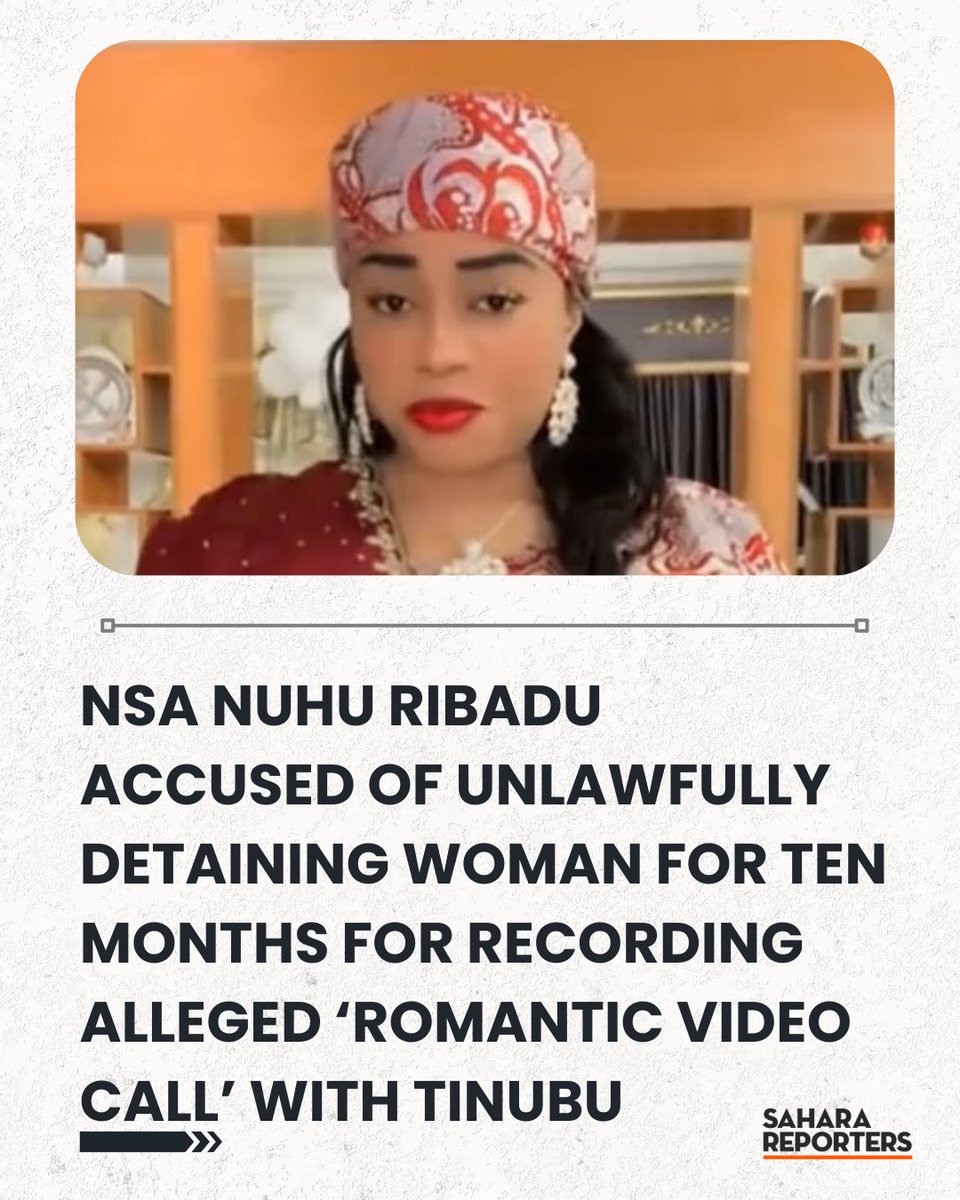
NSA Nuhu Ribadu Accused Of Unlawfully Detaining Woman For Ten Months For Recording Alleged ‘Romantic Video Call’ With Tinubu | Sahara Reporters bit.ly/4cm9xNV
English
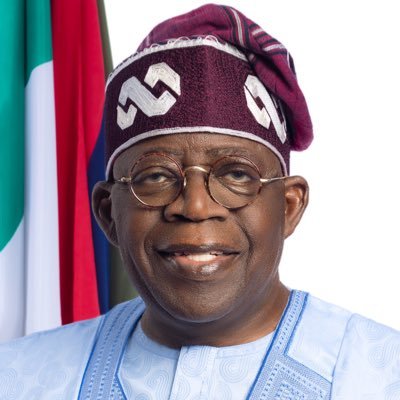
After every election cycle, we owe Nigerians an honest look at what worked and what must work better. That is how serious democracies behave, and our laws must grow with experience.
Today, I signed the final amendments to the 2022 Electoral Act into law.
These amendments are not about politics. They are about process. They are about closing gaps, strengthening procedures, and providing greater clarity to those who conduct and participate in our elections.
When citizens walk into a polling unit, they must do so with confidence. When results are declared, they must be trusted. That confidence is built deliberately, and not by chance.
I sincerely thank the National Assembly for its cooperation and sense of national responsibility in bringing this process to a successful conclusion. Our responsibility remains to keep improving the system so that the people’s will is expressed clearly, peacefully, and credibly.
The work of strengthening our democracy continues, and we shall not relent.
Bola Ahmed Tinubu, GCFR
President and Commander-in-Chief of the Armed Forces
Federal Republic of Nigeria


English
Maybeks がリツイート

OFFICIAL STATEMENT
The Lagos State Domestic and Sexual Violence Agency has taken note of the multiple tags and public concerns regarding a video currently circulating on social media, in which a young woman shared her experience of sexual assault at her residence on her TikTok page.
We want to state clearly that we have seen the reports and we are actively making efforts to reach the survivor to offer immediate support and appropriate intervention and ascertain the location. Our team has initiated contact through available channels and will continue efforts to establish communication.
If anyone has credible information that can assist us in reaching her directly and safely, please contact the Agency by sending us a DM on any of our official social media channels.
The Lagos State Government maintains a zero tolerance stance against all forms of Domestic and Sexual Violence. Sexual Assault is a crime, and every survivor deserves protection, care, support and justice.
We encourage survivors to speak up and assure the public that reports are treated with utmost confidentiality and urgency.
Our contacts remain accessible via the following platforms:
0813-796-0048
0-8000-333-333
USSD: *6820# (MTN)
WhatsApp AI Chatbox: 0812-893-7058
Website: ekoselfreport.ng
We will provide further updates as appropriate.
#SGBVNotInMyLagos

English
Tinubu decided to release the nation’s funds to govs, and only to APC govs, simply because elections are around the corner. Since 1999, we have never witnessed a president giving his party's funds and won't give opposition just to punish them.
Tinubu will lose 2027 election!
Peoples Gazette@GazetteNGR
Tinubu giving only APC governors N500 billion each as palliative: Zamfara Governor gazettengr.com/tinubu-giving-…
English
Maybeks がリツイート

Maybeks がリツイート
WATCH: Police Fire Teargas At Peaceful Protesters Demanding Electronic Vote Transmission At National Assembly
English
Maybeks がリツイート
. @fijnigeria observed that this is the first NYSC orientation camp to be named after a political figure or sitting president since the inception of the programme on May 22, 1973.
NYSC Breaks 52-Year Tradition Just to Name Adamawa Camp After Tinubu fij.ng/article/nysc-b…
English

Keep going, El-Rufai. Don’t stop.
Also, take us back to late 2010 when Tinubu first reached out to you about beginning the effort to unseat Jonathan by persuading Buhari to work with his party.
Let's have the secret.
On the other side, we need answers to your actions, Ribadu.
Nasir Ahmad El-Rufai@elrufai
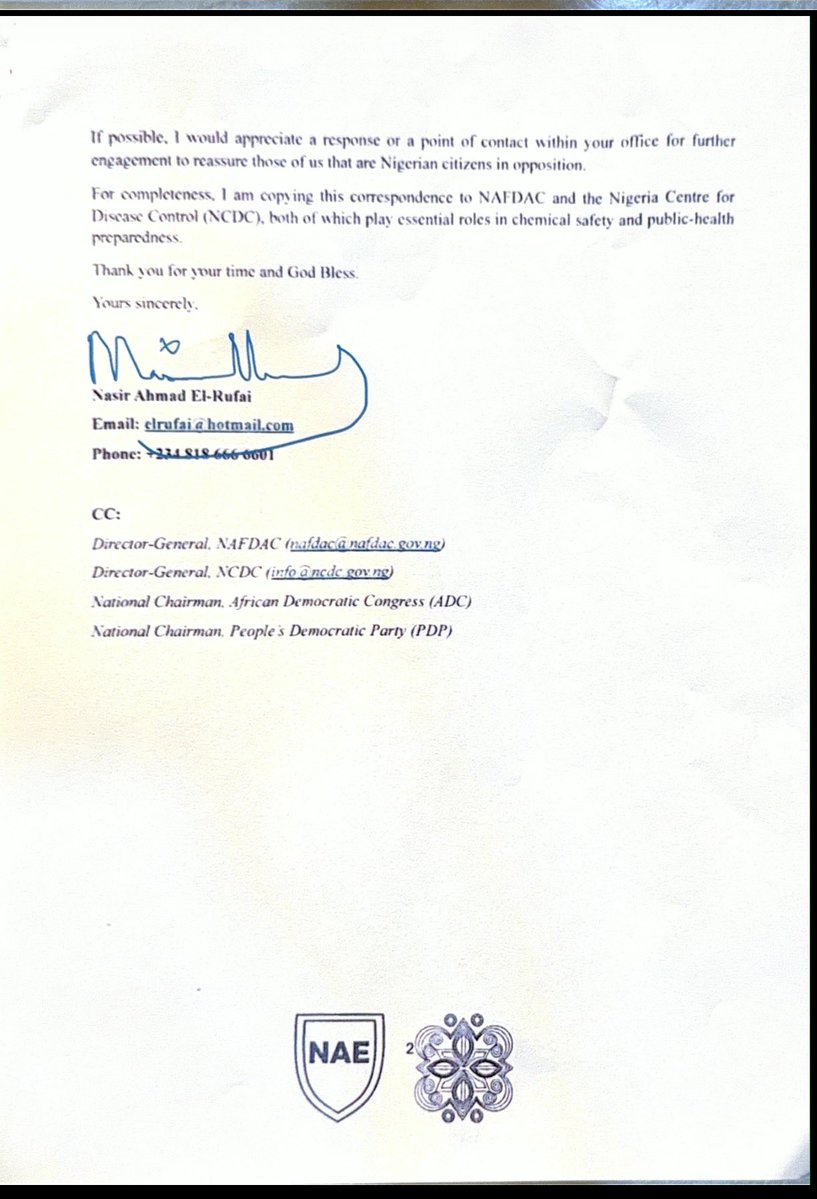
As part of my duty as a citizen, I wrote to the NSA to seek clarification on reports about the importation by his office of thallium sulphate, a very dangerous toxin. It’s a matter of concern if anyone brings in any poison, more so an odourless, colourless one.
English
Maybeks がリツイート

As part of my duty as a citizen, I wrote to the NSA to seek clarification on reports about the importation by his office of thallium sulphate, a very dangerous toxin. It’s a matter of concern if anyone brings in any poison, more so an odourless, colourless one.

English
Maybeks がリツイート
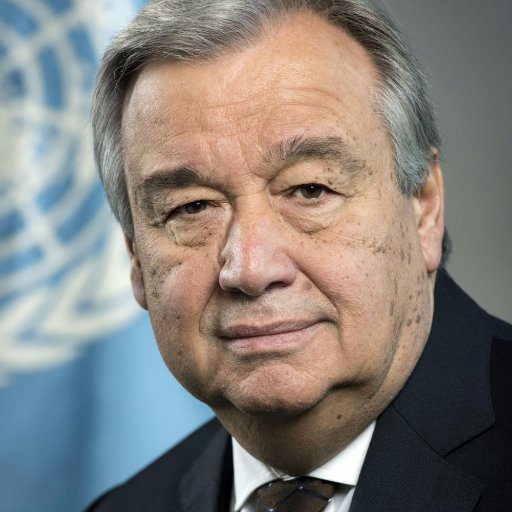
The absence of permanent African seats on the Security Council is indefensible.
The Security Council must reflect today’s world. This is 2026 — not 1946.
Whenever decisions about Africa and the world are on the table, Africa must be at the table.
English
Funny. You really think politicians care about morality? There’s a reason they prefer in-person meetings at locations they control. And even then, they spy on one another, and they all know it.
OBJ bugged his VP and it still didn't stop him from seeking OBJ's blessing in 2019.
The Classic Man@tkb417
Mallam’s interview was a disaster. There’s no sugarcoating it. He made a serious error; one that will be weaponized against him at every turn in this country. The security apparatus may choose not to go after him to avoid inflaming the North, but that doesn’t change what just happened. A man of his political standing sat down and handed his enemies material evidence on a platter of gold an evidence that could be devastating to him and his family. That’s recklessness. Politics is not war. It’s not life and death. If you lose today, fall back, regroup, and return stronger. Every battle doesn’t require drawn daggers. Sometimes the smartest move is silence.
English
Maybeks がリツイート