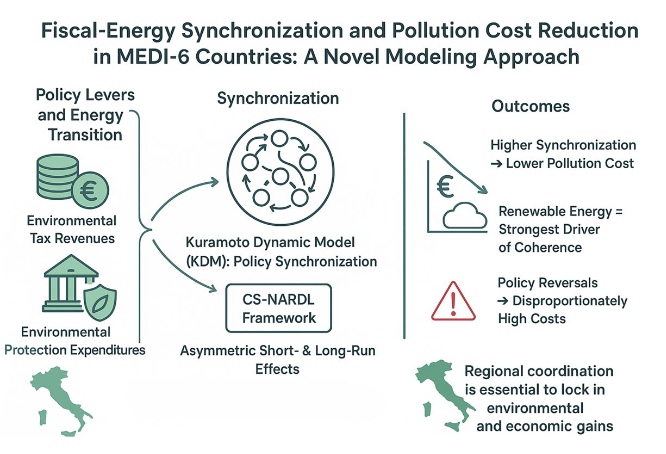
What if climate policy worked like a synchronized system?
New research shows:
✔ Policy alignment cuts pollution costs
✔ Renewables are the strongest driver
❗ Policy rollbacks hurt MORE than progress helps
#ClimatePolicy#RenewableEnergy
Read more:
doi.org/10.1007/s44246…
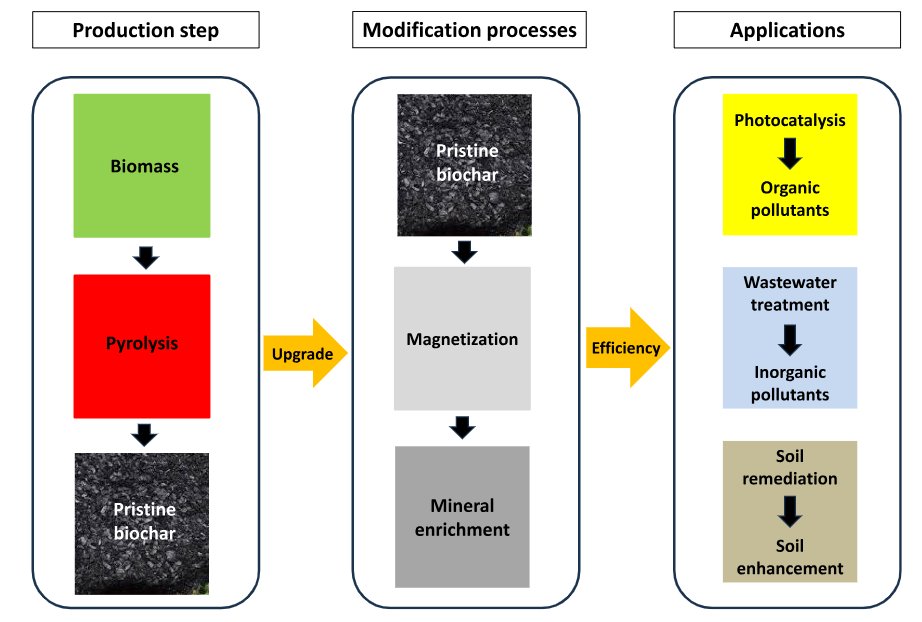
Our latest review explores how magnetized & mineral-engineered biochar is transforming environmental remediation, from pollutant removal to soil restoration.
Smarter, recoverable, and more efficient than ever.
#Biochar#WaterTreatment
Read more:
doi.org/10.1007/s42773…
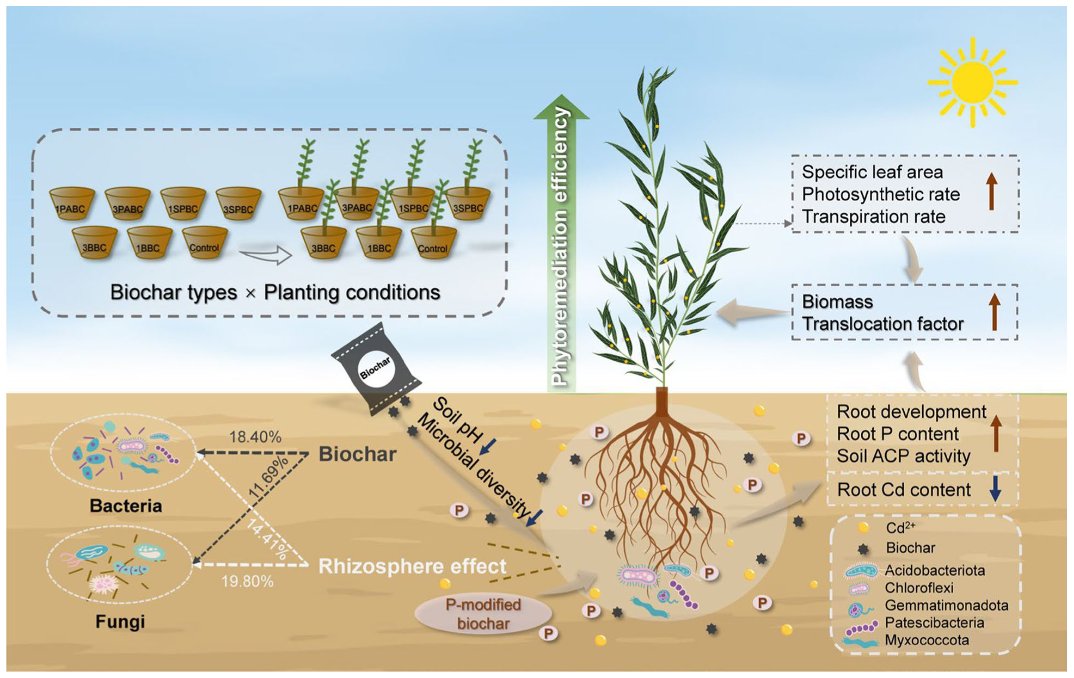
Our new study shows that engineered biochar doesn’t just trap cadmium, it helps willows pull it into their shoots for removal.
Bacteria, not fungi, are the key drivers behind this process.
A smart plant-microbe-material system for cleaner soils
Learn more:
doi.org/10.1007/s42773…
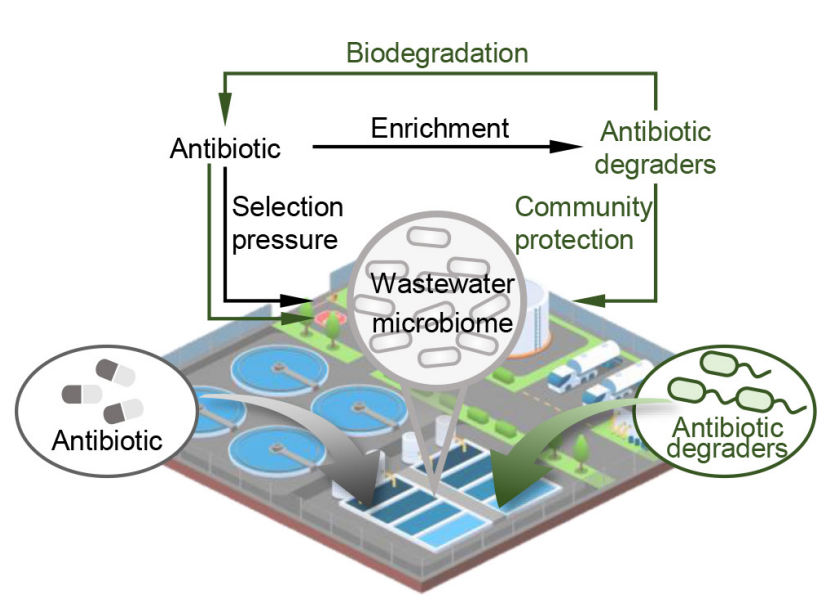
We show that antibiotic-degrading bacteria can protect entire communities, stabilizing microbiomes under stress. Even more striking, their effect can be 1.25× stronger than the antibiotic itself.
Read more:
maxapress.com/article/doi/10…
We converted coffee grounds into a metal-free catalyst that removes H₂S with >99% efficiency and ~100% sulfur selectivity.
✔ No metals
✔ Stable under humidity & CO₂
✔ Waste-to-resource solution
A new path for sustainable gas purification
#Catalysisdoi.org/10.1007/s42773…
Turning waste into advanced materials: biochar is reshaping 3D printing.
Low loadings can enhance mechanical strength, while tailored pyrolysis and post-processing unlock tunable performance.
The challenge? Printability, aggregation, clogging, and adhesion
doi.org/10.1007/s42773…
🌱 Can biochar make agriculture climate-positive?
A new meta-analysis of 78 global studies reveals:
✅ CO₂ emissions ↓ by 24%
✅ CH₄ emissions ↓ by 36%
✅ N₂O emissions ↓ by 39%
High-temp biochar (>400°C) + high doses = up to 83% lower GWP
doi.org/10.1007/s44246…
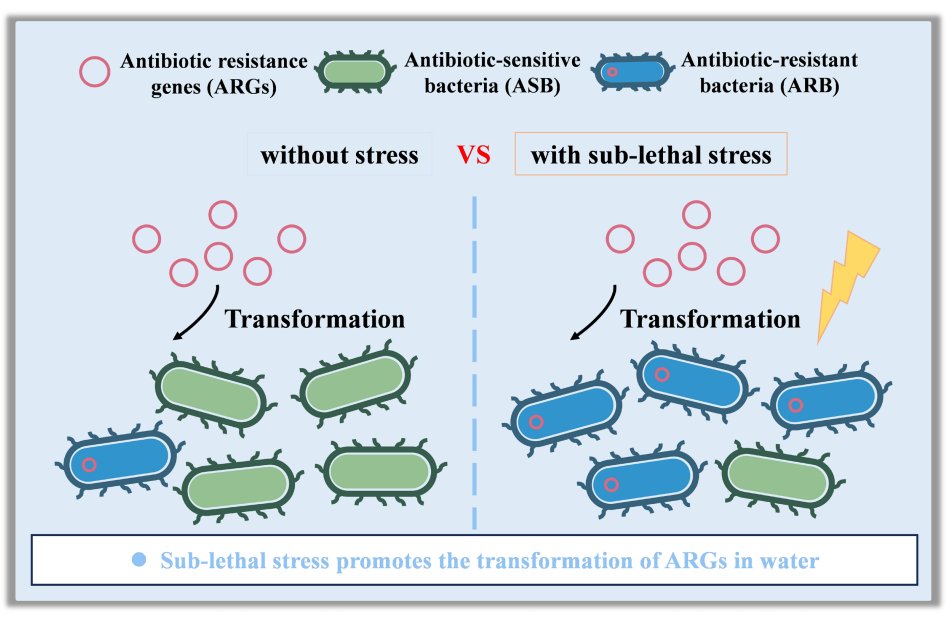
A hidden risk in water treatment:
Sub-lethal stress doesn’t just fail to kill bacteria, it makes them stronger.
ROS ↑ Membrane permeability ↑ Ca²⁺↑ → ARG uptake↑
Result: antibiotic resistance spreads faster in water systems.
#Microbiologymaxapress.com/article/doi/10…
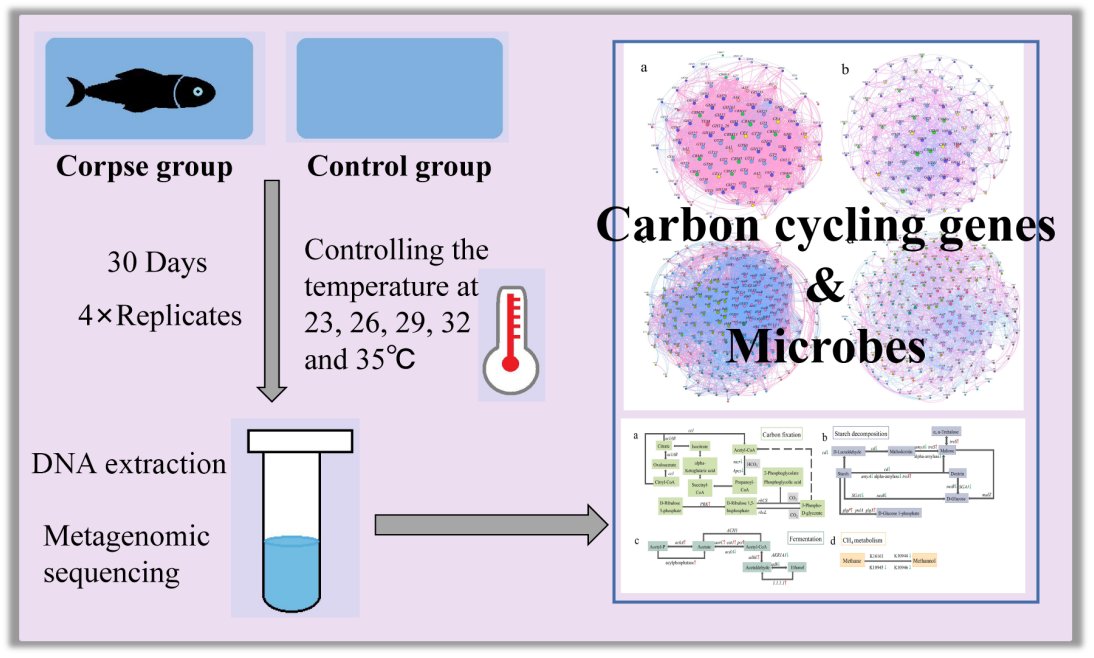
What happens to a fish corpse in a warming river?
Research shows animal decomposition in water doesn’t enhance carbon storage, it accelerates carbon breakdown. Rising temperatures reshape microbial genes, pushing ecosystems toward faster carbon cycling.
maxapress.com/article/doi/10…
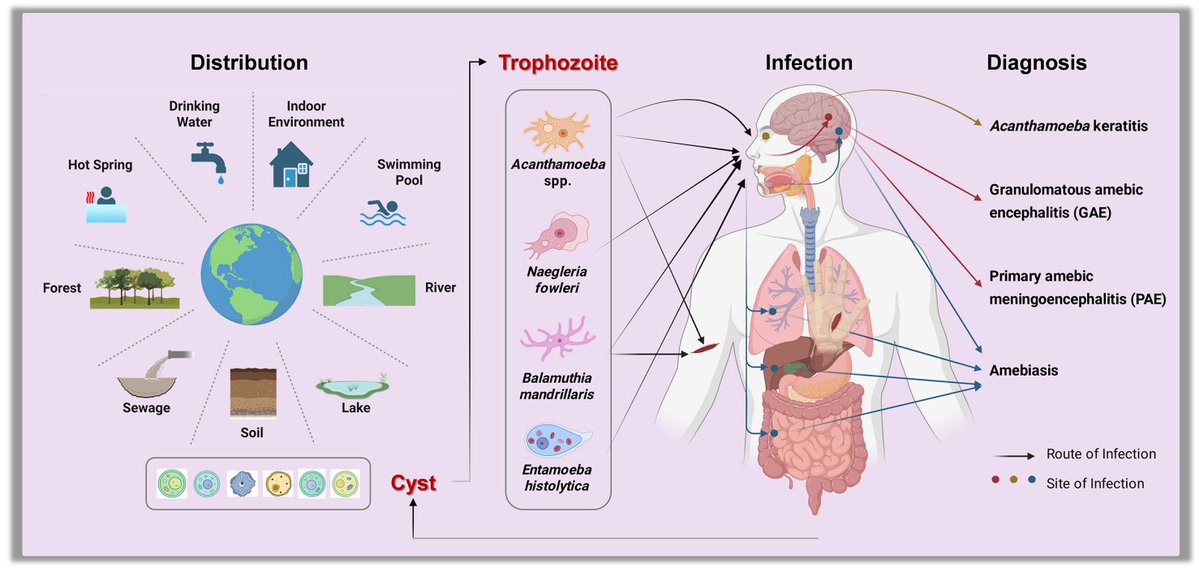
A “brain-eating amoeba” with>98% fatality is just the tip of the iceberg.
New research reveals amoebae can act as a “Trojan horse” protecting bacteria, viruses, and even antibiotic resistance genes in water systems.
Are our current water treatments enough?
maxapress.com/article/doi/10…
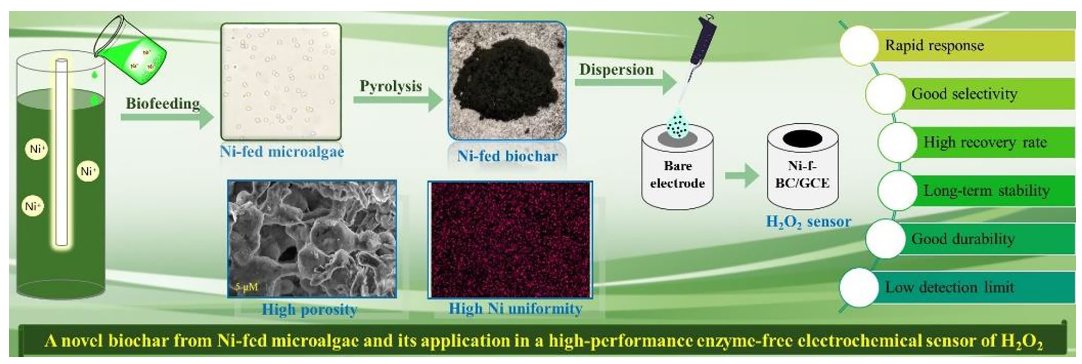
A new direction for biochar in biosensing.
A new study develops Ni-doped microalgae biochar for enzyme-free electrochemical detection of hydrogen peroxide.
Detection limit: 0.39 μM
Response time: 2 s
#Biochar#Sensors#Electrochemistrydoi.org/10.1007/s42773…
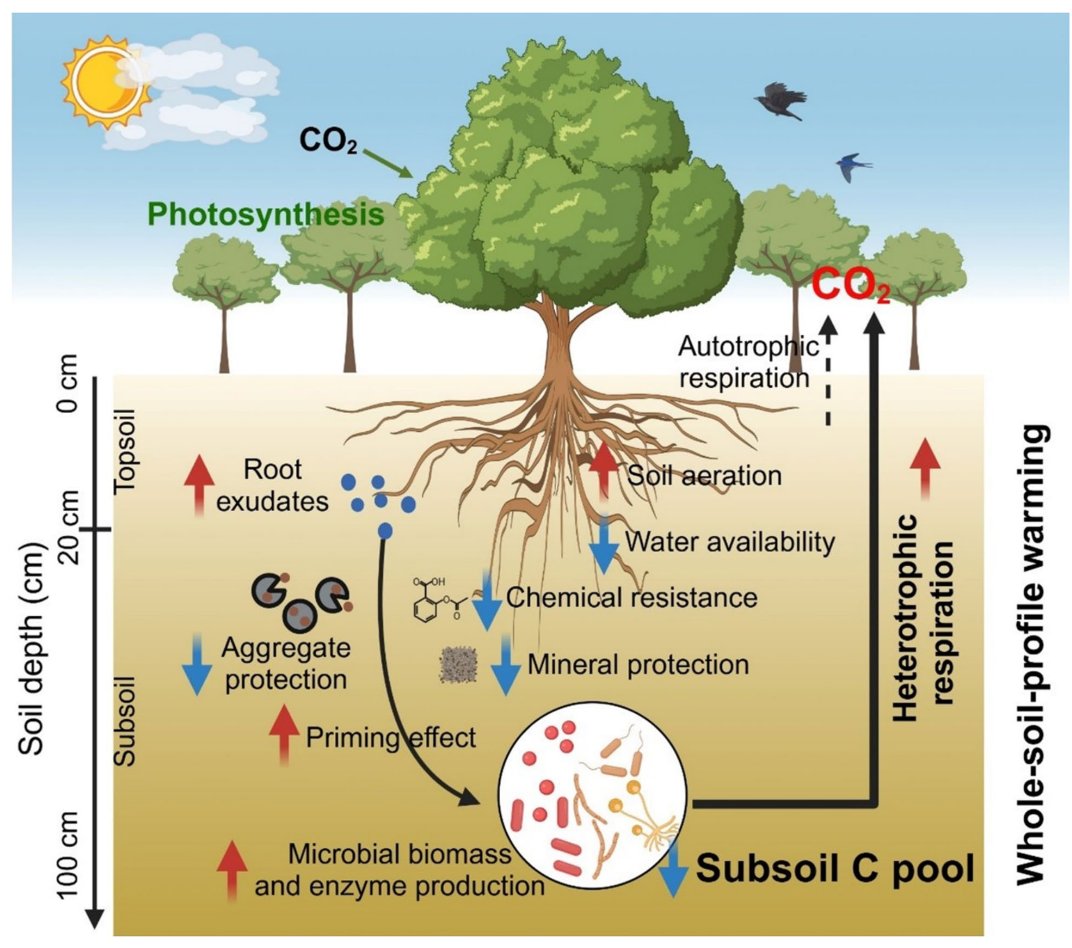
Whole-soil warming increases soil CO₂ emissions by ~33% and reduces soil carbon stocks by nearly 17%. Even more striking, deeper soil carbon may be more vulnerable than surface carbon.
This matters because subsoil holds over 70% of global soil carbon.
doi.org/10.1007/s44246…
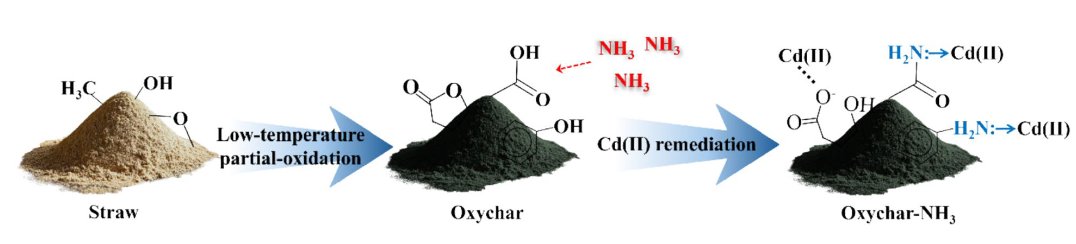
From polluted soil to sustainable solution: New research shows oxychar, made from rice straw at low temps, can immobilize 69.3% of cadmium in just 20 days.
Plus, it captures ammonia and boosts microbial health.
doi.org/10.1007/s44246…
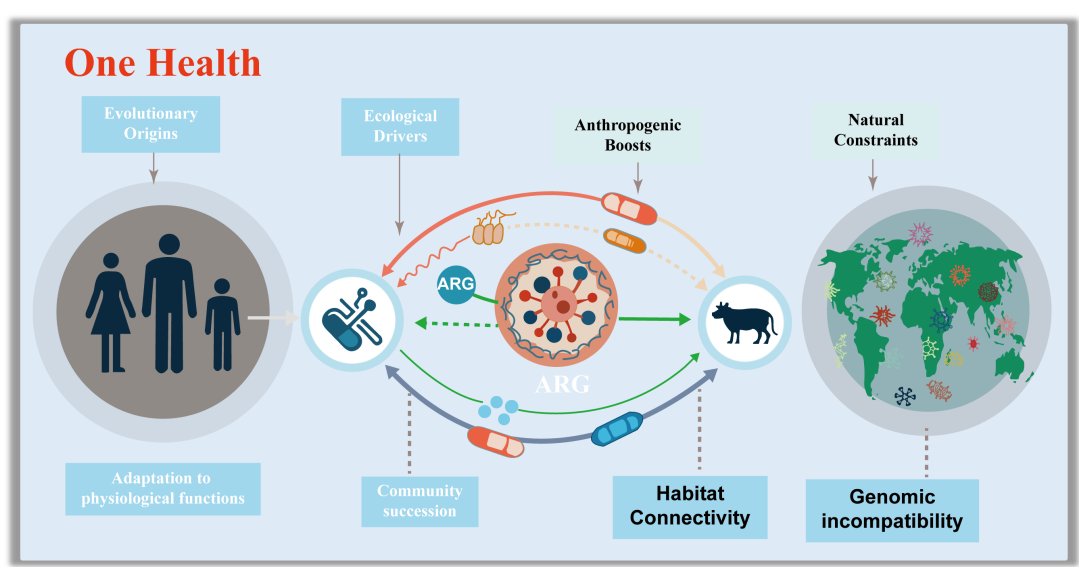
🧬 Antibiotic resistance isn’t just a medical issue, it’s an ecological one.
A new review in Biocontaminant explores the ancient origins of ARGs and how human activity breaks down nature’s barriers, turning soil bacteria into hidden threats.
maxapress.com/article/doi/10…
Which air sampler captures the tiniest airborne microbes best?
We put 4 devices to the test in a controlled chamber using fluorescent microspheres (0.3–1μm).
Winner: Membrane filtration sampler, 4–10x higher efficiency than liquid/cyclone samplers!
maxapress.com/article/doi/10…
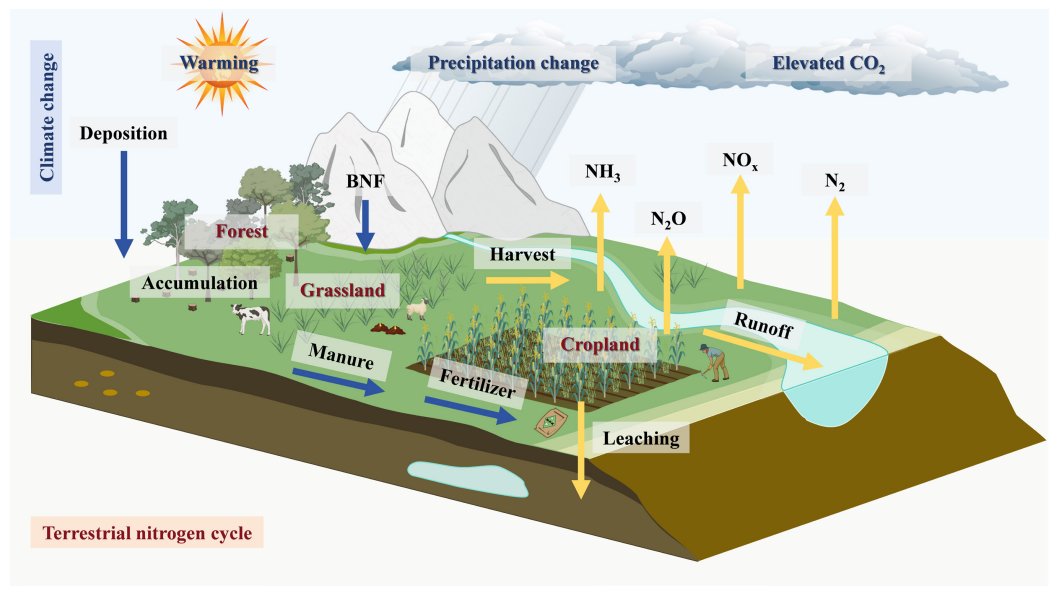
A new review shows how rising CO₂, warming, and changing rainfall are transforming nitrogen flows across croplands, forests, and grasslands.
Key insight: higher CO₂ may boost crop yields, but warming could increase nitrogen pollution and ecosystem losses
maxapress.com/article/doi/10…