

Deborah Browne
18.2K posts
Deborah Browne
@Nephys
And the wise shall shine as the brightness of the firmament...They are the ones who exert in this brightness, called the Book of Zohar.
Florida, USA 参加日 Eylül 2013
2K フォロー中3K フォロワー

Deborah Browne がリツイート

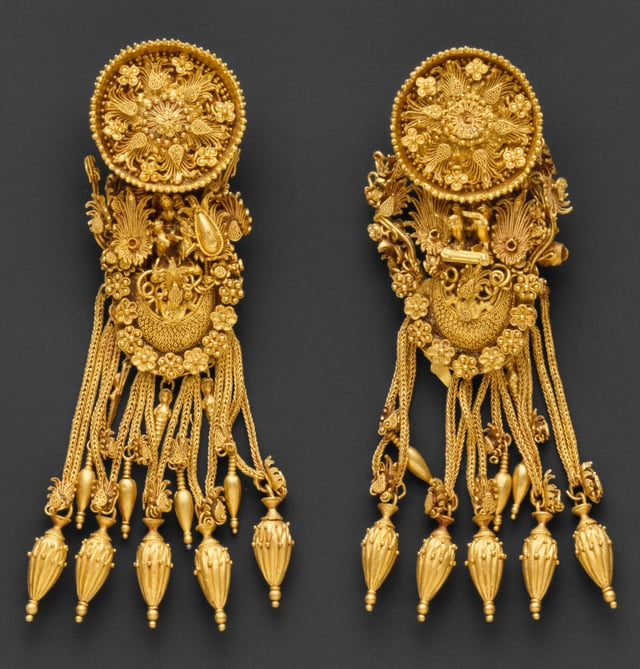
These are ancient Greek gold earrings with a disk and boat-shaped pendant, dating back to approximately 300 BCE.
English

President Trump has Iran weakened and off balance—but the job isn’t to rebuild it, it’s to make sure it never becomes a nuclear threat again.
English
Deborah Browne がリツイート
Satirical papyrus of Two #Cats Serving a Mouse
New Kingdom, 20th Dynasty, reign of Ramesses IX, c. 1129-1111 B.C.
From Tuna el-Gebel
Now in the Egyptian Museum, Cairo. JE 31199
egypt-museum.com/satirical-papy…

English
Deborah Browne がリツイート
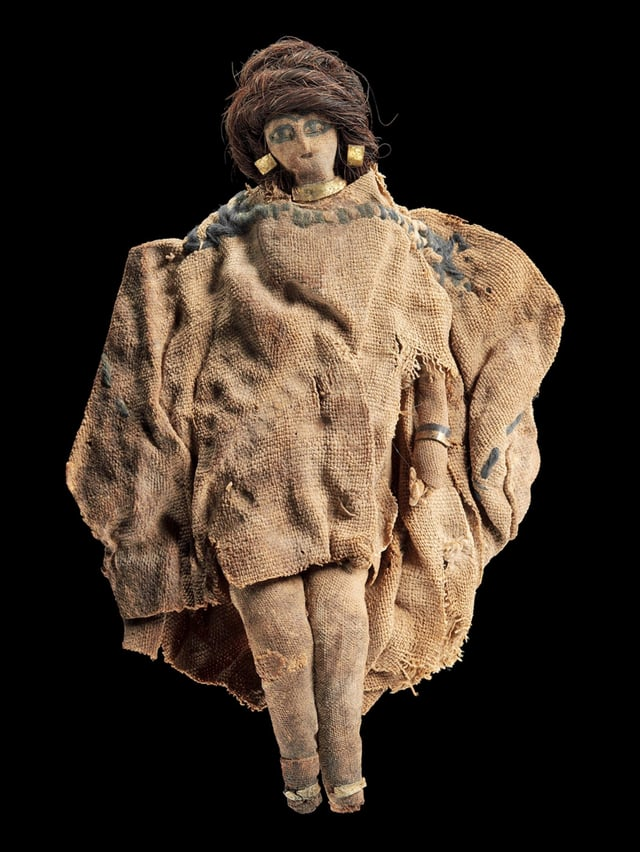
The 2nd-century AD Roman-era Egyptian textile doll, sometimes referred to as the "Egyptian Barbie".
English
Deborah Browne がリツイート

What the Artemis II astronauts did over the last 10 days was a testament to their bravery. And the fact that they traveled farther from Earth than anyone ever has, re-entered our atmosphere at more than 24,000 mph, and splashed down safely was a testament to human ingenuity. Thanks to everyone at @NASA for making this mission possible, and for taking us along for the ride.


English
Deborah Browne がリツイート
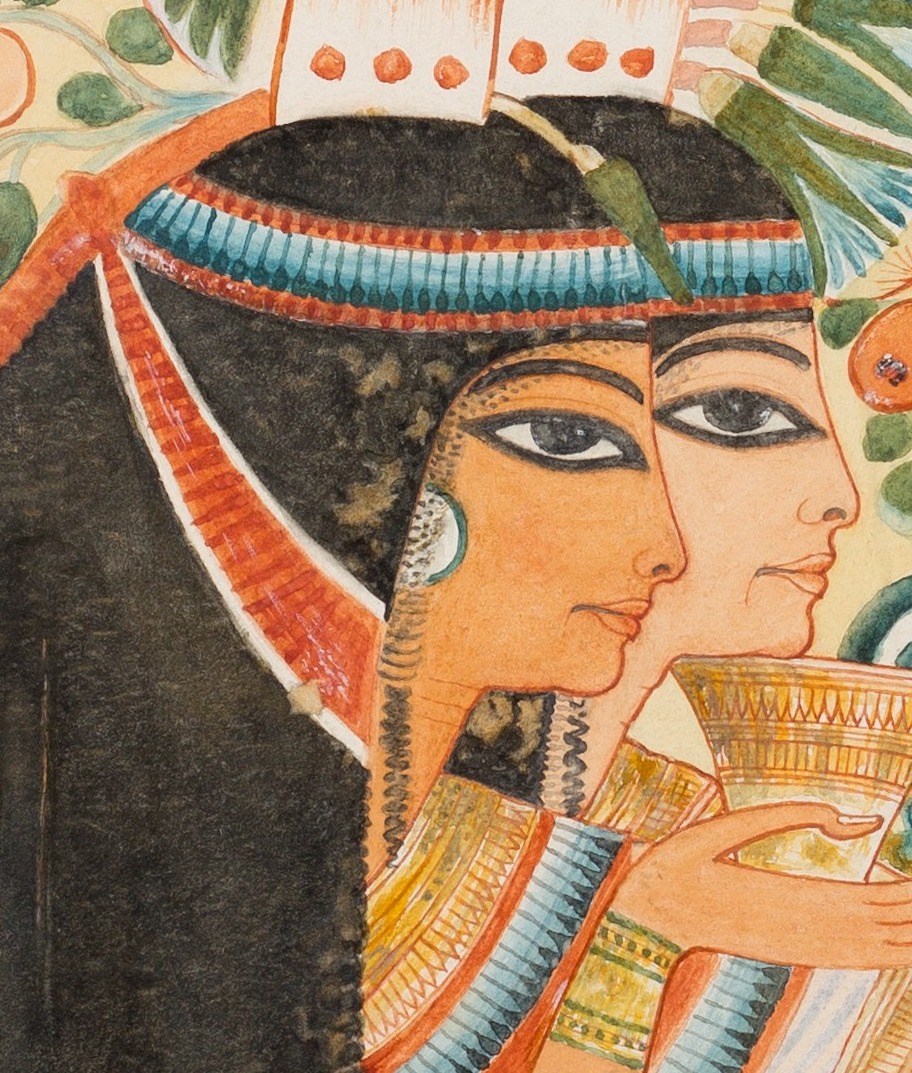
Tausret, “Chantress of Amun”, and her daughter-in-law Hatshepsut, “Mistress of the House and Chantress of Amun”; mother and wife of the wab-priest Userhat, “First Prophet of the Royal Ka of Thutmose I”
New Kingdom, 19th Dynasty, reign of Seti I, c. 1294–1279 B.C.
Tomb of Userhat (detail of facsimile by Norman de Garis Davies) (TT51), Sheikh Abd el-Qurna, Thebes
English
Deborah Browne がリツイート


Deborah Browne がリツイート
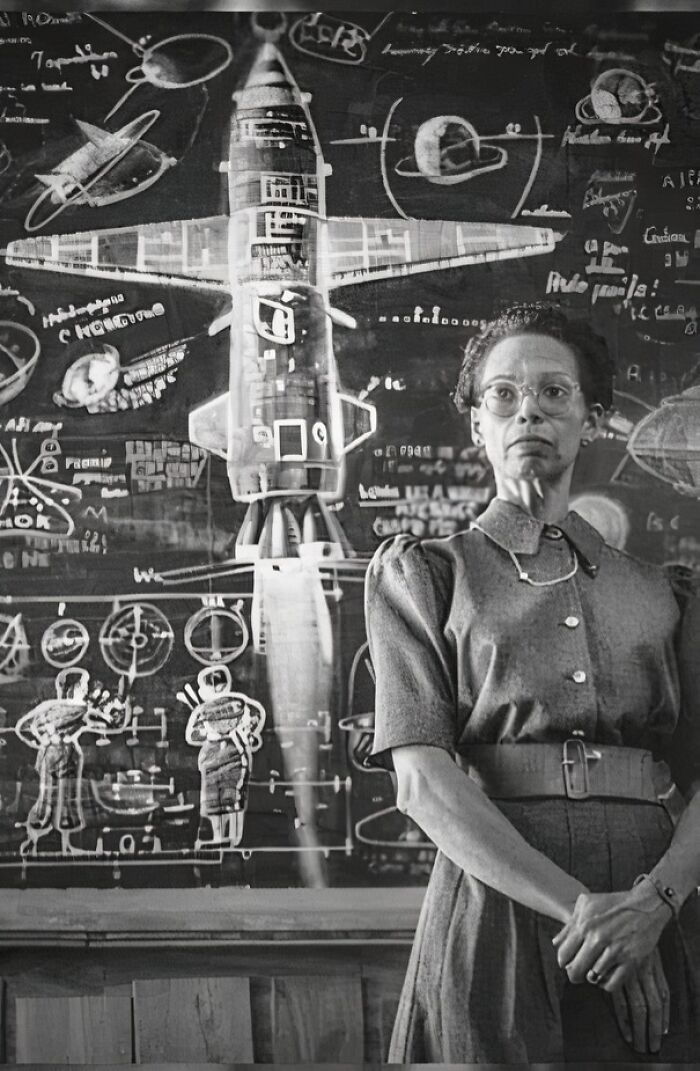
Katherine Johnson, whose precise calculations helped ensure the success of the Mercury and Apollo space missions, including the historic Apollo 11 moon landing.
English
Deborah Browne がリツイート
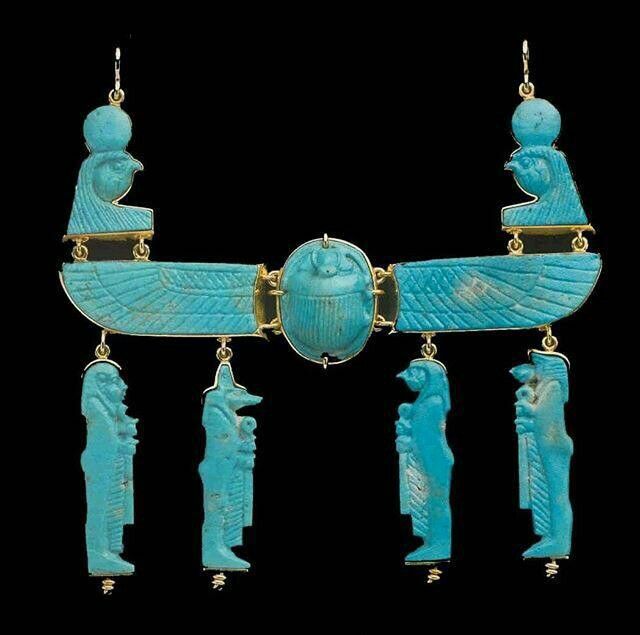
A Faience pectoral amulet from Ancient Egypt, specifically dating to the Late Period, Dynasty 26 (ca. 664–525 B.C.).
English
Deborah Browne がリツイート


Deborah Browne がリツイート
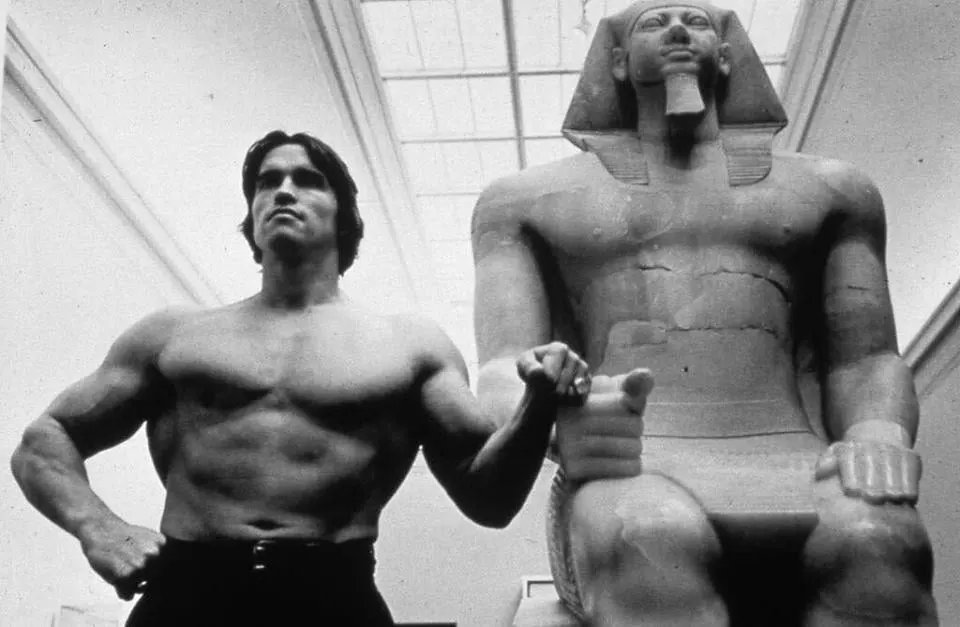
Arnold Schwarzenegger alongside the Ancient Egyptian King Menkaure (c. 2490–2472 B.C.)
MFA Boston. 09.204
English
Deborah Browne がリツイート
Tutankhamun on a Funerary Bed, c. 1332–1323 B.C.
▫ This finely carved statuette represents King #Tutankhamun in mummiform, lying upon a ceremonial funerary bed adorned with leonine heads. The king is rendered in the Osiride form, arms crossed upon his chest, embodying his transformation into #Osiris and his eternal rebirth.
He wears the royal nemes headdress with uraeus, signifying divine kingship. Flanking the body are two avian forms: a falcon, evoking #Horus, protector of the living king, and a human-headed bird representing the Ba; the mobile aspect of the soul. Falcon wings envelop the torso, reinforcing themes of protection and regeneration.
The bed bears incised funerary texts intended to guide and sustain the king in the afterlife. An inscription records that the piece was dedicated by the royal scribe Maya, a prominent official who also commissioned funerary equipment, including shabtis, in the king’s honour.
Discovered wrapped in linen within the treasury of KV62, the figure formed part of a wider ritual assemblage associated with rebirth and provision.
New Kingdom, 18th Dynasty, reign of Tutankhamun, c. 1332–1323 B.C.
From the Tomb of Tutankhamun (KV62), Valley of the Kings

English
Deborah Browne がリツイート


Deborah Browne がリツイート

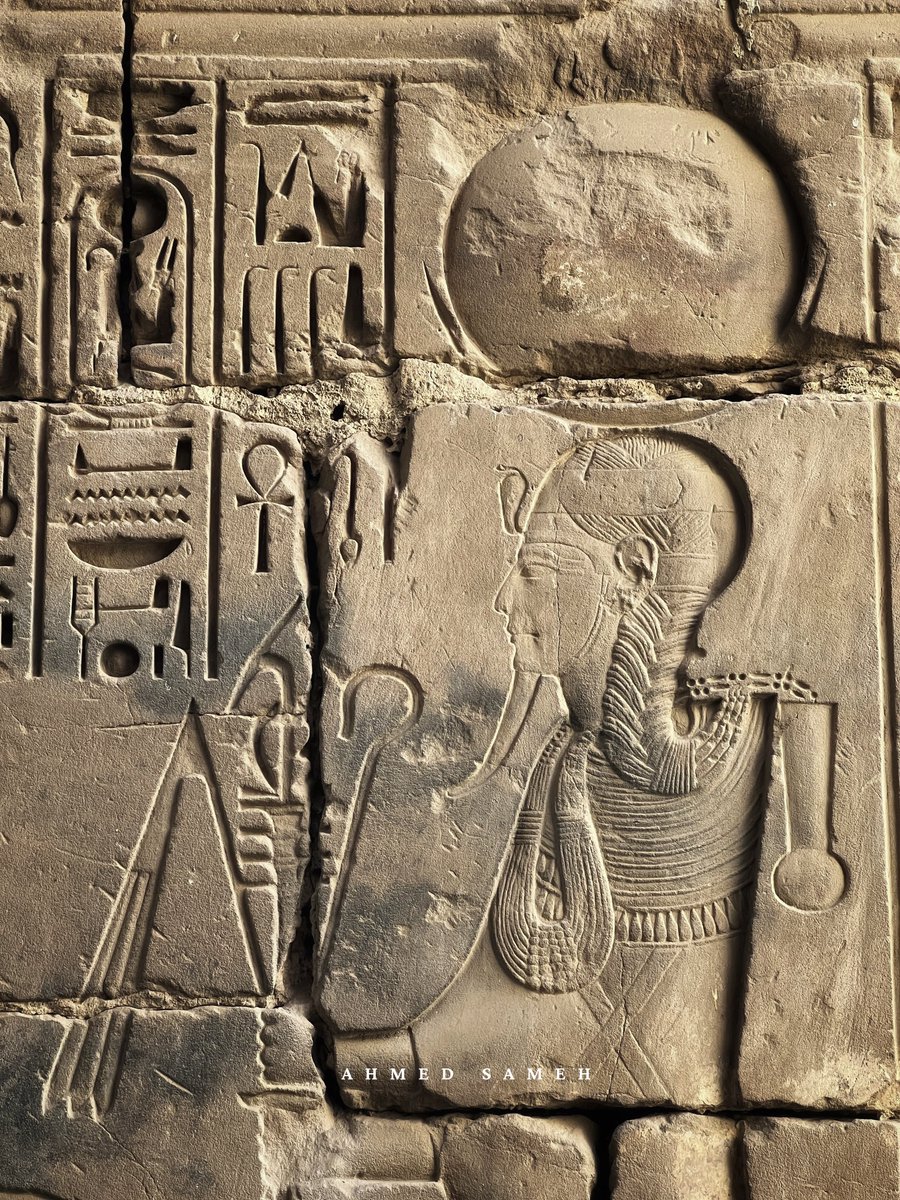
خونسو
"المُرتَحِل" ،، رمز القمر ،، حارس الحالمين ،، الذي يضيء دروب المسافرينء ليلاً!
me 📸
معبد خونسو بالكرنك
العربية
Deborah Browne がリツイート

Ancient Egyptian Limestone False Door of the Royal Sealer Neferiu; Old Kingdom–First Intermediate Period - (Dynasty 8th–11th; 2150–2010 BC), from Dendera area, Upper Egypt.
The ancient Egyptians believed that the false door was a threshold between the worlds of the living and the dead and through which a deity or the spirit of the deceased could enter and exit. The false door was usually the focus of a tomb's offering chapel, where family members could place offerings for the deceased on a special offering slab placed in front of the door. Most false doors are found on the west wall of a funerary chapel or offering chamber because the Ancient Egyptians associated the west with the land of the dead. In many mastabas, both husband and wife buried within have their own false door.
A false door usually is carved from a single block of stone or plank of wood, and it was not meant to function as a normal door. Located in the center of the door is a flat panel, or niche, around which several pairs of door jambs are arranged, some convey the illusion of depth and a series of frames, a foyer, or a passageway. A semi-cylindrical drum, carved directly above the central panel, was used in imitation of the reed-mat that was used to close real doors. The door is framed with a series of moldings and lintels as well and an offering scene depicting the deceased in front of a table of offerings usually is carved above the center of the door. Sometimes, the owners of the tomb had statues carved in their image placed into the central niche of the false door.
The configuration of false door with its nested series of doorjambs, is derived from the niched palace façade and its related slab stela, which became a common architectural motif in the early Dynastic period. The false door was used first in mastabas of Third Dynasty of the Old Kingdom (27th Century BC) and its use became nearly universal in tombs of 4th through 6th dynasties. Rarely, Old Kingdom false door was combined with statues, demonstrating the common ancestry of the false door and naos in similar early ancient Egyptian architectural features. During the nearly one hundred and fifty years spanning the reigns of 6th Dynasty pharaohs Pepi I, Merenre, and Pepi II, the false door motif went through a sequential series of changes affecting the layout of the panels, allowing historians to date tombs based on which style of false door was used. The same dating approach is used also for First Intermediate Period.
After the First Intermediate Period, the popularity of the false doors diminished, being replaced by stelae as the primary surfaces for writing funerary inscriptions.
Representations of false doors also appeared on Middle Kingdom coffins such as the Coffin of Nakhtkhnum, at MET Museum dating to late 12th Dynasty (1850–1750 BC). Here, false door is represented by two wooden doors that are secured with door bolts, bracketed on both sides by architectural niching – recalling earlier niched temple and palace façades such as the enclosure wall that surrounds the mortuary complex of king Djoser of the Third Dynasty. In a similar manner to the Old Kingdom false doors, representations of false doors on Middle Kingdom coffins facilitated the movement of the deceased's spirit between the afterlife and the world of the living.
(H: 115.5cm; W: 67.3cm, D: 12.6cm)
MET Museum
#archaeohistories

English
Deborah Browne がリツイート
Three-Headed Serpent-like Creature from the Amduat, c. 1186-1155 B.C.
▫️Depicted in the tomb of Ramesses III, this unusual three-headed being appears within the underworld scenes of the Amduat. Though often described as a serpent, its form (complete with legs) reveals it to be a composite creature.
Such hybrid beings populated the Duat (the Ancient Egyptian underworld through which the sun god travelled each night) embodying the strange and perilous forces encountered on the journey toward rebirth.
Tomb of Ramesses III, Valley of the Kings

English
Deborah Browne がリツイート
Deborah Browne がリツイート

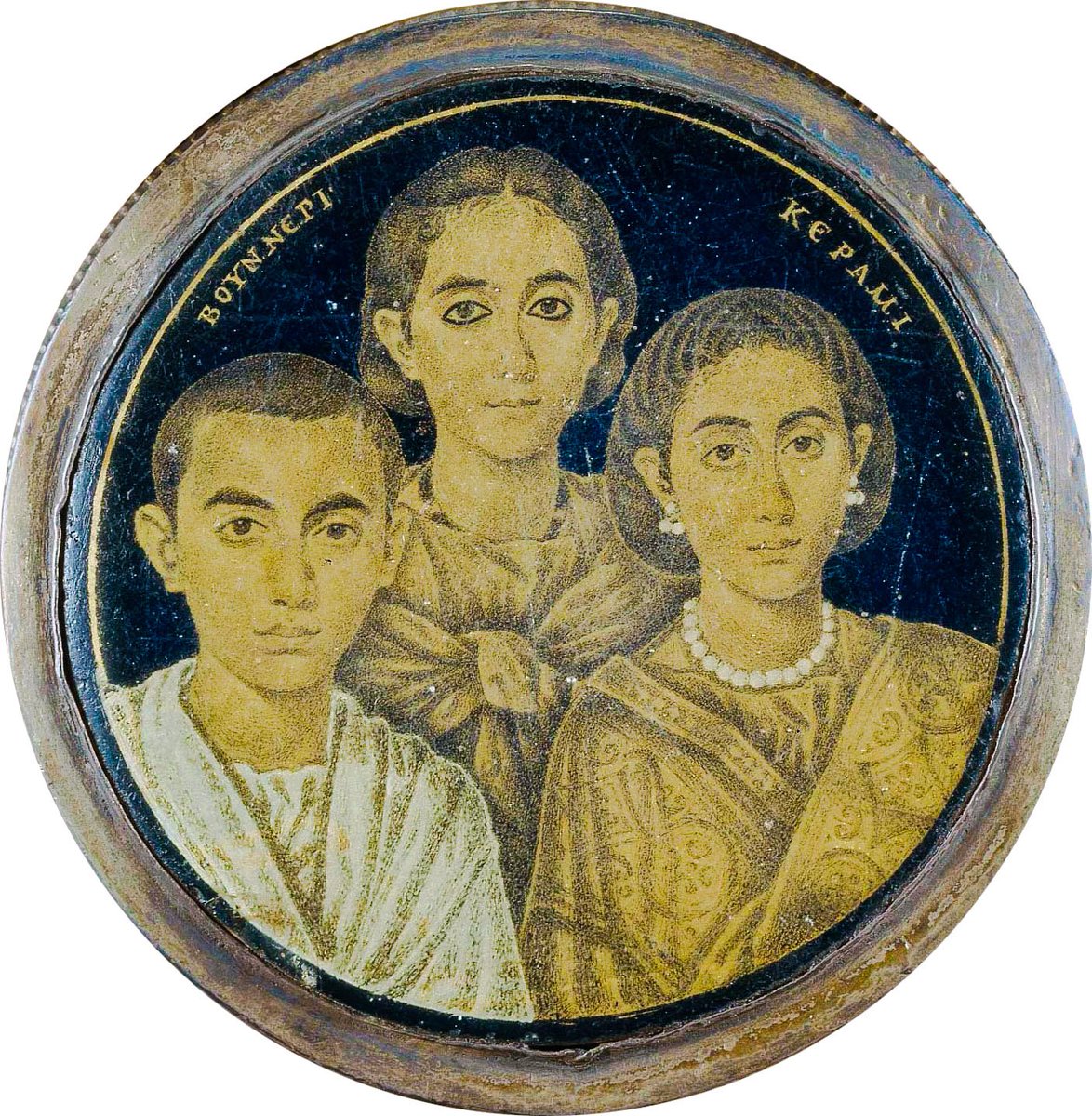
A gold glass portrait of a family from Roman Egypt. The Greek inscription on the medallion may indicate either the name of the artist or the pater familias who is absent in the portrait.
English
Deborah Browne がリツイート

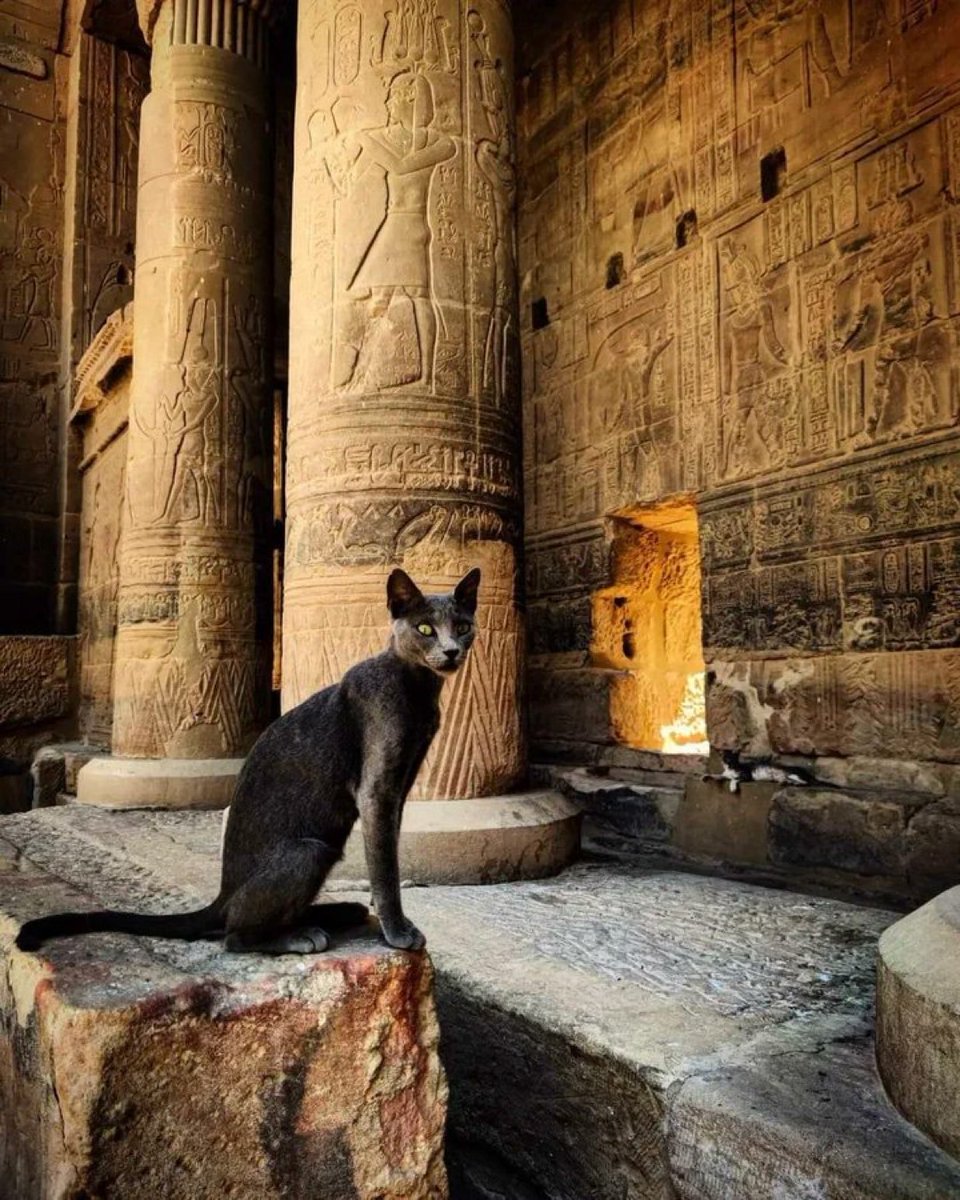
Egyptian cat 🐈 and her Grandma Sekhmet 🦁♥️🇪🇬

English