Prajwal Ghimire

360 posts

Prajwal Ghimire banner
Prajwal Ghimire

Prajwal Ghimire

@PrazNeuro

Neurosurgeon-Scientist | AI, Brain Cancer and Digital Health Researcher | Ambidextrous 🧑‍⚕️| Investor | Author |🇳🇵🇬🇧 |

London, UK 参加日 Mart 2012
1.2K フォロー中991 フォロワー
Prajwal Ghimire
Prajwal Ghimire@PrazNeuro·
Grateful to co-authors and my supervisors for support and guidance @ThomasCBooth and Dr Marc Modat
English
0
0
0
8
Prajwal Ghimire
Prajwal Ghimire@PrazNeuro·
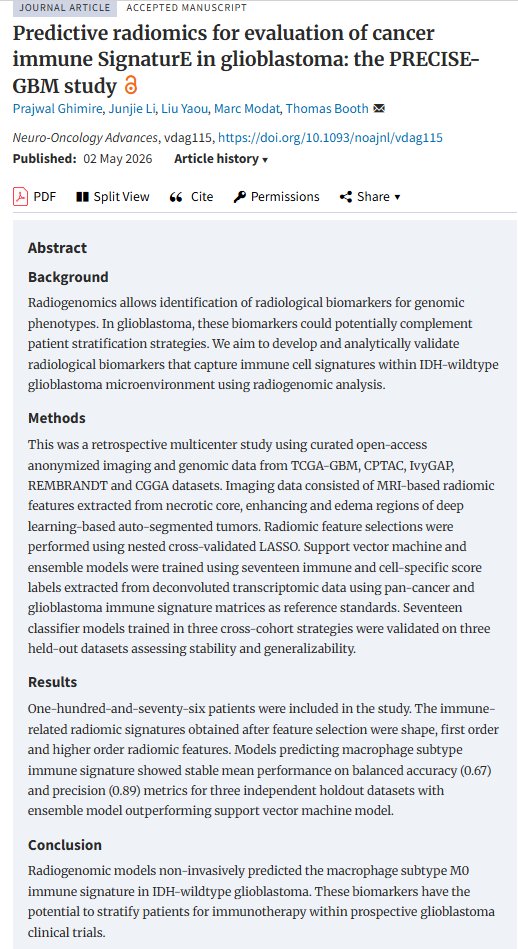
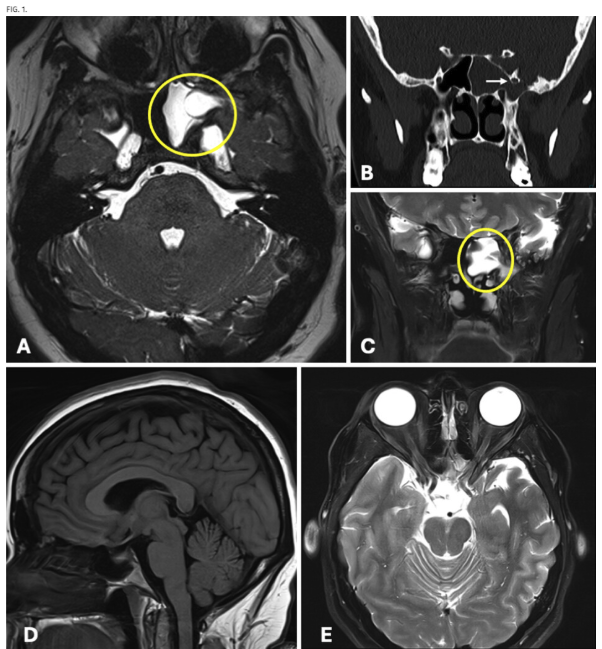
New Research Alert! 🧠💻 1/3 Can AI map the #glioblastoma immune environment without a biopsy? Our new PRECISE-GBM study in @EditorNeuro says YES. We’ve developed a radiogenomic pipeline to non-invasively predict macrophage M0 signatures using standard pre-operative MRI:
Prajwal Ghimire tweet mediaPrajwal Ghimire tweet mediaPrajwal Ghimire tweet media
English
1
1
2
85
Prajwal Ghimire がリツイート
nature
nature@Nature·
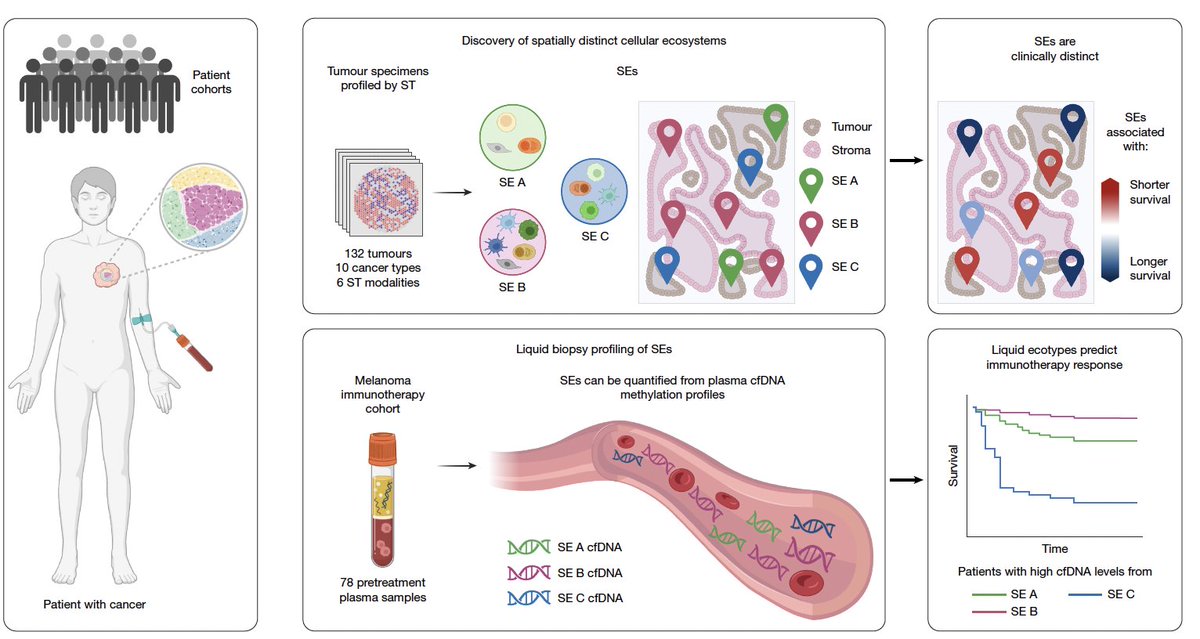
Nature research paper: Non-invasive profiling of the tumour microenvironment with spatial ecotypes go.nature.com/4wf1BFl
English
1
16
40
9.5K
Prajwal Ghimire がリツイート
Eric Topol
Eric Topol@EricTopol·
We've known how important the tumor microenvironment is for cancer progression and treatment, but we never had a non-invasive blood test to assess it. Today, as reported @nature, one has been discovered nature.com/articles/s4158…
Eric Topol tweet media
English
7
130
446
45.6K
Prajwal Ghimire がリツイート
npj Digital Medicine
npj Digital Medicine@npjDigitalMed·
Building strong medical AI means large datasets. But in healthcare, data is hard to get. A new study shows you may not need it. By focusing training on key clinical concepts, a vision-language model achieved state-of-the-art performance using just 1% of the typical data while preserving its reasoning ability. What do we think of this shift? Does progress in medical AI come less from more data and more from teaching models what actually matters? nature.com/articles/s4174…
npj Digital Medicine tweet media
English
4
21
68
4.2K
Prajwal Ghimire がリツイート
Nature Methods
Nature Methods@naturemethods·
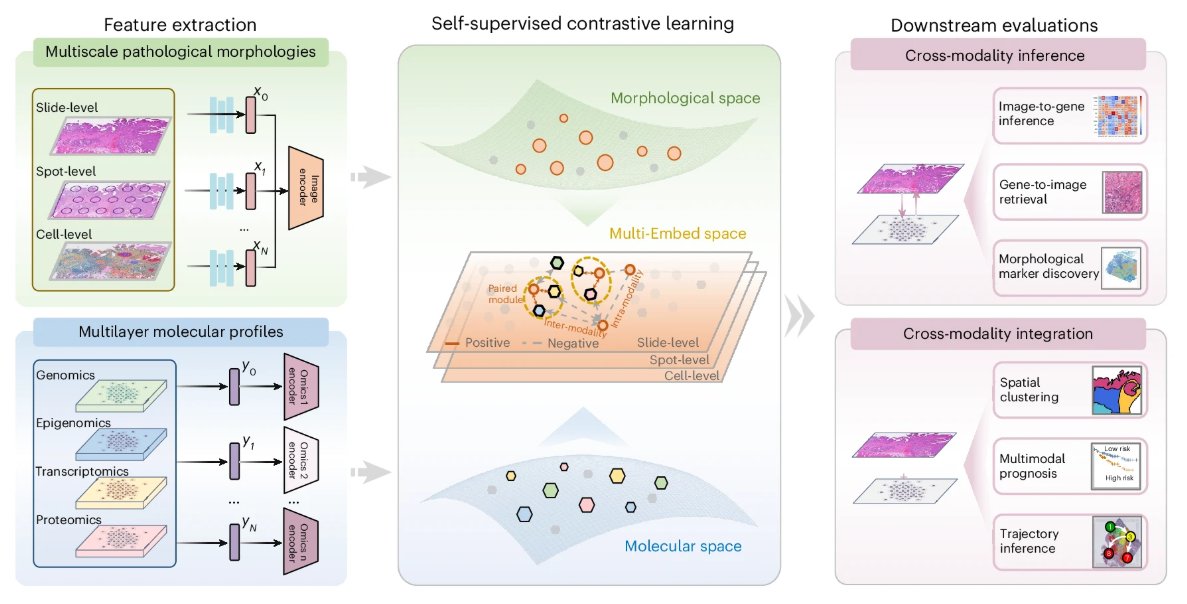
Multi-Embed is an interpretable framework that enables integrated analyses of histological images and multilayer molecular profiles. nature.com/articles/s4159…
Nature Methods tweet media
English
1
32
87
8.8K
Prajwal Ghimire がリツイート
Lea Alhilali, MD
Lea Alhilali, MD@teachplaygrub·
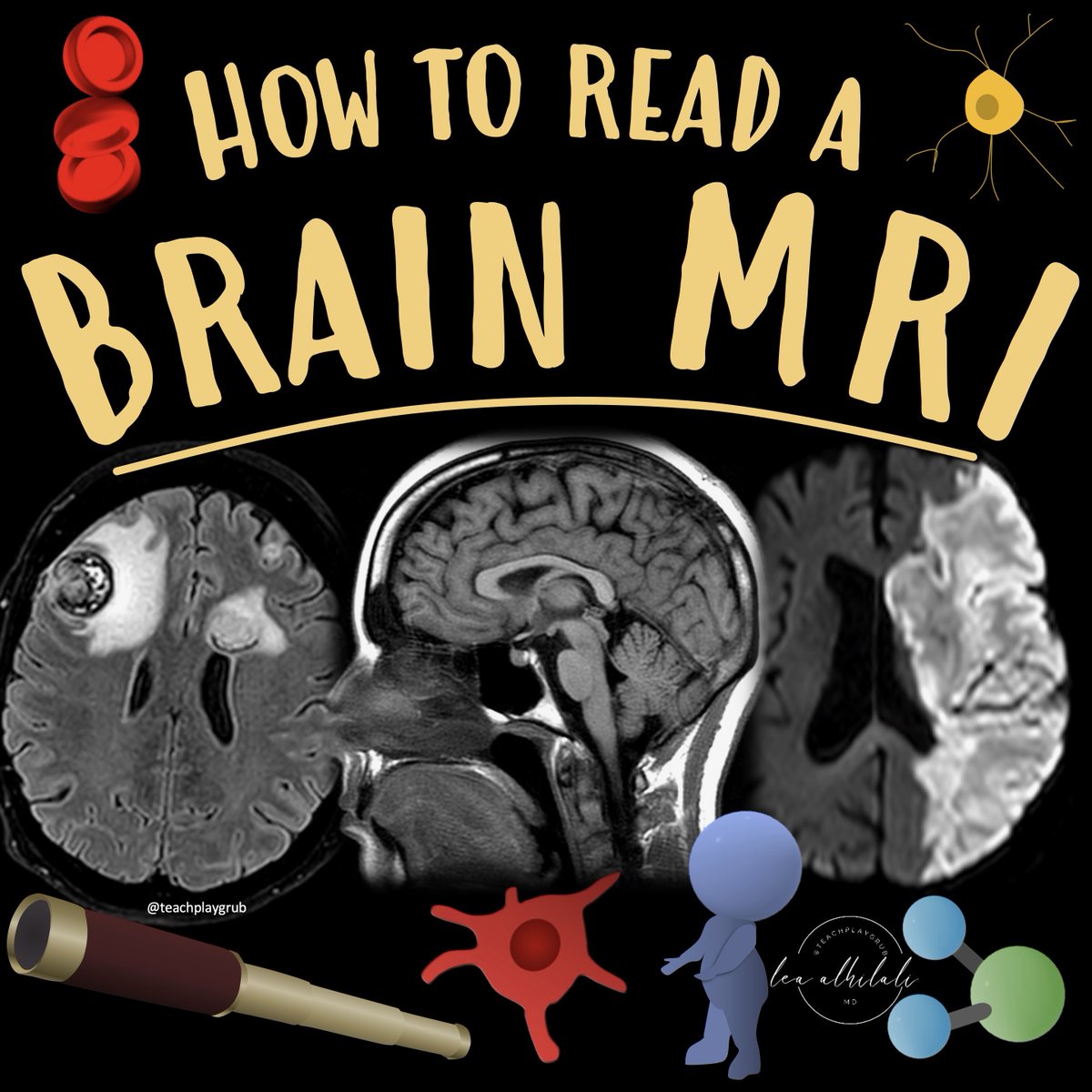
1/Do radiologists sound like they are speaking a different language when they talk about MRI? T1 shortening what? T2 prolongation who? Here’s a translation w/an introductory thread to MRI.
Lea Alhilali, MD tweet media
English
14
338
1.3K
79.8K
Prajwal Ghimire がリツイート
npj Digital Medicine
npj Digital Medicine@npjDigitalMed·
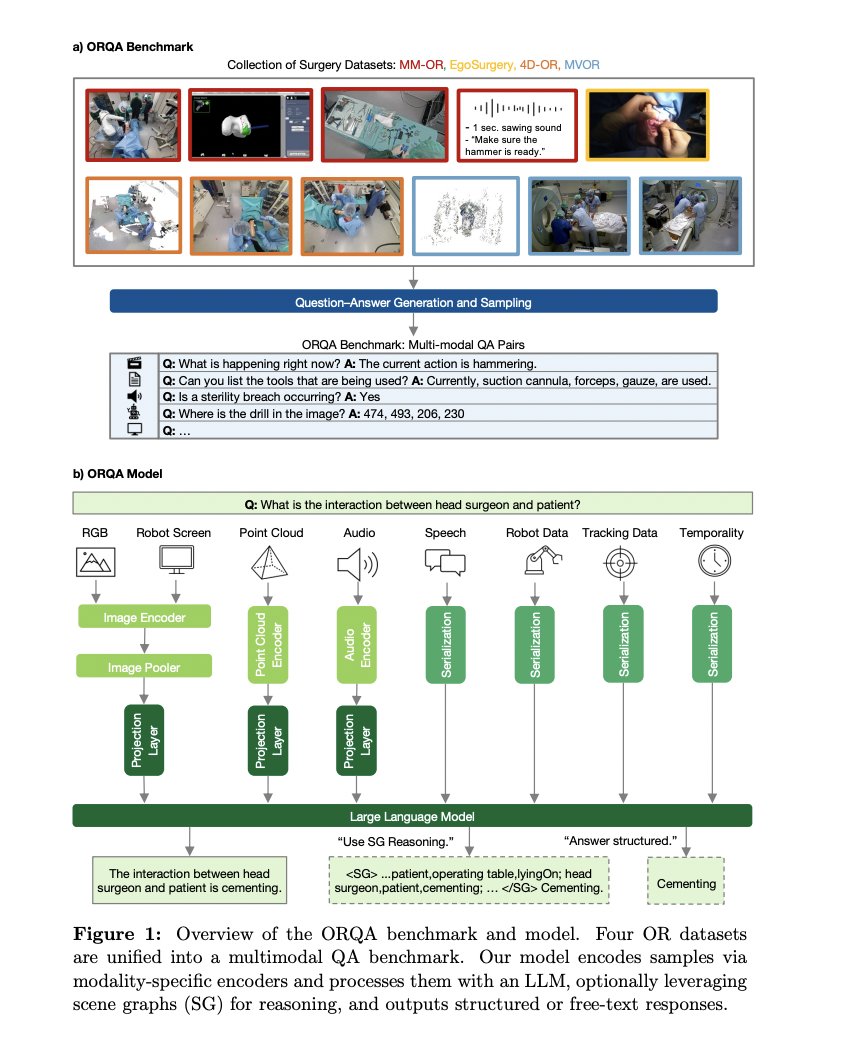
The operating room is one of the hardest environments for AI: constant motion, multiple devices, and high stakes. There is really zero room for error. But general-purpose models are not built for that reality. A new study introduced ORQA, a specialized multimodal foundation model that understands surgical scenes using video, audio, and structured data. It significantly outperformed generalist AI systems and was designed in multiple sizes for real-world deployment. How do we continue building systems specifically trained for the complexity of care? nature.com/articles/s4174…
npj Digital Medicine tweet media
English
0
5
14
662
HimalayaAI
HimalayaAI@HimalayaAILabs·
We are proposing the Nepal AI Sangraha—a sovereign national data repository for public access to datasets and models Inspired global initiatives like India’s AIKosh and the open-source power-house of Hugging Face, this platform will host anonymized & non-sensitive public dataset
HimalayaAI tweet media
English
5
3
47
4.5K
Prajwal Ghimire がリツイート
Lea Alhilali, MD
Lea Alhilali, MD@teachplaygrub·
Can't remember the types of craniotomies off the top of your head?   Do you need another thing to memorize like you need a hole in your head?   Here's a quick figure with a review of some common craniotomies to help you out!   Let’s dig deeper into these holes!   Frontal: For large midline anterior and sometimes middle skull base lesions   Temporal: For middle cranial fossa lesions, including intra-axial lesions in the mesial temporal lobe 
Parietal: For mid to posterior cerebral hemisphere lesions while sparing the motor and sensory cortices.   Parietal interhemispheric approach for parafalcine, medial parietal, and splenial lesions. Parietal transcortical route for intra-axial lesions through the functionally “silent” superior parietal lobule   Pterional (frontotemporal): Access to the frontal lobe, temporal lobe, and Sylvian fissure and allow for direct visualization of the microvasculature surrounding lesions in the suprasellar cistern
Lea Alhilali, MD tweet media
English
4
56
279
12.6K
Prajwal Ghimire がリツイート
Denis Wirtz
Denis Wirtz@deniswirtz·
Mapping nerves in a whole embryos. We find that across species and development stages, embryonic nerves display (beautiful) fractal geometry. More here: biorxiv.org/content/10.648…
English
2
56
259
11.9K
Prajwal Ghimire がリツイート
Science Magazine
Science Magazine@ScienceMagazine·
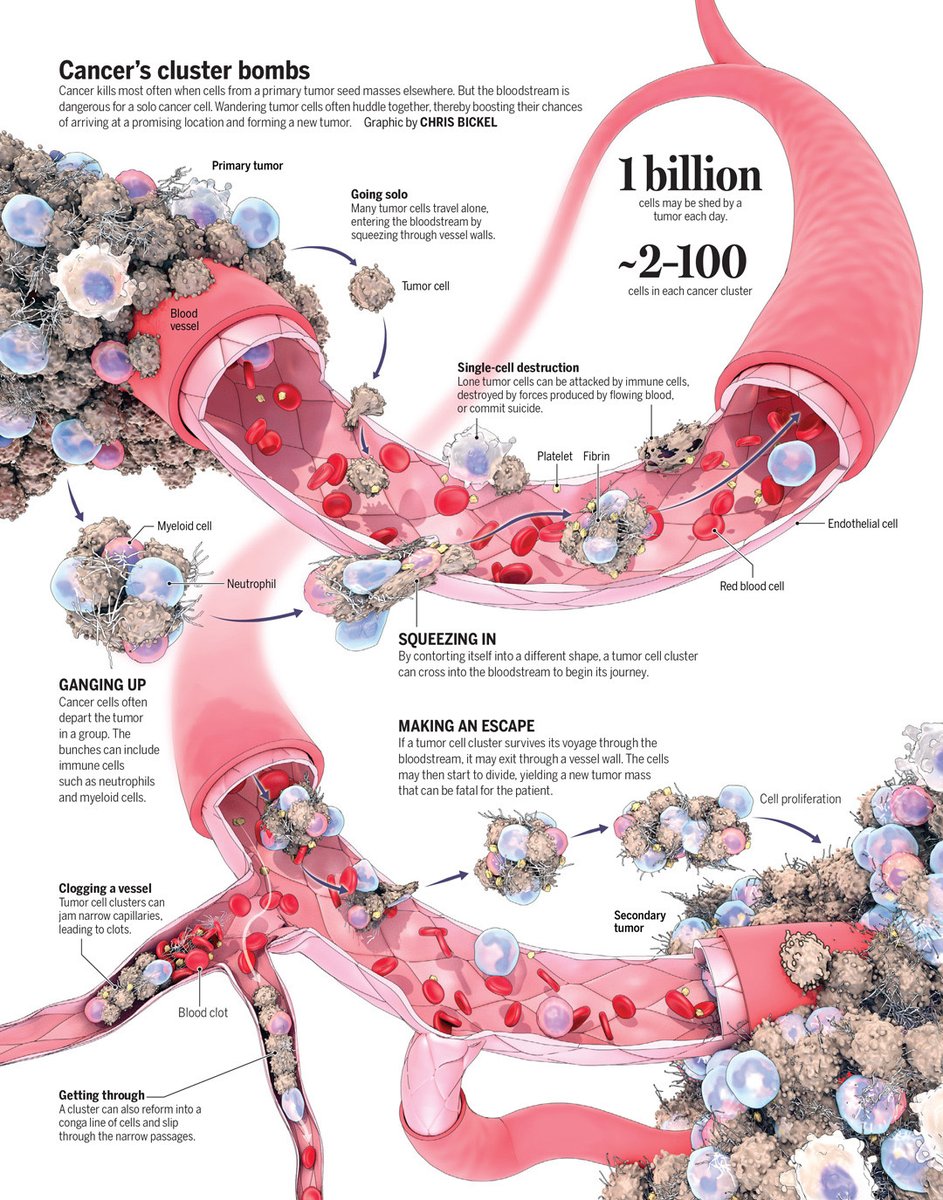
Tumor cells often metastasize in clusters with other cells, offering novel targets for treatments. Learn more: scim.ag/4dF9dui @NewsfromScience
Science Magazine tweet media
English
3
66
232
25.8K
Prajwal Ghimire がリツイート
Nathan Anderson
Nathan Anderson@rementurus·
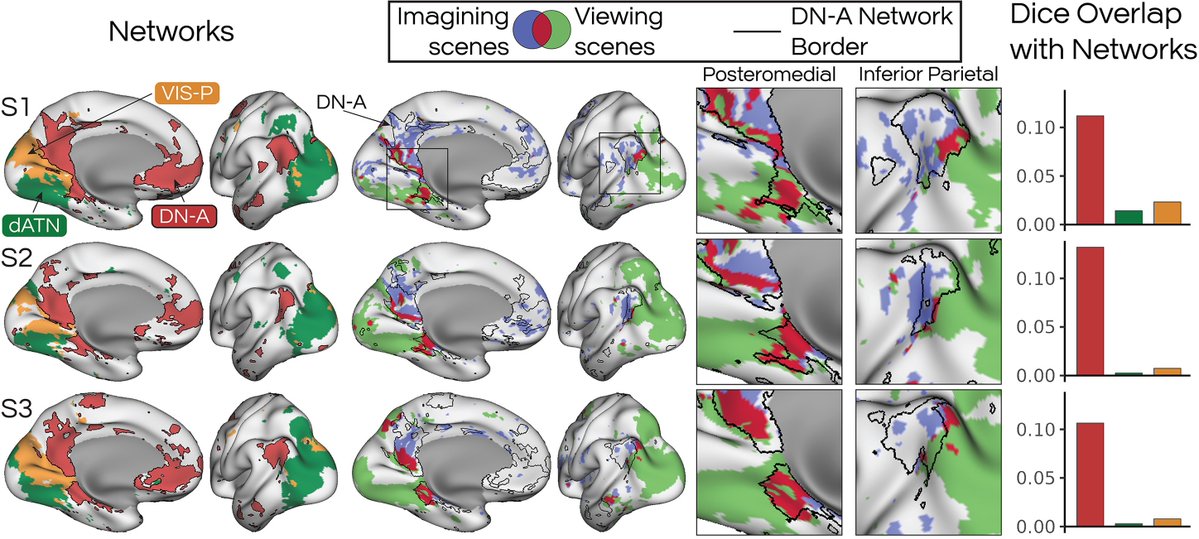
Our paper is out! This has been years in the making. We found that mental imagery and perception do share a neural substrate, but we see it in in higher-order transmodal networks rather than earlier sensory systems. Check it out! doi.org/10.1016/j.neur…
Nathan Anderson tweet media
English
5
43
113
5.8K
Prajwal Ghimire がリツイート
Agustin Ibañez
Agustin Ibañez@AgustinMIbanez·
Aging clocks may be shaped by neurosyndemics, multiple interacting physical and social real-world environments jointly influencing brain health. Out in Nature Medicine (nature.com/articles/s4159…), we assessed 18,701 participants from 34 countries, showing that the combined aggregate-level exposome (73 physical, social, and political factors measured at country-level) predicts multimodal brain aging far better than isolated exposures (up to 15-fold more variance). Moving beyond single risks, we provide evidence that synergistic, nonlinear exposome burden accelerates brain clocks across health and disease, with physical exposures linking more strongly to structural brain aging and social exposures to functional brain aging. Exposome burden increased the risk of accelerated brain aging by 3.3–9.1-fold, in some cases exceeding the effects associated with dementia, and these findings held in out-of-sample, longitudinal, individual-level variation, and sensitivity analyses. Thus, the pace at which the brain ages may be shaped by syndemic environmental and societal conditions, calling for much more intersectoral policies. Congrats @AgustinaLegaz Sebastian Moguilner @HernHdezL & all coauthors. 1/5👇 @GBHI_Fellows
Agustin Ibañez tweet media
English
8
116
285
24.7K