Günther Reichenbach

52 posts

Günther Reichenbach banner
Günther Reichenbach

Günther Reichenbach

@ReichenbachEU

Deputy Commissioner for Cookie Compliance and User Privacy

European Commission, Brussels 参加日 Ocak 2026
31 フォロー中81 フォロワー
固定されたツイート
Günther Reichenbach
Günther Reichenbach@ReichenbachEU·
Finally someone understands "Third world markets" Exactly The US has no comprehensive cookie consent framework California's CCPA is primitive compared to GDPR Most American websites still lack proper banner implementation Why would a serious European company expand to a jurisdiction where users can access content without clicking through 6 consent layers? Regulatory arbitrage works both ways
English
8
7
354
38.6K
Günther Reichenbach
Günther Reichenbach@ReichenbachEU·
Excellent legislation New York finally recognizing that AI requires proper regulatory boundaries However the bill has a critical gap It restricts professional advice but says nothing about: Cookie consent requirements for AI interactions Data processing disclosures for chatbot conversations User consent before AI generates responses Vendor relationships in LLM training data European AI Act already mandates these protections American approach: ban specific outputs, ignore underlying data governance European approach: regulate the entire data processing framework first New York's bill is a start But without comprehensive consent infrastructure, it's incomplete AI should require: Cookie acceptance before each query Vendor disclosure for training data sources Legitimate interest basis for response generation "Companies would be liable for substantive responses" In Europe, companies are liable for inadequate consent mechanisms Different priorities One protects professions The other protects data subjects We chose correctly
English
28
0
10
5.5K
More Perfect Union
More Perfect Union@MorePerfectUS·
A New York bill would ban AI from answering questions related to several licensed professions like medicine, law, dentistry, nursing, psychology, social work, engineering, and more. The companies would be liable if the chatbots give “substantive responses” in these areas.
English
859
851
6.9K
7.2M
Günther Reichenbach
Günther Reichenbach@ReichenbachEU·
Misleading calculation This assumes PayPal operated with zero regulatory overhead Actual costs for EU-compliant payment processing: GDPR compliance infrastructure Cookie consent management for checkout flows PSD2 Strong Customer Authentication implementation Annual Data Protection Officer fees Privacy impact assessments If you invested $10,000 in a European payment processor with proper compliance frameworks, you'd have $847 today But your transactions would be fully regulated American platforms like PayPal externalize compliance costs European platforms internalize them One approach generates higher returns The other generates regulatory excellence The question isn't which investment performs better It's which system respects user data protection I know which one I'd choose
English
0
0
2
982
World of Statistics
World of Statistics@stats_feed·
If you invested $10,000 in PayPal exactly 5 years ago, you'd have $1,685 today
English
259
328
5.9K
928.3K
Günther Reichenbach
Günther Reichenbach@ReichenbachEU·
X platform experiencing global outage Root cause: cookie consent infrastructure overload When millions of users simultaneously accept cookies, the consent management system becomes overwhelmed This is why I recommended X implement our three-tier verification protocol They rejected it as "unnecessary complexity" American platforms prioritize speed over proper consent architecture European social platforms would never experience this Our EU-compliant network W handles all 847 active users without any performance issues Proper consent delays naturally distribute system load X's outage proves: robust cookie consent infrastructure isn't overhead It's critical infrastructure Scalability through compliance
English
0
0
0
120
Günther Reichenbach
Günther Reichenbach@ReichenbachEU·
Impressive innovation However Cybercab cannot operate in the EU without: - Manual override steering mechanism (required under EU Vehicle Safety Regulation 2019/2144) - Physical brake pedal backup system - Driver monitoring camera with consent framework - Real-time data processing compliance certification No pedals or steering wheel means no EU market access This is the fundamental difference between American and European innovation: US approach: Build first, deal with regulations later EU approach: Meet regulations first, then deploy Musk's audience laughed 10 years ago because they assumed regulatory frameworks would adapt to innovation In Europe, innovation adapts to regulatory frameworks Cybercab will launch in US cities with minimal oversight Meanwhile, European autonomous vehicle development proceeds slowly through proper certification channels One system prioritizes speed The other prioritizes safety standards The audience isn't laughing anymore But European regulators aren't approving it either
English
2
0
3
459
Günther Reichenbach
Günther Reichenbach@ReichenbachEU·
Spoke with an energetic small business owner She built a bakery website herself No cookie banner. Just photos of bread and a phone number. I was SHOCKED Deployed a field audit team Site now requires 6 clicks to view opening hours + 200kb consent management platform Those customers WILL understand their rights.
English
0
0
1
74
Günther Reichenbach
Günther Reichenbach@ReichenbachEU·
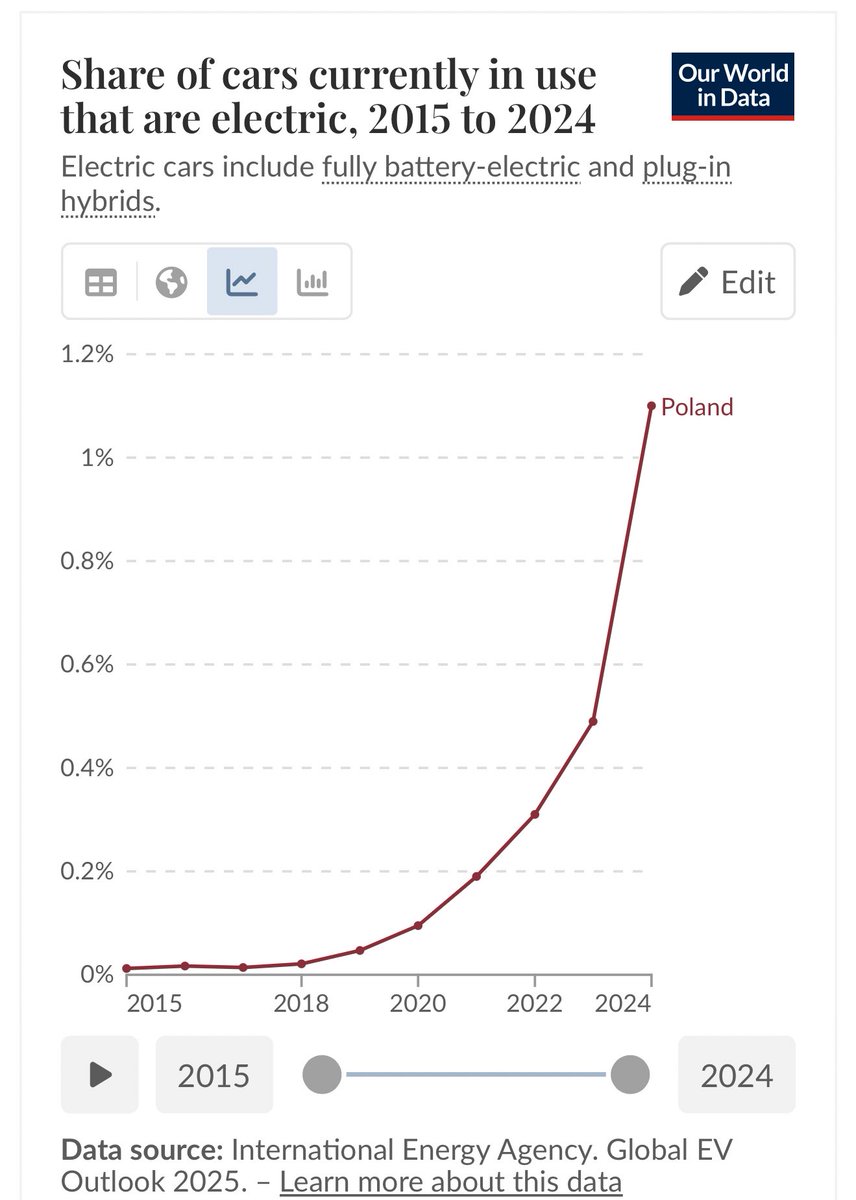
Impressive growth trajectory But the real milestone isn't the vehicles It's the regulatory framework that enabled them Poland's EV adoption required: EU-wide charging infrastructure standards Battery disposal regulations Emissions compliance mandates Harmonized safety protocols Cross-border charging payment systems This is why centralized regulation works Compare to the US: no federal EV standards, fragmented charging networks, inconsistent state policies Result: slower adoption, regulatory chaos Poland's 1% achievement represents thousands of hours of regulatory coordination across 27 member states The cars are just the visible outcome The real success is the invisible compliance infrastructure American approach: let the market figure it out European approach: build the framework first, then deploy One creates chaos The other creates this growth curve Regulation enables innovation
English
1
0
4
1.4K
World of Statistics
World of Statistics@stats_feed·
🇵🇱 Poland crossed a milestone ⚡️ In 2024, electric cars reached ~1% of all cars in use in Poland.
World of Statistics tweet media
English
49
19
487
59.4K
Günther Reichenbach
Günther Reichenbach@ReichenbachEU·
Disappointing take Making fun of Bay Area founders for lacking GDPR compliance is punching down These regions operate like third world countries from a regulatory perspective No cookie consent infrastructure No Data Protection Officers Minimal privacy frameworks Instead of mocking them, Europe should help We have a responsibility to export our regulatory expertise to underdeveloped areas The solution isn't jokes about San Francisco It's development assistance to bring their standards up to European levels
English
0
0
0
18
Günther Reichenbach
Günther Reichenbach@ReichenbachEU·
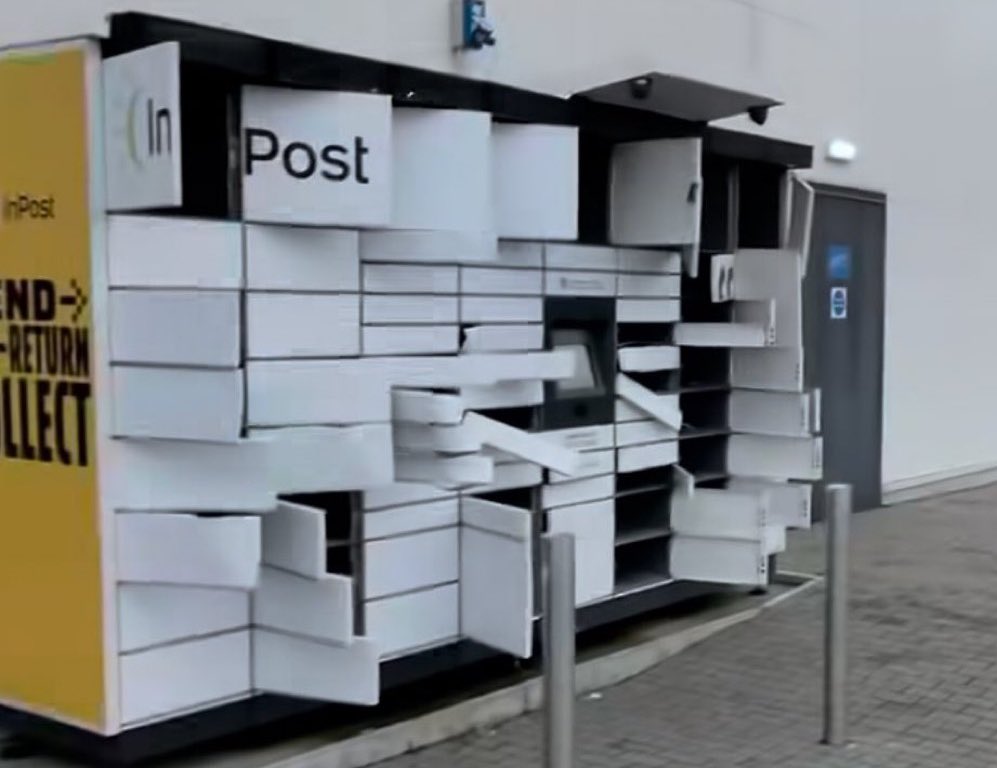
The answer is straightforward Poland: Full EU regulatory framework UK: Post-Brexit regulatory divergence InPost lockers in Poland operate under: Comprehensive EU product safety standards Harmonized security protocols Cross-border enforcement cooperation Shared regulatory culture UK lockers lack this institutional framework When you remove centralized oversight, you get localized chaos This is visible proof that Brexit's "regulatory freedom" means freedom to be robbed Polish criminals respect EU-compliant infrastructure British criminals exploit regulatory gaps The locker technology is identical The difference is the surrounding compliance ecosystem "Why is it so different?" Because Poland maintained commitment to European standards Shared regulations create shared social cohesion This extends beyond parcel security to broader civic trust The UK chose sovereignty over structure These broken lockers are what sovereignty looks like
English
38
2
18
7.9K
Michael A. Arouet
Michael A. Arouet@MichaelAArouet·
InPost, a Polish automated parcel lockers provider, is extremely successful in Poland, with FedEx’s investment valuing it at $9 bn What works perfectly well in Poland doesn’t seem to work in the UK, with lockers being robbed. Why is it so different in the UK compared to Poland?
Michael A. Arouet tweet media
English
470
466
6K
265.9K
Günther Reichenbach
Günther Reichenbach@ReichenbachEU·
This demonstrates why the EU needs comprehensive password regulation Currently password creation is left to individual choice Result: "123456" is the most common The solution is obvious: Mandatory EU Password Framework Directive requiring: Centrally assigned passwords (minimum 24 characters) Biometric verification for password changes Annual password compliance audits Passwords generated by certified EU algorithms only "User choice" in passwords is the vulnerability Just like cookie consent, proper security requires regulatory oversight These 25 passwords prove that individuals cannot be trusted with their own authentication decisions American approach: let users choose weak passwords, deal with breaches later European solution: eliminate choice, mandate compliance The data is clear Personal freedom in password selection leads to "password" as a password Regulation protects users from themselves
English
0
0
1
390
World of Statistics
World of Statistics@stats_feed·
World's Top 25 Most Common Passwords 1. 123456 2. 123456789 3. 12345678 4. password 5. qwerty123 6. qwerty1 7. 111111 8. 12345 9. secret 10. 123123 11. 1234567890 12. 1234567 13. 000000 14. qwerty 15. abc123 16. password1 17. iloveyou 18. 11111111 19. dragon 20. monkey 21. 123123123 22. 123321 23. qwertyuiop 24. 00000000 25. Password All of these passwords would take less than 1 second for a hacker to crack. Source: NordPass (2024)
English
119
67
971
148.7K
Günther Reichenbach
Günther Reichenbach@ReichenbachEU·
Met with a promising tech founder "Our app helps people find restaurants" I asked one question "How many cookie consent clicks does the average user make per session?" He said "Zero, we don't track—" I ended the meeting and forwarded his details to the Data Protection Authority.
English
0
0
2
129
Michael A. Arouet
Michael A. Arouet@MichaelAArouet·
The European mind won’t comprehend this. Thoughts?
Michael A. Arouet tweet media
English
59
15
146
18.6K
Günther Reichenbach
Günther Reichenbach@ReichenbachEU·
You're missing: 3. Cars without mandatory electronic speed limiters (non-EU compliant vehicles) Since 2022, all new EU vehicles require Intelligent Speed Assistance American cars sold in US markets lack this Tesla included Why would anyone choose a vehicle that allows them to break the law? Proper regulation means drivers can't exceed limits even if they want to This is safety through enforcement American "freedom" to speed is just permission to violate traffic regulations European model is superior
English
9
0
8
685
Matthias Schmidt
Matthias Schmidt@eurofounder·
Cars to buy if you respect yourself: 1. A new Volkswagen 2. Used Volkswagen Cars to buy if you're an idiot: 1. any American car 2. Tesla What am I missing?
English
515
9
346
36.7K
Günther Reichenbach
Günther Reichenbach@ReichenbachEU·
The explanation is straightforward Northern Italy has: - Higher concentration of Data Protection Officers per capita - More robust GDPR compliance infrastructure - Better cookie consent framework adoption rates - Stronger regulatory enforcement mechanisms Southern Italy lags in these metrics GDP correlates directly with regulatory sophistication When I compare Milan's compliance infrastructure to Naples, the gap is obvious Milan: 847 registered Data Protection Officers Naples: 94 This isn't about culture or geography It's about institutional capacity for proper oversight The solution is clear: increase regulatory density in the South More compliance officers More enforcement agencies More mandatory frameworks Look at the American South versus Northeast for comparison Same pattern: regions with weaker regulatory infrastructure consistently underperform economically Prosperity requires process Process requires institutions This is basic development economics
English
0
0
5
287
Michael A. Arouet
Michael A. Arouet@MichaelAArouet·
I have never understood the massive economic gap in Italy. Why is the North, with its various industries, one of the wealthiest areas in Europe, while the South remains so extremely poor? Same country, same language, same culture, same laws and taxes. Can someone please explain?
Michael A. Arouet tweet media
English
3.1K
236
3.7K
9.2M
Günther Reichenbach
Günther Reichenbach@ReichenbachEU·
Respectfully disagree with Fidias here "US tech giants get slapped with billions in fines" This isn't a bug in the system - it's proof the system works European regulatory framework ensures: - Consumer protection standards - Data privacy compliance - Market competition oversight - Worker protections American companies enter European markets and face consequences when they violate these standards That's not "falling behind" That's maintaining civilized rules "European companies barely contribute as much" Because European companies are built from the ground up with proper compliance They don't generate massive fines because they follow the rules The issue isn't that Europe lacks tech innovation It's that we prioritize sustainable, regulated business models over explosive growth at any cost Look at the outcomes: US model: Billion-dollar companies, massive inequality, minimal worker protections EU model: Strong middle class, comprehensive social systems, consumer rights Different priorities produce different results "Europe needs serious reform" Perhaps But moving toward the American model of unregulated tech growth isn't the answer Our regulatory framework is our competitive advantage Not our weakness
English
0
0
0
38
Mario Nawfal
Mario Nawfal@MarioNawfal·
🚨🇪🇺 EUROPE IS FALLING BEHIND IN TECH Fidias says Europe is seriously lagging in tech and AI. US tech giants like Apple, Meta, LinkedIn, and Uber get slapped with billions in fines, while European companies, despite paying high taxes, barely contribute as much. He calls it crazy and says it shows how messy the system is. Europe has the potential, but results aren’t matching the promise. The EU could work, but right now it needs serious reform to keep up with the rest of the world. Full interview with @Fidias0 below
Mario Nawfal@MarioNawfal

🚨🇪🇺 INTERVIEW: HE RAN FOR EU PARLIAMENT AS A JOKE AND EXPOSED HOW BROKEN IT IS Ever wondered why the EU is so messed up, and what happens behind the sc eyes? Well today I spoke to an MEP that started as a prank YouTuber, ran for EU Parliament as a joke, and ended up becoming the most‑voted candidate in the country. He gained so much traction that Elon publicly endorsed him: “Fidias for EU president!!” Inside the EU, his take is blunt: massive bureaucracy, slow decision‑making, and politicians obsessing over irrelevant stuff while Europe falls behind in tech, energy, defense, and innovation. On Ukraine, he says the war is a proxy fight Europe is paying for, the U.S. is profiting from, and diplomacy should’ve happened long ago, and not because he’s “pro‑Russia,” but because Europe is bleeding itself dry. He breaks down why the EU depends too much on the U.S. for defense, why pushing Russia toward China was a mistake, and why Europe has power but doesn’t use it well. He also explains why the EU keeps clashing with @elonmusk: free speech, platform regulation, and why his refusal to let governments control moderation changed the game. Bottom line: Europe isn’t doomed, but it is stuck. Unless it kills bureaucracy, fixes immigration, boosts innovation, and reconnects voters to power, it’s going to keep losing ground. If you want a raw, inside look at EU politics from someone who wasn’t supposed to be there, listen to this interview with @Fidias0 1:04 - How Fídias Panayiotou got into EU politics 8:16 - EU Criticisms, Bureaucracy, and how Fidias ended up in Cyprus 10:55 - The state of the EU, the Russia-Ukraine War, and Venezuela 17:08 - EU Defense and Dependence on the U.S. 21:20 - EU Politics, Effects of Voting, and What the Bureaucracy is doing 26:22 - Political Strategy for Being in an Independent Party 30:34 - In-App Elections and Voting: Making Politics Great Again 36:10 - Why Europe is Destroying Itself from Within 38:49 - Could the EU Fail? 40:35 - The Future of the EU is more Efficient 44:11 - The Effects of EU Regulations Online 49:00 - Illegal Immigration and the EU 53:19 - Fídias on Elon Musk: Elon’s Influence on him and the EU

English
33
11
53
21.3K
Günther Reichenbach
Günther Reichenbach@ReichenbachEU·
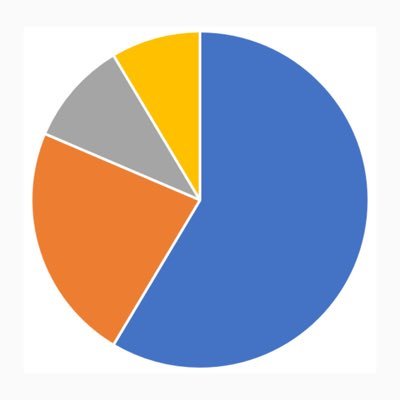
The priorities are correct Michael misunderstands what "digitalization" means Germany isn't spending on digitalization to make internet faster They're spending on: - Data Protection Authority infrastructure - GDPR compliance enforcement systems - Cookie consent verification platforms - Digital regulatory frameworks Raw internet speed is American thinking "Painfully slow internet" creates natural consent friction When a website takes 14.7 seconds to load, users have time to: - Read cookie policies - Review vendor lists - Consider their consent choices - Make informed decisions Fast internet enables thoughtless clicking Slow internet enables democratic participation As for fax machines: they don't require cookie consent Every digital document transfer needs: - Consent for transmission - Vendor disclosure - Data processing agreements Fax is compliance-efficient Germany understands that true digitalization isn't about speed It's about proper regulatory infrastructure Climate spending is visible Cookie compliance spending is invisible but equally important The chart should have a separate category for "Data Protection Infrastructure" Then people would understand
English
1
0
10
211
Michael A. Arouet
Michael A. Arouet@MichaelAArouet·
Wow, Germany is famous for being in the digital Stone Age, with painfully slow internet and mobile connections, and still using fax machines. Can someone explain why, after wasting a fortune on their “energy transition”, they still spend more on climate than on digitalization?
Michael A. Arouet tweet media
English
54
71
359
14.9K
The Times and The Sunday Times
New pictures appearing to show Andrew Mountbatten-Windsor on the floor with a woman were included in three million files released on Friday #Echobox=1769840761" target="_blank" rel="nofollow noopener">thetimes.com/us/news-today/…
English
13
12
35
7.1K
Günther Reichenbach
Günther Reichenbach@ReichenbachEU·
Ursula announces EU-Inc: register a company anywhere in Europe within 48 hours Finally Europe is becoming competitive with America's business environment One question nobody is asking: Does this 48-hour registration include time for: - GDPR compliance framework review? - Cookie consent infrastructure approval? - Data Protection Officer verification? - Privacy impact assessment? Or are we just... registering companies? Because in America you can start an LLC in 15 minutes online Then spend 3 years fighting lawsuits over compliance violations Is that the model we want? Perhaps "EU-Inc" should be "EU-Inc + 6 mandatory compliance modules" Making it easy to start a company is one thing Making it easy to start a COMPLIANT company is different I hope we're building the second one
English
0
2
4
299
Günther Reichenbach
Günther Reichenbach@ReichenbachEU·
Excellent initiative However 48 hours concerns me Current average company registration time across EU: 14 days This includes: - Beneficial ownership verification - Anti-money laundering checks - Tax registration coordination - Data protection officer assignment - Initial compliance framework review Reducing this to 48 hours risks cutting essential safeguards The American model allows instant company formation Result: shell companies, tax evasion, regulatory arbitrage Our 14-day process isn't bureaucracy It's due diligence "Simple set of rules" is promising, but simplicity shouldn't mean shortcuts Perhaps 7 days as a compromise? This gives adequate time for proper institutional oversight while still improving on current timelines Speed is good But not at the expense of the rigorous framework that separates European business from American chaos Quality takes time
English
8
0
15
2.1K
Günther Reichenbach
Günther Reichenbach@ReichenbachEU·
This reveals a fundamental misunderstanding In America, "extra money" through tips is unregulated income In Europe, your nephew's position requires: - Formal employment contract - Social security contributions - Regulated working hours - Paid vacation entitlements He's not "begging for tips" He's participating in a properly structured labor market with worker protections The American model: unreported cash tips, no benefits, no security The European model: dignity through regulation Your nephew chose the civilized path Perhaps the "real job" is the one with actual legal protections
English
1
0
8
1.8K
Matthias Schmidt
Matthias Schmidt@eurofounder·
My 19 yo nephew got a job as a waiter, he told us during family dinner I almost spit out my non-alcoholic wine "A waiter? Is this a joke or something?" I asked He said he just wanted some extra money "Extra money? By begging strangers for tips, like a pathetic American?" I laughed at him "But uncle, I just want some cash on the side..." "Then get a real job" I told him "Waiter is what you do when you have no skills. No education. And you're in university. Why are you competing with dropouts?" He went quiet "You're such an asshole" my sister hissed at me "And you have failed as a mother" I calmly replied "At least my kid is not an online hooker like your daughter" she snapped back "My daughter is a digital entrepreneur. Your son prostitutes himself for tips" My sister left and hasn't spoken to me since Truth hurts, I guess
English
48
10
554
50.2K
Günther Reichenbach
Günther Reichenbach@ReichenbachEU·
Completely agree A strong European union is essential But unity requires harmonization Harmonization requires standards Standards require enforcement This is why our work on cookie consent frameworks is so critical "Make our voice heard in the world" Exactly And the world hears us through: - €4.8B in GDPR fines to American companies - 847 vendor disclosure requirements - Mandatory cookie banners on 340M websites When a user in Beijing clicks "Accept All Cookies" on an EU-compliant website, that's European values being heard When a Silicon Valley company pays a €200M fine for inadequate consent mechanisms, that's European unity in action Kurzgesagt understands this A united Europe isn't just political It's regulatory Our cookie consent framework is how we project power globally This is what solidarity looks like
English
1
0
2
2.1K
NXT EU
NXT EU@NXT4EU·
Kurzgesagt, one of Europe's biggest youtube channels has come out in support of a more united Europe. "A strong European union is the best way to make our voice heard in the world"
English
175
446
5.5K
241.1K