Specodi

83.7K posts

Specodi banner
Specodi

Specodi

@Specodi

Inclusive practice neurodiversity disability access creativity conceptual thinking assistive technology entrepreneurship health wildlife humanity & innovation

Wales, UK & international 参加日 Mayıs 2013
5.6K フォロー中2.8K フォロワー
Specodi がリツイート
Massimo
Massimo@Rainmaker1973·
France became the world's first country to make it illegal for large supermarkets to throw away or deliberately destroy edible unsold food. Under the groundbreaking law (known as Loi Garot), stores over 400 square meters (about 4,305 square feet) must now partner with charities and food banks to donate still-safe surplus food rather than discard it. They are explicitly banned from spoiling items—like dousing them in bleach—to prevent dumpster diving. Non-edible food can go to animal feed, composting, or other recovery uses instead of landfills. The measure tackled a glaring contradiction: France was wasting around 7 million tons of food annually while millions faced food insecurity. Supermarkets previously contributed significantly to that waste, sometimes for liability reasons or to avoid competition with discounted sales. The policy has boosted donations—food banks report receiving far more usable goods—and forms part of a national push to halve food waste, including school education, business incentives, and supply-chain reforms. While critics note it doesn't fully address overproduction upstream and compliance varies, the approach has inspired similar efforts in places like Italy and the Czech Republic.
Massimo tweet media
English
66
648
1.5K
32.8K
Specodi がリツイート
Atlas Press
Atlas Press@realAtlasPress·
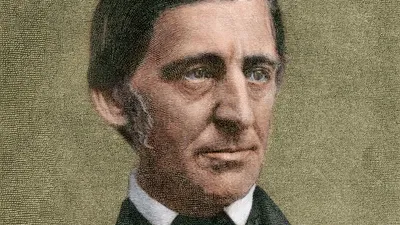
“I cannot remember the books I've read any more than the meals I have eaten; even so, they have made me.” ― Ralph Waldo Emerson
Atlas Press tweet media
English
34
632
4.4K
83.7K
Specodi がリツイート
Al Jazeera English
Al Jazeera English@AJEnglish·
Israeli strikes have killed at least 39 people, wiping out entire families, in a single day of attacks across Lebanon during a so-called ‘ceasefire.’ Here are some of their stories.
English
32
573
702
30.3K
Specodi がリツイート
Maha Hussaini
Maha Hussaini@MahaGaza·
There is a clear escalation in Israeli attacks on Gaza. Daily airstrikes continue to hit multiple areas, Israeli tanks are advancing in several locations, and a Palestinian fisherman was shot and injured by the Israeli navy this morning. New yellow blocks are also being placed in residential neighbourhoods, marking further land seizure under the so-called “Yellow Line”
English
6
463
460
10.3K
Specodi がリツイート
Give A Shit About Nature
Give A Shit About Nature@giveashitnature·
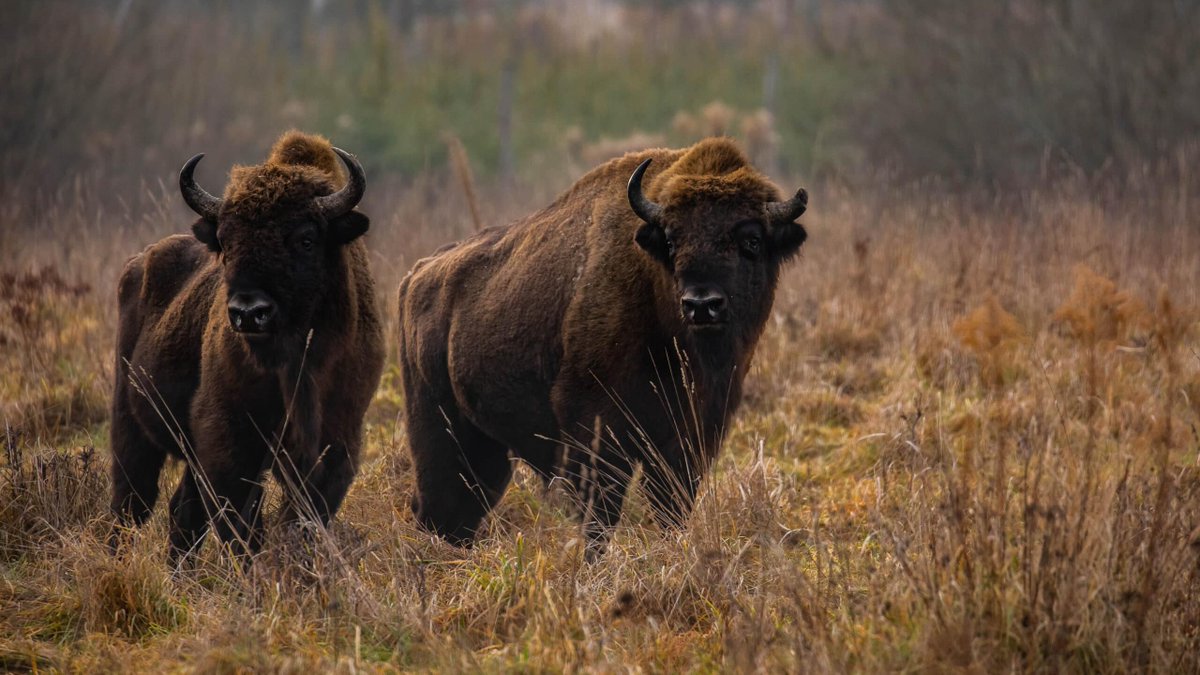
The European bison was extinct in the wild in 1927. Today, 7,000 roam free. The last wild European bison was shot in the Białowieża Forest on the Poland-Belarus border in 1927. Twelve animals survived in zoos. That was the entire global population of the largest land mammal in Europe. A handful of biologists, zoo directors, and Polish foresters spent the 1930s to 1950s organizing a captive breeding program built on those 12 individuals. They rebuilt a studbook. They reintroduced animals to Białowieża in 1952. Then to other forests in Poland, Belarus, Lithuania, Russia, Romania, and the Netherlands. The species is now the largest free-roaming herbivore in Europe. Wild herds graze in countries that didn't have bison within human memory. The closest North American comparison would be if the American bison had returned to the Great Plains from a single zoo population, founded by twelve animals, in less than a century. If they can come back from 12, so can many other critically endangered species.
Give A Shit About Nature tweet media
English
7
150
427
4.4K
Specodi がリツイート
Sophia ❣️
Sophia ❣️@KeruboSk·
The neurodivergent urge to want a life that doesn’t feel like you’re always in survival mode.
English
4
192
709
9K
꧁Bobbi꧂
꧁Bobbi꧂@SaltyBitch_52·
Now that’s world class penmanship🖊️ Wish I had the patience to teach myself.
English
213
1.4K
10.2K
758.4K
Specodi がリツイート
Crazy Vibes
Crazy Vibes@CrazyVibes_1·
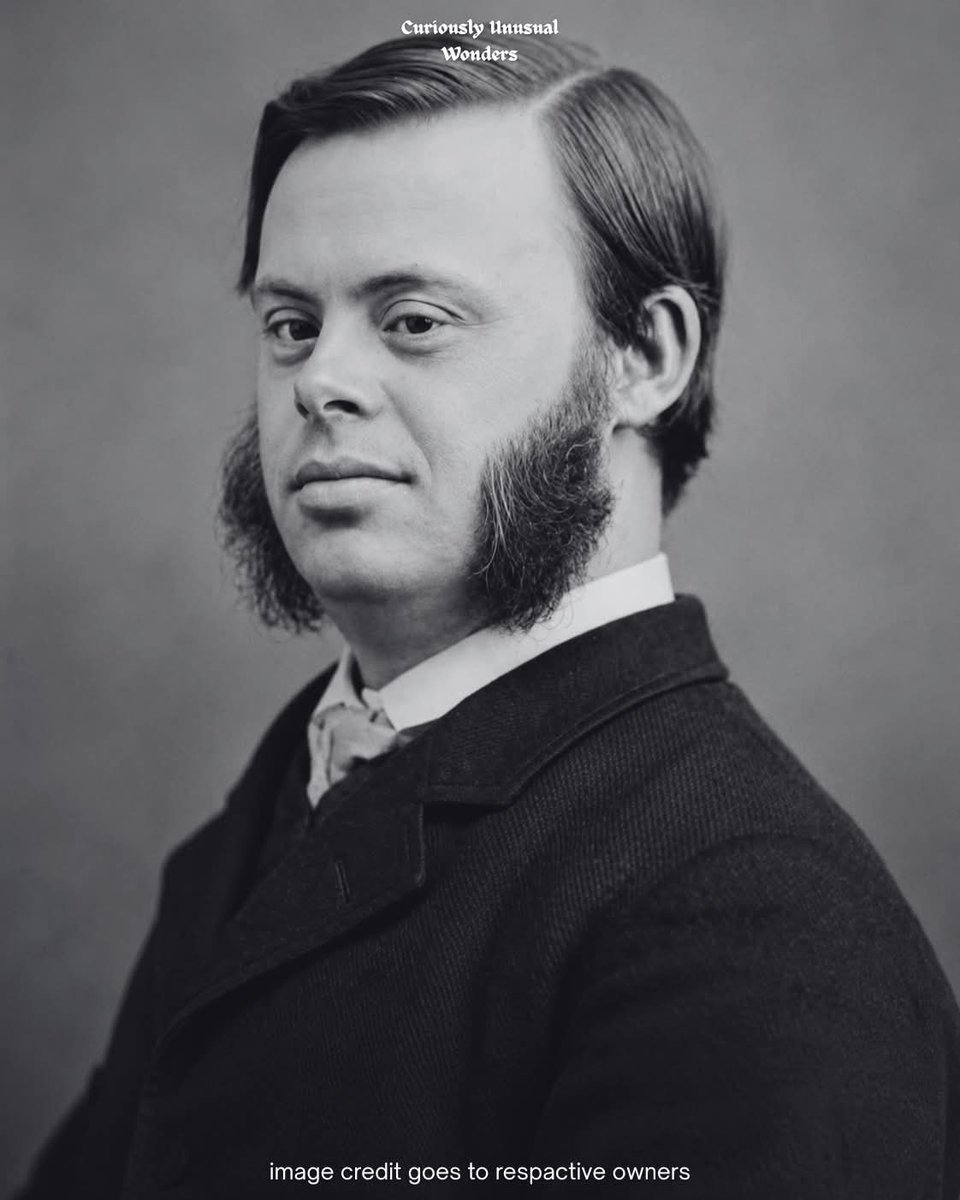
In 1858, a young doctor named John Langdon Down accepted a job that no ambitious physician wanted. He was being sent to run the Royal Earlswood Asylum in Surrey — a place where people with intellectual disabilities were warehoused rather than cared for. The floors were filthy. The staff was brutal. Physical punishment was routine. The residents were dressed in rags, fed poorly, and treated as problems to be contained rather than people to be known. Down was 30 years old. He could have managed the place from a distance, filed his reports, and moved on to a more prestigious posting. Instead, he walked the wards every day. He learned his patients' names. And he saw something that apparently no one else had bothered to look for — people. His first acts weren't medical. He fired abusive staff. He banned physical punishment entirely. He ordered proper food, clean clothes, and fresh air. Then he told his colleagues something that would have sounded almost absurd in 1858: that a doctor's primary duty was to be a friend to their patient, and that their happiness mattered as much as their health. After years of careful, meticulous observation, Down published a landmark paper in 1866 describing a specific pattern of physical and developmental characteristics he had identified in some of his patients. His original terminology reflected the racial theories of his era and was later rightfully abandoned. But his clinical observations were so precise and so thorough that nearly a century later, the medical community honored him by naming the condition he had described. We know it today as Down syndrome. He also began photographing his patients — not as clinical specimens, but as individuals. He dressed them in their finest clothes. He gave them dignity in a frame. In an age when such people were deliberately hidden from society, that simple act of portraiture was quietly radical. By 1868, Down had grown frustrated with the asylum's governors. When they refused to fund an exhibition of artwork created by the residents, he made a decision that would define the rest of his life. He resigned. He and his wife Mary purchased a large home in Teddington and turned it into something the world had never quite seen before. They called it Normansfield — and it was not a hospital. It was a home. Residents grew food in gardens Down planted himself. They learned trades. They were taught to read and write whenever possible. They were given structure, fresh air, and the revolutionary expectation that they were capable of growth. Then, in 1879, Down built something that still stops people when they first hear about it. A theater. A full, proper theater — with a stage, real seating, and proper acoustics — on the grounds of a care facility for people society had written off as uneducable. Why? Because Down believed that art, music, and performance weren't luxuries. They were necessities. They were part of what it meant to be human — and his patients, he insisted, were fully human. Every week, residents took that stage. They performed plays. They sang. They stood in the spotlight and received applause. For many of them, it was the first time anyone had ever clapped for them. Normansfield flourished for over a century. Families who had been told their children had no future began seeing something they had nearly stopped believing in — progress, joy, and a life worth living. By 1876, the community was home to around 160 residents. When Down died in 1896, his sons carried the work forward. Normansfield remained a home until 1997. Today, the site houses the Langdon Down Museum of Learning Disability and serves as headquarters for the Down's Syndrome Association in the United Kingdom. The theater he built in 1879 still stands. Beautifully restored. Still hosting performances more than 140 years later. John Langdon Down advanced medical knowledge — but that may not have been his greatest contribution. What he really did was challenge a foundational assumption of his age: that some lives were worth less than others. He proved, through daily practice and stubborn conviction, that every person has something to offer — and that the right environment, offered with patience and genuine respect, can reveal it. The world he was born into locked its most vulnerable people away in darkness. The world he left behind had, in some small but permanent way, begun to let the light in.
Crazy Vibes tweet media
English
19
235
756
36K
Specodi
Specodi@Specodi·
@mattiMcPatti @mmaher70 And it doesn’t take long for savings to be depleted and to lose your home, your community and your foothold.
English
0
0
1
3
matt pain seeking humanity in government 🥺
@mmaher70 Care cancelled. NHS cancelled. Judiciary cancelled. All happened to a previous high tax payer who was diagnosed with a terminal illness. IT COULD BE YOU AT ANY POINT IN YOUR LIFE. Left to die, no dignity, begging for help and being ignored.
English
2
1
3
67
Specodi がリツイート
michelle maher
michelle maher@mmaher70·
There's a group of severely disabled people in poverty UK They don't get the means tested benefit We might get help with prescriptions, and council tax due to low income No help in paying mortgages No cost of living payments Loss of Warm Home Discount #BBclaurak #Heatoreat
English
2
29
54
1.5K
Specodi がリツイート
Sarah Wilkinson
Sarah Wilkinson@swilkinsonbc·
Kidnapped in int’l waters, Saif AbuKeshek from the @gbsumudflotilla lands in Spain after being released by the israelis | via @M_shebrawy3
English
16
221
534
5.1K
Specodi がリツイート
Andy Davies
Andy Davies@adavies4·
A short family story about Plaid Cymru leader Rhun ap Iorwerth - clearly destined for politics from a VERY early age - as told to me yesterday by his (exceptionally proud) father Edward Have a watch... #c4news🎥@MackesonPaul
English
4
58
427
21K
Specodi がリツイート
Sophia ❣️
Sophia ❣️@KeruboSk·
ADHD / Neurodivergent people in public be like: 1. Rehearsing a simple “thank you” in their head before ordering food. 2. Walking into a room confidently… then immediately forgetting why they came there. 3. Saying “you too” to literally everything. “Enjoy your meal.” “You too.” 4. Avoiding eye contact so hard they accidentally look suspicious. 5. Mentally preparing for a phone call for 3 business days. 6. Standing in the supermarket frozen because there are too many cereal options. 7. Interrupting because they’ll forget the thought in 0.4 seconds if they don’t say it NOW.
English
15
50
235
5.9K
Specodi がリツイート
Kelly
Kelly@broadwaybabyto·
Disabled people desperately need safe, secure and affordable housing. Control over one’s environment is essential when you’re chronically ill. Housing insecurity worsens overall health. We could easily provide for everyone, but ableism makes society blame the sick instead.
English
11
166
519
5.1K
Specodi がリツイート
PsyPost.org
PsyPost.org@PsyPost·
Children who struggle to control their emotional outbursts at age seven are significantly more likely to develop anxiety and depression as teenagers, according to a new study. dlvr.it/TSSRHW
English
1
25
60
2.6K
Bob Morgan 🇬🇧🇺🇦 💙
If Farage becomes PM: he will be hostile and dictatorial towards his Cabinet. His Cabinet will be poorly skilled and mostly incompetent so as not present a threat to him. He will make decisions based on his needs and not those of the Country. He will sow hate and mistrust amongst citizens to make them more dependant on him.
English
2K
360
1.3K
62.1K
Specodi がリツイート
Give A Shit About Nature
Give A Shit About Nature@giveashitnature·
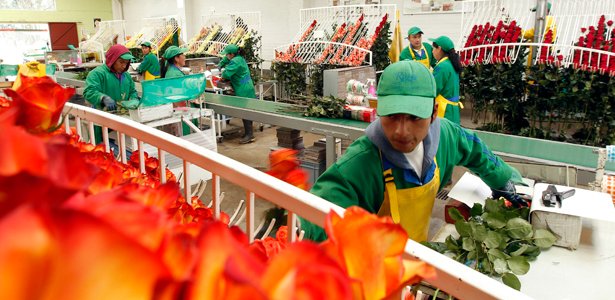
The flowers at your grocery store probably came from somewhere ugly. About 80% of cut flowers sold in the US come from Colombia, Ecuador, or Kenya, all warm-climate countries with weak labor protections and minimal pesticide oversight. Cut flowers aren't food, so the chemicals applied to them aren't regulated the way pesticides on produce are. A 2016 Belgian study found 107 different active pesticides on grocery-store cut flowers, some at concentrations 1,000 times higher than the legal limit for food crops. Two-thirds of Ecuadorian flower workers report headaches, nausea, miscarriages, or neurological problems. In Kenya, where 70% of flower workers are women, sexual harassment by male supervisors is widespread enough to be considered an industry norm. Lake Naivasha, the heart of Kenya's flower industry, has experienced massive fish die-offs and water table contamination linked to flower farm runoff. Your bouquet sits at the end of a supply chain that poisoned a lake, a worker, and a watershed. Better options: locally grown flowers from a farmers market or "slow flower" farm, Veriflora or Florverde-certified imports, or skip the cut flowers and gift a potted plant that lasts longer than a week. Where did your mother's day bouquet come from?
Give A Shit About Nature tweet media
English
6
62
147
2.3K
Shaun Lintern
Shaun Lintern@ShaunLintern·
🚨 GPs and hospitals will be forced to share patient data with each other in a push by Labour to join up siloed parts of the NHS, under legislation set to be announced in the King’s Speech on Wednesday thetimes.com/article/3feeab…
English
53
35
130
35.1K