📅 March 20, 1899 — America at War in the Philippines
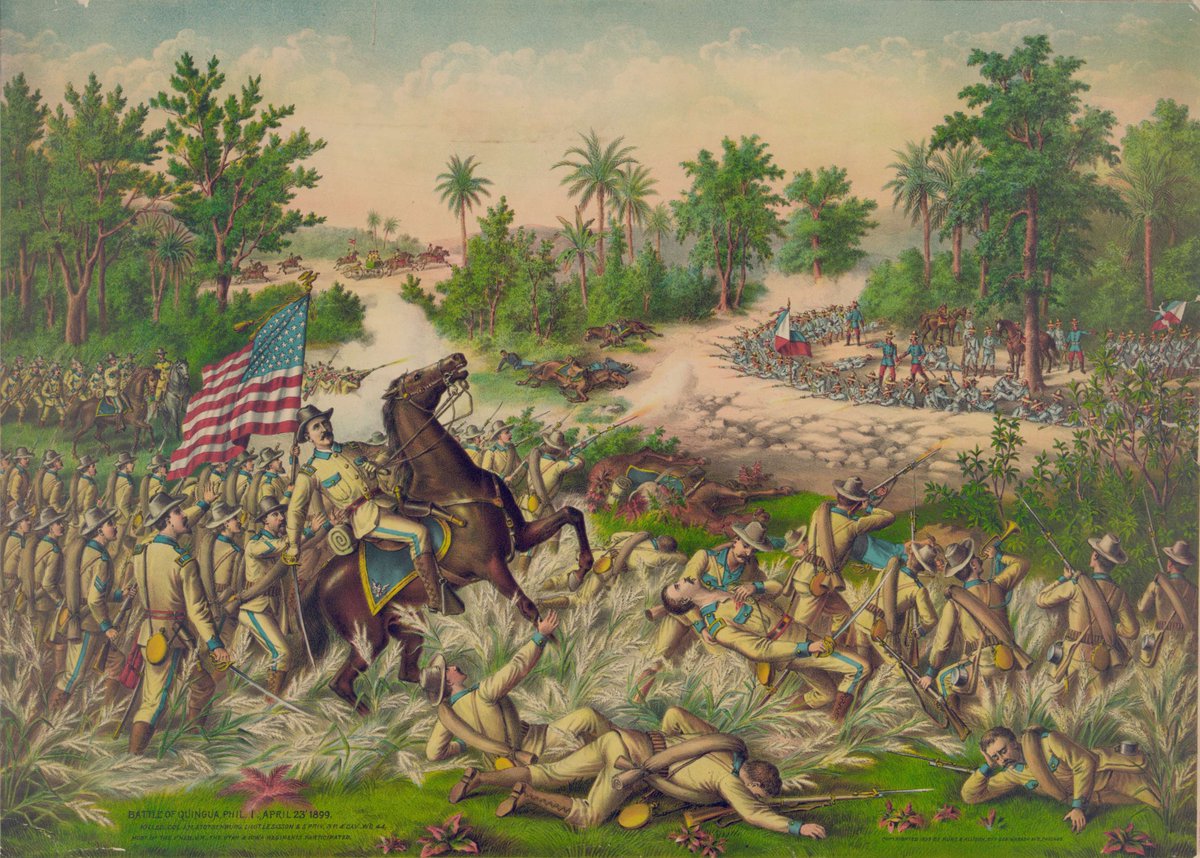
Just weeks after fighting erupted between U.S. forces and Filipino revolutionaries, American troops were pushing beyond Manila as the Philippine–American War intensified.
The United States had defeated Spain in 1898. Now the question was: what came next?
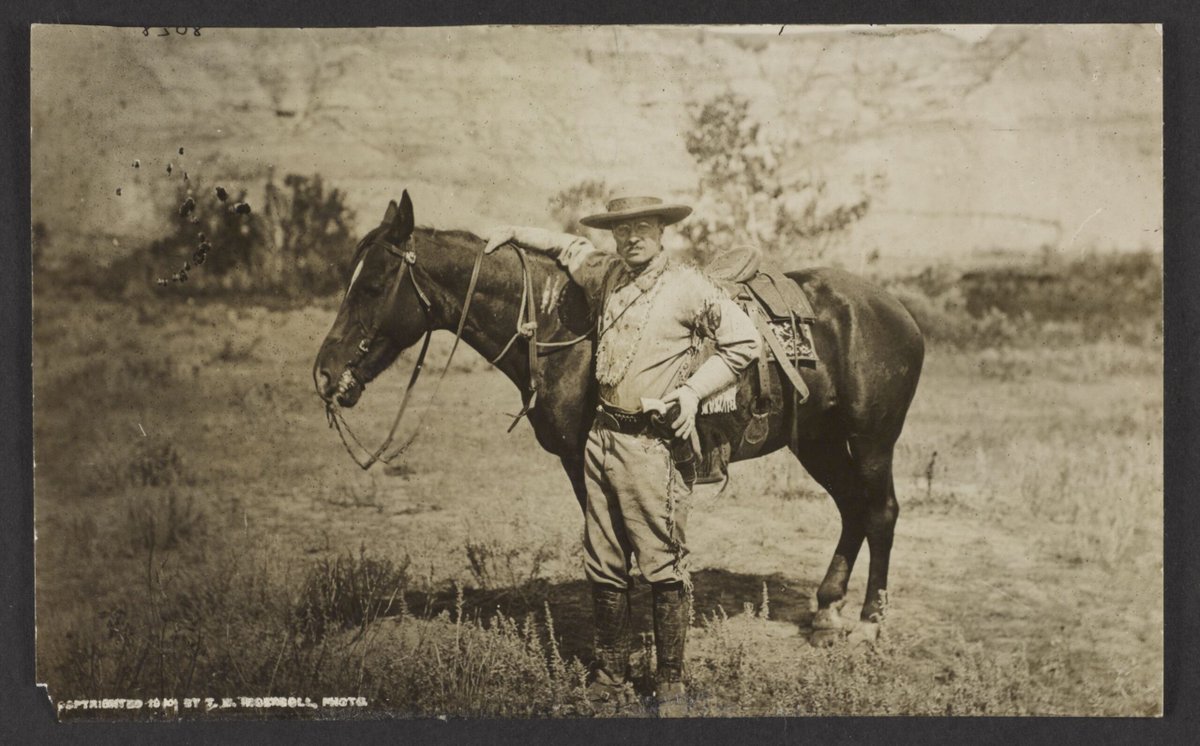
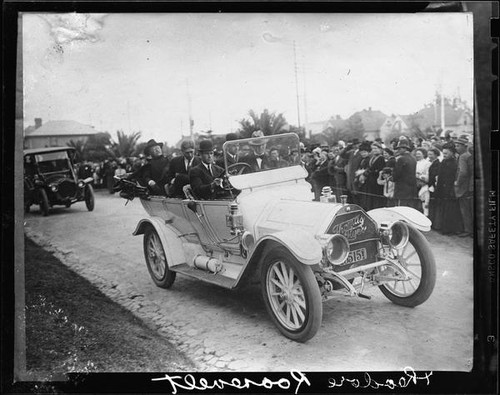
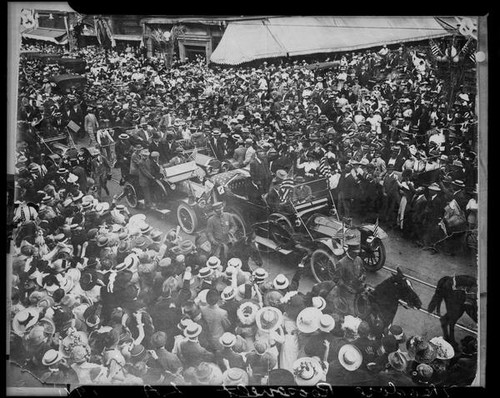
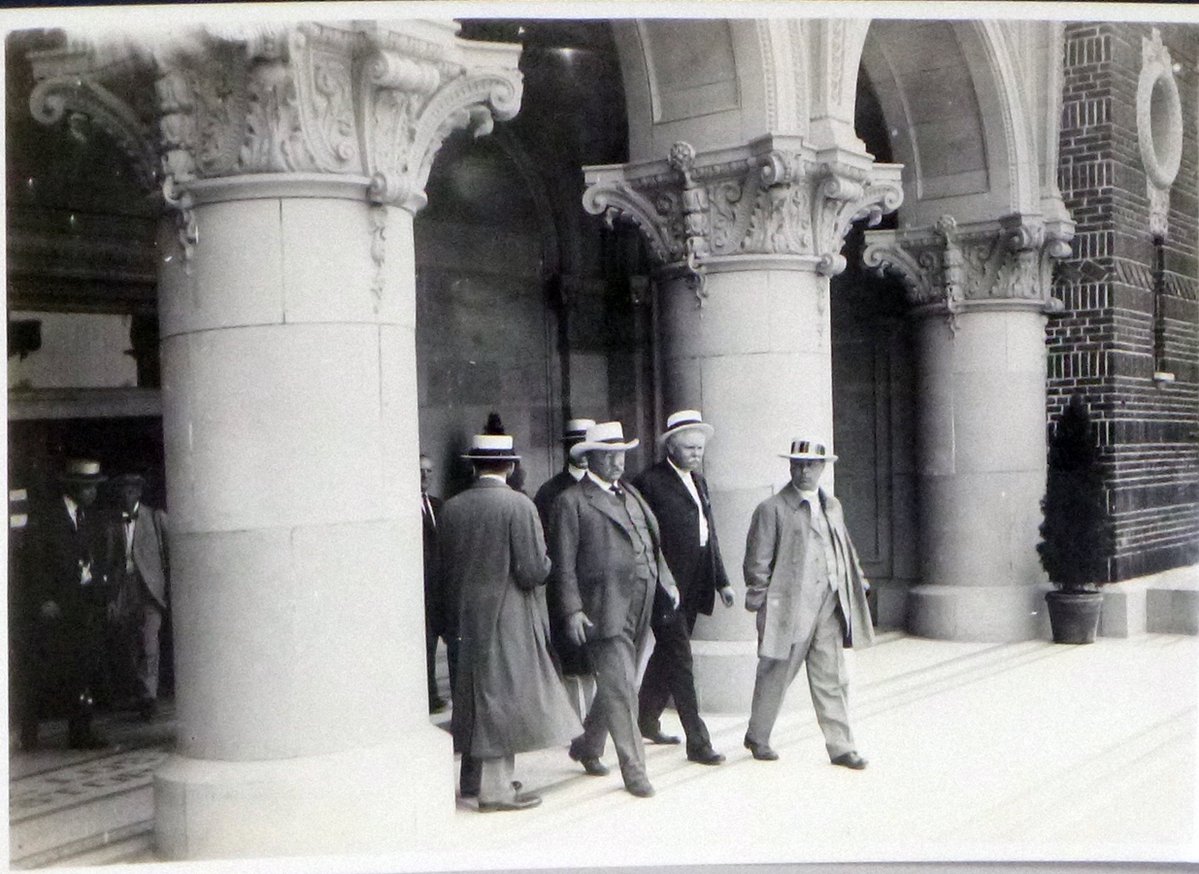
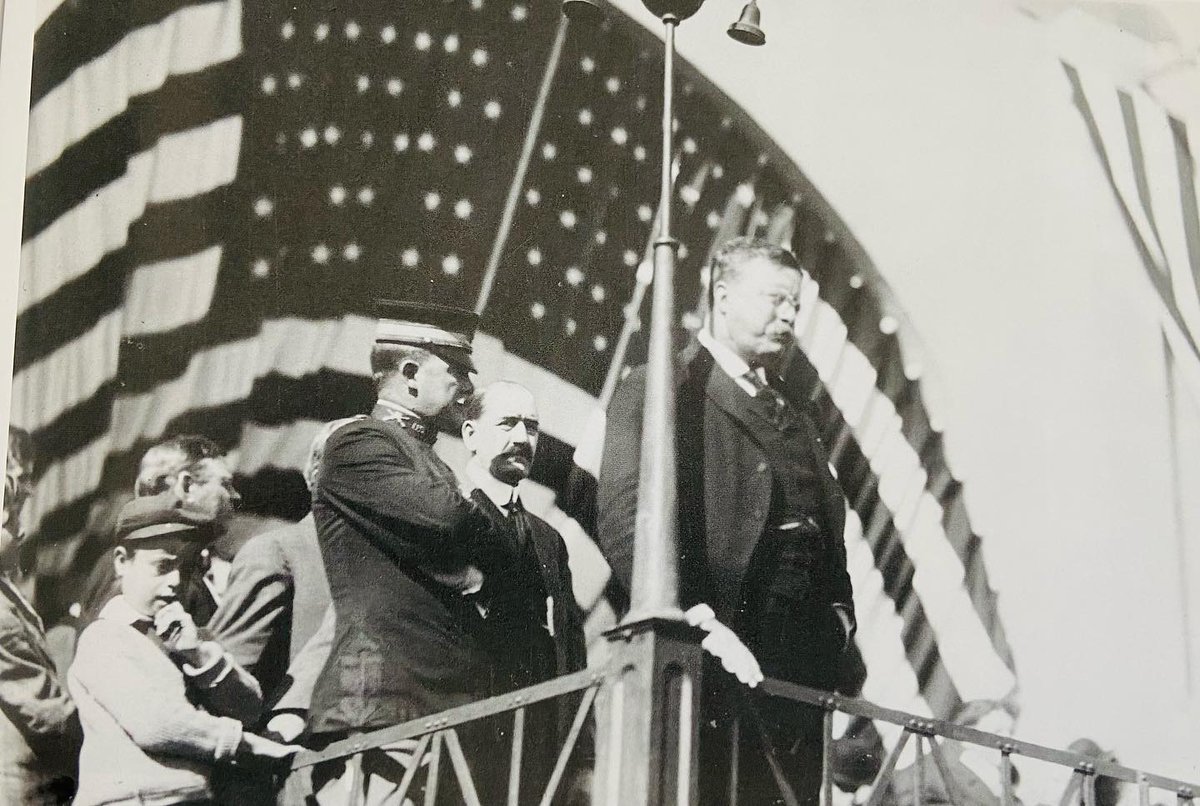
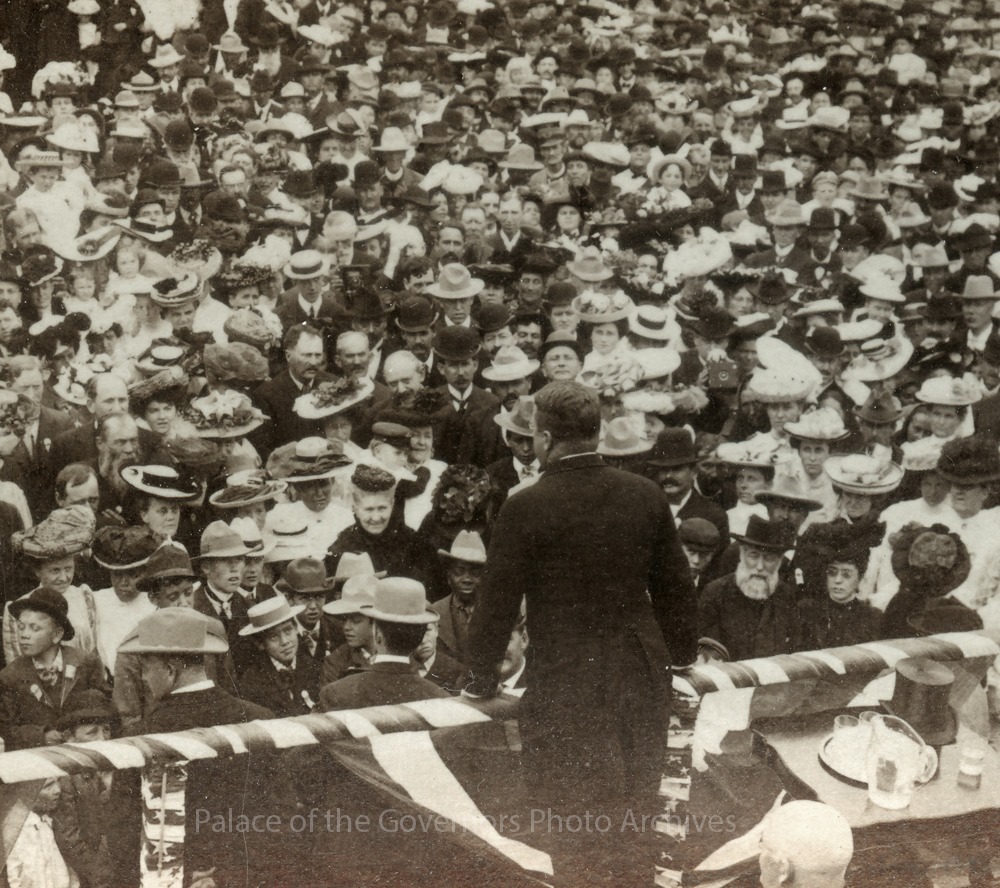
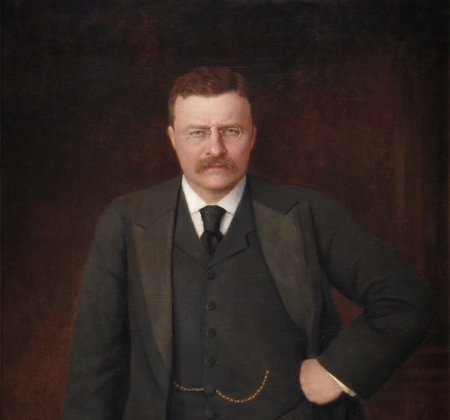
In Albany, Governor Theodore Roosevelt was watching closely—and speaking forcefully.
A hero of San Juan Hill only months earlier, Roosevelt supported maintaining American control of the Philippines. In speeches and private letters, he argued that once the United States had defeated Spain, it could not “flinch” from responsibility. Withdrawal, he believed, would invite instability, weaken American credibility, and signal national weakness at a moment when the country was emerging as a global power.
The debate was fierce. The Anti-Imperialist League—figures like Mark Twain and Andrew Carnegie—argued that overseas rule betrayed American ideals. Roosevelt rejected that view. He framed expansion in terms of duty, preparedness, and national honor.
The Philippine conflict sharpened themes that would define his presidency:
• A strong navy and military readiness
• American engagement on the world stage
• Executive resolve in foreign affairs
Within a year, Roosevelt would be elected Vice President. Within two, he would be President.
March 1899 sits at the pivot—when the Rough Rider was becoming a national voice for American power in a new century.
#TheodoreRoosevelt #PhilippineAmericanWar #AmericanHistory #Preparedness #TurnOfTheCentury
English