
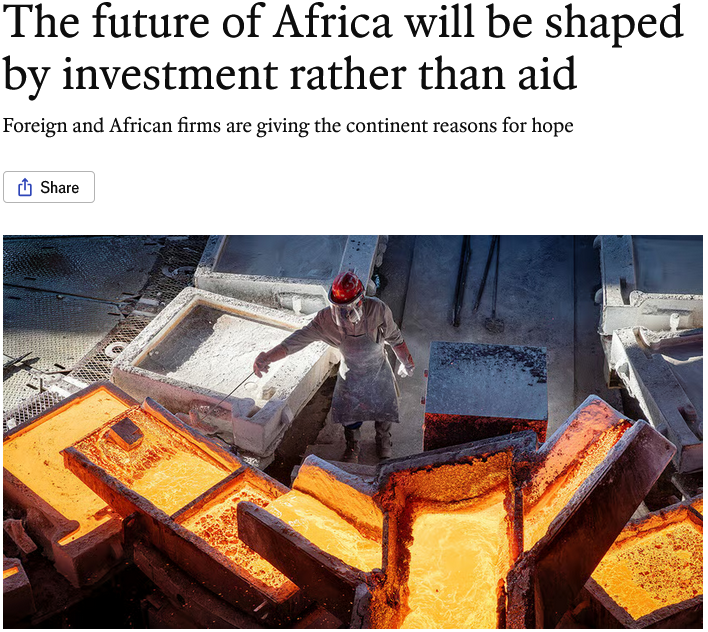
This piece by @TheEconomist picks up on a familiar shift and a topic that keeps showing up in conversation.
Capital is available across Africa, including sizeable domestic pools, but moving it is the challenge. Funds are not consistently reaching the enterprises and sectors that need them most.
Part of that stems from macro instability, but much of it is structural. Shallow capital markets, inconsistent regulatory environments, and limited risk appetite create a bottleneck resulting in what feels like an hourglass effect where resources are at the top, demand is at the bottom, and very little passes through the middle.
The gap is more striking when you look at institutional capital. For example, pension funds are heavily allocated to government securities, while SMEs struggle to access patient, local currency financing. That disconnect leaves a gap between long-term domestic capital and the productive sectors that can absorb it.
Surprisingly, the investment activity we are seeing in Africa already signals confidence. As global attention shifts to new markets, the continent is well-positioned to attract more capital. However, the harder work lies closer to home, including deepening local capital markets, building credible investment vehicles, and creating avenues for institutional capital to participate actively. Until that middle layer functions better, the flow will remain constrained, regardless of how much capital sits on either end.
Here is the link to the full article: economist.com/international/…
English