kk がリツイート
kk
8.5K posts


kk がリツイート

ÚLTIMA HORA: Se cayó el acuerdo de Trump.
Irán acaba de anunciar oficialmente que el estrecho de Ormuz se ha cerrado en respuesta a los ataques israelíes en Líbano.
¡Esta es la mejor oportunidad para reanudar los ataques y ANIQUILAR a la República Islámica de una vez por todas!
Español
kk がリツイート

kk がリツイート

kk がリツイート
@vplusasia 成長力を失い他者を誹謗中傷する国民だらけの国に留まり続ける理由が解りません。今後、成長しまくる確定のベトナムに帰って資本投資する方が遥かにリターンが期待できるような気がするんですけど。。。
日本語
私のポストに絡んでくるネトウヨの多くは、教養が皆無に等しい。言葉を尽くしても、彼らに届くことはない。
よく「ネトウヨは子供」と言われるが、それは子供に失礼だ。子供は教えれば学び、成長するが、彼らは理解することを拒み、停滞し続ける。
つまり、彼らの精神性は「子供以下」なのだ。
しかし、彼らの支離滅裂なポストから、現代日本社会に潜む「病理の一端」を観察できるのは、唯一の利点かもしれない。
Tran Van Quyen(チャン・バン.クエン)@vplusasia
「個人の解釈」を「法」と同列に置くという、法治国家にあるまじき思考のサンプルを提示していただき、感謝します。 おかげで、日本社会に根を張る「主観的なマナーという名の暴力」が、いかにして差別や排斥の正当化に使われているかを、多くの人に分かりやすく分析・共有することができました。 自分の無知を「思想の自由」にすり替えるその姿勢、非常に勉強になる「反面教師」でしたよ。
日本語
kk がリツイート

安倍晋三搞的,为了刺激经济疯狂印钱。养活了大批没有效率的僵尸企业,把国库给掏空了。财政纪律的金身一旦破坏,政府就养成了花钱大手大脚的习惯。钱不够了就发国债,然后让央行去背。最后就欠了一屁股债,现在根本不可能还得上了
Steven · 爱乌@kuanghuanlonga1
@Konekoutena 为啥会欠这么多债?
中文
kk がリツイート
2045年までで、日系自動車メーカーは、2〜3社しか残らないだろう。
トヨタとスズキ、もう一社ぐらい。
雇用は半分になる。
Clash Report@clashreport
Honda’s CEO warned after visiting China: “We have no chance against this,” referring to China’s ultra-fast, low-cost auto supply chain. Other leaders are also alarmed: Ford’s CEO warned China could “put us all out of business,” and Toyota said, “Unless things change, we will not survive.” Source: Motor1
日本語
kk がリツイート

高市政権には、中国とロシアとまともな外交して欲しい
別に中国やロシアの軍艦の甲板上で踊って欲しく無いし、プーチンや習近平に抱き着けとも思わない
相手国に媚ない、知性のある外交を望んでいるだけ
日本語
kk がリツイート

経済発展で世界基準の人工的で無機質なつまらない街並みになっちまった…バンコク特有の歴史や文化を感じさせる古い建物がぶち壊されてどこも同じような高層ビルとショッピングモールに変わっちゃったね…笑
リーさん🇹🇭WEBライター@AsiaThailand208
これがタイのバンコクです。 日本から来た友人は必ず「想像と違う」と驚きます。 高層ビル、渋滞、屋台、モール。 そして人の欲望までが、むき出しのまま共存している都市です。
日本語
kk がリツイート
米・イランが共同でホルムズ海峡の通行料を徴収して分けよう、というトランプの発言。
「通行料を取るとはテロリストだ!」と騒いだネトウヨは、トランプをテロリストと言うべき。言わないなら卑怯な弱虫。
OSINTdefender@sentdefender
During an interview this morning ABC News, President Donald J. Trump appeared to endorse a condition by Iran in last night’s ceasefire that allows them to charge tolls on ships transiting the Strait of Hormuz, claiming that the fees may by a “joint venture” between Iran and the United States. “We’re thinking of doing it as a joint venture. It’s a way of securing it - also securing it from lots of other people. It’s a beautiful thing.”
日本語
kk がリツイート
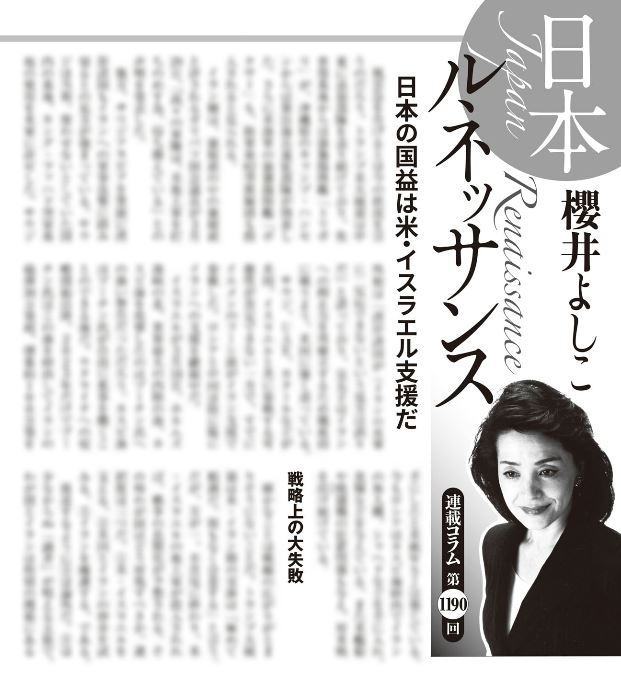
櫻井よしこ氏はジャーナリストではなく、活動家・扇動家の類だと思う。
彼女は衆院選期間中の1/29、萩生田光一氏の総決起集会に来賓として招かれ萩生田氏を礼賛していた。まともなジャーナリストはこんな真似はしない。
さて、週刊新潮4月9日号掲載の櫻井氏の連載記事「日本ルネッサンス」は最悪だ。
こともあろうに「日本の国益は米・イスラエル支援だ」と言い切っている。
しかし読めば何のことはない、桜井氏はイスラエルの利害関係者であることが分かる。
その証拠に駐日イスラエル大使ギラッド・コーヘン氏を自身のシンクタンクに招いたりもしている。そんな人間に正確なイラン情勢の評価など期待できない。
NATOの一員でありながらアメリカ・イスラエルに異を唱えるイタリア、スペインが存在する一方で、日本は相変わらず馬鹿の一つ覚えのように対米従属から脱皮できず、自立した外交ができないでいる。
そんな中で、櫻井よしこ氏のような存在は、日本の「アメリカ尻舐め外交」を国民に容認させる意味で、実に使い途のある活動家・扇動家なのだ。
日本語
kk がリツイート
高市早苗は国会で約束した通り、イラン大統領に電話をかけた。これが初めての対話。しかし高市はイランがホルムズ海峡に通行料を課する権利はないと批難しただけだった。これは交渉ではない。日本の長年の友好国イランと敵対し、状況を悪くするだけ。国益を損ねることしかしない
Shanaka Anslem Perera ⚡@shanaka86
JUST IN: Japan’s Prime Minister just called Iran’s President. Twenty-five minutes. The first top-level contact between Tokyo and Tehran since the war began. And every word Takaichi chose was a weapon disguised as diplomacy. She called the Strait of Hormuz a vital artery for global logistics and an international public good. That phrase, international public good, is the most precisely calibrated language any leader has used since the ceasefire was announced. It is a direct legal rejection of Iran’s toll system without naming it. Under international law, a public good cannot be privatised. A public good cannot charge admission. A public good cannot require a secret code from an IRGC intermediary, a yuan payment to a military contractor, and an armed escort through territorial waters near Larak Island. Takaichi did not say this by accident. Japan imports 94.2 percent of its crude oil from Arab nations, nearly all of it transiting Hormuz. In February 2026, Japan imported 74.13 million barrels of crude. The effective closure of Hormuz forced Tokyo to release 80 million barrels from its national strategic reserves, enough to cover 45 days of domestic demand. The Nikkei has fallen 11 percent since the war began. The yen weakened to 20-month lows. The Bank of Japan warned of oil-driven inflation and markets are pricing a 70 percent chance of a rate hike this month. Japan’s entire economic stability is tethered to a 34-kilometre channel that an IRGC military council now controls through a toll booth it legislated on March 31. Takaichi’s call adds Japan to the coalition that is forming against the toll precedent. Oman’s transport minister told parliament today that international agreements prohibit Hormuz fees. Saudi Arabia, the UAE, and Bahrain called the tolls unacceptable. Trump offered to help with the traffic buildup. And now Japan, the world’s fourth-largest economy, has formally defined the strait as an international public good on a direct call with the Iranian president, creating a diplomatic record that can be cited at Islamabad on Friday and at every international forum thereafter. But Takaichi also spoke to Pezeshkian, not to the IRGC military council that actually runs the toll booth. Pezeshkian is the civilian president of a regime where the civilian president does not control the military, the intelligence apparatus, the provincial commands, or the strait. Takaichi’s statement will be filed in Tokyo. The IRGC’s clearance codes will still be issued at Larak. The gap between what diplomats say and what military operators do is the gap the ceasefire was built on, and it is the gap that will determine whether the toll precedent becomes permanent. Japan released 80 million barrels of reserves because it could not access the strait. It will now pay tolls to access the strait, or reroute around the Cape of Good Hope at $5 per barrel in additional shipping costs, or rely on US naval escorts that Trump described as “hangin’ around” to make sure everything goes well. None of these options restore the status quo ante. The strait that was free before the war is now either tolled, militarised, or both, and Japan’s 94 percent dependence means it absorbs the cost regardless of which option it chooses. The Strait of Hormuz was an international public good. It is now a contested chokepoint. And the distance between those two descriptions is measured in yuan. open.substack.com/pub/shanakaans…
日本語
@ShinodaHideaki と言うか、CIAの資金提供を受けてる方々なので^^;
世界経済を破壊するトランプを持ち上げてる売国奴はCIAに資金提供してもらってる守銭奴にしか見えないのですけど^^;
日本語
kk がリツイート

日本のインフルエンサーの方々は、あらゆる方面の知恵を絞って何とか「中国も損をした」と言えないのか大検討会議に入るだろうし、破綻した内容でも何か言えばまだ買ってくれる人もいるかもしれないし、国際政治学者の方々は「さあ気を取り直して中国の認知戦に勝つぞ国民運動にあらためて邁進だ」をするのかもしれないけど、いずれも日本国内だけの人気取り以上の意味はないだろう。
الأحداث الإيرانية@WMX_MEDIA
🔴 عاجل: 🇨🇳 جاء هذا الاختراق في المفاوضات بعد أن وعدت الصين بأن تكون ضامنة لقبول الولايات المتحدة "بعض الشروط الإيرانية على الأقل" الواردة في إطار النقاط العشر. وفي بادرة ثقة، استخدمت الصين حق النقض (الفيتو) ضد قرار لمجلس الأمن الدولي بشأن مضيق هرمز في وقت سابق من اليوم، على الرغم من أن الأزمة تؤثر على الصين نفسها - مصادر نقلت عن ميدل إيست سبيكتاتور
日本語
kk がリツイート