Mario Nawfal@MarioNawfal
🚨🇮🇷🇺🇸 THE STEALTH MYTH JUST TOOK A HIT, AND THAT SHOULD WORRY EVERYONE
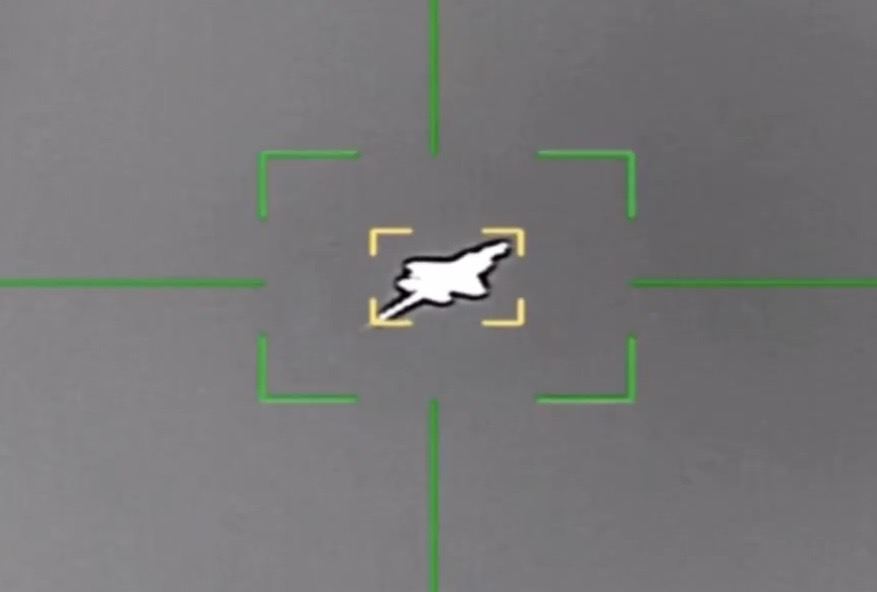
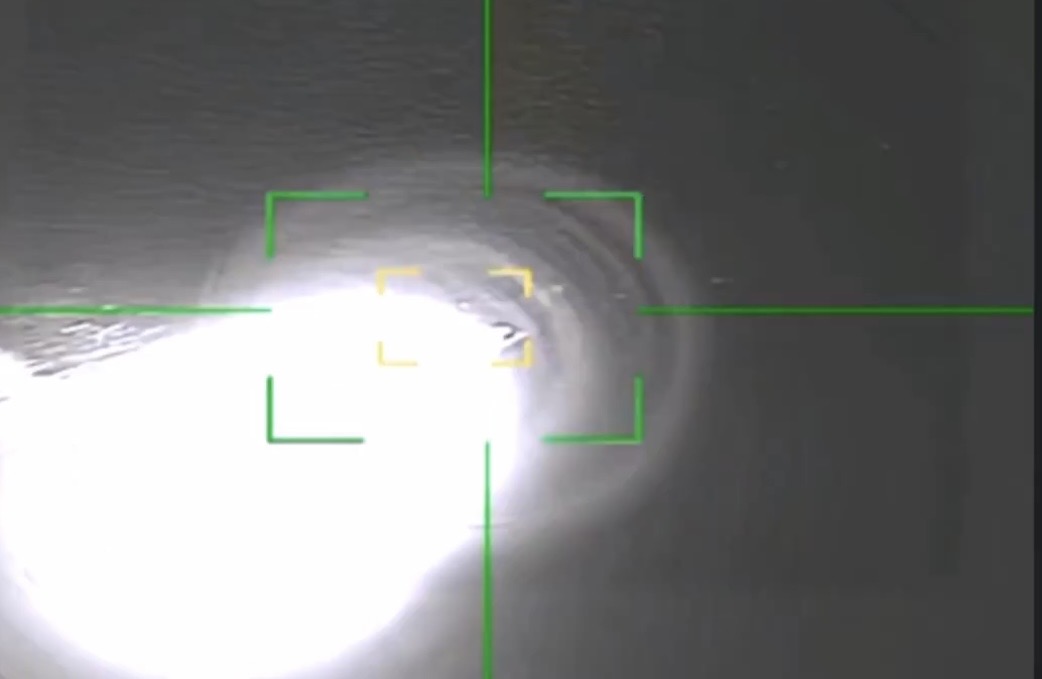
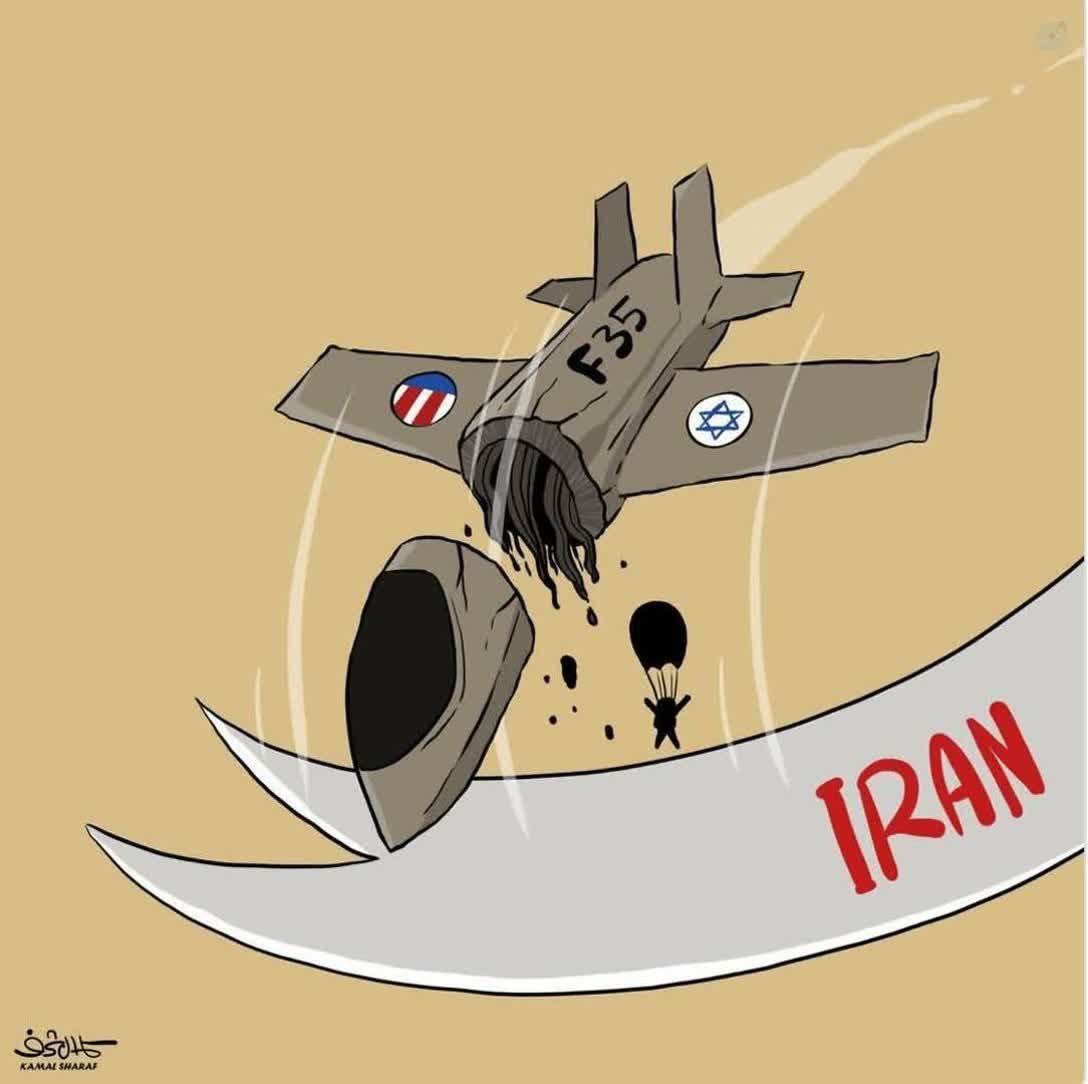
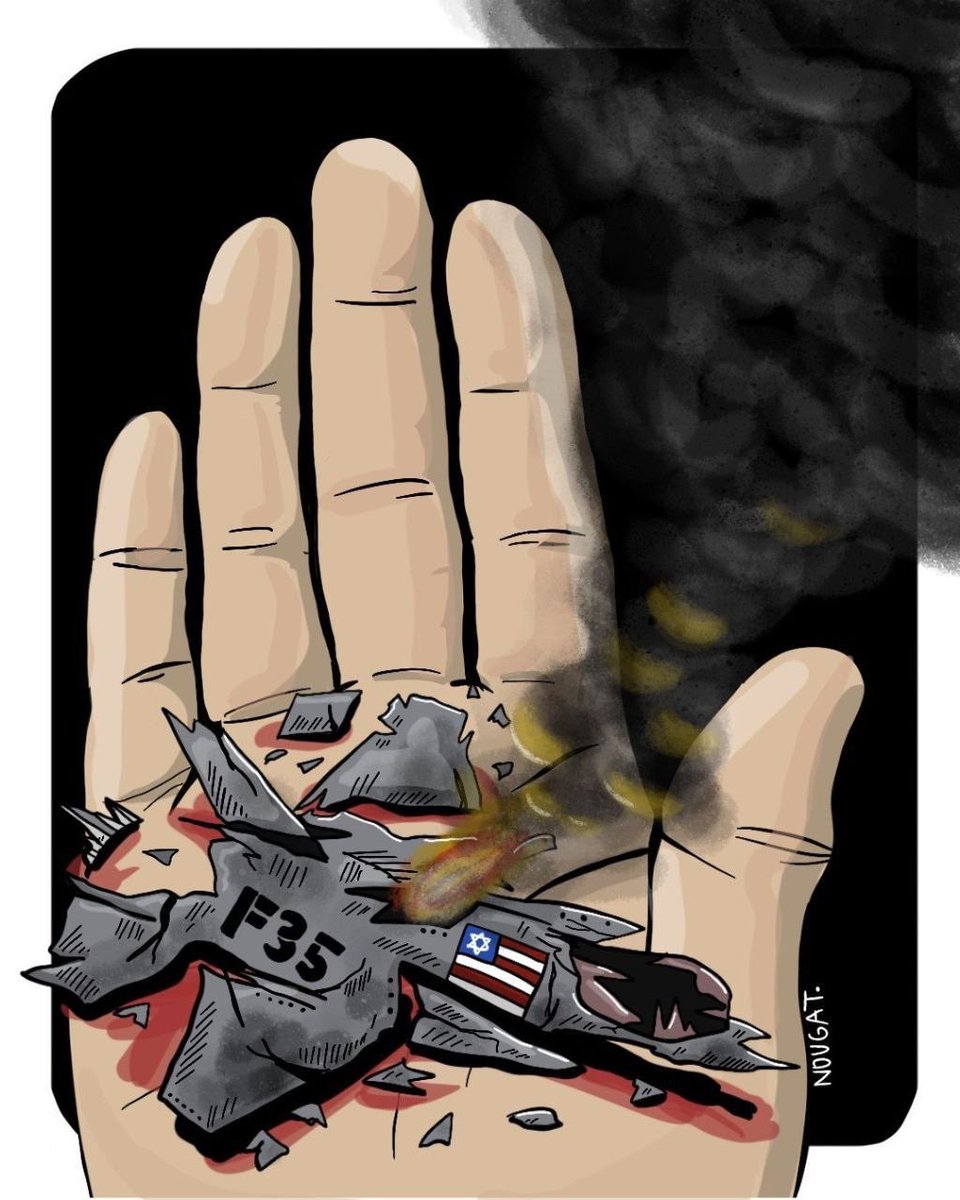
A U.S. F-35, the crown jewel of modern airpower, just limped home after taking fire over Iran.
Not destroyed. Not confirmed shot down. But hit. And that alone changes the conversation.
For years, the F-35 has been sold as invisible, untouchable. A jet designed to slip through enemy airspace like a ghost.
So what happened?
First, let’s kill the myth: stealth does not mean invisible.
Every aircraft reflects radar. The trick is reducing that signal, bending it, scattering it, shrinking it into something harder to detect.
Harder. Not impossible. And that distinction may be the whole story.
Because the skies over Iran right now aren’t a one-off mission. They’re crowded, repetitive, predictable. F-35s have been flying there a lot.
Same routes. Same altitudes. Same mission profiles. That matters.
Air defense isn’t static. It learns.
Modern systems don’t just “see” aircraft; they collect data over time. Patterns. Angles. Frequencies. Tiny radar returns that look like noise until they don’t.
Do that enough times, and the noise starts to look like a signature.
Then there’s the second possibility: this wasn’t just Iranian ingenuity.
Iran doesn’t build its air defense ecosystem in isolation. It buys. It reverse-engineers. It integrates.
Russia has spent years refining systems specifically designed to counter Western stealth.
China has invested heavily in multi-band radar, systems that trade precision for detection, spotting stealth aircraft at longer ranges even if they can’t track them perfectly.
Individually, these systems have limits. Together? They create something closer to a net.
The third explanation is the simplest and the least comfortable: War is messy.
Even the most advanced aircraft in history can be hit under the right conditions. A lucky shot. A brief exposure. A pilot forced into a less-than-ideal flight path.
The same conflict has already seen drones shot down, friendly fire incidents, and dense, overlapping air defenses lighting up the sky.
In that environment, “stealth” becomes less of a shield and more of an advantage, one that can be eroded.
If Iran, with a patchwork of imported systems and domestic improvisation, can even touch an F-35, then the future of air warfare looks very different than advertised.