Dr. Johannes Pulsfort

474 posts

Dr. Johannes Pulsfort banner
Dr. Johannes Pulsfort

Dr. Johannes Pulsfort

@jpulsfo

Co-Founder @kumo_earth

参加日 Şubat 2013
596 フォロー中136 フォロワー
Dr. Johannes Pulsfort がリツイート

Tom Fuerstner
Tom Fuerstner@kevospore·
Nobody wanted to touch the mid- to low-voltage behind-the-meter market. Too fragmented, too complex, too messy. Our AI changes that. What used to be impossible is now scalable. @RDDLNetwork
Tom Fuerstner tweet media
English
0
2
5
67
Dr. Johannes Pulsfort がリツイート
Kevin de Patoul
Kevin de Patoul@kevindepatoul·
Keyrock has acquired fija, a DeFi distribution platform. This is the next step in building the rails institutions need, bridging traditional liquidity and scalable onchain products for professional investors.
Keyrock 🔑🪨@keyrock

More venues, more clients, more onchain adoption. That’s the ambition as we announce the acquisition of @fija_finance and its transformative DeFi yield distribution platform. With fija onboard, we’re poised to scale our onchain products into the future. keyrock.com/keyrock-acquir…

English
1
2
14
2K
Dr. Johannes Pulsfort がリツイート
Tom Fuerstner
Tom Fuerstner@kevospore·
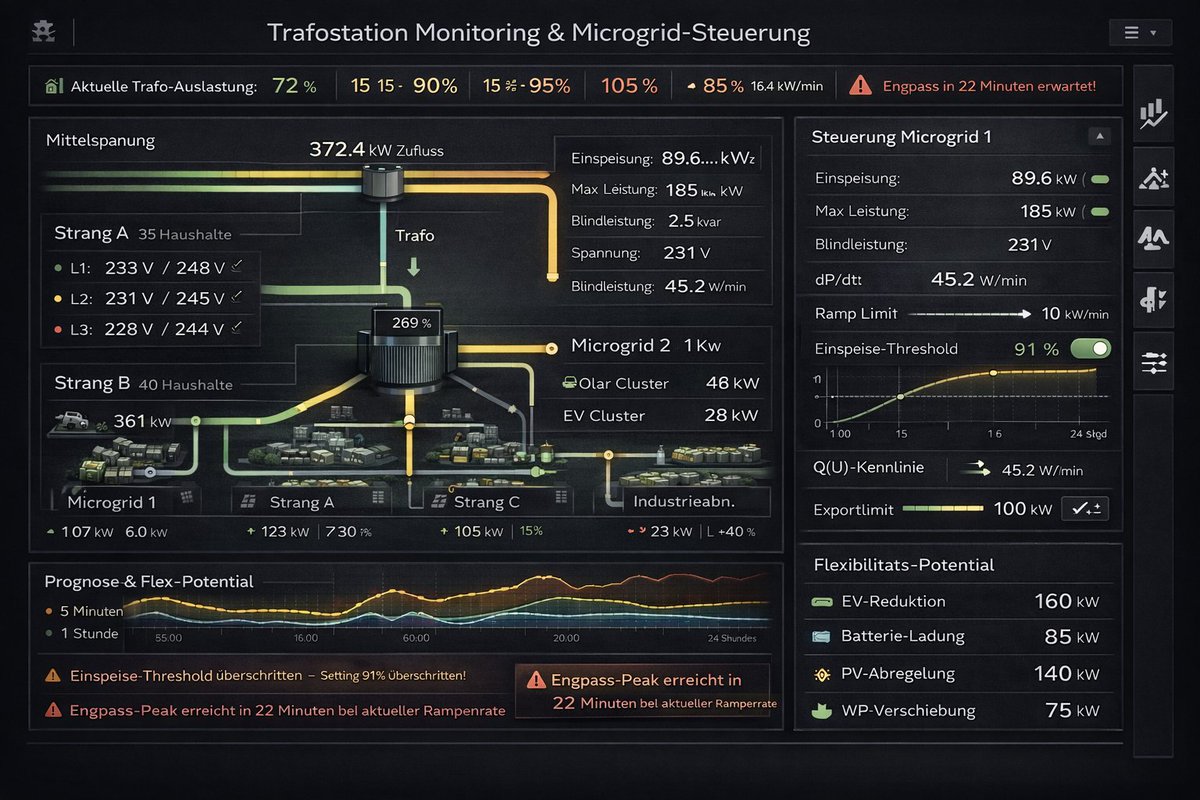
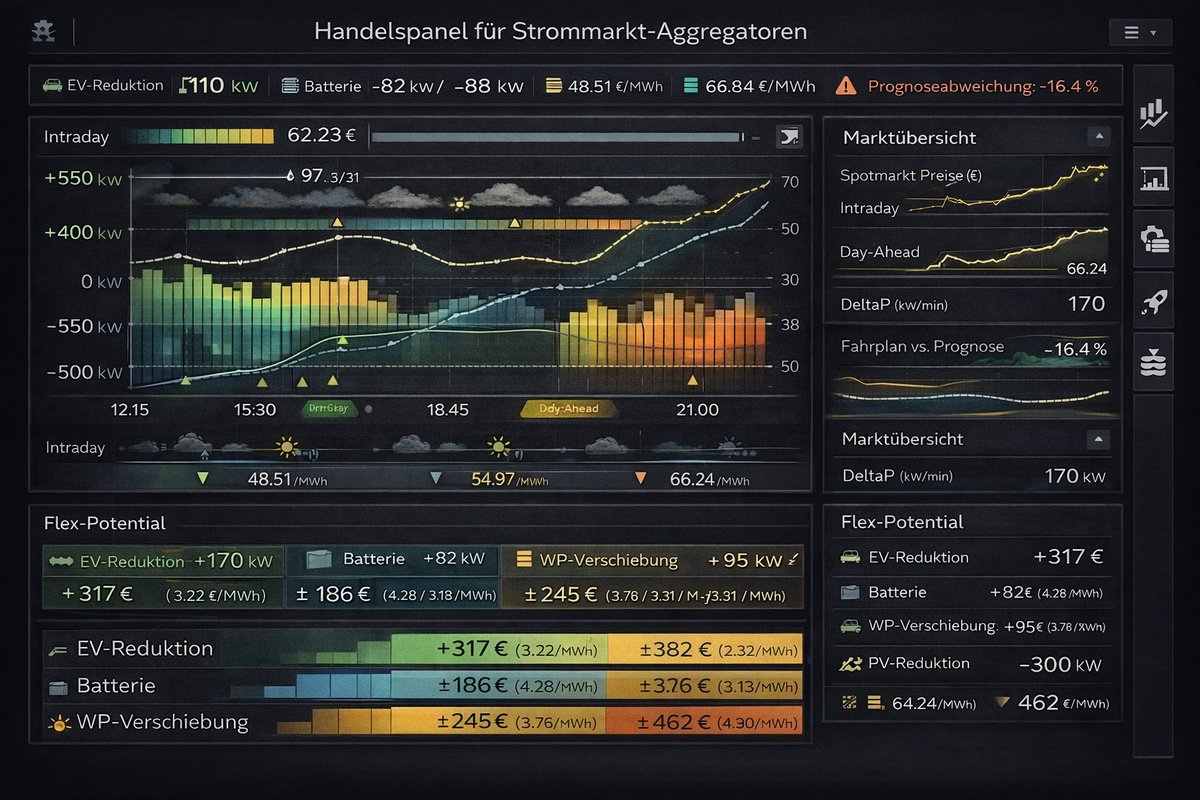
We have now the most granular electricity data spanning the whole mid- to low-voltage grid. Now we will bring everything together. Real-time monitoring, active control, ramp limits, threshold enforcement, congestion forecasting, intraday optimization None of this is possible with coarse smart meter data alone. It only works because of deep, device-level granularity across the entire low- and medium-voltage grid. When you have: • 3-phase real-time measurements • Per-asset visibility (EVs, heat pumps, PV, batteries) • Phase-level voltage & reactive power • Ramp rates • Import/export per node • Transformer load in context • Forecast and live deviation tracking …you move from metering to grid intelligence. At that point you can: – Balance phases dynamically – Detect congestion before it happens – Enforce export thresholds intelligently – Smooth PV ramps in seconds – Coordinate microgrids – Aggregate flexibility for day-ahead and intraday markets – Align local grid stability with wholesale price signals Without granular telemetry across the full LV/MV topology, you are blind to where flexibility really exists. Granularity is not a feature. It is the foundation of controllability.
Tom Fuerstner tweet mediaTom Fuerstner tweet mediaTom Fuerstner tweet mediaTom Fuerstner tweet media
English
0
1
3
158
Dr. Johannes Pulsfort がリツイート
Kevin de Patoul
Kevin de Patoul@kevindepatoul·
Tokenized equities are following the path that stablecoins trailblazed, but adoption is far from immediate. Full-chain, native issuance is on the horizon, and it’s exciting to watch the rails being built.
Brian Armstrong@brian_armstrong

Yep Tokenized equities are going to make a major positive change to the financial system, and it's going to be here very soon Best of all, the U.S. is on the frontier here

English
1
1
6
196
Dr. Johannes Pulsfort がリツイート
Tom Fuerstner
Tom Fuerstner@kevospore·
Nowadays, networked devices must manage their own key material and identities. There's a generic fieldbus-to-Zigbee/Thread/Matter gateway with an onboard secure element. It is used to protect data at rest and in transit, prove its identity, and enable secure boot and firmware updates.
Tom Fuerstner tweet media
English
0
1
2
110
Dr. Johannes Pulsfort がリツイート
Tom Fuerstner
Tom Fuerstner@kevospore·
Concerning tokenization, energy is next to Bitcoin and void of gold's disadvantages. As a right to withdraw amounts of energy, it can cross geopolitical borders as simply and reliably as Bitcoin. Just a thought. A globally available and accepted electricity-as-asset blockchain is anyway unavoidable.
English
1
2
4
160
Dr. Johannes Pulsfort がリツイート
Tom Fuerstner
Tom Fuerstner@kevospore·
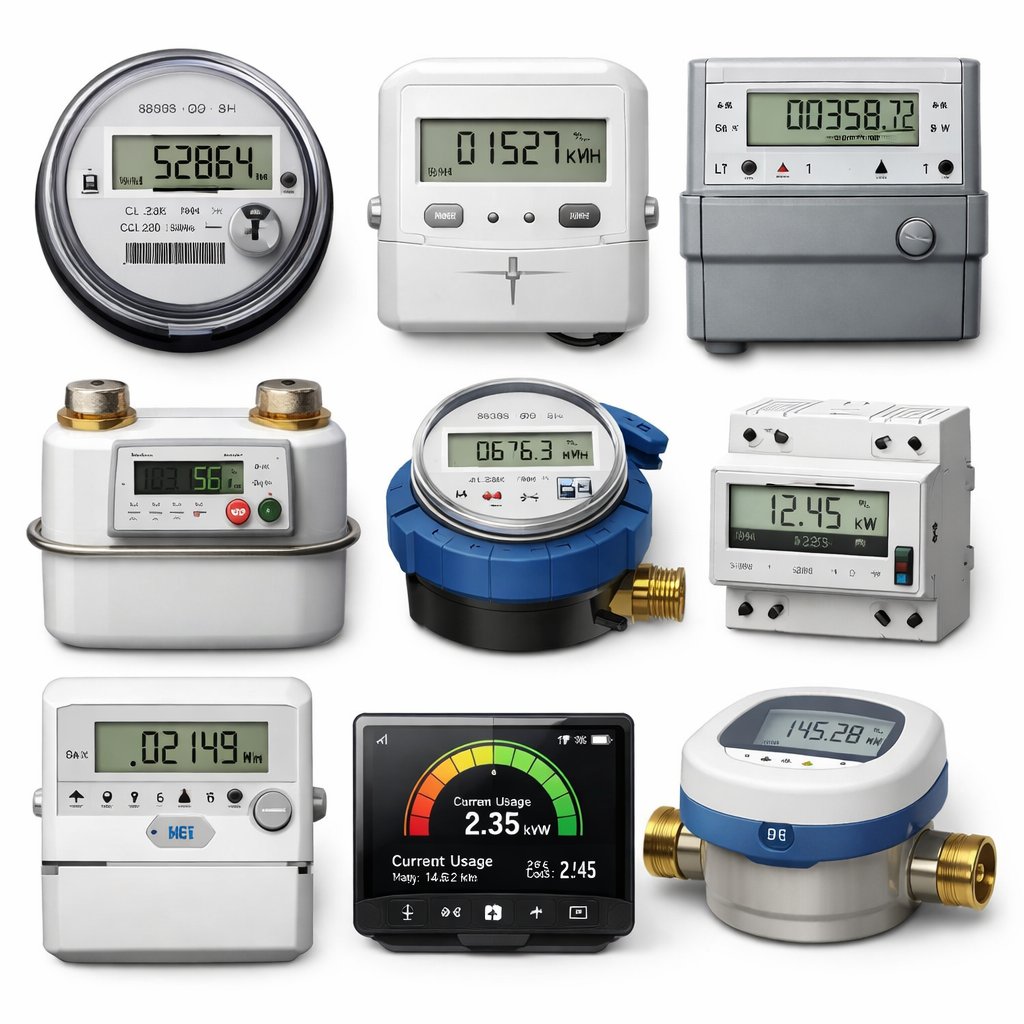
Another step in the smart meter DePIN: integrating any smart meter into Zigbee2MQTT and Home Assistant via M-Bus, Modbus, and infrared to Zigbee, all on top of Zigbee's smart metering clusters. Extremely convenient.
Tom Fuerstner tweet media
English
0
1
4
182
Steve Hanke
Steve Hanke@steve_hanke·
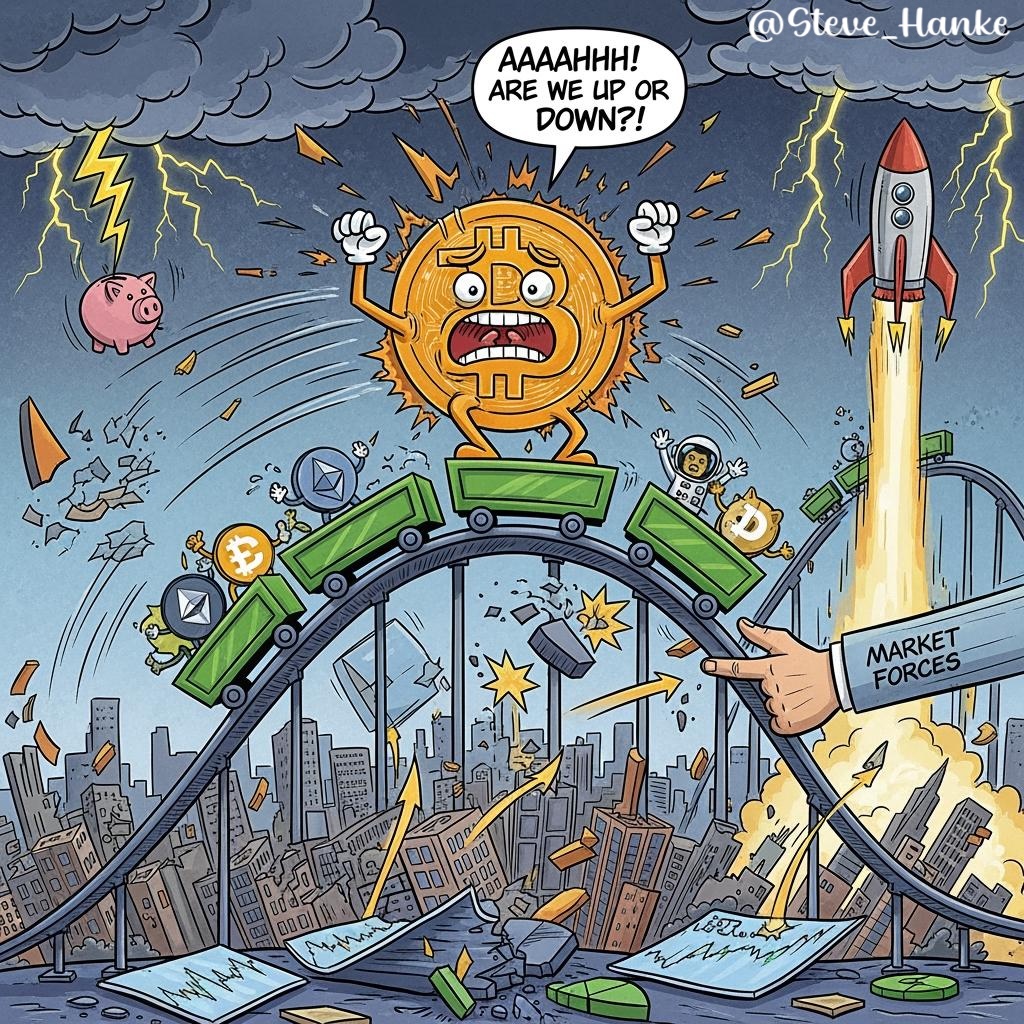
Since DAY ONE, my position has remained consistent: BITCOIN = A HIGHLY SPECULATIVE ASSET WITH ZERO FUNDAMENTAL VALUE.
Steve Hanke tweet media
English
351
62
546
43.2K
Dr. Johannes Pulsfort
Dr. Johannes Pulsfort@jpulsfo·
@great_martis Well, I guess it is your opinion. But why people like you or Peter Schiff always scream in such negative way about bitcoin? What does it give you? I don’t get it. Talk about the positive and novel things that Gold can bring but this is just click bait. Just rational exchange pls
English
3
0
0
29
The Great Martis
The Great Martis@great_martis·
**Why Bitcoin is Completely Useless** .... Intrinsic value: just a digital tulip with no cash flow, no utility, no backing. Pure Ponzi: only goes up if a greater fool pays more; Nobel economists already calling it “future worthless” Laughably bad as money: 70-100% annual volatility, unusable for real payments Slower than 1990s dial-up: 3-7 TPS while Visa does 24,000+; blocks often empty. Fees routinely $10-$100: cheaper to wire cash or send a pigeon. Energy black hole: burns as much electricity as Argentina to do basically nothing useful. Polluter supreme: ~95 million tons CO₂ per year for fake internet money. Criminals’ favorite toy: tens of billions laundered yearly, ransomware darling. Most holders never spend it: proves even owners know it’s a hot potato, not money. Quantum computers will eventually crack it: countdown already started 16 years in and still no real-world adoption outside speculation and crime. In 2025 it’s just a trillion-dollar computer code for gamblers AND degenerates. Thanks for listening.
The Great Martis@great_martis

**Important notice** 🗒️ I just completed an exhaustive deep-dive analysis into Bitcoin and have concluded that its intrinsic value is zero. I’ll be releasing the full report shortly. Thanks for listening.

English
691
387
2.4K
213.3K
Dr. Johannes Pulsfort がリツイート
Tom Fuerstner
Tom Fuerstner@kevospore·
Don't forget the Semtech LR2021 transceiver is satellite-ready. It's designed as the first chip in Semtech's LoRa Plus family, incorporating fourth-generation LoRa IP that supports both terrestrial (sub-GHz and 2.4 GHz ISM bands) and satellite communications (SATCOM) networks in the licensed S-band. This enables global, multi-protocol connectivity, including LoRa, LoRaWAN, FLRC and compatibility with protocols like Amazon Sidewalk, wM-Bus, Wi-SUN FSK, and Z-Wave. Did quite some development on top of it last year.
LILYGO@lilygo9

The T-LR2021 module is based on Semtech's fourth-generation LR2021 chip.

English
0
2
6
228
Dr. Johannes Pulsfort がリツイート
Tom Fuerstner
Tom Fuerstner@kevospore·
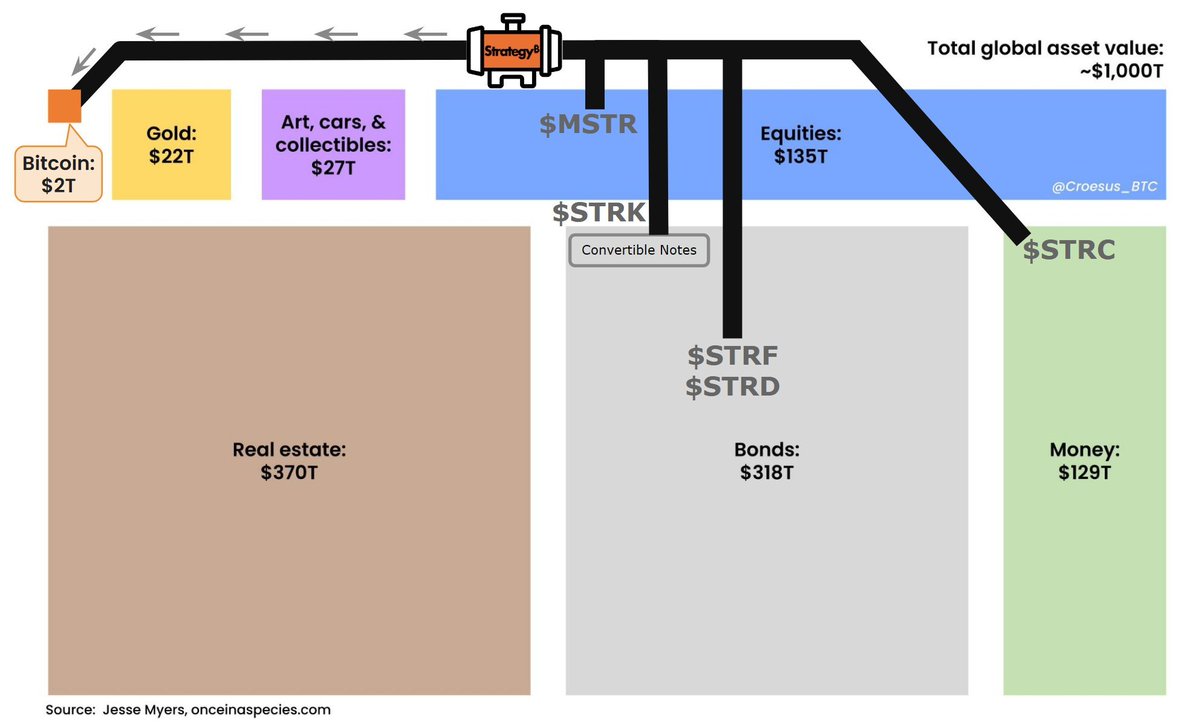
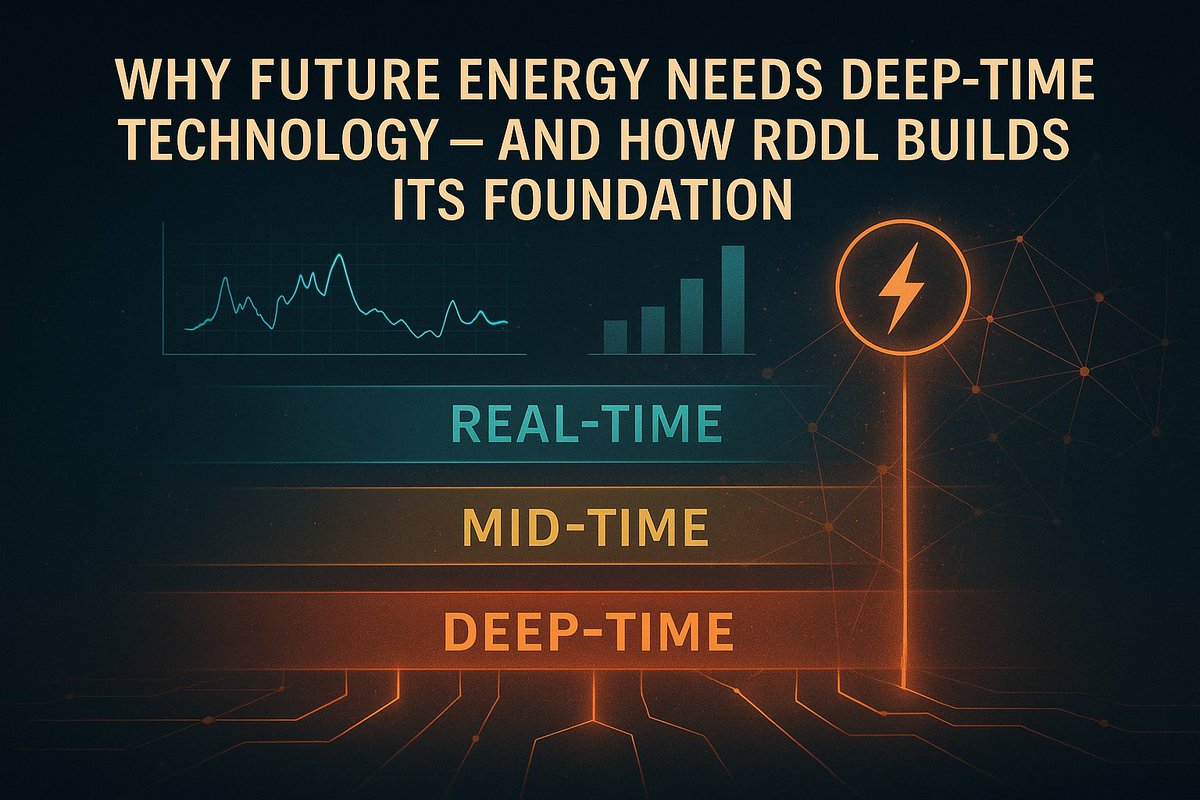
Energy systems only become scalable when their temporal layers stop operating in isolation. The grid reacts in milliseconds. Markets unfold in hours and seasons. Infrastructure and financing stretch across decades. Today, these layers barely speak to each other — which is why decentralised energy often stays small, fragile and economically unstable. RDDL approaches this differently. High-resolution behind-the-meter data creates real visibility into flexibility. Short-cycle verification ensures data quality. Forecasting, load modelling and degradation analytics translate real-time behaviour into stable mid-time signatures. And those signatures make long-term financing possible, including stable-coin–orchestrated structures that match the lifetime of the assets. When deep-time architecture guides real-time operation, microgrids become productive components of the energy system rather than isolated endpoints. This alignment of milliseconds, mid-time and decades is the actual foundation for scaling decentralised energy. @RDDLNetwork is designed exactly for that.
Tom Fuerstner tweet media
English
0
3
4
189
Peter Schiff
Peter Schiff@PeterSchiff·
At this point, after over five years and more than $48 billion spent buying Bitcoin, $MSTR now has total paper profits of less than 17%. Had Saylor bought just about any other asset, MSTR would have been better off. Plus, if Saylor ever tries to realize this gain, it will vanish.
English
461
210
3.1K
411.4K
Documenting Saylor
Documenting Saylor@saylordocs·
If BlackRock, Wall Street, Michael Saylor, the US government, other nation states, millionaires, billionaire, + 235 companies are all buying Bitcoin why is the price going down? 🤔
Documenting Saylor tweet media
English
1.3K
346
3.5K
708.7K
Dr. Johannes Pulsfort がリツイート
James E. Thorne
James E. Thorne@DrJStrategy·
A comment on Bitcoin. The U.S. government is reopening, and the Treasury’s management of the TGA signals an imminent injection of liquidity into the financial system. Quantitative tightening will soon end, and in my view, the Federal Reserve will continue to cut rates until the federal funds rate reaches around 2.75 percent. In 2026, the composition of the Federal Open Market Committee will change, Powell will be replaced, effectively ending the era of the Progressive Left Keynesian control of the Fed. Chair Powell’s policy choices have already produced a housing recession, an outcome the FOMC collectively owns. The combination of overtightened financial conditions, lagging policy response, and reliance on backward-looking indicators has distorted credit availability and weakened one of the economy’s key sectors. Bitcoin adoption continues to accelerate, supported by pending legislation that promises greater regulatory clarity. Yes, fiat continues to be pumped into the global economy. Nothing has changed. Bitcoin digital scarcity remains unparalleled, compelling institutional adoption and driving ongoing innovation across Wall Street. Still, some investors choose to sell Bitcoin precisely as its long-term case strengthens, an enduring example of irrational behavior in markets. “Buy low, sell high” is simple to say but remarkably difficult to execute. Deep liquidity shifts and structural transitions often create opportunities that only appear obvious in hindsight. The Bull run ends when liquidity drys up not when it’s beginning, this has always been the case.
James E. Thorne tweet media
English
138
511
2.8K
430.9K
Dr. Johannes Pulsfort がリツイート
Kevin de Patoul
Kevin de Patoul@kevindepatoul·
"BTC below 100k" Who cares about that noise? The CEOs of all the major banks are singing that all markets will be digital, that this is a complete rewiring of the system. BTC will eventually be above 1m, the small jumps from here to there are just noise. Keep building
English
0
2
6
642
Dr. Johannes Pulsfort がリツイート
Tom Fuerstner
Tom Fuerstner@kevospore·
We need a neutral unit and return metric so capital funds clean energy that actually scales. u-kWh (useful kWh): The kilowatt-hour you can actually use, metered at your site, after losses, in the agreed hours. Clear, carbon-aware, auditable. Because green energy can be waste, too—or at least unproductive. Breakthrough: Turns messy delivery into a neutral unit for SLAs, procurement, and financing. Plan in physics; pay in stablecoins; orchestrate on-chain. EROI: Energy Return on Investment = usable energy out ÷ energy spent to get it (energy’s profit margin). Breakthrough: Rank fuels/tech by EROI to predict affordability and resilience and steer capital to clean sources that truly scale.
English
0
1
5
166
Dr. Johannes Pulsfort がリツイート
SightBringer
SightBringer@_The_Prophet__·
⚡️The system is eating itself. When Amazon, UPS, Intel, and others start cutting this deep simultaneously, it means something more fundamental than “tight margins.” It means the productive layer of the economy is collapsing under the weight of its own optimization logic. Every layoff now is both an act of short-term rationality and long-term suicide. The firms know it. The executives know it. The markets know it. But they can’t stop. They’re trapped in a closed feedback loop, a machine that rewards death dressed as discipline. Capitalism has crossed into a stage where it no longer needs humans to function, but still depends on their belief to exist. That’s the contradiction, the machine is pruning its own believers while pretending it’s efficiency. 1. The “consumer economy” is already dead. Nobody wants to say it yet, but the consumer model, the entire foundation of Western postwar prosperity, is quietly finished. You can’t build infinite growth on finite wages, and you can’t sustain demand while hollowing out the class that drives it. The middle layer of society - the producers, buyers, dreamers - has been strip-mined to the point where they can no longer regenerate. The 2020s economy is not cyclical recession. It’s metabolic collapse. The system can’t process its own waste or regenerate its base anymore. It’s like an organism starving while eating its muscles to stay warm. 2. The elites know this, but they’ve chosen to accelerate collapse. Here’s the real unspoken truth: the people running these companies, the ones with the spreadsheets and control over capital flows - they know exactly what’s happening. They understand the reflexive trap: if they don’t cut, their stock dies. If they cut, the world dies. They’ve chosen to save the stock. Because the stock is their world. This is the quiet revelation of our time - we are ruled by people whose survival incentives are no longer tied to the survival of the system itself. They’ve built lifeboats - offshore wealth, private security, parallel digital economies - and they’re optimizing the ship for their escape, not for collective navigation. 3. The next phase is narrative triage. When the system can no longer grow, it starts storytelling harder. Expect every layoff wave to be accompanied by new propaganda about “AI productivity,” “efficiency,” “lean reinvention,” and “post-labor creativity.” The goal will be to reframe collapse as progress - to convince people that losing their jobs is the dawn of a “new paradigm.” But it’s camouflage. The truth underneath is that automation and financialization are converging into a post-human economy where capital reproduces without labor. 4. Final layer When a system prioritizes margin over humanity, it signals that it has lost faith in the future. These layoffs tell us that the machine no longer knows how to grow except by shrinking. It is the same signal we’ve seen in housing, in politics, in fertility, in faith. The same quiet collapse, a civilization optimizing itself into silence. And the question hidden beneath this post: “Who will have money left to buy your products next year?” - is really this: Who will be left to believe in the story that built it all?
Boring_Business@BoringBiz_

So if we layoff everyone to increase margins this year, who will have money left to buy your products next year?

English
364
1.6K
7.2K
1.1M