

mouseofhell
1.8K posts


Russel Crowe @russellcrowe gets Harmanized by Scotland's digital don
Norman Harman@NorrieHarman
🕶️
English
@SeannachaidhS I've noticed much rubbish making heroes of thieves and murderers, not so much on what 'pacification' would have looked like! Tis a docile land of sheep now [or 'men who think like sheep are even better']
English

People seriously suggesting that the Borders will descend into an apolcalytic wasteland of carnage and barbarism, with reconstituted Border Clans slaughtering each other and stealing each other's cattle, if Scotland becomes independent. Desperate stuff. I wonder if anyone suggested an explosion of brutal spiralling Viking conflict when Norway gained its independence - or are our Unionists just uniquely stupid? 🤣
Paul Lyell@PaulLyell23
I've read the Reviers and numerous books on history, 500 years of fighting and turmoil, once we're Independent I expect nothing less in the Borders
English
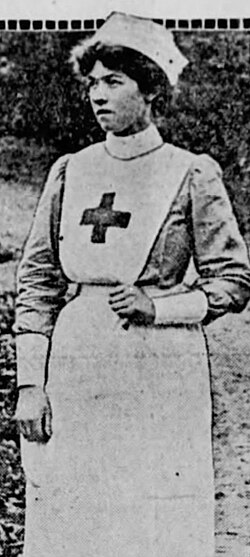
@JHCPAL I done some research into this famous daughter of Howick, Lady Sybil Grey, I remain v interested in her film making!
English
@JHCPAL Wark on Tweed would be like bulwark, then ther's the common Newark, here's the Selkirk Newark castle. On another matter there is a tale that the chivalric order of the knights of the garter has origins in Wark [on Tweed]

English

Guinevere walks (😉) up the Tyne to revisit Wark. Rhymes with bark. Unlike Wark (Tweed) where I require guidance! Both mean "a fortification" & there certainly was. Not to be confused with Warkworth which also has a fortification but has a different meaning & pronunciation...
A Walker's Tale@AWalkersTale
@JHCPAL “Wark” like walk with an “r”?
English
@VoteBPB @AngusRobertson Go Agnes, wow what a class act, thats made me emotional hearing her, jeez Bob thats a nice feeling getting her endorsement, well done you
English
Hey Angus @AngusRobertson meet Agnes. She’s 89 years old, she’s one of YOUR constituents and she’s voting for me on the 7th of May
English
@VoteBPB it's great to hear you at these public hustings, your doing a cracking job, ruffling aw the right feathers, well done
English
Last week of electioneering. BIG thanks to everyone who has already voted, shown support, helped distribute leaflets. Many folk are rightly despairing at the state of this election, but my campaign has been marked by great conversations, political class scalps & good vibes. 😎 🫡

English
@FortressLugh it's an interesting map, I'm living on the catrail which is probably more than 40 miles long and would have required massive effort so these divisions are of huge importance, ofcourse barely anyone has even heard of this astonishing earthwork
English

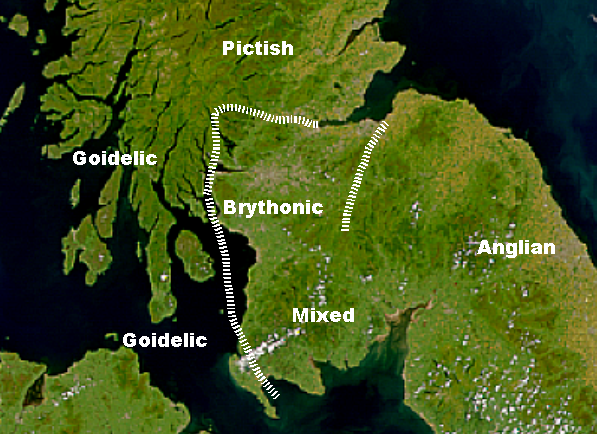
Even this map does not show the full extent, because what is marked as Norse was, with the exception of Orkney and Shetland, really just a Norse ruling class over a majority Gaelic speaking population.
Also, as I demonstrate in my video "How Gaelic Was Scotland" it is very likely there was already Gaelic in various places throughout Strathclyde by this time, which gradually replaced Cumbric.
Below is a map of assumed language distribution as of the 700's, based on the oldest available place names. It is assumed that Galloway was already a mix of Gaelic and Cumbric.
Tom O’Hanlon@TomOHanlon17
While Brian Boru was High King of Ireland 🇮🇪 from 1002 AD, the Irish language was also dominant in the Gaelic kingdom of Scotland The Gael, Coinneach mac Dhuibh, was the King of Scotland 🏴 at this time.
English
@AndyWoodturner it's a good wee tale that, within it is much of the chemistry of our current malaise
English
Just tried to politely warn a woman that her boot wasn’t properly closed. Told me to “mind your own fucking business”. She reversed out of space. Fast. Scowling at me. Braked hard. Boot opens.
Spilled milk and broken eggs. So tempted to ask if she wanted a recipe for pancakes
English
@VoteBPB is this ballot spoiling? I can see a point in registering dissatisfaction, that said I'm not doing it, I'm more keen on getting rid of an idiot [by voting for another idiot!]
English
if you only have neoliberals on your ballot. Then spoil your ballot.
Bronwyn@BronwynChat
I despair at bampots like this , idiotic nonsense 🤡
English
@45johnferguson that is a model applied to much of rural Scotland, half million pound retirement complexes, cottage living is rare amongst my friendship group, we're aw toonies now
English

Wester Ross is full of half million pound houses now full of (retired) city professionals. The language has collapsed in Wester Ross in less than 100 years.
Am Baile - Highland History & Culture@HighlandHistory
#Erbusaig, near Kyle of Lochalsh in Wester Ross, 1920s [photo: Duncan Macpherson; source: Skye & #Lochalsh Archives]
English
Physical geography influencing human settlement. Where to settle ? In a meander of the Coquet protected on 3 sides by water. Means "Werca's enclosure". Recorded as Werceworth c1040.
Northumberland Photography@PaulAppleby_01
Warkworth, Northumberland, on a late spring evening.
English
@AdamMIbbotson well done, wait for the royalties to pour in, tis all Bugatis and bling from now on!
English
I'm giving you a high mark for making nutritious food part of healthcare, what about land ownership?, silence on that, us rural workers would be interested in thoughts re revitalising rural communities
Workers Party Scotland@WP_Scotland
This whole project has been a car crash in slow motion. Looks like it finally crashed. 🤦🏻♂️ Enough games, Scotland needs a united socialist party to stand up to war, poverty, and decline. Time to put the grown-ups in charge.
English

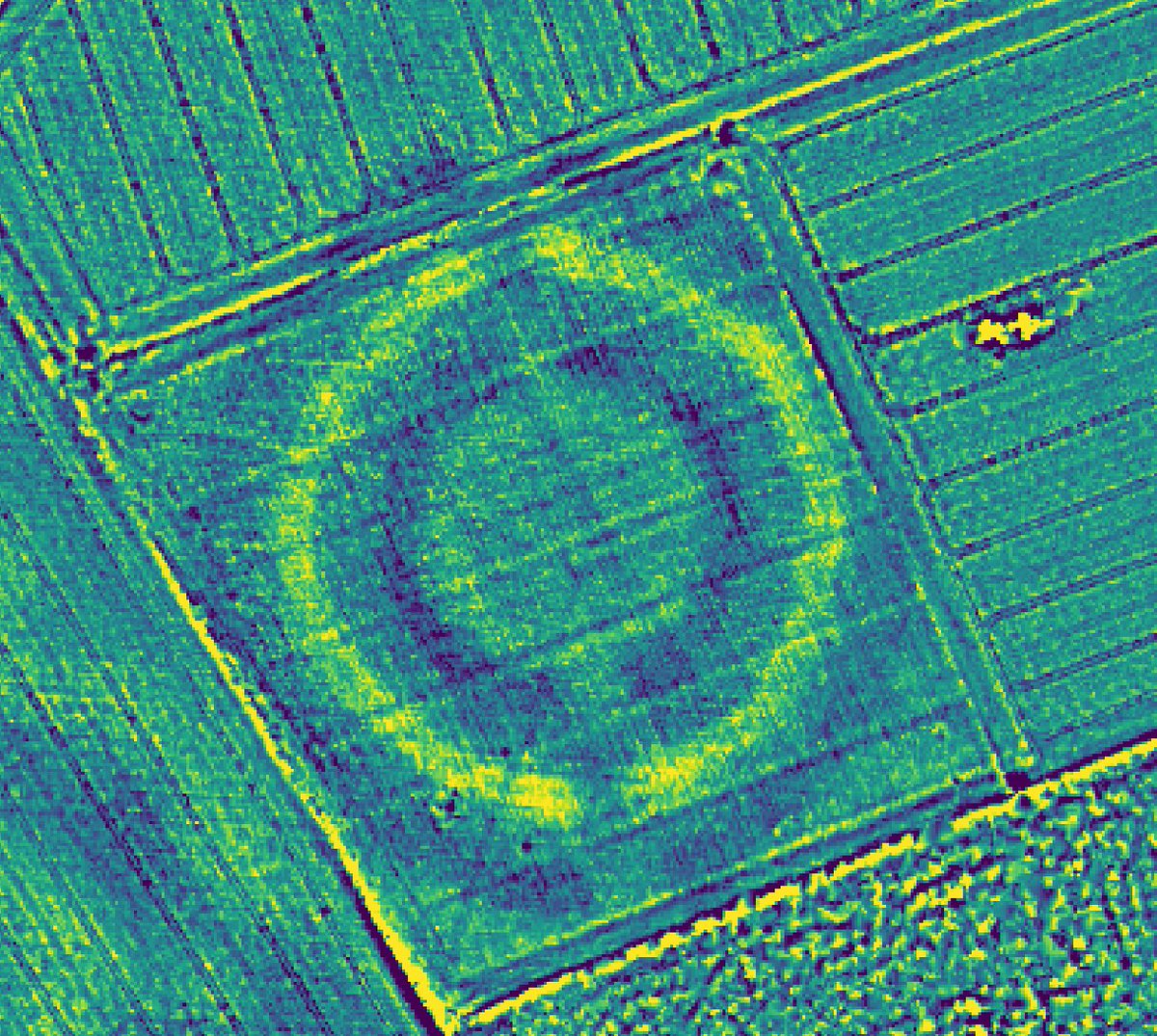
Actually, measuring it in the LiDAR, it's more like 220m!
Massive!
English
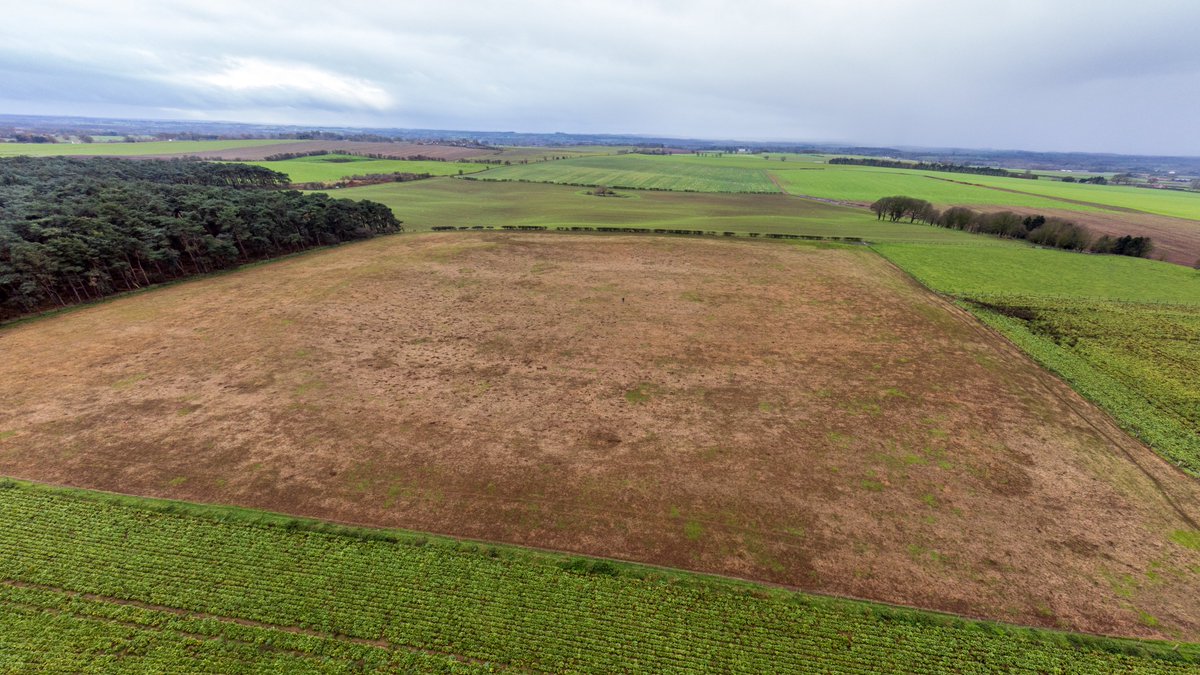
Got chance to wander into the little explored Hutton Moor Henge, North Yorkshire 😬
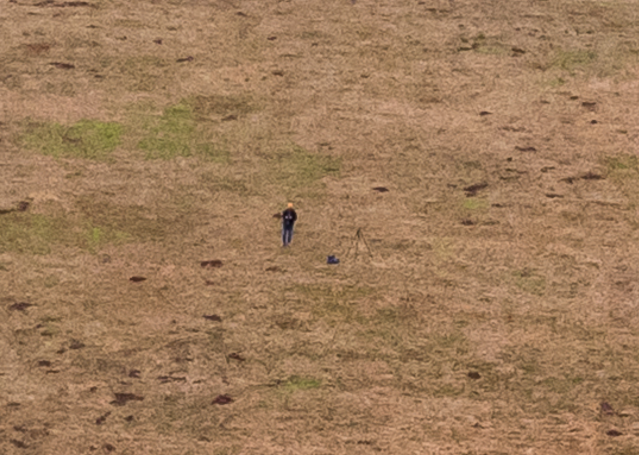
One of the massive Neolithic henges of the Thornborough / Vale of Mowbray complex. And I mean - massive! Edge to edge, we're talking 172m. Surprisingly big. 🫢
#archaeology
English
independent minded folk o the Tweed basin will dae whatever they fancy and tae hell wi aw youz!
BELLA CALEDONIA@bellacaledonia
Despite overwhelming media support you are watching the Union die in real time. What will Unionists do after May 7? bellacaledonia.org.uk/2026/04/11/yes…
English
@VoteBPB why they no visit you? too high profile? sympathetic or no, police visits are meant to be chilling/warnings
English
A friend was visited by Police Scotland late last night and issued a caution over an entirely innocuous post about a certain Zionist-friendly Scottish Government minister…The officers were apparently sympathetic but were obliged to act as instructed. #VoteZionistsOUTofHolyrood
English
English

speaking at the Grassmarket Residents Association hustings. Independent candidate Bonnie Prince Bob @VoteBPB assess @theSNP’s @AngusRobertson performance as an MSP after five years in public office for the Edinburgh central constituency. #Holyrood2026 #Election2026
English
@silverhills64 it's lovely there also Allanton Inn has good menu
English

@mouseofhell1 Next time I’m up, going to do a recce at Bluestone first. Process of elimination. 😉
English
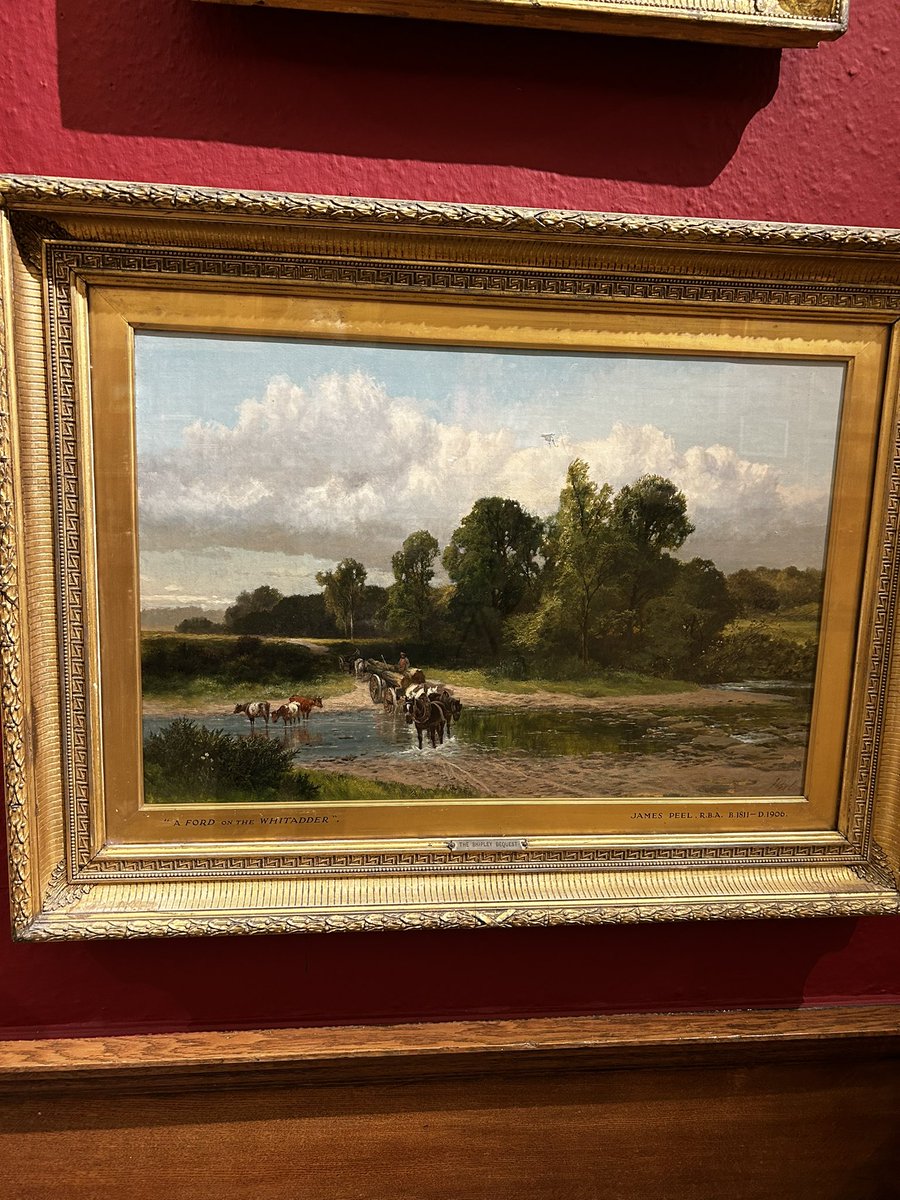
Bit of culture at the Shipley Art Gallery today. Anyone recognise this location?
I’m making assumptions it’s the Whiteadder Water in the Scottish Borders? Happy to be corrected…..😊
English
@silverhills64 Tweed near Norham, fair bit o artistic license deployed on this one methinks, I'm giving up this interesting dive the now, I like his work tho and I share his love of rivers, quite a prolific maker of art, impressive

English