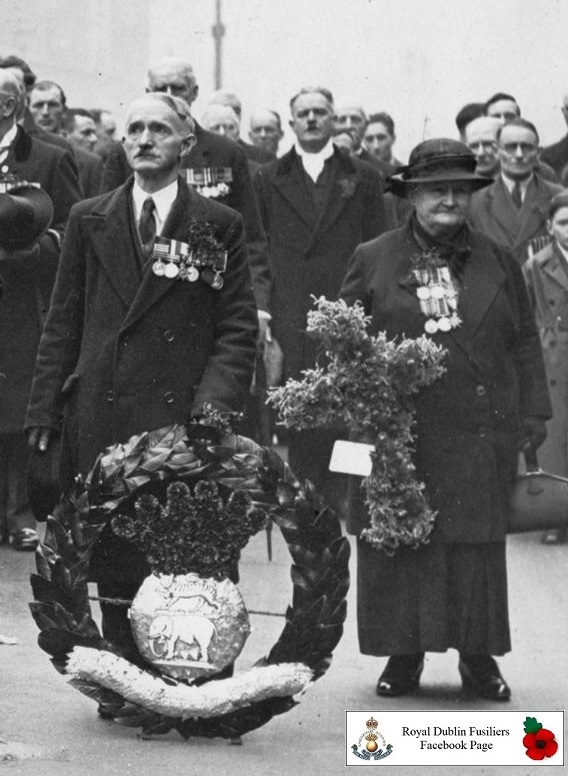
St. Patrick's Day, Dublin, 1920. A Royal Dublin Fusilier veteran of the 2nd Anglo - Boer War and Great War and Mrs. Branigan, she's wearing the medals of her son and brother.
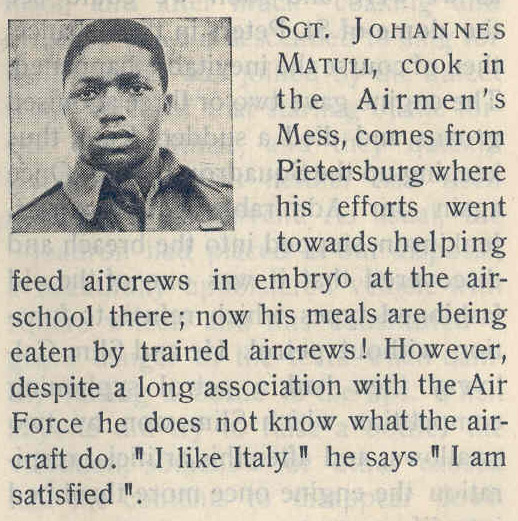
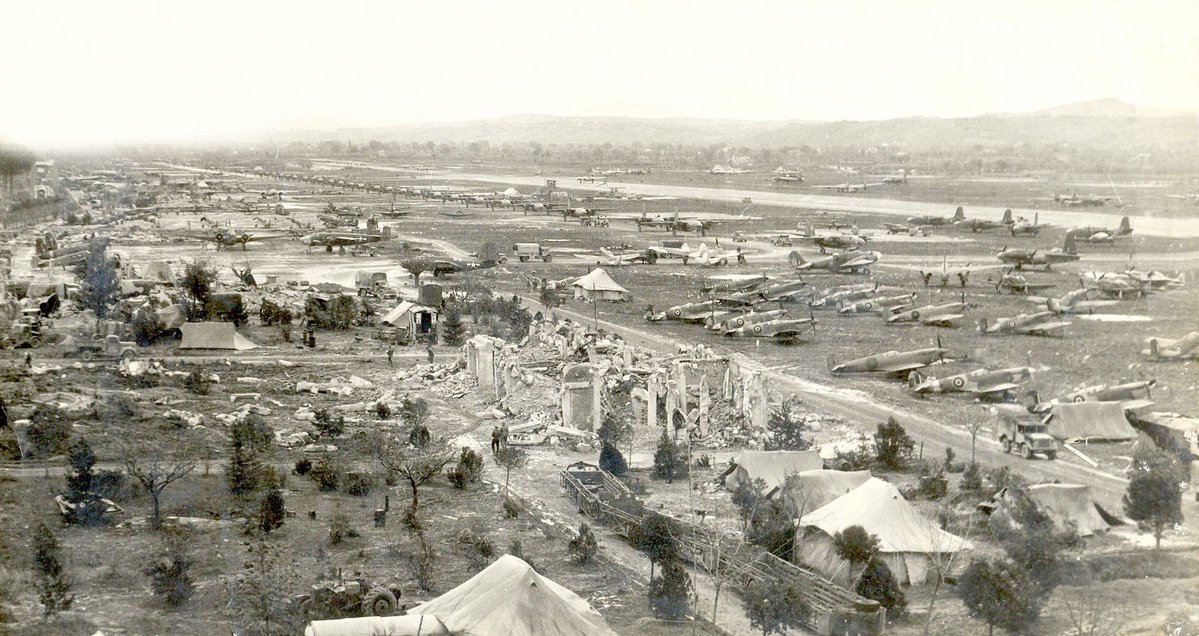
Sergeant Johannes Matuli from the Native Military Corps was attached to 30 Squadron SAAF while serving in Italy as a Senior Cook in the Squadron Airmen's Mess.
Today, March 20:
“This day in our shipwreck and aeronautical wreck history”
1859: Oste, this sailing vessel wrecked in a south easterly gale near Blaauwberg Beach in Table Bay in the Western Cape.
1860: Oaklands, this wooden sailing barque wrecked near the Coega River Mouth in Algoa Bay in the Eastern Cape.
1898: Clan Lindsay, this British steel steam-powered cargo ship was en route from Clyde in Scotland to Mauritius with a general cargo when it was wrecked on the eponymous Clan Lindsay Rocks in Mazeppa Bay in the Eastern Cape.
1934: Nautilus, this steel steam-powered dredger was scuttled off the Durban coast in KwaZulu-Natal.
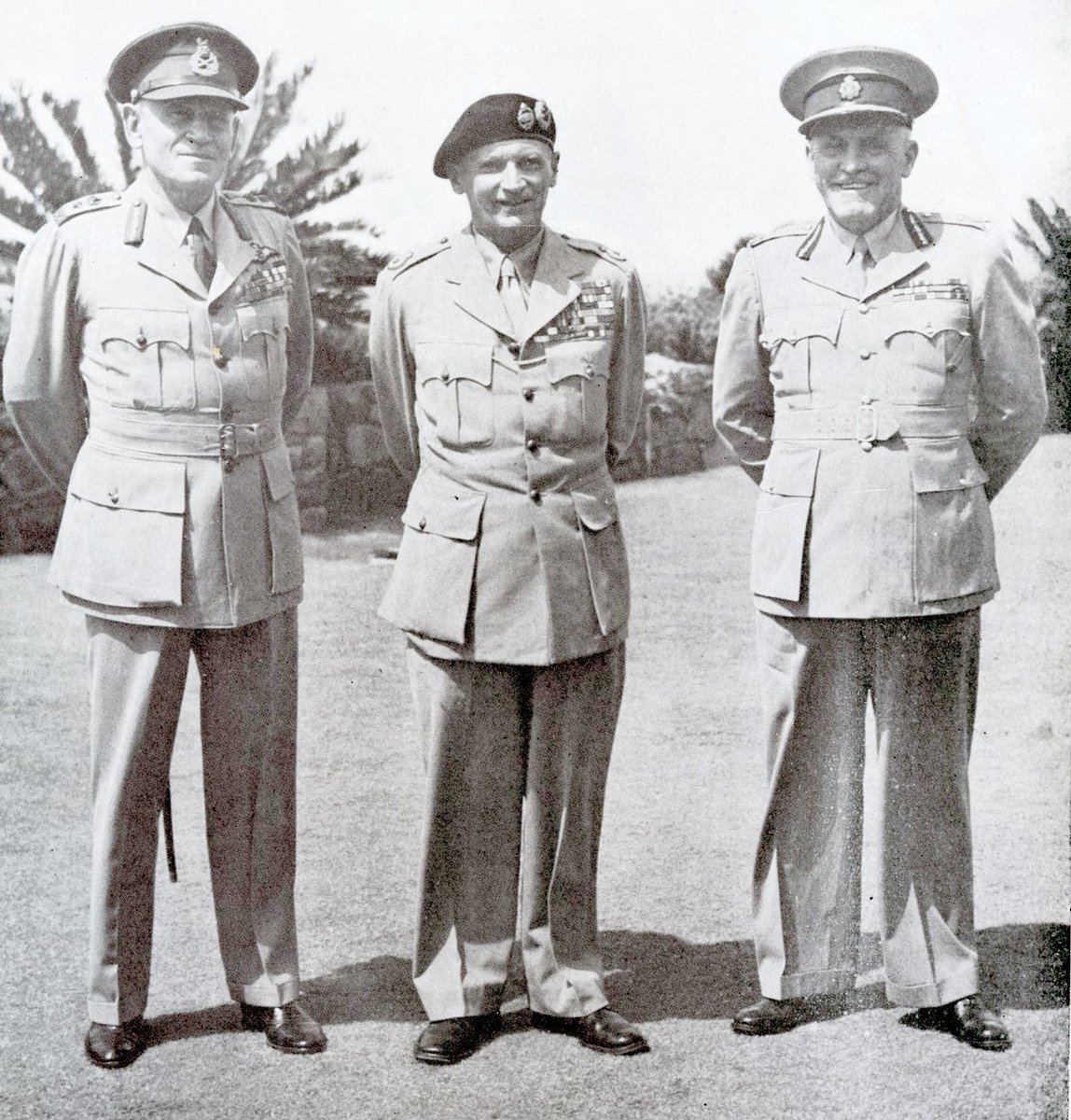
Field Marshal Bernard Law Montgomery KG, GCB, DSO, PC, DL (Center) photographed together with General Sir Pierre van Ryneveld KBE, CB, DSO, MC Chief of General Staff UDF) (Left in picture) and Major General Robert John Palmer CVO, DSO & Bar (Commissioner of the South African Police) (Right in Picture) during his visit to South Africa in late 1947 as part of a two-month tour covering 11 African countries.
Field Marshal Montgomery also made several later visits to South Africa over the years to visit and maintain contact with South African Veterans who had served under his Command.
A portrait of him was painted by South African War Artist Neville Lewis in December 1942, reflecting his early connections to the Country.
20 March 2026
Today in History
1602
The establishment of the “Generale Vereenigde Nederlande Geoctroyeerde Oostindische Compagnie”—in short, the VOC (Dutch East India Company)—took place on this day.
Its founding was largely the result of monopolies in the spice trade.
Its sphere of operation stretched from the Cape of Good Hope to the Strait of Magellan.
The VOC’s creation was also, to a large extent, due to the insight and administrative skill of Johan van Oldenbarnevelt.
1653
From the diary of Jan van Riebeeck
Van Riebeeck describes the day as calm, pale blue, and clear.
The commander of the returning fleet, along with several officers, came ashore and spent the day at the fort.
1654
From the diary of Jan van Riebeeck
Daybreak brought a dry, warm, sunny day similar to the previous one.
The south-south-easter began blowing toward evening.
1655
From the diary of Jan van Riebeeck
The south-south-easter began blowing at daybreak.
The day is described as warm and dry.
1656
From the diary of Jan van Riebeeck
Morning brought an initially misty start at the Cape.
The wind blew moderately from the north-west.
1657
From the diary of Jan van Riebeeck
Morning is described as pleasant and warm, similar to the previous day.
The wind blew moderately from the west.
The Robbejacht arrived during the day from Robben Island with the requested 30 sheep.
Morning is described as pleasant and warm, similar to the previous day.
The wind blew moderately from the west.
The Robbejacht arrived during the day from Robben Island with the requested 30 sheep.
1658
From the diary of Jan van Riebeeck
The morning is described as slightly misty, with a north-westerly wind.
The Penguijn arrived during the day from Dassen Island. The sloop belonged to the Free Burghers and brought:
birds
eggs
fish
half a barrel of rendered oil
The crew also reported a vessel on its way to the Cape.
Van Riebeeck also wrote a formal report and instructions regarding Jan Wouterssen.
Wouterssen, already known from earlier entries, had previously been stripped of his rank due to misconduct on Dassen Island. He had since served on Robben Island, responsible for sheep and signal fires.
Complaints included:
allowing sheep to die unnecessarily
frequent drunkenness
failing to manage signal fires properly
He was recalled to the Cape and would be sent to the East Indies with his wife and child at the first opportunity.
He was replaced by a soldier named Rijk Overhagen.
1659
From the diary of Jan van Riebeeck
Daybreak is described simply as warm and pleasant, with a moderate south-south-easterly wind.
Soldiers in a bastion raised the alarm after spotting a vessel.
The Princess Roijael departed for Batavia during the afternoon.
1660
Lambertus and Abraham van Riebeeck, sons of Jan and Maria van Riebeeck, departed by ship for Rotterdam, where they would stay with their uncle and receive their education.
1751
Hendrik Swellengrebel, Governor at the Cape, was succeeded by Ryk Tulbagh.
Monday, 20 March 1837
From the diary of Louis Tregardt
Louis writes that a south-easterly wind began blowing early in the morning and that it was a cloudy day.
Pieta and Carolus brought thatching material for their hartebeest huts using oxen.
Danster and Adonis were supposed to milk the cows that morning, but Danster refused to work and brought a stranger in his place.
Danster spoke rudely to Pieta, leading to a fight between them.
Danster’s wife and other women raised an outcry.
Carolus lost his temper and drove everyone together, after which things calmed down.
Later, Miss Scheepers, Hendrik Botha and his wife, and Louis’s wife Martha arrived at Carolus’s house, where Louis, Izak Albach, and Doors were sitting.
Another argument broke out—apparently about Doors being taken from a previous employer and an issue involving an elephant tusk.
Eventually, the group parted peacefully.
Tuesday, 20 March 1838
From the diary of Louis Tregardt
The sun had barely burned the dew off the grass when the group had already covered a good portion of the day’s journey.
Lourens had already returned from his visit to the settlement.
However, another cow had died that morning. Without counting, Louis recorded the herd as 481.
Lourens reported that the captain would visit later that afternoon.
The group traveled to the settlement of Captain Macodelena. Shortly after outspanning, the captain arrived with an entourage.
He presented an elephant tusk as a gift. Louis gave two sheep in return and also received a calabash of beer.
The captain offered guides to assist with the final part of the journey to the fort. Louis accepted.
Before leaving, the captain asked Louis to shoot a hippo for the people of the settlement.
1837
No entry for this day appears in the diary of Reverend Erasmus Smit.
Tuesday, 20 March 1838
From the diary of Reverend Erasmus Smit
Smit writes that he rose before dawn and withdrew outside the camp to pray.
He prayed for the protection of the camps and entrusted the commandos to God’s care.
Toward evening, several men from Piet Uys’s camp came to visit:
Jan Vermaak
Dirk van Rooijen
Izak Landman (son of Jan Landman)
1869
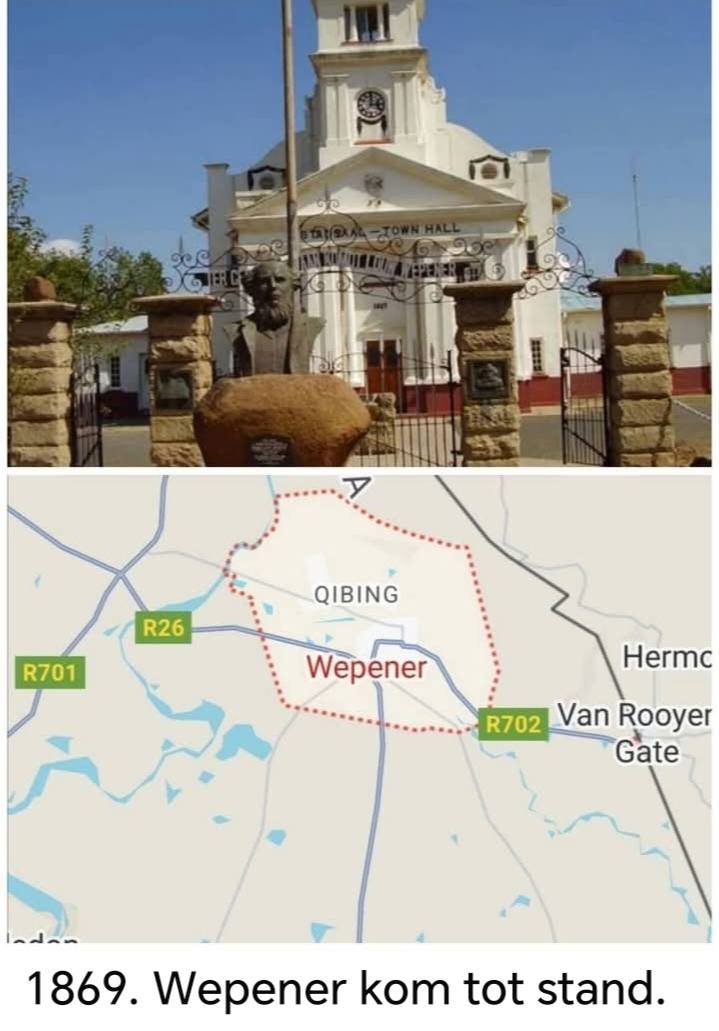
The town of Wepener was established.
It was named after Lourens Jacobus Wepener, hero of Thaba Bosigo.
Town plots were given free of charge on condition that they be occupied. This was an effort to settle white inhabitants in the so-called “Conquered Territory.”
Development was slow due to fear of further Basotho attacks.
First magistrate appointed: 1873
First minister: 1874
Telegraph line arrived: 1882
1873
General Frederik Johannes Willem Jacobus Hattingh was born in the Tarkastad district.
He fought at:
Colenso
Spion Kop
He later escaped from the Brandwater Basin and fought alongside General de Wet.
At the Peace of Vereeniging, he voted in favor of peace.
1873
Reverend Jozua Francois Naudé was born in Middelburg (Cape).
Initially trained as a teacher, he later became a minister.
During the Anglo-Boer War he served as a field preacher in General Beyers’s commando.
After the war, he documented his experiences in “Vechten en Vluchten” (Fighting and Fleeing).
He is also remembered as:
scribe of the Dutch Reformed Church
the man who wrote the first church minutes in Afrikaans
the first minister to preach in Afrikaans from the pulpit in Graaff-Reinet
founder of the first Afrikaans school in the Transvaal
Tuesday, 20 March 1900
Anglo-Boer War — Day 161
General French’s mounted forces occupied Thaba Nchu
General De Villebois-Mareuil discussed tactics with President M. T. Steyn in Kroonstad, proposing small mobile units to disrupt British supply lines
General de Wet’s proposal to abandon ox wagons entirely was accepted
Commandant-General Joubert was ill and left for Pretoria
General Louis Botha issued a proclamation calling all burghers to active service, with no excuses tolerated
Colonel Parsons left Carnarvon and arrived at Garskolk
Wednesday, 20 March 1901
Anglo-Boer War — Day 526
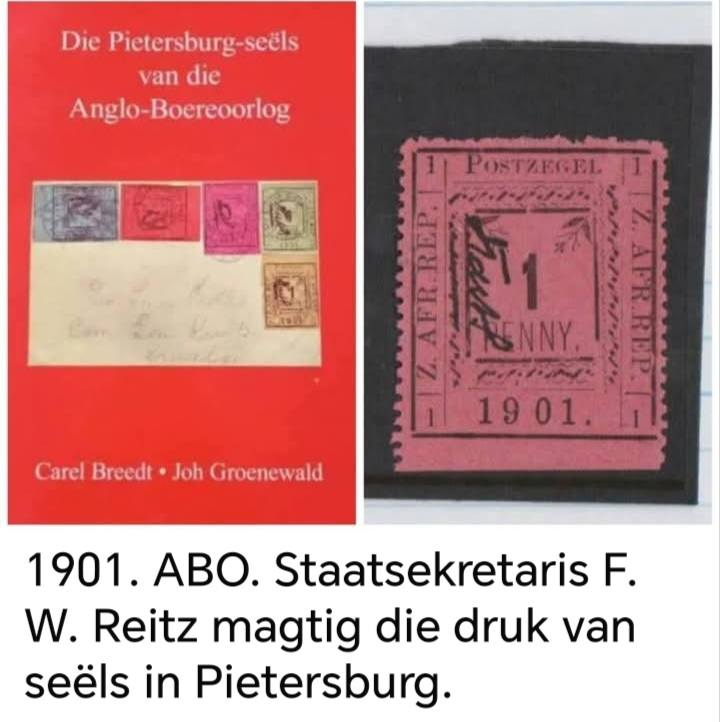
State Secretary F. W. Reitz authorized the printing of postage stamps in Pietersburg, using the press of De Zoutpansberg Wachter
Milner wrote to Kitchener, urging him to treat “Joiners” well to ease military pressure and deepen divisions among the Boers
Lieutenant Fanie Swanepoel and his commando occupied Pearston, destroying the post office and looting shops
General Lyttelton reached the Thaba Nchu line, capturing:
70 burghers
4,300 horses
a herd of cattle
Thursday, 20 March 1902
Anglo-Boer War — Day 891
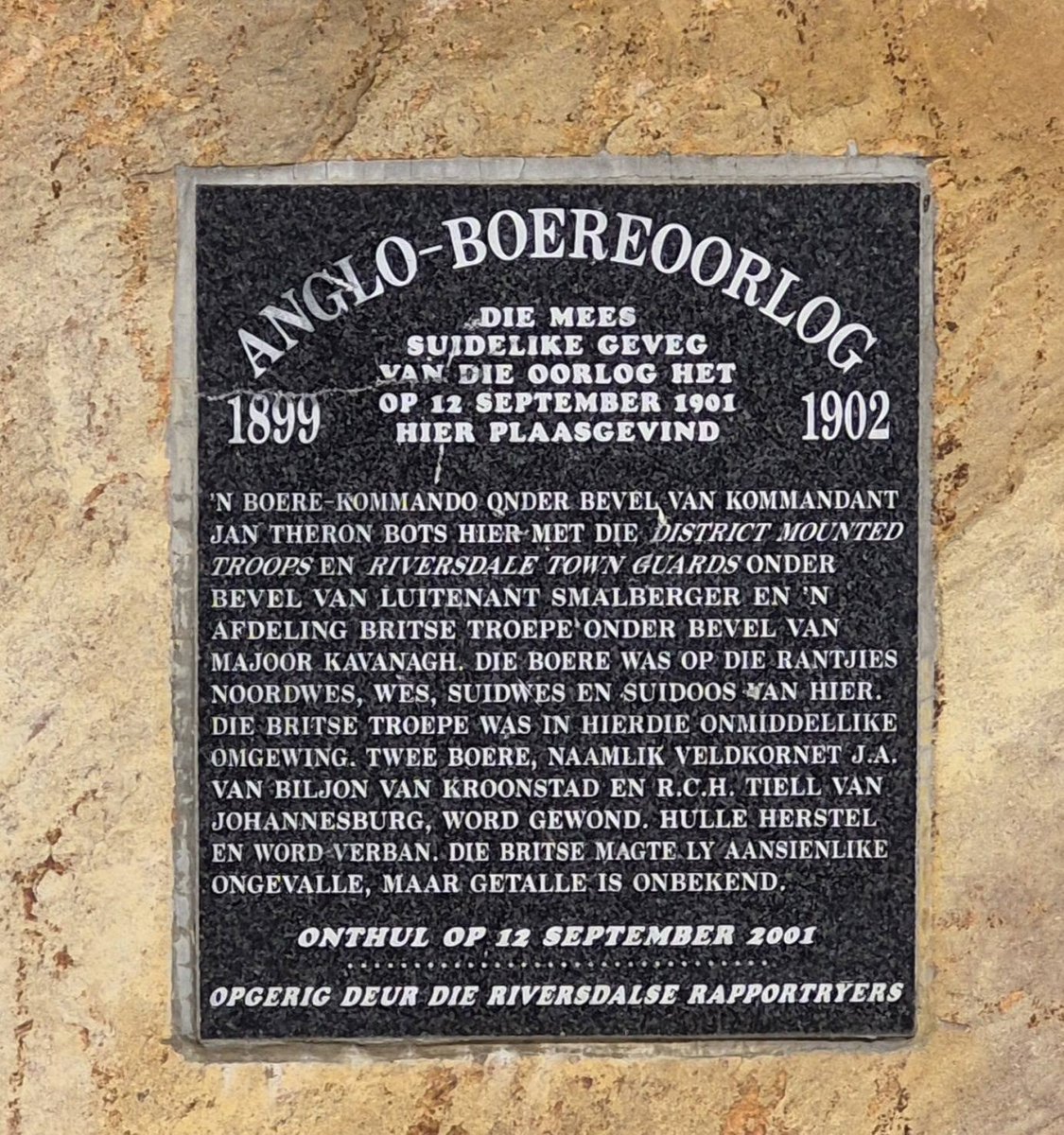
The fourth “New Model Drive” began in the Free State between Heilbron, Frankfort, and Botha’s Pass, involving about 14,000 soldiers.
1920
The first flight from London landed in Wynberg (Cape).
1950
Daniël Cornelis Boonzaier, South Africa’s first official political cartoonist, died.
1953
The first Cape mountain zebra foal was born in the Mountain Zebra National Park near Cradock.
1982
The Conservative Party, under Dr. Andries Treurnicht, was founded in Pretoria.
1990
A tornado struck Welkom:
About 800 homes were left without roofs
98 people were injured
FOR THEM THE LAST POST HAS SOUNDED
Today we pause for a minute to remember the following young men from our Generation who answered the Final Roll Call.
20 Mar 1964: Warrant Officer Class II Barend Jacobus Taldwyn from the South African Army died after suffering a coronary thrombosis in Pretoria. He was 43.
20 Mar 1979: 75315739BG Signaller Gary Peter Necic from 2 Signal Regiment was killed in a private motor vehicle accident in Johannesburg while on a weekend pass. He was 19.
20 Mar 1981: 78245727BG Seaman Derek Jerome Meyer from the 1st Marine Brigade, South African Marine Corps, was accidentally killed after being struck by a bullet in cross-fire during a first light “L” ambush training exercise using live ammunition at the Piet Plessis training area near Mosita. He was the first Marine Corps Casualty of the Bush War. He was 19.
20 Mar 1981: 01521111PE Captain Abraham Gerhardus Wilhelmus van Tonder from SAS Immortelle collapsed and died after suffering a fatal heart attack at Naval Headquarters in Pretoria. He was 50.
20 Mar 1982: Rifleman Dumba Katibelo from 201 Battalion SWATF was Killed in Action near the Cut-Line during a contact with SWAPO/PLAN Insurgents. He was 23.
20 Mar 1983: Special Sergeant Atytale Amalua from the South West Africa Police Counter-Insurgency Wing: Ops-K Division (Koevoet) was Killed in Action during a contact with SWAPO/PLAN Insurgents in Northern Owamboland. He was 32.
20 Mar 1984: 80325558BG Gunner Joachim Jacobus Badenhorst from 61 Mechanised Battalion Group was killed when his Buffel Troop Carrier overturned on a wet road at Tsumeb, crushing him under the vehicle. He was 19.
20 Mar 1985: 80272078BG Rifleman Jan Andries Coetzee from 7 SAI was killed in a Military Vehicle Accident on the Witbank Highway. He was 20.
20 Mar 1988: 83207522BT Corporal Gregory MacKenzie Steward from the 44 Parachute Brigade Pathfinder Company was called up for a compulsory three-month camp in March 1988. He was Reported Missing when he failed to report after participating in a Sunday night practice parachute jump at Murray Hill just north of Pretoria. An intensive search was launched and his body was eventually located an hour later and recovered. The Board of Inquiry determined that his canopy was hooked up backwards on the 3-ring circuit attached to the risers. This caused him to move away from his team and not towards them. The Board came to the assumption that Steward became confused in the dark and without checking his altimeter, he opted to cut away the main canopy. From the condition of the body and the injuries sustained, the Board determined that his altitude was approximately 400 ft above ground level at the time of the cut-away. Steward impacted the ground in a perfect post cut-away position with his left arm out in front of his head and his right hand was still gripping the reserve chute handle that he never got to pull. He was 20.
20 Mar 1989: 80635980BW Lance Corporal Phillip Swartz from 52 Battalion was killed in a private motor cycle accident at Oshakati. He was 28.
20 Mar 1994: 93771145PK Rifleman Mothusiemang Benjamin Photle from the Army Battle School took ill during a Church Service at the Unit. He was admitted to the Cordonia Hospital where he suffered a fatal heart attack and died. He was 30.
20 Mar 1995: 92672542PY Rifleman Petrus Maqalika Mosala from 21 Battalion: was accidentally killed while setting up a military display at the Rand Show when he was crushed between two military vehicles. He was 26.
20 Mar 1997: 85347524PE Staff Sergeant Hugo Johan Jacobus Cockeran from Group 30 was killed in a military motor vehicle accident at Schweizer Reneke. He was 28.
20 Mar 1997: 96704887PR Sapper Justin Trevor Watkins from the 4 Survey and Mapping Regiment, South African Engineer Corps was found dead on the Heidelberg Shooting Range with a self-inflicted gunshot wound to the head using his R4 rifle. He was 19.
20 Mar 1998: Lieutenant Colonel Richard Culpan from the Air Force Museum Historical Flight was critically injured when the SAAF Museum Ex Royal Rhodesian Air Force Percival Provost, Serial No. RRAF137 from the SAAF Museum Flight crashed at Air Force Base Swartkop while he was conducting an air show practice sequence. Although he initially survived the crash, he succumbed to injuries during the ensuing post-crash fire. He was 51.
20 Mar 1999: 90710096PE Lieutenant Nditsheni Mutsila from 118 Battalion was admitted to 1 Military Hospital in a seriously dehydrated condition where he subsequently died after suffering multi-organ failure. He was 30.
20 Mar 2000: 87984852PF Corporal Jerome Ignatius Mckenna from the Ordnance Service Corps attached to Eastern Province Command Maintenance Unit was found hanged in the bathroom of the servant’s quarters at his home in the Forest Hill Military Base at Port Elizabeth. No foul play was suspected. He was 30.
† Their names and sacrifices have not been forgotten †
All posts Credit Lt Col (rt) Graham du Toit
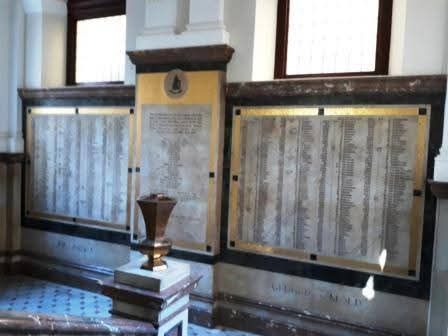
Wall of Remembrance inside the CITY HALL of CAPE TOWN that was dedicated to the fallen soldiers of the 1st SA CAPE CORPS BATTALION of WW1 . (image owner : photo courtesy of Mogamat Kamedien)